Premium biological carbon sources and polymer formulations designed to optimize nitrate reduction and solids separation in local facilities.
Australia's environmental landscape demands highly stringent nitrogen discharge parameters. Managed under the guidance of the Australian and New Zealand Guidelines for Fresh and Marine Water Quality (ANZG / ANZECC), local environmental protection authorities (EPAs)—such as EPA Victoria, NSW EPA, and Queensland's Department of Environment and Science (DES)—impose strict limits on Total Nitrogen (TN) discharge. Excessive nitrogen leads to catastrophic eutrophication in delicate ecosystems, including inland river basins like the Murray-Darling and coastal reef networks like the Great Barrier Reef catchment zones.
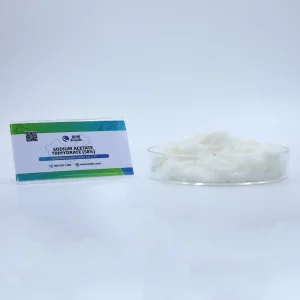
Achieving regulatory compliance requires municipal and industrial wastewater facilities to optimize biological denitrification. In many biological nutrient removal (BNR) systems, the incoming raw wastewater lacks sufficient carbon to achieve complete denitrification (low COD to nitrogen ratio). Smedic Technology provides premium chemical interventions, specializing in solid sodium acetate and advanced flocculants, acting as the primary catalyst for stable, high-efficiency nitrate-to-nitrogen gas reduction.
All Smedic chemical exports align with the Australian Inventory of Industrial Chemicals (AICIS) regulations, satisfying GHS classification, SDS demands, and dangerous goods logistics standards (AS 1940 for chemical storage and handling).
How Australian states and major industries manage biological nutrient removal and chemical sludge handling.
In Western Australia and Queensland's coal and metal reserves, mining blasting agents leave heavy nitrate residuals. Tailings ponds require specialized carbon dosing and non-ionic/cationic flocculants to clean mineral slurry water and limit groundwater seepage.
Cities like Sydney, Melbourne, and Brisbane are expanding BNR processes. Utilizing solid sodium acetate as a supplemental carbon source ensures rapid denitrification rates, zero toxicity, and low biomass production compared to volatile organic compounds like methanol.
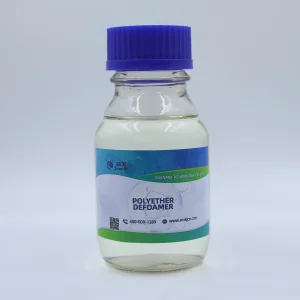
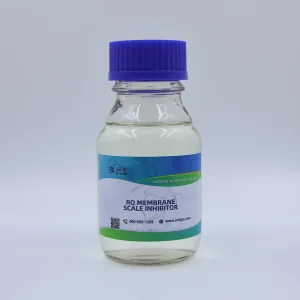
Abattoirs, dairies, and wineries in South Australia and Victoria generate high-strength organic wastes with massive organic nitrogen loadings. Smedic's range of defoamers, scale inhibitors, and coagulants are vital in pretreatment and biological loops.
Biological denitrification is a two-step dissimilatory reduction pathway where facultative heterotrophic bacteria convert nitrate (NO3-) to nitrite (NO2-), and finally to nitric oxide (NO), nitrous oxide (N2O), and inert nitrogen gas (N2) under anoxic conditions (dissolved oxygen < 0.2-0.5 mg/L). The process requires an external electron donor (carbon source) to fuel cell maintenance and synthesis. The stoichiometric carbon requirement is typically calculated using the following pathways:
NO3- + 1.08 CH3COO- (Acetate) + H+ → 0.5 N2 + 1.08 CO2 + 1.08 H2O + Active Biomass
In practice, the actual COD/N ratio required in wastewater treatment plants (WWTPs) fluctuates between 4.0 and 6.0 due to biomass production, competing oxygen reduction demands, and environmental parameters such as pH and temperature.
The selection of an external carbon source dictates the kinetics and safety profile of the denitrification loop. Comparing commonly used industrial carbon sources:
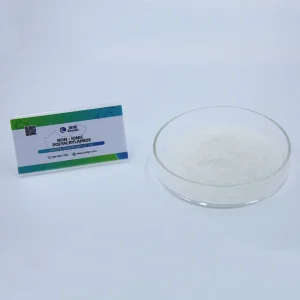
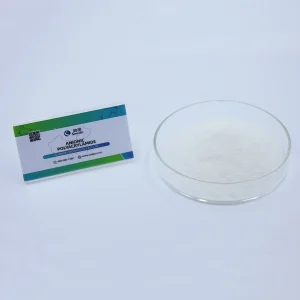
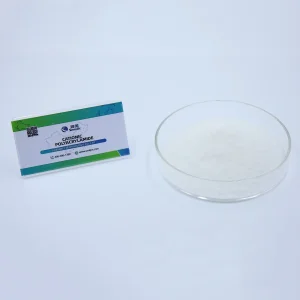
Achieving nitrogen removal solves only one half of the regulatory challenge. High suspended solids carrying organic nitrogen must be flocculated and removed. Smedic technology supplies premium Anionic (APAM), Cationic (CPAM), and Non-Ionic (NPAM) polymers tailored for:
Smedic Technology Co., Ltd. was established in 2011 as a comprehensive global supplier specialized in environmental protection agents. We integrate advanced chemical R&D, commercial-scale production, and engineering support services. Smedic produces water treatment chemicals covering municipal sewage, industrial wastewater, mining processes, and oilfield operations. With an annual capacity exceeding 1 million tons, we service global accounts with high-grade chemicals, engineered for reliability.
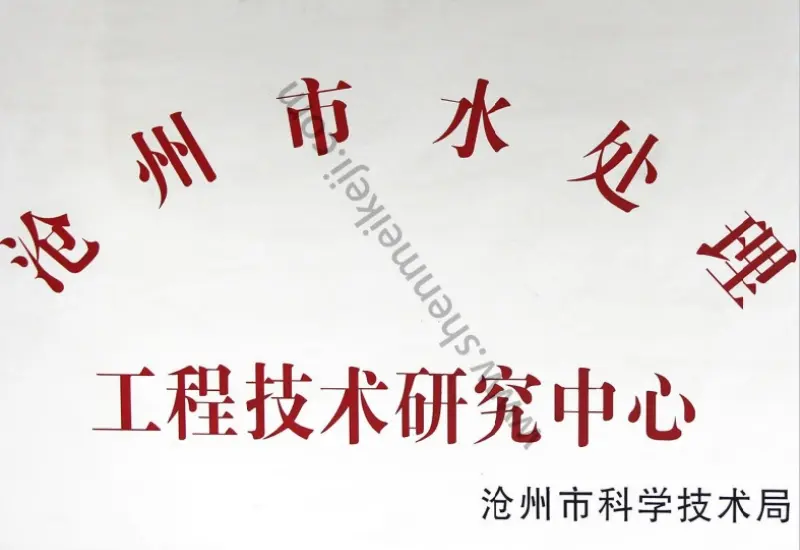
"We have established the Hebei Provincial Advanced Water Treatment Chemicals Technology Innovation Center and the expert workstation with Tsinghua University Association of Senior Scientists and Technicians."
Recognized as a National Specialized, Refined, Unique and Innovative "Little Giant" Enterprise. Our commercialization platforms work in partnership with academic institutions like Peking University, Shandong University, and Tianjin University.
From local Chinese developer to a key international water treatment exporter supporting operations globally.
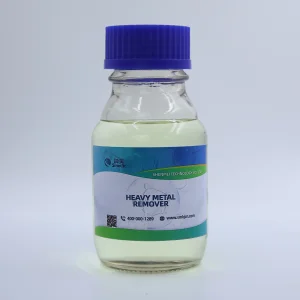
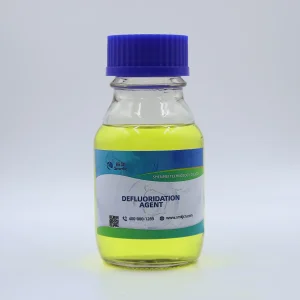
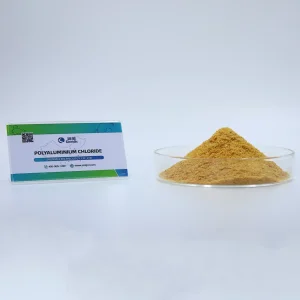
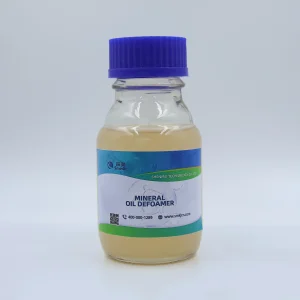
Full product offerings for flocculation, defoaming, metal removal, and chemical scaling prevention.
Independently developed technologies vetted by international testing bodies and patent authorities.
Our patented biological denitrification carbon sources and deep multi-nuclear phosphorus removal agents have passed scientific evaluations by provincial science departments and are appraised as "internationally advanced". Smedic's "Active Oxygen Compound Disinfectant" has been recognized as a National Construction Industry Scientific and Technological Achievement Promotion Project by the Ministry of Housing and Urban-Rural Development.
Additionally, Smedic's "Inorganic-Organic Covalent Bond Flocculant" technology won the 22nd China Patent Award, the First Prize for Technological Invention from the China Petrochemical Industry Association, and is a Belt and Road SME Recommended Project.
Strategic alliances with major water infrastructure bodies, including Shouchuang Ecological and Environmental Group, Yangtze River Ecological and Environmental Group, Beijing Enterprises Water Group, OriginWater, and China Water Environment Group.
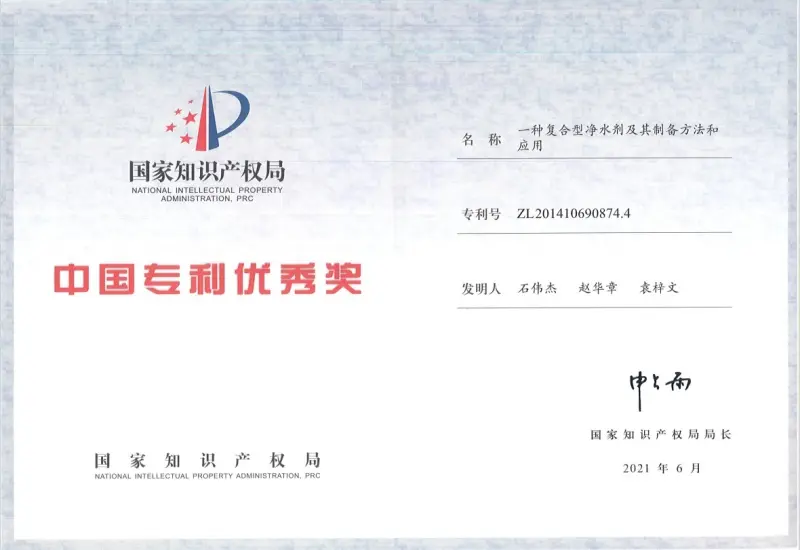
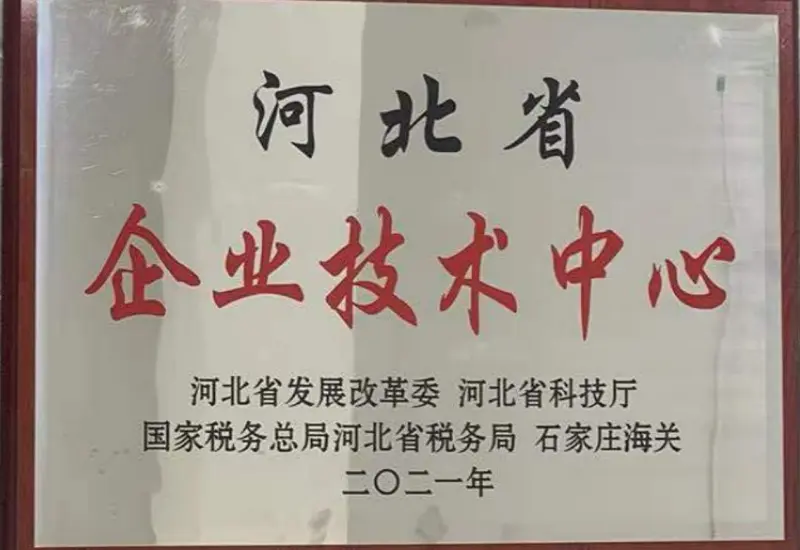
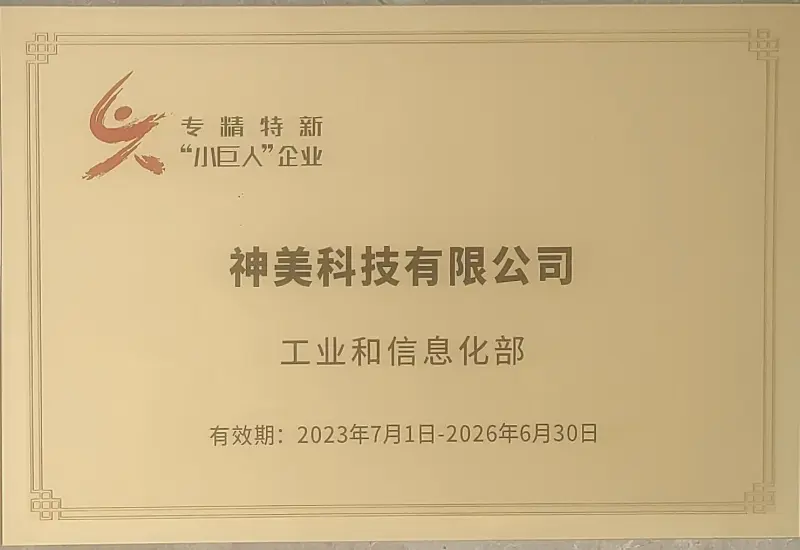
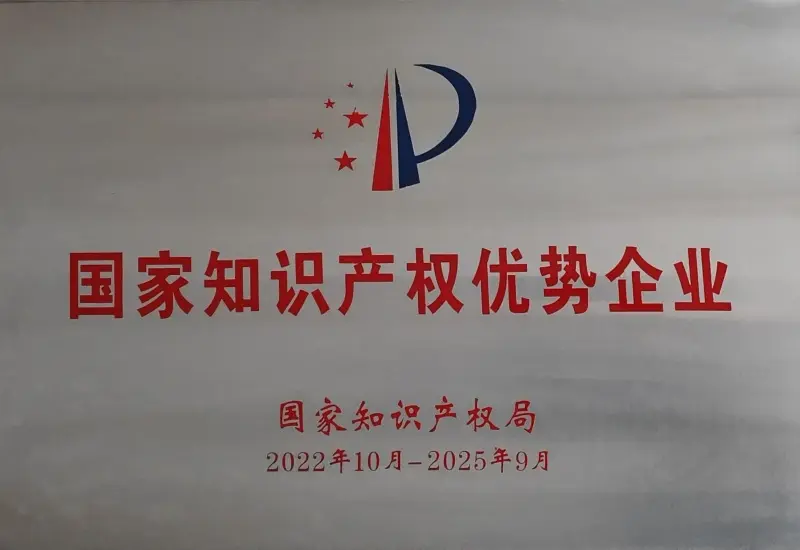
* Over 60 patents held, including 40+ invention patents and 20+ utility model patents.
Technical insights regarding carbon source selection, dosing formulas, and shipping to Australia.
Our premium solid sodium acetate trihydrate has a theoretical chemical oxygen demand (COD) value of approximately 580,000 mg/kg to 600,000 mg/kg. Anhydrous sodium acetate offers a COD equivalent of around 780,000 mg/kg. Smedic can customize solid and liquid formulations to optimize your biological carbon-to-nitrogen dosing ratios.
Unlike methanol, which relies on highly temperature-sensitive bacteria (Methylovorus etc.), sodium acetate is utilized by a wider range of indigenous denitrifying heterotrophs. This permits immediate biological activity and stable denitrification kinetics even in cold wastewater temperatures below 10°C, common during winter seasons in Victoria and Tasmania.
All products shipped to Australian ports (Melbourne, Sydney, Brisbane, Fremantle) align with the Australian Industrial Chemicals Introduction Scheme (AICIS). We provide fully updated Safety Data Sheets (SDS) matching GHS standards, and supply certificates of analysis (COA) with every container shipment.
Smedic ships solid agents in 25kg multi-wall moisture-proof PP/PE bags, packed on ISPM-15 heat-treated export pallets. We also supply 1,000kg bulk bags (ton bags) fitted with bottom discharge spouts, suited for automatic chemical dissolution systems at large wastewater plants.
Yes. Through our joint research laboratories and Hebei Provincial Enterprise Technology Center, we analyze slurry samples to determine optimal molecular weight (MW from 5 million to 22 million) and charge density (ionic degree from 5% to 80%) to maximize sedimentation speed and mud compaction.
 Smedic Tech