What is Cationic Polyacrylamide (CPAM) and how does it work?
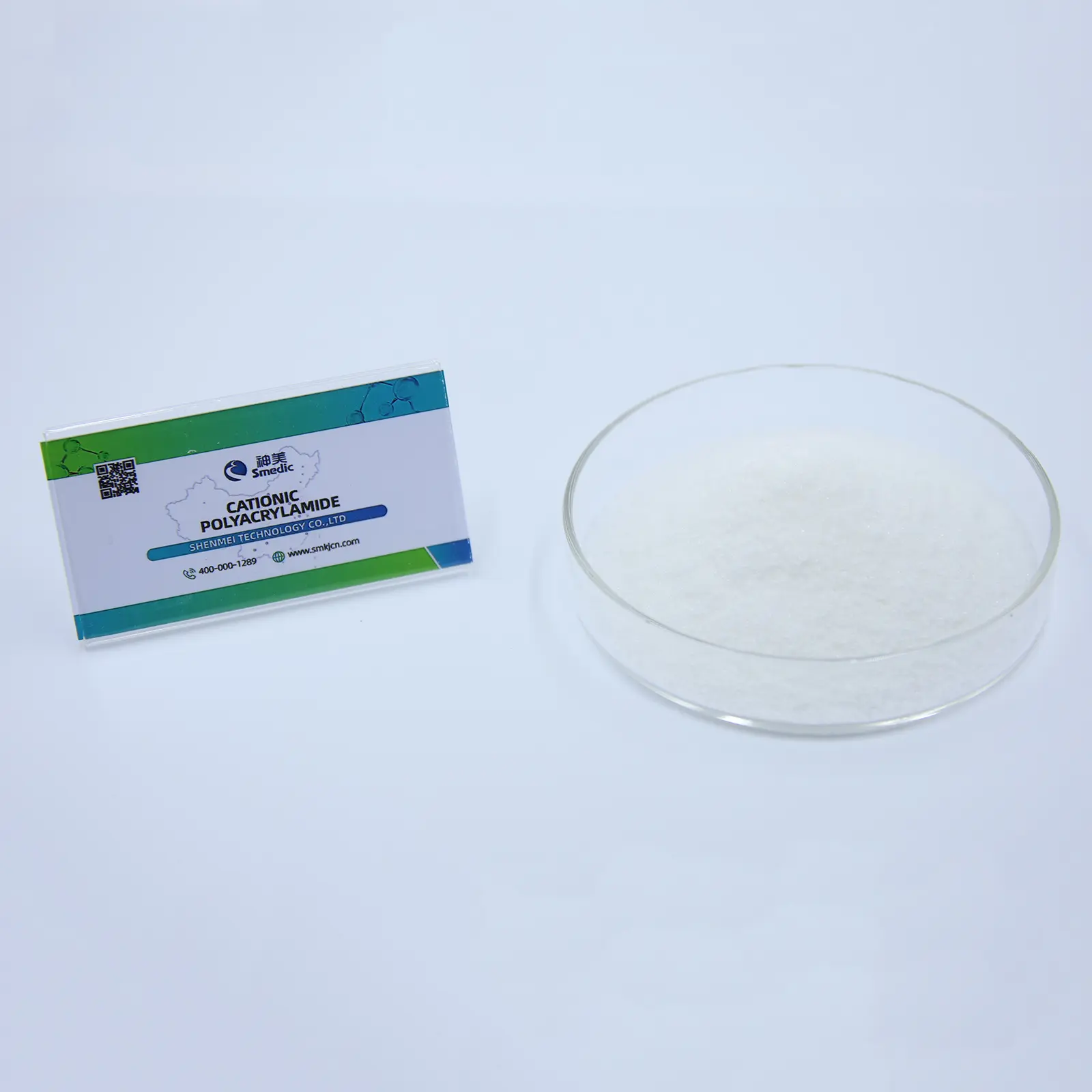
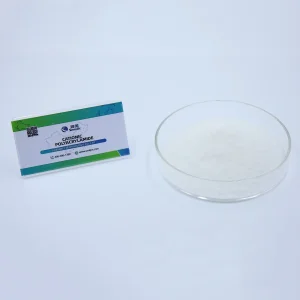
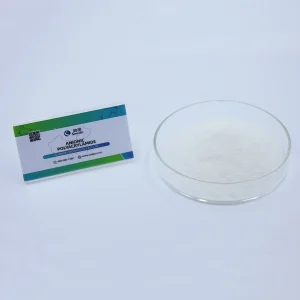
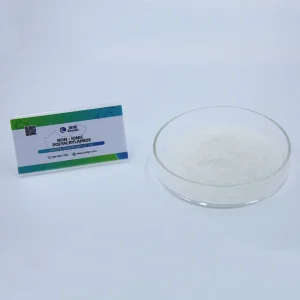
Cationic Polyacrylamide (CPAM) is a water-soluble polymer with a positive ionic charge. It works by neutralizing negatively charged suspended particles in water, causing them to aggregate into larger flocs that can be easily separated through sedimentation or filtration, thereby clarifying the water.
What industries commonly use Cationic Polyacrylamide?
CPAM is widely used across multiple industries including municipal wastewater treatment, papermaking, textile manufacturing, mining operations, chemical plants, and enhanced oil recovery. Its customizable ionic charge and molecular weight make it adaptable for diverse industrial applications.
What is the recommended dosage of CPAM for wastewater treatment?
CPAM is highly effective at low dosages, which helps reduce overall chemical consumption and treatment costs. The optimal dosage varies depending on the specific wastewater composition, pH level, and treatment objectives. A jar test or pilot trial is recommended to determine the ideal dosage for your application.
Is Cationic Polyacrylamide safe for the environment?
Yes, CPAM has an environmentally safe profile. It is non-decomposable into toxic monomers under normal conditions, has no known poisoning or side effects, and aligns with regulatory environmental standards. Its use supports sustainable water management practices and minimizes environmental impact.
What is the cation degree range of CPAM and why does it matter?
The cation degree of CPAM ranges from 10% to 90%. A higher cation degree means stronger positive charge density, which is more effective for treating wastewater with high concentrations of negatively charged particles. Selecting the right cation degree ensures optimal flocculation performance for your specific water chemistry.
How should Cationic Polyacrylamide be dissolved and applied?
CPAM should be dissolved in clean water to form a dilute solution (typically 0.1%–0.3%) before dosing. The dissolution time is ≤ 60 minutes. It is important to add the powder slowly to avoid clumping and to use gentle stirring. The prepared solution should be used promptly and integrated into the treatment system at the designated dosing point.
 Smedic Tech