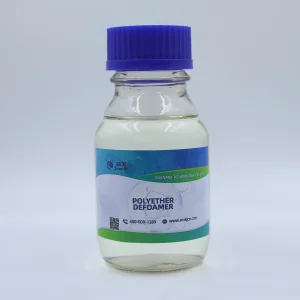
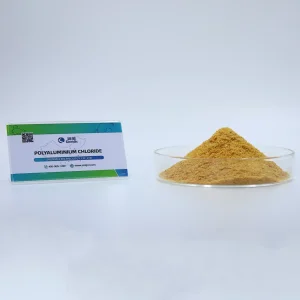
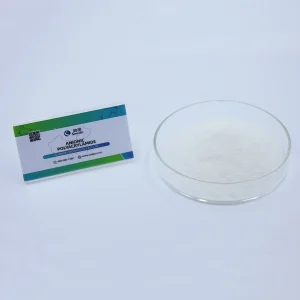
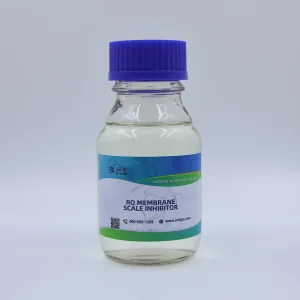
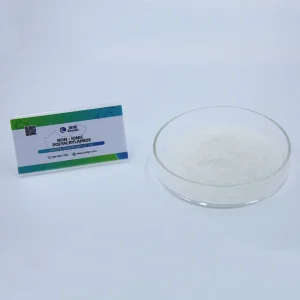
Premium biological nutrients, defoamers, and environmental agents optimized for Indonesia's municipal and industrial sewage treatment configurations.
Jakarta, the metropolitan economic hub of Indonesia, faces escalating challenges in municipal sewage infrastructure, complex industrial runoff, and groundwater conservation. With the implementation of stricter environmental rules by the DKI Jakarta Environmental Agency (Dinas Lingkungan Hidup), factories in zones like Pulogadung (JIEP), Marunda, and nearby Cikarang face unprecedented demands to reduce Total Nitrogen (TN) and Chemical Oxygen Demand (COD) before discharge.
Biological denitrification—converting nitrates to harmless nitrogen gas—is highly sensitive to carbon availability. Due to Jakarta’s warm wastewater temperatures, biological activity is rapid, but the natural organic carbon in the influent is often insufficient to achieve targeted denitrification rates. As a dedicated manufacturer and exporter, we address these specific conditions by supplying highly engineered carbon sources and polymers customized to support the metabolic pathways of denitrifying bacteria under high tropical ambient conditions.
Water systems in Southeast Asia require custom solutions. High humidity, high chemical oxidation loads, and variable influent chemistry demand robust, stable compounds. Smedic Technology brings years of expertise from municipal wastewater networks across Mainland China to design high-performance, resilient formulations optimized for ASEAN enterprises.
Globally, eutrophication is destroying aquatic ecosystems by causing toxic algal blooms and dead zones. As a result, regulatory authorities in Europe, North America, and emerging economies in Asia are shifting from basic organic pollutant limits to strict nutrient removal limits. Total Nitrogen (TN) discharge limits are routinely being reduced below 10 mg/L, and in sensitive watersheds, below 5 mg/L.
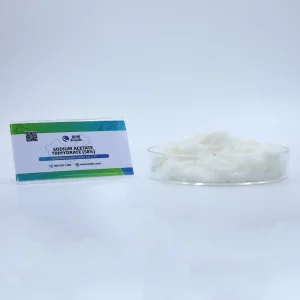
To meet these requirements, wastewater treatment plants must implement tertiary denitrification processes, such as denitrification filters or post-anoxic dosing. Choosing an external carbon source is a critical operational decision; traditional carbon sources like methanol present high safety and flammability risks, while glucose can lead to biological bulking. Our composite carbon sources and sodium acetate crystals offer a safe, non-toxic, and high-kinetics alternative, delivering rapid adaptation by denitrifying consortia and accelerating compliance globally.
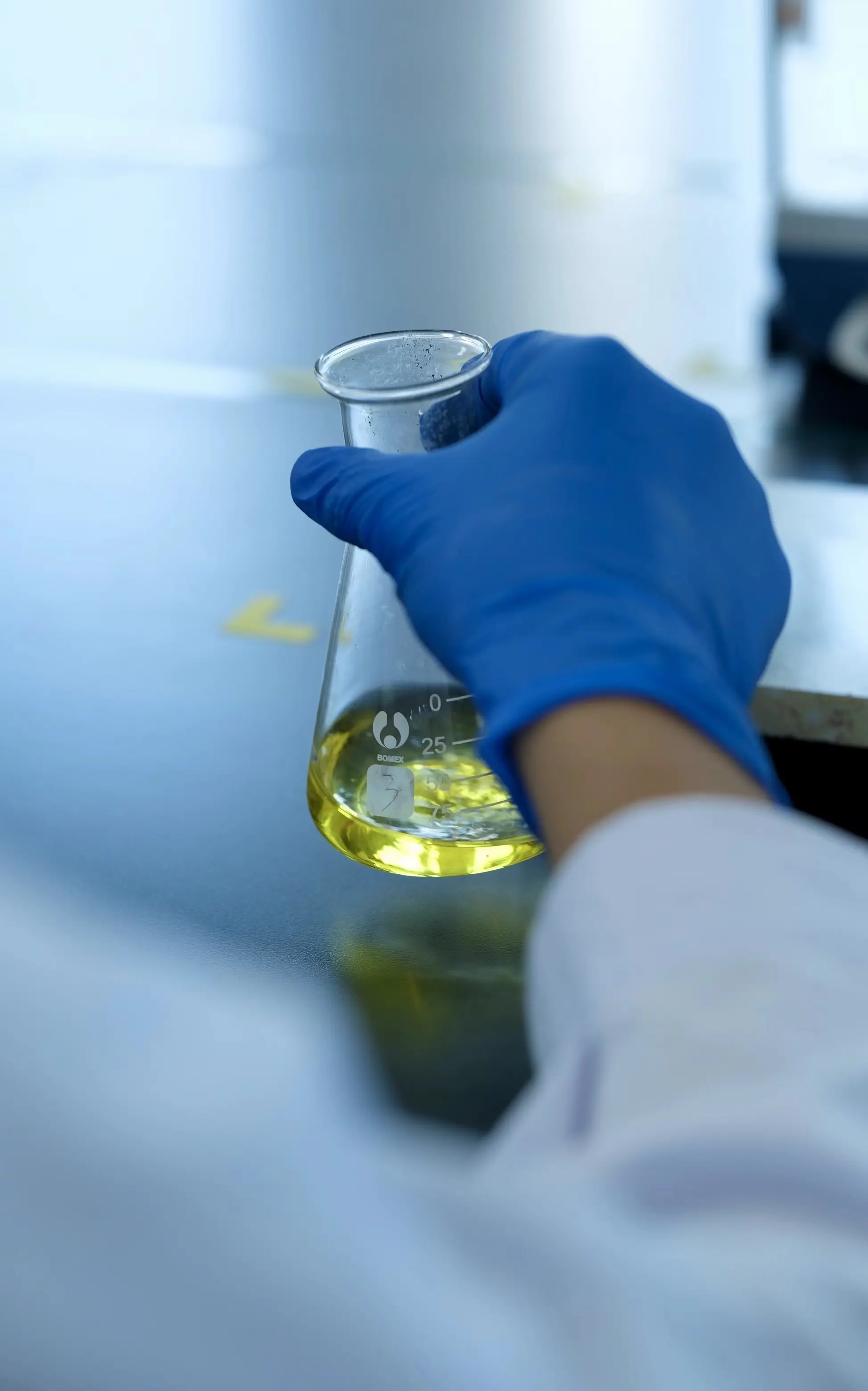
Combining raw chemical integration, large-scale production facilities, and rigorous quality control to deliver cost-effective and reliable environmental chemicals globally.
Our corporate headquarters is located in Beijing, and we operate wholly-owned production bases in Hebei, Guizhou, Shanxi, and other key industrial regions. We have established more than ten OEM partner factories and regional warehousing and logistics bases in Shandong, Shanxi, Anhui, Guangxi, and Sichuan provinces. This distributed network ensures a continuous, reliable supply of raw materials and finished products, shielding our global clients from supply chain disruptions.
With an annual production capacity exceeding 1 Million Tons, we leverage significant economies of scale. We pass these cost efficiencies directly to our international clients, including municipal water boards and industrial exporters in Jakarta and the wider ASEAN region.
Our solutions are engineered for high performance across diverse industrial and municipal installations in tropical climates.
Providing targeted denitrification and decolorization chemistry for high-nitrogen textile processing complexes located in West Java and the outskirts of Jakarta.
Optimizing biological nutrient removal systems for Palm Oil Mill Effluent (POME), ensuring compliance with COD and ammonia discharge standards.
Supplying composite carbon sources that ensure rapid denitrification rates in municipal sewage plants, even during seasonal peak inflows and heavy rains.
Delivering high-purity sodium acetate compounds to eliminate toxic by-products and handle complex synthetic organic molecules in industrial wastewater.
From a local developer to a key player in municipal and industrial wastewater chemistry.
Established as a developer and supplier of customized environmental protection agents.
Developed a comprehensive chemical portfolio targeting municipal biological nutrient removal processes.
Opened a dedicated water treatment chemical production base in Guiyang to meet growing regional demands.
Completed expansion of bases in Hebei, Shandong, and Guizhou, boosting total annual capacity to over 1 million tons.
Officially recognized as a National Specialized, Refined, Unique and Innovative Small and Medium-sized Enterprise.
Awarded the National Intellectual Property Advantage Enterprise status with over 60 Chinese patents.
Formed a joint venture with the Chengdu Institute of Mineral Comprehensive Utilization, China Geological Survey, expanding our chemical line into advanced mining applications.
The wastewater treatment industry is rapidly shifting from conventional, energy-intensive processes to sustainable, resource-recovery systems. Key trends shaping this transition include:
Modern enterprises prioritize supply security, consistent product quality, and verified sustainability certifications. Smedic Technology addresses these expectations with:
Technical insights from our chemical engineering team on biological nitrogen removal and carbon source selection.
Sodium acetate is non-toxic and non-flammable, making it safer to transport, store, and handle compared to methanol. Biologically, it is a readily biodegradable carbon source that requires no acclimation time for denitrifying bacteria, yielding faster kinetics and high denitrification rates even at low temperatures.
We maintain a rigorous quality assurance program that covers raw material validation, in-process testing, and pre-shipment analysis. Every batch is certified for purity, concentration, and performance before leaving our factories, ensuring compliance with both local Indonesian regulations and international standards.
Yes, our composite carbon sources are widely used in large-scale municipal wastewater plants. They are formulated to support the specific metabolic pathways of denitrifying bacteria, improving total nitrogen removal efficiency while reducing overall chemical consumption and sludge production.
Liquid agents should be stored in corrosion-resistant tanks, such as HDPE or stainless steel, in a cool, well-ventilated area away from direct sunlight and incompatible materials. We provide detailed storage guidelines and safety data sheets (SDS) with every delivery to support safe on-site handling.
Absolutely. Our engineering team collaborates with clients to conduct laboratory trials, diagnostic assessments, and full-scale optimization studies. We help determine the ideal dosing locations, rates, and control strategies to achieve target effluent limits cost-effectively.
Explore our range of high-efficiency coagulants, flocculants, defoamers, and membrane scale inhibitors.
 Smedic Tech