 Smedic Tech
1 / 3
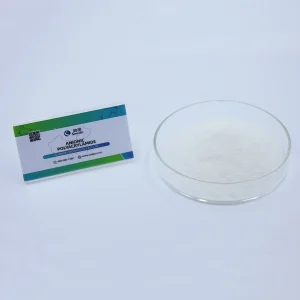
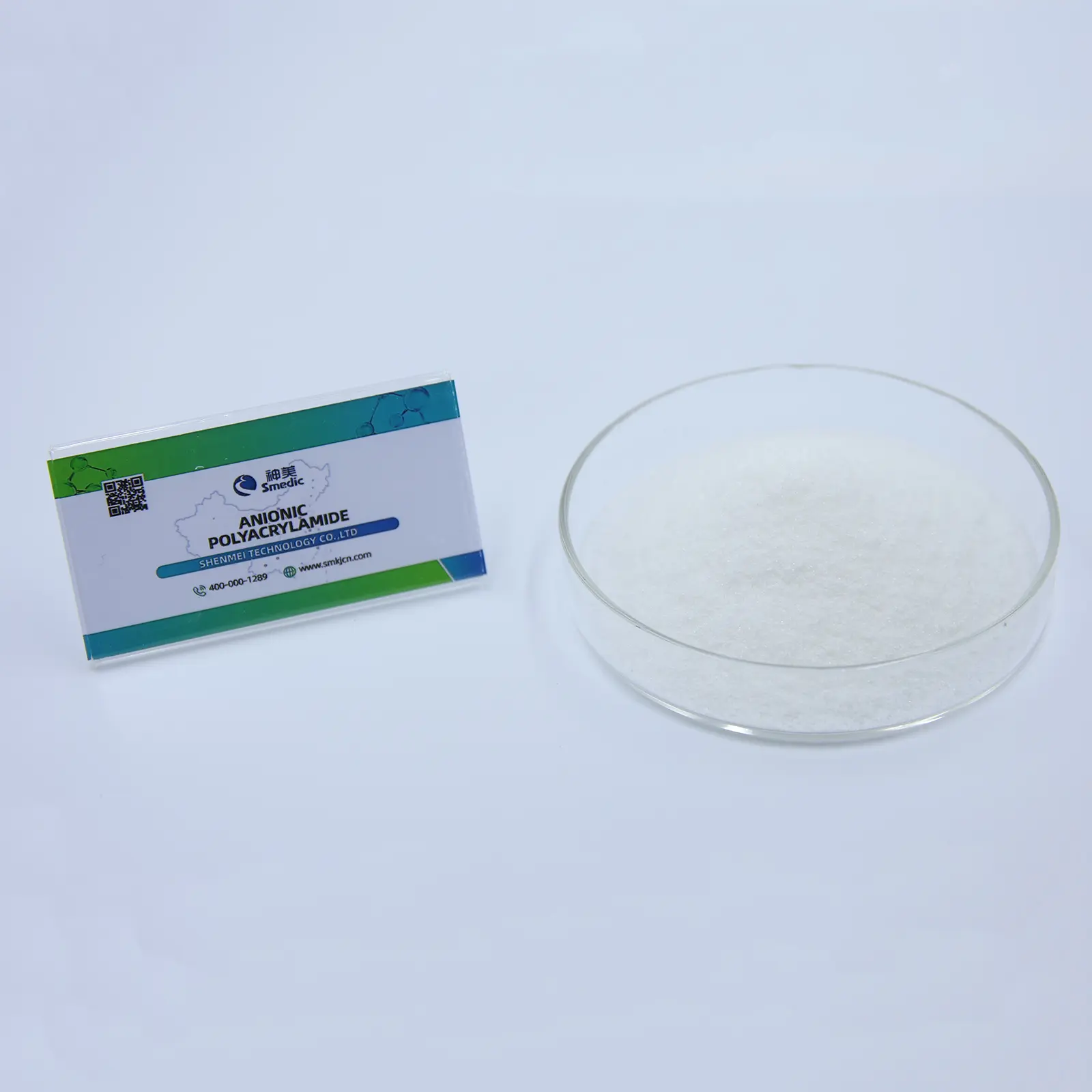
| Appearance: | White To Faintly Yellow Granules, Solid | Solid Content: | 90% Min |
| CAS NO: | 9003-05-8 | Granule: | 20-100mesh |
| Dissolution Time: | 60 Min | Synonyms: | Acrylamide Homopolymer |
| Certificate: | ISO SGS CE | Environmental Protection: | Yes |
| Key Features: |
APAM Water Treatment Polyacrylamide Powdered Water Treatment Polyacrylamide Anionic Polyacrylamide Polymer CAS 9003-05-8 |
||
Its versatility extends to applications in papermaking, mining, and textile industries, where it enhances process efficiency and product quality. APAM's strong coagulant properties make it ideal for treating complex wastewater streams, including those from chemical manufacturing and municipal treatment plants. Its adaptability to a wide range of pH levels, temperatures, and water chemistries ensures reliable performance in diverse conditions. The polymer's high molecular weight and customizable ionic charge allow tailored solutions for specific industrial needs, optimizing flocculation and sedimentation processes.
APAM's environmentally safe profile supports compliance with regulatory standards, minimizing ecological impact. Its low dosage requirements reduce chemical consumption, making it a cost-effective choice for large-scale operations. The polymer's ability to form strong hydrogen bonds with water molecules enhances its water-absorbing capacity, making it suitable for applications like gel electrophoresis and super-absorbent materials. By improving water clarity and reducing contaminants, APAM contributes to sustainable water management practices. Its robust performance in high-salinity and high-turbidity environments makes it a preferred choice for industries seeking efficient and eco-friendly wastewater treatment solutions, delivering consistent results and operational reliability across diverse applications.
Synonyms: Acrylamide Homopolymer; Propenamide Homopolymer
PAM is a synthetic chemical that can be tailored to fit a broad range of applications.
| Item | Molecular Weight | Solid Content | Hydrolysis Degree |
| APAM | 5–22 million | ≥88% | 10–50% |
| NPAM | 8–12 million | ≥88% | 0–5% |
| CPAM | ≥1.0 million | ≥88% | 5–60% |