Direct from China's leading smart manufacturing bases—engineered for superior solids-liquid separation, reduced cake moisture, and optimized operational costs.
A technical analysis of chemical conditioning, molecular engineering, and sustainable sludge volume reduction for municipal and industrial infrastructure.
Across modern industrial economies, industrialization and rapid urbanization have resulted in exponential growth in municipal biological sludge, chemical sludge from industrial processing, and complex hazardous slurry. Globally, environmental regulatory authorities (such as the EU Water Framework Directive and US EPA 40 CFR Part 503) have enforced stringent limits on landfilling wet sludge and unconditioned thermal drying emissions. Consequently, wastewater treatment engineering has experienced a paradigm shift from traditional "disposal" to "advanced volume reduction, stabilization, and resource recovery."
Sludge dewatering chemicals—primarily Cationic Polyacrylamide (CPAM), Anionic Polyacrylamide (APAM), Polyaluminum Chloride (PAC), and specialized Inorganic-Organic Covalent Bond Flocculants—play a decisive role in this value chain. Chemical conditioning reduces Capillary Suction Time (CST) and Specific Resistance to Filtration (SRF), breaking bound water cells and agglomerating fine colloidal particles into robust, shear-resistant flocs suitable for mechanical dewatering devices such as belt filter presses, high-speed decanter centrifuges, and multi-disk screw presses.
Global environmental mandates demand sludge cake dry solids (DS%) exceeding 20% to 40% before incineration or land application, requiring advanced polymer molecular weight customization.
Transporting water in wet sludge represents over 60% of total operational costs. Highly active flocculants drastically lower moisture percentage, cutting haulage and fuel expenses.
Complex wastewater matrixes—containing emulsified oils, heavy metal ions, fluoride, and organic surfactants—demand targeted composite coagulants and defoamers.
As global supply chains face volatility, Smedic Technology Co., Ltd. delivers unmatched security, batch consistency, and cost efficiency through vertically integrated chemical manufacturing.
From core monomer synthesis (Acrylamide, DAC, DMAEA) to advanced aqueous solution polymerization and spray-drying technologies, our production facilities in Hebei, Guizhou, Shanxi, and regional hubs operate under automated DCS (Distributed Control Systems). This guarantees narrow molecular weight distribution, optimal charge density, and zero batch-to-batch variation.
We provide full-spectrum private labeling, custom chemical viscosity and cationicity adjusting, tailored liquid/powder packaging (25kg bags, 750kg super sacks, 1000L IBC totes), and rapid international logistics dispatch.
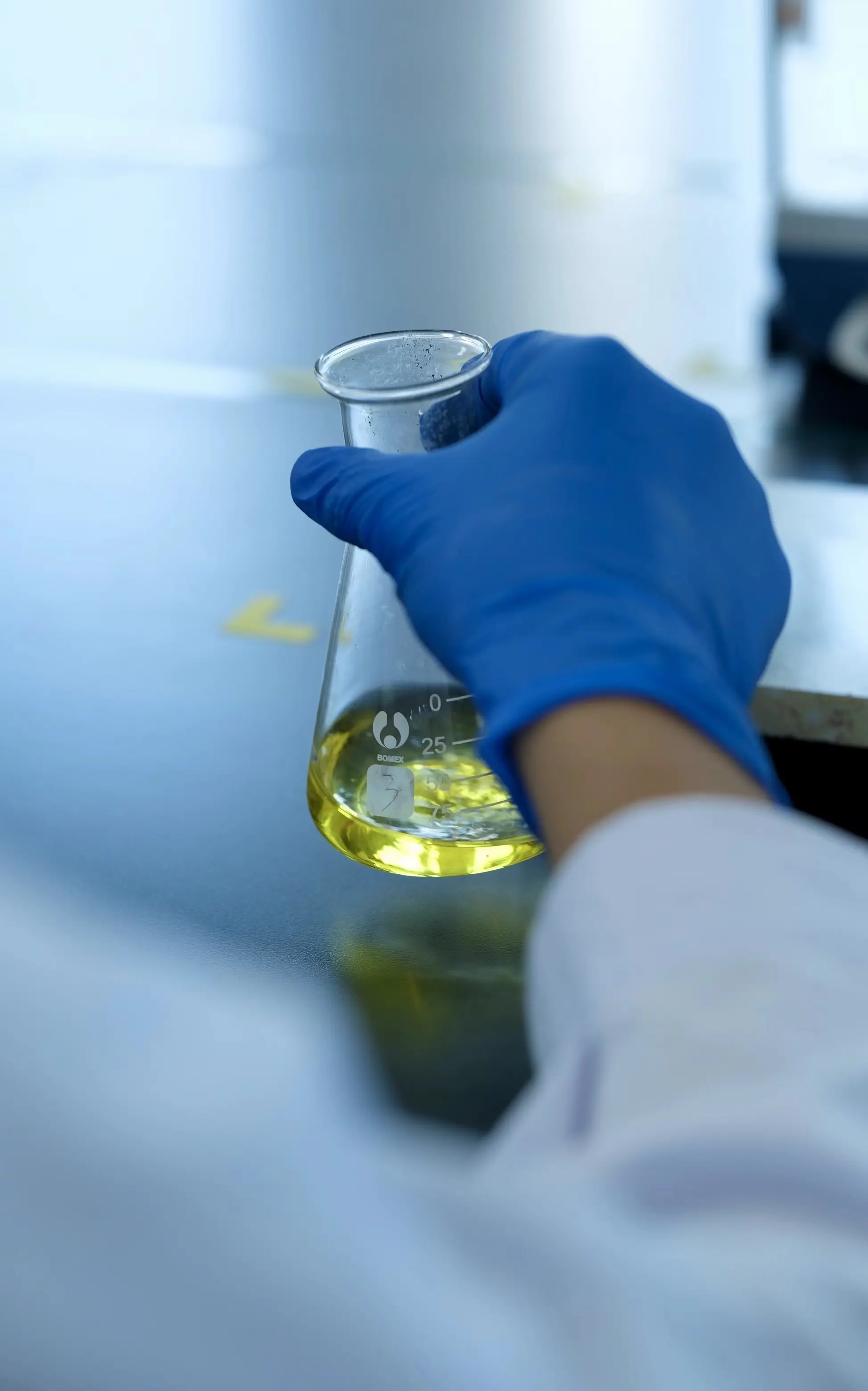
Understanding the chemical interactions between sludge particles, inorganic coagulants, and organic high-molecular-weight polymers.
Sludge particles in biological aeration tanks and industrial clarifiers carry negative surface charges (Zeta Potential ranging from -15mV to -30mV), creating electrostatic repulsion that keeps colloidal particles suspended. Effective dewatering requires a dual-stage chemical strategy:
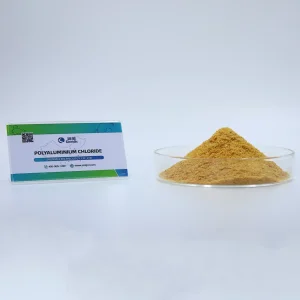
Primary coagulants such as Polyaluminum Chloride (PAC) or Polyferric Sulfate (PFS) release multi-nuclear polymeric hydroxyl cations (e.g., [Al13O4(OH)24]7+). These compress the electrical double layer, neutralize the negative Zeta potential, destabilize colloidal suspension, and form micro-flocs (pin-flocs).
High-molecular-weight Cationic Polyacrylamide (CPAM) or Anionic Polyacrylamide (APAM) polymers bind to destabilized micro-flocs via long-chain molecular bridging. The polymer chains capture micro-flocs and entrap free water, aggregating them into massive, dense macro-flocs with extreme shear resistance against centrifugal forces.
| Sludge Category | Primary Chemical Recommended | Cationicity / Charge Degree | Molecular Weight (Million) | Target Equipment |
|---|---|---|---|---|
| Municipal Biological Activated Sludge | Cationic Polyacrylamide (CPAM) | Medium to High (30% - 60%) | 8.0 - 12.0 Mg/mol | Decanter Centrifuge / Belt Press |
| Petrochemical Oily Sludge | High-Charge CPAM + Organic Defoamer | Very High (50% - 80%) | 6.0 - 10.0 Mg/mol | Three-Phase Centrifuge / Screw Press |
| Mining Tailings & Mineral Slurry | Anionic Polyacrylamide (APAM) / PFS | Low Anionic (10% - 30%) | 16.0 - 22.0 Mg/mol | High-Rate Thickener / Chamber Filter Press |
| Textile & Dyeing Chemical Sludge | Polyferric Sulfate (PFS) + APAM / CPAM | Custom Composite Charge | 10.0 - 15.0 Mg/mol | Filter Press / Plate & Frame |
| High Fluoride Industrial Effluent Sludge | Specialized Fluoride Removal Agent + PAC | Inorganic Structural Agent | N/A (Coagulant-Adsorbent) | Clarifier / Sludge Press |
Field-proven formulations engineered for specific industrial wastewater matrices and extreme dewatering conditions.
Provides rapid water separation, clear filtrate effluent, and cake moisture reduction down to 70-75% on belt presses and centrifuges, reducing disposal tonnage.
Breaks oil-in-water emulsions, removes hydrocarbon interference, and prevents filter cloth blinding while recovering valuable oil phases during centrifugation.
Accelerates heavy mineral sediment settling rates, clarifies process overflow water for reuse, and yields dense tailing dry cakes for eco-friendly dry stacking.
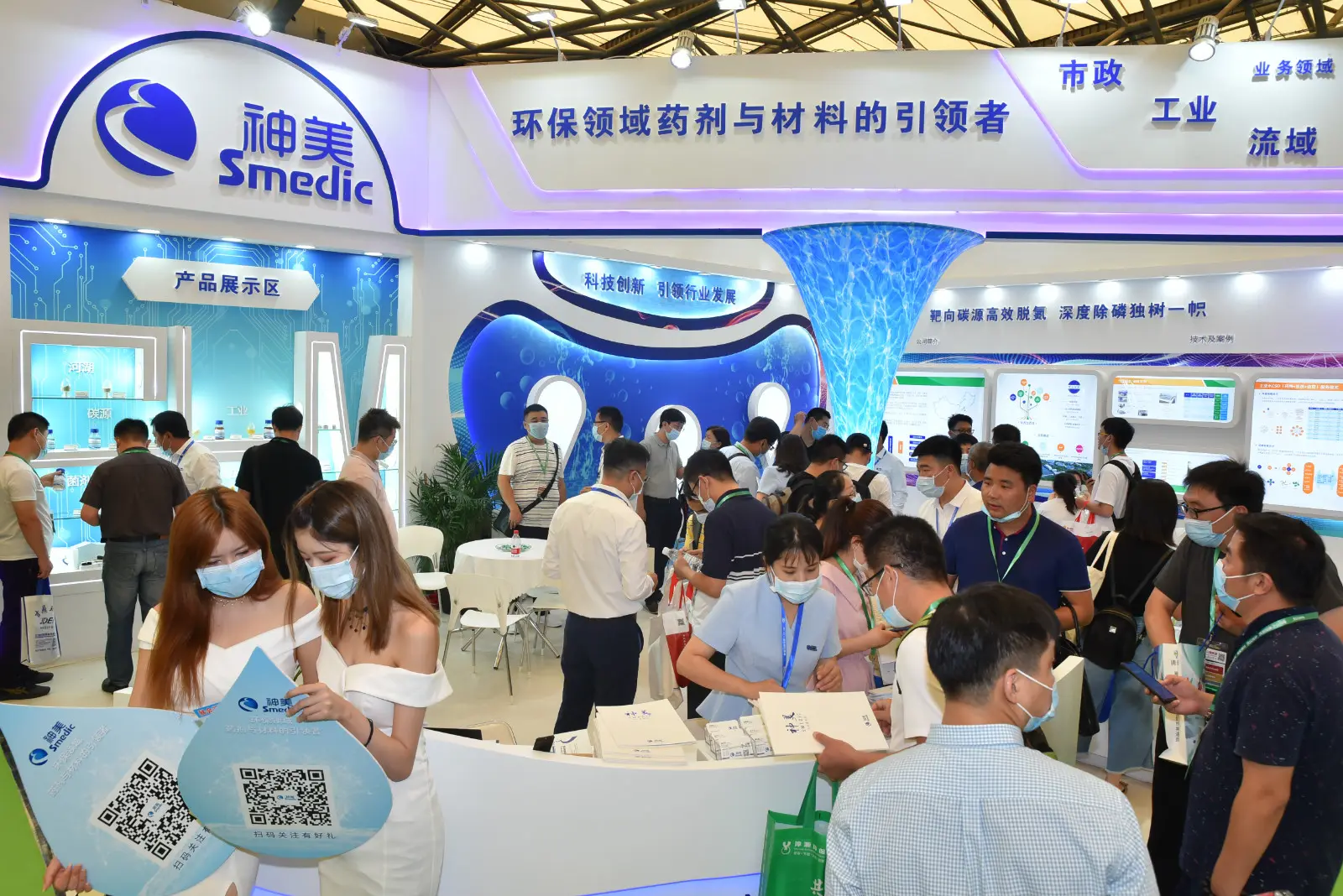
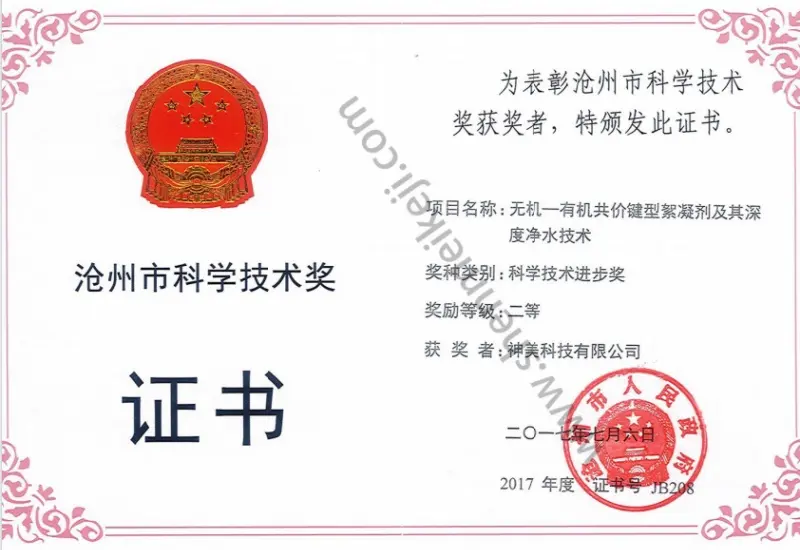
Established in 2011, Smedic Technology Co., Ltd. is a national high-tech enterprise specializing in environmental protection agents, integrating academic R&D, chemical production, international trade, and technical engineering services.
Our core technical leadership comprises academicians, professors, and senior chemical engineers working across one academy, three research institutes, and five production bases. We have established joint national laboratories with Tsinghua University Association of Senior Scientists and Technicians, Shandong University, and Beijing University of Technology.
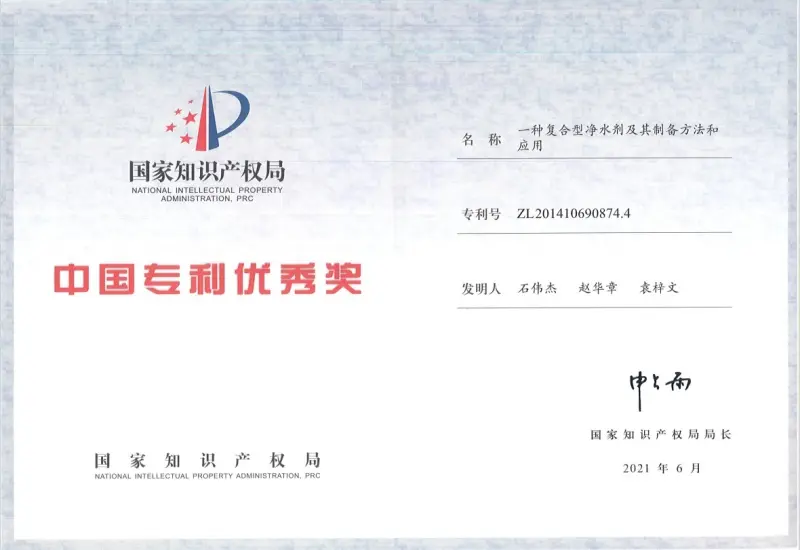
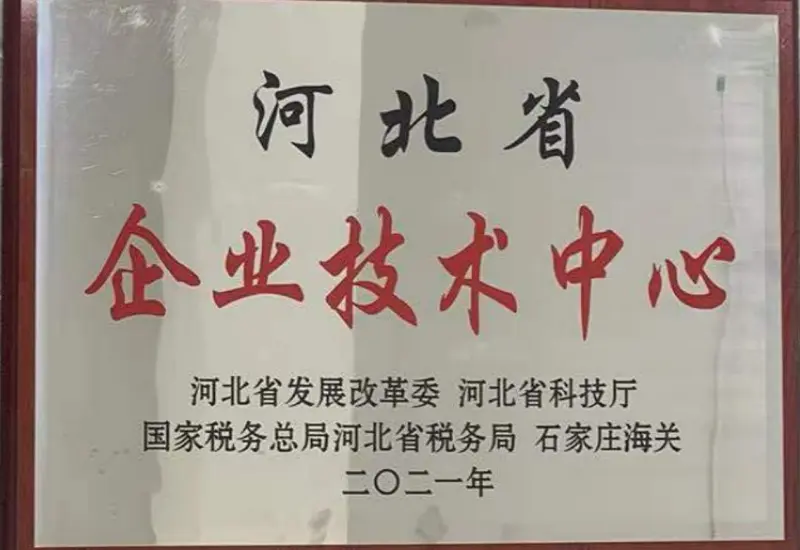
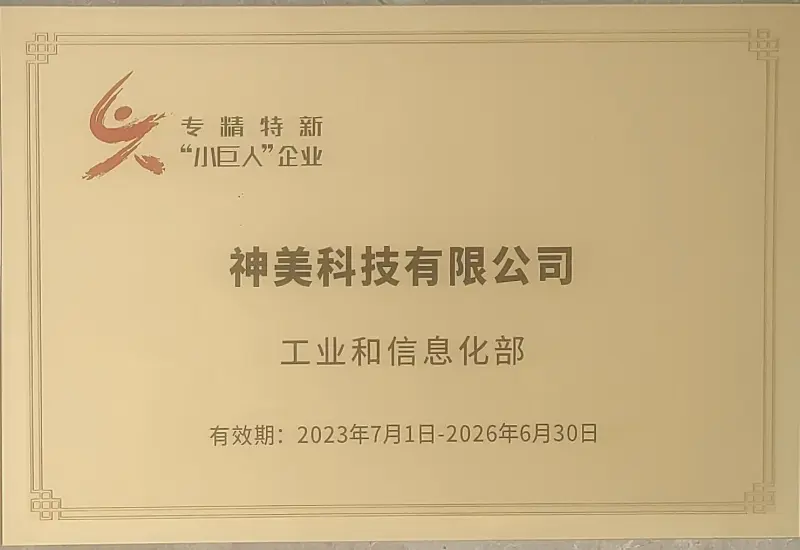
Smedic holds recognition as a National Specialized, Refined, Unique and Innovative "Little Giant" Enterprise and Hebei Province Green Factory. We have led the national standards drafting for composite carbon sources and specialized coagulants, securing over 60 national patents.

Expert insights answering common questions regarding chemical dosage, OEM private labeling, and sludge dewatering optimization.
Cationic Polyacrylamide (CPAM) contains positively charged quaternary ammonium groups that neutralize the negative charge inherent to organic biological sludge (such as municipal sewage activated sludge), causing rapid agglomeration. Anionic Polyacrylamide (APAM) carries negative carboxylate groups and is predominantly used for inorganic mineral suspensions, heavy metal precipitates, and tailings slurries where inorganic coagulants (like PAC/PFS) have already created positively charged pin-flocs.
Achieving deep dewatering (moisture <70%) usually requires a dual-conditioning regime combining an inorganic coagulant (such as Polyferric Sulfate or Polyaluminum Chloride) with a high-molecular-weight Cationic PAM, followed by high-pressure filtration equipment (e.g., membrane filter presses or high-G decanter centrifuges). Adding specialized inorganic skeletal conditioners can further release bound intracellular water.
We offer comprehensive OEM/ODM manufacturing services, including custom cationicity degrees (10% to 80%), targeted molecular weight adjustments (4 million to 22 million), customized dissolution rates, private label bag printing, custom liquid drum packaging, and full REACH / ISO standard compliance documentation.
Smedic's dry polyacrylamide powders have a recommended shelf life of 24 months when stored in original unopened packaging in a cool, dry, and ventilated warehouse below 35°C. Hygroscopic moisture absorption should be avoided to prevent caking.
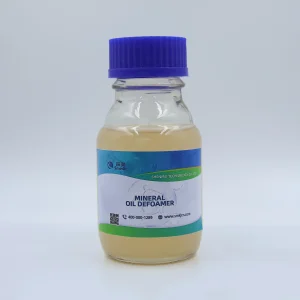
Severe foaming in aeration basins and dewatering filtrate tanks causes pump cavitation, level sensor errors, and environmental overflow. Smedic's silicone and mineral oil defoamers lower liquid surface tension instantaneously while maintaining persistent foam suppression across wide pH and temperature ranges.
Precision-formulated agents for industrial effluent clarification, scale inhibition, metal precipitation, and foam control.
 Smedic Tech