Proprietary industrial-grade environmental agents engineered for severe operational challenges and rigorous discharge limits.
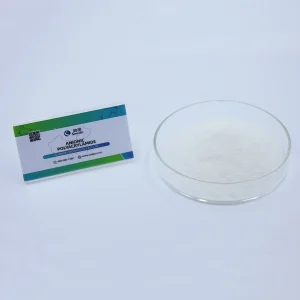
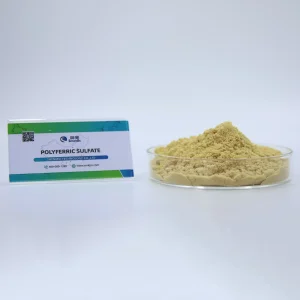
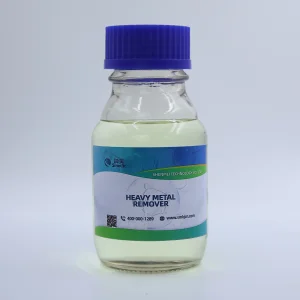
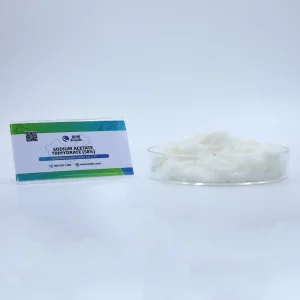
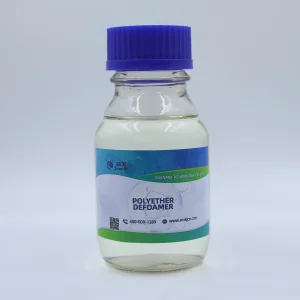
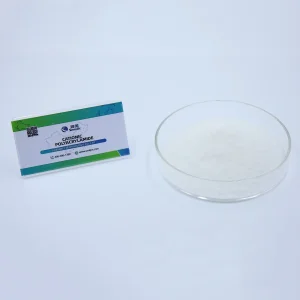
Rapid industrialization, combined with strict ecological mandates worldwide, has transformed industrial wastewater management from a simple municipal compliance requirement into a complex technological priority. For sectors such as petrochemical manufacturing, mining, metal finishing, food processing, and pharmaceuticals, untreated effluents present serious environmental and financial liabilities. Modern regulators are establishing lower limits for chemical oxygen demand (COD), total nitrogen (TN), heavy metal concentrations, and fluorine emissions, driving industrial operators toward advanced treatment options.
Smedic Technology Co., Ltd. works at the center of this transition. As a major OEM/ODM industrial waste treatment agent manufacturer, we formulate water purification chemistry designed to handle modern, high-complexity waste streams. Our processes target complex organic compounds, highly dispersed colloidal suspensions, emulsified mineral oils, and toxic heavy metal fractions that standard municipal treatments cannot resolve.
By using customized molecular structures in our polymers, such as modified cationic polyacrylamides (CPAM) and inorganic-organic covalent bond flocculants, we help companies meet stringent regulatory standards while optimizing solid-liquid separation and reducing overall sludge disposal costs.
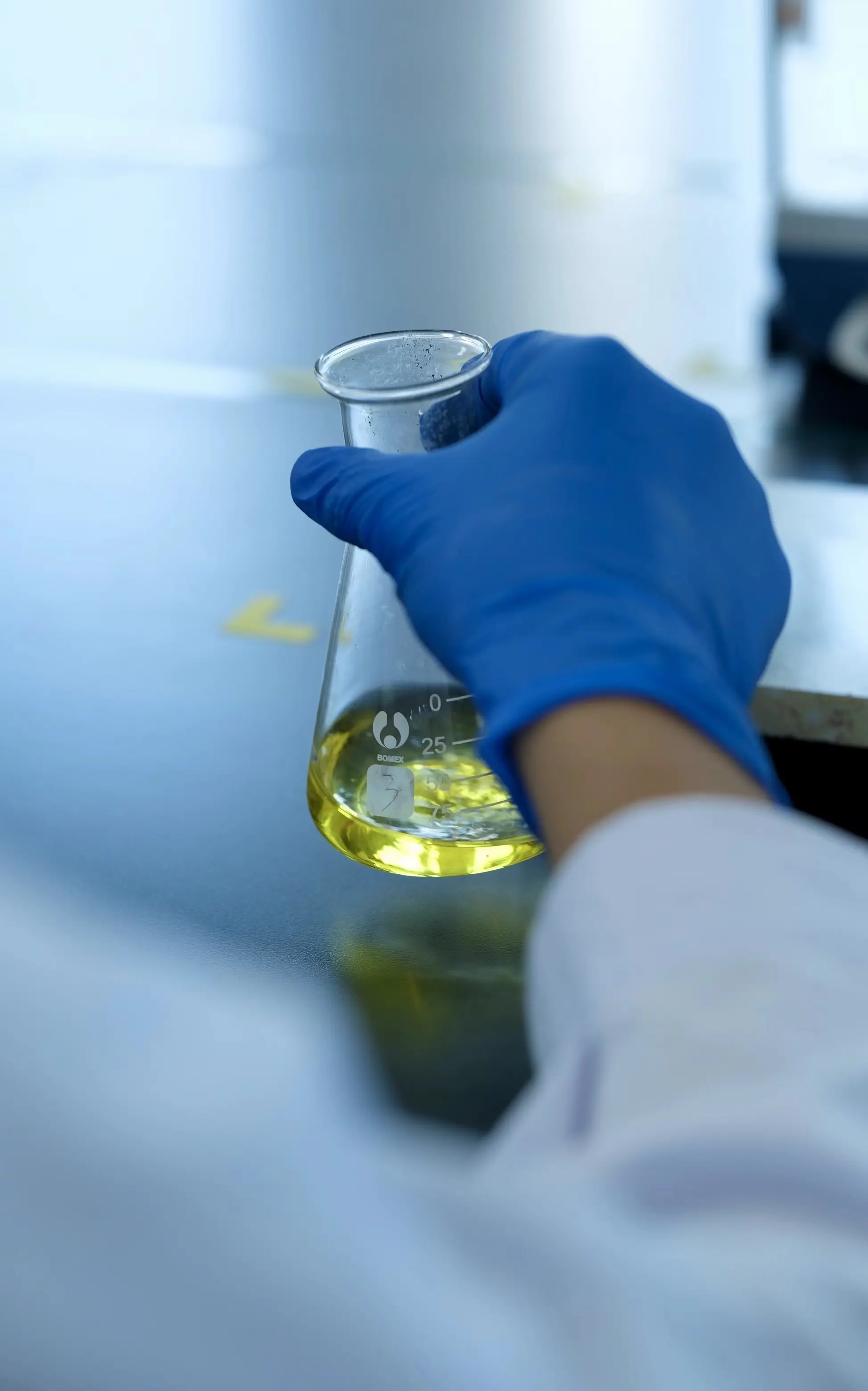
Established in 2011, Smedic Technology Co., Ltd. has developed into a comprehensive environmental agent supplier, integrating raw research and development, smart manufacturing, global logistics, and technical consulting. We focus on providing custom-formulated chemical agents to municipal sewage plants, complex industrial wastewater networks, clean tap water production lines, mineral extraction projects, and petrochemical processing facilities.
Smedic manufactures over 80 environmental protection products across multiple chemistry families. Our current aggregate annual production capacity exceeds 1 million tons. This large-scale output ensures consistent supply chains and competitive pricing for both domestic enterprises and global buyers relying on our OEM and ODM contract manufacturing services.
Supporting critical infrastructure through coordinated manufacturing and warehousing hubs.
Headquartered in Beijing, Smedic operates wholly-owned chemical synthesis bases in Hebei, Guizhou, and Shanxi. To optimize regional delivery and lower logistics costs, we maintain over 10 partner manufacturing plants and warehousing centers across Shandong, Shanxi, Anhui, Guangxi, and Sichuan. This supply network spans more than 20 provinces across China and serves over 600 municipal sewage plants alongside 1,000 industrial end-users. The total treatment volume supported by Smedic chemistry exceeds 20 million tons per day.
A corporate structure dedicated to scientific innovation and high-purity production standards.
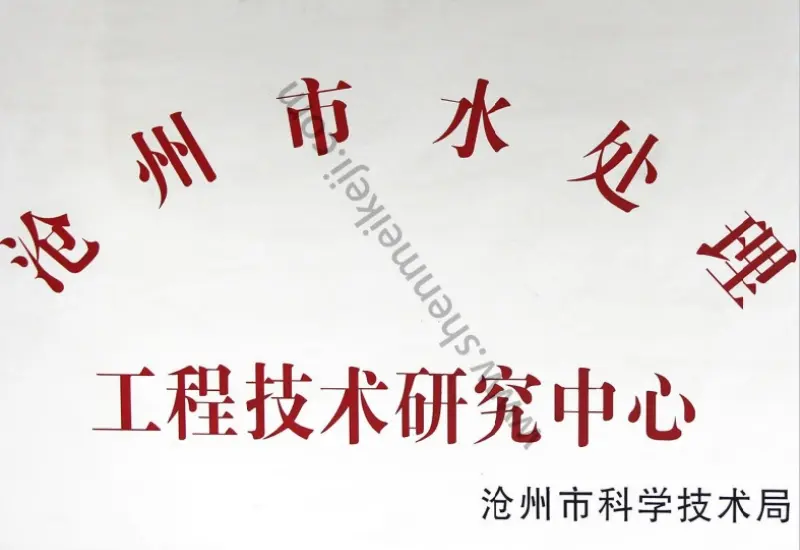
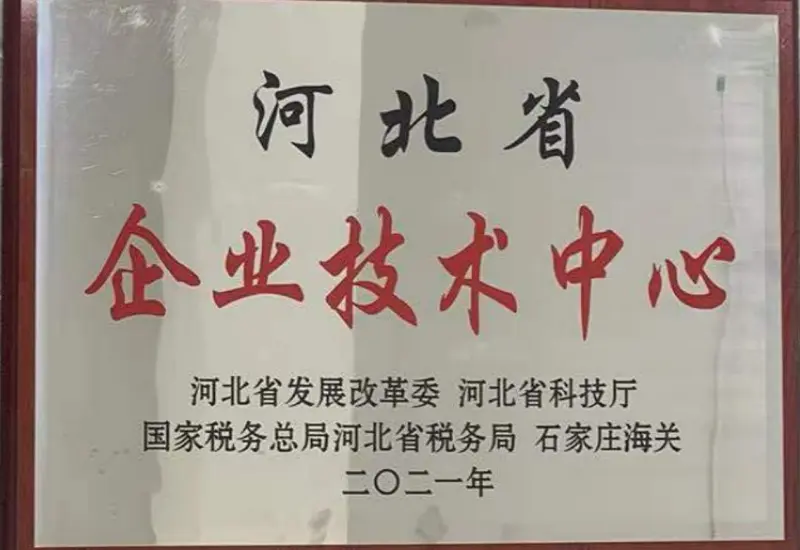
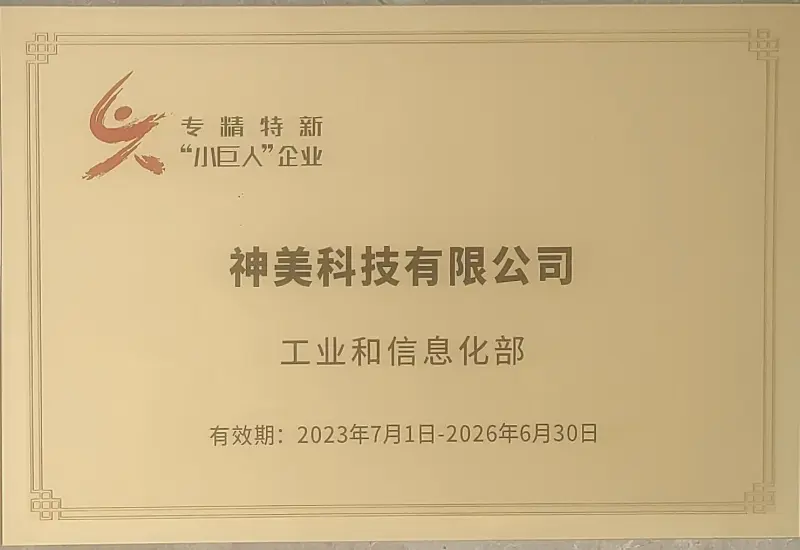
Smedic is recognized as a National High-tech Enterprise and a National Specialized, Refined, Unique and Innovative "Little Giant" Enterprise. Our facilities operate as an eco-conscious Hebei Province Green Factory, supported by Class A provincial R&D institutions. Our R&D team includes academicians, water chemistry experts, and senior chemical engineers working across a specialized network of research centers: 1 academy, 3 research institutes, and 5 testing bases. These include the Hebei Provincial Advanced Water Treatment Chemicals Technology Innovation Center and the Cangzhou Water Treatment Engineering Technology Research Center.
We work in collaboration with leading academic institutions, including joint research laboratories with Shandong University and Beijing University of Technology. We also operate a dedicated workstation in partnership with the Tsinghua University Association of Senior Scientists and Technicians, serving as the commercialization partner for patents developed by Peking University and China's senior engineering academies.
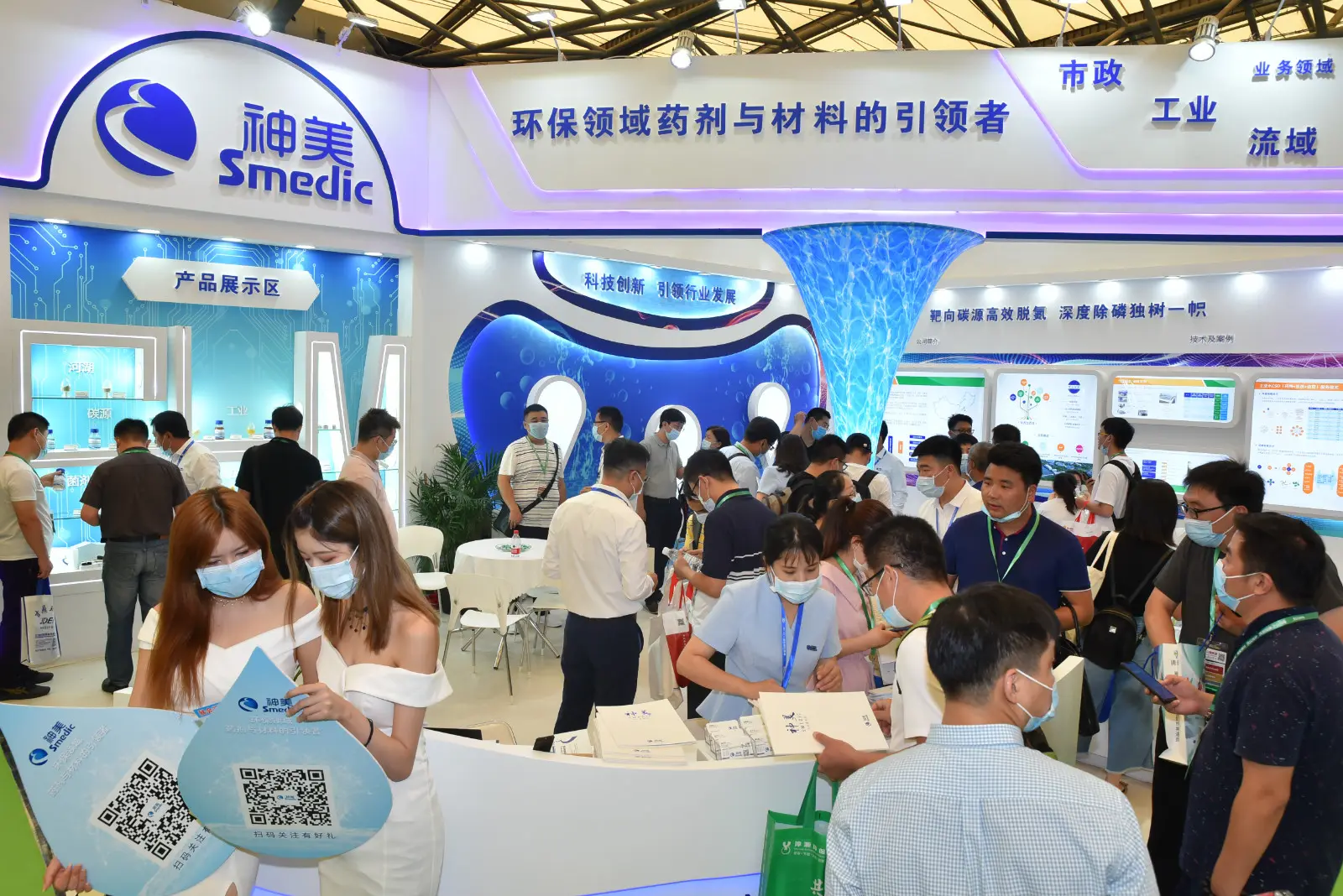
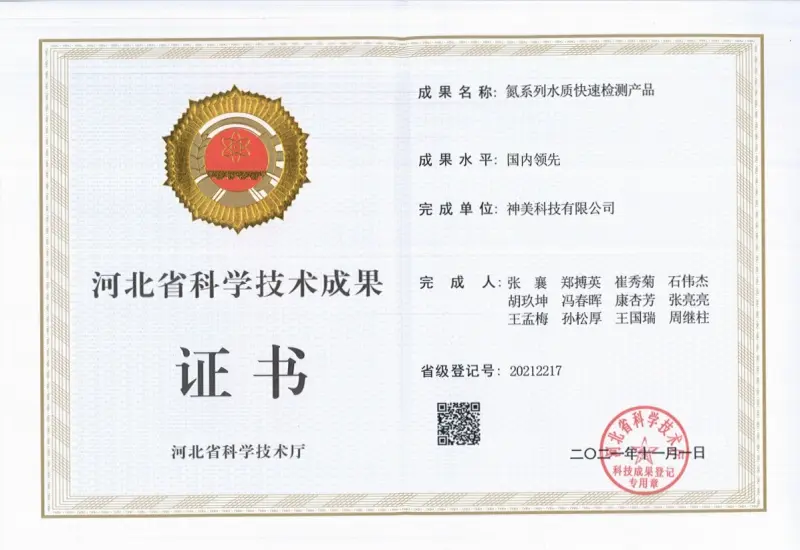
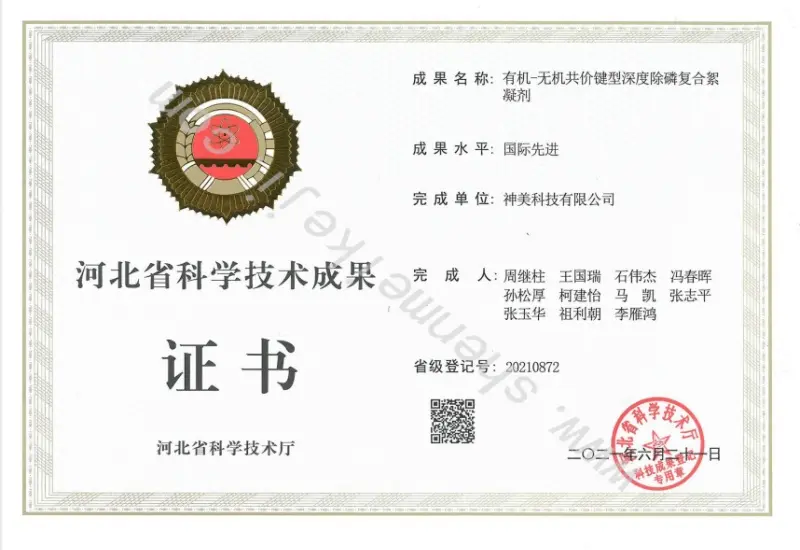
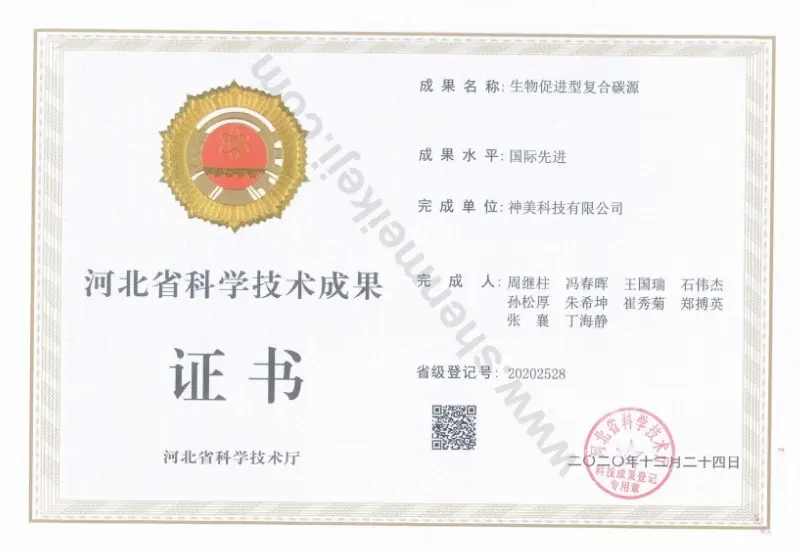
Smedic holds over sixty Chinese patents, including more than forty invention patents and twenty utility model patents. Our independently developed technologies, such as the bio-enhanced denitrification carbon source and the deep multi-nuclear phosphorus removal agent, have been evaluated as "internationally advanced" by the Science and Technology Department of Hebei Province.
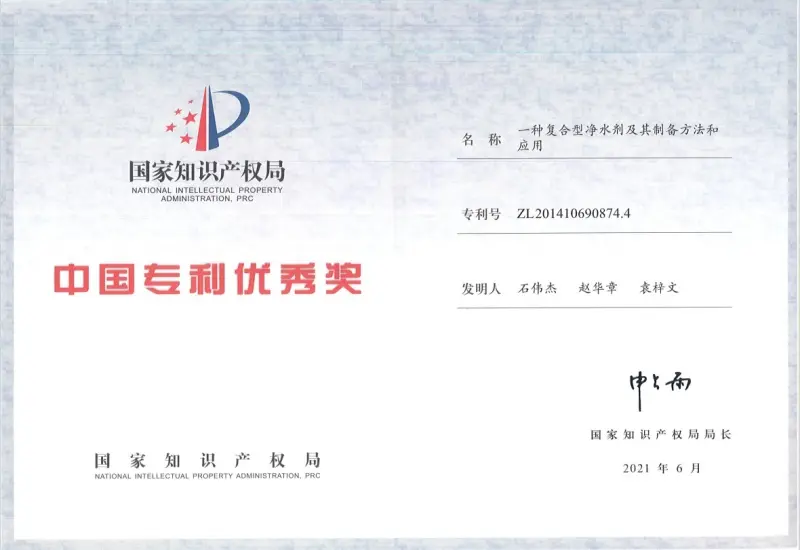
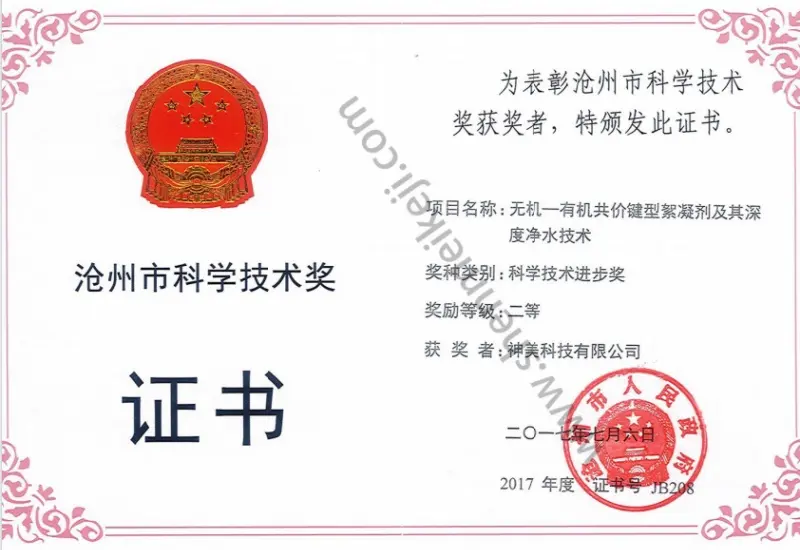
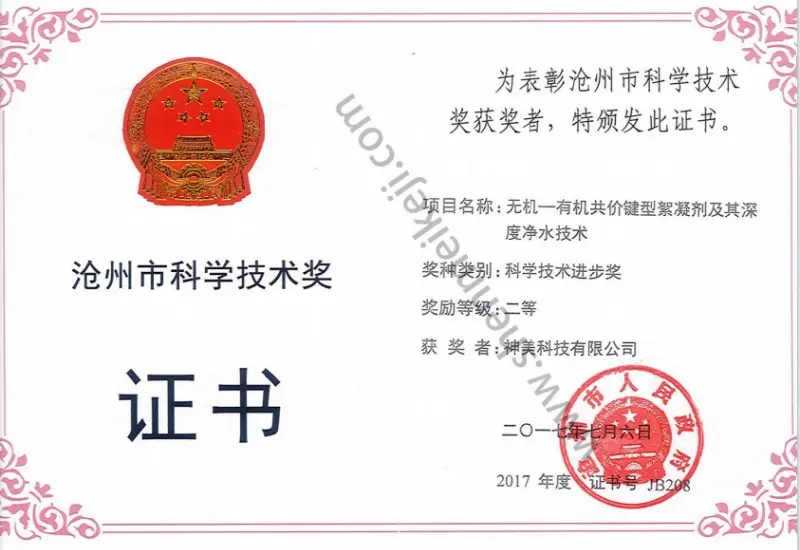
We have led the drafting of over ten national and industry standards for environmental chemicals, establishing specifications for composite carbon sources, composite coagulants, sodium acetate, and specialized nitrifying and denitrifying bacterial agents. Our patented inorganic-organic covalent bond flocculant received the 22nd China Patent Award and the First Prize for Technological Invention from the China Petrochemical Industry Association.
Our journey of expansion, scientific development, and industrial scaling.
Smedic Technology was founded, focusing on the production of basic municipal sewage chemicals.
Developed a complete product portfolio for municipal wastewater treatment, expanding to national water networks.
Recognized as a National High-Tech Enterprise following the launch of our advanced polymer R&D division.
Established our Guiyang manufacturing base to support customers across Southwest China.
Expanded our facilities in Hebei, Shandong, and Guizhou, exceeding 1 million tons in total annual capacity.
Awarded National Specialized, Refined, Unique, and Innovative "Little Giant" status for water purification technology.
Established a provincial-level water chemistry R&D platform in Hebei, expanding our intellectual property portfolio.
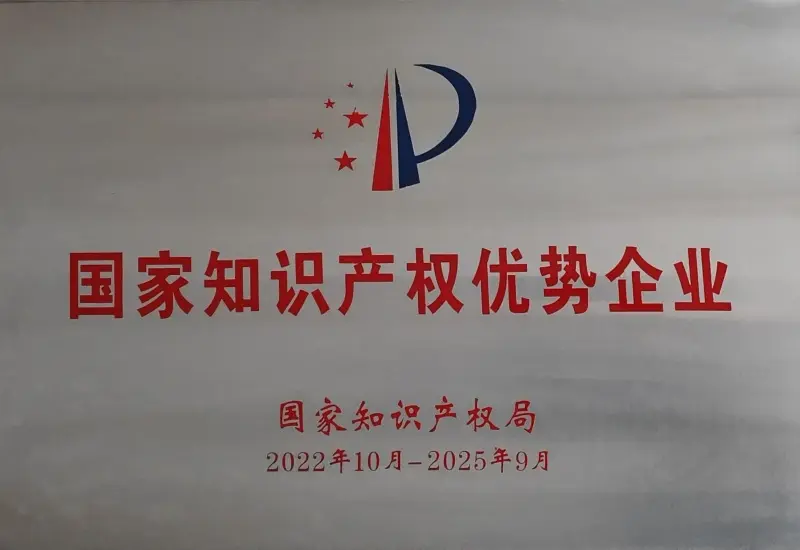
Recognized as a National Intellectual Property Advantage Enterprise with over 60 active utility and invention patents.
Formed a joint venture with the Chengdu Institute of Mineral Comprehensive Utilization and China Geological Survey to produce advanced mineral reagents.
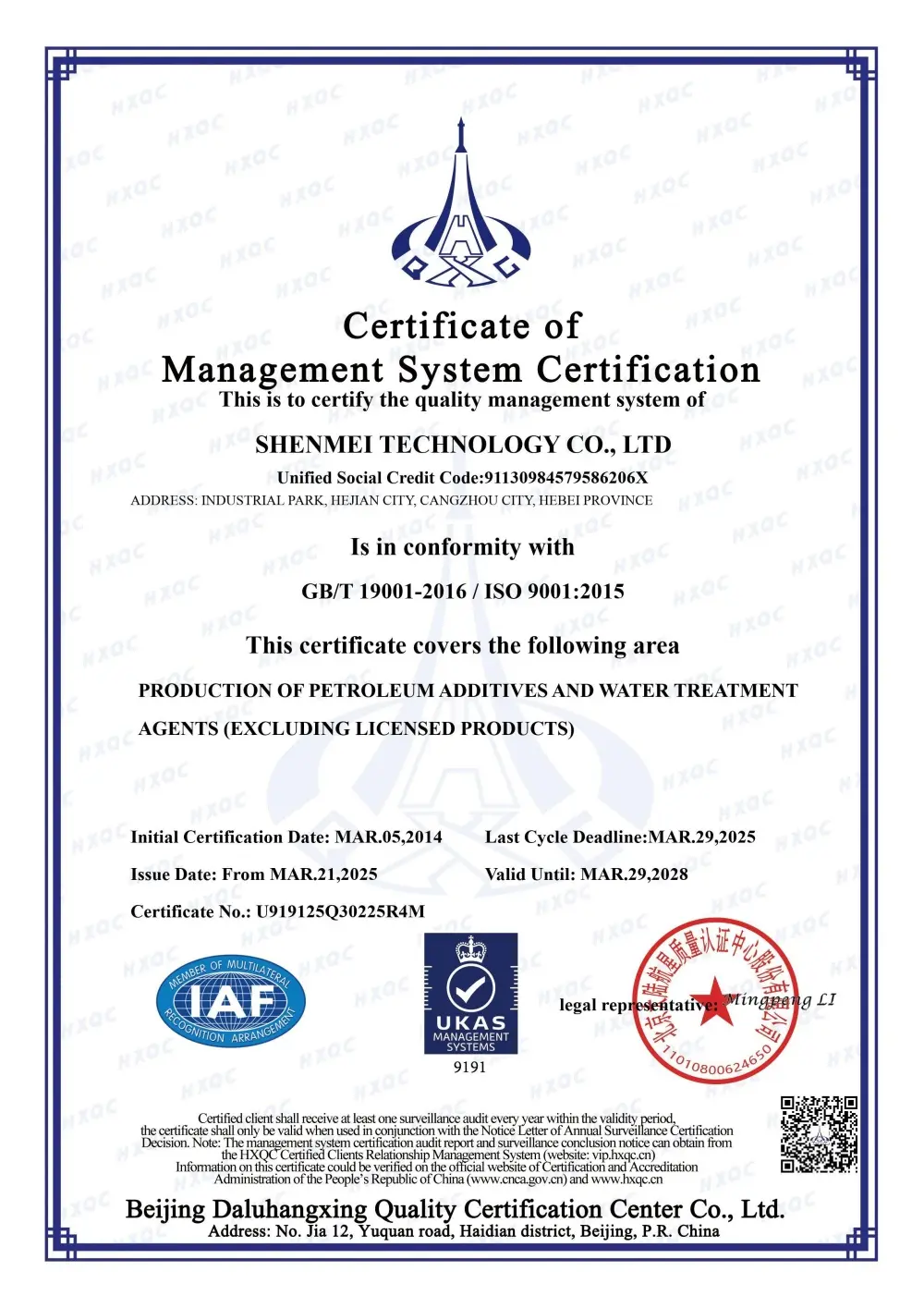
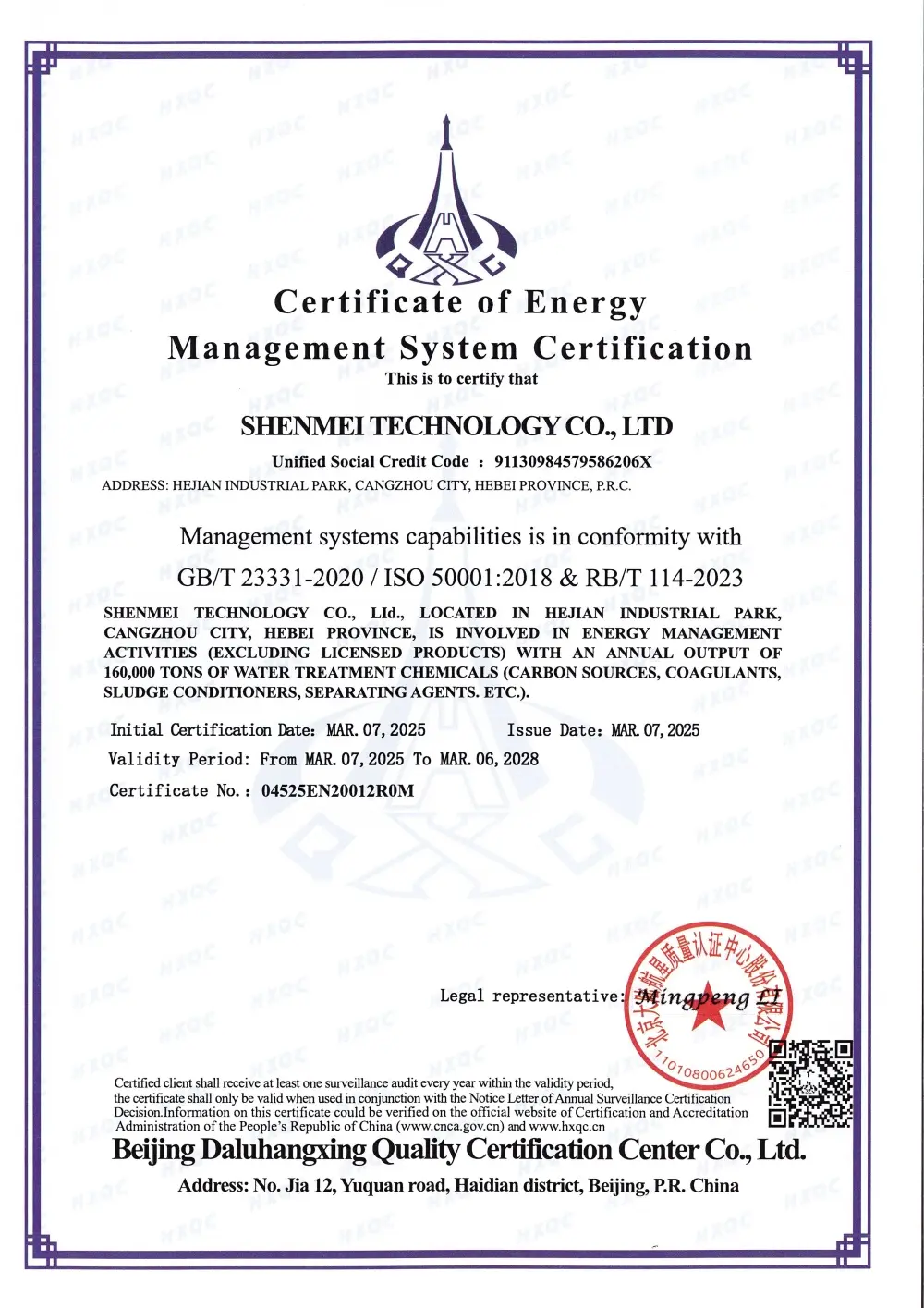
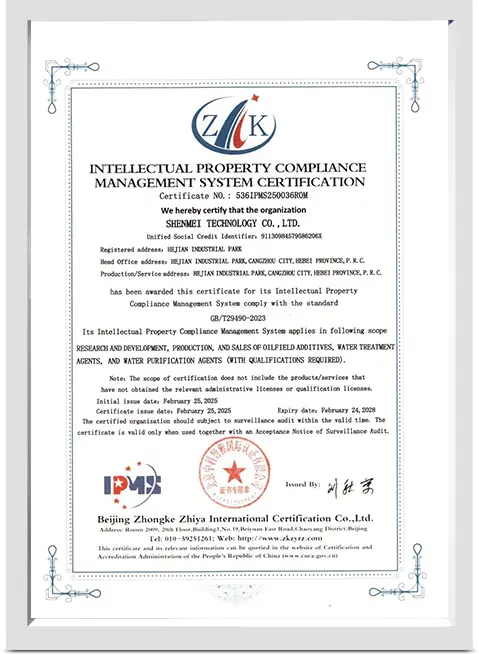
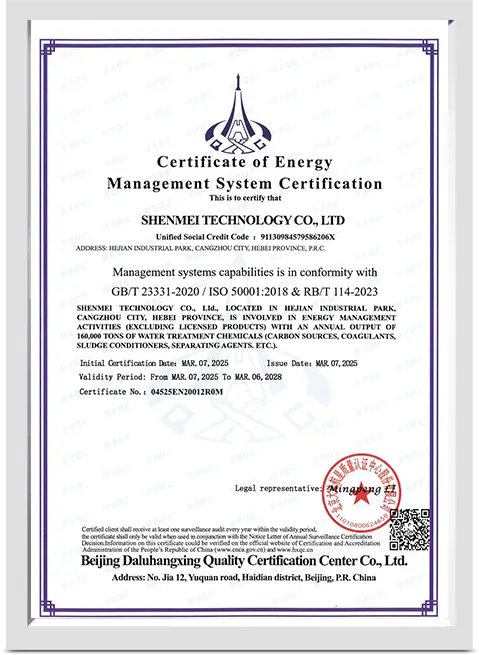
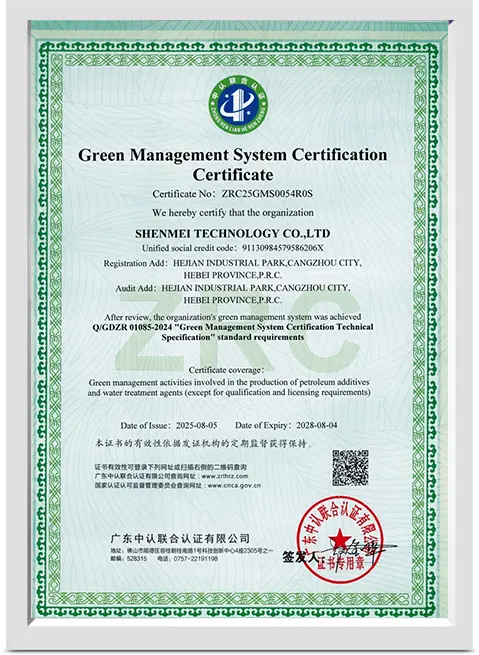
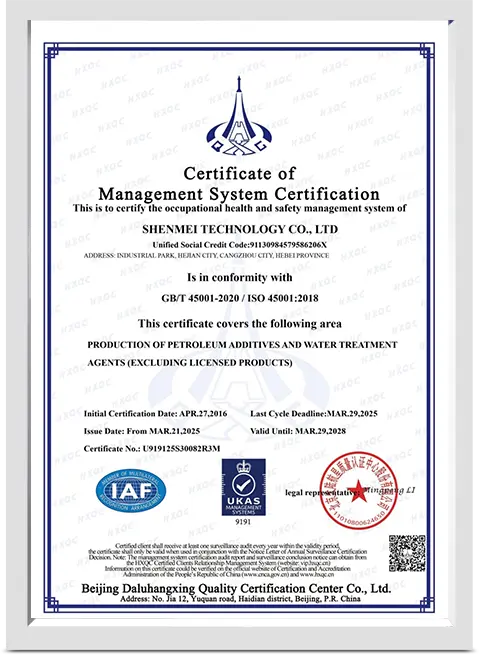
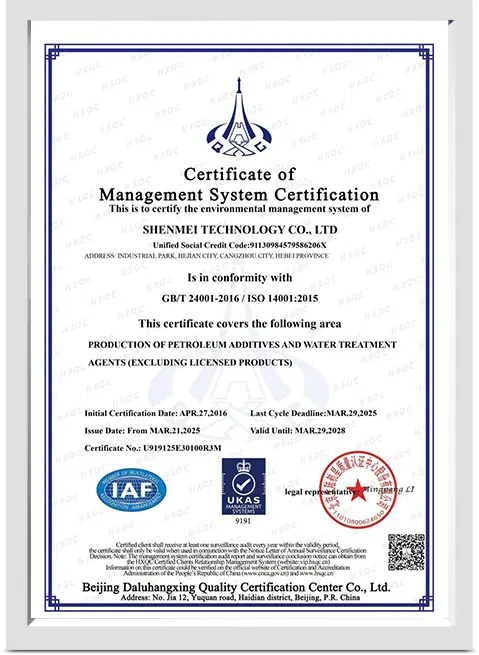
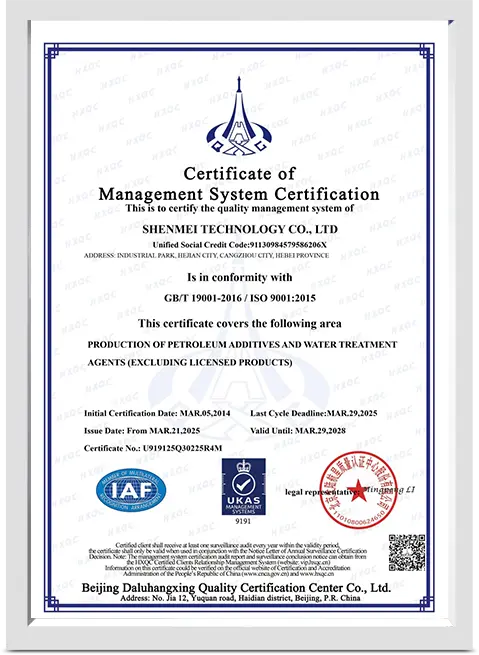
Verified documentation and certifications reflecting our high manufacturing standards.
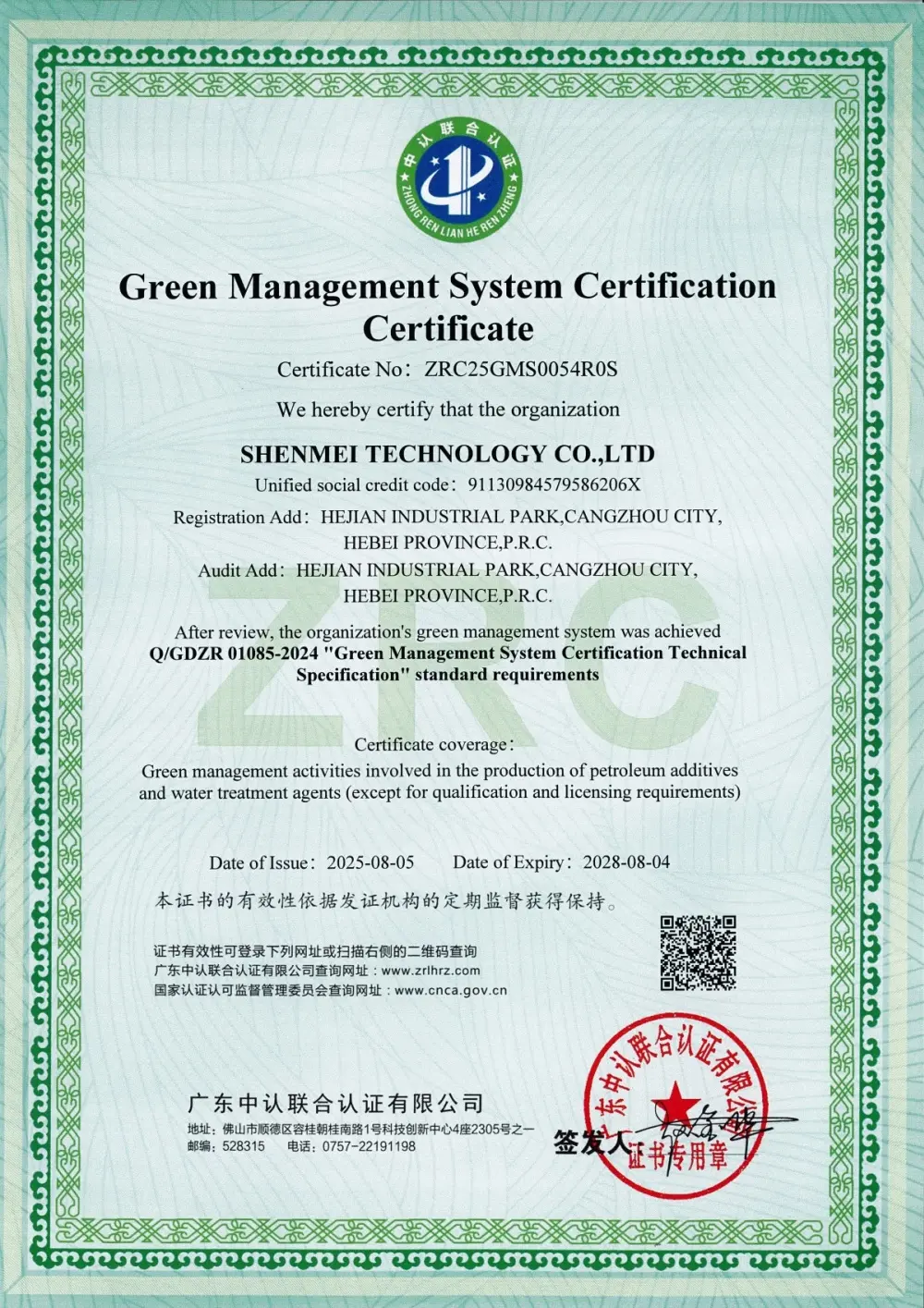
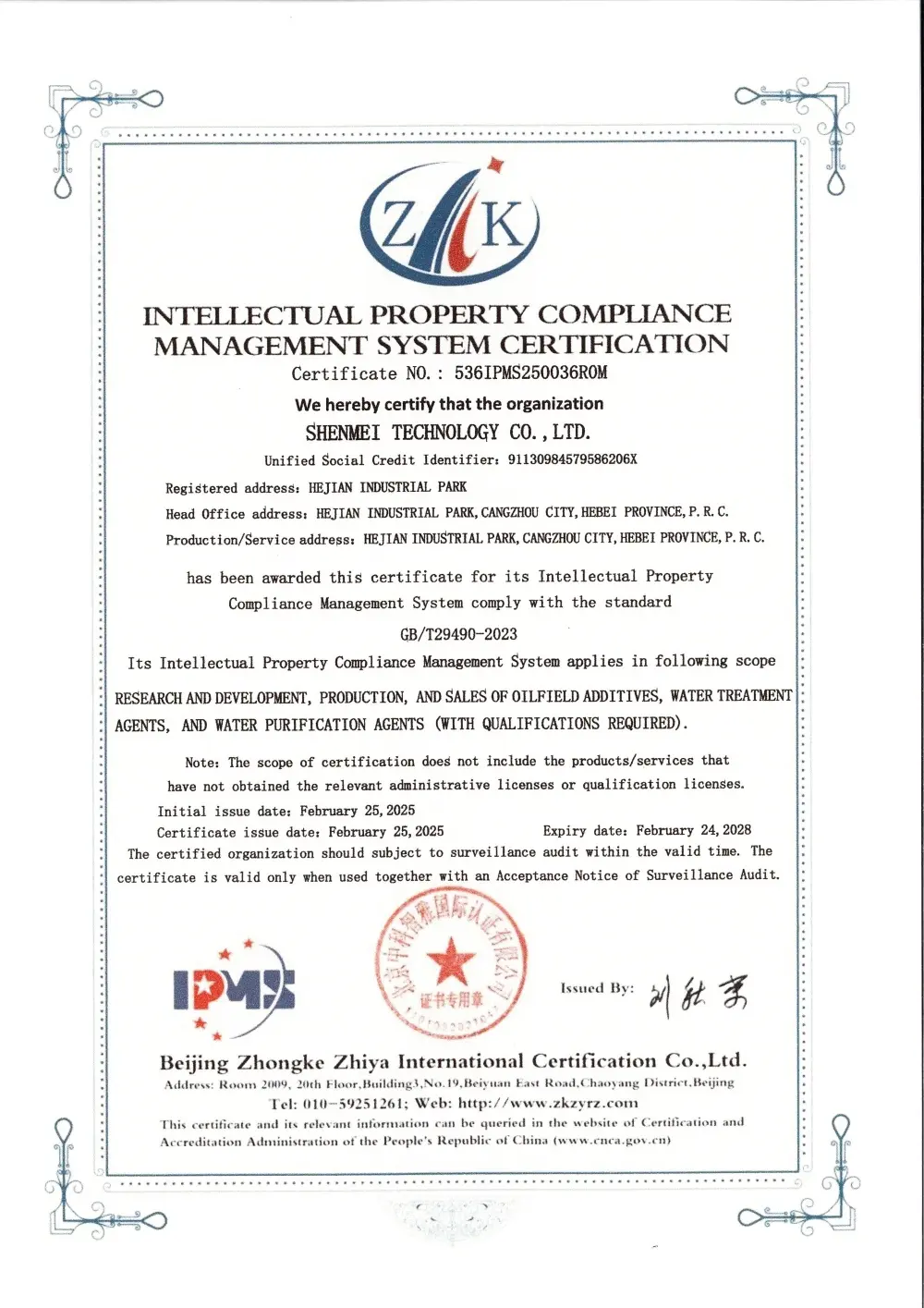
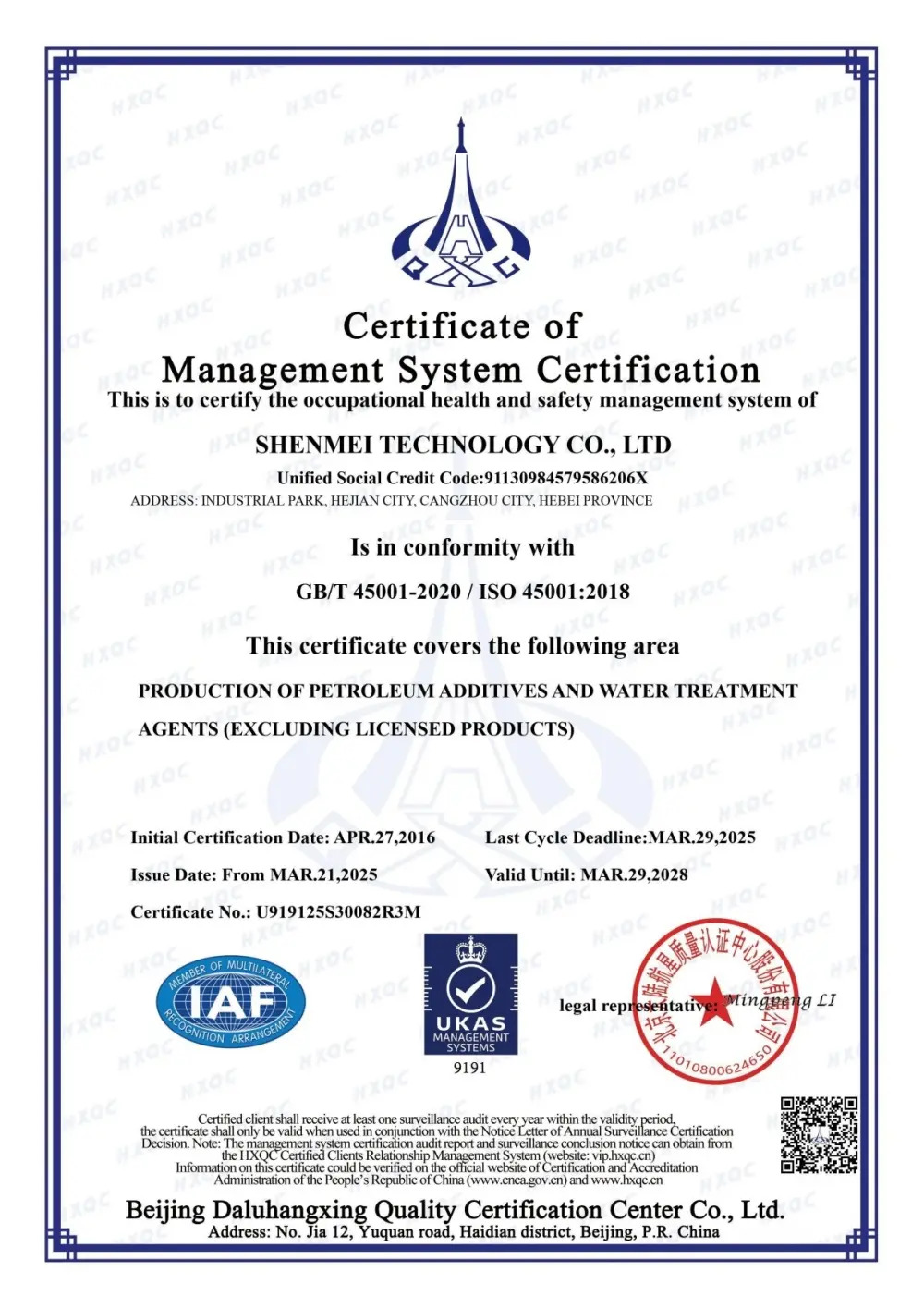
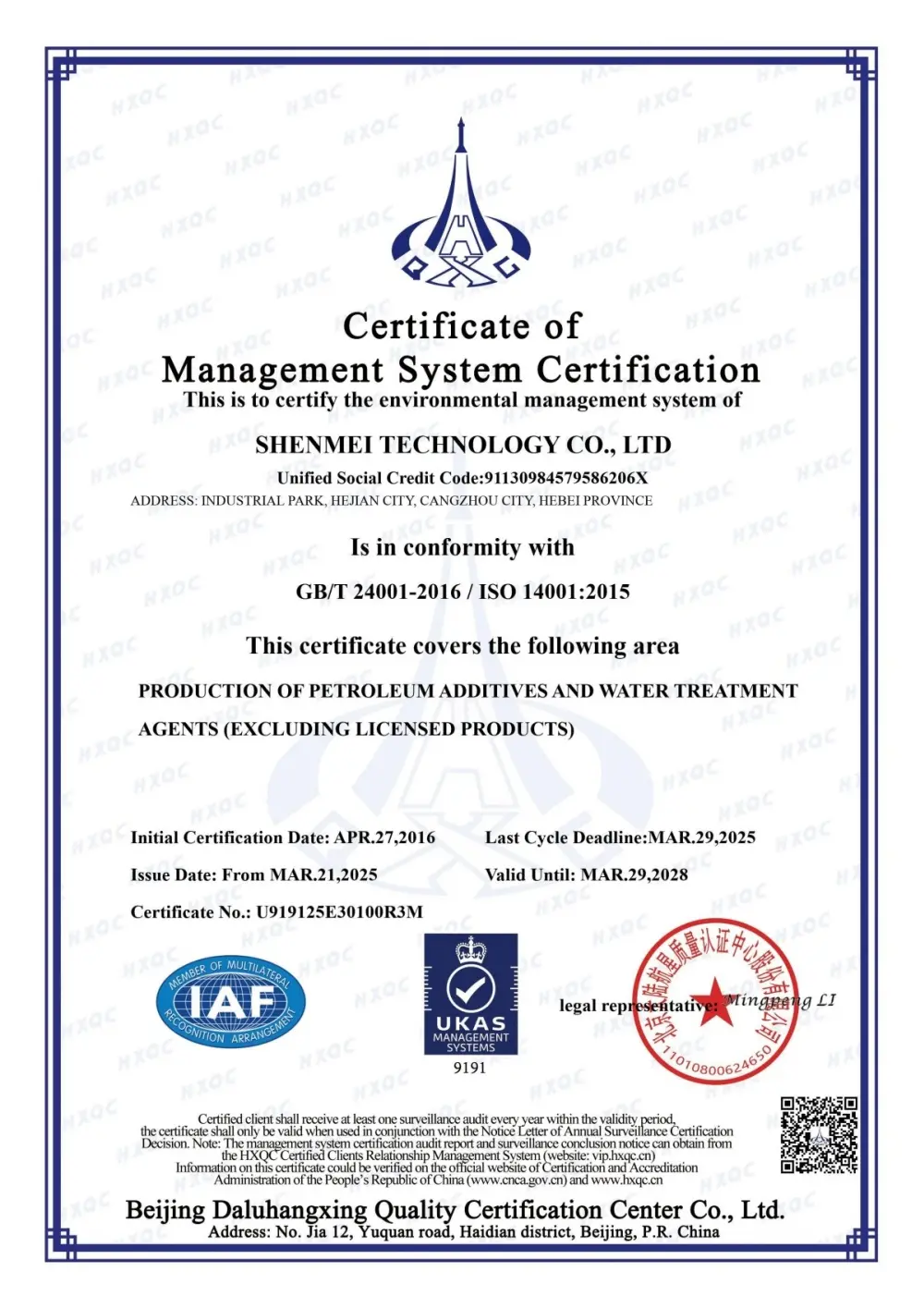
Why leading global industrial operators and water groups partner with Smedic.
Multiple production sites in Hebei, Guizhou, and Shanxi with regional warehouses and strategic OEM partner locations. This footprint maintains high-capacity output and reliable lead times for large-volume industrial projects.
Every batch of environmental chemistry undergoes multi-phase testing, covering raw materials, in-process processing, finished product release, and final application checks. Each batch includes a complete Certificate of Analysis (COA).
Our technical team includes water chemistry experts, professors, and senior engineers. Operating from dedicated workstations, they design and refine our products to meet complex municipal and industrial demands.
We supply standard configurations as well as customized formulations. Our team works with clients to adjust polymer charge density, molecular weight, dynamic viscosity, active concentration, and packaging types for targeted requirements.
All Smedic agents are formulated to align with global environmental regulations, helping facilities meet chemical oxygen demand (COD), total phosphorus, and nitrogen parameters required by regional authorities.
We maintain long-term partnerships with major water utility groups, including Beijing Enterprises Water Group, OriginWater, and China Water Environment Group, which feature Smedic on their qualified supplier registries.
Matching waste stream physics with specialized molecular structures.
Industrial wastewater is not uniform. The design of an industrial wastewater treatment plant is defined by the specific pollutants, colloidal stability, and flow dynamics of the facility. Standard water chemicals often fall short when dealing with changing pH, high salinity, temperature fluctuations, and complex organic loading. To address this, Smedic develops customized product families tailored to distinct application fields:
| Wastewater Sector | Primary Chemical Used | Operational Function | Technical Outcome |
|---|---|---|---|
| Mining & Coal Washing | Anionic Polyacrylamide (APAM) / Cationic Polyacrylamide (CPAM) | Flocculation, bridging, and charge neutralization of suspended mineral fines. | Rapid sedimentation, clear supernatant recycle, and reduced tailing pool volume. |
| Electroplating & Metallurgy | Specialized Heavy Metal Removal Agent | Chelation of free and complexed metallic ions (Cu, Ni, Zn, Pb, Cd). | Precipitation of stable organometallic complexes, meeting strict heavy metal discharge limits. |
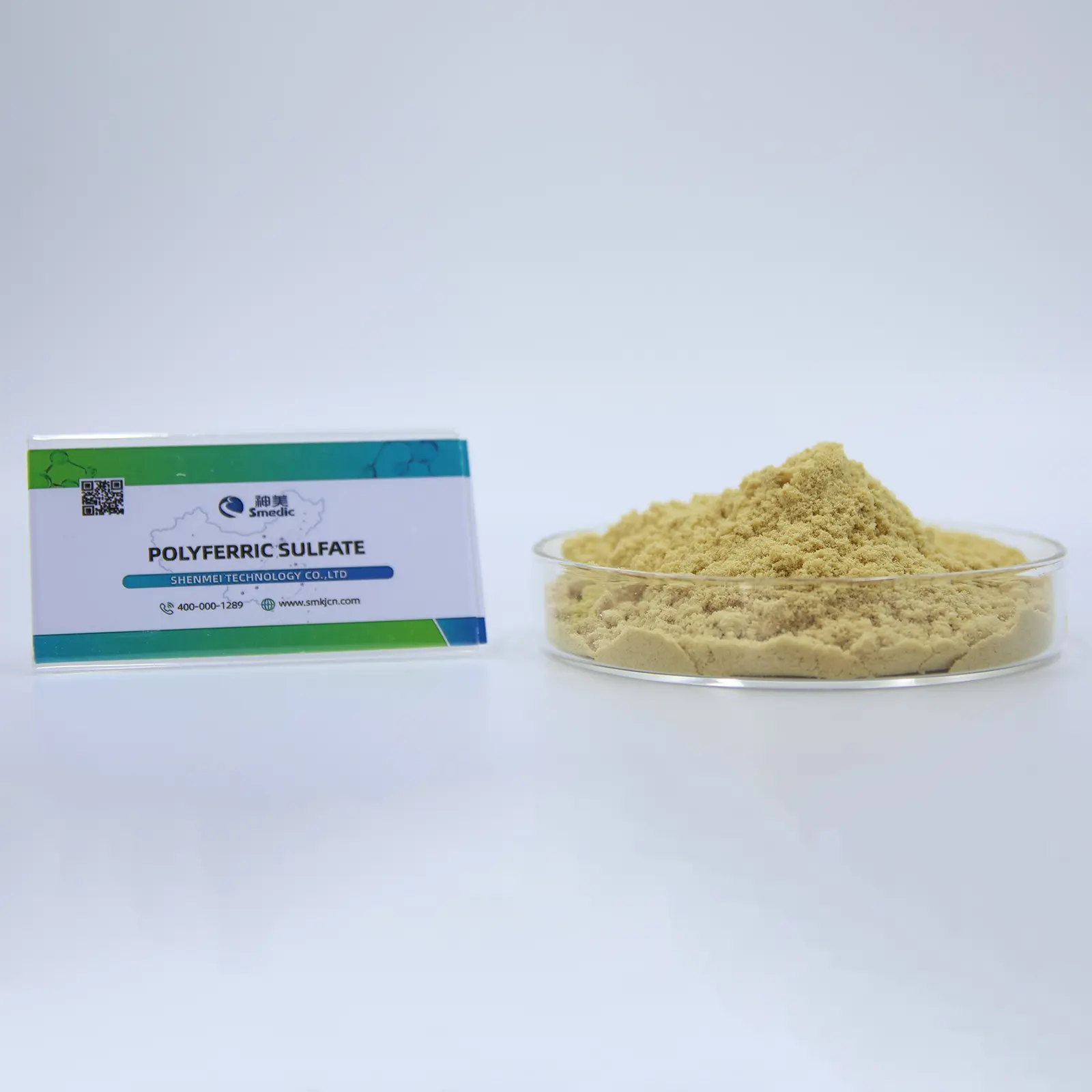
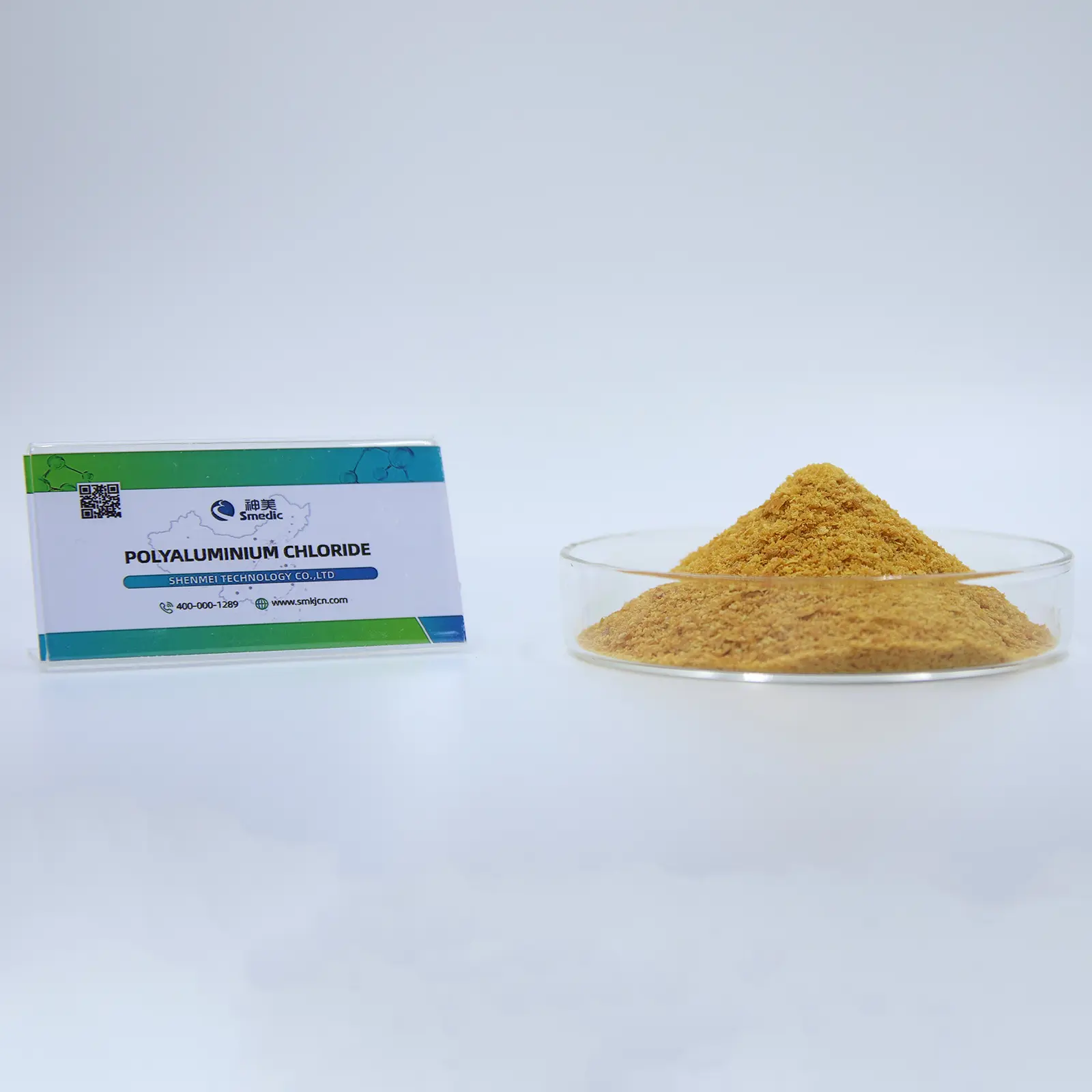
| Municipal Sewage Treatment | Polyaluminum Chloride (PAC) / Polyferric Sulfate (PFS) | Coagulation of organic colloids, phosphorus precipitation. | Reduced chemical sludge volume, removal of orthophosphates down to compliant levels. |
| Chemical & Petroleum Refining | Polyether & Organic Silicone Defoamers | Bubble wall destabilization and suppression of stable chemical foams. | Prevention of aeration tank overflow, maintaining aeration efficiency. |
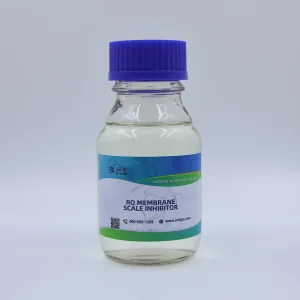
| Power Plant Cooling Loops | RO Scale & Corrosion Inhibitors | Threshold inhibition, crystal distortion, and metal surface passivation. | Prevention of calcium carbonate, calcium sulfate, and silica scaling on heat exchangers. |
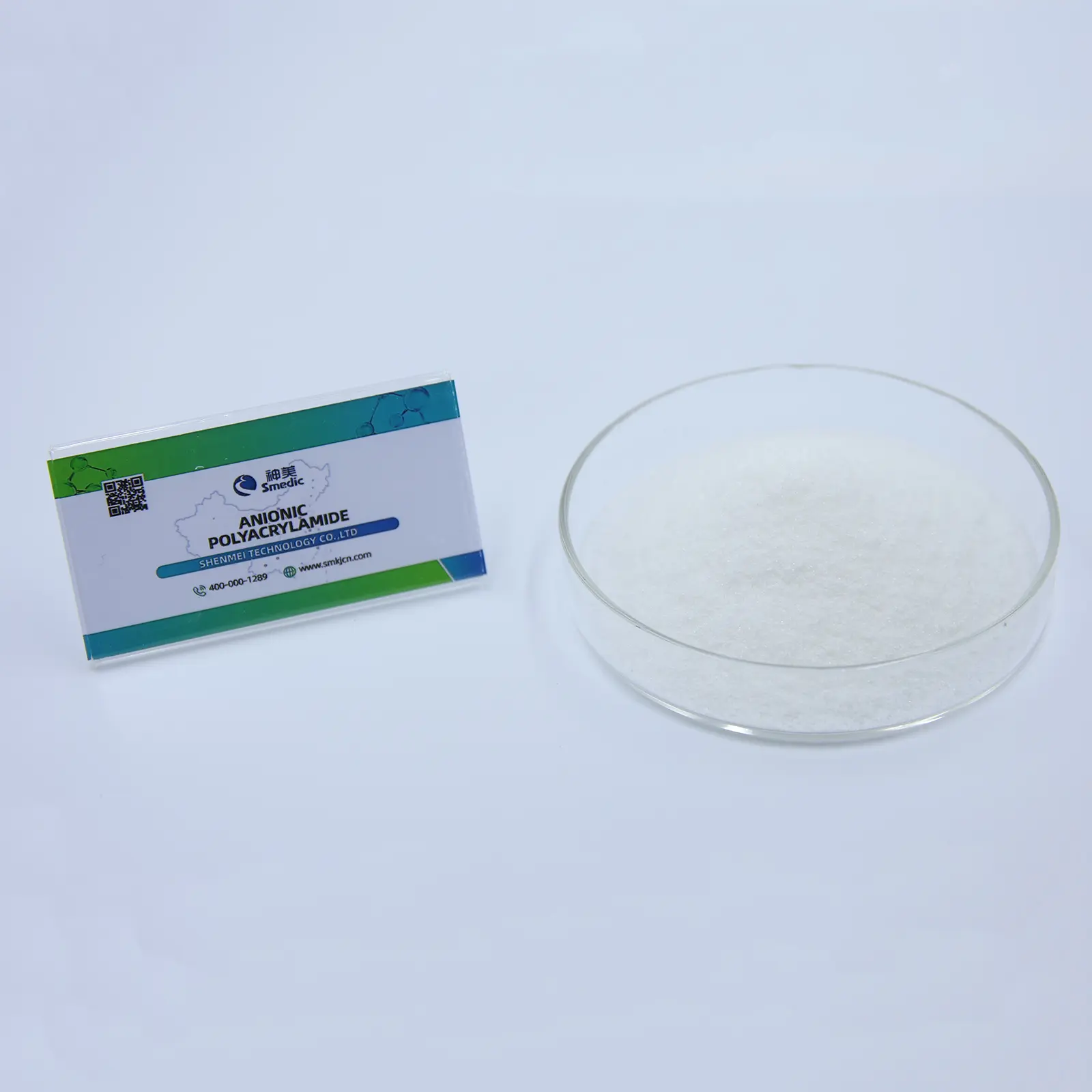
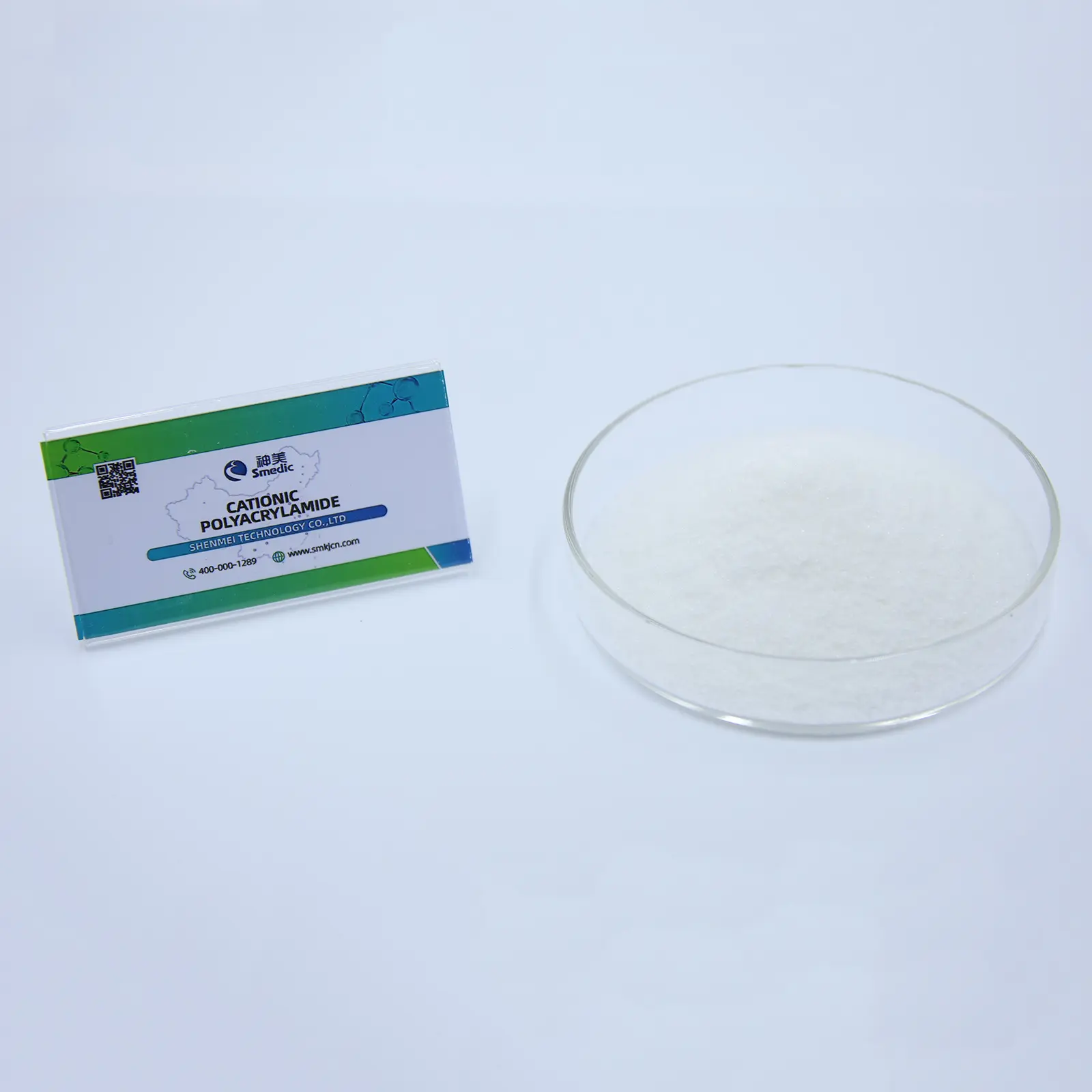
In sludge dewatering and suspended solids removal, selecting the right polymer structure is critical. Flocculation operates via charge neutralization and polymer bridging. For instance, when treating sludge with a high organic content, Cationic Polyacrylamide (CPAM) utilizes its positively charged nitrogen atoms to neutralize the negative surface charges of the organic matter. This interaction breaks the electrostatic barrier, allowing the polymer chains to bind the particles together into large flocs that are easily separated by filter presses.
In contrast, Anionic Polyacrylamide (APAM) is optimized for inorganic, positively charged mineral suspensions. Smedic customizes these polymers by adjusting their molecular weight (up to 22 million) and charge density (from 5% to 80% hydrolysis or cationicity), matching the unique chemistry of each client's waste stream.
Modern industrial chemistry is shifting toward environmental safety and carbon-neutral formulations. Smedic is focusing its development on these priorities by reducing residual monomers, enhancing biodegradability, and minimizing chemical sludge generation. Our R&D roadmap targets the development of green formulations that replace traditional persistent organics with biodegradable alternatives.
For example, our research in scale inhibition focuses on phosphorus-free scale and corrosion inhibitors. Standard phosphonate-based inhibitors can release orthophosphates into discharge streams, contributing to eutrophication in surface waters. Smedic’s green alternatives use carboxylated, sulfonated polymers that inhibit scale through crystal lattice distortion without adding nutrient loads to the effluent.
Additionally, we are expanding our focus on bio-enhanced denitrification carbon sources. By using composite carbon formulations with varying digestion rates, we provide denitrifying bacteria with a steady carbon supply, minimizing chemical COD breakthrough in the final effluent.
Answers to common questions regarding formulation, dosing, OEM services, and compliance.
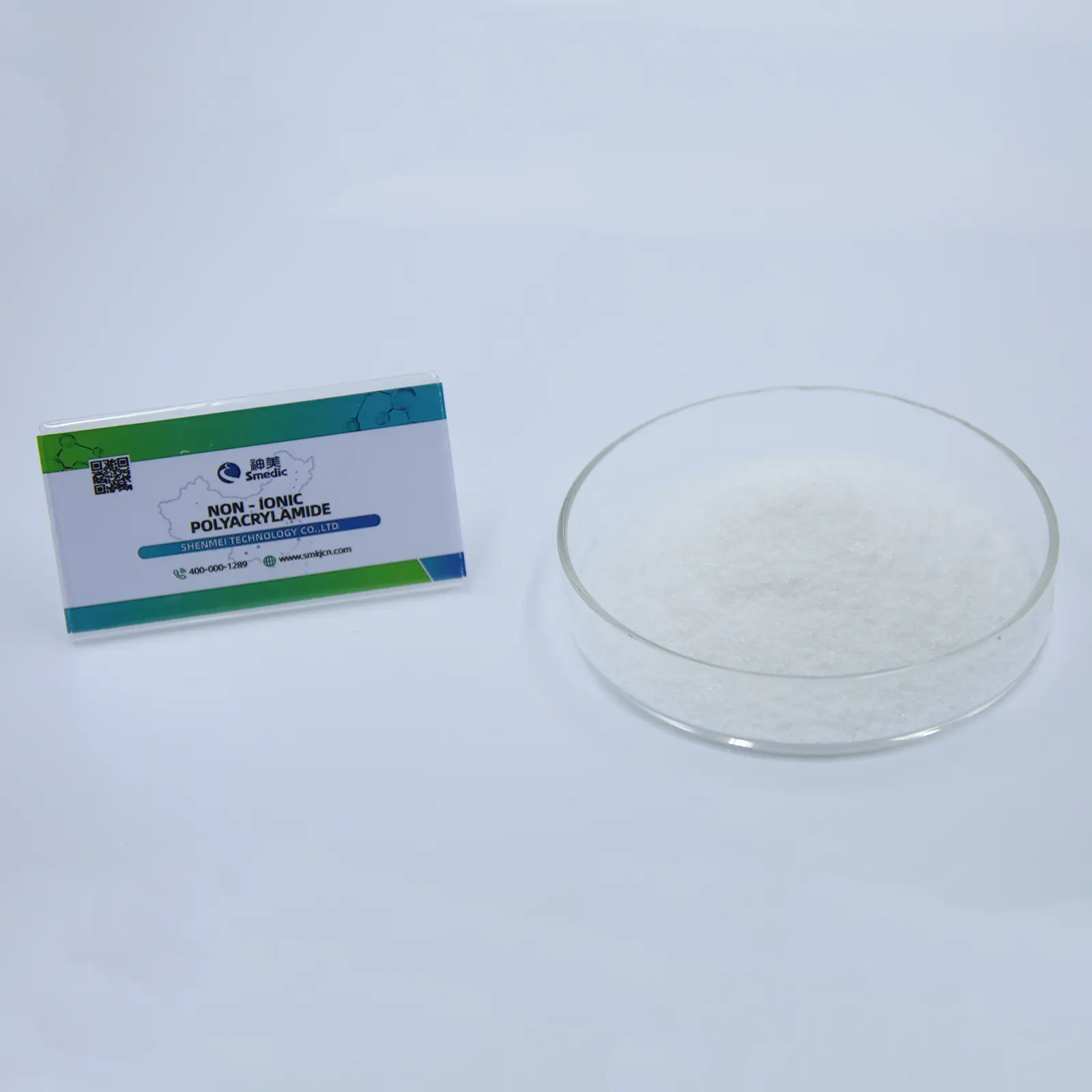
We customize PAM based on three key parameters: ionic type (cationic, anionic, non-ionic), molecular weight (ranging from 5 million to 22 million Daltons), and charge density (degree of hydrolysis or cationicity). During our evaluation, we analyze a sample of your waste stream to assess the zeta potential and solids concentration, allowing us to specify the correct ionic balance and polymer structure.
PFS forms larger, denser flocs that settle faster than PAC flocs, especially in cold water or low-turbidity conditions. Additionally, PFS has strong oxidation capabilities, which help remove color, reduce chemical oxygen demand (COD), and lower heavy metal levels. However, PAC remains a cost-effective, versatile coagulant for general municipal and industrial operations where aluminum residuals are not a constraint.
Standard precipitants like sodium hydroxide or lime struggle to precipitate metals when organic chelating agents (such as EDTA or citric acid) are present in the waste stream. Smedic’s heavy metal removal agents contain strong chelating groups that bind to metal ions, displacing weaker organic complexes. This reaction forms an insoluble coordinate bond complex that precipitates out of solution, even at neutral pH levels.
Solid powder agents (such as dry Polyacrylamide or PAC) have a shelf life of up to 24 months when stored in a cool, dry place inside sealed, moisture-proof packaging. Liquid formulations (such as concentrated scale inhibitors, defoamers, or liquid carbon sources) have a typical shelf life of 6 to 12 months. It is important to protect liquid agents from direct sunlight and freezing temperatures to prevent phase separation.
With an annual production capacity exceeding 1 million tons and a network of warehousing centers across China, Smedic is equipped to manage large-volume export orders. We offer custom packaging, containerized sea freight, and multimodal shipping. Our logistics team provides complete export documentation, including GHS-compliant Safety Data Sheets (SDS), Certificates of Analysis (COA), and customs declarations.
Retaining all proprietary formulations and product links from our manufacturing facility.
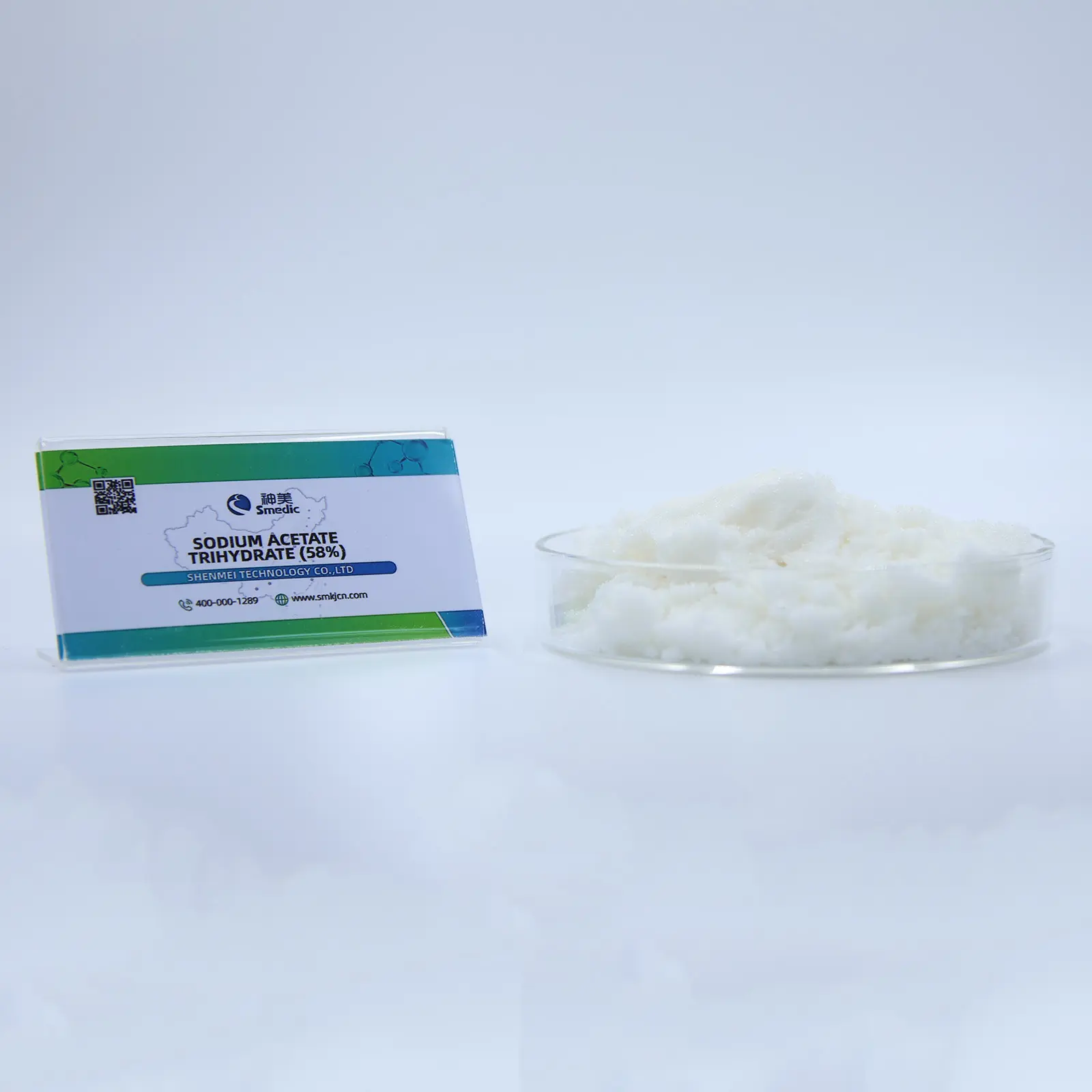
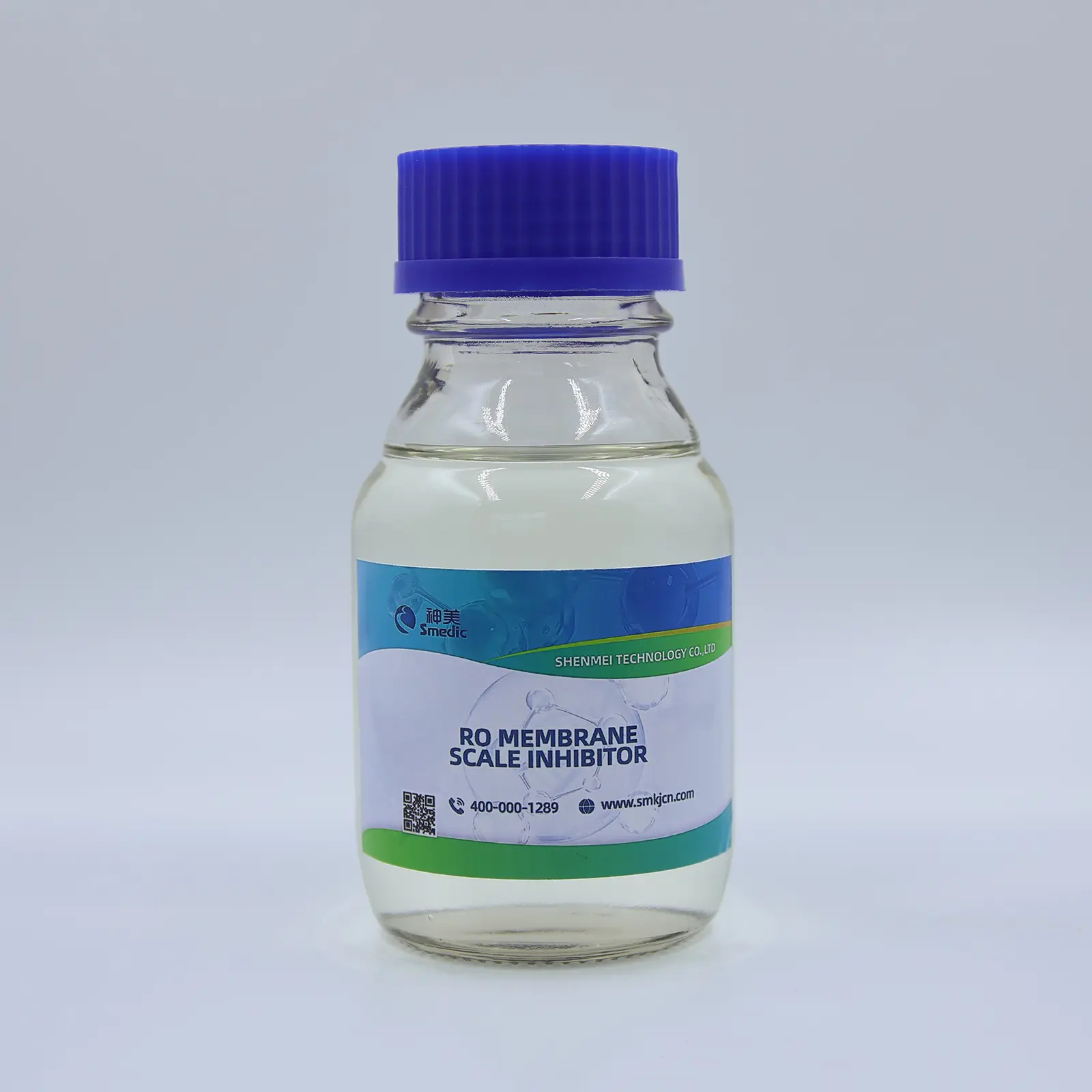
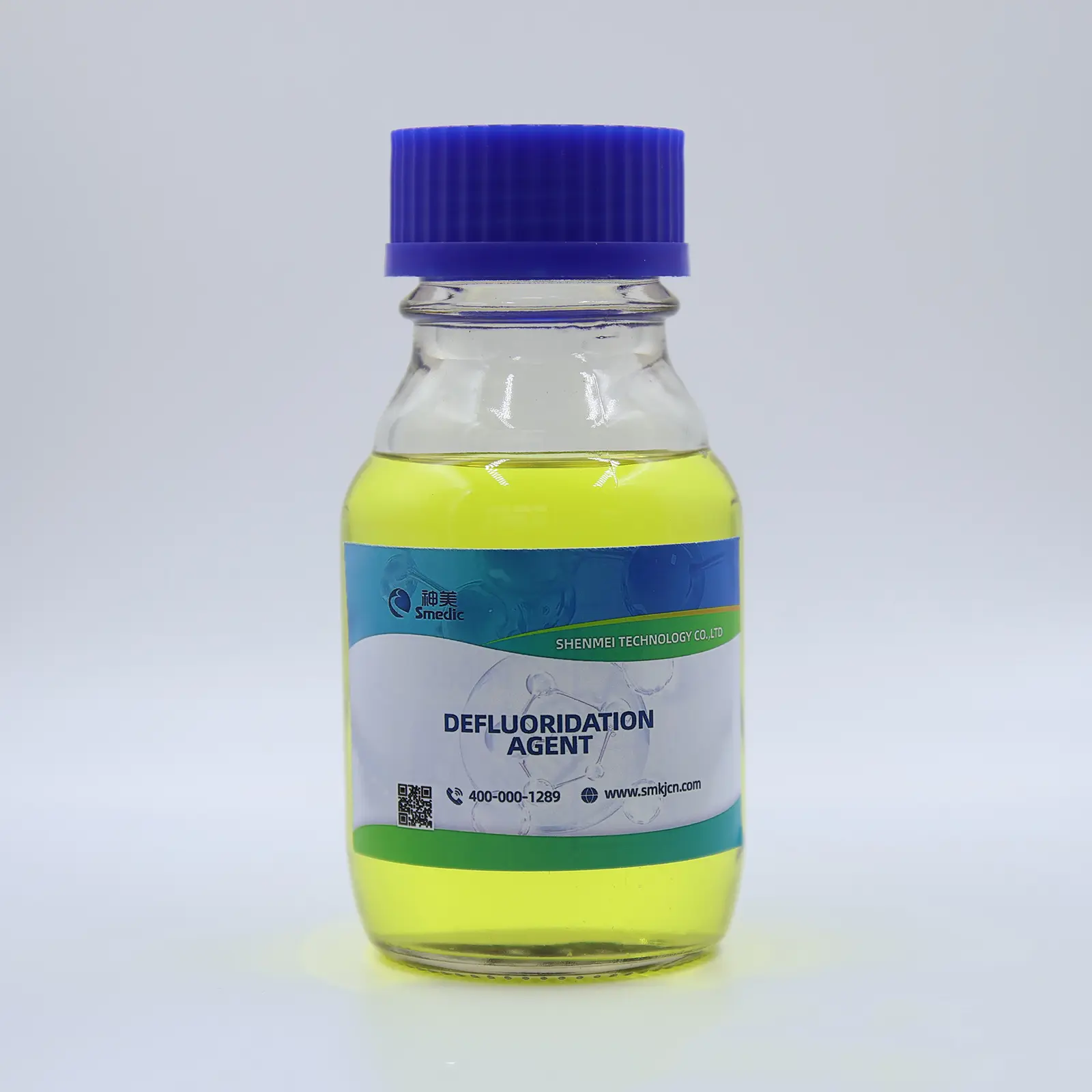
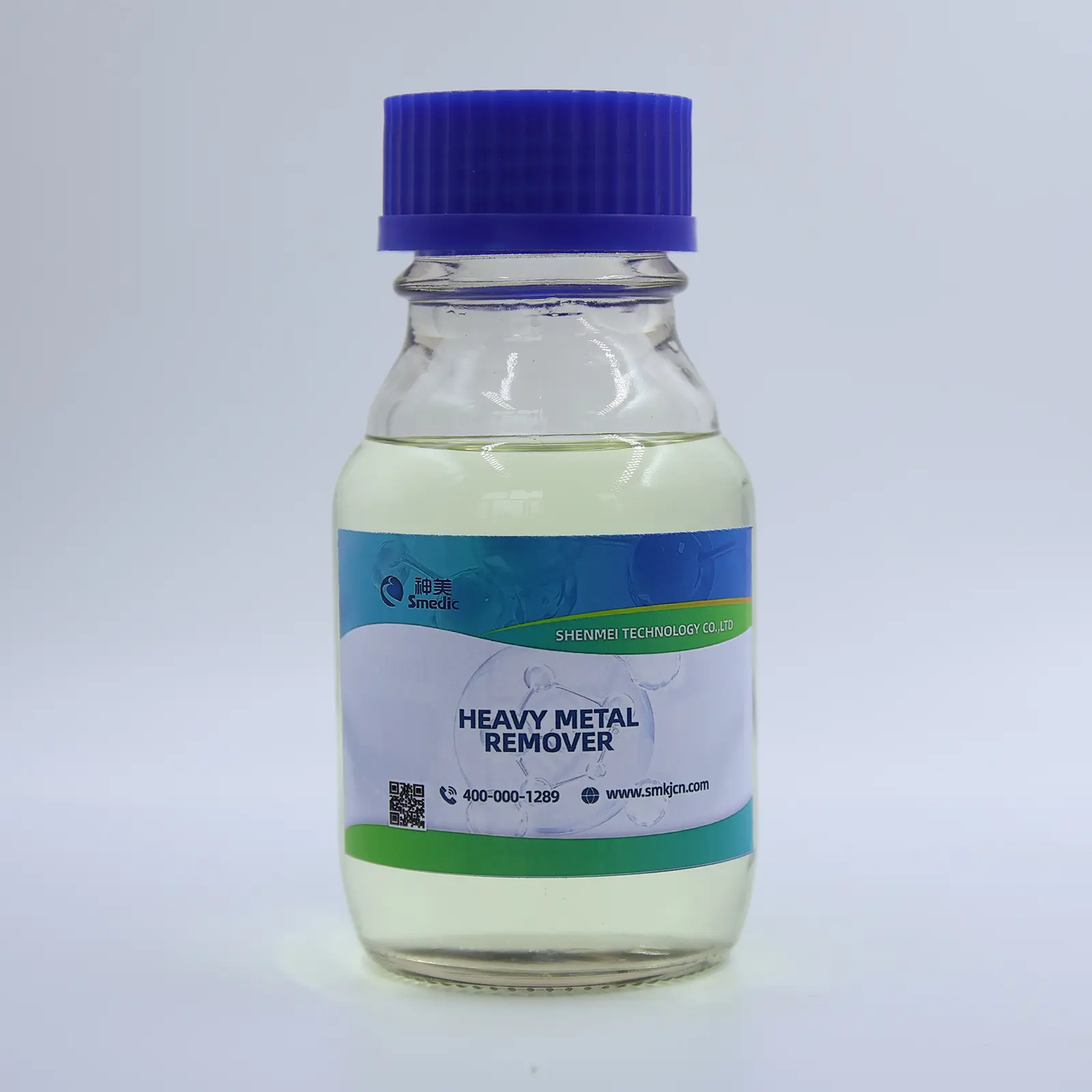
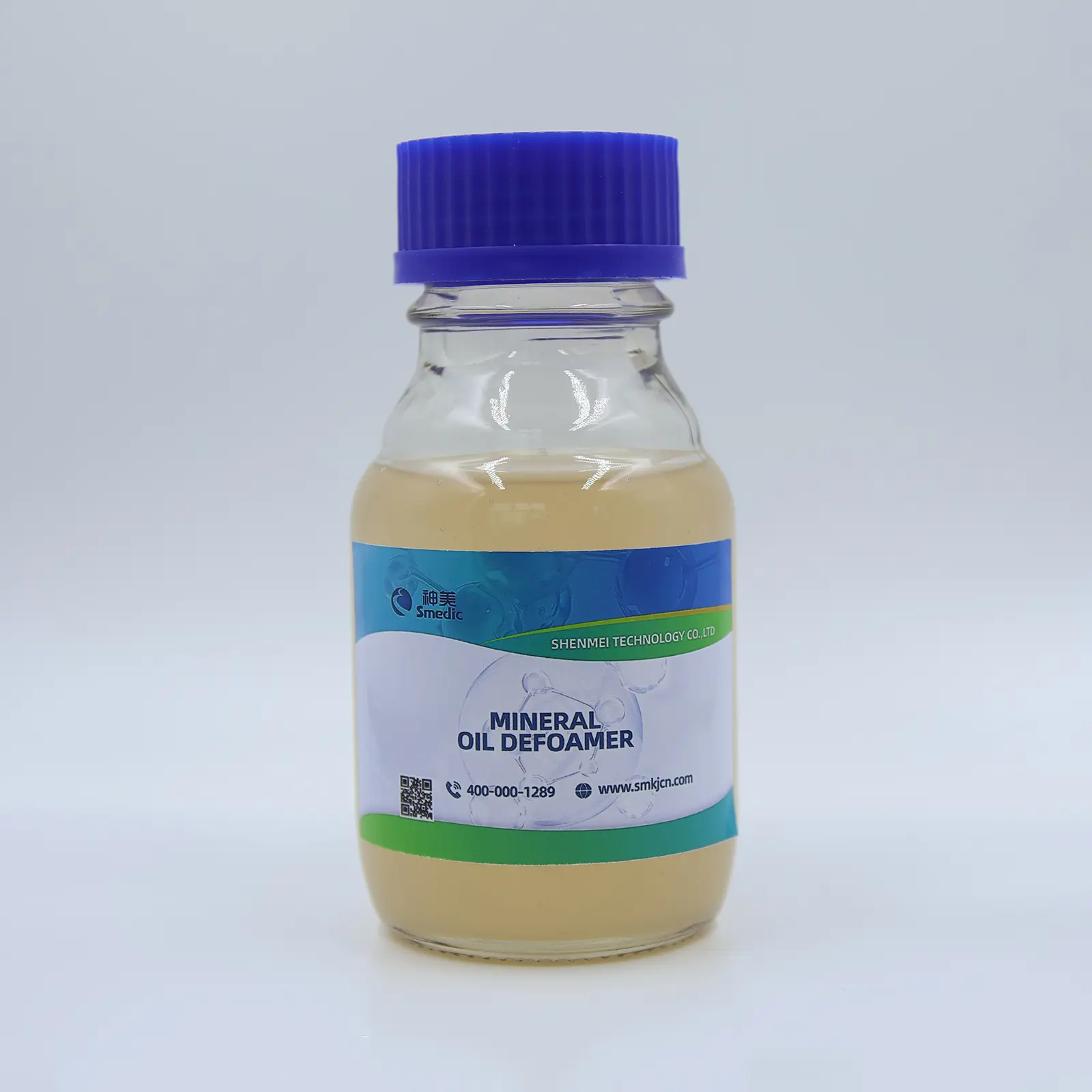
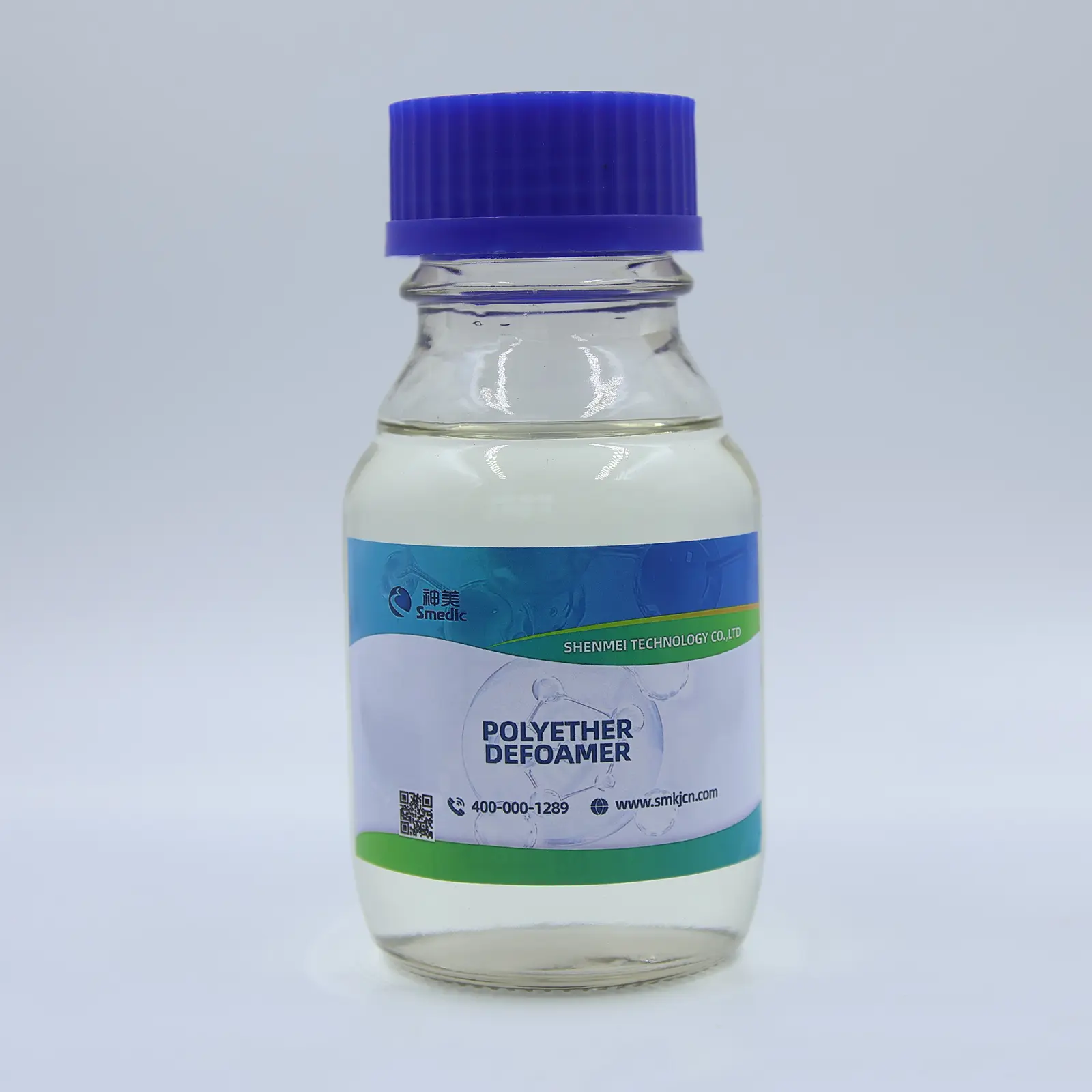
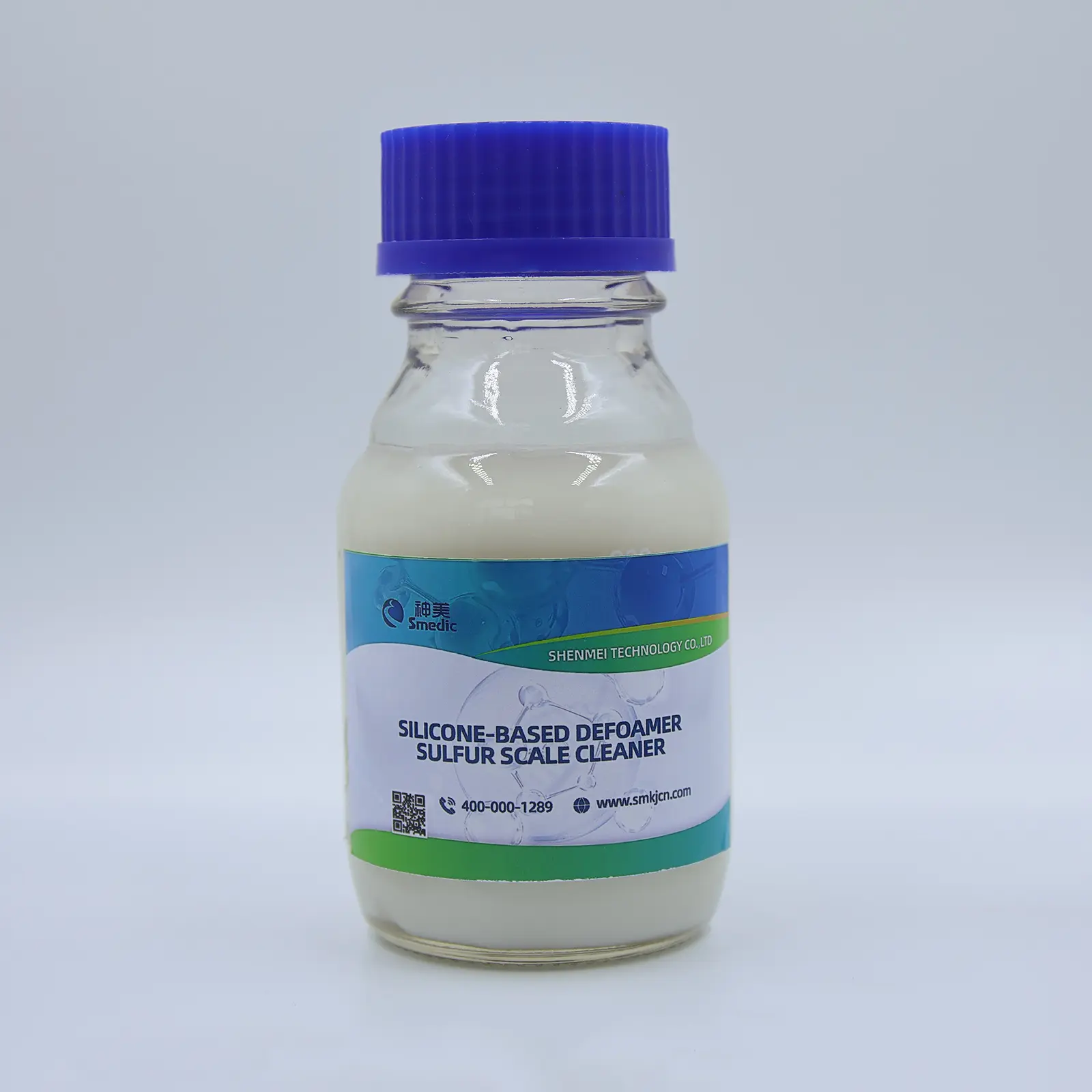
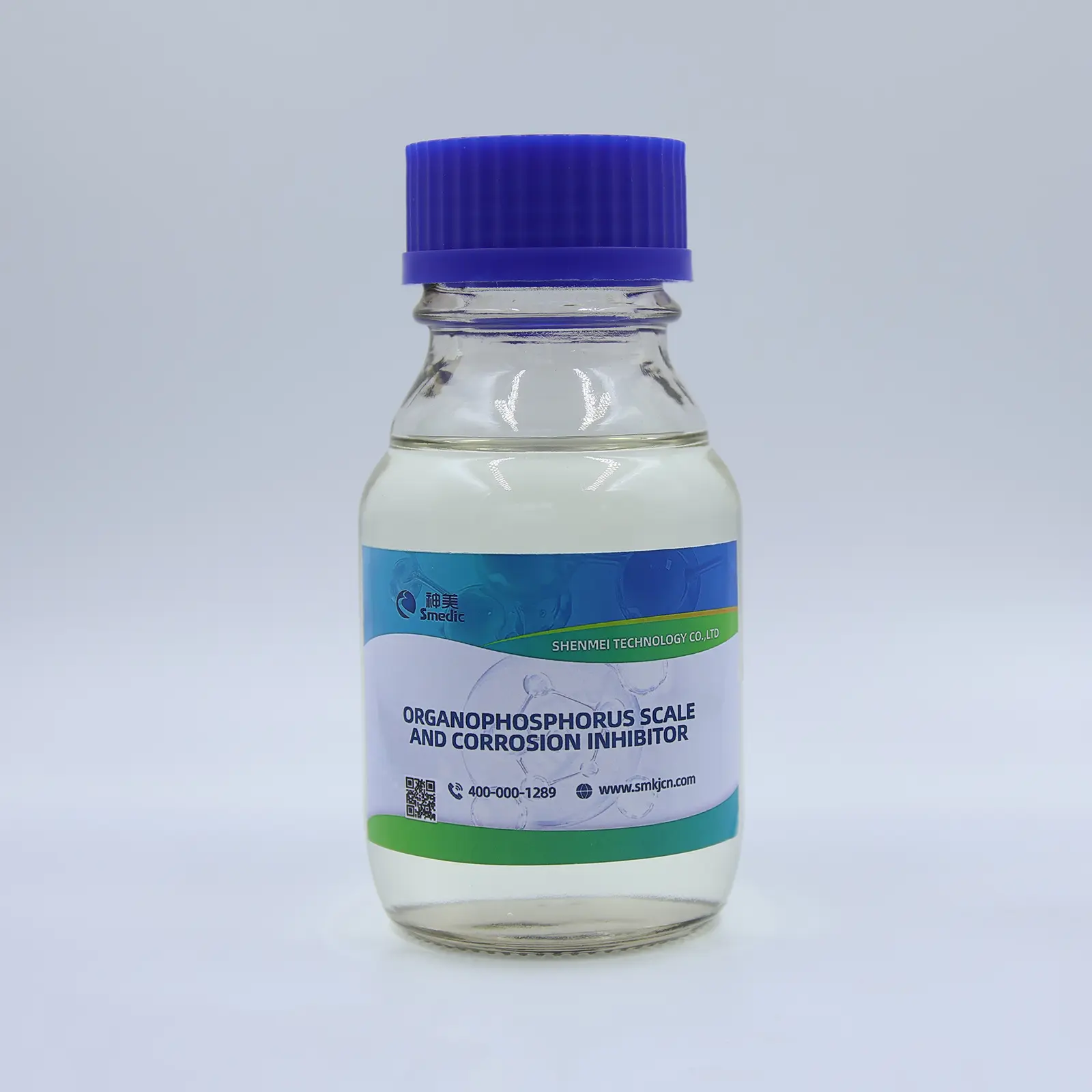
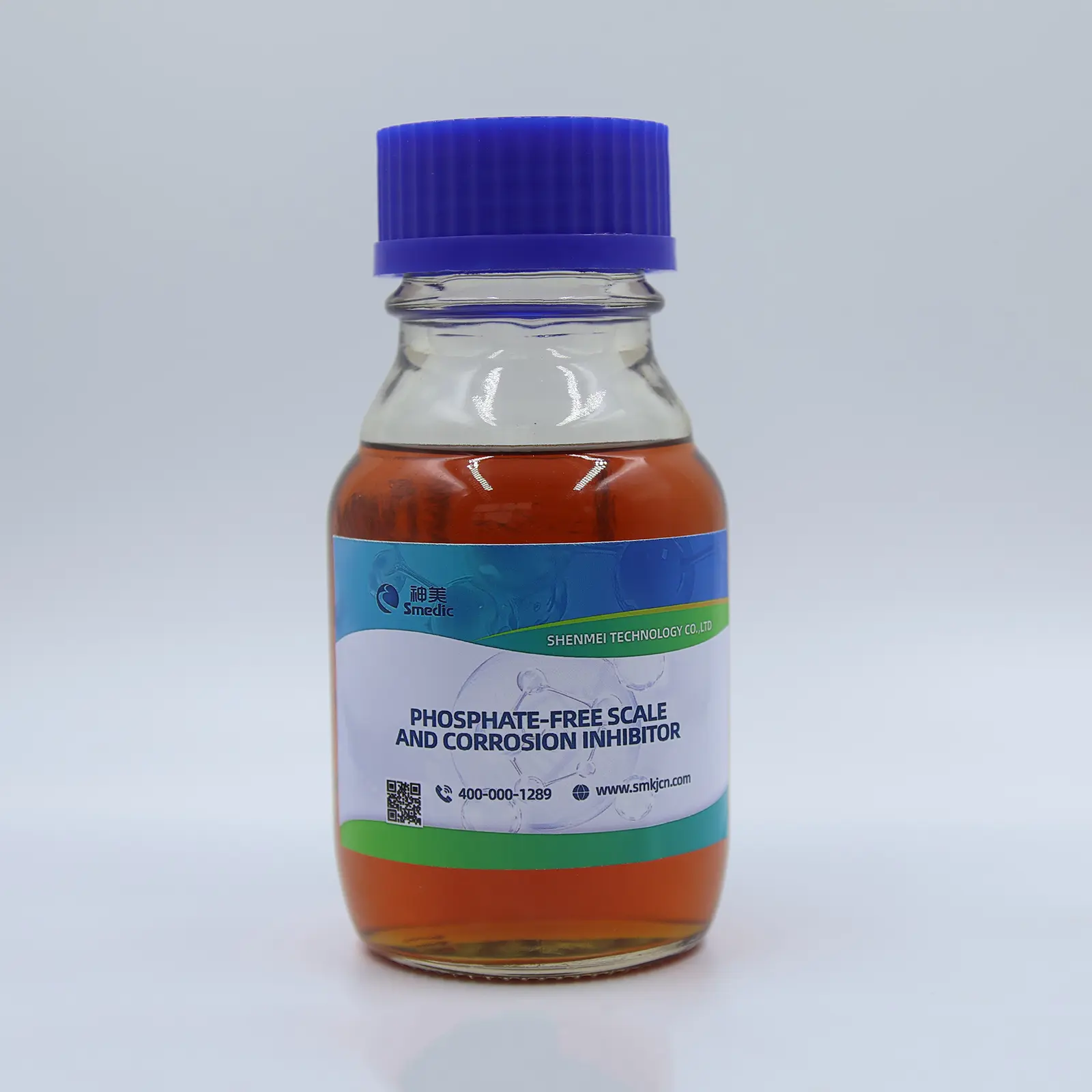
Preserving original specifications and OEM manufacturer connections.
 Smedic Tech