Explore our highly integrated core configurations including customized defoamers, industrial heavy metal coagulants, and scale control inhibitors.
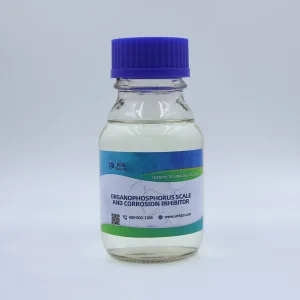
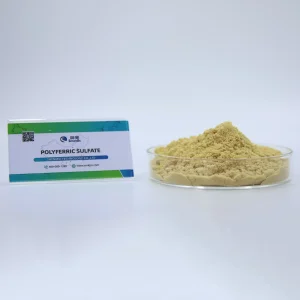
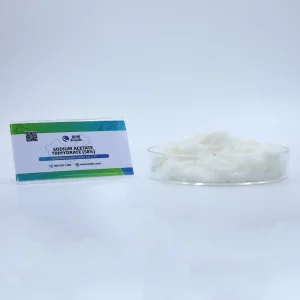
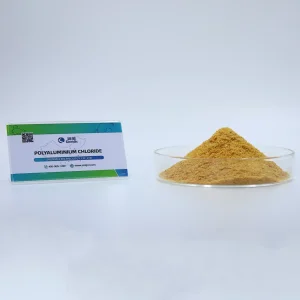
A deep technical exploration of Ammonium Sulfate's dual utility in municipal biological systems and specialized industrial effluent precipitation.
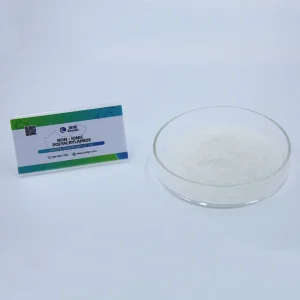
Within modern water purification frameworks, Ammonium Sulfate [(NH₄)₂SO₄] holds a vital, dual-purpose position. Beyond its historical presence in agricultural fertilizer manufacturing, it serves as a critical biological nutrient regulator and physical-chemical flocculant aid. In industrial processes such as pulp and paper, textiles, and petrochemical refining, incoming effluents often contain extremely high organic carbon loads but suffer from severe nitrogen deficiencies. Under these unbalanced stoichiometry conditions, aerobic and anaerobic microorganisms in secondary treatment systems (like activated sludge processes) cannot efficiently metabolize pollutants, leading to sludge bulking and poor chemical oxygen demand (COD) removal.
By supplying a controlled, highly bioavailable source of ammonium ions ($NH_4^+$) and sulfate ($SO_4^{2-}$), industrial-grade Ammonium Sulfate acts as an essential nutrient supplement. Furthermore, in primary and advanced filtration chemistry, it plays a collaborative role alongside metal coagulants (such as Polyaluminum Chloride or PFS) by modifying ionic strength. This accelerates charge neutralization, promoting the precipitation of colloidal organic complexes and heavy metal fractions.
For chemical procurement directors and municipal engineers, evaluating technical specifications is crucial. Standard agricultural grades are unsuitable for water treatment due to trace impurities. True industrial-grade material must meet these standards:
| Parameter | Standard Specification | Utility Importance |
|---|---|---|
| Nitrogen (N) Content | ≥ 21.0% (Dry Basis) | Ensures precise microbial dosing calculations |
| Sulfur (S) Content | ≥ 24.0% | Crucial biological building block |
| Moisture | ≤ 0.5% (Crystal Grades) | Prevents caking during pneumatic transport |
| Free Acid (as H₂SO₄) | ≤ 0.05% | Prevents downstream pipeline corrosion |
| Heavy Metals (Pb, As) | ≤ 10 ppm (Clean Target) | Ensures compliance with discharge regulations |
Smedic Technology Co., Ltd. — Your trusted OEM partner for world-class water treatment chemistry formulations.
Established in 2011, Smedic Technology Co., Ltd. has evolved into a comprehensive, globally integrated solution provider specializing in environmental protection agents. We integrate research and development, industrial manufacturing, global export sales, and field engineering technical services. We are dedicated to providing global enterprise customers with customized chemical products, customized technical solutions, and long-term optimization services.
Our expansive product portfolio covers multiple sectors, including municipal sewage treatment, industrial wastewater purification, tap water purification, mineral processing agents, and oilfield chemicals. We produce more than 80 different environmental protection products, with a combined annual production capacity exceeding 1 million tons.
Headquartered in Beijing, Smedic owns and operates multiple wholly-owned production bases in Hebei, Guizhou, Shanxi, and other regions. We have established more than ten OEM partner factories and regional warehousing/logistics bases across Shandong, Shanxi, Anhui, Guangxi, and Sichuan provinces. Our domestic and global service network covers over 20 provinces, with projects involving more than 600 urban sewage treatment plants and over 1,000 end customers in industrial wastewater treatment, mineral processing, and oilfield chemicals.
Decarbonization, circular economy parameters, and the rise of smart chemical dosing strategies.
Modern sustainability mandates require industrial chemical producers to reduce carbon footprints. As a result, water treatment chemicals are increasingly derived from circular economic loops, such as recovering ammonium sulfate from coke oven gas desulfurization and caprolactam production streams. This industrial symbiosis turns potential waste streams into valuable water-treatment inputs.
Global wastewater treatment plants contribute significantly to greenhouse gas emissions, particularly nitrous oxide ($N_2O$). Providing precise nitrogen nutrient balances via customized ammonium sulfate compounds helps operators optimize biological processes. This minimizes microbial stress states that generate high-$GWP$ gaseous emissions, aligning plants with carbon-neutral targets.
Advanced facilities are transitioning from static dosing methods to dynamic, AI-assisted feeding control. Integrating IoT sensors allows operators to measure real-time ammonia-nitrogen levels at the biological basin inlet. Dosing rates are adjusted automatically to prevent under-feeding (which starves biomass) and over-feeding (which increases effluent nitrogen loads).
Tailoring chemical treatment strategies to meet the specific requirements of municipal and industrial sectors.
In municipal plants receiving high COD discharges from commercial users, the biological system can face nitrogen deficiencies. Adding ammonium sulfate stabilizes nitrification and denitrification pathways, keeping total nitrogen (TN) levels compliant with municipal discharge limits.
Pulping processes yield highly alkaline effluents rich in lignin and hemicellulose but low in nitrogen. Introducing ammonium sulfate helps maintain the vital nutrient balance required for activated sludge tanks to digest complex organic compounds.
In froth flotation and mineral thickener tanks, ammonium sulfate acts as a modifier. Adjusting the pulp's ionic strength helps improve settling rates when combined with organic-inorganic covalent flocculants.
Reinjecting produced water requires removing all suspended solids and metal deposits. Smedic's coagulant compounds, formulated with ammonium sulfate, accelerate sedimentation to protect injection wells from clogging.
Our commitment to research and innovation translates into internationally advanced, patented water treatment technologies.
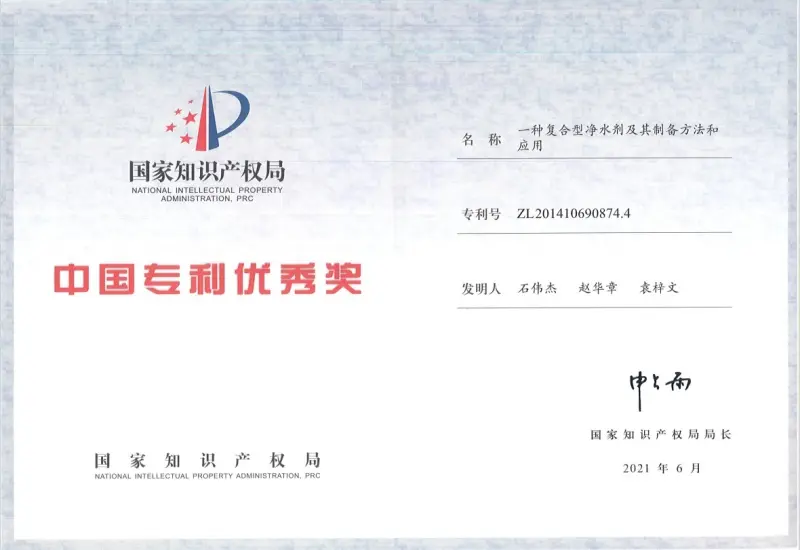
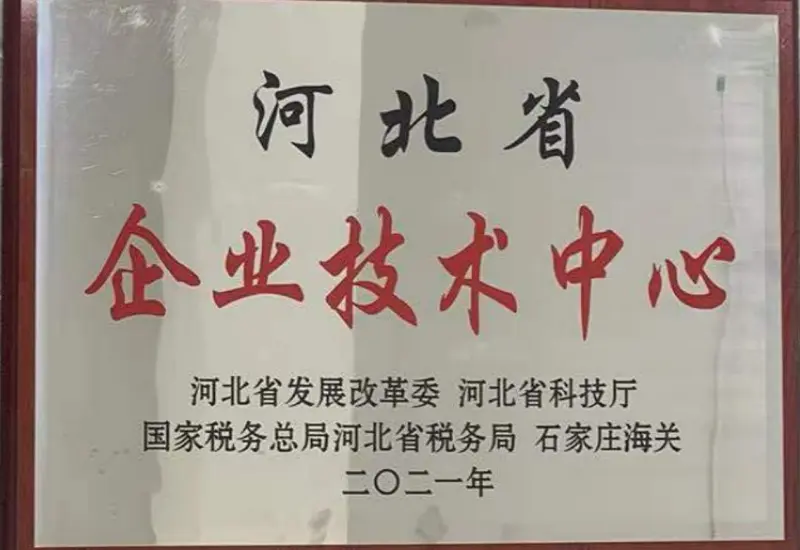
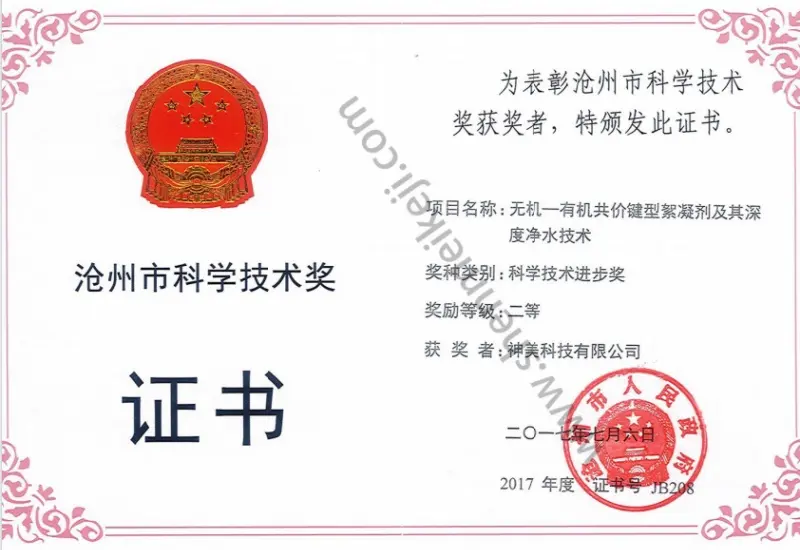
At Smedic, we have built a comprehensive R&D system centered around **one academy, three research institutes, and five production bases**. This robust framework includes state-recognized platforms such as the Hebei Provincial Enterprise Technology Center, the Hebei Provincial Advanced Water Treatment Chemicals Technology Innovation Center, and the Cangzhou Water Treatment Engineering Technology Research Center (recognized as a Class A R&D institution in Hebei Province).
Our core technical team comprises senior academics, experts, professors, and professional engineers. We operate an expert workstation in collaboration with the Tsinghua University Association of Senior Scientists and Technicians, and maintain joint R&D laboratories with Shandong University and the Beijing University of Technology. We also serve as the commercialization partner for industry-academia-research achievements with Peking University and Tian天津 University.
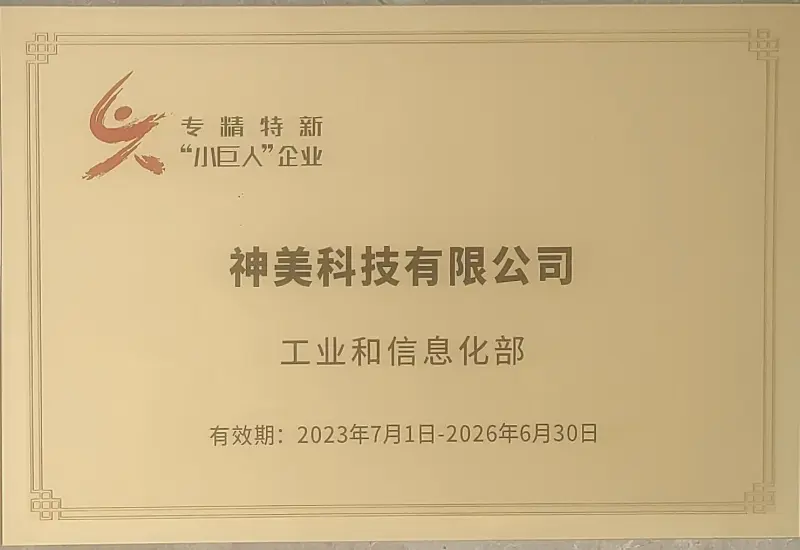
Smedic is recognized as a National High-tech Enterprise, and a National Specialized, Refined, Unique and Innovative "Little Giant" Enterprise, confirming our industry leadership in the advanced water chemistry sector.
Over a decade of sustainable growth, expanding from a regional producer into a national environmental leader.
Smedic Technology Co., Ltd. was established in Beijing.
The company established a complete product portfolio for municipal wastewater treatment chemicals.
Smedic was officially recognized as a National High-Tech Enterprise.
Our specialized chemical production base in Guiyang was established.
Production bases in Hebei, Shandong, and Guizhou were completed and expanded, bringing annual capacity over 1 million tons.
Recognized as a National Specialized, Refined, Unique and Innovative Small and Medium-sized Enterprise.
Established a provincial-level technology research and development platform in Hebei.
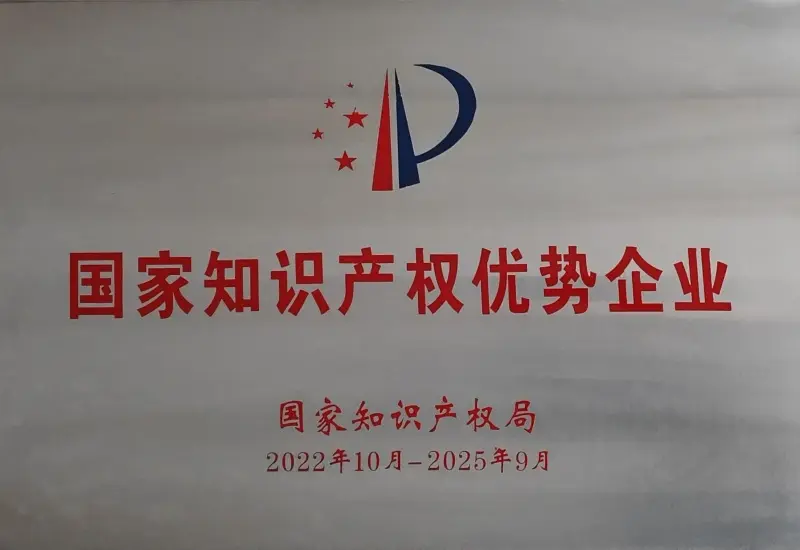
Recognized as a National Intellectual Property Advantage Enterprise.
Established a joint venture with the Chengdu Institute of Mineral Comprehensive Utilization, China Geological Survey, targeting advanced mineral processing reagents.
How Smedic integrated reagents resolve complex industrial discharge challenges.
| Wastewater Challenge | Primary Smedic Reagent Package | Chemical Mechanism of Action | Resulting Effluent Standard achieved |
|---|---|---|---|
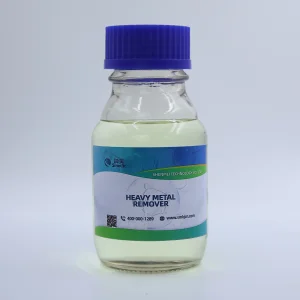
| Heavy Metal Contamination (Cu, Ni, Zn, Cr) | ODM Heavy Metal Removal Agent + PAC Coagulant | Chelation precipitation followed by metal hydroxide co-precipitation. | < 0.1 mg/L Total Heavy Metal concentration |
| High-COD and Low Nitrogen | OEM Ammonium Sulfate + ODM Sodium Acetate | Balanced nutritional feedstocks support rapid activated sludge digestion. | COD removal efficiency improved by up to 45% |
| Fine Suspended Solids Carryover | Cationic Polyacrylamide (CPAM) + Polyferric Sulfate (PFS) | Strong charge neutralization destabilizes colloids, forming large settleable flocs. | Turbidity < 5 NTU prior to filtration |
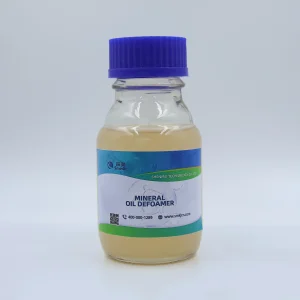
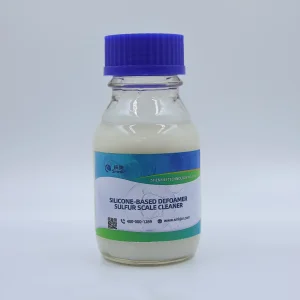
| Excessive Bio-Reactor Foaming | Organic Silicone Defoamer Agent (OEM) | De-aeration of stable foams at the biological tank surface. | Restored oxygen mass-transfer coefficient ($K_La$) |
Technical advice and chemical engineering insights to help optimize your plant's biological performance.
Explore our technical polymer flocculants, phosphate-free scale inhibitors, and pH-regulating agents.
 Smedic Tech