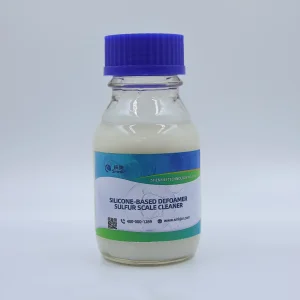
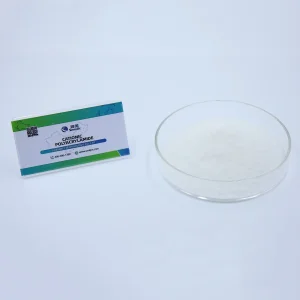
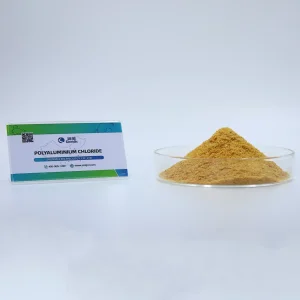
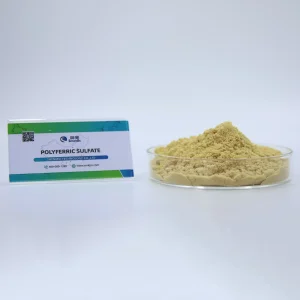
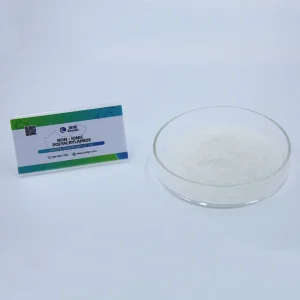
In modern environmental engineering, sewage purification has evolved from simple primary settle-and-filter methods to high-performance molecular design operations. As global emission standards tighten—such as the EU Urban Wastewater Treatment Directive and China's Class 1A discharge regulations—municipalities and heavy industries face unprecedented pressure to reduce Total Nitrogen (TN), Total Phosphorus (TP), Chemical Oxygen Demand (COD), and persistent organic pollutants. Meeting these limits demands advanced, customized chemical reagents. As a leading ODM Sewage Purification Supplier & Exporter, Smedic Technology Co., Ltd. delivers high-MW flocculants, advanced coagulants, and tailored Defoamers engineered to resolve complex wastewater challenges.
Backed by "one academy, three research institutes, and five bases," we operate joint R&D labs with Tsinghua University, Shandong University, and Beijing University of Technology to scale patented molecular solutions from lab to industrial application.
We provide chemical design tailored to site-specific conditions. Our team customizes basicity, molecular weight, charge density, and active content to ensure optimal floc formation and rapid phase separation across diverse water parameters.
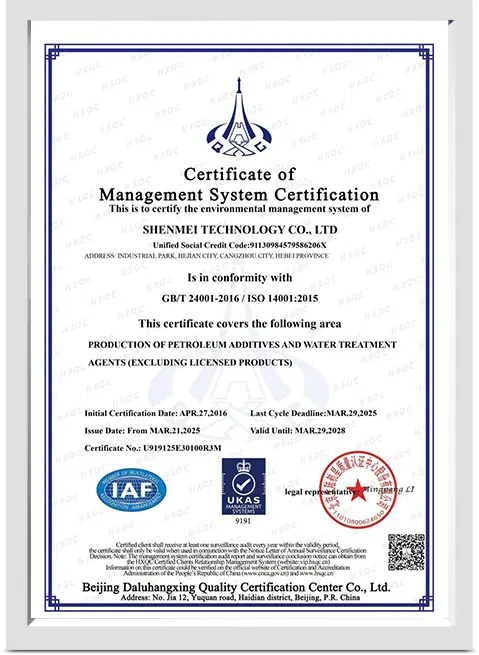
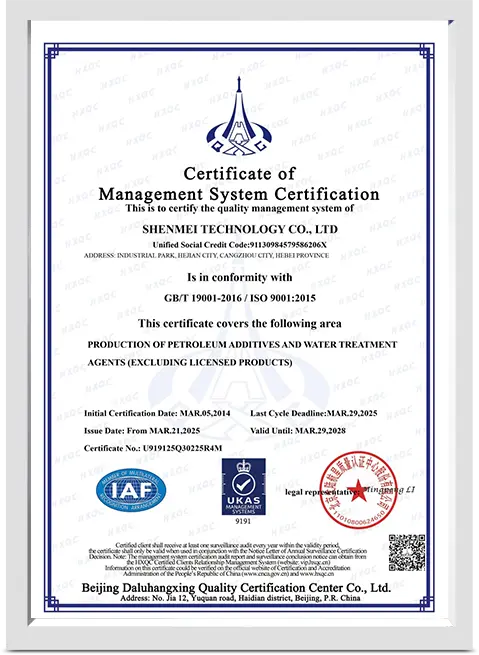
Operating under strict ISO9001, ISO14001, and ISO45001 frameworks, our raw material inspections and final product checks guarantee batch-to-batch stability and full compliance with international environmental standards.
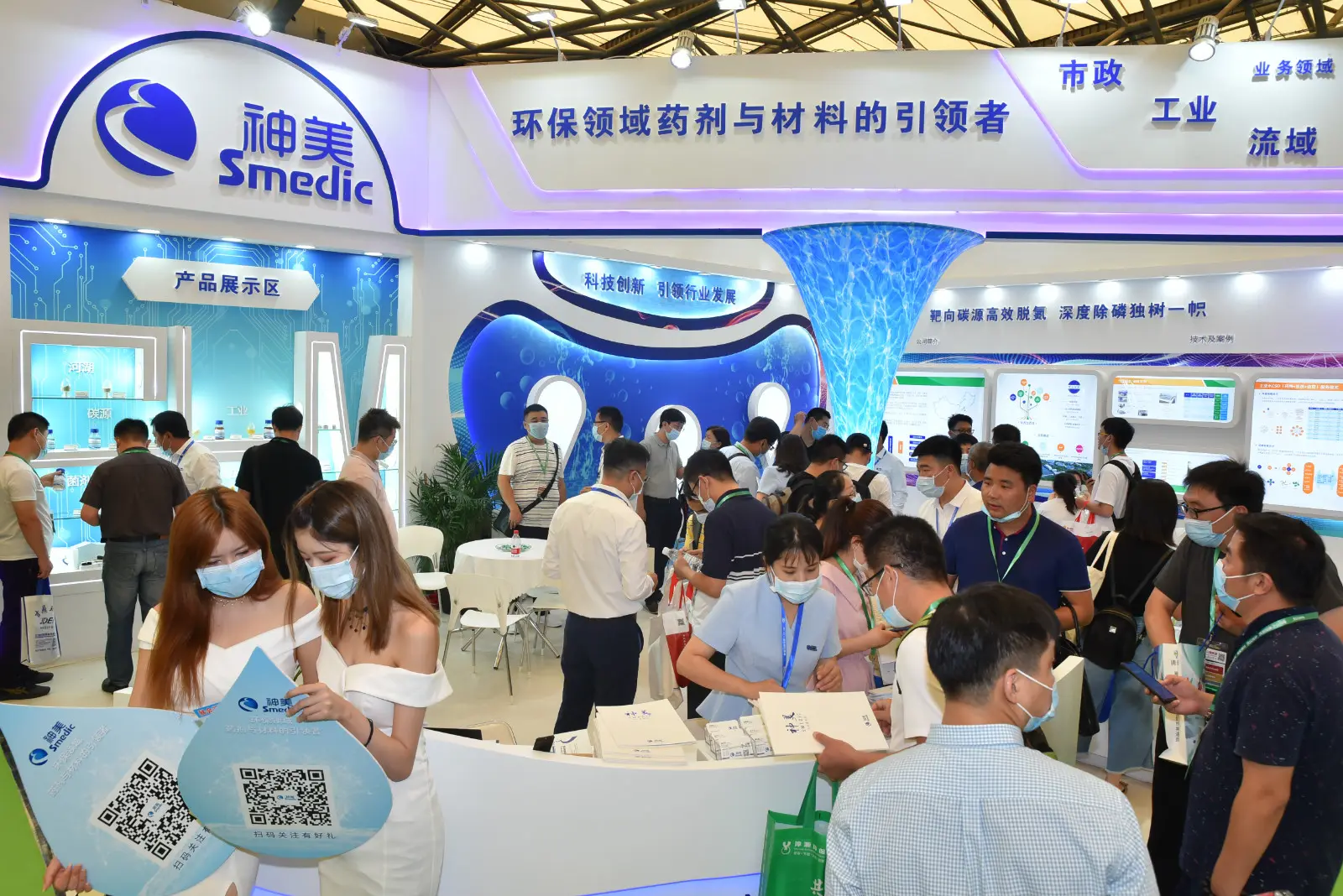
Established in 2011, Smedic Technology Co., Ltd. has developed into a leading national enterprise providing advanced environmental agents. Headquartered in Beijing, we operate proprietary production bases in Hebei, Guizhou, and Shanxi, alongside over ten OEM/ODM partner factories and regional warehouses in Shandong, Anhui, Guangxi, and Sichuan. Our supply network covers over 20 Chinese provinces, serving more than 600 municipal sewage treatment plants and over 1,000 industrial end-users. The total treatment capacity supported by Smedic agents exceeds 20 million tons per day.
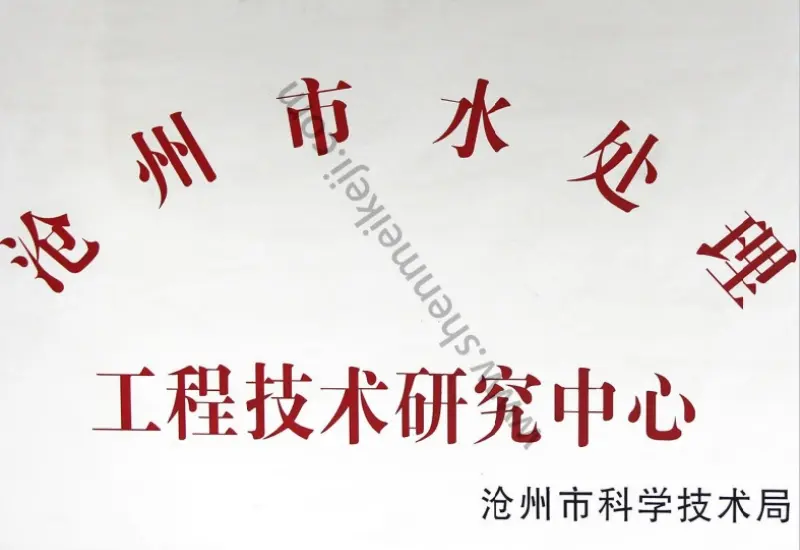
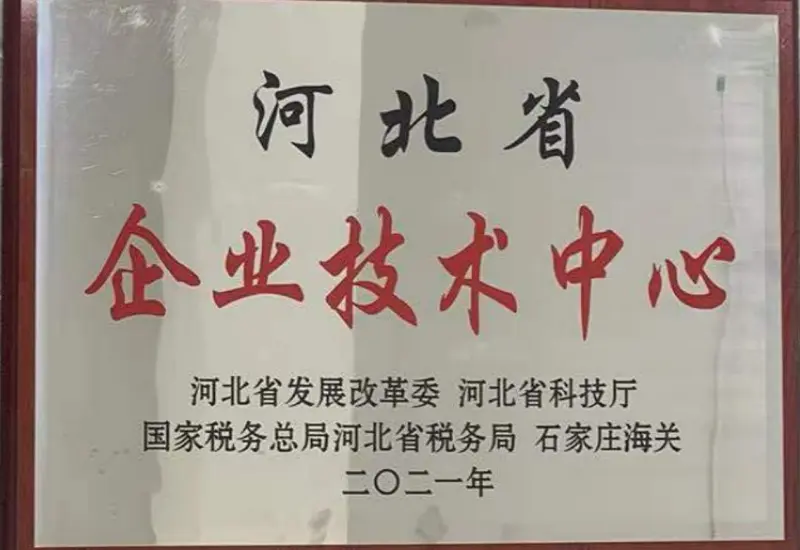
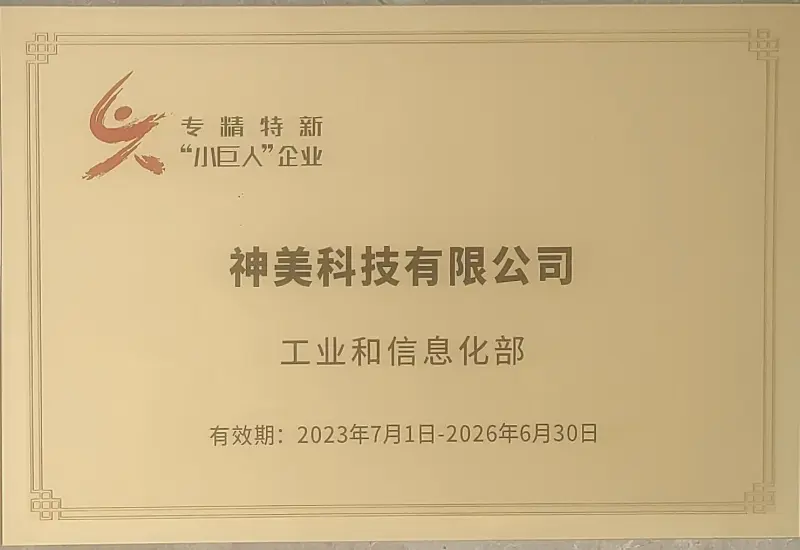
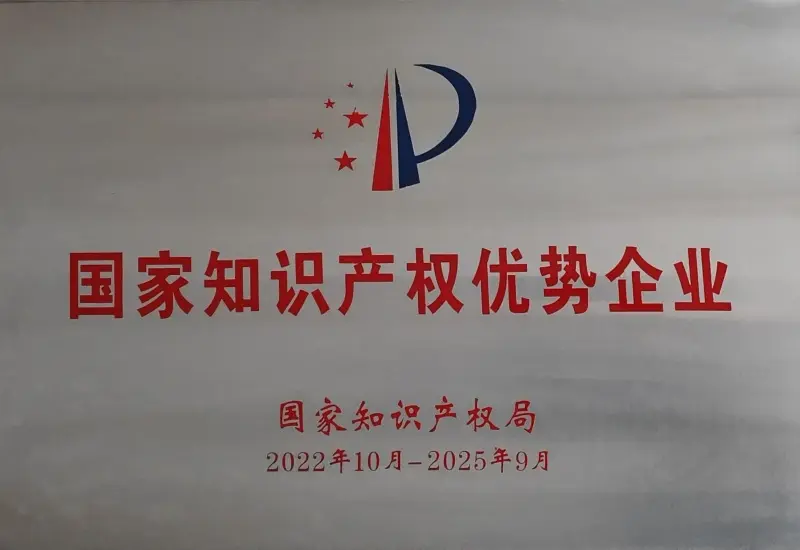
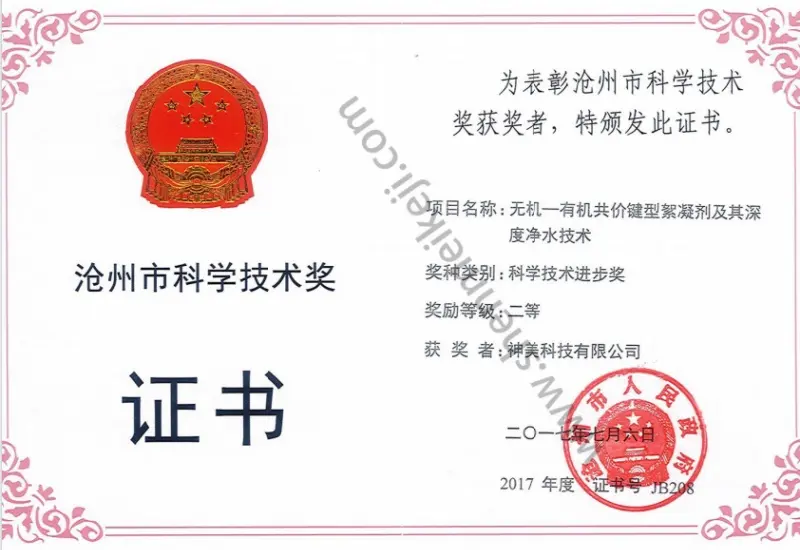
Smedic has earned key national designations, including National High-tech Enterprise and Specialized, Refined, Unique, and Innovative "Little Giant" Enterprise. Our R&D platforms—which include the Hebei Provincial Enterprise Technology Center and the Cangzhou Water Treatment Engineering Technology Research Center—work alongside our expert workstation with the Tsinghua University Association of Senior Scientists and Technicians.
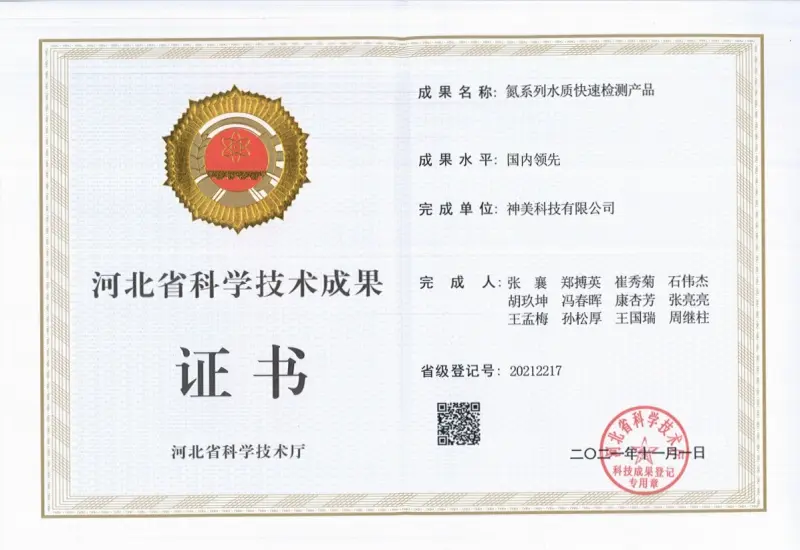
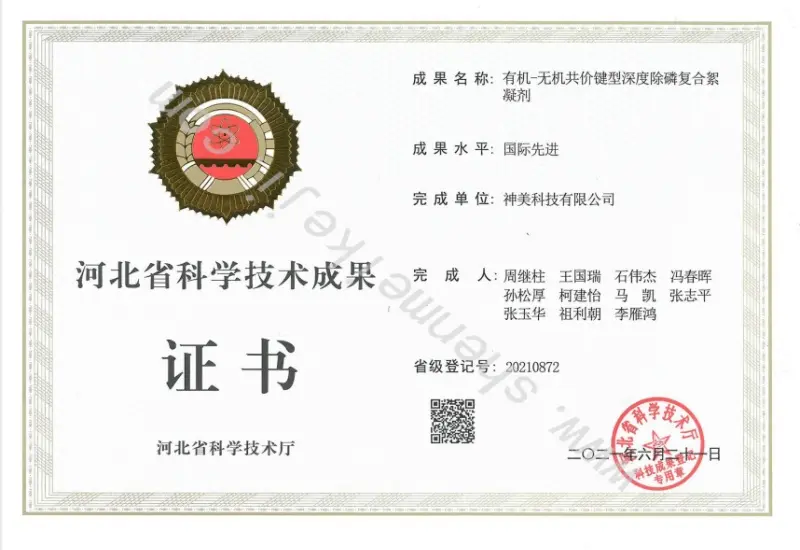
With over 60 Chinese patents (including 40+ invention patents), Smedic has drafted over 10 national and industry standards for composite carbon sources, composite coagulants, sodium acetate, and nitrifying bacterial agents. Our independently developed technologies, such as our bio-enhanced denitrification carbon sources and deep multi-nuclear phosphorus removal agents, have been officially appraised as "internationally advanced" by the Science and Technology Department of Hebei Province.
Industrial water treatment is shifting from traditional, energy-intensive processes toward low-carbon, smart, and circular chemical regimes. Smedic is leading this transition by focusing its R&D on key growth vectors that define the future of wastewater chemistry.
To reduce reliance on petroleum-derived monomers, we are developing bio-based flocculants that combine natural polysaccharides with synthetic acrylamide chains. These hybrid polymers offer high biodegradability while maintaining the excellent charge density and high molecular weight required for rapid solid-liquid separation.
Our research focus includes advanced covalent-bond hybrid flocculants that combine the charge-neutralizing power of Polyaluminum Chloride (PAC) or Polyferric Sulfate (PFS) with the bridging action of polyacrylamides in a single formulation. This reduces dosage requirements by up to 35% and minimizes chemical sludge volume.
We are integrating real-world chemical kinetics with IoT sensors. By analyzing incoming parameters like turbidity, pH, charge potential, and flow rate in real time, our automated systems dynamically adjust chemical feeds, preventing over-dosing and stabilizing effluent quality during influent surges.
Different industries produce wastewater with unique chemical profiles. Smedic provides tailored macro-level solutions designed to address these varying industrial challenges.
| Target Industry | Primary Challenges | Tailored Chemical Solution | Expected Operational Outcome |
|---|---|---|---|
| Municipal Sewage Treatment | Variable influent loads, strict phosphorus limits, sludge dewatering. | Composite inorganic coagulants paired with high-molecular-weight Cationic Polyacrylamide (CPAM). | Effluent TP < 0.3 mg/L, cake moisture content reduced to under 60-70%. |
| Coal Mining & Mineral Processing | High turbidity, suspended coal fines, slow settling rates. | High-MW Anionic Polyacrylamide (APAM) flocculants paired with coagulant aids. | Rapid water clarification, high recycle rates, clean underflow discharge. |
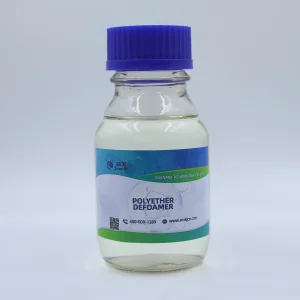
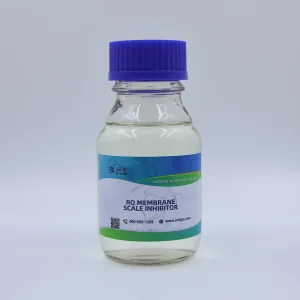
| Chemical & Petrochemical | Emulsified oils, high organic load (COD), heavy foaming in biological basins. | Organophosphorus scale inhibitors, customized polyether defoamers, and bio-enhanced carbon sources. | Consistent COD reduction, zero process interruptions from foam, scale-free heat exchangers. |
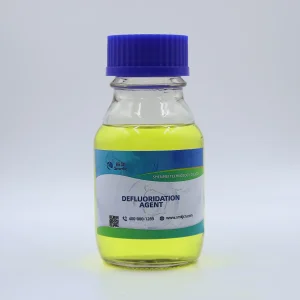
| Electronics & Electroplating | High fluoride concentrations, heavy metal ions (Cu, Ni, Cr). | Specialized Fluoride Removal Agents and Heavy Metal Chelators. | Fluoride levels reduced to < 1 mg/L, heavy metal compliance with local standards. |
Smedic’s manufacturing model combines large-scale output with precise quality control. Our multi-base strategy leverages digital supply chain technology to ensure reliable, high-volume production.
By operating wholly-owned production bases across key industrial regions in China (Hebei, Guizhou, Shanxi) and over a dozen OEM partner factories, we reduce regional supply risks. This distributed network protects our customers against localized supply chain bottlenecks, transportation disruptions, or raw material shortages.
Our modern synthesis facilities utilize automated DCS controls. Reaction temperature, monomer addition rates, and polymerization times are monitored continuously. This automation ensures high monomer conversion, stable molecular weight distribution, and consistent quality across production batches.
Smedic maintains dedicated storage and logistics bases in key provinces like Shandong, Shanxi, Anhui, Sichuan, and Guangxi. We coordinate shipping routes to minimize transit times and reduce overall freight costs, passing these savings on to our global partners.
Exporting chemical agents worldwide requires a deep understanding of local environmental and regulatory standards. Smedic provides complete technical and regulatory support to ensure global compliance.
Large industrial operations and municipal water utilities require highly reliable chemical supply chains. Smedic acts as a long-term strategic supplier, helping procurement teams optimize total cost of ownership (TCO) and manage risk.
Relying on a single chemical manufacturing plant exposes operations to significant risk. Smedic's multi-base production model serves as a reliable secondary or primary supply source, ensuring consistent volume and uninterrupted operations during unexpected market disruptions.
Chemical cost is not just the price per ton; it is a function of transportation costs, dose effectiveness, and sludge disposal fees. Our concentrated, high-activity formulations lower overall dosing requirements, reduce freight volume, and minimize sludge production, driving down total operational costs.
We accommodate a range of shipping methods and packaging configurations, including 25kg bags, 1000kg IBC totes, bulk liquid tankers, and custom-labeled ODM packaging. Smedic manages export logistics to ensure timely, compliant delivery to global ports.
Our technical strength is supported by close collaboration with leading academic institutions. Smedic serves as a commercialization partner for the research achievements of Tsinghua University, Shandong University, Beijing University of Technology, Peking University, and Tianjin University.
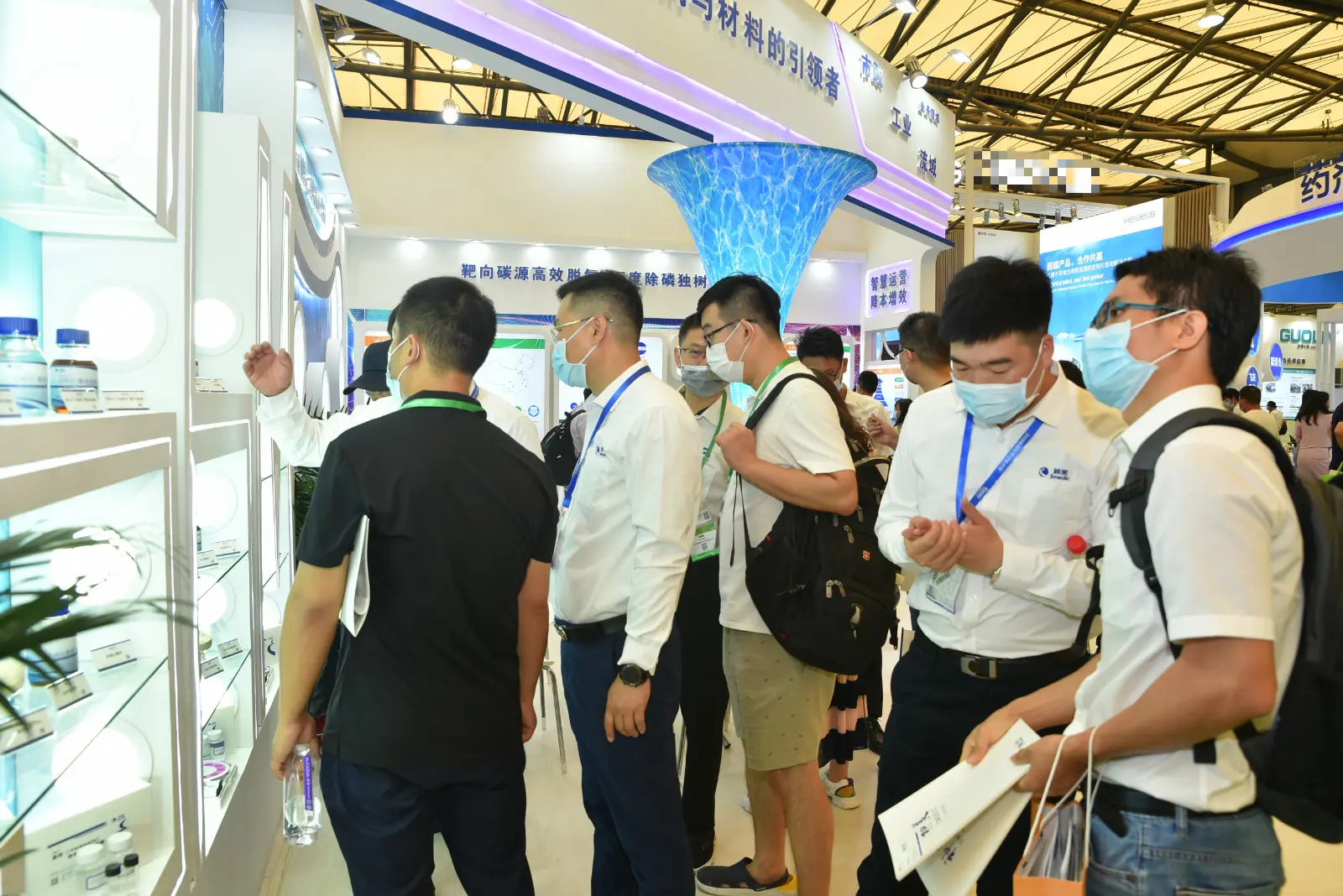
Smedic has been named the "Leading Brand of Advanced Wastewater Treatment Chemicals" and the "Most Valuable Water Treatment Chemicals Brand" by China Water Network and the E20 Environmental Platform for four consecutive years.
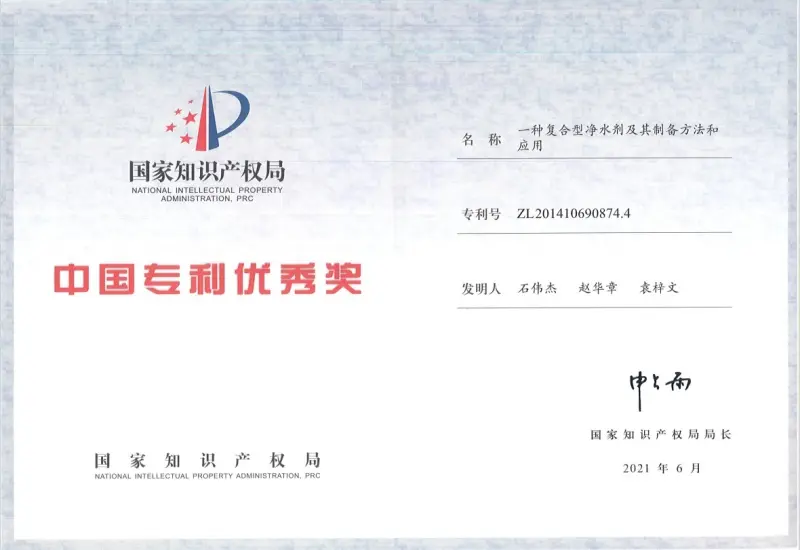
Our independently developed "Inorganic-Organic Covalent Bond Flocculant and Its Advanced Water Purification Technology" won the 22nd China Patent Award, the First Prize for Technological Invention from the China Petrochemical Industry Association, and the Hebei Province Science and Technology Progress Award. It was also recognized as a recommended project for the Belt and Road initiative.
 Smedic Tech