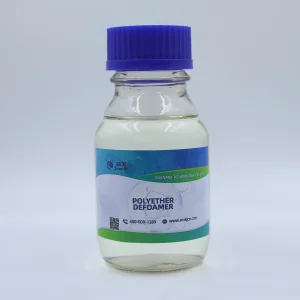
Engineered chemicals designed to optimize sedimentation, control foam, and adjust pH levels in heavy industrial applications.
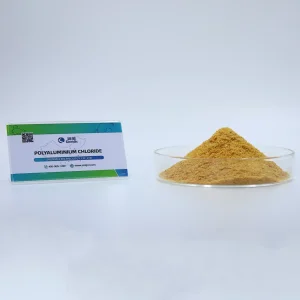
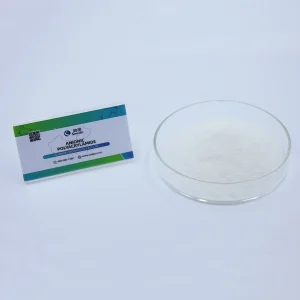
Limestone (calcium carbonate, CaCO3) has long served as a foundational alkaline reagent in municipal and industrial wastewater management schemes. Because of its safety, abundance, and relative low cost compared to caustic soda (sodium hydroxide) or quicklime (calcium oxide), limestone neutralization circuits are vital in balancing acidic mine effluents, municipal reservoirs, and highly corrosive chemical waste streams. However, modern environmental requirements demand far more than basic pH adjustment.
Globally, industrial ecosystems are moving toward closed-loop operations, requiring Zero Liquid Discharge (ZLD) technologies. Pure limestone treatment, while effective for basic neutralization, often generates high volumes of gypsum sludge and faces process-limiting armorization (where calcium sulfate deposits coat the active limestone surfaces, halting the reaction). To solve this, global operators deploy composite chemical treatment networks featuring advanced synthetic coagulants, selective polyacrylamides (PAM), and high-stability defoamers.
As leading ODM/OEM partners, Chinese manufacturers provide the essential chemical reagents that optimize limestone-inclusive systems. Smedic Technology designs and mass-produces advanced flocculants, metal precipitants, and customized Defoaming structures, ensuring global processes remain unimpeded by inorganic scale, structural fouling, or chemical inefficiencies.
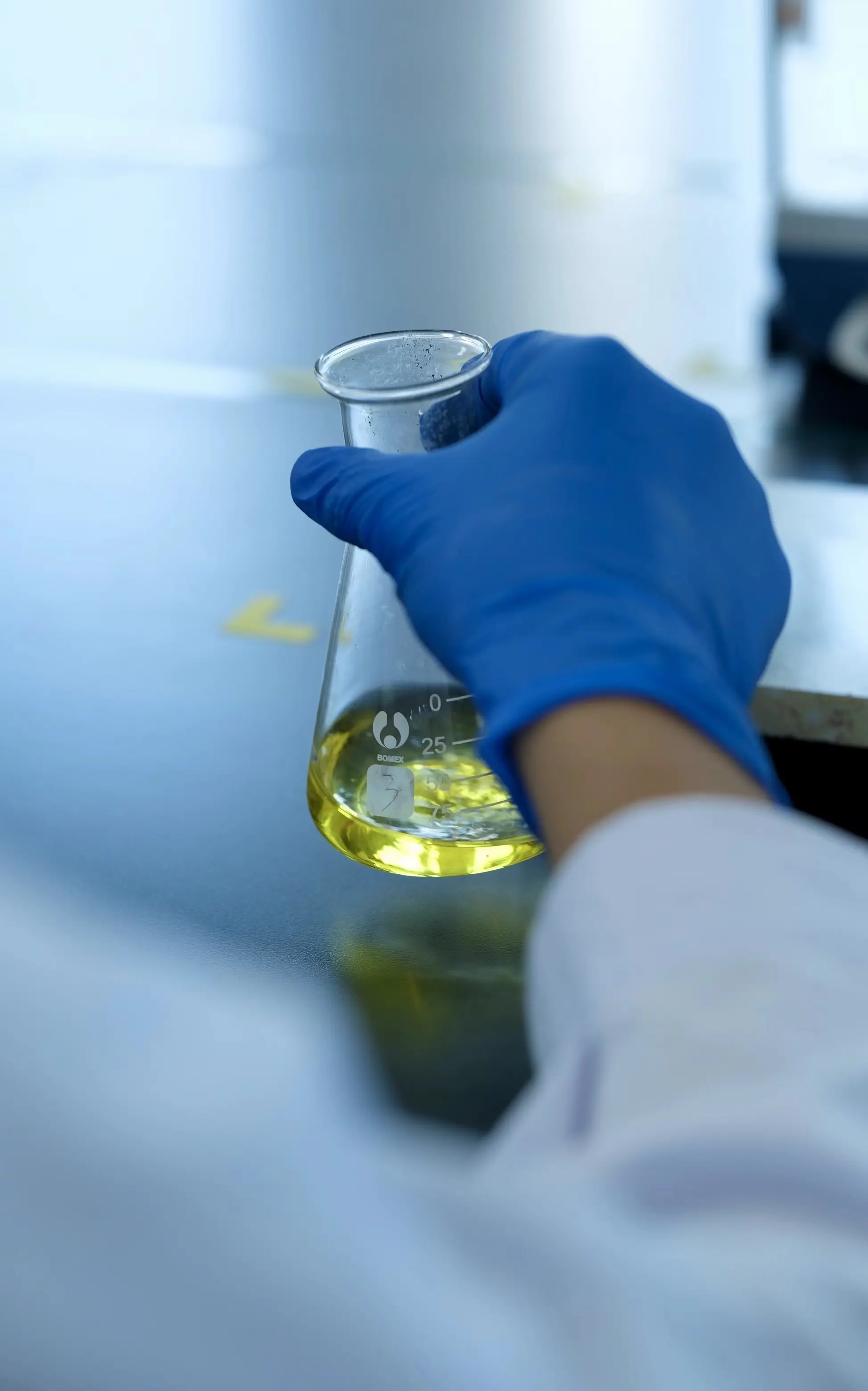
Smedic Technology integrates scientific research, chemical synthesis, and worldwide export logistics.
Exploring the combination of raw mineral abundance, chemical manufacturing synergy, and rigorous state R&D support.
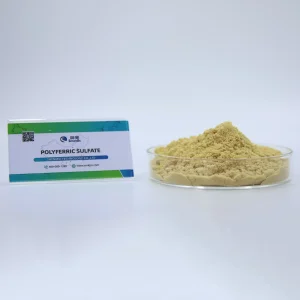
China holds massive carbonate mineral deposits and advanced downstream chemical manufacturing infrastructure. This allows companies like Smedic to procure, process, and formulate high-purity inorganic coagulants (like PAC and PFS) and carbon sources (like Sodium Acetate) at scale. Our supply chain configuration guarantees stable raw material pricing and insulates global buyers from volatile price spikes.
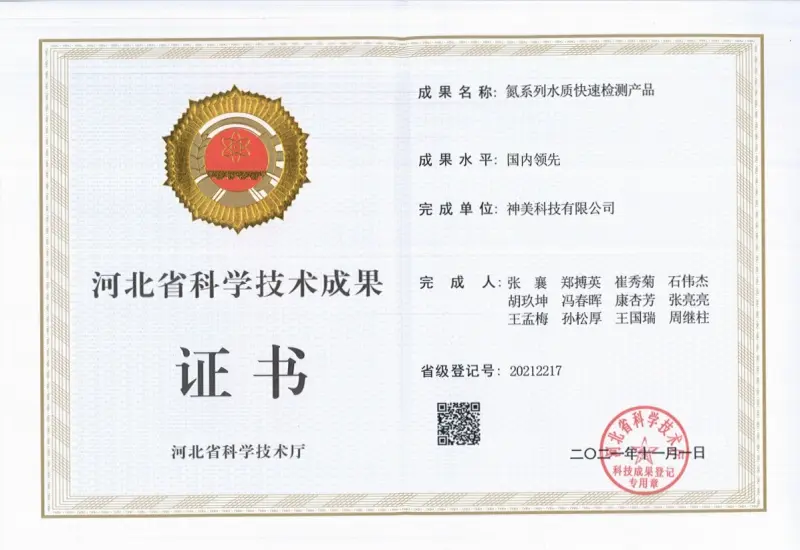
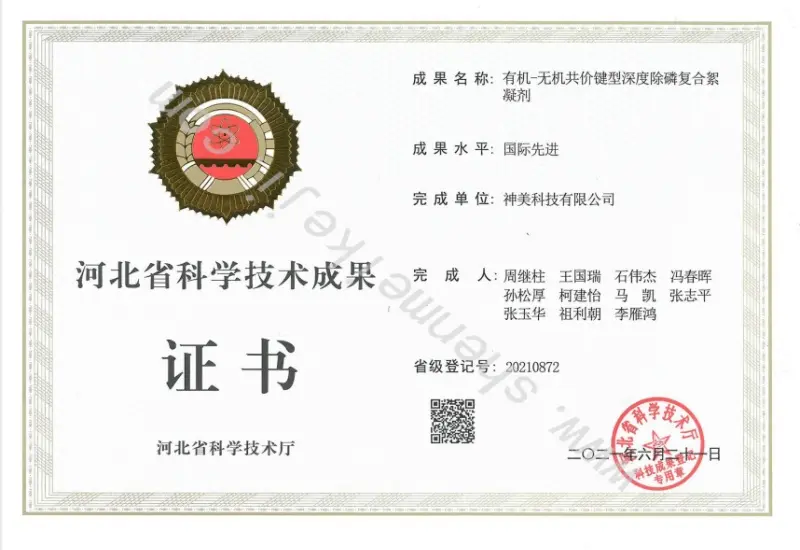
Our research programs operate through one central academy, three research institutes, and five production testing sites. Smedic maintains active academic workstations in collaboration with the Tsinghua University Association of Senior Scientists and Technicians, alongside joint research laboratories with Shandong University and Beijing University of Technology. This infrastructure supports both basic research and active product commercialization.
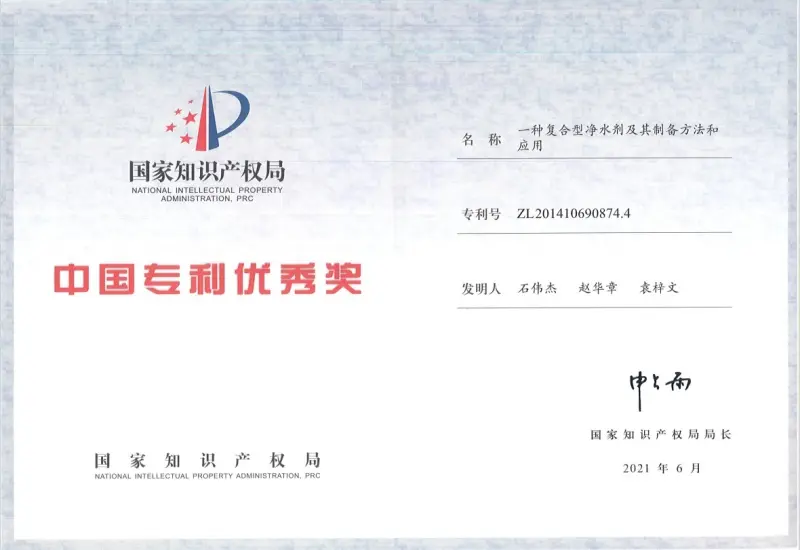
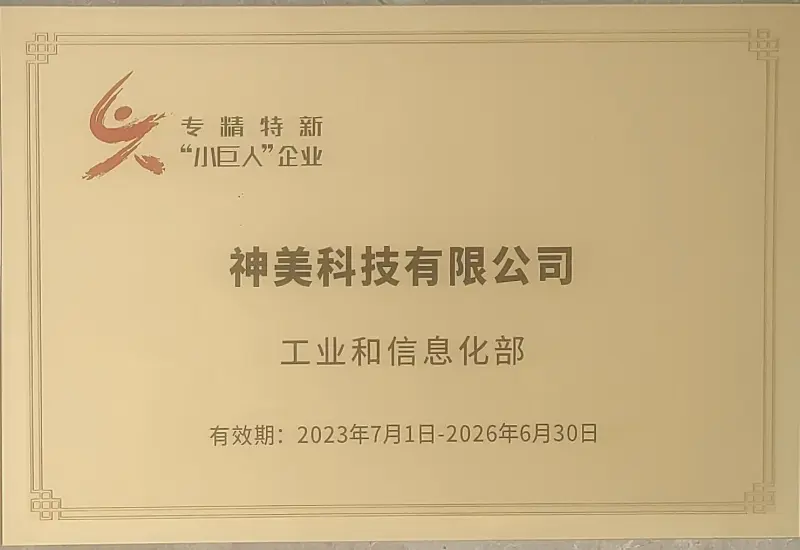
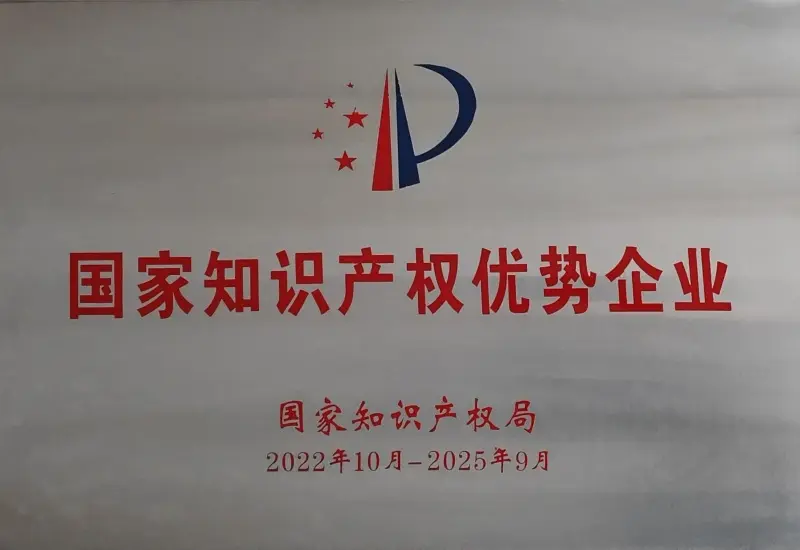
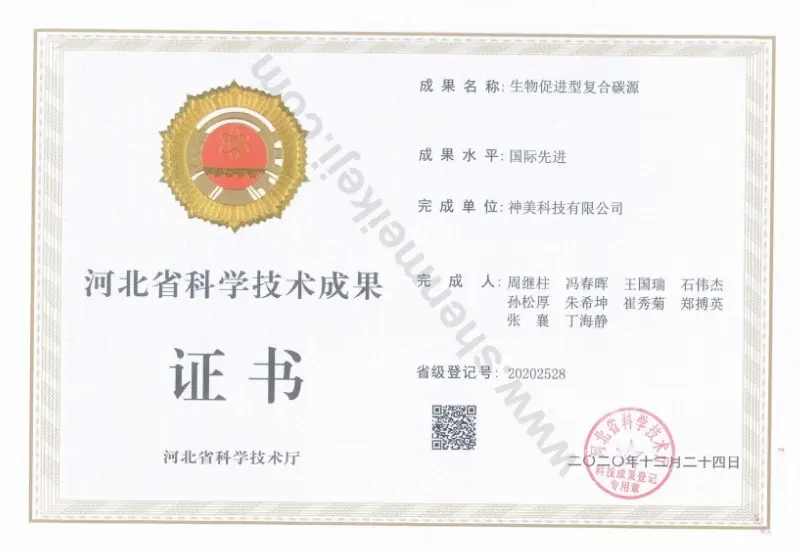
Recognized as a National Specialized, Refined, Unique and Innovative "Little Giant" Enterprise, Smedic possesses over sixty Chinese patents, including more than 40 invention patents. We do not just implement standards—we write them. Smedic has led the drafting of over 10 national and industry standards in China, defining technical specifications for composite carbon sources, composite coagulants, sodium acetate, and specialized nitrifying bacterial cultures.
Tailoring advanced chemical interventions to specific environmental and industrial configurations.
| Application Scenario | Primary Water Issue | Recommended Reagent Combination | Process Benefit & Action Mechanism |
|---|---|---|---|
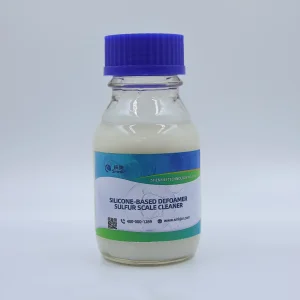
| Acid Mine Drainage (AMD) | Extreme acidity (pH < 3), high ferrous/heavy metal concentration, gypsum scaling. | Limestone slurry + PAC + APAM Flocculant + Smedic Defoamer | Initial limestone raises pH to 5.5, followed by PAC/PFS for heavy metal coprecipitation. APAM aggregates precipitates for rapid clarifier settlement. Defoamer controls mine-water surfactants. |
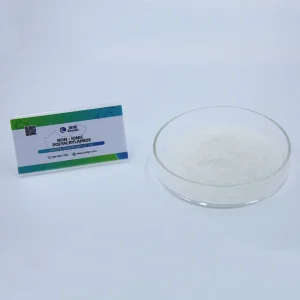
| Municipal Sewage Denitrification | Insufficient biological carbon source, elevated total nitrogen (TN) in cold weather. | Smedic Pure Solid Sodium Acetate + Bio-enhanced Carbon Source | Provides highly bio-available organic carbon for denitrifying bacteria, maintaining denitrification kinetic rates even at low winter temperatures (<10°C). |
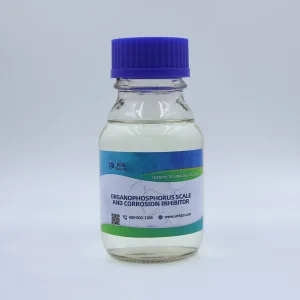
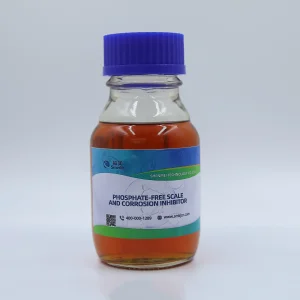
| Industrial Cooling Towers | Calcium carbonate/calcium sulfate scaling, oxidation corrosion of pipe alloy surfaces. | Organophosphorus scale inhibitor + Phosphate-Free Corrosion Inhibitor | Chelates calcium ions, preventing crystal nucleation of scale, while forming a protective molecular film on steel/copper pipes. |
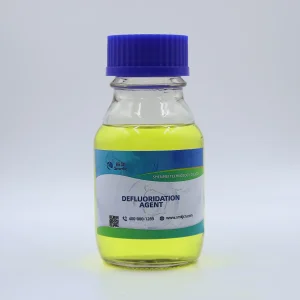
| Fluoride Removal & Mineral Processing | Elevated dissolved fluoride in electronics/smelting waste, tailing water turbidity. | Smedic Specialized Fluoride Removal Agent + NPAM + Anionic PAM | Chemical crystallization of insoluble fluoride complexes, combined with long-chain NPAM polymer bridging to clarify process circuit water for recycling. |
A history of technological development and expansion in environmental chemical manufacturing.
Established corporate headquarters in Beijing, focusing on R&D of advanced environmental agents.
Developed and commercialized a comprehensive product portfolio tailored for municipal wastewater treatment facilities across northern China.
Received official national high-tech designation, highlighting the company's commitment to basic research and proprietary intellectual property.
Completed construction of our primary southern production facility in Guiyang, optimizing logistics for southern mining and industrial hubs.
Completed expansions across Hebei, Shandong, and Guizhou, establishing Smedic as a high-capacity environmental chemical producer in China.
Honored as a National Specialized, Refined, Unique and Innovative Small and Medium-sized Enterprise by the Ministry of Industry and Information Technology.
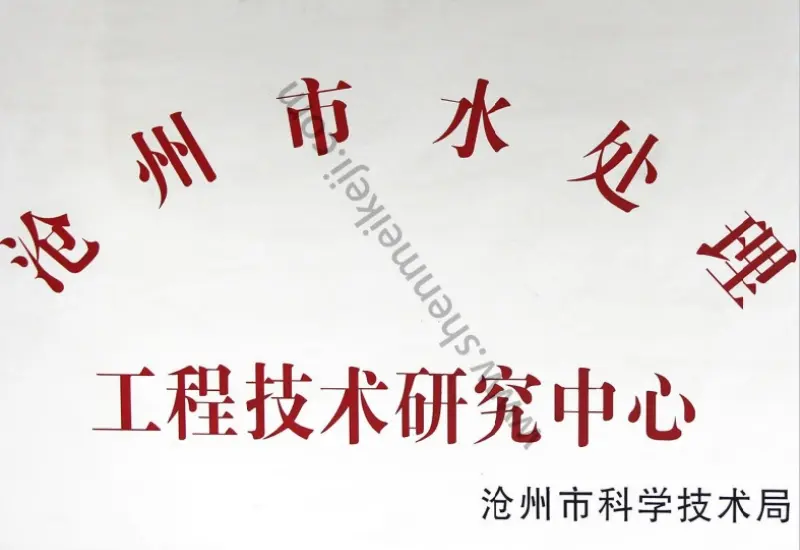
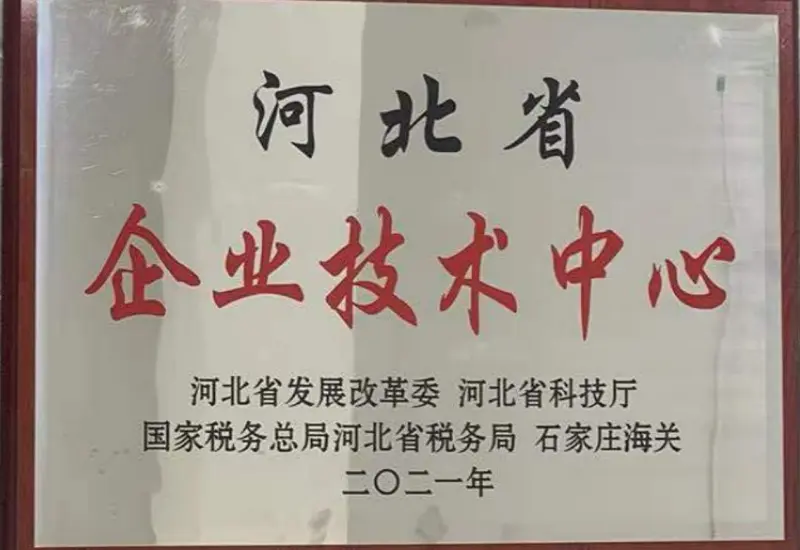
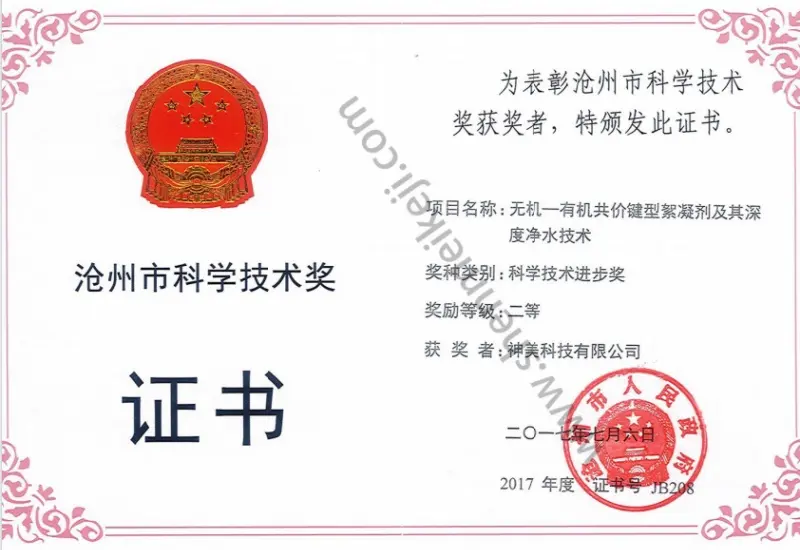
Hebei Provincial Enterprise Technology Center and Cangzhou Water Engineering Technology Research Center officially accredited.
Awarded National Intellectual Property Advantage Enterprise for securing over 40 active invention patents.
Established a joint venture with the Chengdu Institute of Mineral Comprehensive Utilization, China Geological Survey, to engineer next-generation flotation collectors and modifiers.
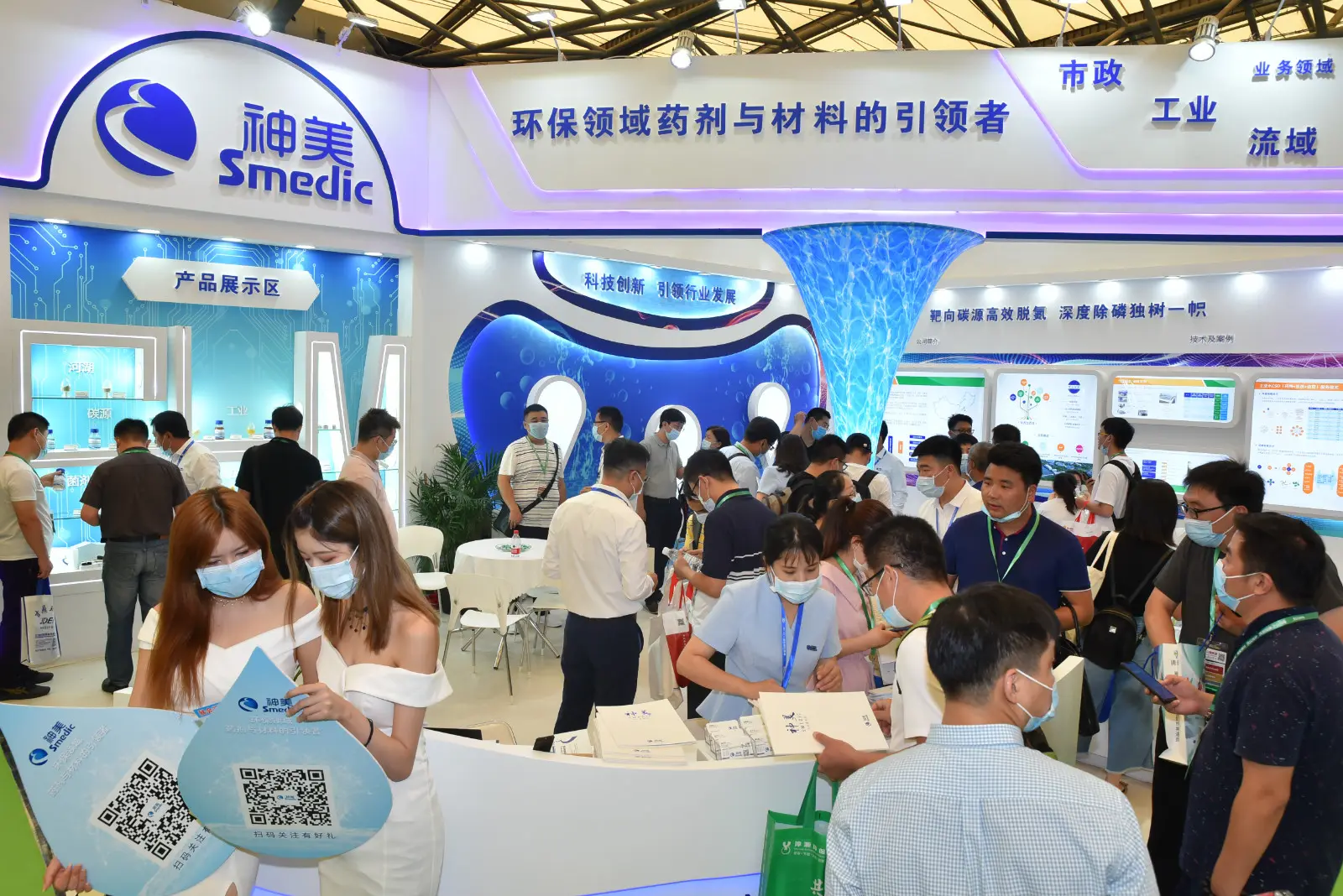
Regulatory frameworks globally are lowering permissible thresholds for heavy metals, total phosphorus, nitrogen, and organohalogens in effluents. Industrial operators face stricter compliance requirements, driving three major industry trends:
For international procurement departments, establishing relationships with stable manufacturers is critical. Smedic addresses these challenges through custom chemical design (ODM), formulation tailoring for local water chemistry, and complete product quality documentation.
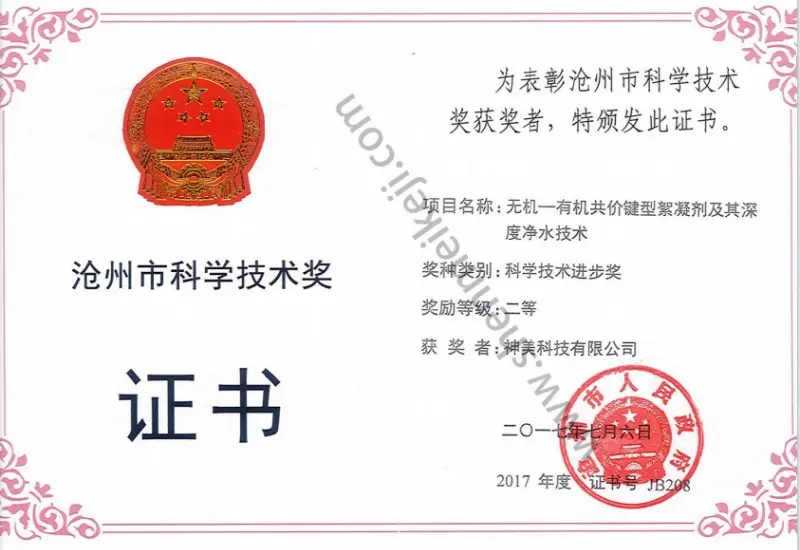
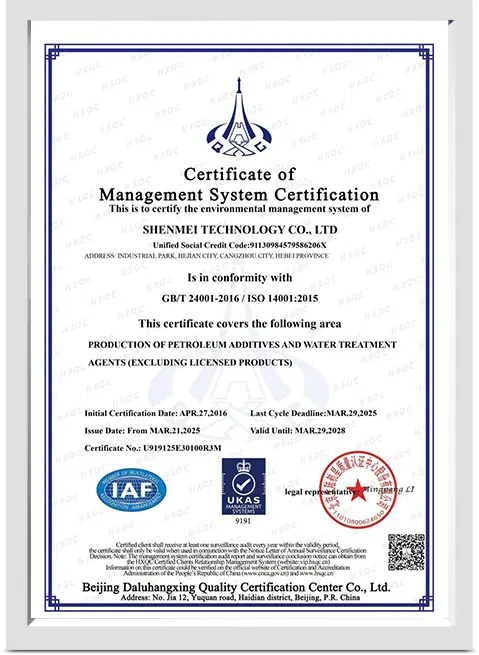
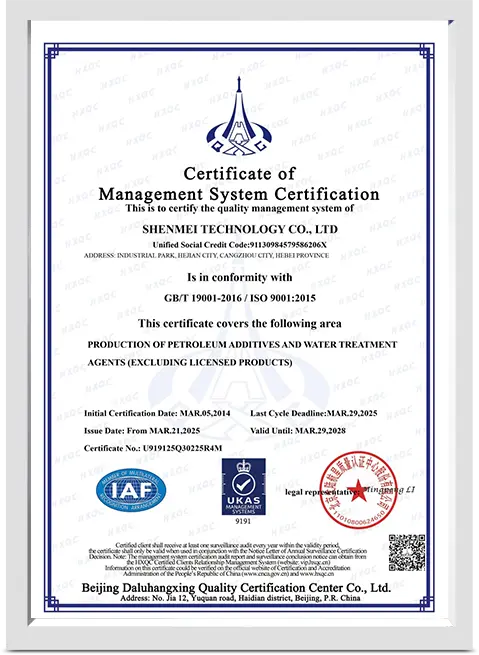
Our commitment to quality control is backed by industry certifications and rigorous testing protocols.
Answering key engineering questions on chemical selections and neutralization reactions.
Our products comply with global standards for industrial and municipal water treatment applications.
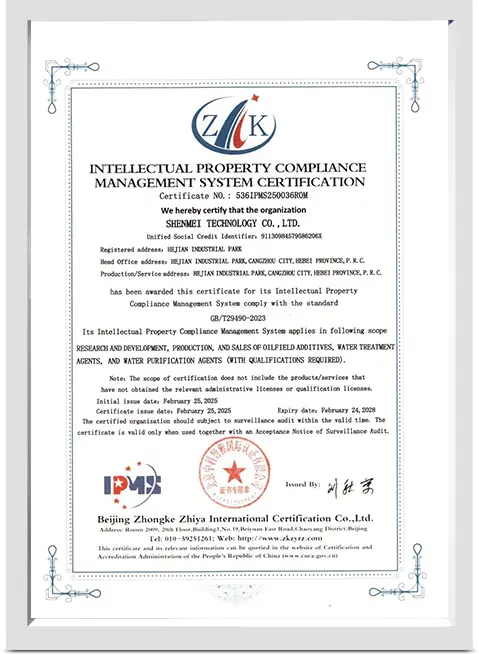
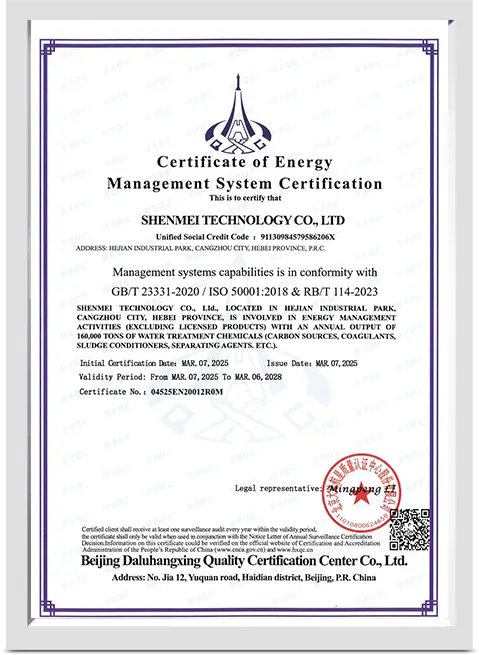
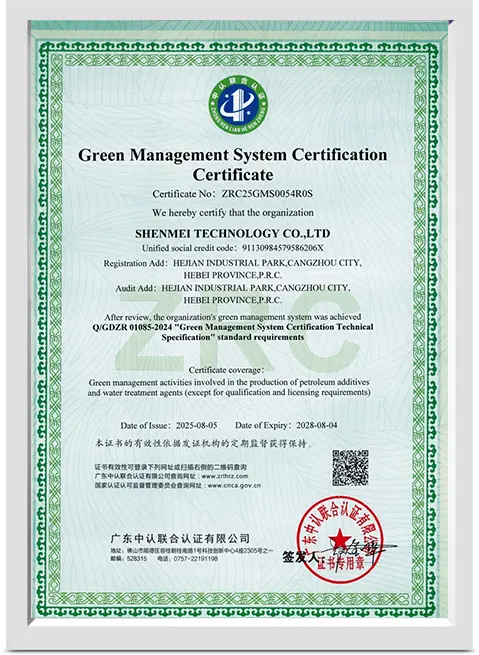
Explore our selection of scale inhibitors, defoamers, organic carbon substrates, and metal removal agents.
 Smedic Tech