Select advanced membrane inhibitors, scale prevention agents, and flocculants engineered to protect high-value industrial assets.
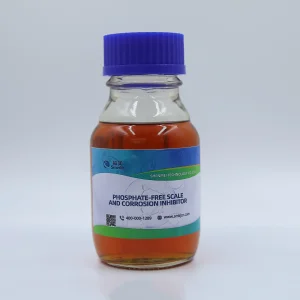
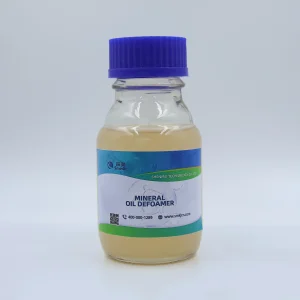
Hard water, characterized by elevated concentrations of dissolved multivalent metallic cations—predominantly calcium (Ca²⁺) and magnesium (Mg²⁺)—poses a continuous threat to industrial heat exchangers, cooling towers, and reverse osmosis (RO) membranes. Historically, the industrial sector relied heavily on legacy phosphonate and polyphosphate scale inhibitors. However, strict environmental regulations governing phosphorus discharges into municipal waterways have catalysed a significant paradigm shift toward green chemistry and biodegradable polymeric dispersion agents.
The contemporary water treatment industry is moving rapidly toward **zero-phosphorus scale inhibition (ZPSI)** and **smart dosage optimization systems**. Modern high-performance formulations utilize multi-component carboxylate-sulfonate copolymers and eco-friendly organic acids to achieve threshold scaling inhibition. These advanced molecules work by disrupting the crystallization kinetics of calcium carbonate (CaCO₃), calcium sulfate (CaSO₄), and silica-based deposits. They modify the crystal lattice structure, converting rigid crystalline precipitates into soft, non-adherent dispersions that are easily purged during system blowdowns.
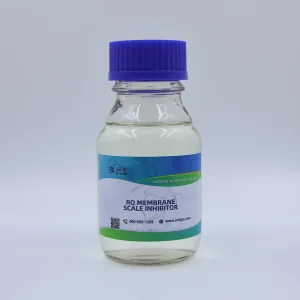
Furthermore, as membrane desalination technologies become critical for water reclamation globally, there is an unprecedented demand for specialized RO membrane scale inhibitors. Under high-recovery scenarios, supersaturated salts readily precipitate on membrane surfaces, causing irreversible flux decline, localized concentration polarization, and severe structural degradation of polyamide thin-film composite membranes. Strategic chemical suppliers must formulate next-generation, high-performance scale inhibitors that protect these sensitive filtration elements while maintaining compatibility with downstream municipal biological treatment systems.
Decentralized industrial operators, EPC firms, and chemical distributors demand high consistency, compliance, and custom formulations to address regional water quality fluctuations.
Water compositions vary dramatically by geography. European aquifers exhibit distinct calcium carbonate and sulfate ratios compared to North American shale regions or Middle Eastern brackish aquifers. Procurement teams require ODM manufacturers capable of tailoring the molecular weight and functional group densities of polycarboxylic polymers to match precise water parameters.
Industrial discharge mandates require suppliers to offer REACH-compliant, NSF/ANSI standard-certified, and phosphate-free scale inhibitors. Global enterprises look for chemical manufacturers that guarantee trace heavy metal limitations and present comprehensive Eco-toxicity profiling for every supplied batch.
Industrial scale inhibitors must remain chemically stable under extreme temperatures and operating conditions. Buyers prioritize formulations utilizing thermal-resistant monomers (such as sulfonate group derivatives) that prevent thermal hydrolysis, ensuring long-term pipeline and heat exchange protection.
As a premier player in China's advanced wastewater and municipal industrial chemical production, Smedic Technology Co., Ltd. demonstrates how localized supply chains translate into massive efficiency gains and international cost advantages.
Established in 2011, Smedic Technology Co., Ltd. has grown from a regional specialty chemical developer into a comprehensive, high-capacity solution provider integrating state-of-the-art research, smart manufacturing, and comprehensive technical field services. Over the last decade, Smedic has built an extensive domestic network that operates as a resilient, localized supply chain engine capable of satisfying global procurement volume demands without scheduling interruptions.
Headquartered strategically in Beijing, the company's manufacturing footprint spans across multiple wholly-owned, high-automated production facilities in Hebei, Guizhou, and Shanxi. To streamline logistics and lower distribution overheads, Smedic operates more than ten dedicated OEM partner factories and regional warehousing bases in Shandong, Anhui, Guangxi, and Sichuan provinces. This grid-like distribution network enables rapid supply dispatch, covering 20+ provinces in mainland China and servicing over 600 urban sewage treatment plants and 1,000+ industrial wastewater end-customers. Currently, Smedic's technology actively processes an aggregate wastewater flow exceeding 20 million tons per day, positioning the brand as a key technical anchor in the municipal and industrial environmental sector.
Smedic's authority is rooted in active academic integration, patent innovations, and leading role in drafting national environmental chemical standards.
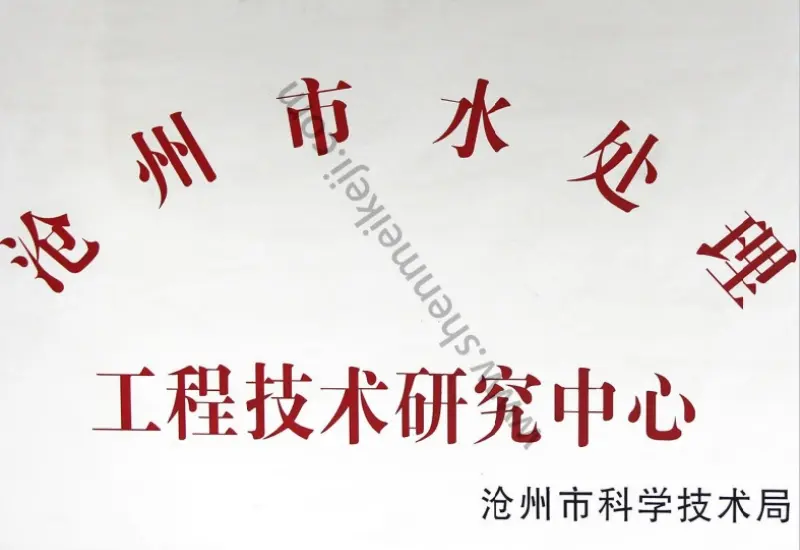
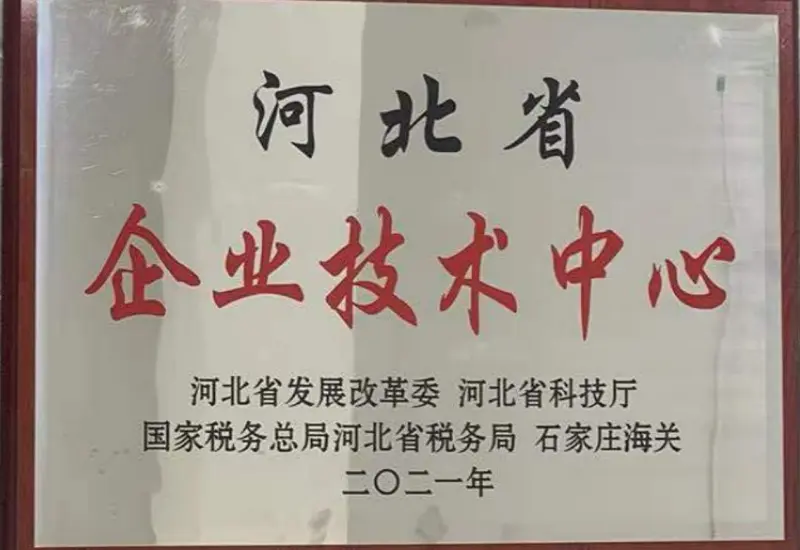
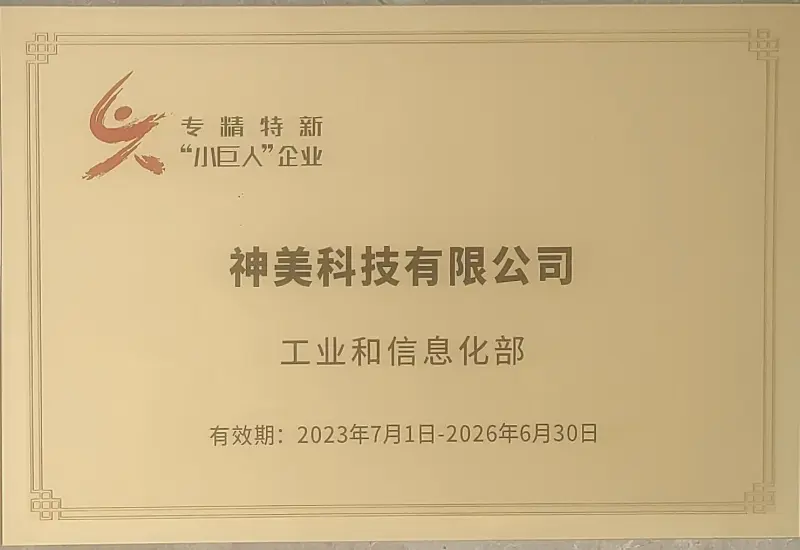
Smedic is recognized as a National High-tech Enterprise and a National Specialized, Refined, Unique and Innovative "Little Giant" Enterprise. The company’s R&D framework relies on deep synergy between industry and academia. Guided by senior academicians, experts, and senior chemical engineers, Smedic operates an innovation ecosystem composed of **one academy, three research institutes, and five production bases**. These facilities house the Hebei Provincial Enterprise Technology Center, the Advanced Water Treatment Chemicals Technology Innovation Center, and the Cangzhou Water Treatment Engineering Technology Research Center, recognized as a Class A R&D Institution.
Collaborative workstations established with the Tsinghua University Association of Senior Scientists and Technicians, alongside joint R&D laboratories with Shandong University and Beijing University of Technology, facilitate direct translation of scientific theories into practical water treatment solutions. Smedic acts as a key commercialization vehicle for chemical patents developed at Tsinghua University, Peking University, and Tianjin University.
The company has secured over **sixty Chinese patents**, including more than forty invention patents and twenty utility model patents. Notably, Smedic has spearheaded the drafting of more than ten national and industry standards covering composite carbon sources, composite coagulants, sodium acetate, and specialized nitrifying bacterial formulations.
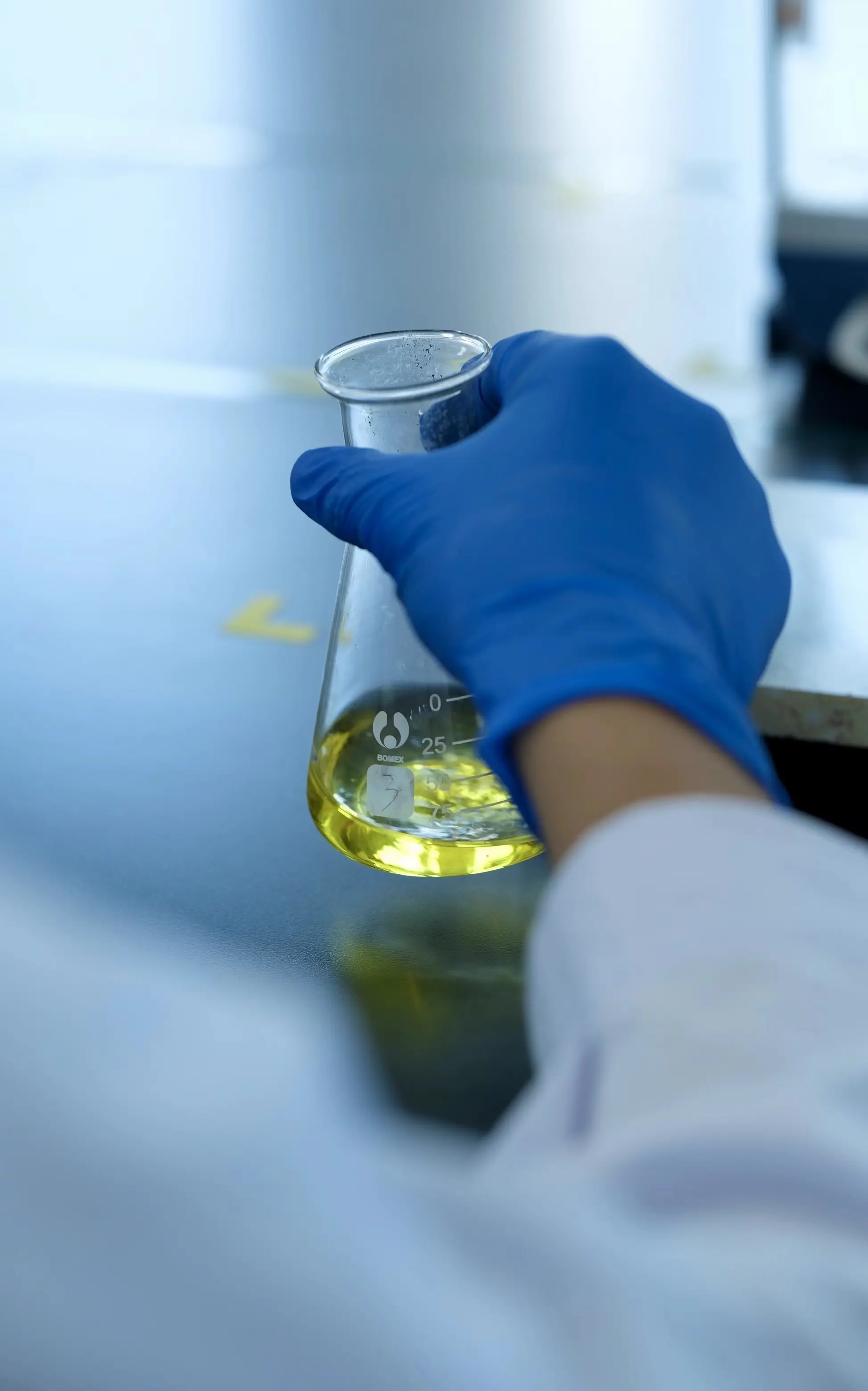
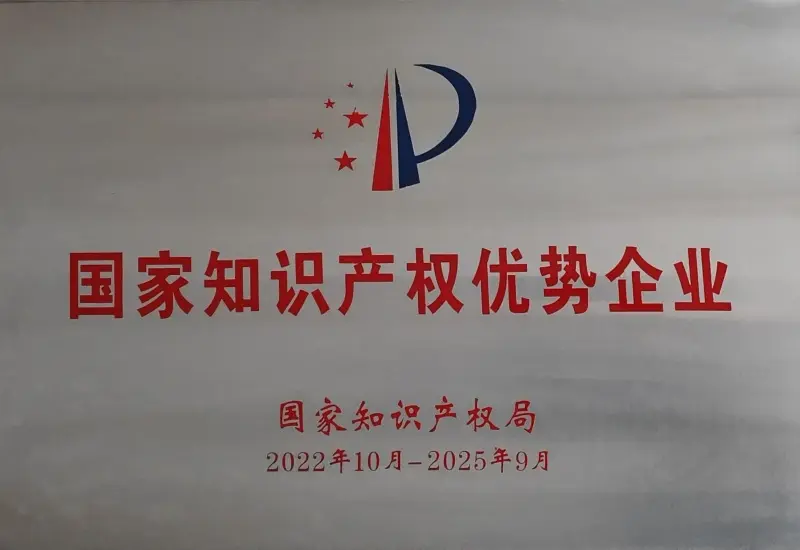
Recognized as the "Leading Brand of Advanced Wastewater Treatment Chemicals" and the "Most Valuable Water Treatment Chemicals Brand" by China Water Network and E20 Environmental Platform for four consecutive years.
Smedic's independently developed bio-enhanced denitrification carbon sources and multi-nuclear phosphorus removal agents have been evaluated as "internationally advanced," successfully filling critical local industry gaps.
Long-term strategic contracts established with major utility giants, including Shouchuang Ecological and Environmental Group, Yangtze River Ecological and Environmental Group, and Beijing Enterprises Water Group (BEWG).
Comprehensive capabilities from standard wholesale contract manufacturing (OEM/ODM) to fully customized dosing formulations optimized for high-hardness wastewater environments.
From industrial RO membranes to high-temperature oilfields, Smedic’s specialized formulations are optimized for distinct local settings.
In municipal brackish desalination, RO membranes face high scaling risks from CaSO₄ and silica. Dosing Smedic's targeted RO scale inhibitors prevents micro-crystallization on the thin-film composite membrane surface, maintaining stable recovery rates and extending membrane lifespan by over 40%.
Industrial cooling loops operate at high cycle numbers to conserve water, concentrating calcium carbonate hardness. Our organophosphorus and phosphate-free scale inhibitors provide corrosion protection and scale dispersion under high heat-flux conditions, preventing efficiency losses.
Subsurface waters exhibit extreme mineral saturation levels. Reinjecting water without stabilizers causes downhole scaling, blocking geological formations and pipelines. Smedic's scale-inhibiting formulations remain functional under reservoir pressures and high salinity.
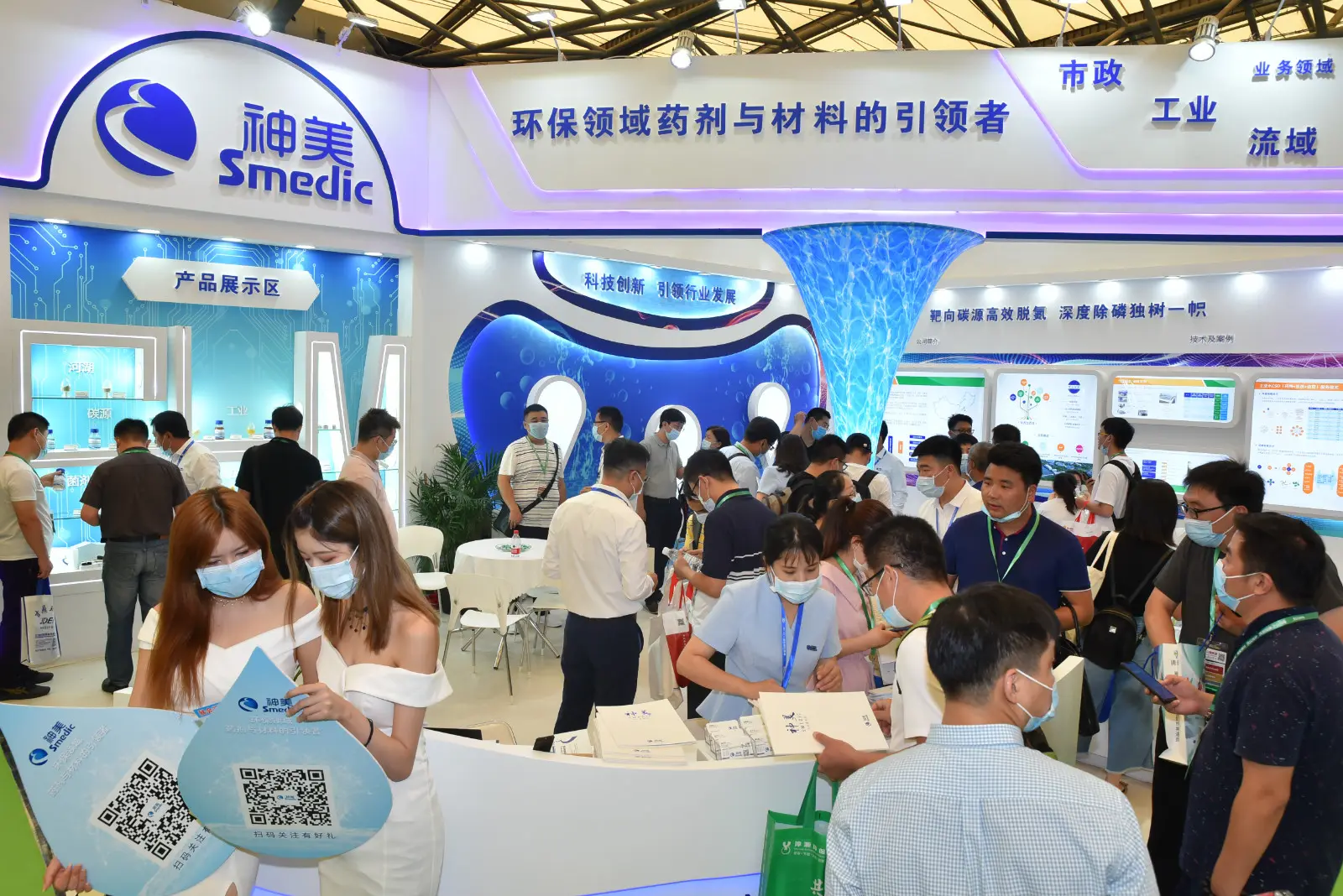
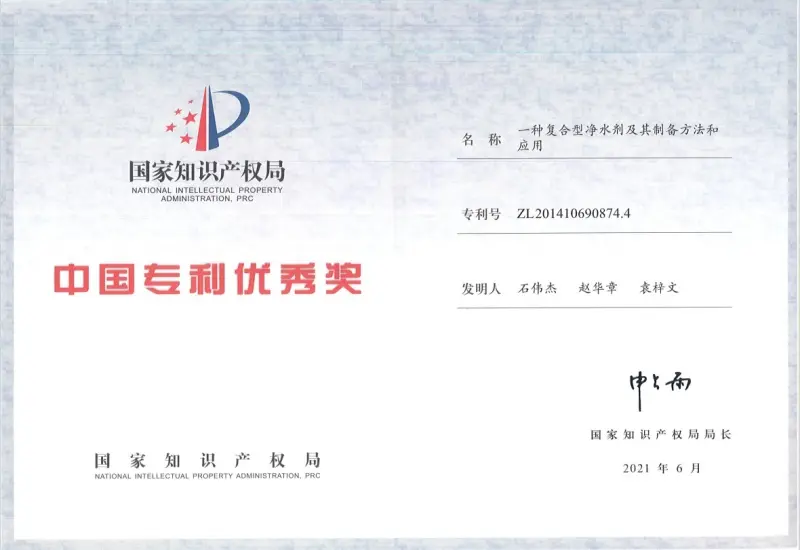
Our independently developed **"Inorganic-Organic Covalent Bond Flocculant and Its Advanced Water Purification Technology"** has secured several recognitions, including the **22nd China Patent Award**, the First Prize for Technological Invention from the China Petrochemical Industry Association, and the Hebei Province Science and Technology Progress Award.
Additionally, our "Active Oxygen Compound Disinfectant" was certified as a National Construction Industry Scientific and Technological Achievement Promotion Project by the Ministry of Housing and Urban-Rural Development. This validates our role as an innovative developer capable of addressing municipal sludge treatment, heavy metal filtration, and scale control challenge.
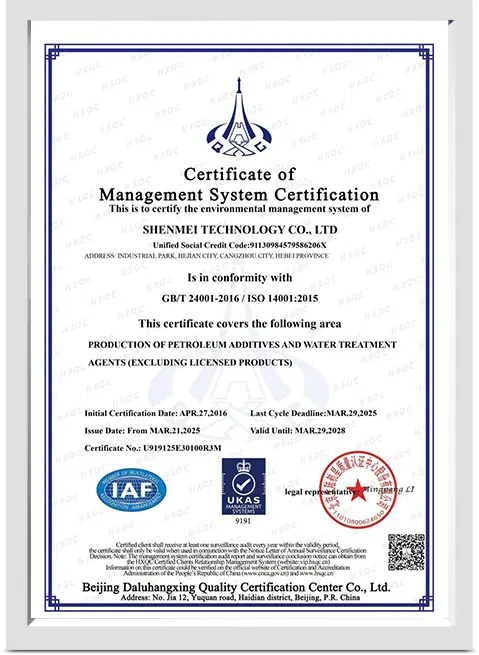
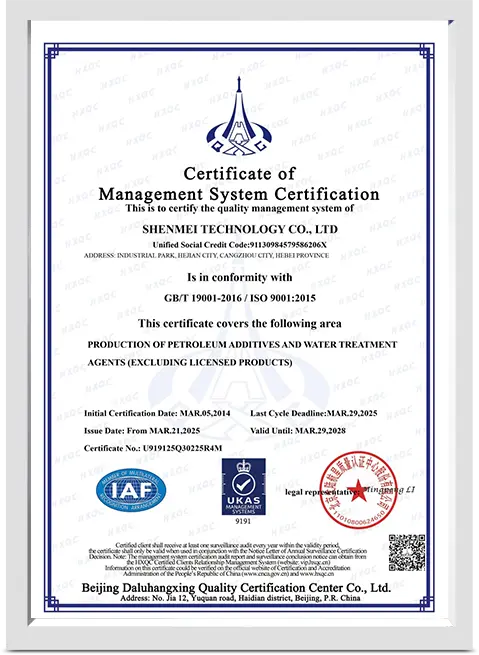
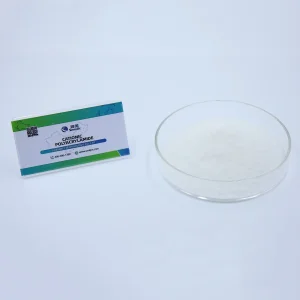
High-purity sodium acetate, anionic/cationic polymers, and defoamers to optimize municipal and industrial water operations.
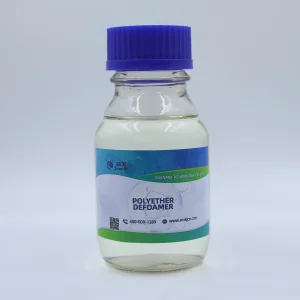
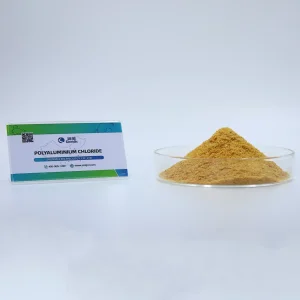
Understanding the molecular dynamics of scaling is essential to evaluating ODM water treatments. Scalant precipitation occurs in three distinct phases: **supersaturation**, **nucleation**, and **crystal growth**. Scale inhibitors target these phases through three primary chemical mechanisms:
1. Threshold Inhibition (Solubility Enhancement): This refers to the ability of sub-stoichiometric concentrations of scale inhibitors to prevent the precipitation of supersaturated salts. Inhibitor molecules adsorb onto the active growth sites of embryonic micro-crystals just as they begin to nucleate, halting further development. Smedic's carboxylate-sulfonate copolymers exhibit high threshold efficiency against calcium carbonate, delaying precipitate formation under extreme concentration factors.
2. Crystal Lattice Distortion: When scaling salts precipitate in the presence of scale inhibitors, the inhibitor molecules become incorporated into the growing crystal matrix. This disrupts the uniform crystal structure. Instead of forming a dense, interlocking calcite or sulfate scale layer, the minerals form irregular, fragile structures with weak internal cohesion. These distorted crystals cannot adhere to heat exchange surfaces or RO membrane channels and are easily swept away by fluid shear forces.
3. Dispersion Capability: Electrostatic repulsion plays a major role in keeping mineral particulates suspended in water. Anionic polyacrylamide (APAM) and carboxylic acid polymers introduce negative surface charges to suspended micro-precipitates. According to DLVO theory, this increased zeta potential creates electrostatic repulsion that prevents particles from agglomerating into large, heavy scales, keeping them in a highly dispersed state.
Technical clarifications regarding Smedic's scale control agents, flocculants, and OEM/ODM capabilities.
 Smedic Tech