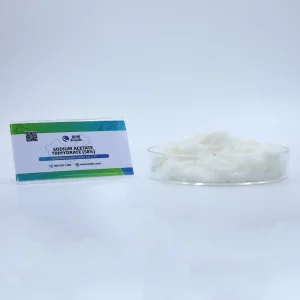
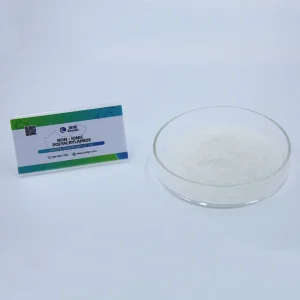
Premium environmental agents engineered for municipal sewage, industrial wastewater purification, and process engineering.


Empirical evidence, production systems, and global sourcing paradigms for municipal and industrial water treatment managers.
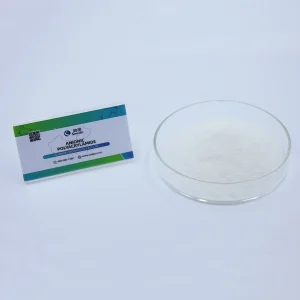
Polyaluminum Chloride (PAC) stands as the cornerstone of contemporary industrial and municipal water treatment programs. Formulated as a highly charged inorganic polymer, PAC represents a significant advancement over traditional monomeric coagulants like aluminum sulfate (alum) or ferric chloride. The efficacy of PAC lies in its molecular structure, which is rich in pre-formed polymeric aluminum complexes, primarily the highly stable Al13 Keggin structure ([AlO4Al12(OH)24(H2O)12]7+).
These highly charged polynuclear species provide rapid charge neutralization of negatively charged colloidal matter suspended in wastewater. Furthermore, the molecular weight distribution of PAC facilitates sweep flocculation, forming larger, more shear-resistant microflocs that settle out of the water column significantly faster than conventional treatments. This multi-mechanism activity—combining electrostatic attraction with structural adsorption—makes PAC the standard for challenging high-turbidity and low-temperature raw water inputs.
As water safety and discharge standards tighten globally—such as Europe's Urban Wastewater Treatment Directive and the US EPA’s Clean Water Act modifications—industrial plants and municipal systems are looking for high-performance coagulants. Global buyers no longer view PAC as a basic bulk chemical. Instead, modern buyers look for high-purity parameters, including consistent Al2O3 content (ranging from 28% to 30% for powder grades) and minimal heavy metal residues (arsenic, lead, and cadmium) to meet strict drinking water certification standards.
For multinational purchasing agents, ensuring supply chain stability is critical. Volatile raw material markets (bauxite, hydrochloric acid) and changing shipping rates require sourcing partners who can guarantee stable volume allocations, secure transport packaging, and long-term price consistency.
At the center of high-purity PAC manufacturing are modern facilities leveraging Factory 4.0 infrastructure. Advanced automation has changed the production of water treatment chemicals. By using closed-loop, automated batch reactions and computer-controlled spray drying systems, leading Chinese chemical factories can maintain narrow product tolerances. This reduces deviations in basicity and Al2O3 concentrations from batch to batch.
Furthermore, Chinese chemical clusters enjoy robust upstream integration with domestic bauxite reserves and local acid supply chains. This localized sourcing model protects global buyers from sudden production stops. In an era of geopolitical changes and shipping challenges, working with a supplier who utilizes automated warehousing, digital logistics tracking, and reliable domestic shipping corridors reduces operational risk for wastewater plants worldwide.
PAC is highly versatile, but optimizing its performance requires choosing the correct grade for specific applications:
Established in 2011, Smedic is a leading developer and manufacturer of environmental water treatment chemical solutions.
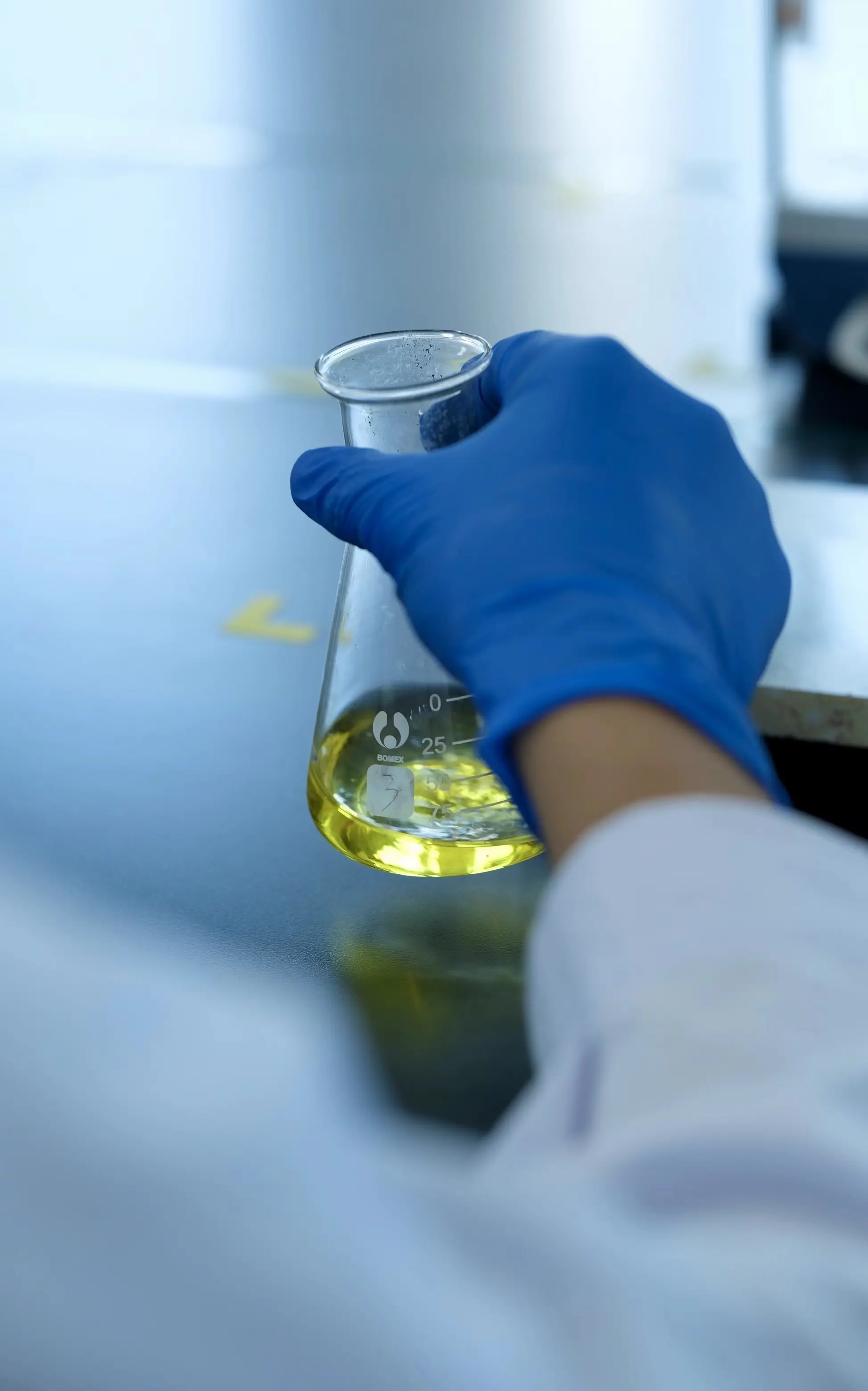 Smedic Advanced Water Chemical R&D Production Base
Why modern water treatment facilities transition from traditional aluminum salts to polymerized solutions.
Pre-formed polynuclear aluminum structures cause faster floc formation and settling compared to standard alum, reducing retention time requirements.
Because PAC is pre-hydrolyzed, it consumes less alkalinity than traditional sulfate salts. This reduces or eliminates the need for post-treatment pH adjustments with lime or caustic soda.
The compact structure of PAC flocs yields denser sludge blankets. This decreases solid volumes, lowering downstream filtration costs and chemical waste disposal expenses.
Validated chemical engineering expertise backed by Tsinghua University, Shandong University, and national science platforms.
Our research and development system operates via "one academy, three research institutes, and five bases." Smedic has been recognized as a Class A R&D institution in Hebei Province, maintaining dedicated laboratories alongside Tsinghua University's Association of Senior Scientists and Technicians, as well as collaborative laboratories with Shandong University and Beijing University of Technology.
Our patented technological innovations, including the bio-enhanced denitrification carbon source and deep multi-nuclear phosphorus removal agents, have been appraised as "internationally advanced." By filling domestic gaps in chemical design, Smedic provides reliable products that perform consistently under variable water parameters.
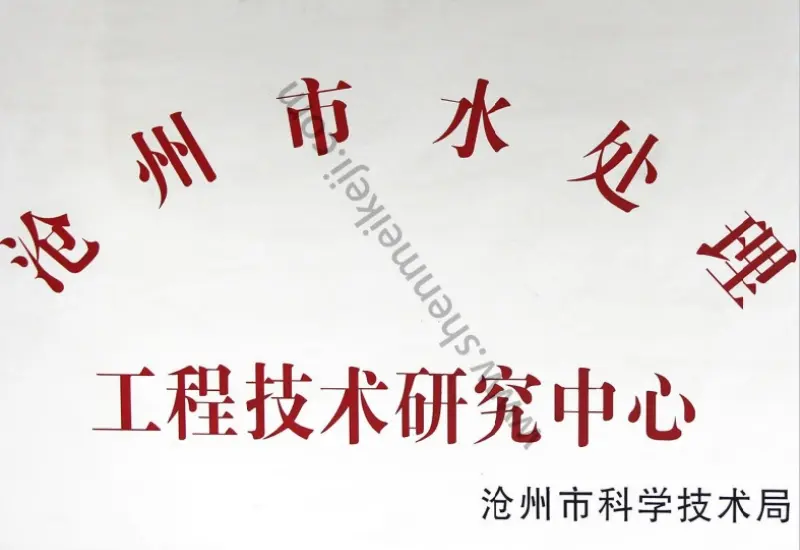
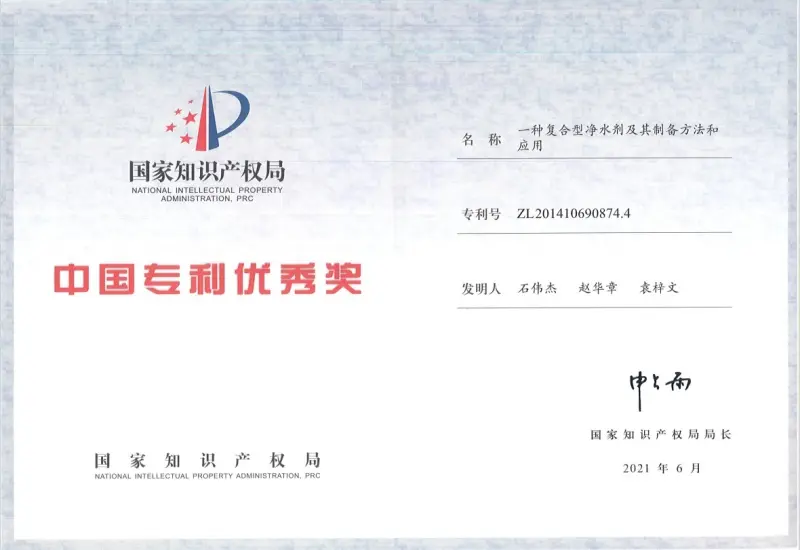
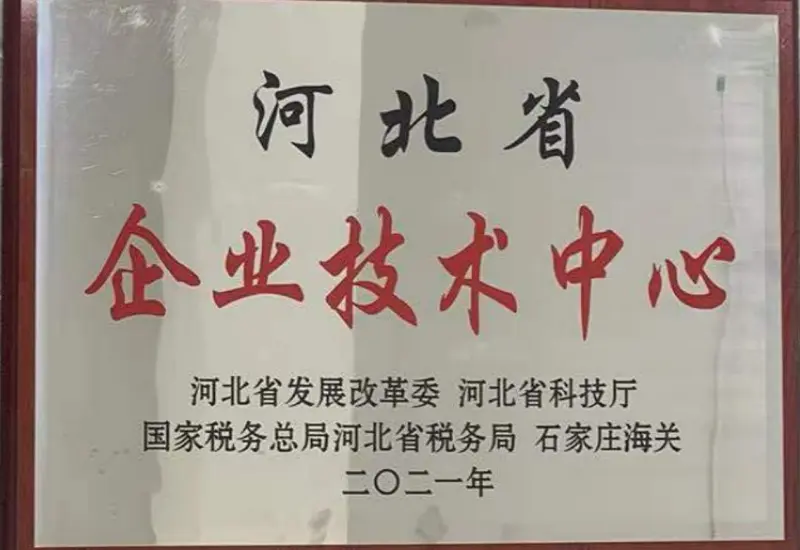
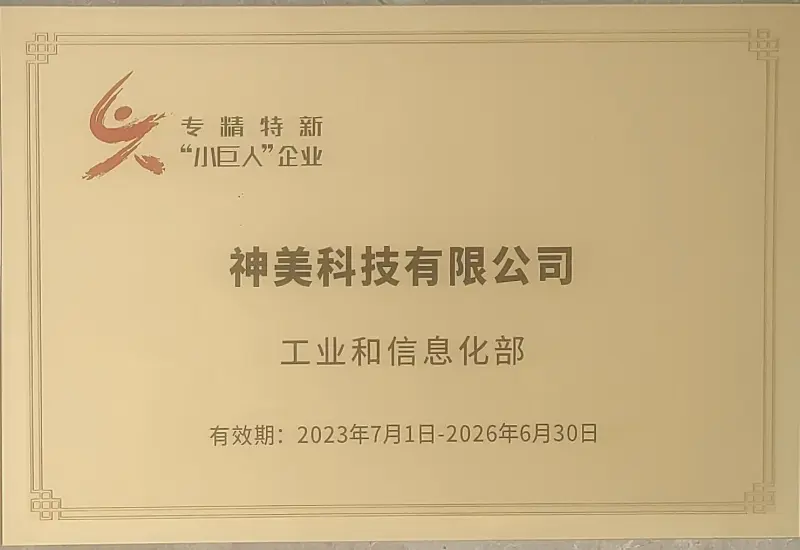
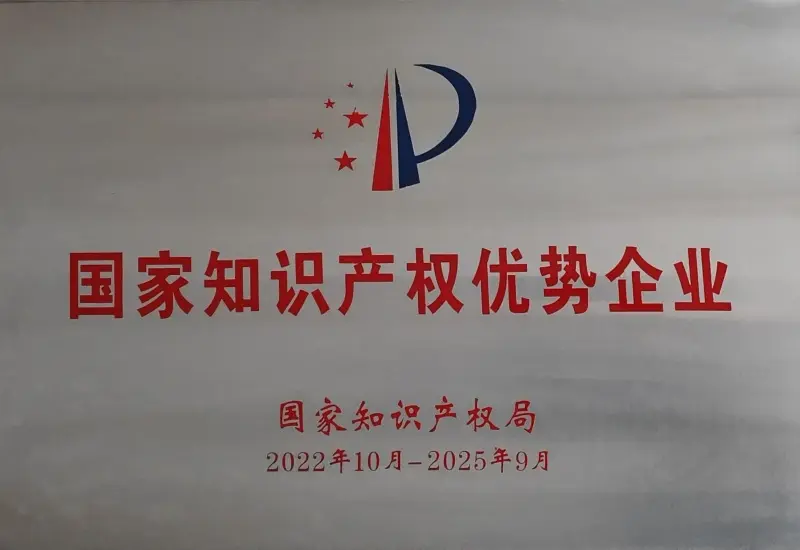
Awarded the 22nd China Patent Award, the First Prize for Technological Invention from the China Petrochemical Industry Association, and the Hebei Province Science & Technology Progress Award.
Recognized as the "Leading Brand of Advanced Wastewater Treatment Chemicals" by China Water Network and the E20 Environmental Platform for four consecutive years.
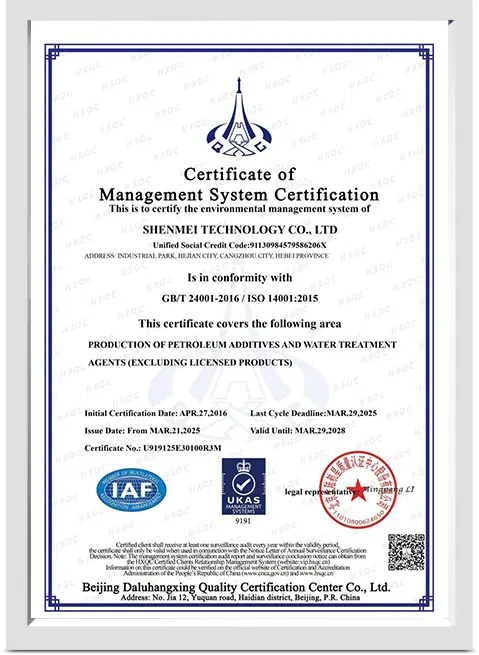
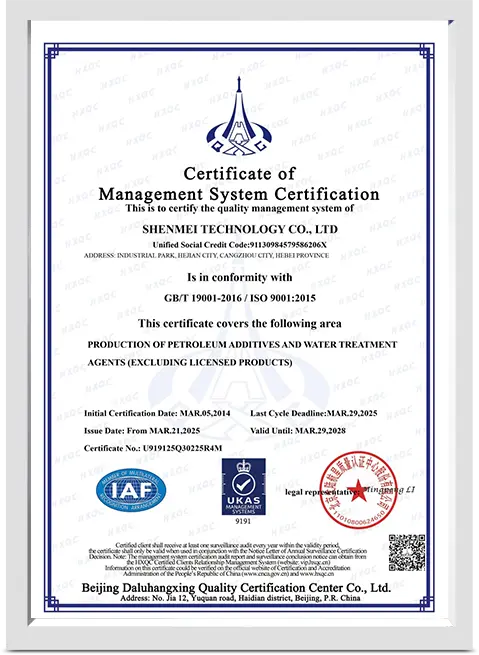
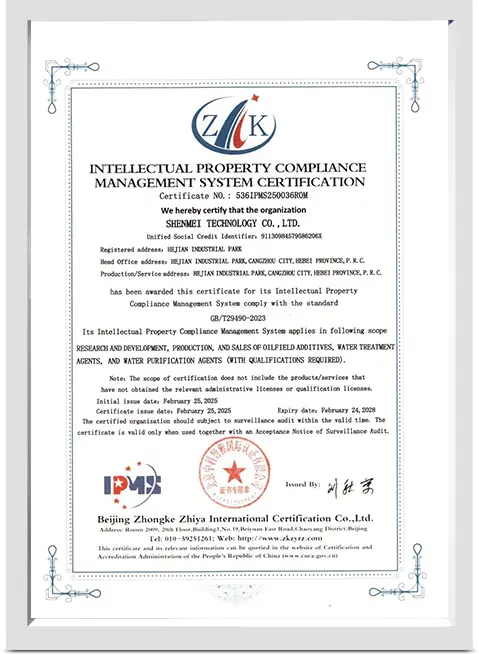
Technical guidance from our expert engineering workstation team to help you optimize chemical dosing systems.
Comprehensive environmental agents designed to maintain discharge compliance in municipal, industrial, and mining sectors.
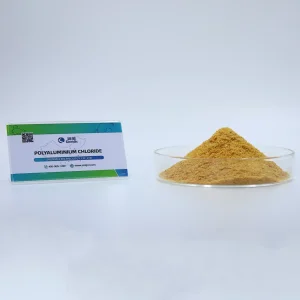
 Smedic Tech