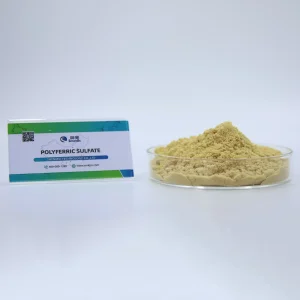
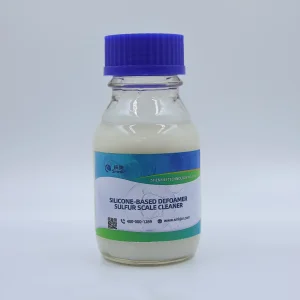
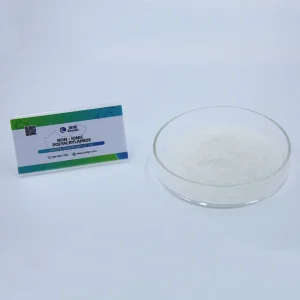
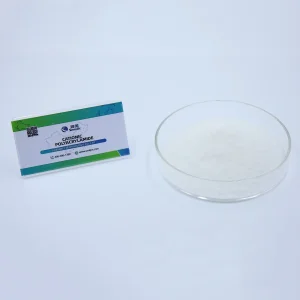
Explore our elite grade polymer series formulated to accelerate floc sedimentation, optimize sludge dewatering, and reduce overall processing costs.
Unlocking molecular efficiency in separation, clarification, and structural water reclamation.
Polyacrylamide (commonly designated as PAM, chemical formula -[CH2CH(CONH2)]n-) represents one of the most chemically versatile, water-soluble synthetic polymers in the modern industrial landscape. Because of its repeating amide functional groups, PAM exhibits a profound ability to form hydrogen bonds with suspended particulates, minerals, and organic solids, thereby aggregating them into dense flocs that easily settle out of solution. Consequently, PAM has become the foundational chemistry supporting critical global infrastructure, from industrial wastewater purification and municipal sewage treatment to high-performance mineral dressing, paper processing, and enhanced oil recovery (EOR).
Technically, Polyacrylamide is synthesized via the polymerization of acrylamide monomers, and it is categorized into three major functional variants depending on its ionic charge: Anionic Polyacrylamide (APAM), Cationic Polyacrylamide (CPAM), and Non-Ionic Polyacrylamide (NPAM). Each group possesses distinctive charge densities and molecular weights ranging from 3 million to over 25 million Daltons. Achieving the correct pairing of molecular weight and charge density is paramount for industrial processes. Utilizing the wrong parameter can result in inadequate flocculation, excessive dosage consumption, and increased operational expenditure. This reality has driven major global enterprises to rely on advanced chemical manufacturers like Smedic Technology for targeted customization and strict batch consistency.
Established in 2011, Smedic Technology Co., Ltd. has developed into a preeminent, comprehensive provider of environmental protection chemicals, integrating scientific research and development, smart manufacturing, and onsite engineering services. Over more than a decade of continuous growth, the company has built an extensive product portfolio spanning municipal sewage solutions, industrial wastewater treatment agents, mineral processing aids, and specialized oilfield chemicals.
Today, Smedic boasts an annual production capacity exceeding 1 million tons, backed by proprietary production bases in Hebei, Guizhou, and Shanxi, alongside over ten joint venture OEM factories and regional warehousing nodes across Shandong, Anhui, Guangxi, and Sichuan. This dense logistics fabric guarantees short lead times and continuous supply lines to over 600 urban sewage treatment installations and 1,000+ industrial end customers, managing a cumulative wastewater purification capacity of over 20 million tons daily.
Pioneering green synthesis pathways and structural innovations for high-salinity applications.
As chemical regulations tighten globally and the demand for energy-efficient products rises, the technical roadmap for Polyacrylamide is undergoing a significant transformation. Smedic Technology is at the forefront of this evolution, focusing on three major research and development paths:
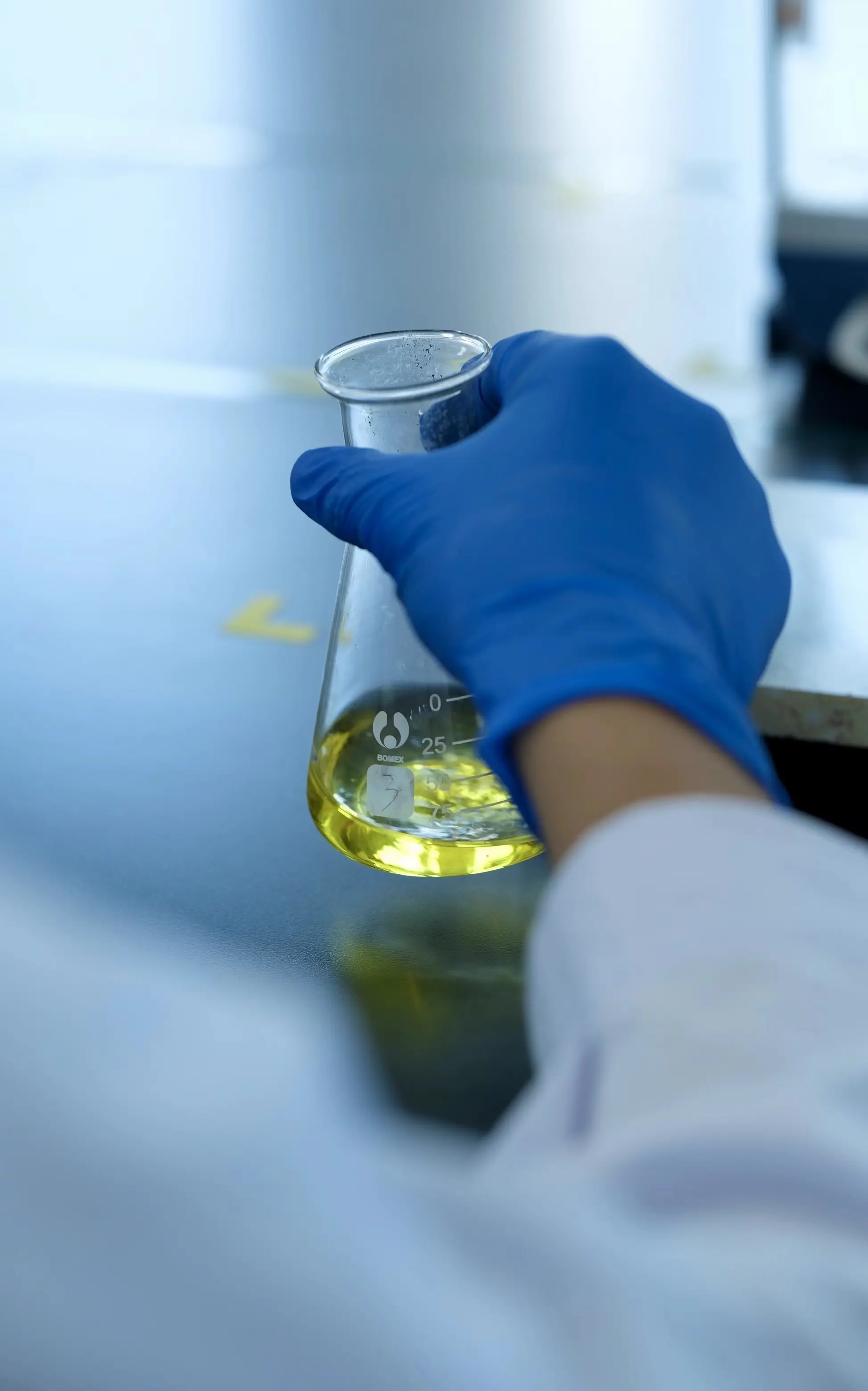
Traditional chemical synthesis of the acrylamide monomer relies on copper-catalyzed hydration of acrylonitrile, which produces heavy metal by-products and carries high carbon footprint penalties. Smedic has fully transitioned its manufacturing lines to biological enzyme catalyst methods. By utilizing immobilized biological enzymes, we polymerize monomers at room temperature and normal pressure. This process yields acrylamide with an ultra-high purity (>99.9%), eliminates copper contamination, and reduces energy consumption by over 40% during production.
For enhanced oil recovery (EOR) and deep-sludge dewatering, standard PAM formulations often fail under high shear forces, deep-well thermal degradation, or high salinity. Smedic's R&D platform has developed a series of UHMW Anionic PAM with molecular weights reaching 25 million Daltons. Through controlled copolymerization and the introduction of hydrophobic structural monomers, we create "associative polyacrylamides" that form three-dimensional networks in aqueous solutions, providing exceptional resistance to shear forces and salt degradation.
Acrylamide monomer is a recognized neurotoxin, making residual monomer concentrations a major concern in municipal tap water treatment and paper manufacturing. Smedic's advanced polymerization technologies restrict residual acrylamide levels to less than 500 ppm (0.05%) as a standard, with ultra-pure municipal grades falling below 200 ppm, in line with US EPA and European REACH standards.
| PAM Classification | Typical Charge Density / Hydrolysis Degree | Molecular Weight Range (Million) | Primary Industrial Flocculation Applications |
|---|---|---|---|
| Anionic (APAM) | 10% - 60% Hydrolysis | 5 - 25 MDa | Mineral flotation, coal washing, oilfield flooding, neutral to alkaline wastewater clarification. |
| Cationic (CPAM) | 5% - 80% Ionization | 3 - 15 MDa | Municipal biological sludge dewatering, organic industrial sewage treatment, paper retention. |
| Non-Ionic (NPAM) | < 5% Hydrolysis | 3 - 15 MDa | Acidic wastewater clarification, mineral processing in low pH, textile sizing, soil stabilization. |
Tailoring chemical morphology to distinct industrial waste streams and operations.
In sewage treatment, Cationic PAM interacts with negatively charged biological sludge. Smedic's CPAM optimizes sludge conditioning, increasing cake dryness and reducing disposal volume during centrifuge, belt-press, and plate-and-frame filtration.
Smedic offers customized APAM and NPAM for polymer flooding, tertiary oil recovery, profile control, and water shut-off. These products maintain high viscosity in deep reservoirs under high temperature and salinity, improving recovery sweep efficiency.
Used widely in coal washing, iron ore dressing, copper flotation tailings settlement, and gold mining recovery. Smedic's range accelerates particle sedimentation, enabling rapid water recycling and clean supernatant recovery.
For chemical plant, textile dye, paper mill, and automotive effluents. Smedic's combinations of organic flocculants and inorganic coagulants (PAC/PFS) ensure efficient separation of suspended solids, reducing COD and heavy metal content.
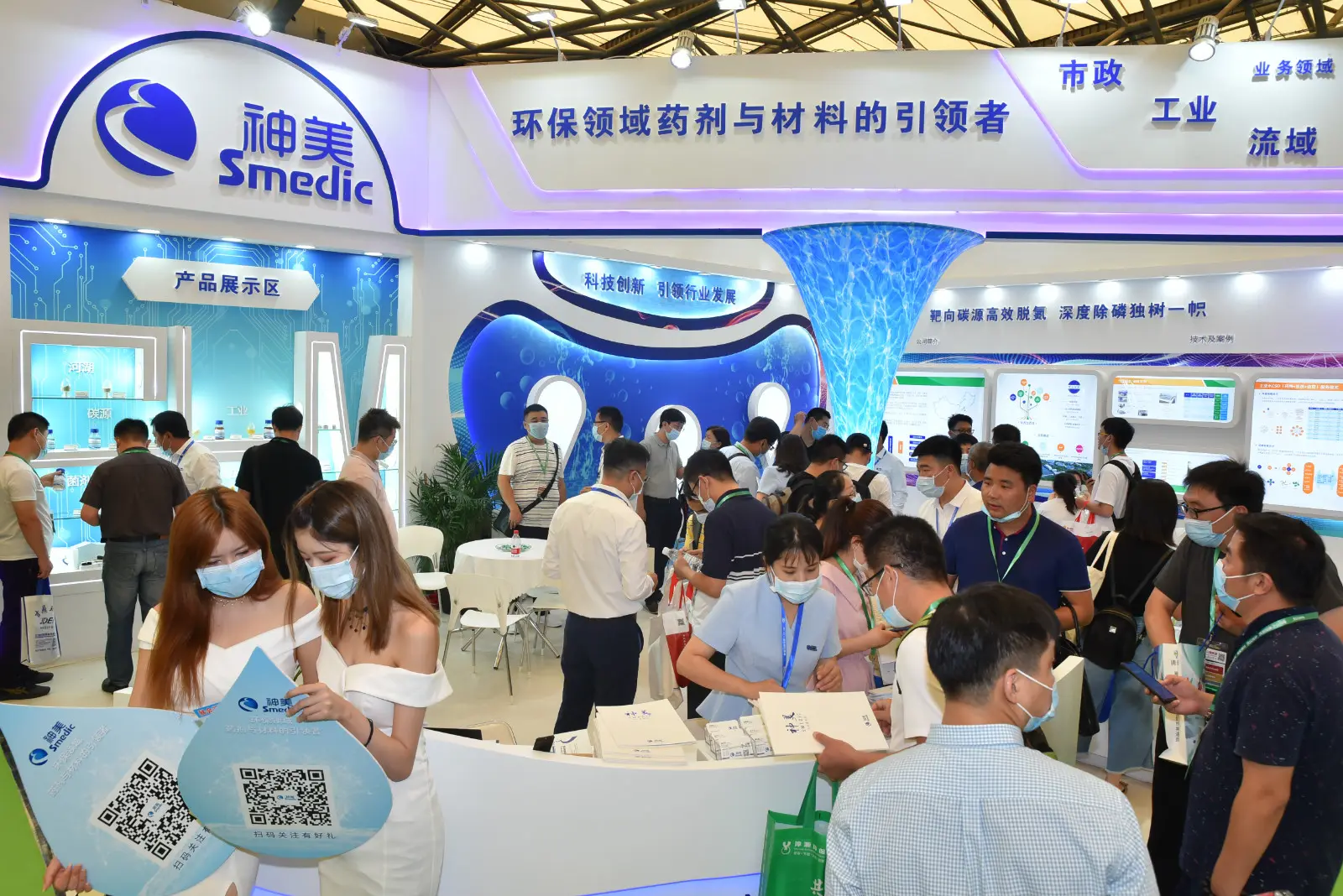
As a designated National High-tech Enterprise and a National Specialized, Refined, Unique and Innovative "Little Giant" Enterprise, Smedic's research infrastructure features a structured R&D platform centered around one academy, three research institutes, and five production bases. We operate the Hebei Provincial Enterprise Technology Center, the Cangzhou Water Treatment Engineering Technology Research Center, and maintain joint laboratories with Tsinghua University Association of Senior Scientists and Technicians, Shandong University, and Beijing University of Technology.
Our patent portfolio contains over 60 Chinese patents, including 40+ invention patents and 20+ utility model patents. We have led the development of over 10 national and industry standards for chemical and biochemical agents. Smedic's "Inorganic-Organic Covalent Bond Flocculant" received the 22nd China Patent Award and the First Prize for Technological Invention from the China Petrochemical Industry Association.
Smedic is a certified centralized supplier for major water environmental groups, including Shouchuang Ecological and Environmental Group, Yangtze River Ecological and Environmental Group, Beijing Enterprises Water Group, OriginWater, and China Water Environment Group. We have been named the "Leading Brand of Advanced Wastewater Treatment Chemicals" by China Water Network and the E20 Environmental Platform for four consecutive years.
Harnessing advanced automation and digital quality systems to secure global supply chains.
Smedic's main manufacturing facilities are designed around the Factory 4.0 standard. We employ fully automated polymerization units monitored by Distributed Control Systems (DCS), ensuring precise regulation of polymerization temperature, initiator feeding rate, and molecular chain elongation. This system reduces batch-to-batch variation by over 85% compared to manual processes.
Furthermore, our integrated supply chain includes raw material acquisition (monomers, acrylic acid, initiators) directly from upstream refining facilities, protecting customers from price volatility in the energy market. With an annual capacity of over 1 million tons and strategically located regional warehouses in Shandong, Shanxi, Anhui, Guangxi, and Sichuan, we maintain stable lead times and continuous supply, even during periods of heavy shipping demand.
Meeting stringent global regulatory requirements for environmental and chemical products.
Exporting chemical products globally requires strict adherence to international environmental regulations. Smedic's PAM products comply fully with major international standards. We maintain active compliance certifications including REACH for the European Union, ISO 9001:2015 for quality management, ISO 14001:2015 for environmental management, and ISO 45001:2018 for occupational health and safety. Every export batch undergoes verification by third-party testing agencies like SGS to confirm low monomer residuals and verify active polymer content.
In addition, Smedic provides localized technical support, assisting clients with regulatory compliance, customs clearance documentation, safety data sheets (SDS) in multiple languages, and environmental declarations. This support helps global buyers integrate our products smoothly into local supply chains.
Practical factors to consider when purchasing bulk polyacrylamide for industrial applications.
When procurement managers purchase polyacrylamide, focusing solely on unit price per ton can lead to operational issues. Smedic recommends evaluating products using the following criteria:
More than a decade of continuous growth and technical innovation in chemical manufacturing.
Direct technical insights from Smedic’s laboratory engineering team.
A comprehensive range of high-efficiency water treatment and industrial chemicals designed for global distribution.
 Smedic Tech