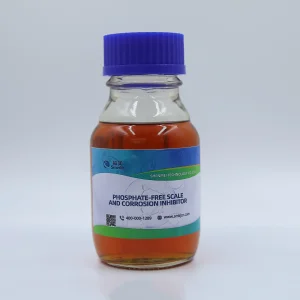
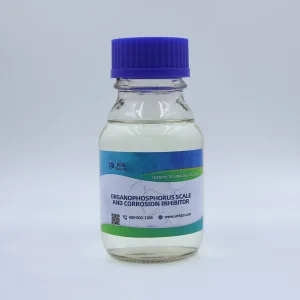
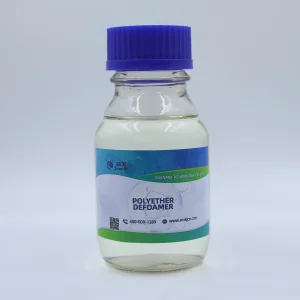
Discover our core line of engineered chemical solutions designed for maximum heat transfer efficiency, scale prevention, and biological fouling mitigation.
Industrial cooling systems serve as the thermodynamic foundation for global manufacturing, energy production, and computational infrastructure. The optimization of these systems is direct optimization of energy usage and environmental emissions.
Worldwide, thousands of manufacturing plants, power generating facilities, chemical process plants, and hyperscale data centers rely heavily on recirculating cooling towers to dissipate sensible waste heat. Over time, these open loop recirculating setups encounter serious, interrelated challenges: thermodynamic scaling, corrosion, bio-fouling, and suspended solids accumulation. According to industry analyses, scale deposition as thin as 1 mm on heat exchange surfaces can drop heat transfer efficiency by up to 40%, generating massive increases in energy consumption and greenhouse gas output.
Consequently, the demand for specialized, high-performance cooling tower cleaning chemicals has transitioned from mere maintenance expenses to strategic ESG variables. Globally, enterprises face the challenge of sourcing compounds that comply with local environmental standards (such as zero-phosphorus discharging and minimal eco-toxicity) while sustaining maximum thermodynamic throughput. Smedic Technology addresses this intersection by combining large-scale production with custom, low-impact chemistry formulations.
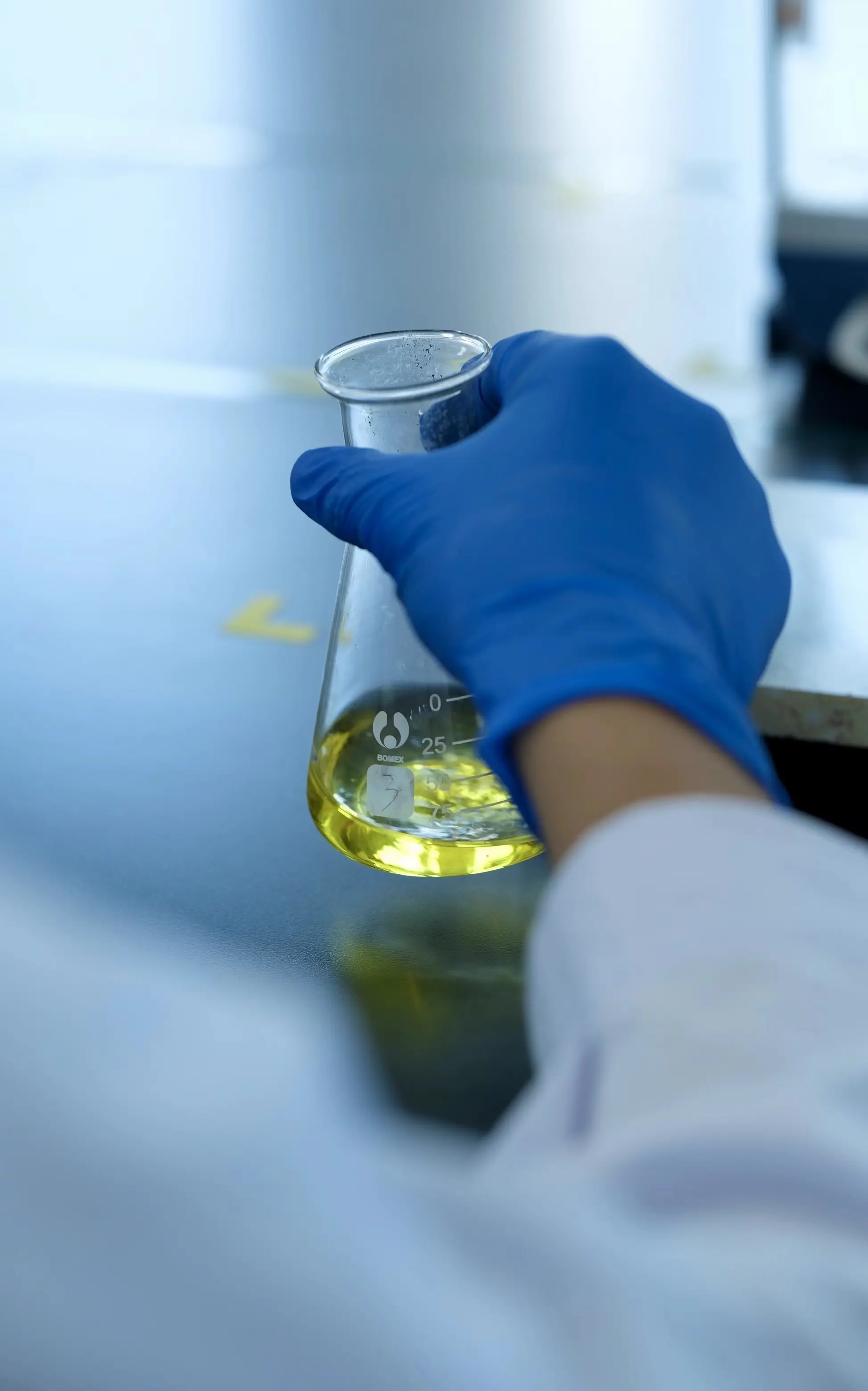
Established in 2011, Smedic Technology operates as a leading developer and high-capacity manufacturer of advanced water treatment formulations, integrating production, technical logistics, and customized engineering globally.
"Our extensive network includes production facilities in Hebei, Guizhou, and Shanxi, alongside ten regional warehousing and logistics hubs across Shandong, Anhui, Guangxi, and Sichuan. This infrastructure ensures reliable, prompt chemical delivery to over 600 municipal sewage plants and 1,000+ industrial enterprises."
Pioneering water purification through joint research with leading Chinese academic institutions, focusing on innovative molecular structures and green scaling inhibitors.
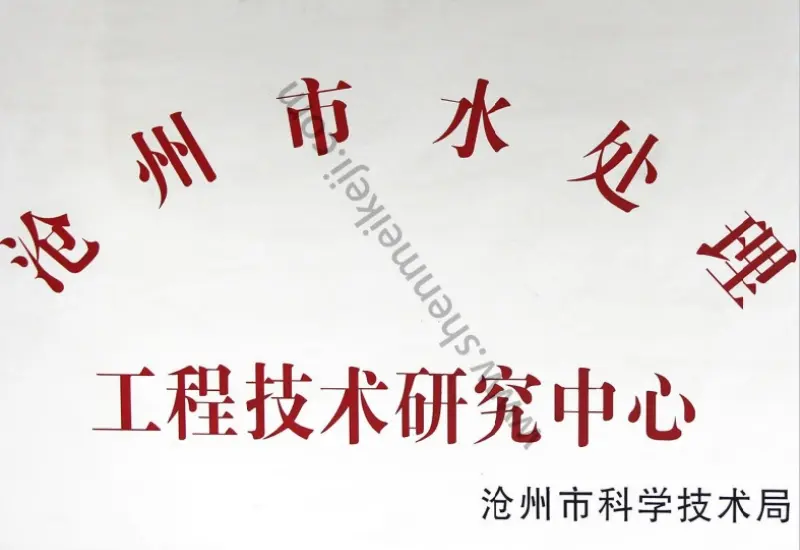
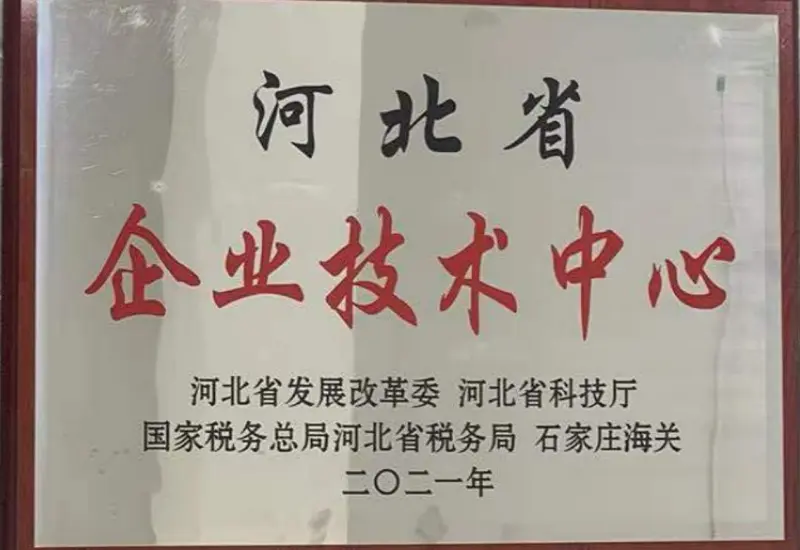
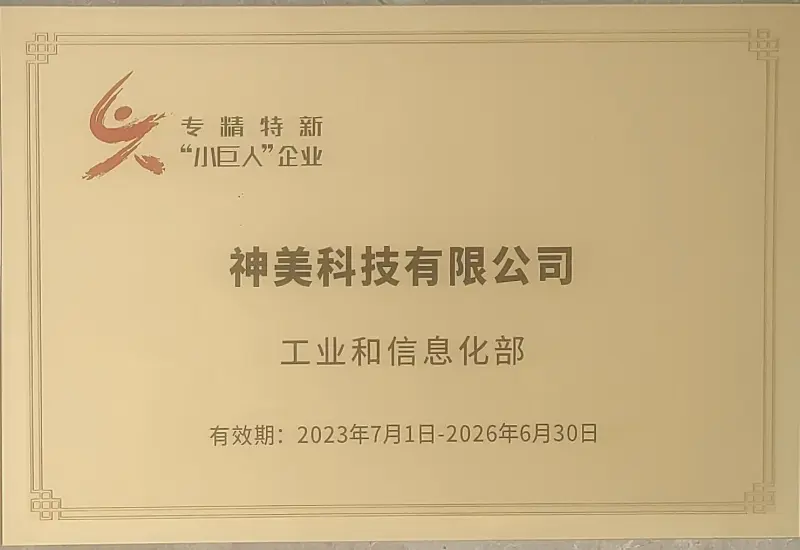
Smedic operates at the forefront of chemical innovation, recognized as a National High-tech Enterprise and a National Specialized, Refined, Unique and Innovative "Little Giant" Enterprise. Our research paradigm functions via an integration of "one academy, three research institutes, and five bases." We run dedicated laboratories in partnership with Tsinghua University, Shandong University, and the Beijing University of Technology, alongside commercialization frameworks with Peking University and Tianjin University.
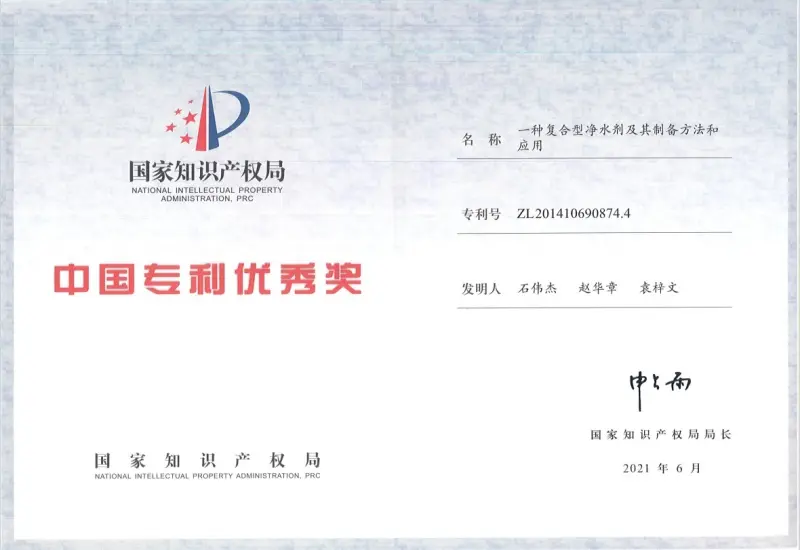
These investments have yielded over 60 Chinese patents, including 40+ invention patents and 20+ utility model patents. We have drafted more than 10 national and industrial guidelines covering complex carbon sources, composite coagulants, and sodium acetate, establishing Smedic as a standard-setting authority in water chemistry.
Industrial heat transfer optimization requires a precise molecular approach to counteract natural water hardness precipitation and biological proliferation.
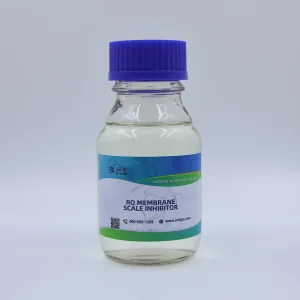
Utilizing organophosphorus structures like HEDP, PBTC, and ATMP to deform calcium carbonate and calcium sulfate crystals at sub-stoichiometric concentrations, preventing adherence to heat-exchange surfaces.
Establishing protective, molecularly thin barrier films along heat exchangers to prevent chemical oxidation of iron, copper, and alloy pipelines, mitigating pitting corrosion and subsequent structural degradation.
Introducing non-oxidizing biocides (e.g., Isothiazolinones) and oxidizing biocides to neutralize sessile bacterial colonies, Legionella threat vectors, and extracellular polymeric slime structures.
Our manufacturing infrastructure leverages vertical supply integration to deliver consistent batch quality and volume capability.
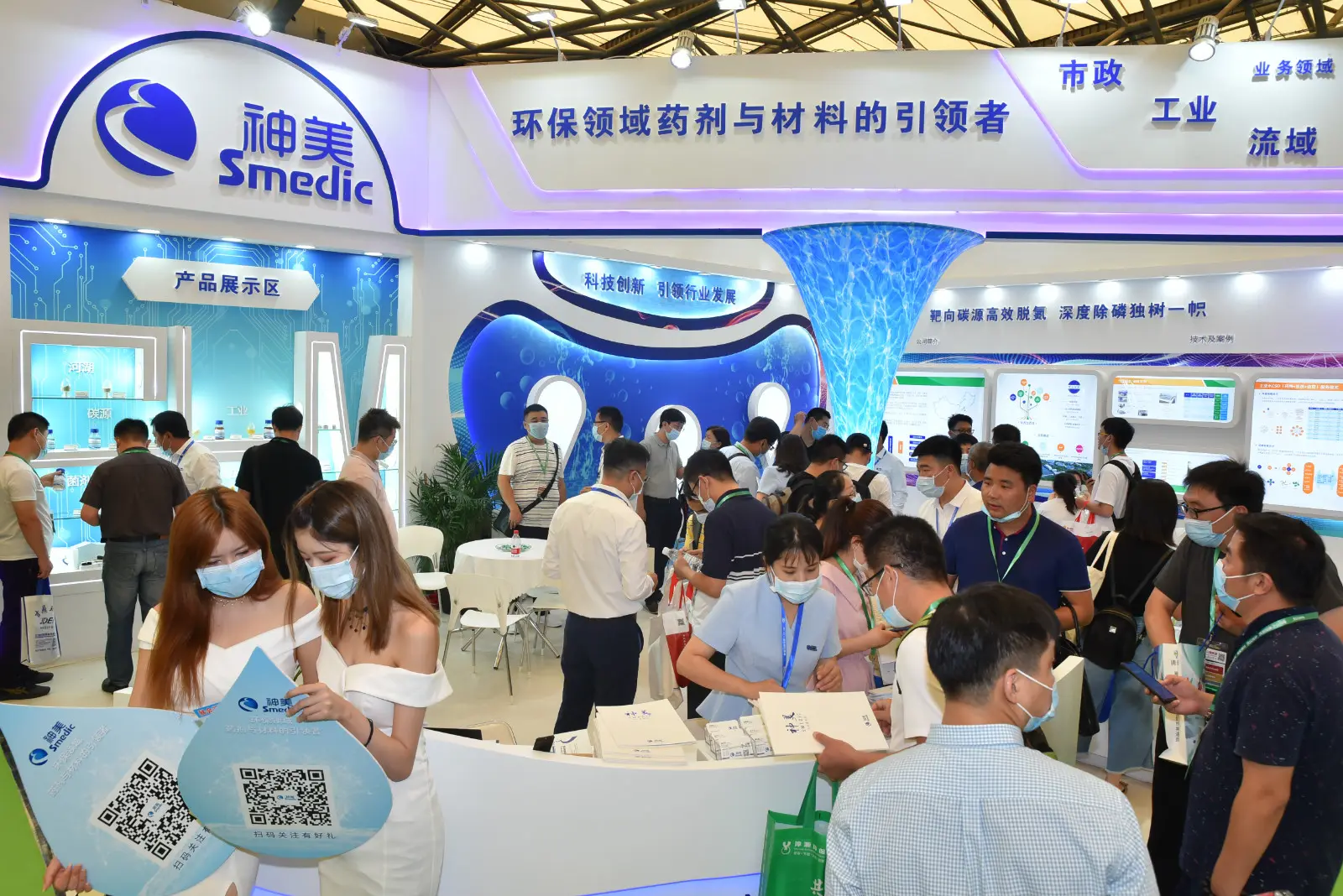
Global sourcing teams often face challenges such as pricing volatility, raw material shortages, and shipping delays. Smedic addresses these challenges through vertical integration and extensive production capacity across several locations. By securing direct raw feedstocks and automating our synthesis plants, we insulate customers from sudden price spikes and production bottlenecks.
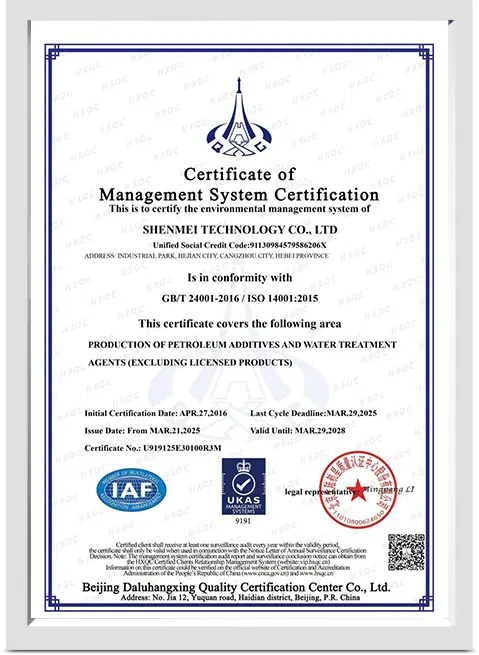
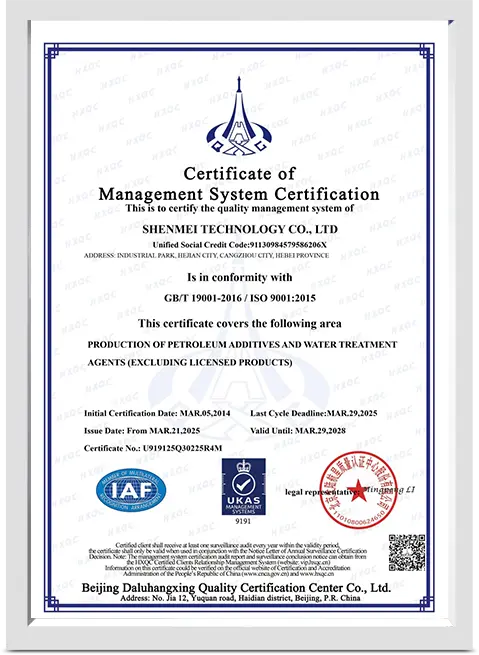
Each production run undergoes comprehensive analysis in our state-of-the-art laboratories. From raw material intake to final packaging, we implement ISO 9001 and ISO 14001 compliance standards, ensuring that every batch meets the exact technical requirements of our clients worldwide.
Industrial cooling systems vary significantly by sector. We engineer customized chemical regimens to address specific operational requirements.
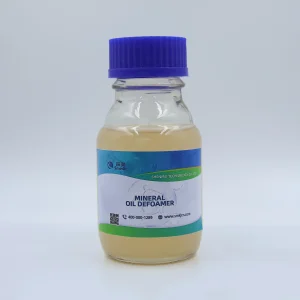
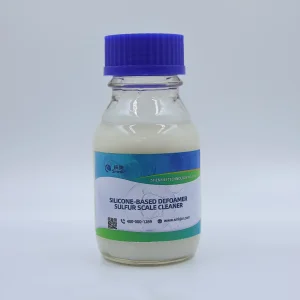
Operating under high heat flux and hydrocarbon leak risks, refining cooling towers require scale inhibitors and defoamers resistant to thermal degradation and oil contamination. Our mineral oil and polyether defoamers suppress process foam, preserving heat transfer efficiency.
Data center cooling systems demand high uptime and water use efficiency (WUE). Our phosphate-free scale and corrosion inhibitors allow systems to run at high cycles of concentration (CoC), reducing fresh water intake and wastewater generation.
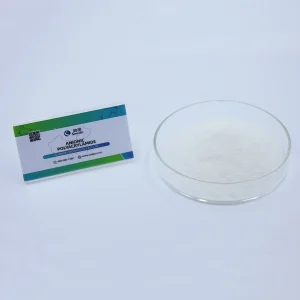
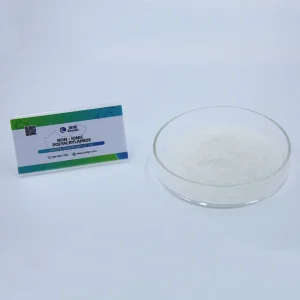
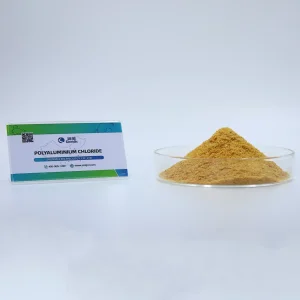
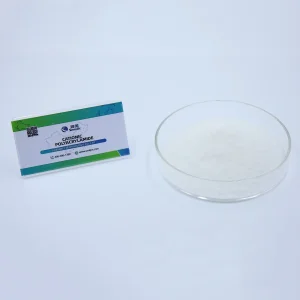
Utilizing high-volume surface condensers, power generation facilities require reliable scale control. Smedic's polyaluminum chloride (PAC) and anionic polyacrylamide (APAM) clarify makeup water, reducing mud deposition and heat-exchanger fouling.
Operating in urban areas, commercial cooling systems require strict microbiological control to prevent Legionella outbreaks. Our low-odor biocide formulations provide effective disinfection while protecting system metallurgy.
Future developments point toward green chemistry, automated systems, and circular water management.
Regulatory restrictions on phosphorus and heavy metal discharges are driving the development of green formulations. Smedic is investing in biodegradable, zero-phosphorus polymers that provide scaling protection without causing downstream eutrophication. By utilizing advanced carboxylate-sulfonate co-polymers, we maintain performance in high-hardness water without using conventional orthophosphates.
Additionally, the industry is transitioning toward automated dosing systems integrated with real-time sensors. Our chemicals are formulated for compatibility with tracking technologies, allowing precise dosing based on actual system demand and helping operators optimize chemical use.
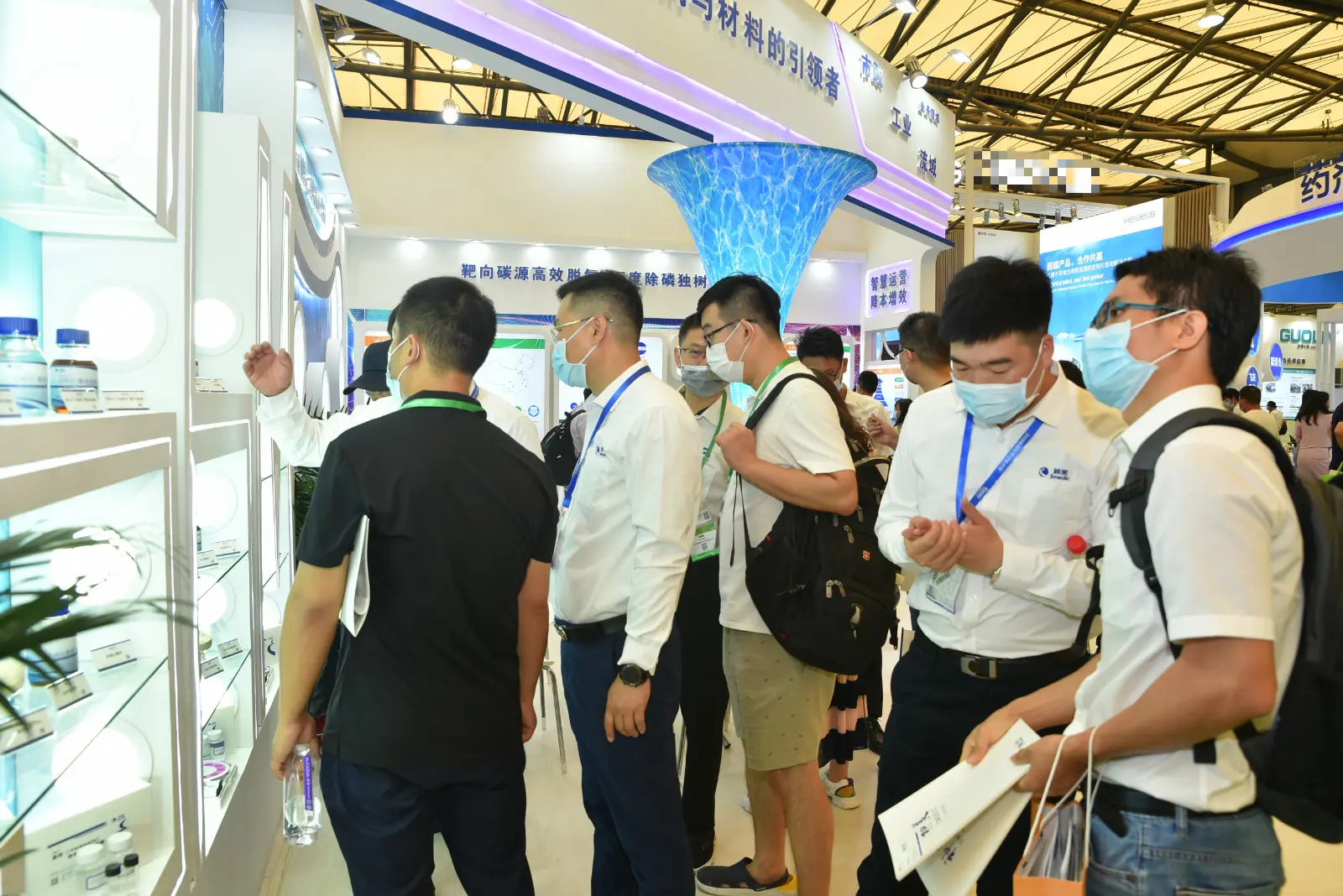
Smedic's history reflects a consistent focus on innovation, capacity expansion, and expanding our partner network.
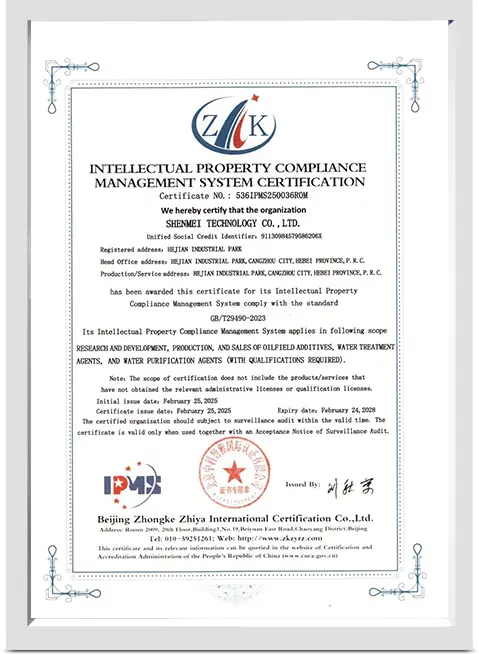
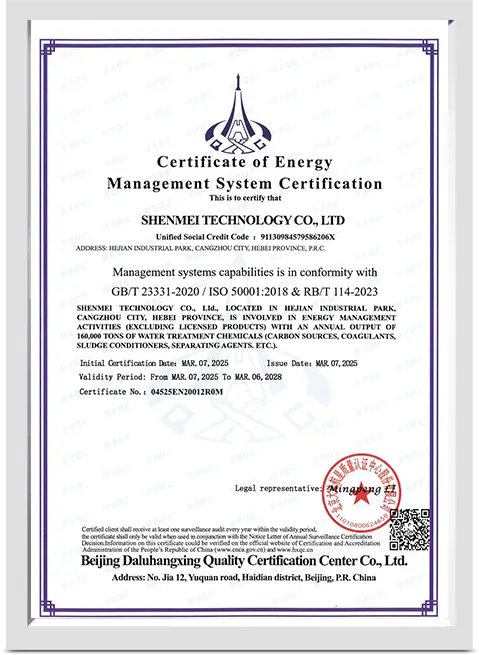
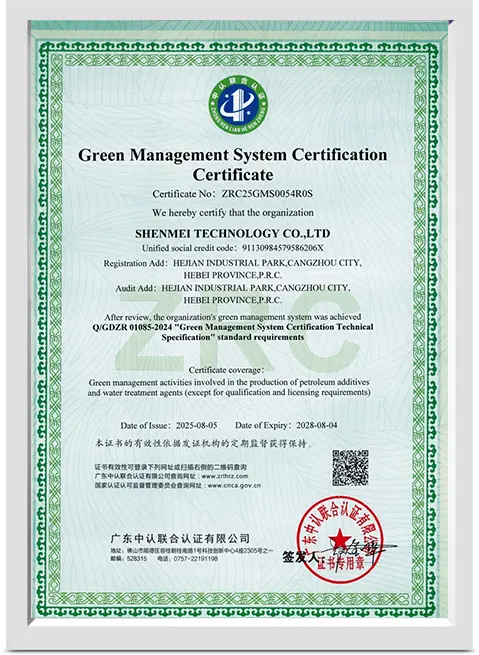
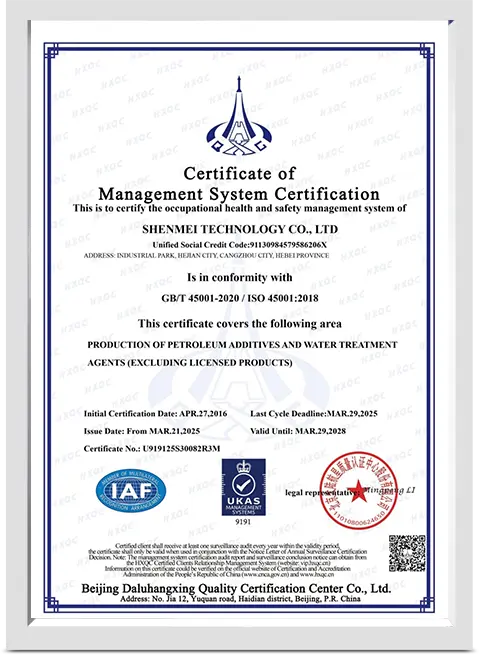
Our products and processes comply with international safety, quality, and environmental management protocols.
Technical guidance from our research team on optimizing chemistry, maintaining water quality, and managing operational challenges.
View our range of clarifying agents, defoamers, and membrane treatment chemicals for industrial water processing.
 Smedic Tech