Advanced formulations designed to enhance dry cake solids, accelerate settling, and minimize total cost of sludge handling operations.
Globally, the management of municipal sewage and industrial effluent solids has transitioned from a routine operational task to a highly regulated, resource-recovery-centric engineering discipline. As environmental authorities enforce stricter landfill limits and zero-liquid-discharge (ZLD) mandates, the role of specialized sludge treatment chemicals has become foundational. Smedic Technology Co., Ltd. stands at the intersection of advanced organic polymer syntheses and inorganic water conditioning chemistry, providing tailormade solutions that optimize dewatering kinetics, reduce sludge volume, and facilitate clean phase separation.
"By targeting the micro-scale surface charges of colloidal wastewater fractions, modern polymeric conditioning agents accelerate water liberation, transforming liquid sludge into high-solids press cakes that reduce transport costs and energy consumption in incineration plants."
Engineers and procurement teams in heavy industries—ranging from petrochemical processing and mining extraction to municipal sewage plants—face a complex set of challenges when sourcing conditioning reagents. The primary objective of sludge dewatering chemistry is to neutralize negative surface charges on suspended organic and inorganic particles. This allows them to cluster together into larger flocs that release bound capillary water easily. This requires not only high-quality active compounds but also molecular weight structures customized for specific machinery, such as decanter centrifuges, belt filter presses, and chamber plate filter presses.
Global operations now require chemical partners capable of scaling manufacturing output without compromising batch-to-batch consistency. Smedic Technology addresses these demands with an annual capacity exceeding 1 million tons of specialty chemicals. This scale provides global buyers with stable pricing, reliable material availability, and customized formulation support that minimizes overall cost of ownership (TCO).
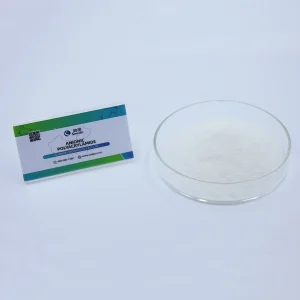
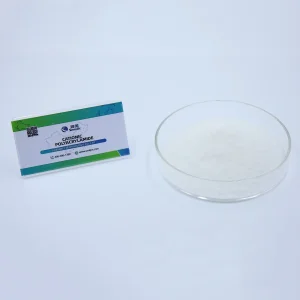
Effective sludge dewatering relies on the interaction between inorganic coagulants and organic flocculants. In municipal applications dominated by biological sludge (secondary waste activated sludge), the presence of extracellular polymeric substances (EPS) traps water within a gel-like structure. Smedic’s cationic polyacrylamides (CPAM) are engineered with high charge densities to break down this EPS structure and release trapped water.
| Chemical Family | Typical Dosage (g/ton dry solids) | Mechanism of Action | Ideal Application |
|---|---|---|---|
| Cationic Polyacrylamide (CPAM) | 1,500 - 4,500 | Charge neutralization & polymeric bridging | Biological Sludge, Centrifugation, Belt Press |
| Anionic Polyacrylamide (APAM) | 800 - 2,500 | Flocculation of positive minerals & hydroxides | Coal Washing, Metallurgical Processing |
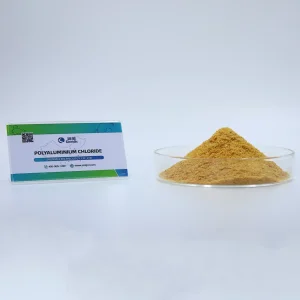
| Polyaluminum Chloride (PAC) | 20,000 - 80,000 | Colloid destabilization & phosphate removal | Pre-sedimentation, Inorganic Sludge Conditioning |
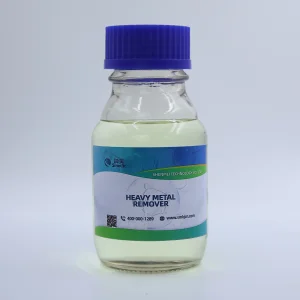
| Heavy Metal Removal Agent | 100 - 500 (ppm) | Chelation and precipitation of heavy ions | Electroplating & Chemical Process Effluents |
For industrial sludges rich in heavy metals or inorganic particles, Smedic provides specialized heavy metal chelators and inorganic coagulants like Polyaluminum Chloride (PAC) and Polyferric Sulfate (PFS). These compounds destabilize fine suspensions, allowing anionic polyacrylamides (APAM) to link the micro-flocs into large, shear-resistant structures suitable for high-pressure filtration.
Smedic Technology Co., Ltd. operates a comprehensive infrastructure network across China, with headquarters in Beijing and wholly-owned production bases in Hebei, Guizhou, and Shanxi. By maintaining more than ten OEM partner factories and regional warehousing bases in Shandong, Anhui, Guangxi, and Sichuan, we ensure secure supply chains for municipal and industrial operators globally.
Our infrastructure supports over 600 urban sewage treatment plants and more than 1,000 industrial end-users, managing a total wastewater capacity exceeding 20 million tons per day. This scale allows us to buffer raw material cost fluctuations, ensuring consistent and competitive pricing for our international partners.
Our commitment to innovation is backed by solid research credentials. Smedic has been designated as a National Specialized, Refined, Unique and Innovative "Little Giant" Enterprise, demonstrating our technical capability and product reliability. Our academic partnerships and research centers drive continuous product development:
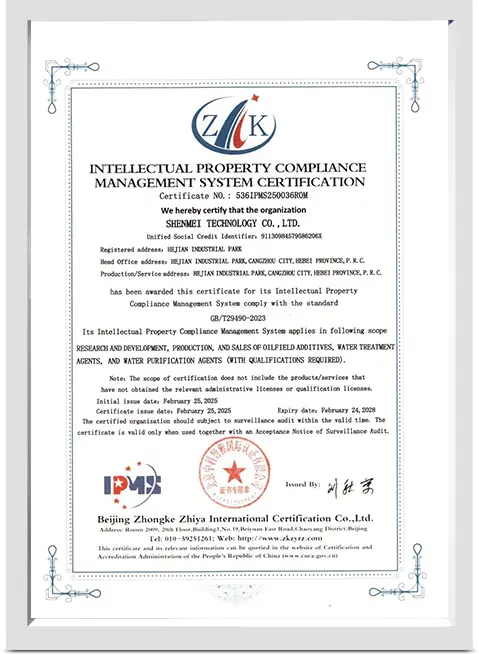
We operate joint laboratories in partnership with Shandong University and Beijing University of Technology, and collaborate on commercialization projects with Peking University and Tsinghua University's senior scientific associations. With over 60 patents (including 40 invention patents) and involvement in drafting national standards for composite carbon sources and sodium acetate, Smedic is committed to high quality standards across our entire product range.
Wastewater discharge standards are tightening worldwide. In Europe, the Industrial Emissions Directive (IED) demands lower trace metal limits, while across North America, PFAS and heavy metal regulations restrict disposal options. In response, sludge management is shifting towards nutrient recovery (such as phosphorus precipitation) and energy recovery via anaerobic digestion.
To help global procurement teams navigate these changing regulatory landscapes, Smedic offers localized technical and compliance support:
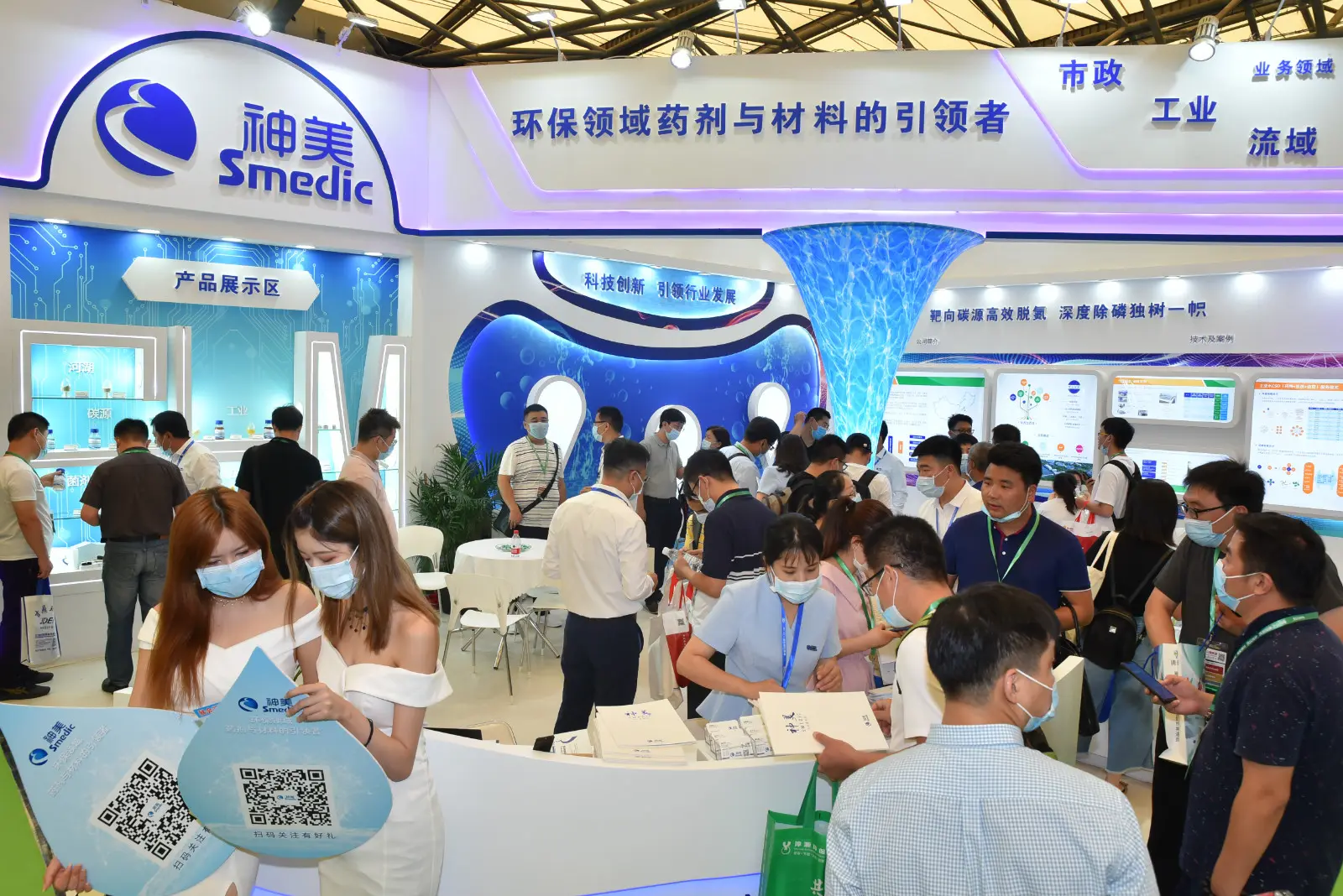
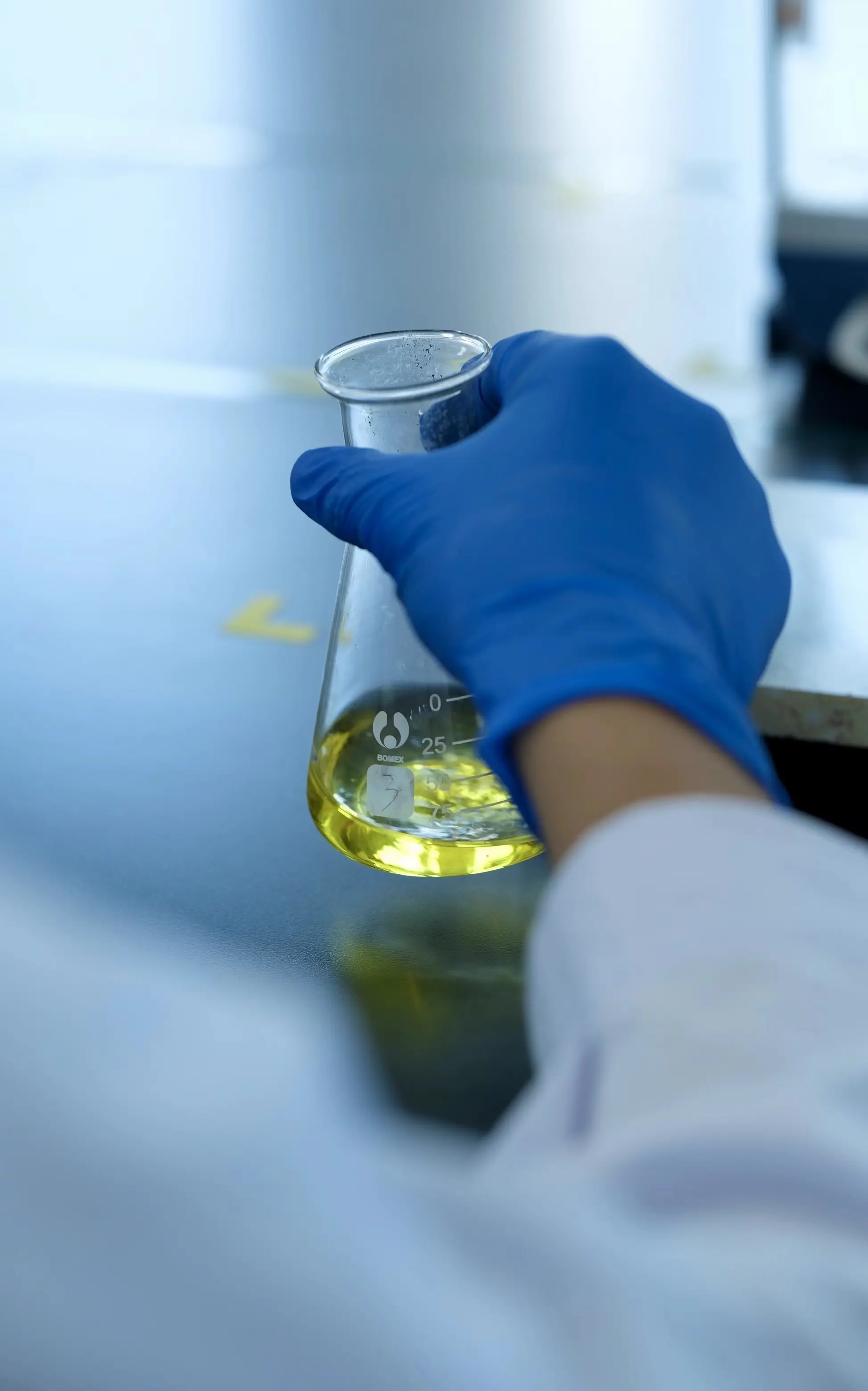
Because sludge composition varies by source, we provide technical support to optimize chemical dosage. Our engineers perform lab testing (such as jar tests) to determine the ideal charge density and molecular weight for your specific sludge matrix, helping to reduce chemical consumption and optimize cost.
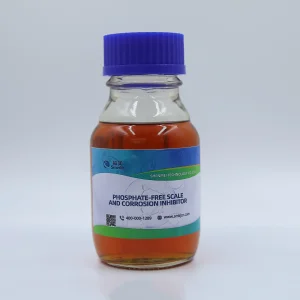
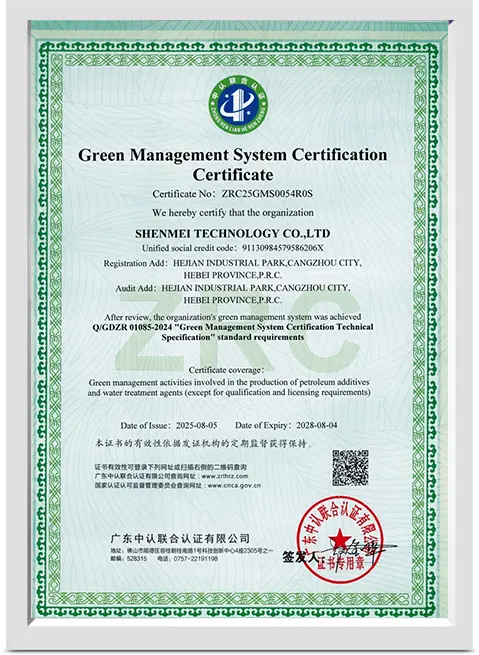
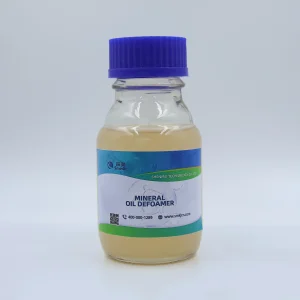
We prioritize environmental safety in our formulations. Smedic produces eco-friendly options, including phosphate-free corrosion inhibitors and biodegradable defoamers, helping operators meet strict discharge limits without compromising process efficiency.
Addressing key technical and operational questions from water treatment professionals and procurement managers.
A: The choice depends on the volatile solids content of the sludge. High-rate municipal biological sludge typically has a strong negative charge due to organic matter, requiring CPAM with a higher charge density (40% to 60% cationicity). Inorganic sludge responds better to lower charge density polymers. We recommend running a series of jar tests to determine the optimum charge-to-mass ratio for your process.
A: Traditional cooling water treatment relies on phosphorus compounds, which can contribute to eutrophication when discharged. Smedic's phosphate-free formulations use carboxylic polymers and green chelating agents. These protect system components from scale and corrosion while simplifying compliance with strict local phosphorus discharge limits.
A: Low temperatures can slow polymer dissolution and increase water viscosity, which can reduce flocculation rate and increase chemical consumption. Smedic manages this by tailoring polymer chain dynamics and particle size distribution. This ensures reliable dissolution and consistent performance, even in cold climates.
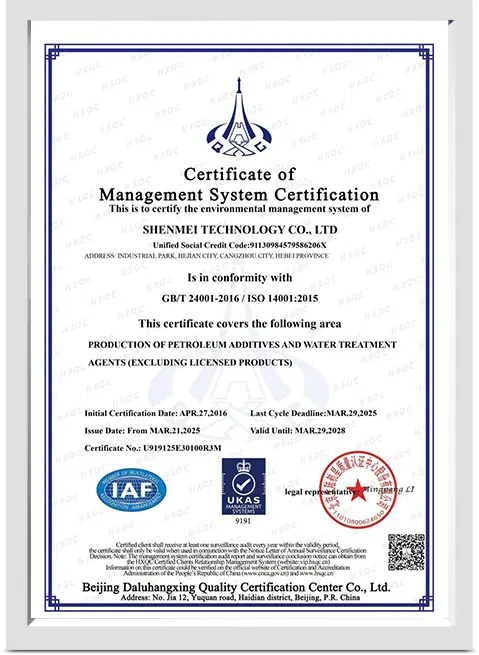
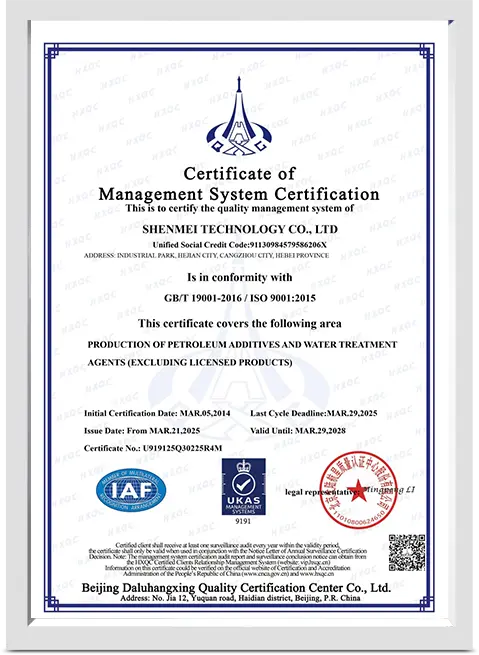
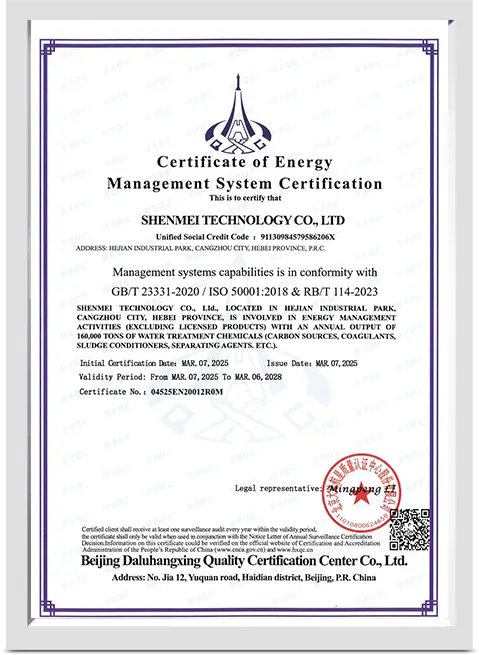
A: We operate under a centralized quality management system (QMS) across all production facilities. Each batch of raw material undergoes spectroscopic testing before use, and our polymerization lines are automated to maintain precise control over temperature and initiator dosage. Finished products undergo molecular weight and viscosity testing before release, ensuring consistency for every shipment.
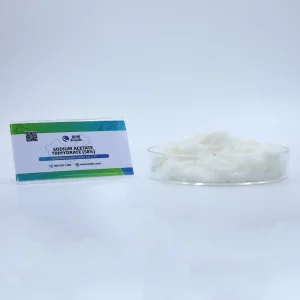
A: Pure solid sodium acetate (typically 58-60% active content) offers a highly concentrated carbon source that reduces shipping costs compared to liquid formulations. It dissolves rapidly, provides precise pH buffering, and is easily dosed to support denitrification in biological treatment systems.
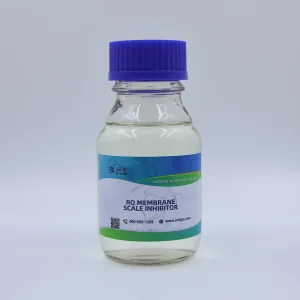
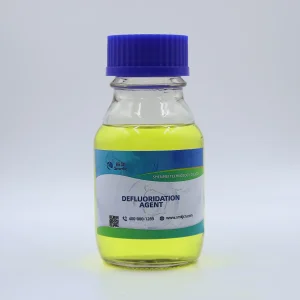
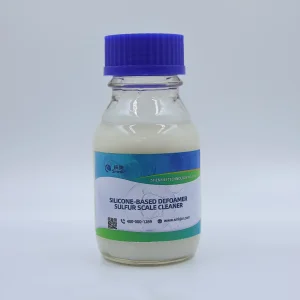
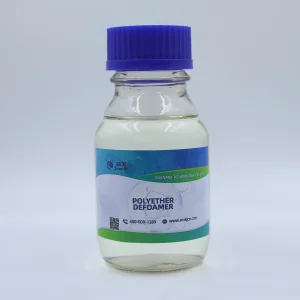
A comprehensive selection of defoamers, scale inhibitors, and specialty heavy metal removal agents to support your industrial processes.
 Smedic Tech