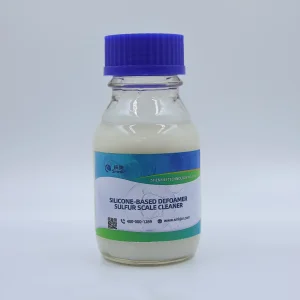
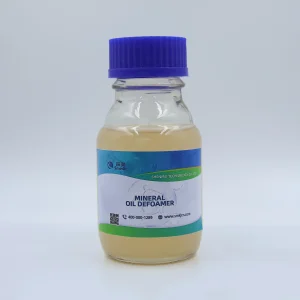
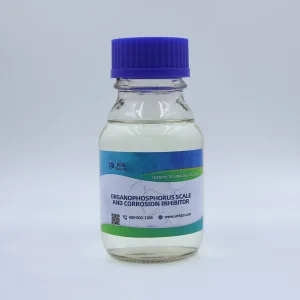
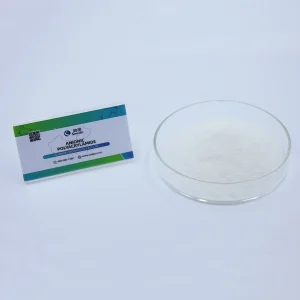
Engineered for absolute foam suppression, scale inhibition, and complex industrial process optimization.
Foam formation is a persistent, expensive, and disruptive issue in modern industrial processing. Formed when gas is dispersed in a liquid, industrial foams are stabilized by surface-active agents (surfactants) that decrease the surface tension of the liquid, creating elastic liquid films (lamellae) that resist rupture. The thermodynamic properties of these films are governed by the Marangoni effect and Gibbs elasticity. In heavy industries—such as pulp and paper manufacturing, textile wet processing, oil and gas refinement, large-scale industrial fermentation, and municipal wastewater treatment—uncontrolled foaming directly leads to reduced production capacity, product quality deterioration, severe environmental non-compliance, and mechanical damage to pumps, heat exchangers, and aeration basins.
To break this stabilization mechanism, chemical engineers employ defoamers (also referred to as antifoams). Among all chemical classes, Silicone Based Defoamers stand out as the most versatile, high-efficiency, and universally adaptable solutions. Their operation relies on three physical criteria:
1. Insolubility: The defoamer must be completely insoluble in the foaming medium.
2. Positive Spreading Coefficient (S > 0): The defoamer must spread spontaneously at the gas-liquid interface, displacing the stabilizing surfactant molecules.
3. Entering Coefficient (E > 0): The defoamer droplets must be able to penetrate the stabilizing lamella bilayer and induce rapid drainage, leading to bubble rupture.
Structurally, silicone-based foam control agents are composed of polydimethylsiloxane (PDMS) polymers compounded with hydrophobic silica particles. This synergistic blend allows PDMS—which possesses an exceptionally low surface tension (approx. 20–22 mN/m)—to quickly spread across the foam film. Meanwhile, the hydrophobic silica act as solid pinpricks that puncture the film, causing instant collapse. Smedic Technology utilizes modified silicone polymers, including polyether-modified polysiloxanes, to balance performance across highly alkaline, high-temperature, and shear-intensive aqueous systems.
The global demand for high-performance silicone defoamers is projected to expand significantly, driven by tightening environmental regulations and the necessity of process automation. In North America and Europe, procurement demands are centered around strict chemical safety parameters, such as FDA 21 CFR 176.210 compliance (for paper contact) and zero-SVHC (Substances of Very High Concern) under REACH regulations. In developing economic centers across Latin America and Southeast Asia, the priority is process optimization—using high-concentration silicone emulsions to lower overall transport footprints, reduce chemical dosages, and guarantee system stability in hard water or highly acidic/alkaline environments.
Exploring Smedic Technology’s advanced manufacturing infrastructure, cost control systems, and raw material integration.
China accounts for over 60% of the world's organosilicon monomer production capacity. By locating manufacturing bases in Hebei, Shanxi, and Guizhou, Smedic secures direct pipeline access to critical raw materials like dimethyl dichlorosilane, significantly lowering feedstock costs. This integration buffers global clients from severe market price fluctuations.
We utilize automated, PLC-controlled high-shear reactors and colloidal mills to achieve precise particle size distribution (PSD). Controlling the emulsion droplet size within the critical 5 to 15-micron threshold is vital: droplets too small lose activity, while droplets too large cause phase separation and oil spot defects on treated substrates.
With an annual production capacity exceeding 1 million tons across environmental protection agents and silicone defoamers, our factories maintain continuous output. This scale allows us to fulfill large-scale municipal or multinational industrial orders within tight timeframes while maintaining stringent batch-to-batch consistency.
Beyond raw production output, Chinese factories are at the forefront of digital formulation adjustments. We operate on a customized-to-medium philosophy. Our laboratory personnel analyze samples of the client’s actual foaming medium—determining its temperature, pH, salt content, and mechanical shear rates—before engineering a matching silicone emulsion. This specialized ODM/OEM approach minimizes empirical trials at the client’s facility, decreasing commissioning time from weeks to days.
A National-Level Specialized, Refined, Unique and Innovative "Little Giant" Enterprise
Smedic Technology Co., Ltd. was established in 2011 as a comprehensive solution provider specialized in environmental protection agents, integrating R&D, production, sales, and engineering-related technical services. We are dedicated to providing customers with customized chemical products, technical solutions, and services. Smedic produces environmental protection agents covering multiple sectors such as municipal sewage, industrial wastewater, and tap water treatment, as well as mineral processing agents, and oilfield chemicals.
Our corporate headquarters is located in Beijing, we have multiple wholly-owned production bases in Hebei, Guizhou, Shanxi, and other regions, and have set up more than ten OEM partner factories and regional warehousing and logistics bases in Shandong, Shanxi, Anhui, Guangxi, and Sichuan provinces, among others. Our business and service network covers over 20 provinces across China. Our projects involve more than 600 urban sewage treatment plants and over 1,000 end customers in industrial wastewater treatment, mineral processing, and oilfield chemicals.
Silicones are not a single molecule; they represent a highly adaptable class of synthetic polymers. Selecting the proper silicone based defoamer requires mapping the chemical stressors of the target environment. Below is a breakdown of the specific environments where Smedic defoamers are formulated to excel:
In aeration tanks, mechanical turbulence combined with high concentrations of dissolved proteins and synthetic surfactants creates thick foam blankets that hinder oxygen mass transfer. The challenge is introducing a defoamer that eliminates foam without fouling the polymeric membranes (MBR) or poisoning the active nitrifying and denitrifying bacterial consortia. Smedic’s silicone emulsions feature high dispersion parameters that leave no residual silica deposition on MBR filaments, ensuring continuous flow rates and maintaining biological safety.
Modern textile dyeing processes utilize jet dyeing machines operating at temperatures up to 130°C and pressures under severe mechanical shear. Standard silicone emulsions break down under these conditions, leading to the aggregation of free silicone oil that deposits on fabrics, creating permanent, hydrophobic "silicone spots". Smedic’s custom polyether-modified silicones utilize steric hindrance and non-ionic surfactant stabilization to resist phase separation under intense physical stress, leaving fabrics free of defects.
During crude oil extraction and downhole cementing, foaming is catalyzed by organic drilling fluid additives. High thermal gradients and high-salinity brines quickly destabilize standard foam suppressants. Smedic fluorosilicone and high-viscosity silicone formulations retain their structural stability and surface tension differential in highly concentrated salt solutions, ensuring rapid degasification of crude streams and prevent voids in cured cement structures.
| Defoamer Base Chemistry | pH Operating Window | Max Temperature Limit | Best Application Area | Key Performance Attribute |
|---|---|---|---|---|
| Polydimethylsiloxane (PDMS) Emulsions | 4.0 – 10.0 | 80°C | Municipal Wastewater & Sludge | Rapid knockdown, highly cost-efficient |
| Polyether-Modified Polysiloxanes | 2.0 – 12.0 | 130°C | Textile Dyeing, Agrochemicals | Excellent shear stability, zero oil spotting |
| Fluorosilicone Compounds | 1.0 – 14.0 | 180°C | Petrochemical Refining & Lubricants | Outstanding chemical resistance & thermal limits |
| Silicone/Polyether Hybrids | 3.0 – 11.0 | 95°C | Industrial Cleaners & Pulp Bleaching | High compatibility with alkaline formulations |
As industries seek to lower their carbon footprints, research into next-generation silicone defoamers is evolving. Smedic Technology's joint R&D laboratories are currently developing and commercializing three major innovations:
Replacing petroleum-derived mineral oil carriers with vegetable ester oils and synthetic biodegradable oils. This formulation maintains the defoaming power of silicone active compounds while improving overall biodegradability, aligning with global green initiative programs.
By controlling the size of hydrophobic silica particles at the nanoscale (100–300 nm), we increase the collision probability between the defoamer and bubble walls, reducing the required active silicone dosage by up to 35% compared to standard micro-particle formulations.
Combining chemical supplies with automatic inline monitoring systems. By tracking surface tension shifts and optical bubble densities in real-time, our automated systems calculate and inject the exact defoamer dosage required, eliminating over-dosing waste.
By leveraging these developments, Smedic continues to support customers transitioning to eco-friendly production methods. This focus on performance and ecological responsibility helps our clients maintain compliance with strict national and international discharge limits.
Authorized patents, provincial innovations, and academic partnerships confirming our reliability.
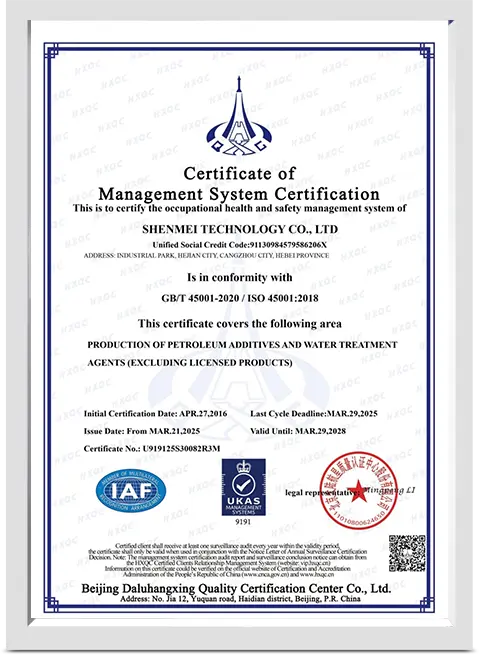
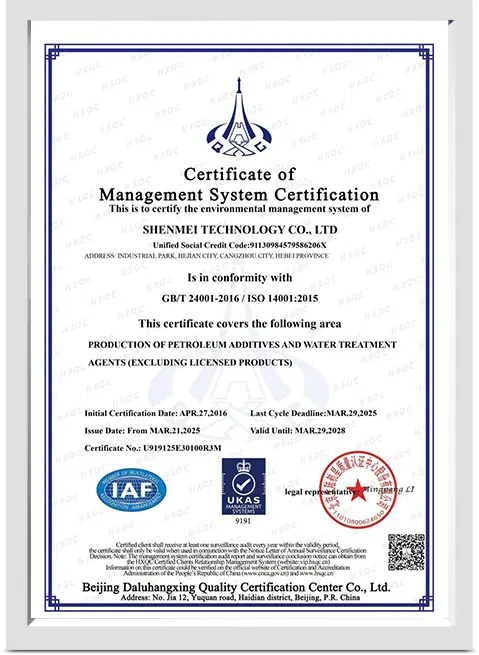
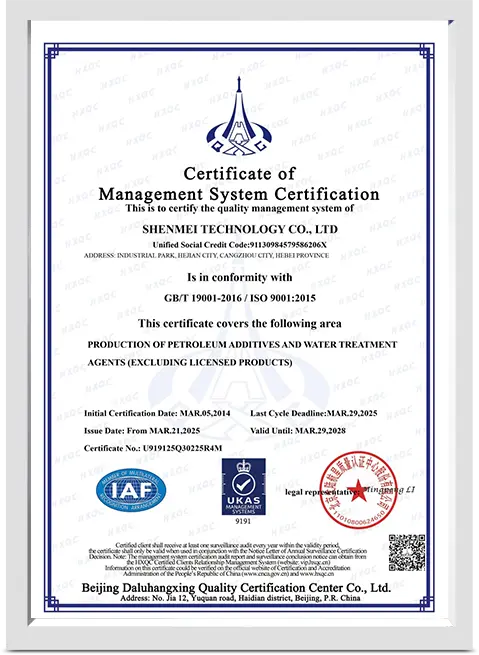
Smedic Technology has obtained qualifications such as National High-tech Enterprise, National Specialized, Refined, Unique and Innovative "Little Giant" Enterprise, Hebei Province Green Factory, and China's Science and Technology-based Innovative Small and Medium-sized Enterprise.
We have a core technical team composed of academicians, experts, professors, and senior engineers, and have established an R&D system and a technology commercialization platform centered around one academy, three research institutes, and five bases. We have established the Hebei Provincial Enterprise Technology Center, the Hebei Provincial Advanced Water Treatment Chemicals Technology Innovation Center, and the Cangzhou Water Treatment Engineering Technology Research Center. We have established an expert workstation with Tsinghua University Association of Senior Scientists and Technicians, and set up joint R&D laboratories with Shandong University and Beijing University of Technology.
Smedic was founded in 2011 in Beijing, establishing R&D foundations for water treatment chemistry.
Established a complete product portfolio for municipal wastewater treatment chemicals.
Recognized as a key national high-tech enterprise.
Established our water treatment chemicals production base in Guiyang.
Completed bases in Hebei, Shandong, and Guizhou, exceeding 1 million tons in capacity.
Officially recognized as a National Specialized, Refined, Unique and Innovative Small and Medium-sized Enterprise.
Established our provincial-level R&D platform in Hebei Province.
Recognized as a National Intellectual Property Advantage Enterprise with over 60 patents.
Formed a joint venture with the Chengdu Institute of Mineral Comprehensive Utilization, China Geological Survey to expand our line of high-performance mineral processing reagents.
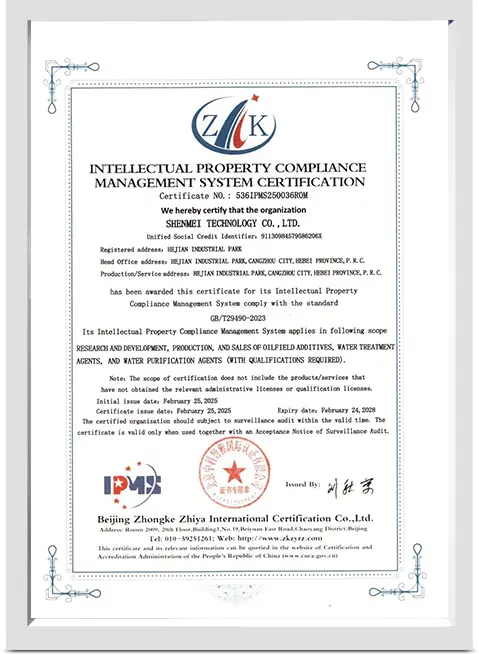
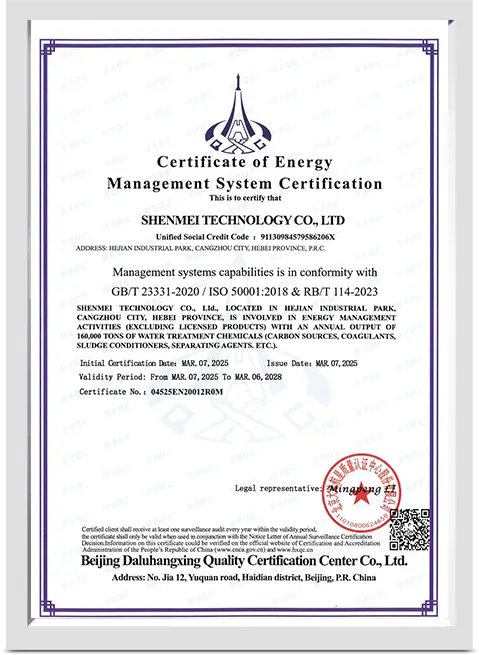
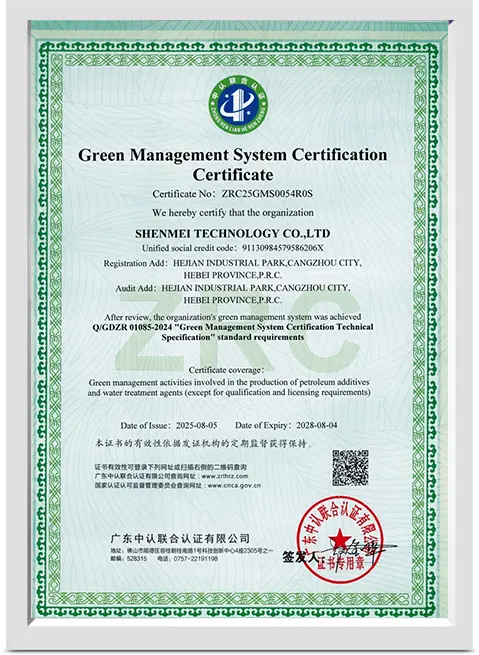
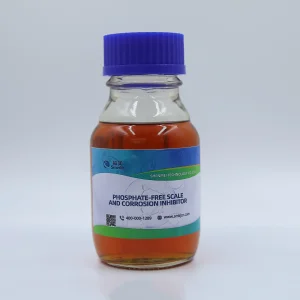
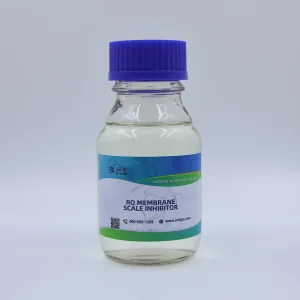
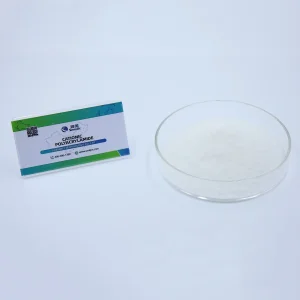
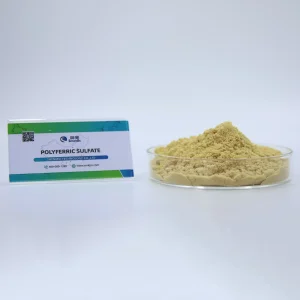
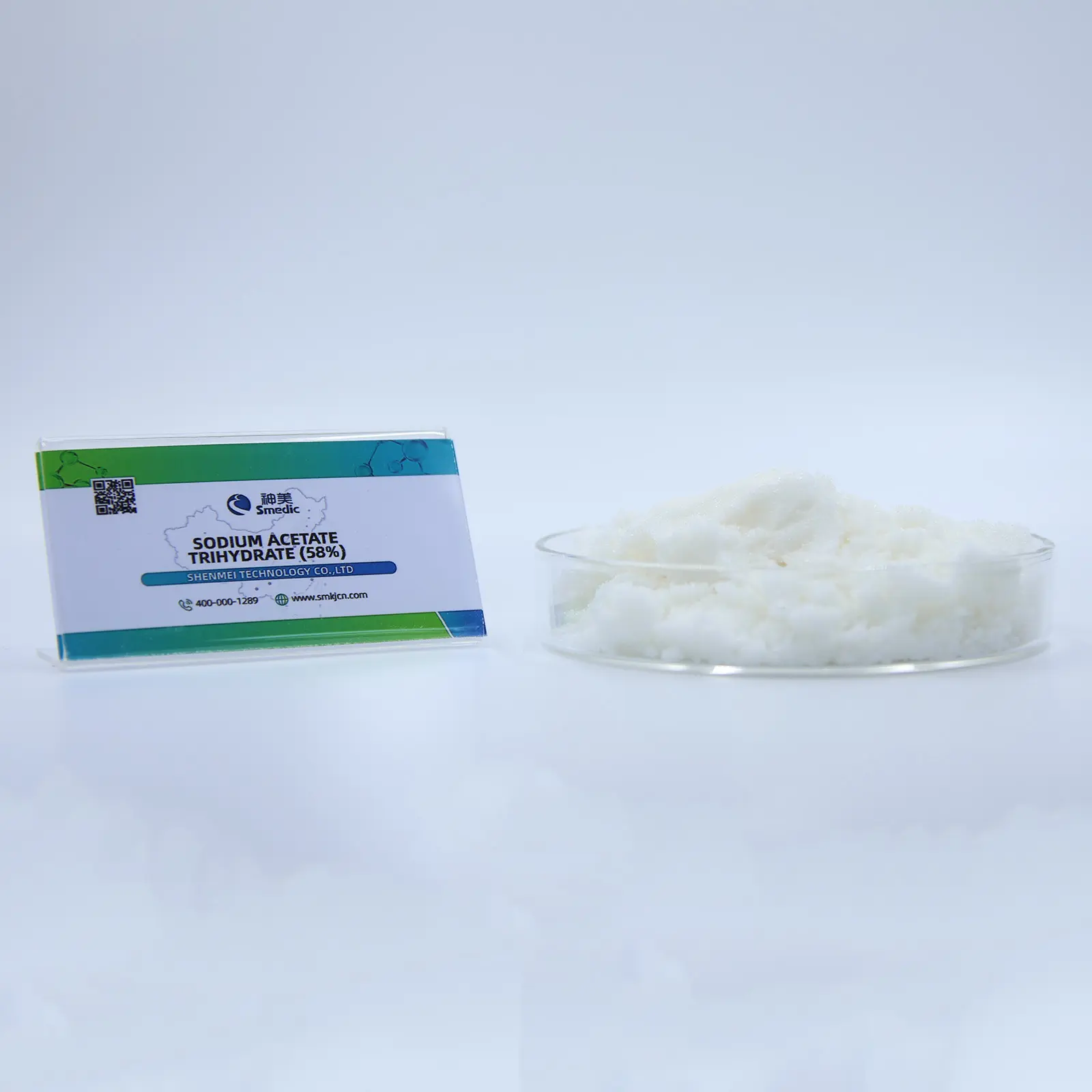
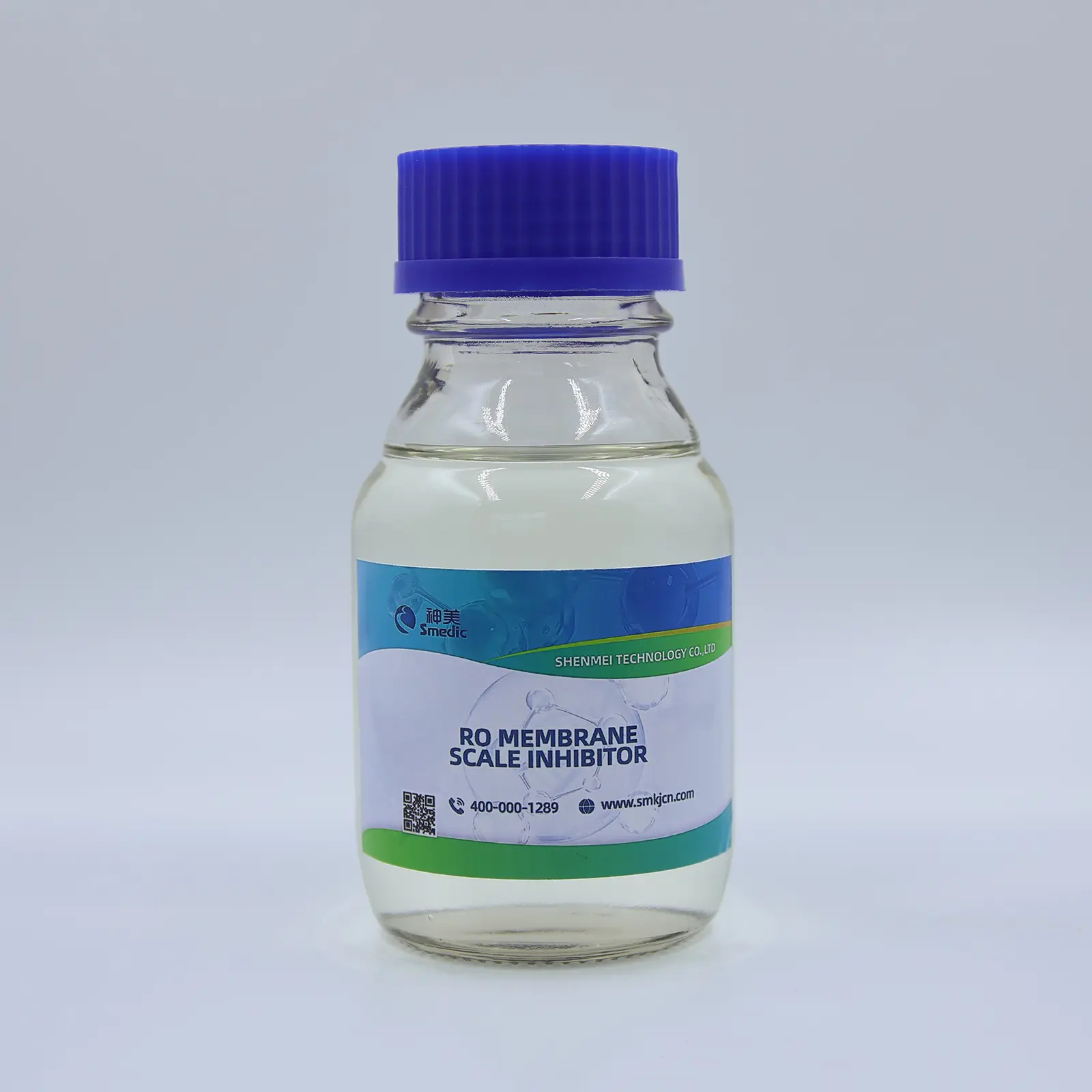
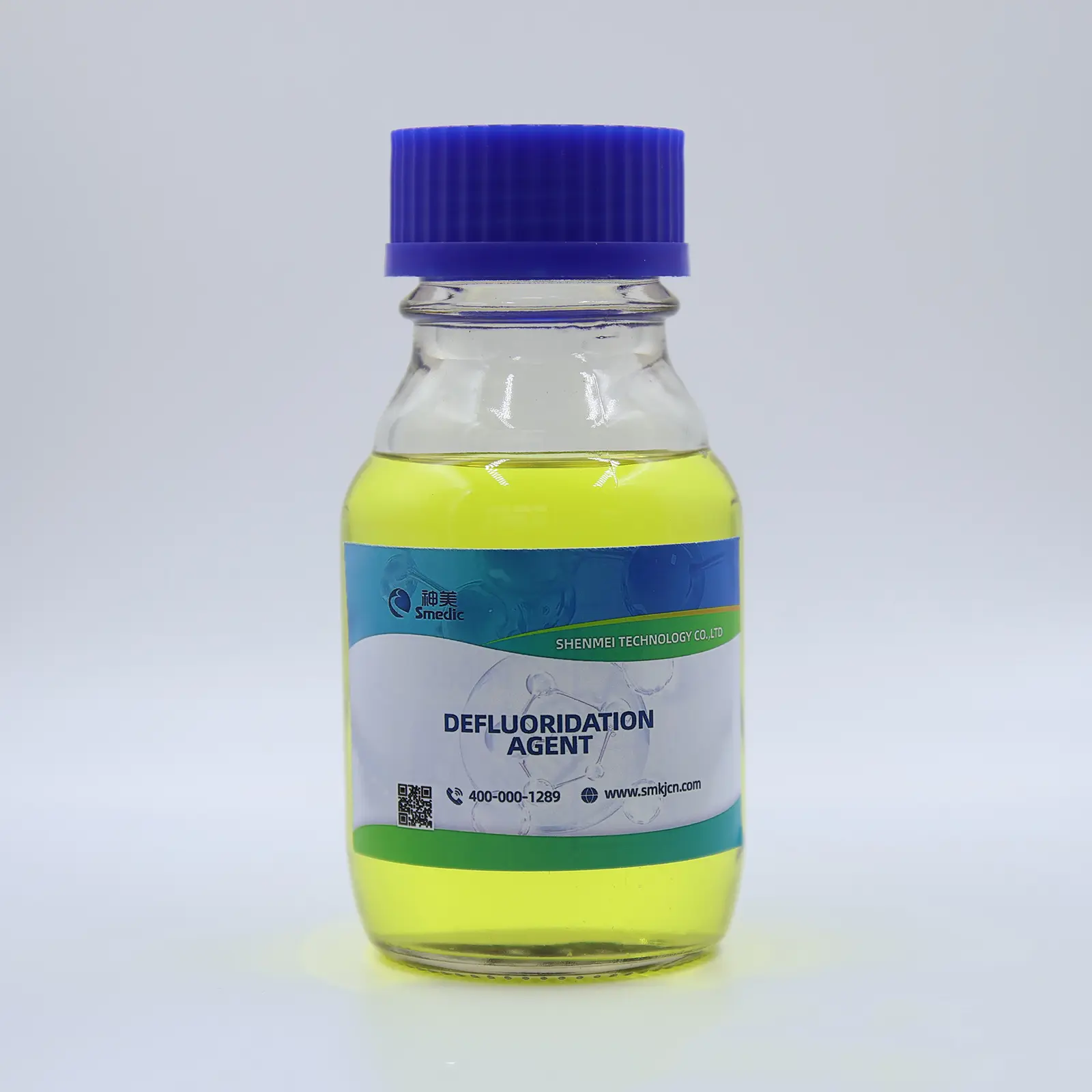
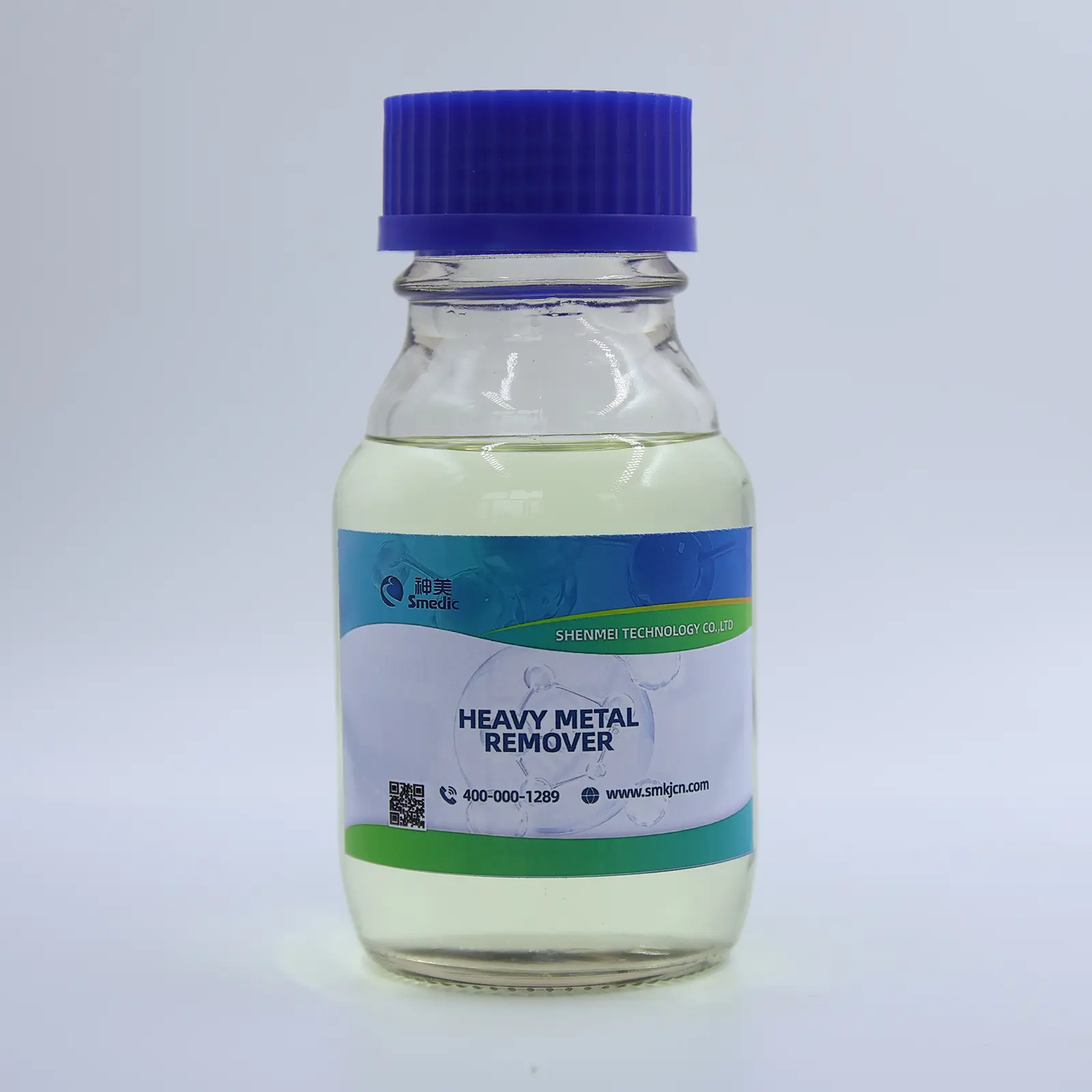
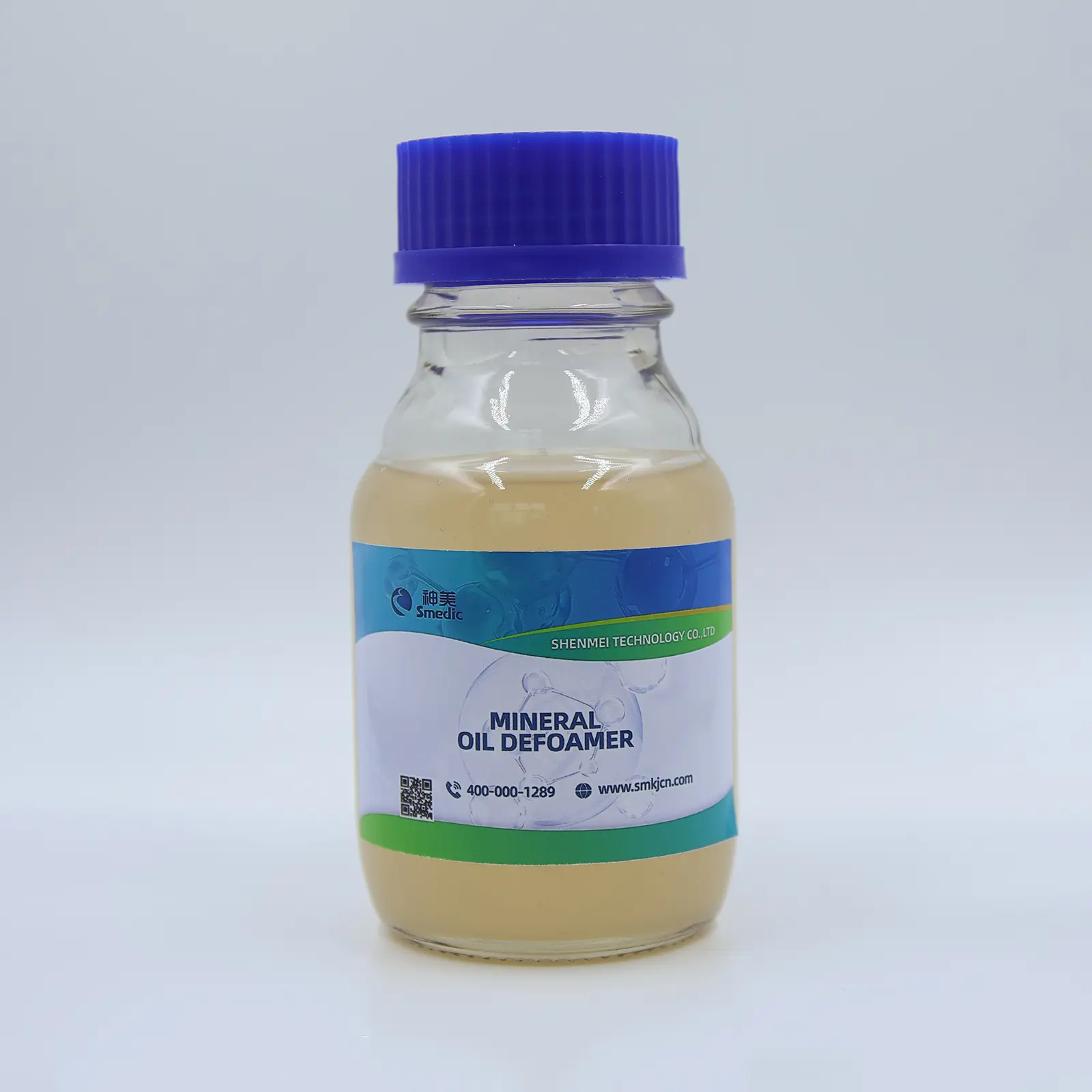
Our comprehensive portfolio of scale inhibitors, flocculants, and advanced defoamers.
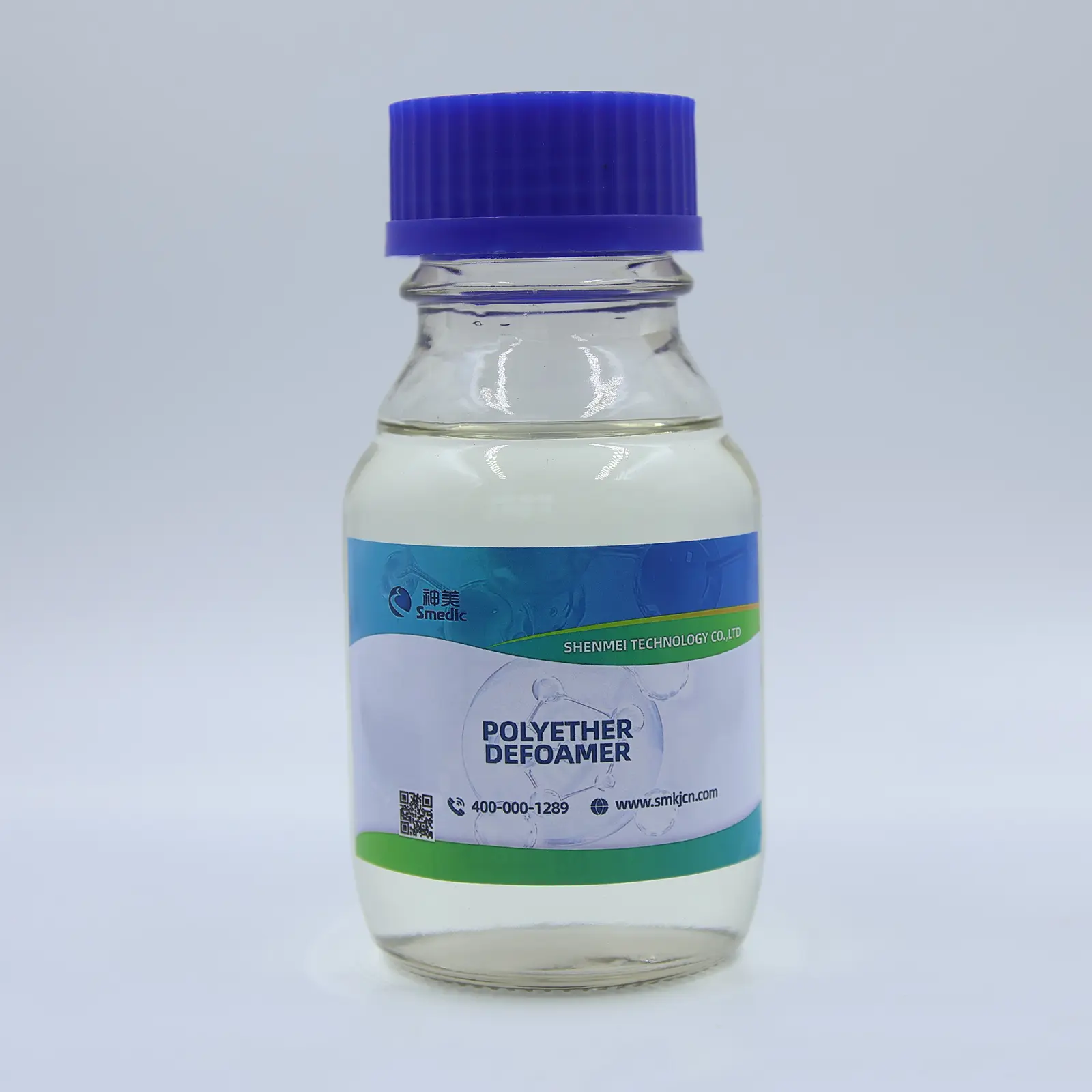
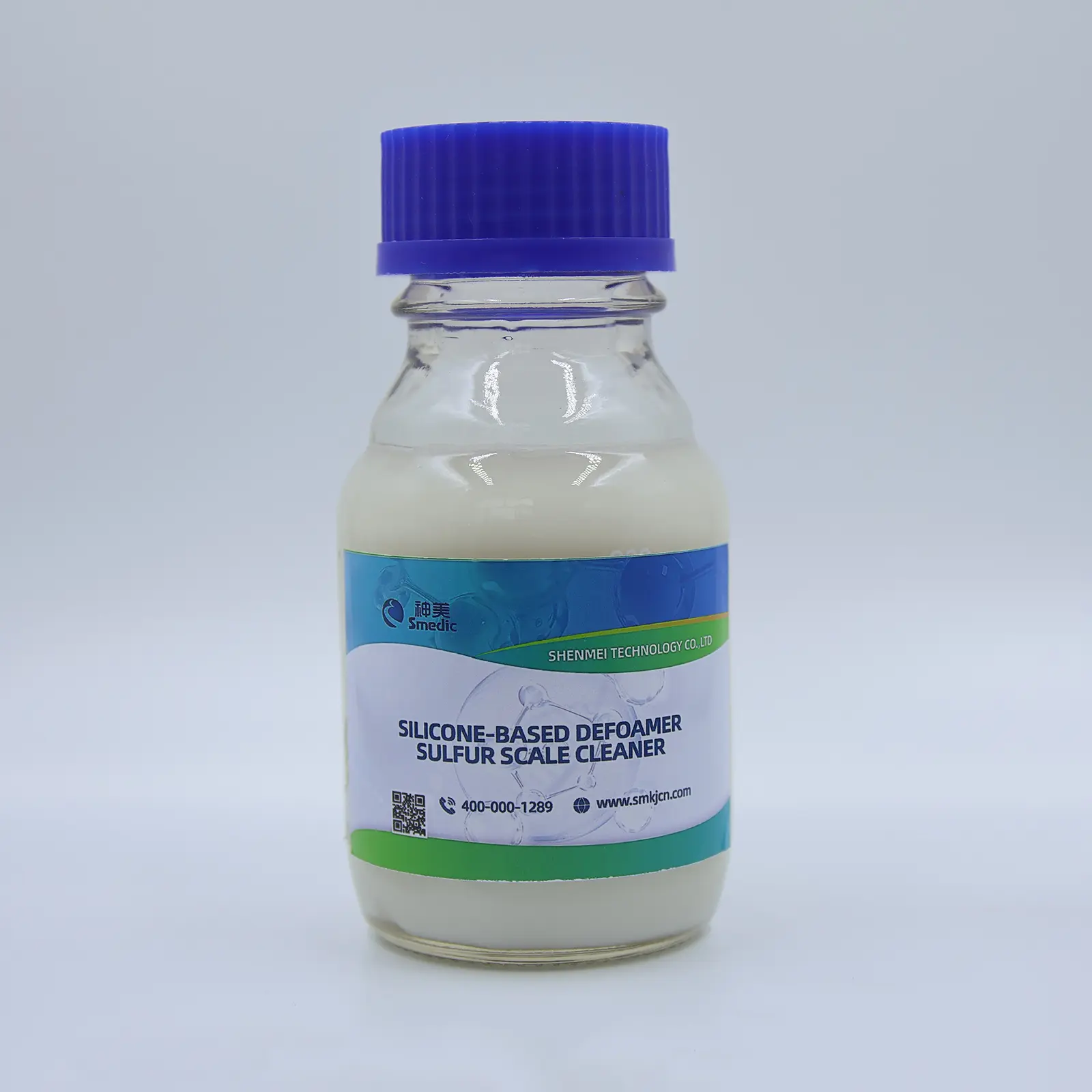
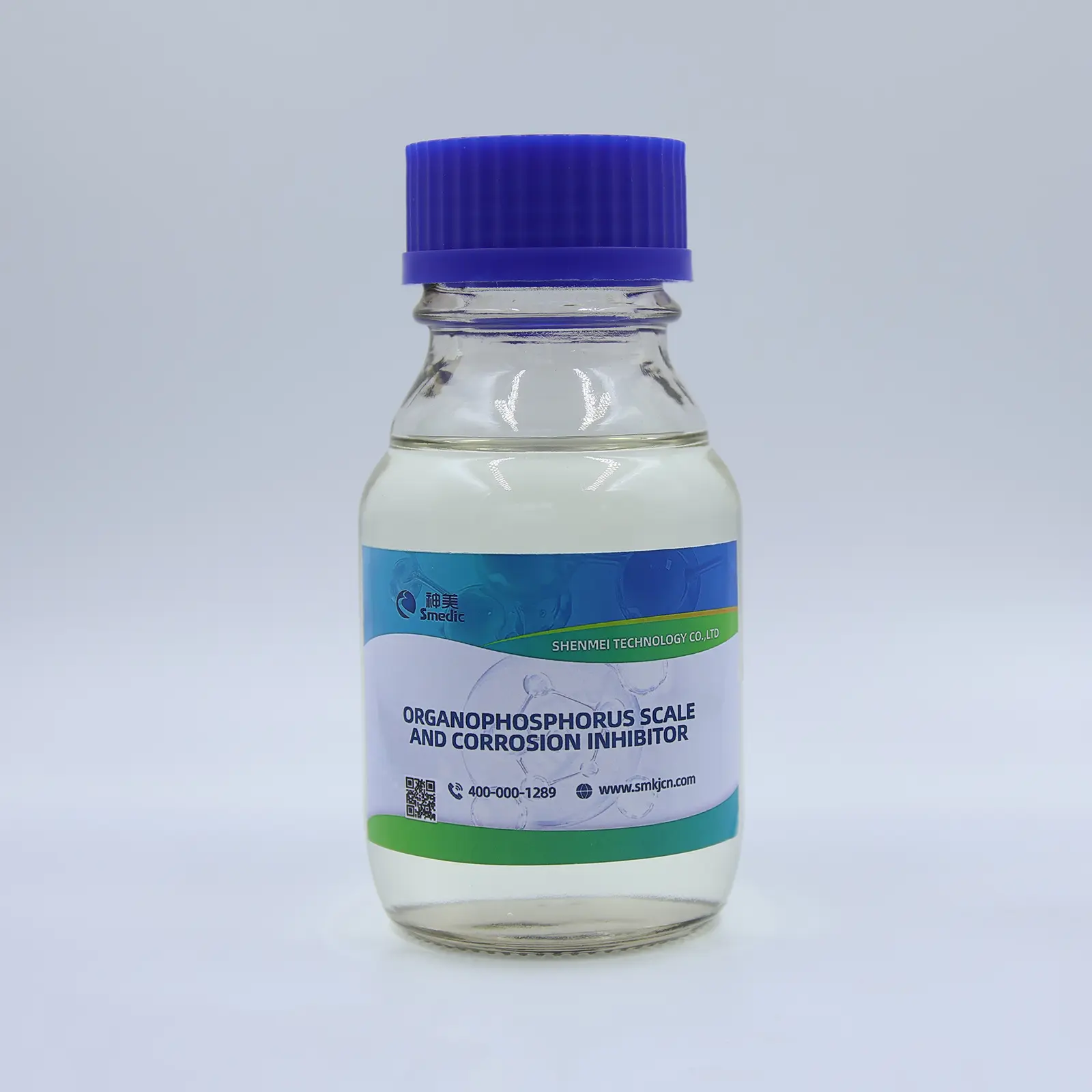
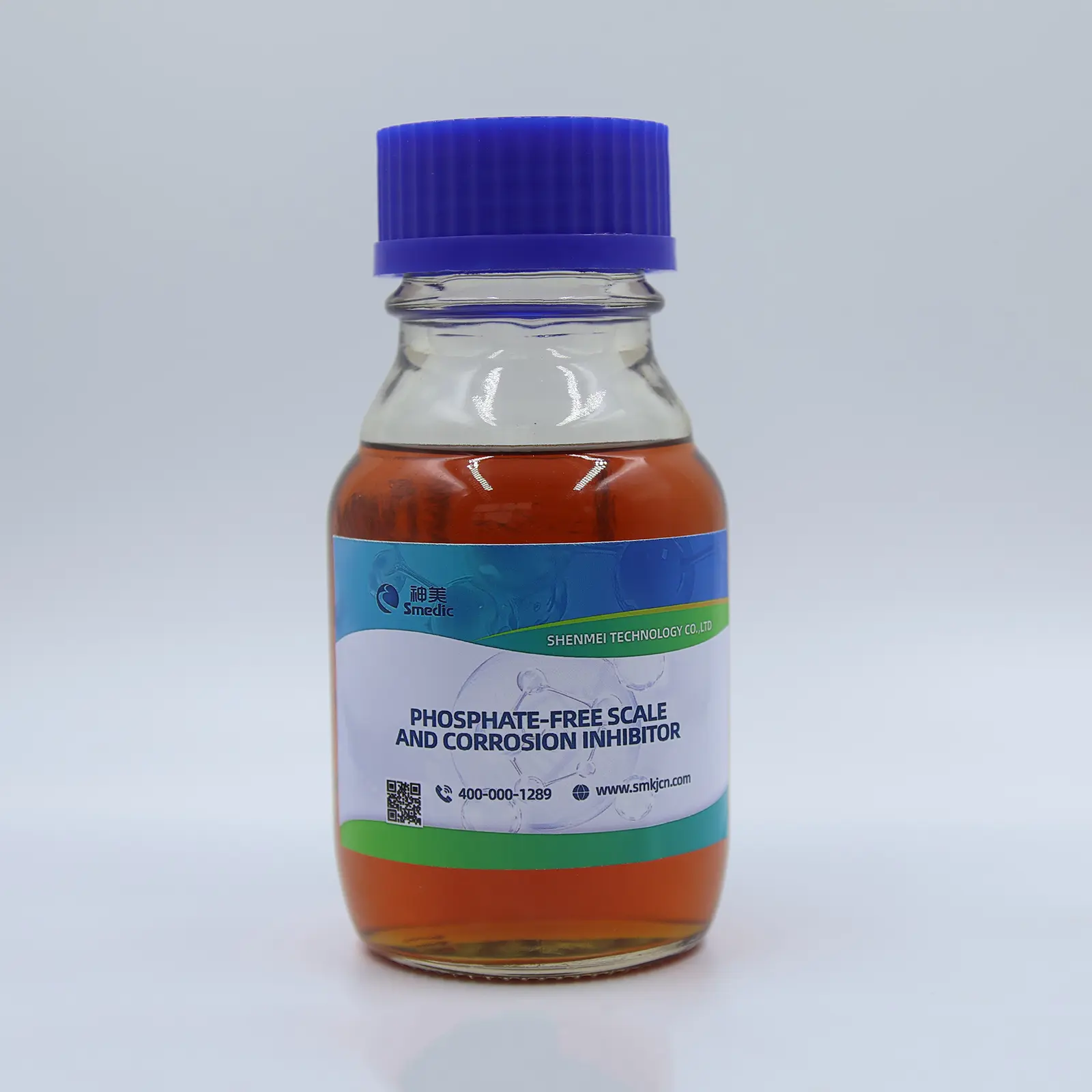
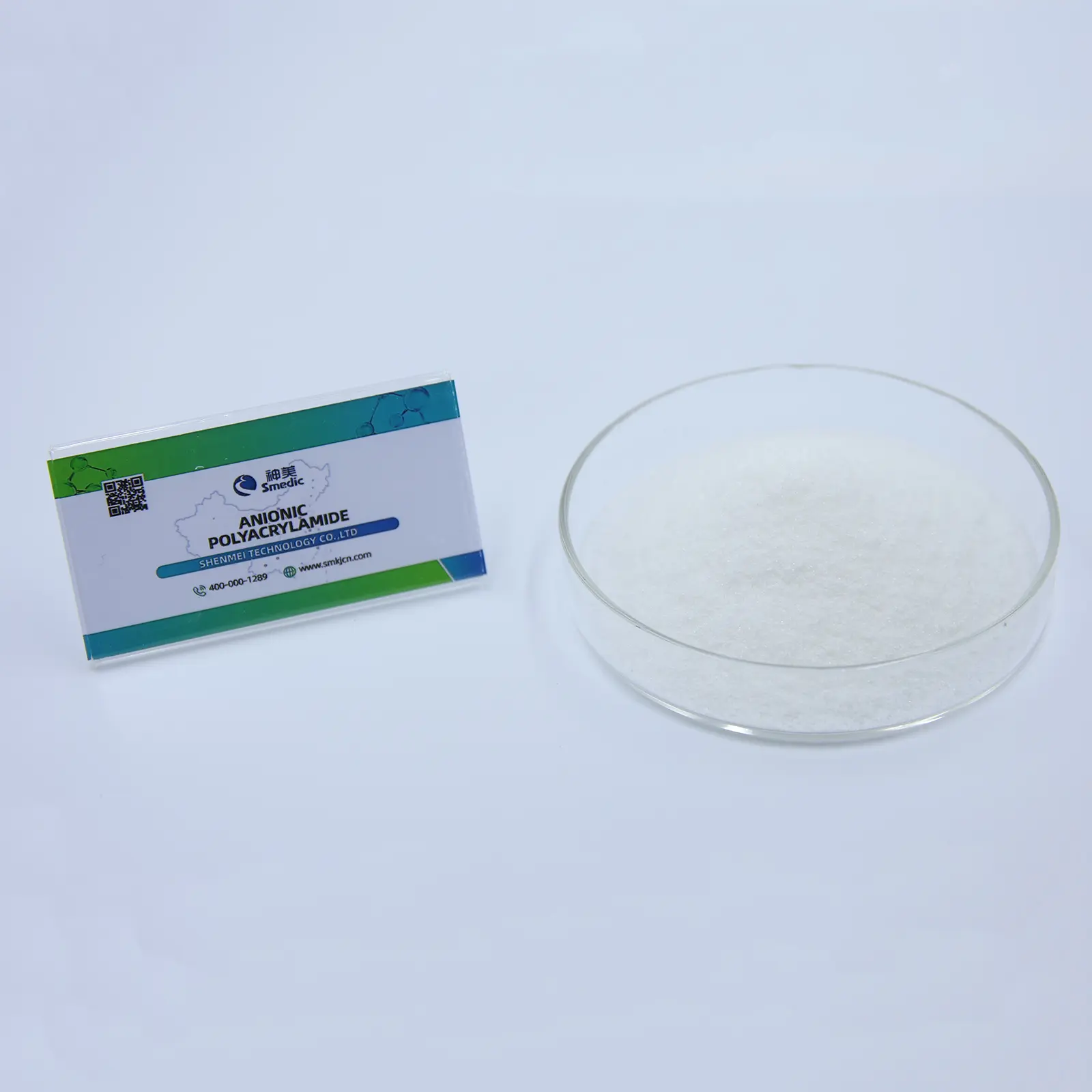
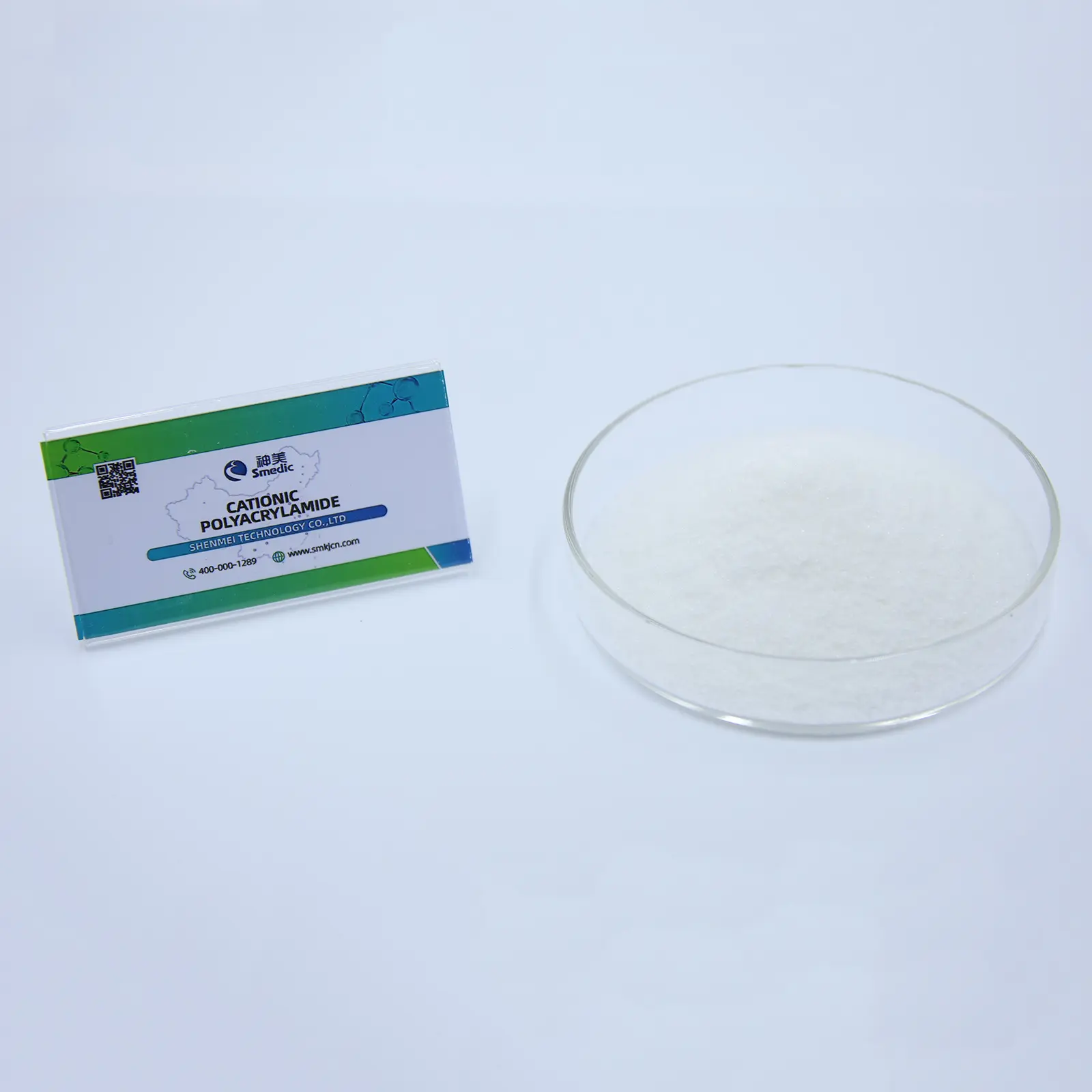
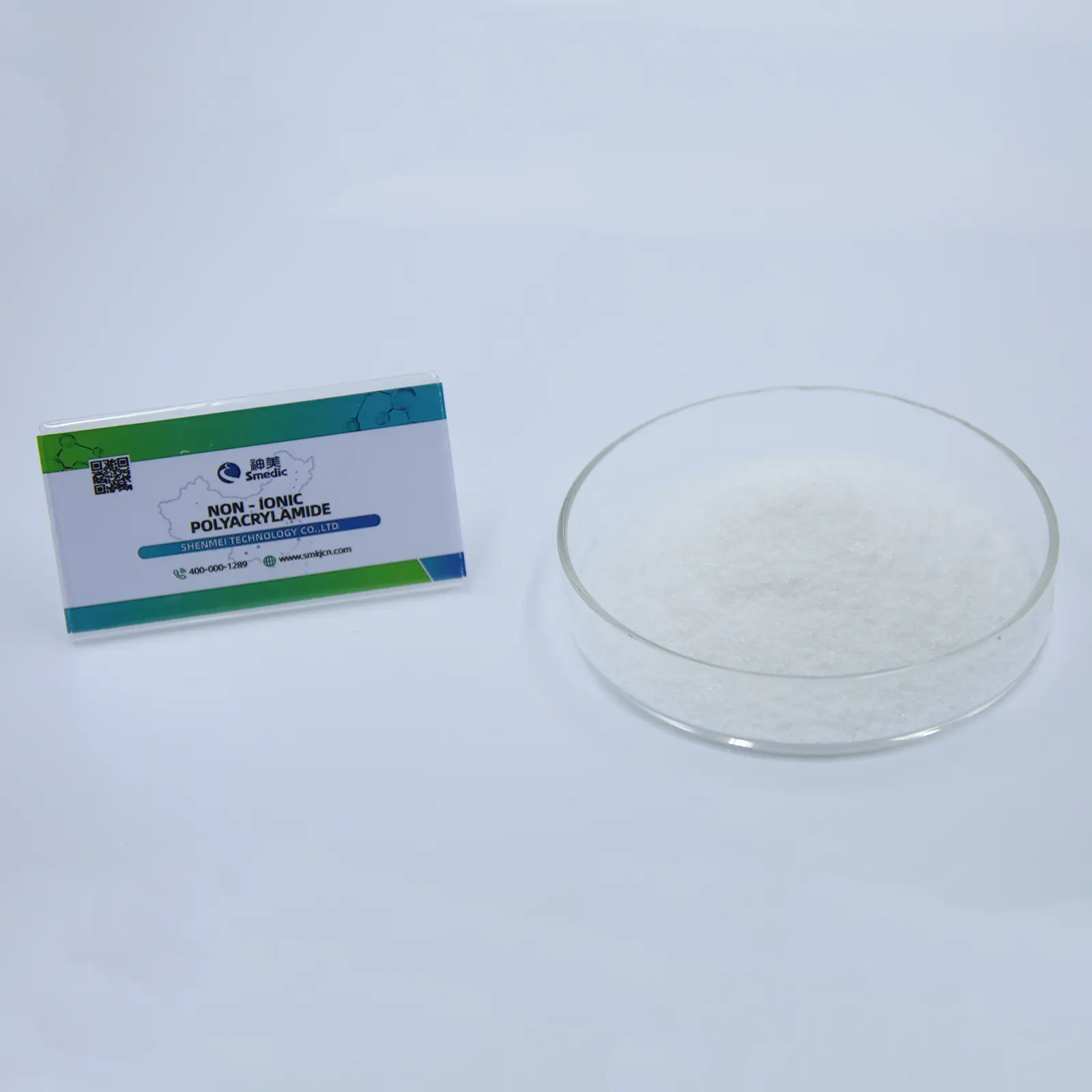
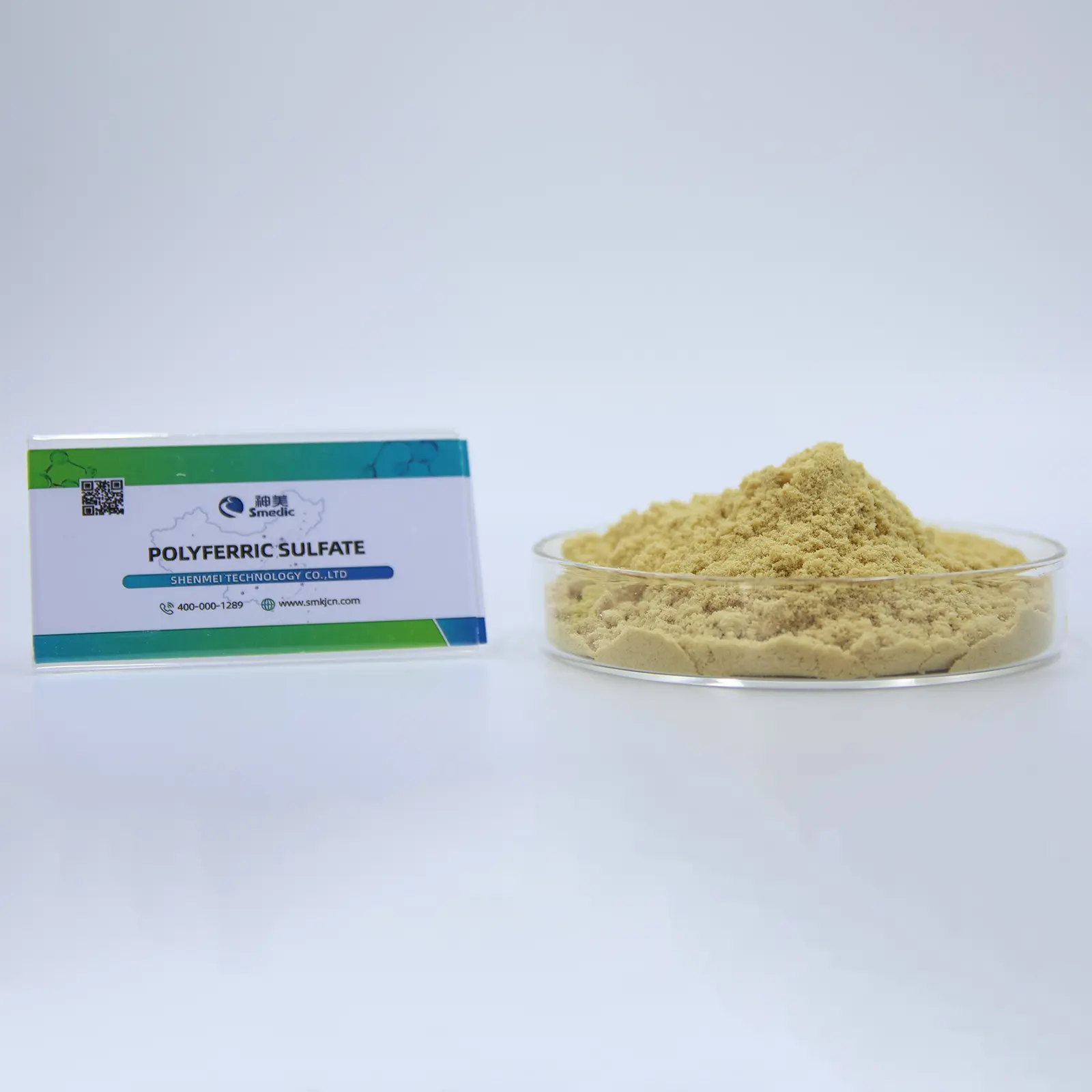
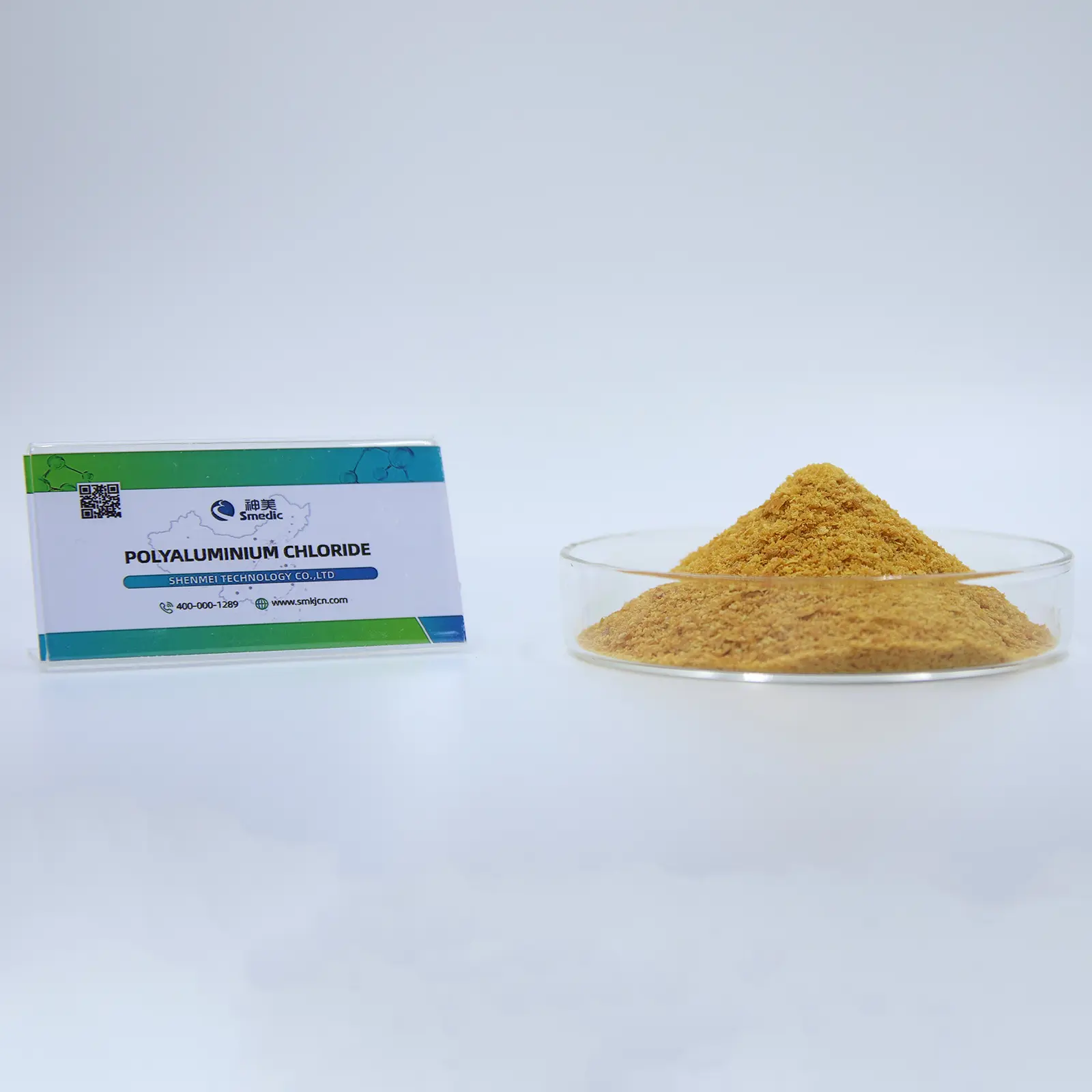
Direct engineering answers addressing stability, usage, selection, and purchasing of industrial defoaming systems.
Explore our specialized silicone agents, polymers, and water purification agents ready for global delivery.
 Smedic Tech