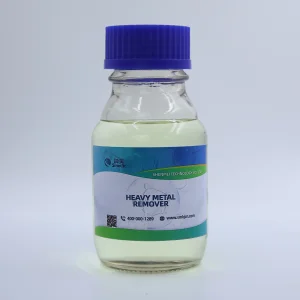
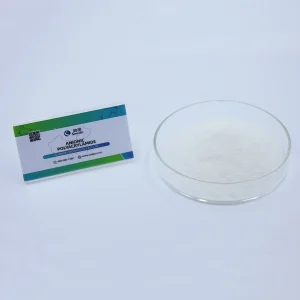
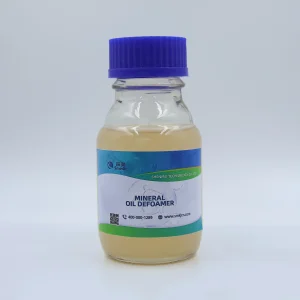
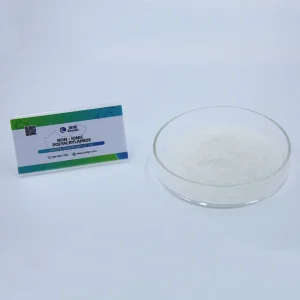
Explore our specialized chemical formulation portfolio engineered for municipal, industrial, and high-load process engineering environments.
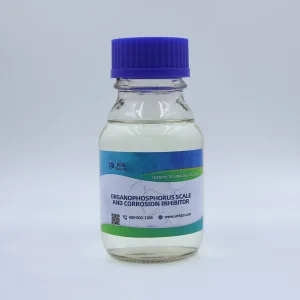
An authoritative analysis of $[Fe_2(OH)_n(SO_4)_{3-n/2}]_m$ molecular dynamics, coagulation mechanisms, and its performance advantages in modern liquid solid separation processes.
Poly Ferric Sulphate (PFS) is a highly efficient inorganic polymer coagulant characterized by a complex hydroxyl-bridged multivalent iron structure. Unlike conventional monomeric coagulants like Ferric Chloride ($FeCl_3$) or Alum, PFS forms a massive network of polymeric complexes when dissolved in water. These structures initiate rapid charge-neutralization and high-density micro-flocculation.
The catalytic formula $[Fe_2(OH)_n(SO_4)_{3-n/2}]_m$ represents a highly stable liquid or solid powder which retains its basicity between 9% and 16%. In aqueous media, it releases polynuclear hydroxyl complexes such as $[Fe_3(OH)_4]^{5+}$, $[Fe_9(OH)_{20}]^{7+}$, and $[Fe_{12}(OH)_{34}]^{2+}$, which are significantly more active at neutralizing negative colloidal charges on suspended solids than simple hydrated ferric ions.
Superior Sweep Flocculation & Sedimentation: The polymeric chains of PFS act as bridging agents that catch destabilized colloidal particles. This process, known as sweep-flocculation, produces large, dense flocs that settle up to 30% faster than those generated by aluminum-based alternatives. Additionally, the high density of iron-rich flocs significantly reduces the volume of wet sludge, lowering subsequent dehydration costs.
| Performance Parameter | Poly Ferric Sulphate (PFS) | Polyaluminum Chloride (PAC) | Ferric Chloride ($FeCl_3$) | Aluminum Sulphate (Alum) |
|---|---|---|---|---|
| Optimum pH Range | 4.0 - 11.0 (Highly Adaptable) | 6.0 - 9.0 (Narrow) | 5.0 - 8.5 (Moderate) | 6.0 - 7.5 (Very Narrow) |
| Floc Settlement Velocity | Excellent (Fast, Dense Flocs) | Moderate (Lightweight Flocs) | Good (Fragile Flocs) | Slow (Highly Hydrated Flocs) |
| Sludge Volume & Dehydration | Low volume, easily dewatered | High volume, difficult to dewater | Moderate volume, corrosive residue | Very high volume, high water content |
| Heavy Metal Complexation | Highly effective (Cr, Pb, As, etc.) | Low capability | Moderate capability | Negligible |
| Low Temp Treatment (< 5°C) | Maintains high performance | Poor hydrolysis rate | Moderate performance | Extremely poor performance |
| Residual Ion Toxicity | Non-toxic iron ions ($Fe^{3+}$) | Potential neurotoxic aluminum residue | Corrosive chloride residue | Aluminum toxicity risks |
Analyzing how Poly Ferric Sulphate behaves across different localized industries, demanding operational parameters, and target effluent limits.
In regions such as Shanxi, Shaanxi, and Guizhou, coal washing plants generate enormous volumes of highly turbid black water. PFS destabilizes the colloidal coal dust and clay matrices. Smedic has partnered with the Chengdu Institute of Mineral Comprehensive Utilization to formulate complex mineral recovery solutions using PFS alongside specialized polyacrylamides (PAM), reducing process water recycle time to under 15 minutes.
Industrial wastewater from textiles and printing contains stable, highly soluble organic pigments. Traditional aluminum coagulants struggle to break the chromophore chains. The high-valent iron ions ($Fe^{3+}$) and polymeric iron chains in PFS react with anionic functional groups on azo dyes, forming insoluble complexes that precipitate rapidly, yielding decolorization rates exceeding 95% and lowering total COD.
Oilfields produce water containing emulsified crude oils, heavy surfactants, and dissolved organic compounds. Dosing PFS breaks the oil-in-water emulsions by neutralizing the negatively charged oil droplets. The resulting micro-flocs are easily separated via dissolved air flotation (DAF), leaving a purified water phase suitable for reinjection or deep secondary processing.
Driving research and innovation in chemical synthesis to meet green regulations and maximize operational efficiencies.
Traditional manufacturing relies heavily on sodium nitrite ($NaNO_2$) catalysts, which can release nitrogen oxides (NOx) gases if unmanaged. Smedic’s R&D center is commercializing a closed-loop pressure oxidation synthesis route. By using high-pressure pure oxygen ($O_2$) and recycled nitric oxide catalysts, we have reduced emission levels by 98% while achieving high basicity levels up to 16%.
By grafting cationic or anionic polyacrylamide directly onto the inorganic PFS core during the polymerization phase, we create composite coagulants. These hybrids possess high charge density and long polymer chains. This single-dosing solution replaces the traditional two-stage dosing process, cutting capital equipment costs by half in new WWTP installations.
Overdosing coagulants wastes chemical agent and increases operational costs, while underdosing risks compliance violations. Smedic is integrating real-time UV-Vis spectrophotometers and streaming current detectors (SCD) with feedback algorithms. This system dynamically regulates PFS dosing pumps based on raw water fluctuations, cutting chemical consumption by up to 25%.
Smedic Technology has built a robust supply network to ensure reliable delivery to global clients. Operating multiple production bases in Hebei, Guizhou, and Shanxi, along with ten OEM partner factories and regional warehouses, we maintain an annual capacity exceeding 1 million tons. This regional distribution mitigates transportation disruptions and ensures rapid delivery.
China leads global production of Poly Ferric Sulphate due to deep vertical integration. The key raw materials, Ferrous Sulphate ($FeSO_4\cdot7H_2O$) and Sulphuric Acid ($H_2SO_4$), are byproducts of titanium dioxide extraction and metal smelting. This proximity to raw materials insulates production from volatile price shifts.
Additionally, our transport infrastructure enables efficient movement from production bases in Hebei and Shanxi directly to major ports like Tianjin and Qingdao. Smedic ensures consistent chemical quality through strict testing protocols, covering raw materials, intermediate processing, and final packaging.
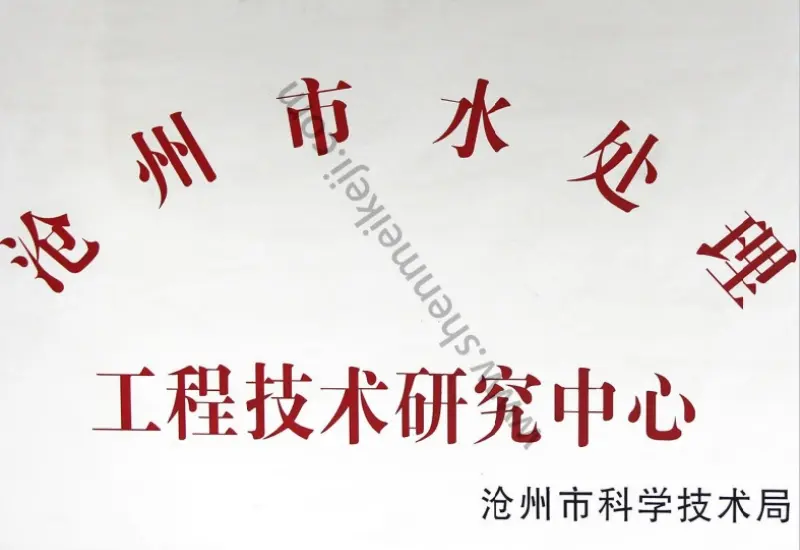
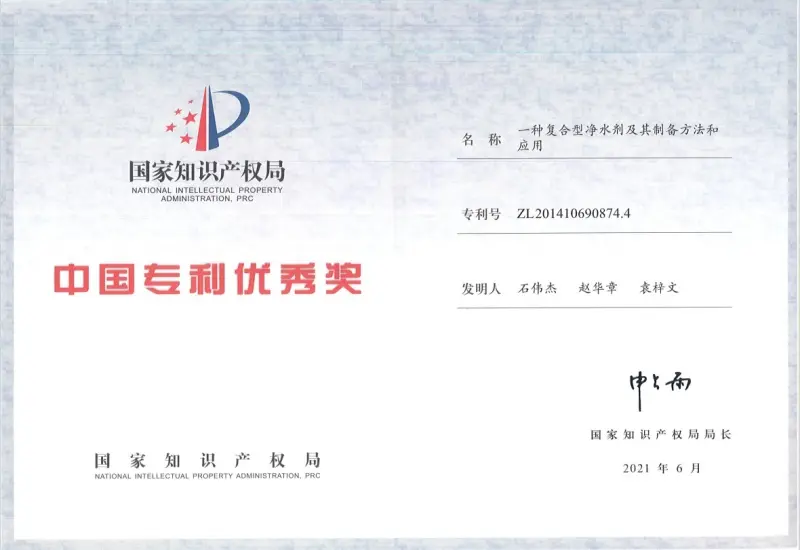
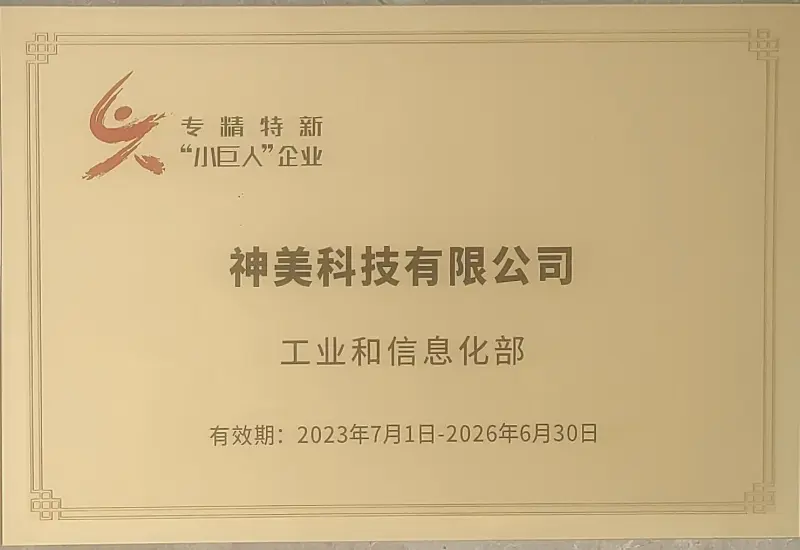
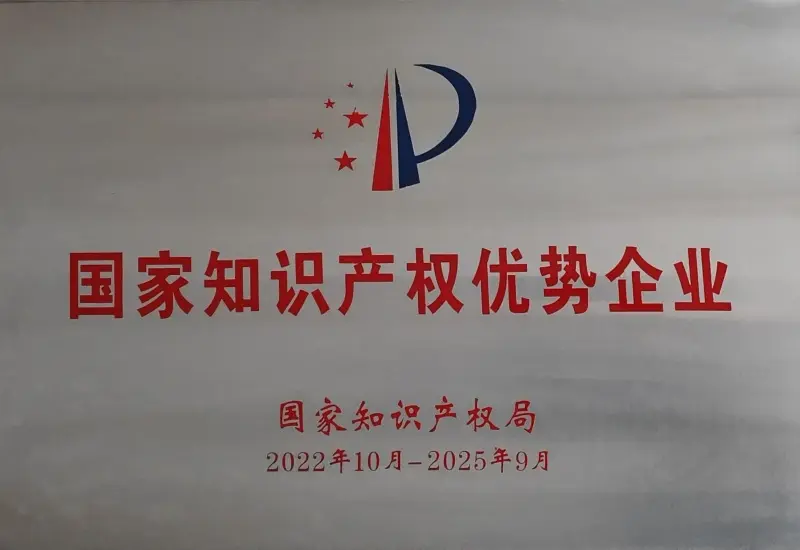
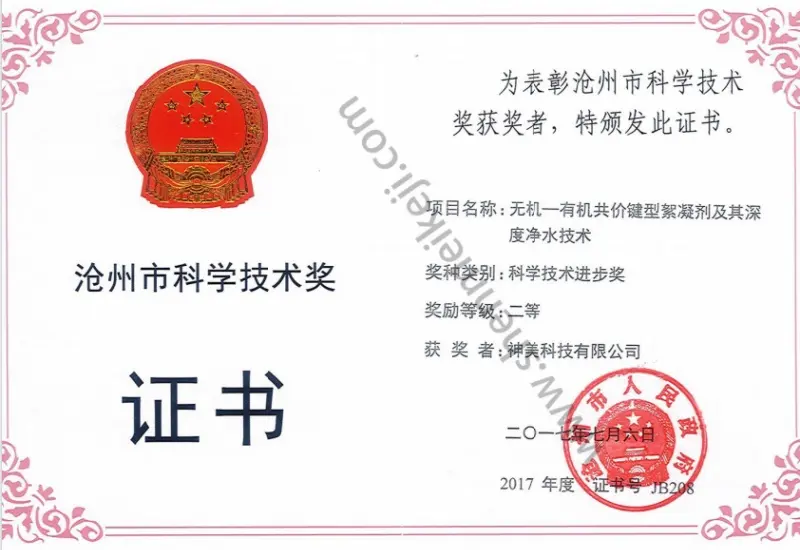
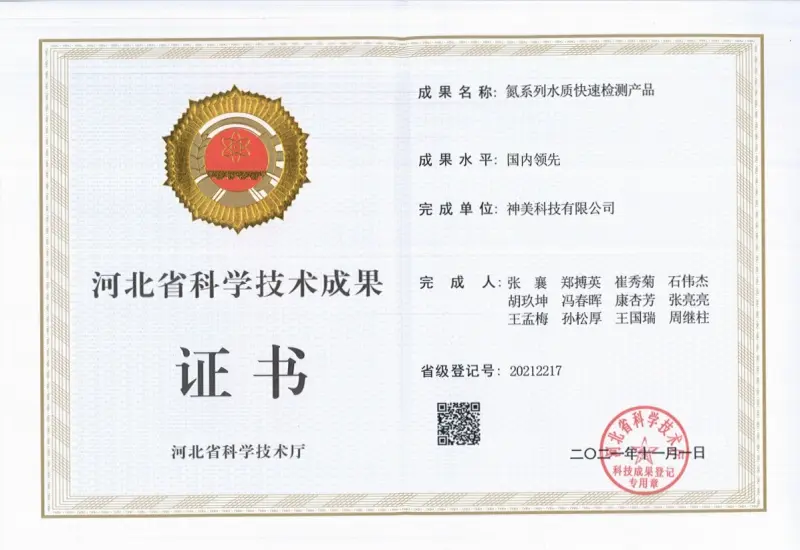
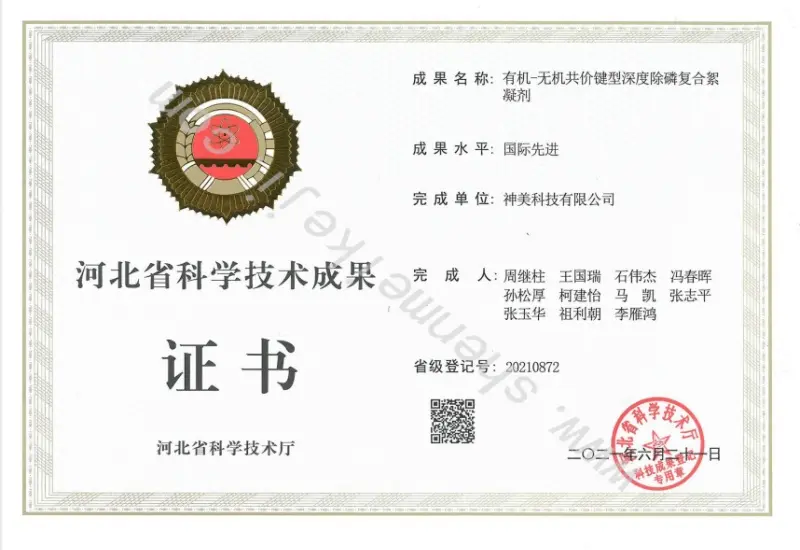
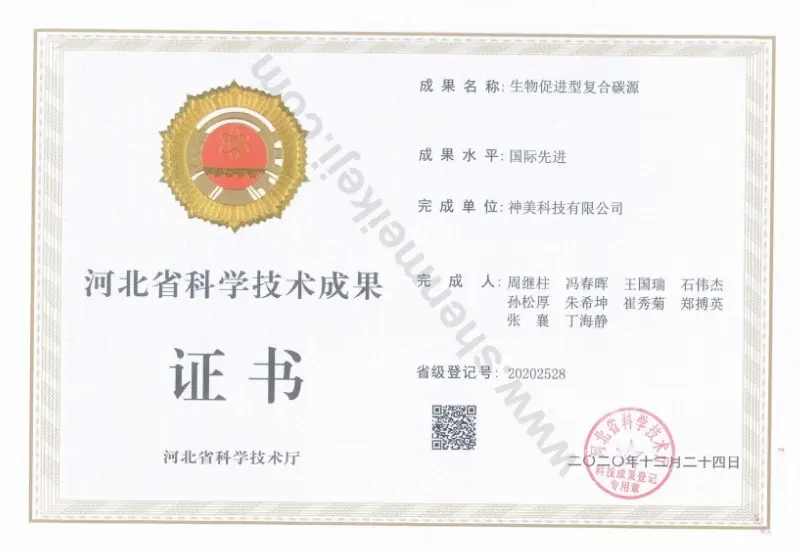
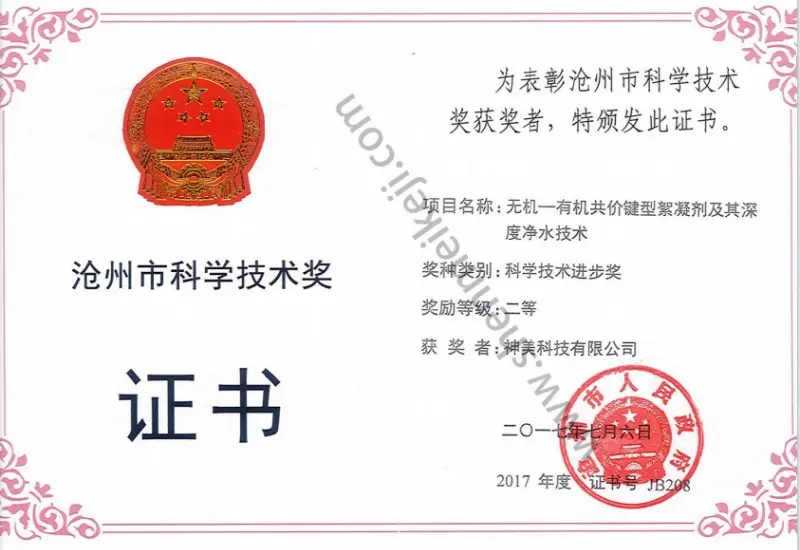
A testament to Smedic’s R&D-driven approach, holding over 60 patents and recognized as a National "Little Giant" Enterprise.
Established in 2011, Smedic Technology is a comprehensive environmental chemical solutions provider integrating R&D, manufacturing, sales, and field engineering. We specialize in water purification reagents, mineral processing aids, and oilfield chemical solutions, offering more than 80 types of high-performance products.
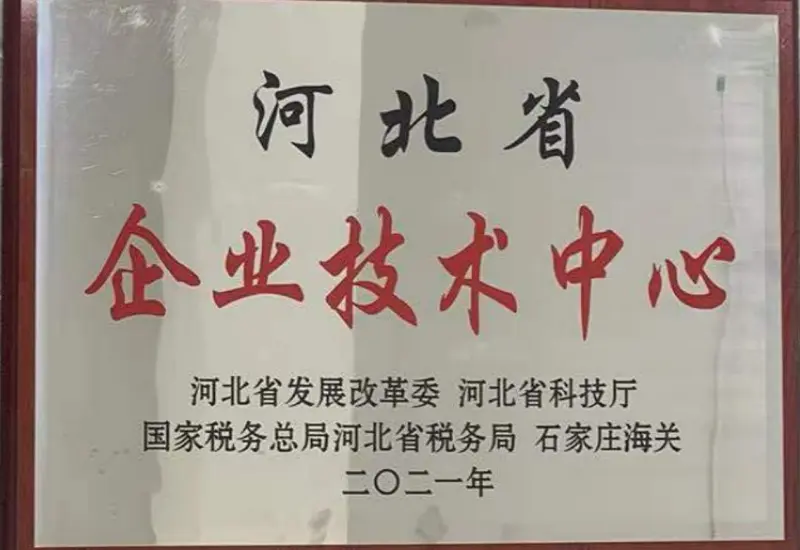
Our research framework centers around "one academy, three research institutes, and five production bases." We hold the Hebei Provincial Enterprise Technology Center and the Hebei Provincial Advanced Water Treatment Chemicals Technology Innovation Center designations. These platforms are supported by academic collaborations with Tsinghua University, Shandong University, and Beijing University of Technology, turning scientific research into commercial solutions.
National Recognition: Smedic is designated as a National Specialized, Refined, Unique, and Innovative "Little Giant" Enterprise. Our proprietary technologies, including bio-enhanced denitrification carbon sources and deep multi-nuclear phosphorus removal agents, have been recognized as "internationally advanced" by regional science councils.
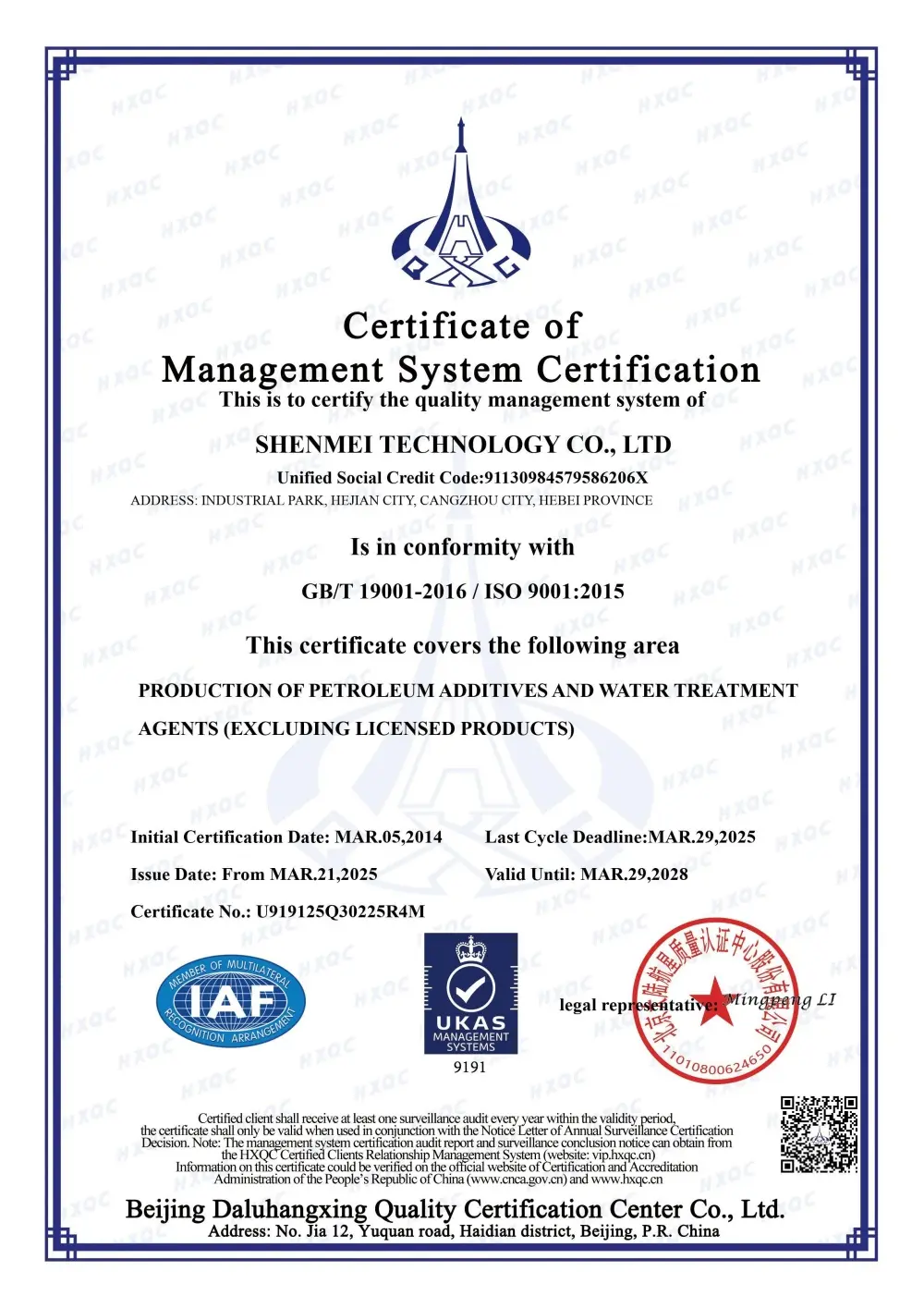
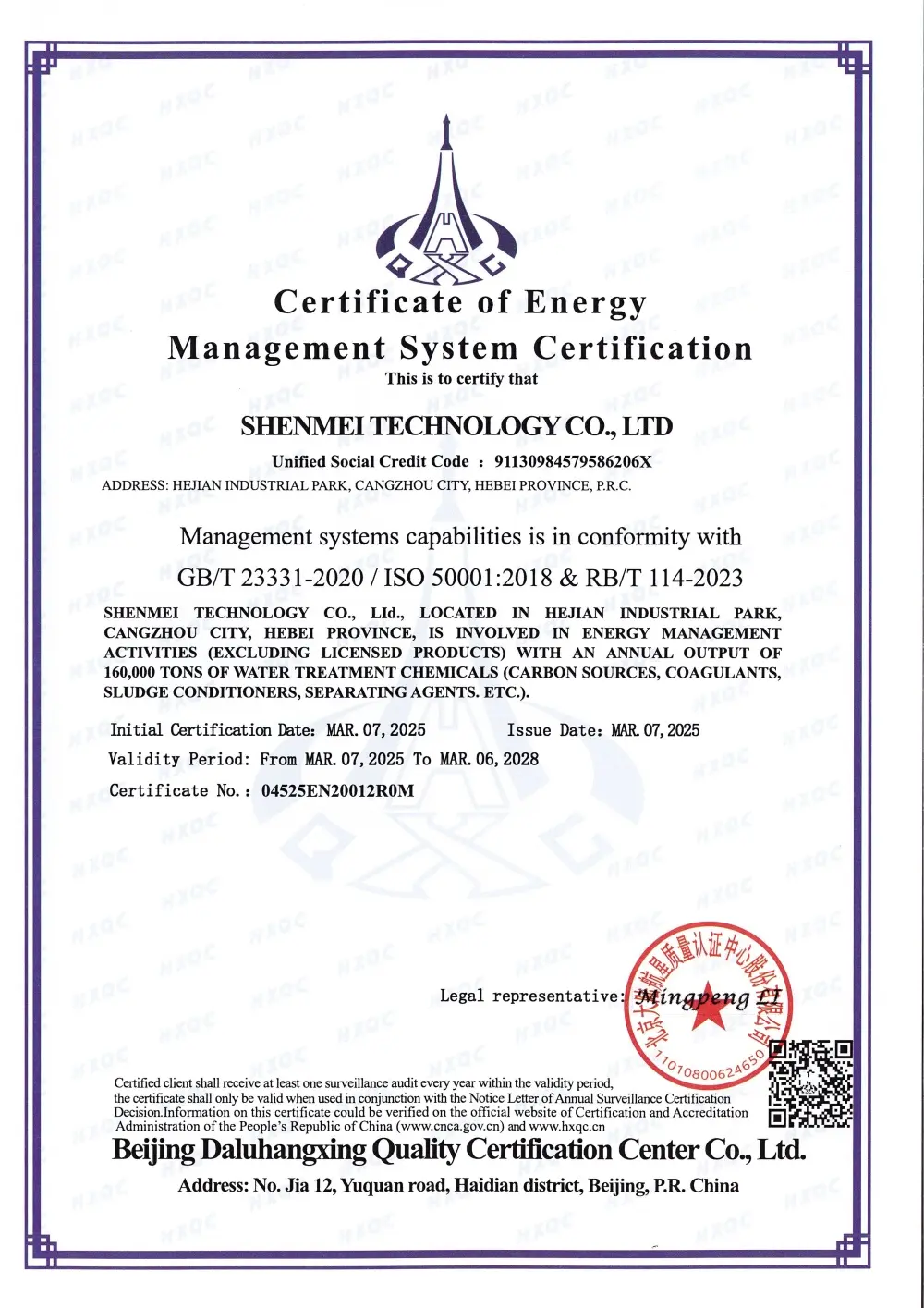
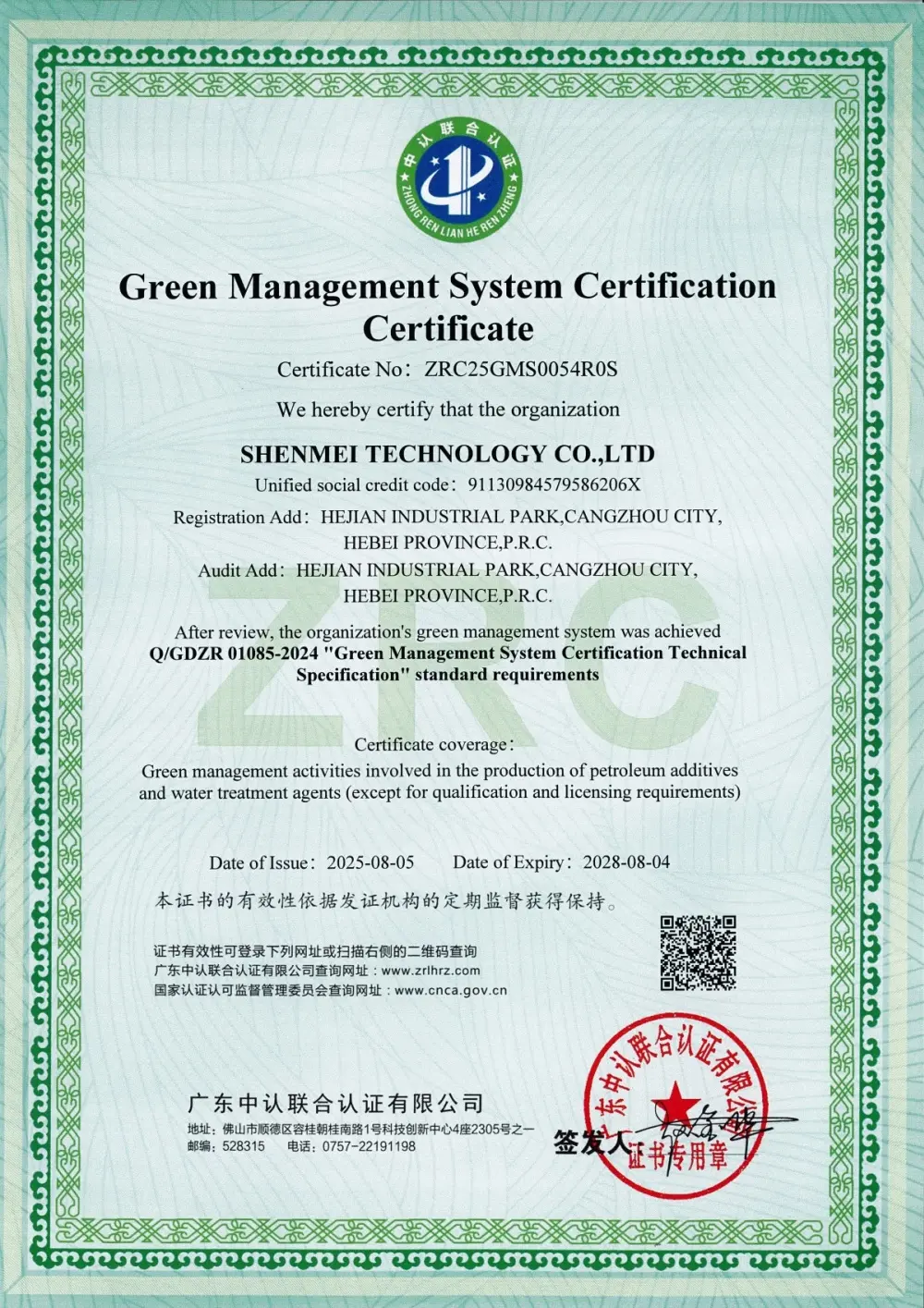
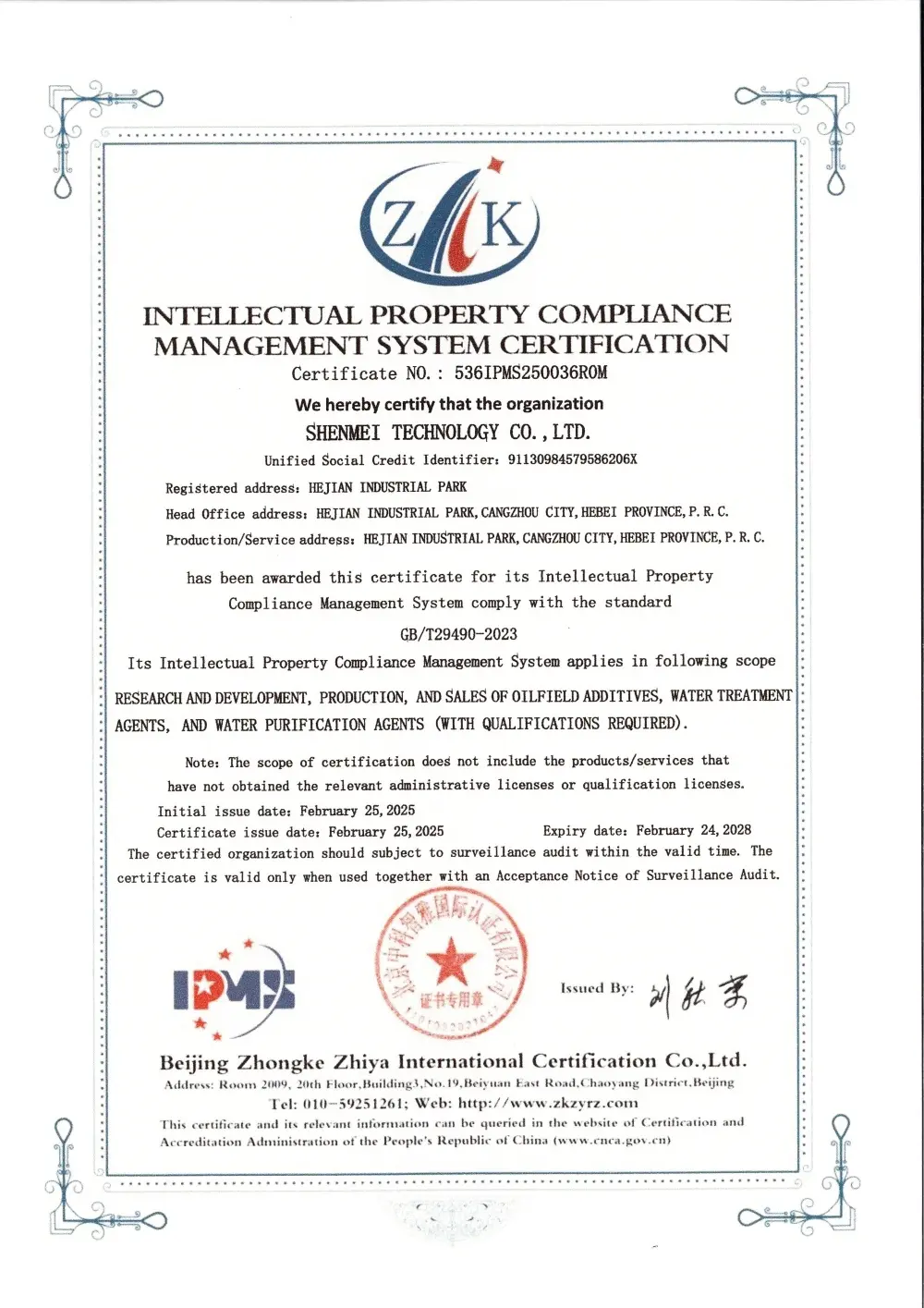
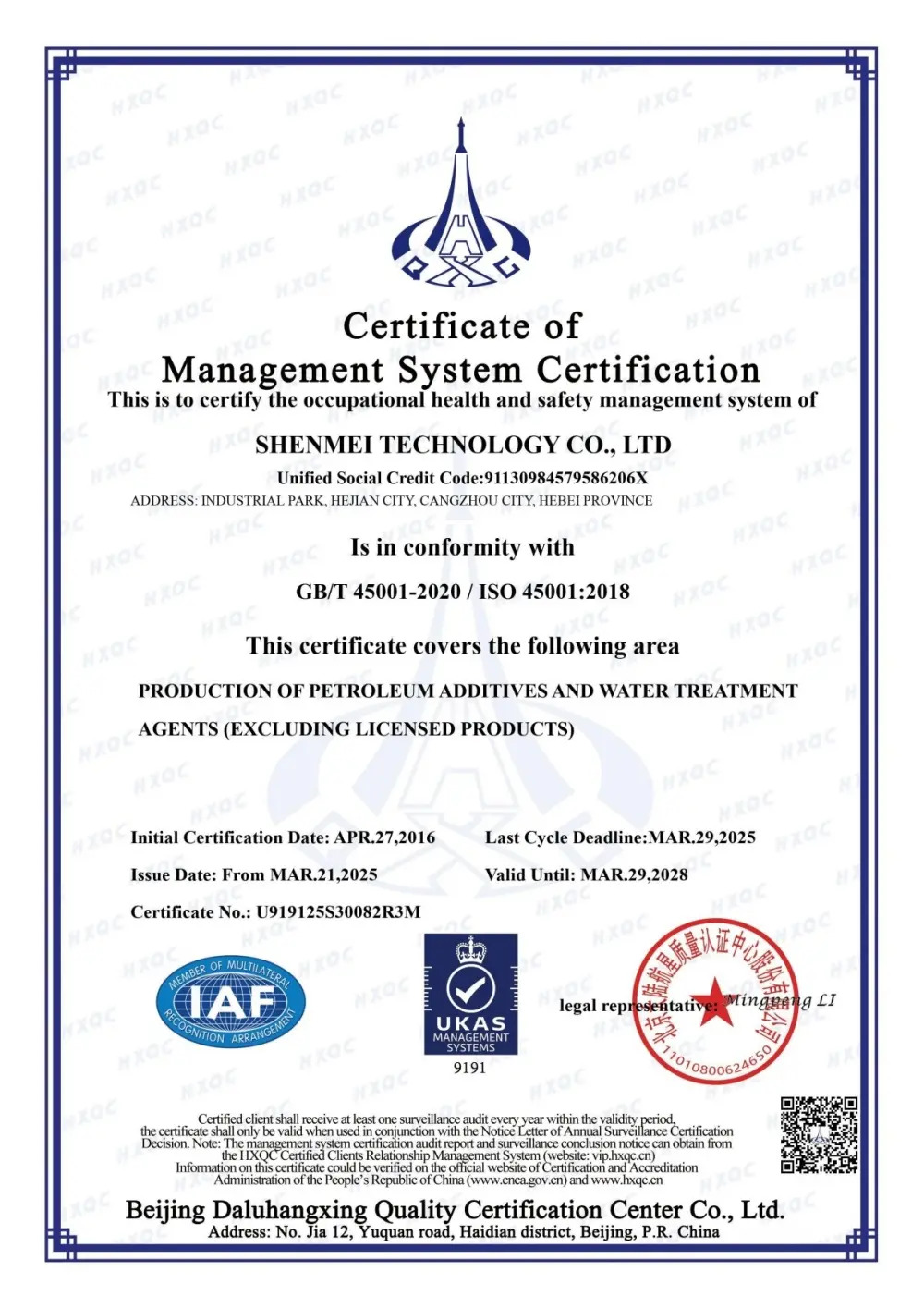
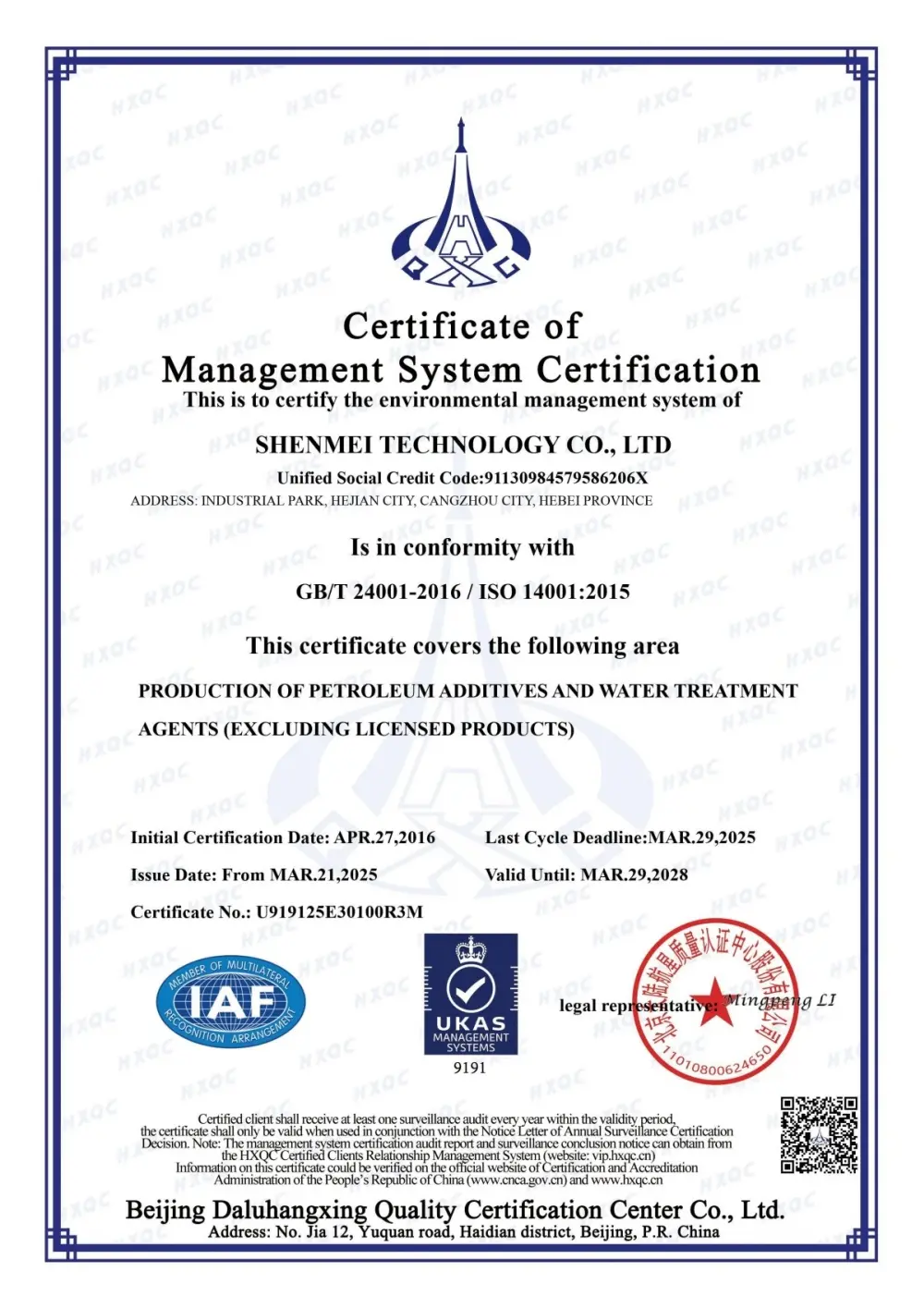
Navigating complex international safety registrations, local import regulations, and technical support frameworks.
Exporting industrial water chemicals requires adherence to global regulatory frameworks. Smedic ensures our Poly Ferric Sulphate and associated products comply with EU REACH registration, US NSF/ANSI Standard 60 (for drinking water chemicals), and regional environmental regulations. Each shipment is accompanied by complete, multi-language SDS (Safety Data Sheets) conforming to the GHS system.
PFS is acidic and moderately corrosive to carbon steel. Smedic supplies liquid PFS in dedicated chemical tankers or standard 1000L IBC totes lined with high-density polyethylene (HDPE). Solid PFS powder is packaged in moisture-proof 25kg PP/PE bags. We recommend storage in cool, dry facilities away from strong bases and active metals.
We provide comprehensive engineering support, including laboratory jar testing, full-scale plant trials, and chemical compatibility assessments. Smedic's field technicians help optimize dosing parameters to ensure compliance with local effluent limits, such as Europe's Urban Wastewater Treatment Directive or municipal discharge standards.
Answers to complex chemical engineering and purchasing questions regarding PFS implementation.
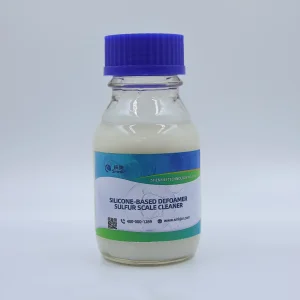
Browse our broader range of coagulants, flocculants, corrosion inhibitors, and foam control solutions.
 Smedic Tech