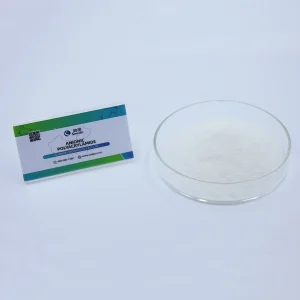
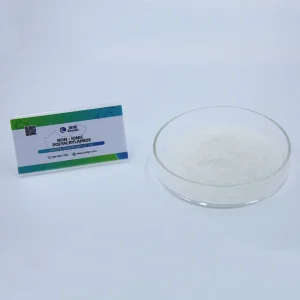
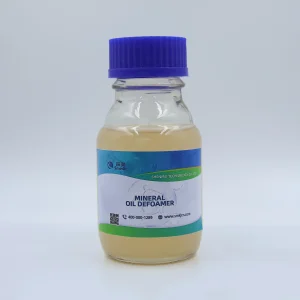
Advanced scale inhibitors, defoamers, and flocculants engineered to meet demanding industrial specifications.
Unlocking optimal separation efficiency in complex municipal, mineral, and petrochemical matrices.
In modern industrial process engineering, the separation of suspended solids from liquid phases represents a critical operational bottleneck. Anionic Polyacrylamide (APAM) stands as the gold standard of water-soluble synthetic polymers, utilizing its high molecular weight and specific charge densities to orchestrate rapid aggregation of particulate matter. As a leading China Anionic Pam Manufacturer and Exporter, Smedic Technology is dedicated to providing chemically optimized polymer chains that address these fundamental interface challenges with maximum efficiency.
The molecular configuration of Anionic Polyacrylamide is characterized by a linear carbon backbone decorated with both hydrophilic amide groups (–CONH2) and negatively charged carboxylate groups (–COO–). This copolymer structure is typically synthesized via the co-polymerization of acrylamide monomers with acrylic acid, or through the controlled partial hydrolysis of pure polyacrylamide. The presence of carboxyl groups imparts a negative charge along the polymer chain in aqueous solutions, causing the molecule to stretch out through electrostatic repulsion. This extended conformation is highly favorable for the physical interception and adsorption of suspended particles, forming the foundation of the polymeric "bridging" mechanism.
Optimized for highly acidic suspensions or slurries with low overall ionic strength. Ideal for precise mineral flotation systems and specialized chemical processing circuits.
The standard choice for municipal sludge dewatering and general industrial wastewater operations. Offers a robust balance of charge neutralization and polymer bridging capacity.
Tailored for highly alkaline environments and matrices containing dense inorganic suspensions, such as granite washing, sand processing, and metal concentrate filtration.
Leading the Transition to High-Performance, Low-Carbon Water Treatment Chemistry
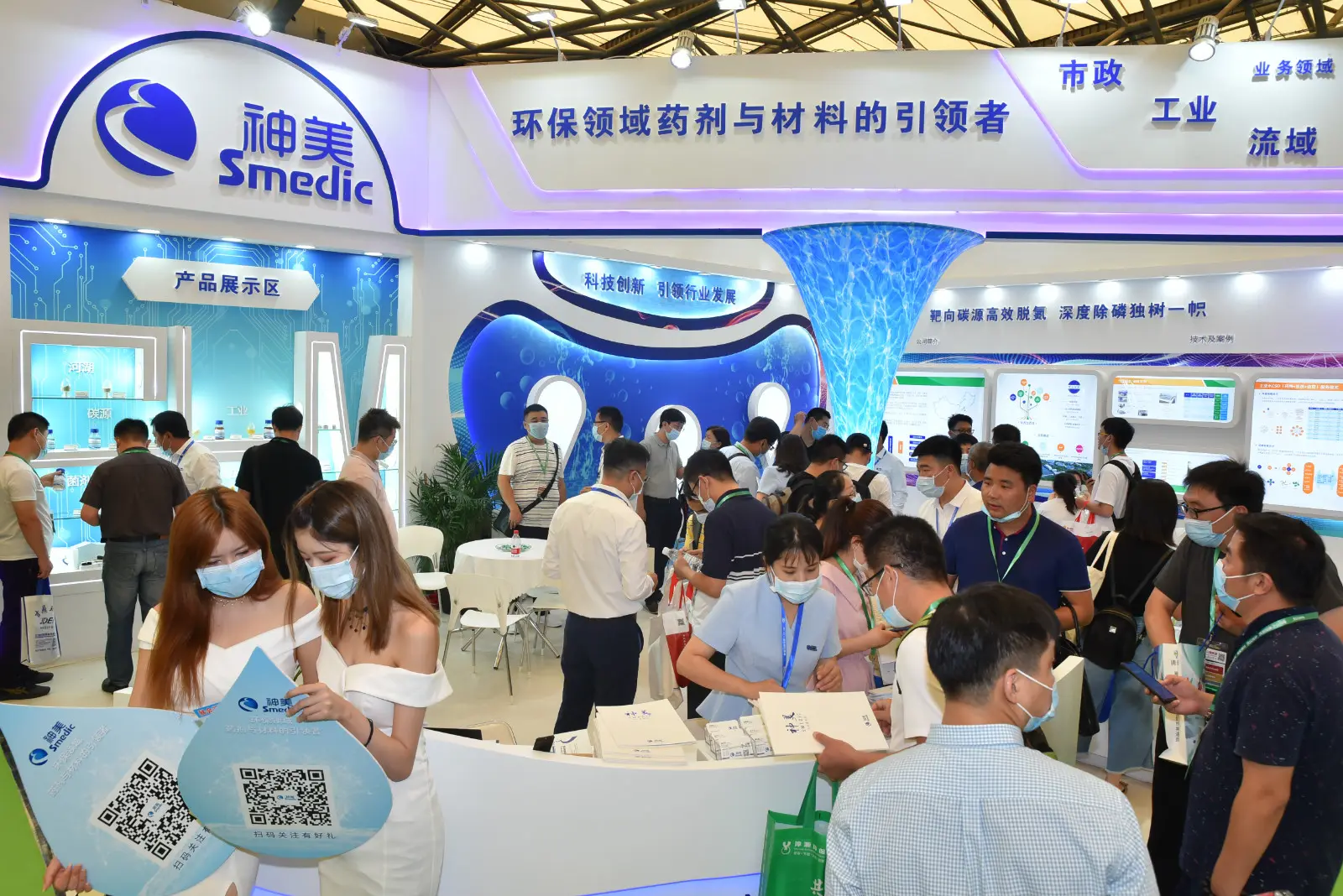
Established in 2011, Smedic Technology Co., Ltd. has developed into a premier comprehensive solution provider specialized in environmental protection agents. Our operations seamlessly integrate R&D, production, sales, and specialized engineering-related technical services. We are dedicated to providing our global clientele with customized chemical products, rigorous technical solutions, and long-term application support.
Today, Smedic produces environmental protection agents covering municipal sewage treatment, industrial wastewater, tap water purification, mineral processing, and oilfield operations. With a portfolio that includes more than 80 distinct environmental protection products, our annual production capacity exceeds 1 million tons, allowing us to maintain a stable supply chain for major projects worldwide.
Ensuring logistical resilience and product consistency through centralized HQ and regional distribution centers.
Headquartered in Beijing, Smedic Technology operates wholly-owned production bases in Hebei, Guizhou, Shanxi, and other regions, backed by more than ten OEM partner factories and regional warehousing and logistics bases in Shandong, Shanxi, Anhui, Guangxi, and Sichuan. This distributed production model allows us to supply materials efficiently across diverse geographical markets. Our service network covers over 20 provinces across China, supporting more than 600 urban sewage treatment plants and over 1,000 industrial end-users in mineral processing, oilfield chemicals, and manufacturing.
For international markets, this domestic scale translates directly into supply security. Flocculants like Anionic Polyacrylamide are sensitive to moisture and temperature fluctuations during bulk transit. Smedic addresses this by utilizing custom multi-layer moisture-proof packaging and operating close to major shipping hubs in Tianjin, Qingdao, and Shanghai. This integration minimizes port delays and ensures our products arrive in optimal condition.
| Year | Milestones & Key Developments |
|---|---|
| 2011 | Smedic Technology founded; focused on municipal and industrial environmental agents. |
| 2014 | Established a complete product portfolio for municipal wastewater treatment chemicals. |
| 2015 | Formally recognized as a key national high-tech enterprise. |
| 2016 | Established Guiyang production base, significantly expanding regional footprint. |
| 2018 | Completed expansion across Hebei, Shandong, and Guizhou facilities, pushing capacity past 1 million tons. |
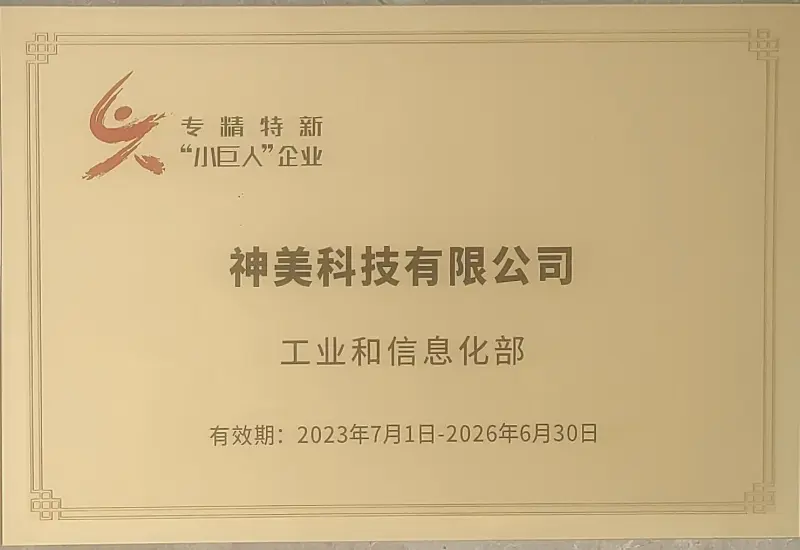
| 2020 | Recognized as a National Specialized, Refined, Unique and Innovative Small and Medium-sized Enterprise. |
| 2021 | Established provincial-level R&D platform in Hebei Province. |
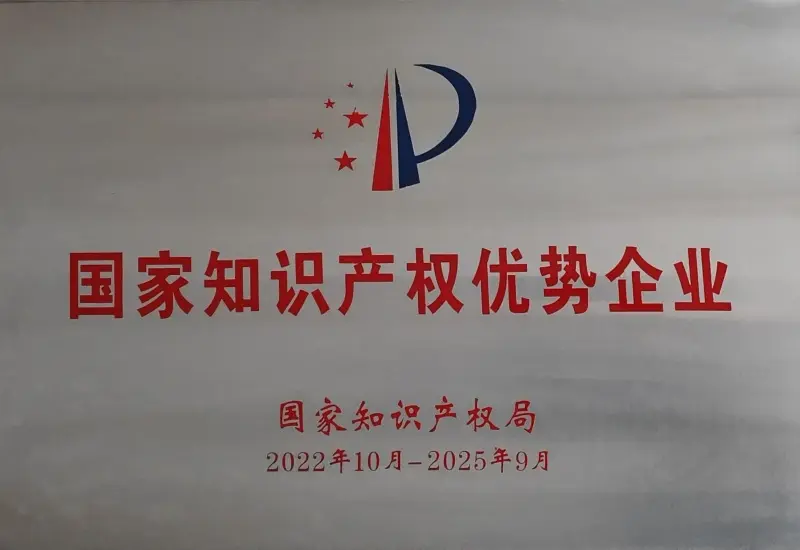
| 2023 | Recognized as a National Intellectual Property Advantage Enterprise. |
| 2024 | Established a strategic joint venture with the Chengdu Institute of Mineral Comprehensive Utilization, China Geological Survey. |
Tailored molecular weights and charges designed for specific industrial challenges.
APAM is a versatile polymer, but its effectiveness depends heavily on the specific application context. Standardized, off-the-shelf polymers often yield sub-optimal results when treating complex industrial streams. Smedic provides tailored chemical treatments for a range of key industries:
In mineral processing, selective flotation and tailings thickener efficiency are critical to overall yield. Smedic's APAM acts as an effective flocculant in coal washing circuits and tailing thickening operations. By accelerating sedimentation rates, our polymers help operators reuse process water quickly and maintain high throughput, even in high-clay mineral matrices.
Industrial wastewater often contains a complex mix of heavy metals, organic matter, and dynamic pH levels. Our APAM configurations work in tandem with inorganic coagulants (like PAC or PFS) to build strong, stable flocs that resist shear during mechanical dewatering. This dual-treatment approach helps plants meet strict environmental discharge limits.
In deep oil reservoir extraction, mobility control is key to maximizing well output. Smedic's high-molecular-weight APAM serves as an effective polymer flood agent. By increasing the viscosity of the injected water, it improves the sweep efficiency of the drive fluid, helping displace trapped oil from porous geological formations under high shear and temperature conditions.
Modern high-speed paper machines require reliable retention and drainage aids to maintain formation quality. Smedic's Anionic Polyacrylamide helps retain fines, fillers, and sizing agents on the forming wire, while accelerating drainage rates. This helps reduce energy consumption in the drying section and improves overall sheet strength.
Over 60 Chinese patents, including 40+ invention patents, supporting our product formulations.
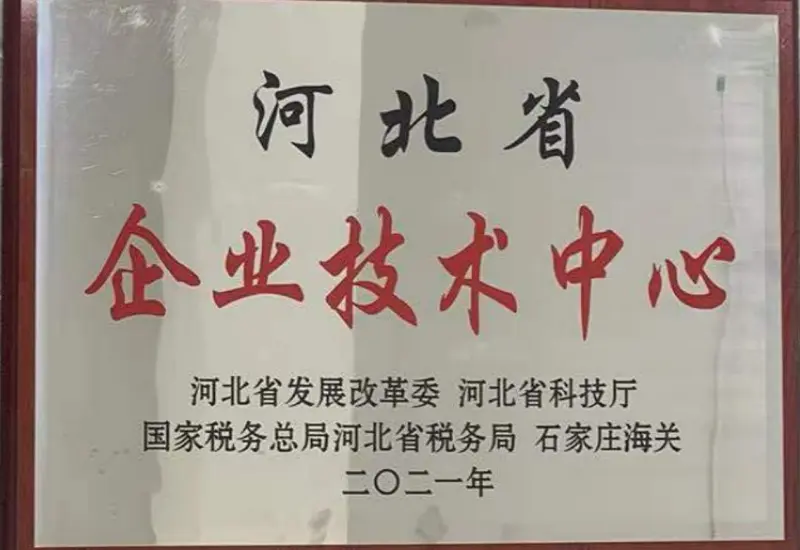
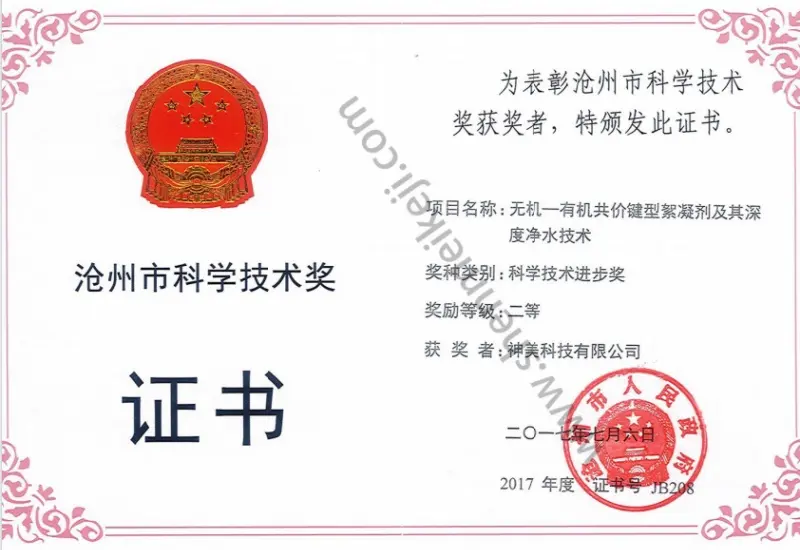
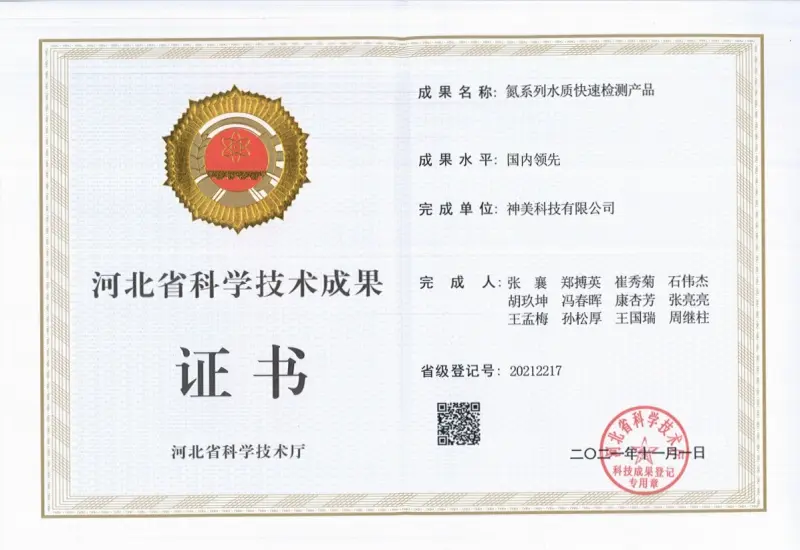
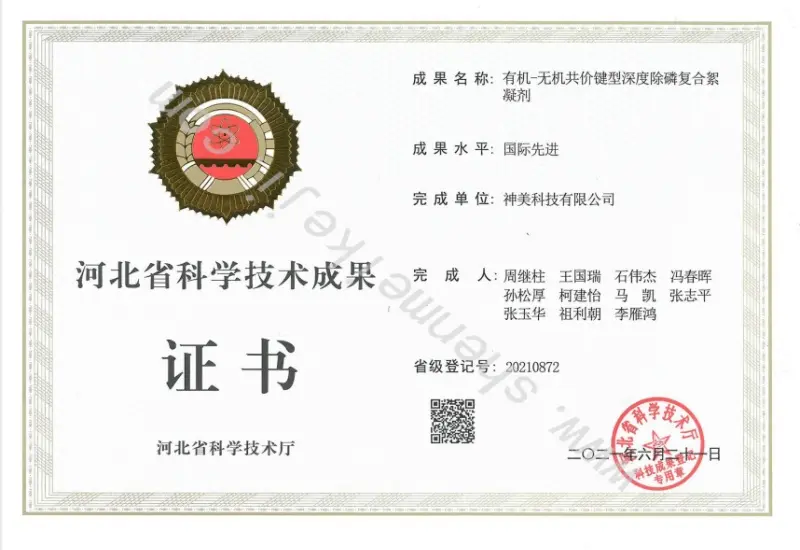
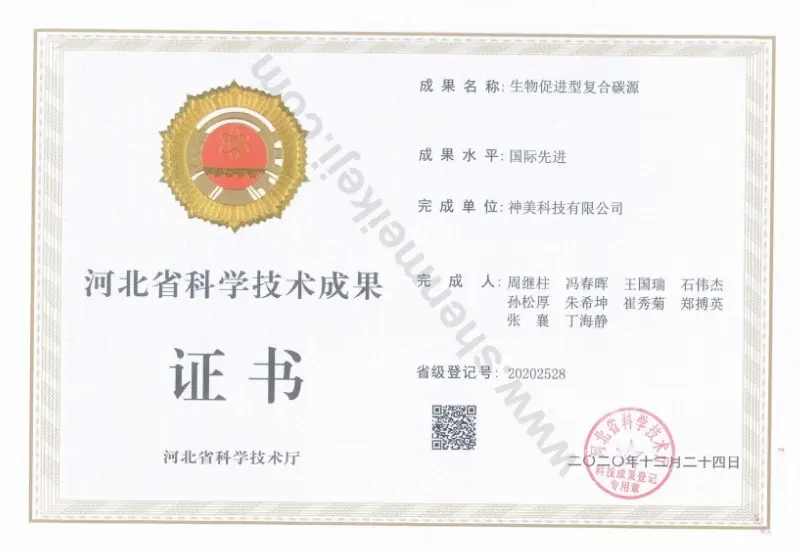
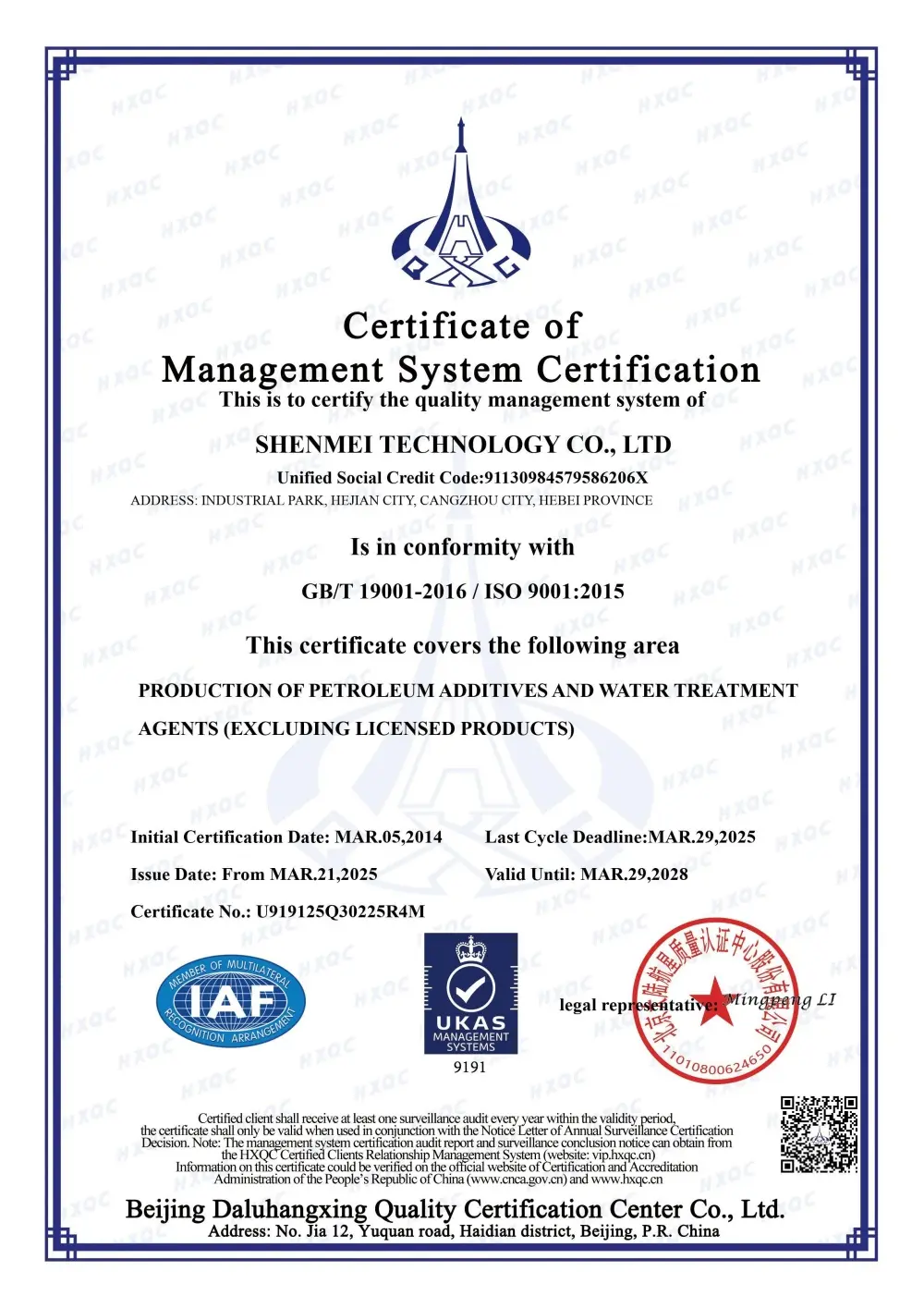
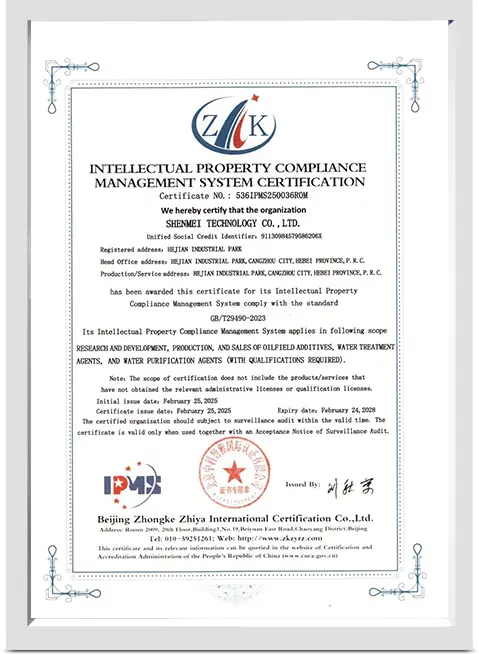
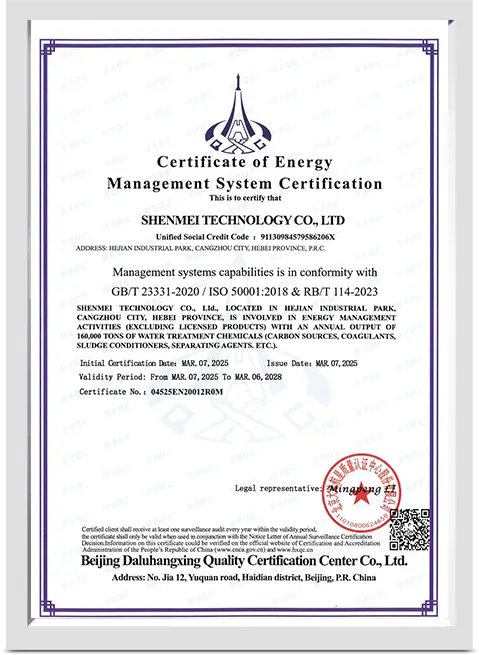
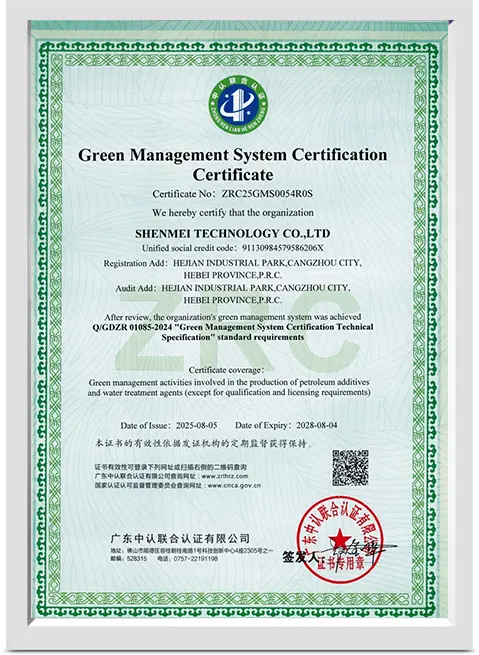
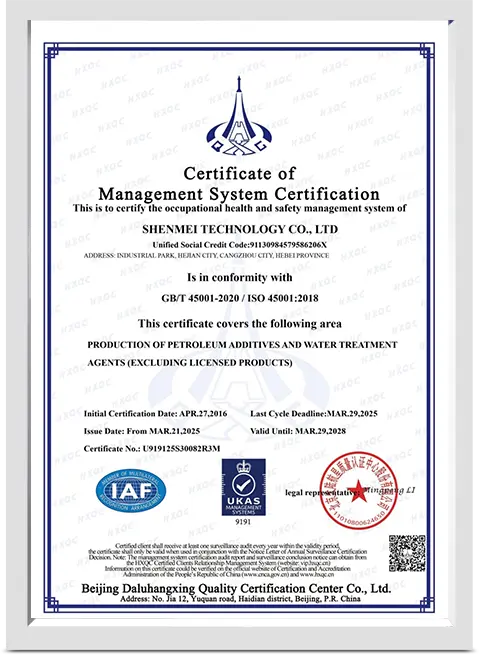
At Smedic Technology, our manufacturing processes are backed by a structured research and development system. We have established Hebei Provincial Enterprise Technology Center, the Hebei Provincial Advanced Water Treatment Chemicals Technology Innovation Center, and the Cangzhou Water Treatment Engineering Technology Research Center. These institutions support our efforts to develop next-generation water-treatment polymers.
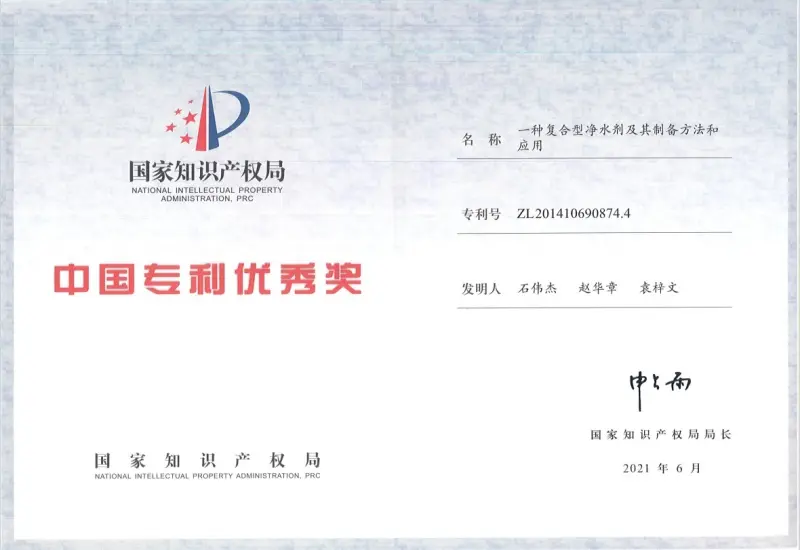
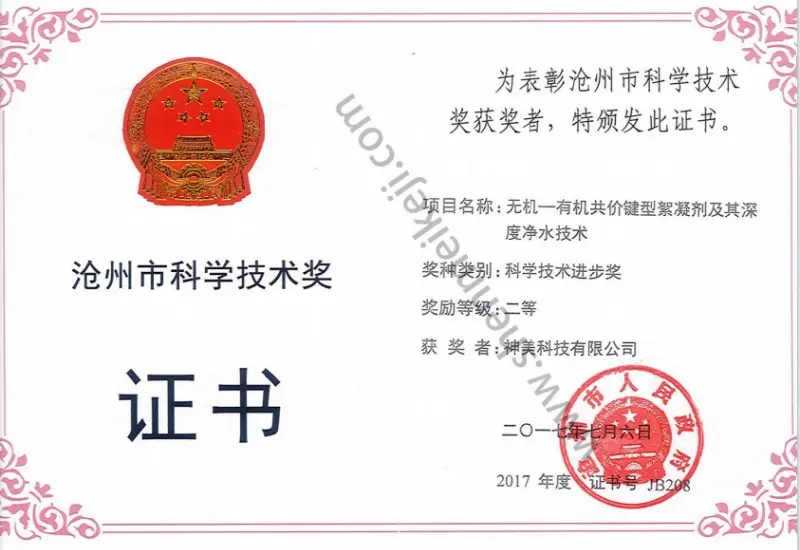
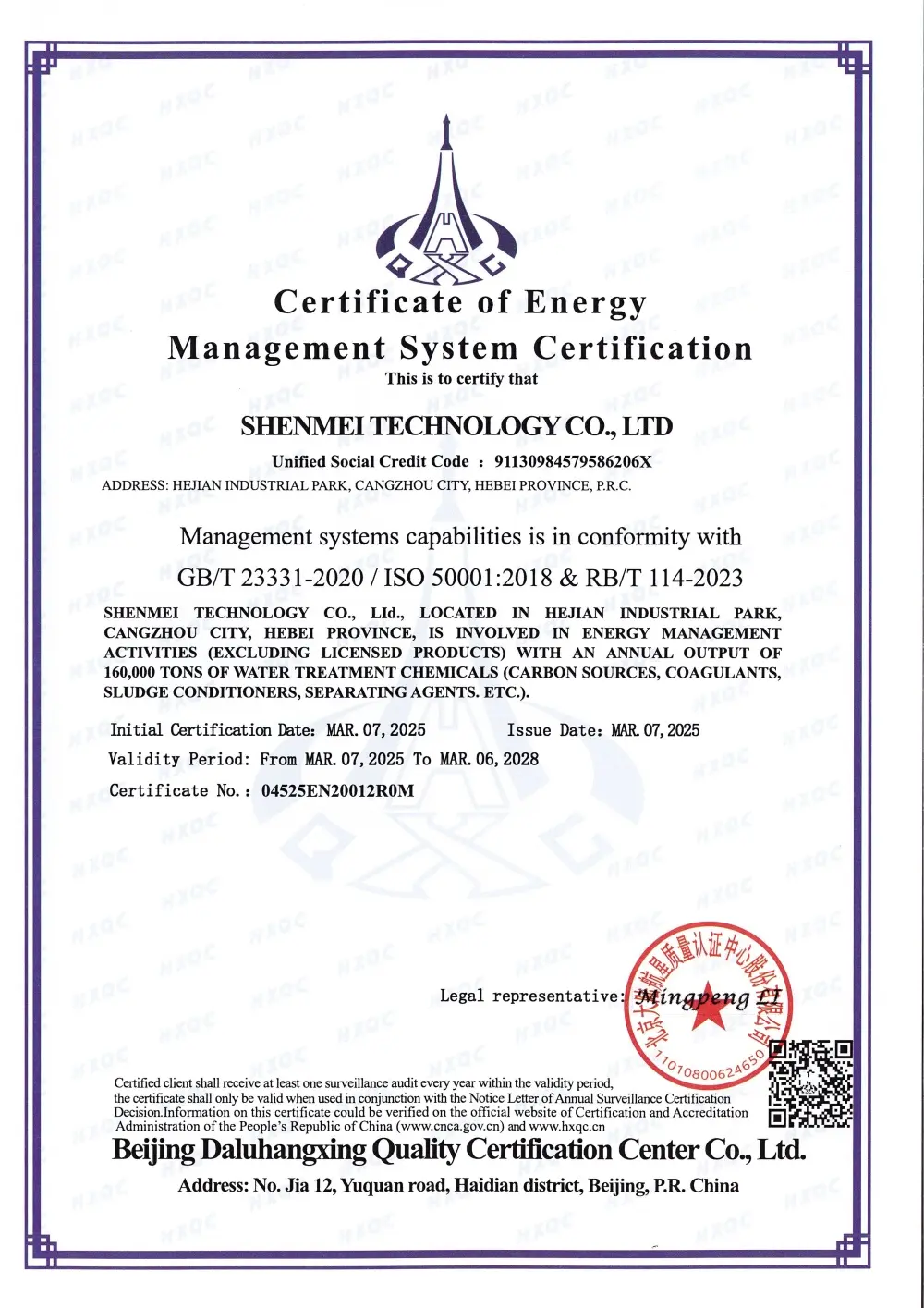
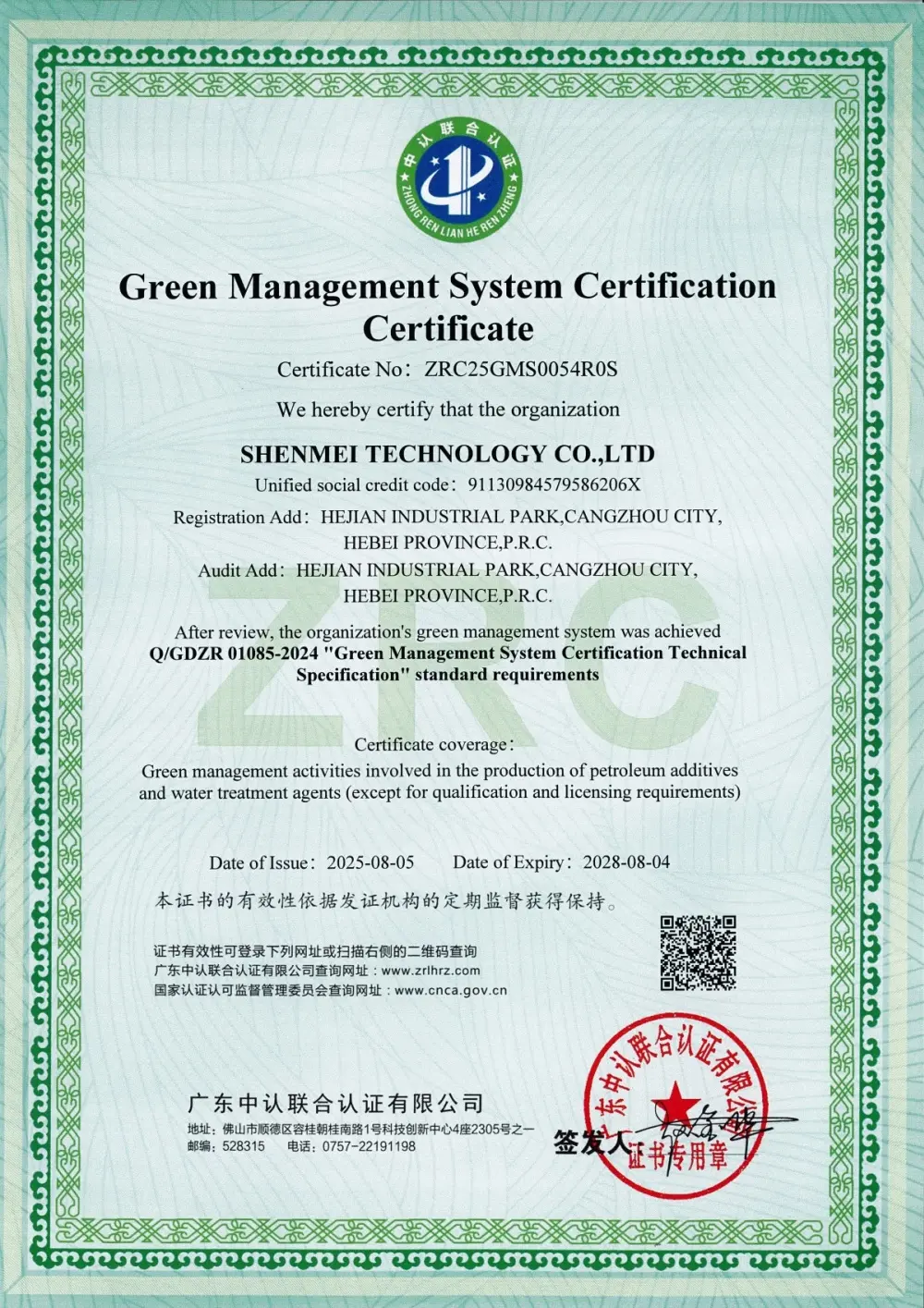
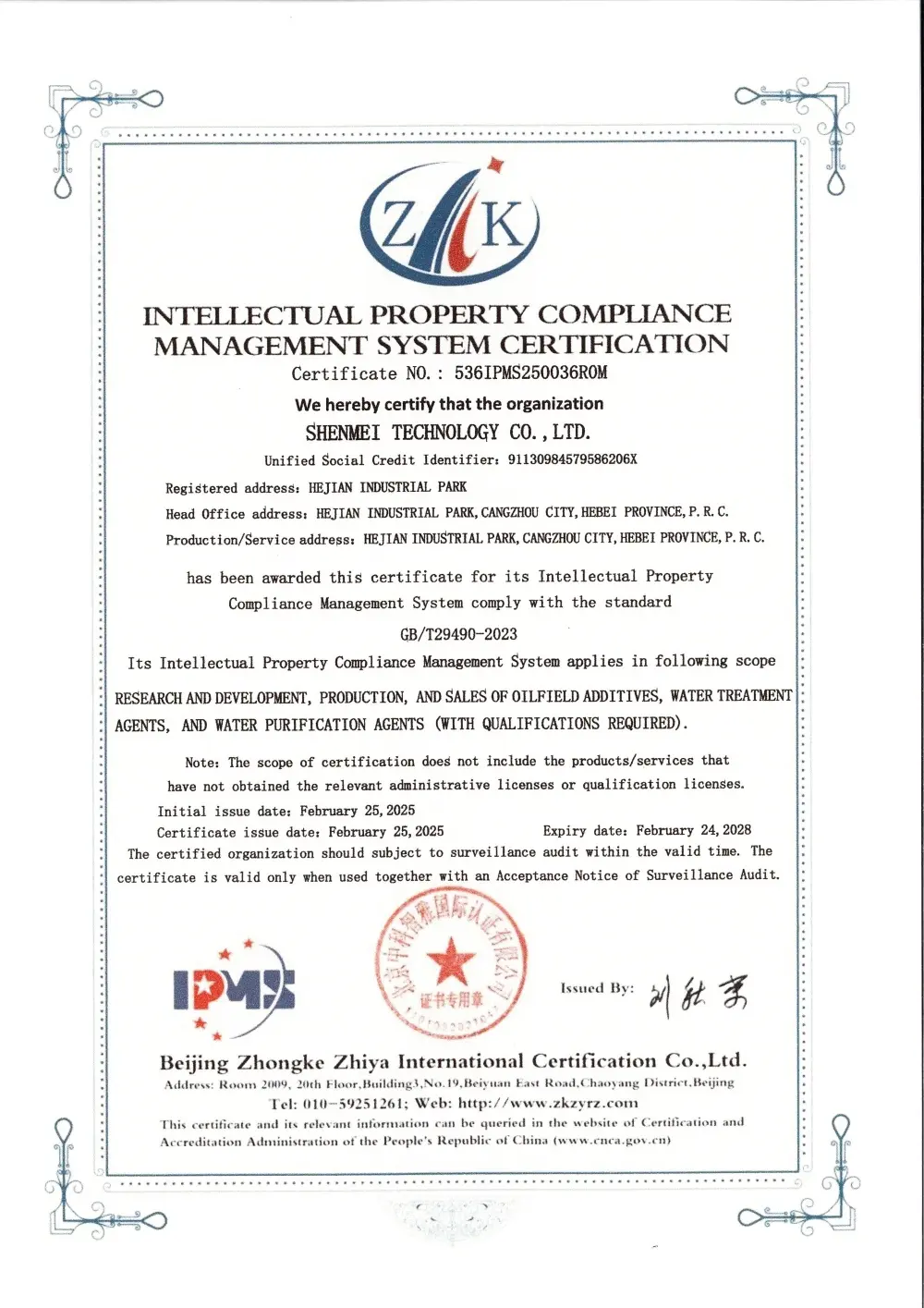
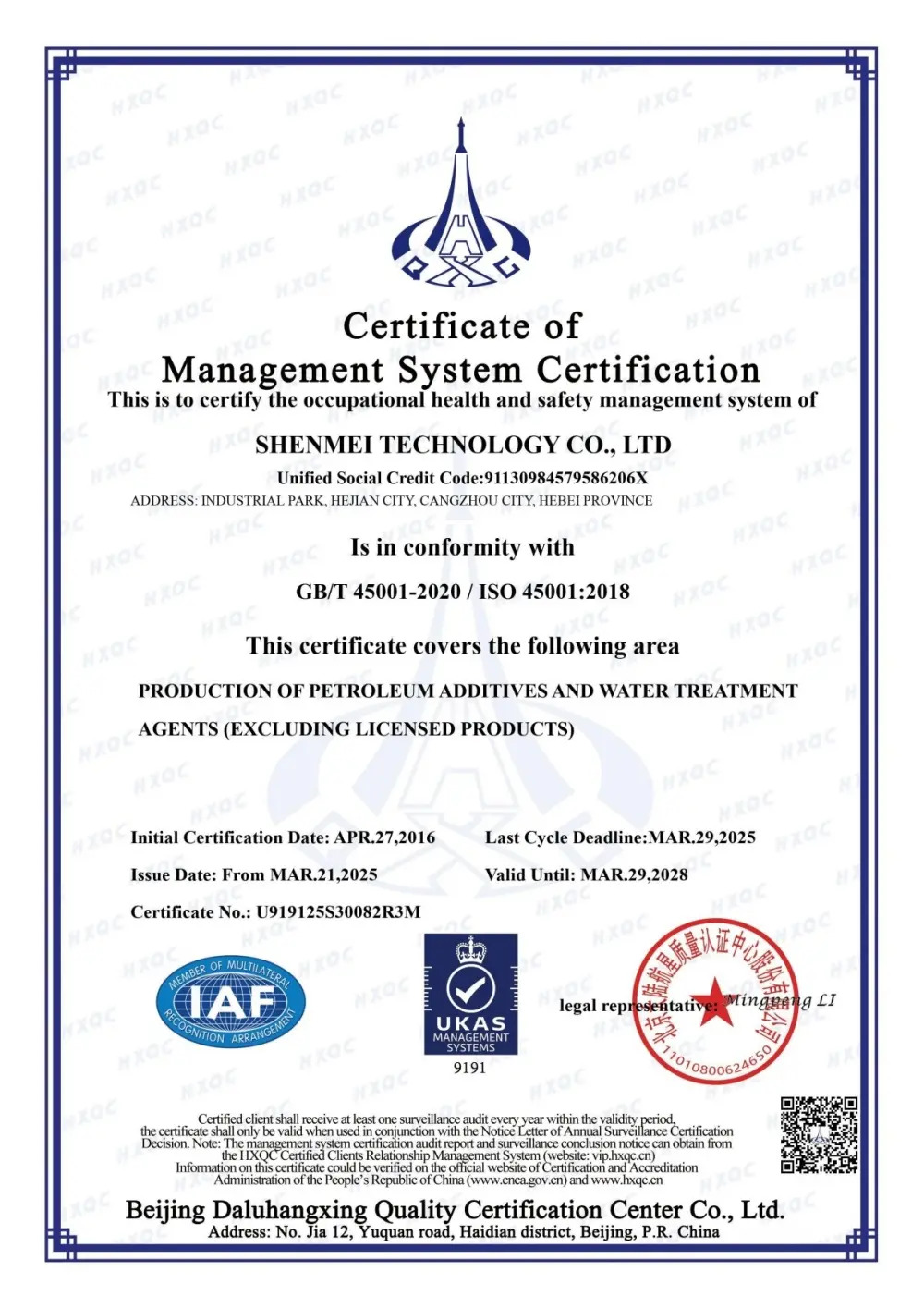
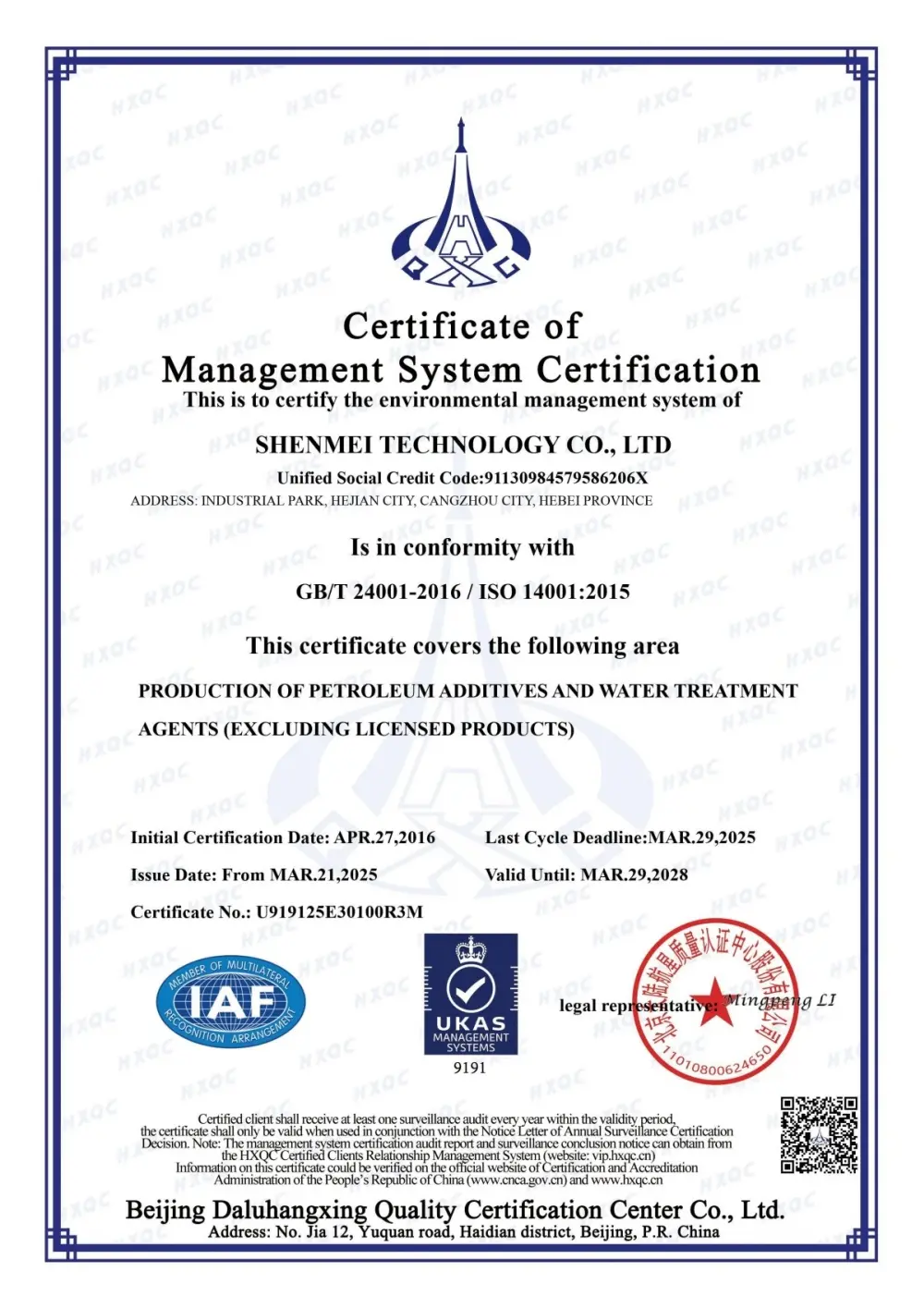
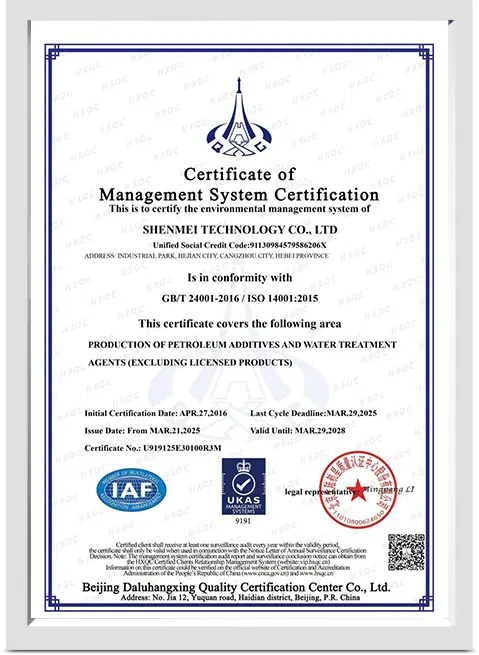
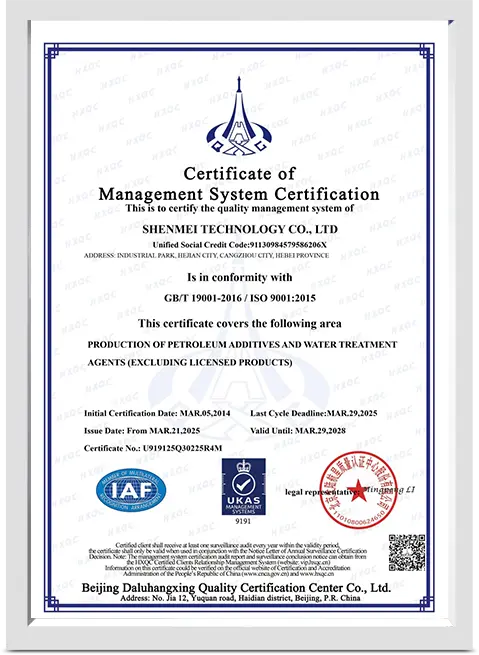
Our patented products, including our bio-enhanced denitrification carbon source and deep multi-nuclear phosphorus removal agent, have been appraised as "internationally advanced" by the Science and Technology Department of Hebei Province. Additionally, Smedic's independently developed "Inorganic-Organic Covalent Bond Flocculant" received the 22nd China Patent Award and the First Prize for Technological Invention from the China Petrochemical Industry Association. These credentials reinforce our role as a reliable long-term supplier of advanced environmental solutions.

Targeting zero-carbon, biodegradable, and high-performance polymer innovations.
As the global regulatory environment moves toward stricter environmental standards, the water treatment chemicals sector is undergoing significant change. Standard polyacrylamides have long carbon-carbon backbones that resist natural biological degradation, meaning they can persist in dewatered sludge for extended periods. Smedic's research team is actively developing solutions to this challenge. Our current technical roadmap focuses on introducing biodegradable ester, amide, or ether linkages into the polyacrylamide backbone, creating a polymer that maintains high flocculation efficiency during active use but degrades into harmless organic compounds over time.
In addition to biodegradability, we are optimizing polymer structure for improved performance. Standard linear polymers can shear and break under the high turbulent flows typical of modern industrial processes. Smedic is addressing this by developing structured and branched polymers. By controlling the polymerization process, we can build three-dimensional macromolecular architectures that offer greater shear stability. This allows operators to reduce polymer dosage while maintaining high floc filtration speeds.
| Development Target | Technological Focus | Key Operational Benefit |
|---|---|---|
| Biodegradable Polymers | Incorporating bio-functional co-monomers into the acrylic chain | Minimizes environmental accumulation and simplifies agricultural reuse of municipal sludge. |
| Ultra-High Shear Resistance | Synthesizing structured, branch-networked polymer chains | Reduces floc breakdown in high-shear centrifuges and belt filter presses. |
| Salt-Tolerant Formulation | Copolymerizing with highly hydrophilic, charge-stable monomers | Maintains flocculation efficiency in high-salinity oilfield brine and industrial wastewater. |
| Low-Temperature Dissolution | Modifying particle surface morphology to improve hydration rates | Reduces aging and dissolution times from 60 minutes down to under 30 minutes. |
Technical guidance to optimize your water treatment, mineral separation, and oilfield operations.
Engineered to improve separation efficiency, control foam formation, and protect membrane systems.
 Smedic Tech