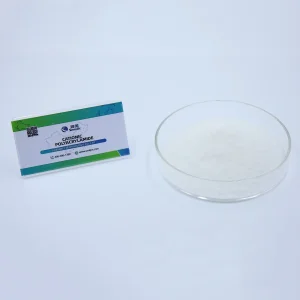
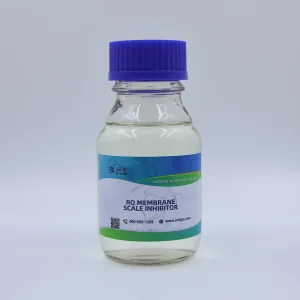
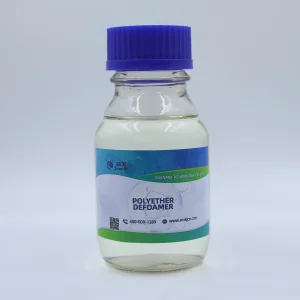
High-efficiency coagulants and polymeric flocculants configured to treat high salinity brackish water and industrial effluents typical of Gulf industrial zones.
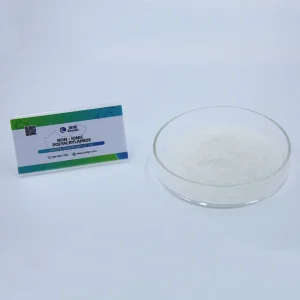
In hyper-arid regions like Kuwait, water is one of the most critical resources. With rapid urbanization, industrial expansion in zones like Shuaiba and Subiya, and intensive petroleum extraction operations, water reclamation has evolved from an environmental obligation to an absolute economic necessity. Phosphorus removal is at the heart of this transition.
High orthophosphate levels in discharged wastewater lead to severe eutrophication in the shallow waters of the Arabian Gulf, damaging sensitive marine ecosystems. Furthermore, Kuwait's ambitious plans to reuse treated wastewater for agricultural irrigation in Wafra and Abdally require highly stringent total phosphorus (TP) controls to prevent mineral scaling and biological growth in drip irrigation lines.
Traditional biological phosphorus removal methods often suffer due to Kuwait's intense summer heat, where wastewater temperatures can exceed 40°C. Smedic's deep multi-nuclear phosphorus removal agents and custom inorganic-organic covalent bond coagulants offer a chemically resilient alternative that functions efficiently across extreme temperatures and high saline matrices.
How inorganic-organic hybrid coagulants target dissolved orthophosphates and polyphosphates in wastewater.
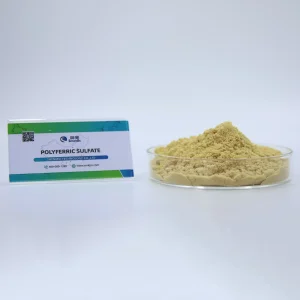
Unlike standard alum, our deep multi-nuclear phosphorus removal agents utilize pre-hydrolyzed polymeric aluminum and iron centers. This molecular structure presents highly active hydroxyl bridges that bind rapidly with PO4(3-) anions, forming insoluble crystalline complexes that settle quickly even at low doses.
Smedic's proprietary inorganic-organic covalent bond flocculants combine the strong charge-neutralizing properties of polycations with the high molecular weight of organic polymer chains. This dual action destabilizes colloidal suspensions, bridging phosphorus-bound micro-flocs into large, dense macro-flocs.
For Kuwaiti reverse osmosis (RO) plants, chemical pre-treatment must prevent membrane fouling. Our phosphate-free scaling and corrosion inhibitors, along with low-dosage coagulants, ensure that scale-forming ions are pre-precipitated and filtered out without leaving residual phosphate nutrients behind.
Our solutions have been tested and deployed across major global systems, handling combined capacities in excess of 20 million tons of wastewater per day. Smedic's research ecosystem includes joint laboratories with top-tier universities, ensuring that every product batch shipped to the Middle East meets rigorous technical and safety parameters.
Get Technical Data Sheets (TDS)Smedic Technology Co., Ltd. — Environmental Protection Agents Provider
Established in 2011, Smedic Technology is a comprehensive solution provider specialized in environmental protection agents, integrating R&D, production, sales, and engineering-related technical services. We are dedicated to providing customers with customized chemical products, technical solutions, and services. Smedic produces environmental protection agents covering multiple sectors such as municipal sewage, industrial wastewater, and tap water treatment, as well as mineral processing agents, and oilfield chemicals.
Our corporate headquarters is located in Beijing, with multiple wholly-owned production bases in Hebei, Guizhou, Shanxi, and other regions. We have established more than ten OEM partner factories and regional warehousing and logistics bases in Shandong, Shanxi, Anhui, Guangxi, and Sichuan provinces. Our business and service network covers over 20 provinces across China, and extends globally to supply key Middle Eastern markets like Kuwait.
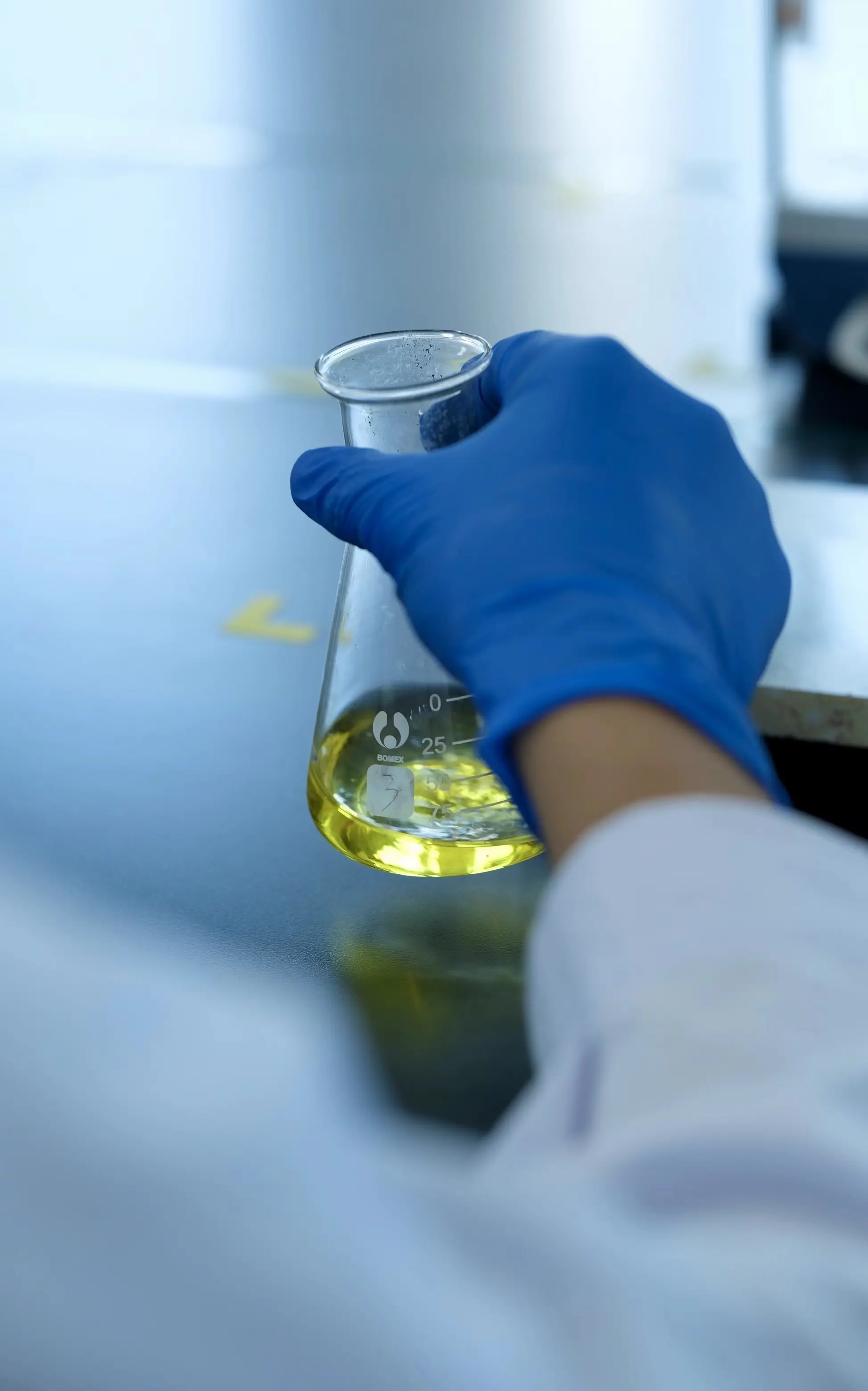
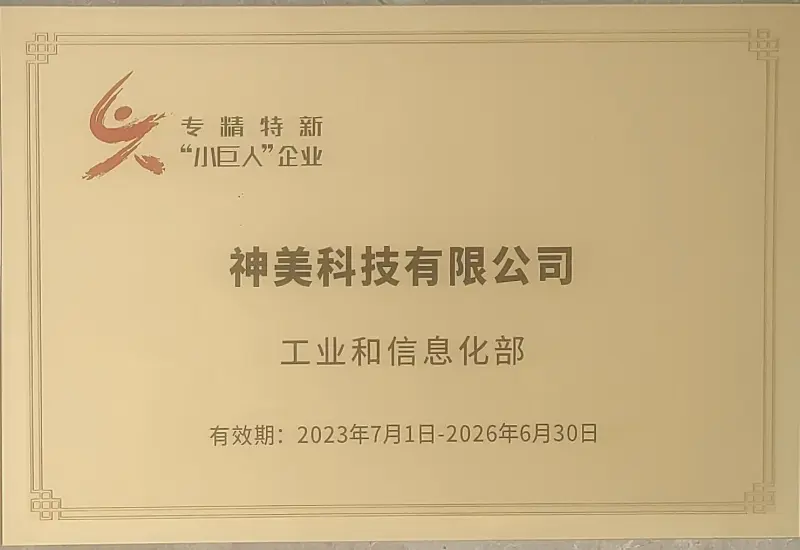
We have obtained prestigious recognitions including National High-tech Enterprise, National Specialized, Refined, Unique and Innovative "Little Giant" Enterprise, and Hebei Province Green Factory. We maintain an elite core technical team composed of academicians, experts, professors, and senior engineers.
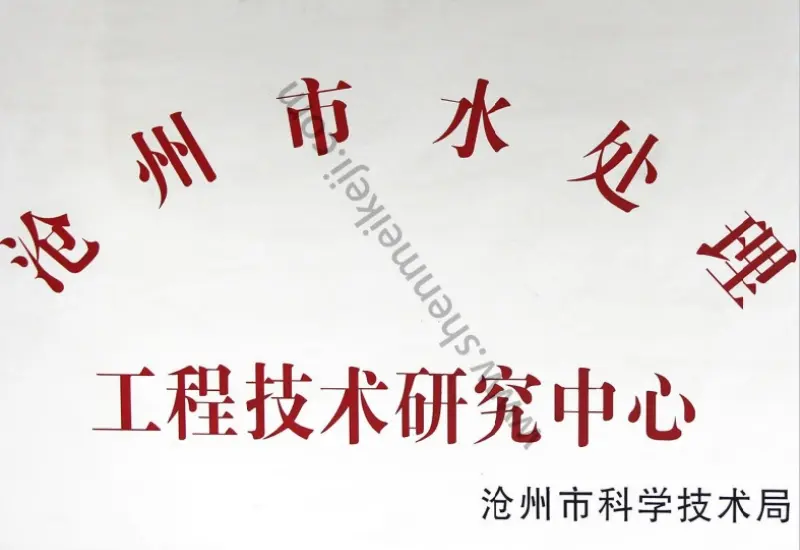
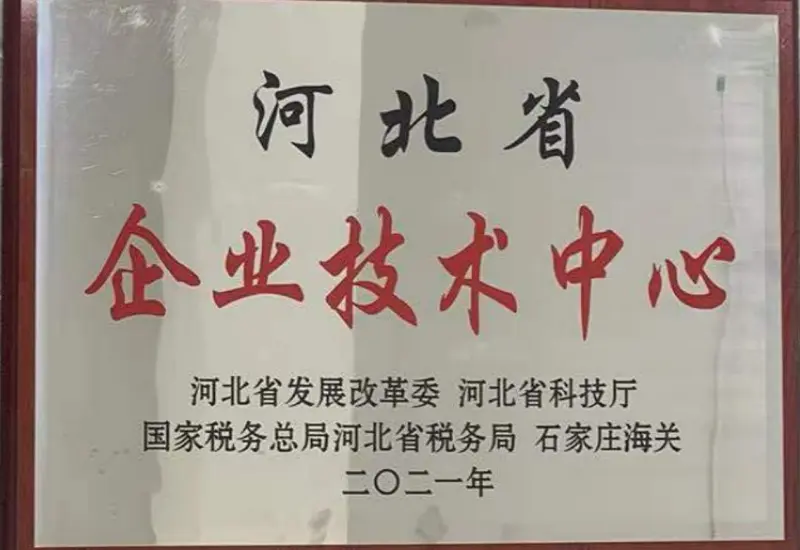
Our research framework is structured around one academy, three research institutes, and five bases. We have established the Hebei Provincial Enterprise Technology Center, the Hebei Provincial Advanced Water Treatment Chemicals Technology Innovation Center, and the Cangzhou Water Treatment Engineering Technology Research Center. In addition, we host a dedicated expert workstation with the Tsinghua University Association of Senior Scientists and Technicians, alongside joint R&D laboratories with Shandong University and Beijing University of Technology.
How Smedic chemistry addresses specific Gulf industrial and ecological water reuse conditions.
Wastewater from refineries like Mina Al-Ahmadi contains complex organic phosphorus, sulfides, and emulsified oils. Smedic's PFS and specialized defoamers break these emulsions, allowing concurrent phosphorus removal and oil-water separation.
High-recovery desalination plants in Kuwait suffer from membrane scaling. Utilizing our RO membrane scale inhibitors and phosphate-free scale control agents ensures efficient membrane cycles without introducing nutrient feeds for bio-fouling.
Municipal plants like Umm Al-Hayman require continuous chemical phosphorus polishing. Our inorganic-organic covalent bond flocculants produce high settling rates, helping operators achieve TP targets below 0.5 mg/L.
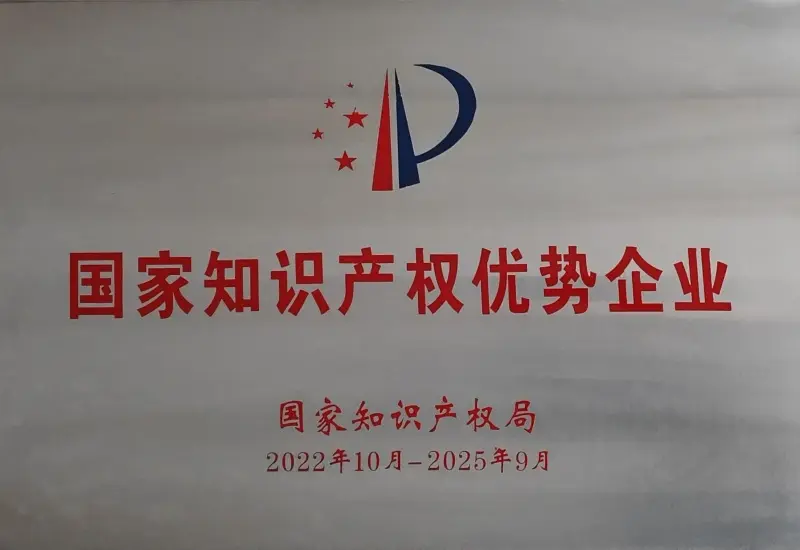
We hold over sixty Chinese patents, including more than forty invention patents and over twenty utility model patents. Smedic has led the drafting of more than ten national and industry standards in China, covering composite carbon sources, composite coagulants, sodium acetate, and nitrifying bacterial agents.
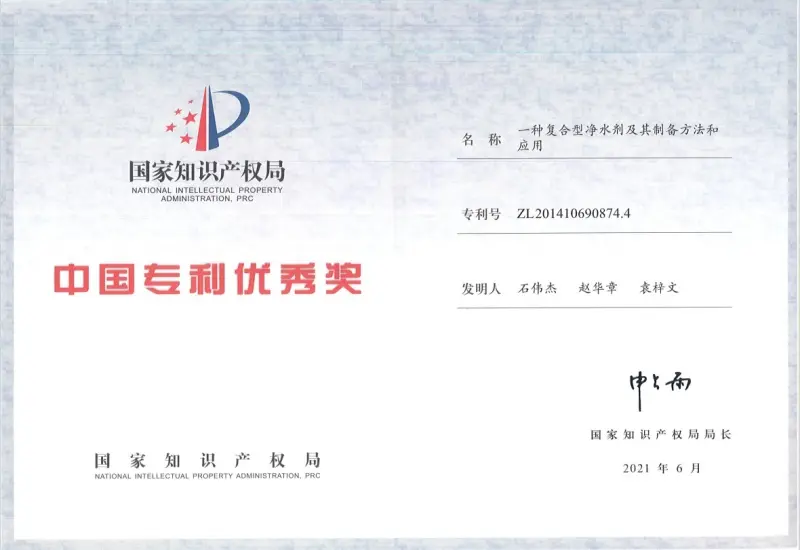
Our independently developed "Inorganic-Organic Covalent Bond Flocculant and Its Advanced Water Purification Technology" won the 22nd China Patent Award and the First Prize for Technological Invention from the China Petrochemical Industry Association. The deep multi-nuclear phosphorus removal agents have been evaluated as "internationally advanced," bridging gaps in phosphorus precipitation speeds and dosage control efficiency.
Engineered chemicals from our modern Chinese factories, optimized for immediate export to Kuwaiti industrial zones and municipalities.
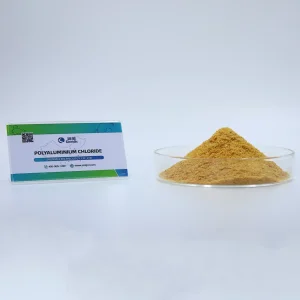
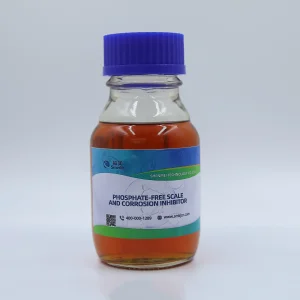
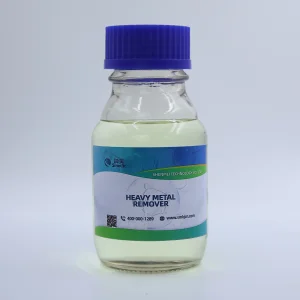
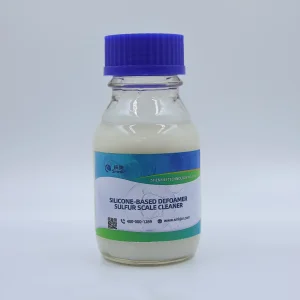
Answers to crucial chemical questions from procurement engineers and water treatment operators in Kuwait.
Enhanced biological phosphorus removal (EBPR) relies on Phosphorus Accumulating Organisms (PAOs). In Kuwait's extreme summer climate, wastewater temperatures often exceed 35°C to 40°C. High temperatures depress PAO activity and encourage competition from Glycogen Accumulating Organisms (GAOs), reducing biological treatment efficiency. Chemical precipitation using products like Smedic's PFS and PAC guarantees stable, temperature-independent orthophosphate removal down to trace levels.
Our deep multi-nuclear agents are optimized with a high cationic charge density, meaning they achieve the same phosphorus removal efficiency at a 30% lower dosing volume compared to traditional industrial alum. This reduces chemical storage footprints, lowers shipping costs to Kuwait, and significantly minimizes chemical sludge production, reducing dewatering costs.
High salinity (TDS) interferes with traditional colloid destabilization. Smedic's inorganic-organic covalent bond coagulants are engineered with salt-tolerant polymeric chains that do not coil up in high ionic strength water. This maintains bridging action and ensures rapid floc settlement even in brackish industrial process waters or oilfield produced water streams.
We supply products in 25kg bags (dry polymers), 1000L IBC totes (liquid coagulants), or custom bulk containers. Direct ocean freight from Tianjin or Qingdao Port to Kuwait (Shuwaikh Port or Shuaiba Port) typically takes 18 to 25 days. All products are shipped with complete Certificate of Analysis (COA) certificates and meet local EPA import regulations.
 Smedic Tech