Highly specialized agents engineered to combat scaling, foaming, and suspended solids under strict Uruguayan environmental regulations.
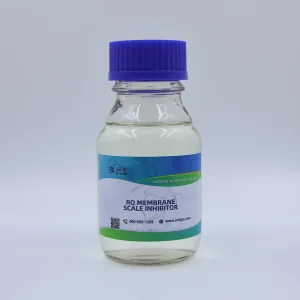
Uruguay's current economic profile relies heavily on forestation, agriculture, dairy, and manufacturing. High-capacity cellulose pulp mills, located along major rivers, represent one of the country's most vital industrial achievements. These massive operations generate significant volumes of complex industrial wastewater. As the Ministry of Environment (MA) implements increasingly strict ecological mandates, modern operations must treat effluent streams containing high amounts of organic compounds, suspended solids, and processing foams.
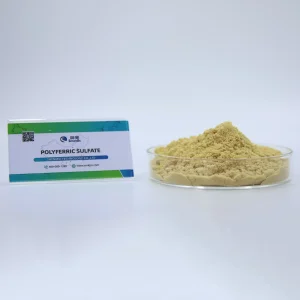
Additionally, agricultural runoff into water basins has accelerated the urgency for advanced phosphorus control. Standard coagulants are often insufficient for complex biological wastewater systems. Specialized polymer flocculants (APAM/CPAM) and high-efficiency polyferric sulfate (PFS) coagulants are critical to driving heavy floc formation, facilitating immediate settling, and reducing BOD/COD levels before final water discharge.
Different regions in Uruguay present highly specialized purification and foaming control needs.
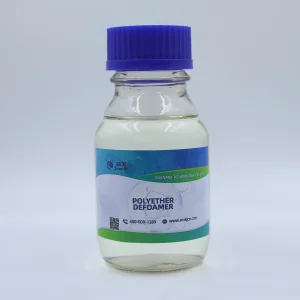
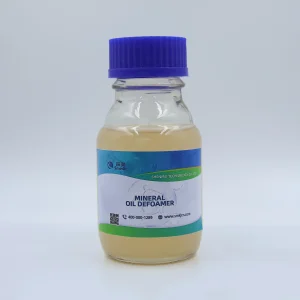
Pulp & Paper Industrial Hubs: High demand for polyether defoamers and anionic polyacrylamide for sludge dewatering.
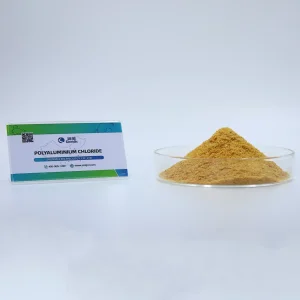
Municipal Water Treatment & Boiler Feeding: Demands high purity PAC, Sodium Acetate carbon source, and heavy metal removal agents.
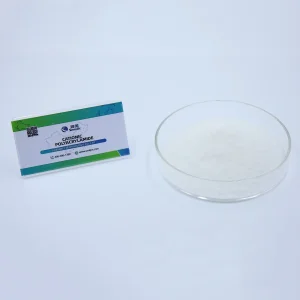
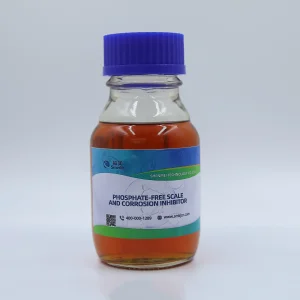
Food & Beverage wastewater processing: High performance Cationic Polyacrylamide (CPAM) and phosphate-free scale inhibitors.
How Smedic Technology bridges the gap between massive chemical manufacturing capacities and localized engineering support in South America.
Navigating global supply chain fluctuations requires chemical partners capable of managing massive production scaling alongside rigorous quality assurance. Smedic Technology operates on a Factory 4.0 model, with fully automated processing systems located in Beijing, Hebei, Guizhou, and Shanxi. Our annual production capacity exceeding 1 million tons guarantees a stable supply to South American distributors and end-users, bypassing shipping bottlenecks through strategic warehousing and robust raw material partnerships.
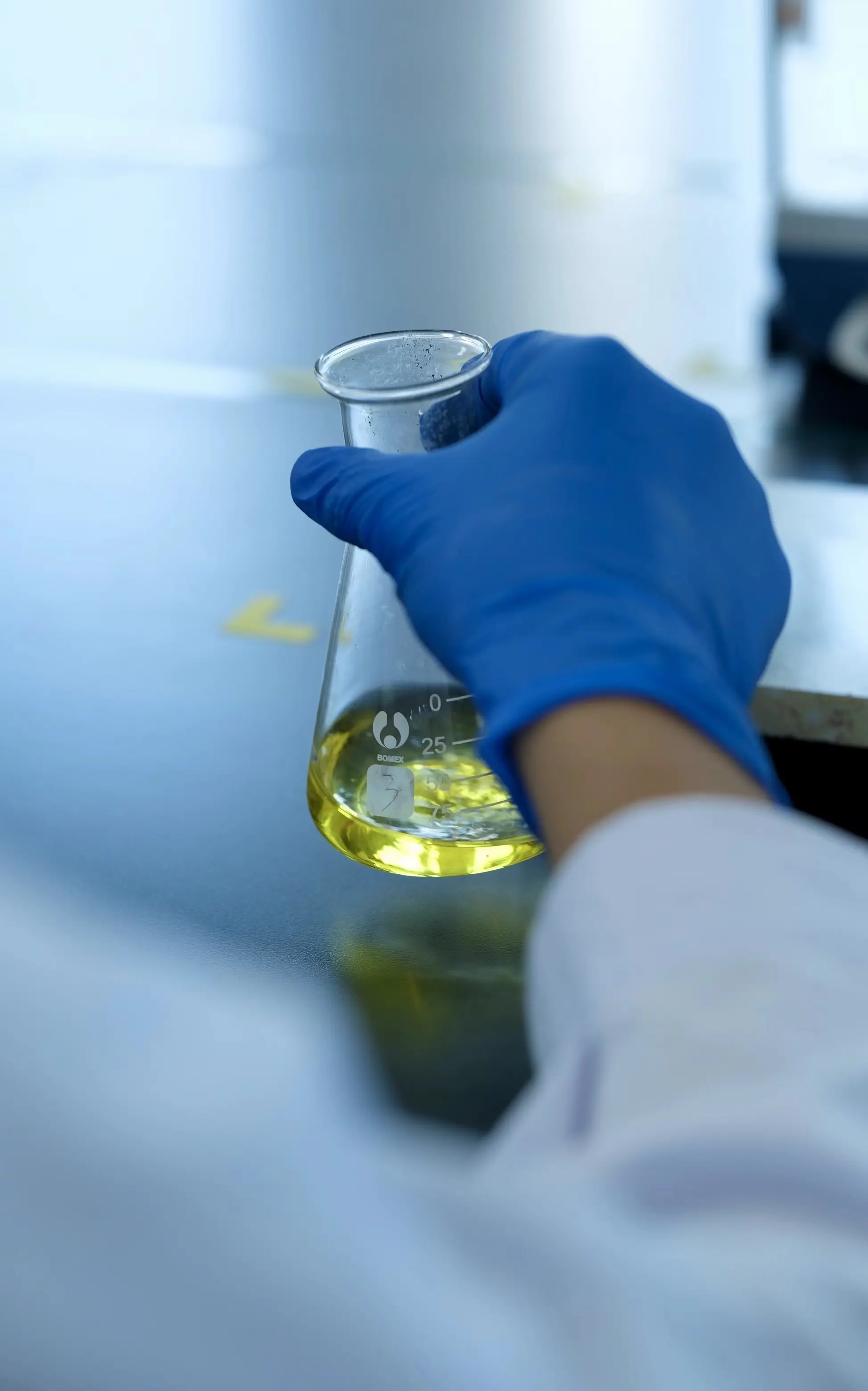
Our Quality Control workflow strictly tests every batch of environmental protection agents, from the initial monomer synthesis to the final packaging stage. This ensures that polymers shipped to Uruguay retain their specific molecular weight and charge densities despite temperature shifts during long ocean transits. With more than 80 variations of water treatment agents, we provide customized formulation options targeting the unique salinity and pH profiles of Uruguayan waterways.
Propelled by academic research centers and industrial innovations recognized by national authorities.
Smedic Technology is not just a chemical formulator, but an authority in water treatment science. Recognized as a National Specialized, Refined, Unique and Innovative "Little Giant" Enterprise, we spearhead innovation in the environmental chemical sector. Our core technical team consists of academicians, senior environmental engineers, and professors who operate across three research institutes and five major R&D laboratories.
Through joint laboratories with Tsinghua University Association of Senior Scientists, Shandong University, and Beijing University of Technology, we translate high-level chemical synthesis into commercial applications. Our patents cover bio-enhanced denitrification carbon sources and multi-nuclear phosphorus removal agents, which have been appraised as "internationally advanced," bridging the gaps in local industrial water circularity.
Smedic has drafted and finalized over 10 national and industry standards for compound carbon sources, composite coagulants, sodium acetate, and specialized nitrifying bacterial agents.
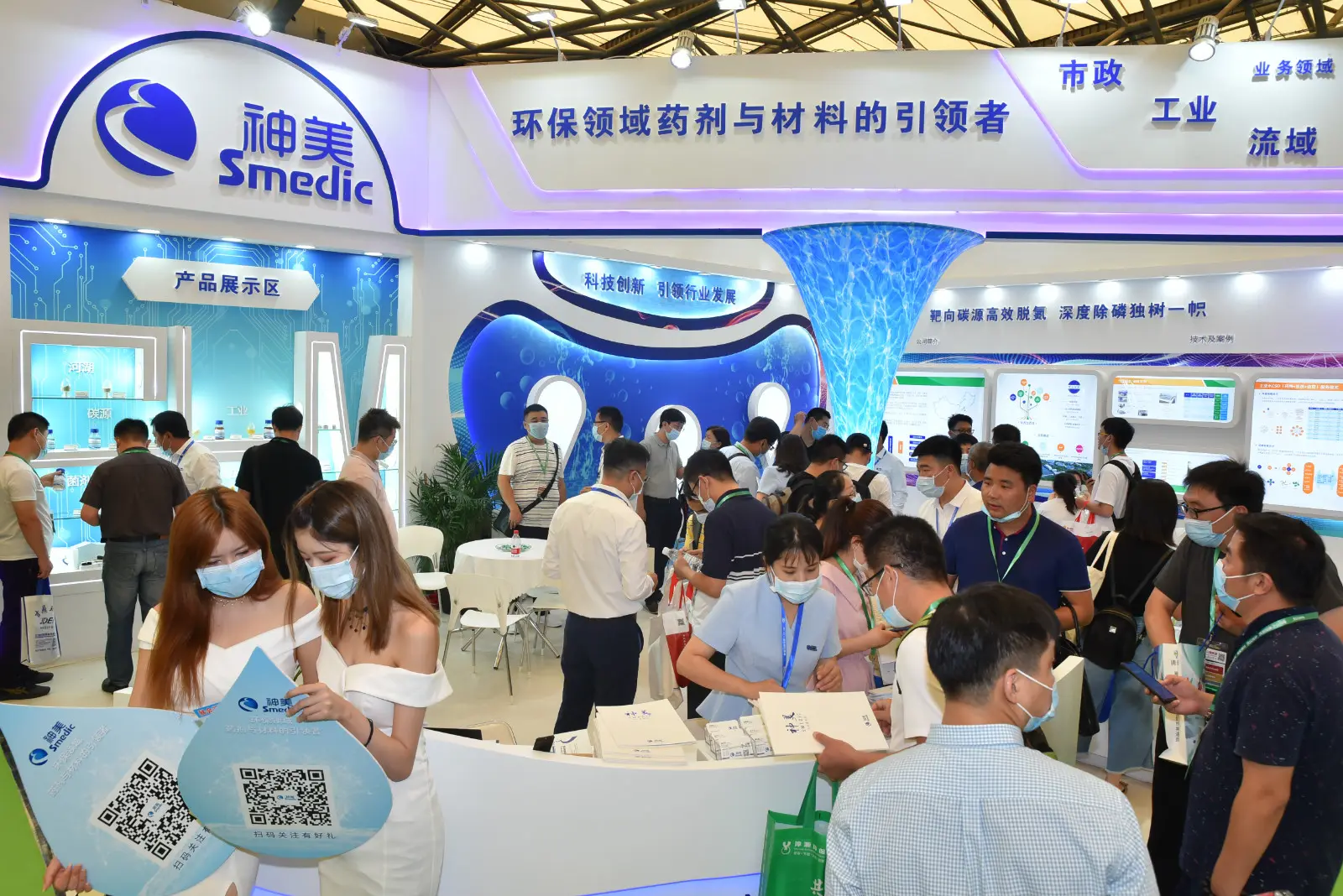
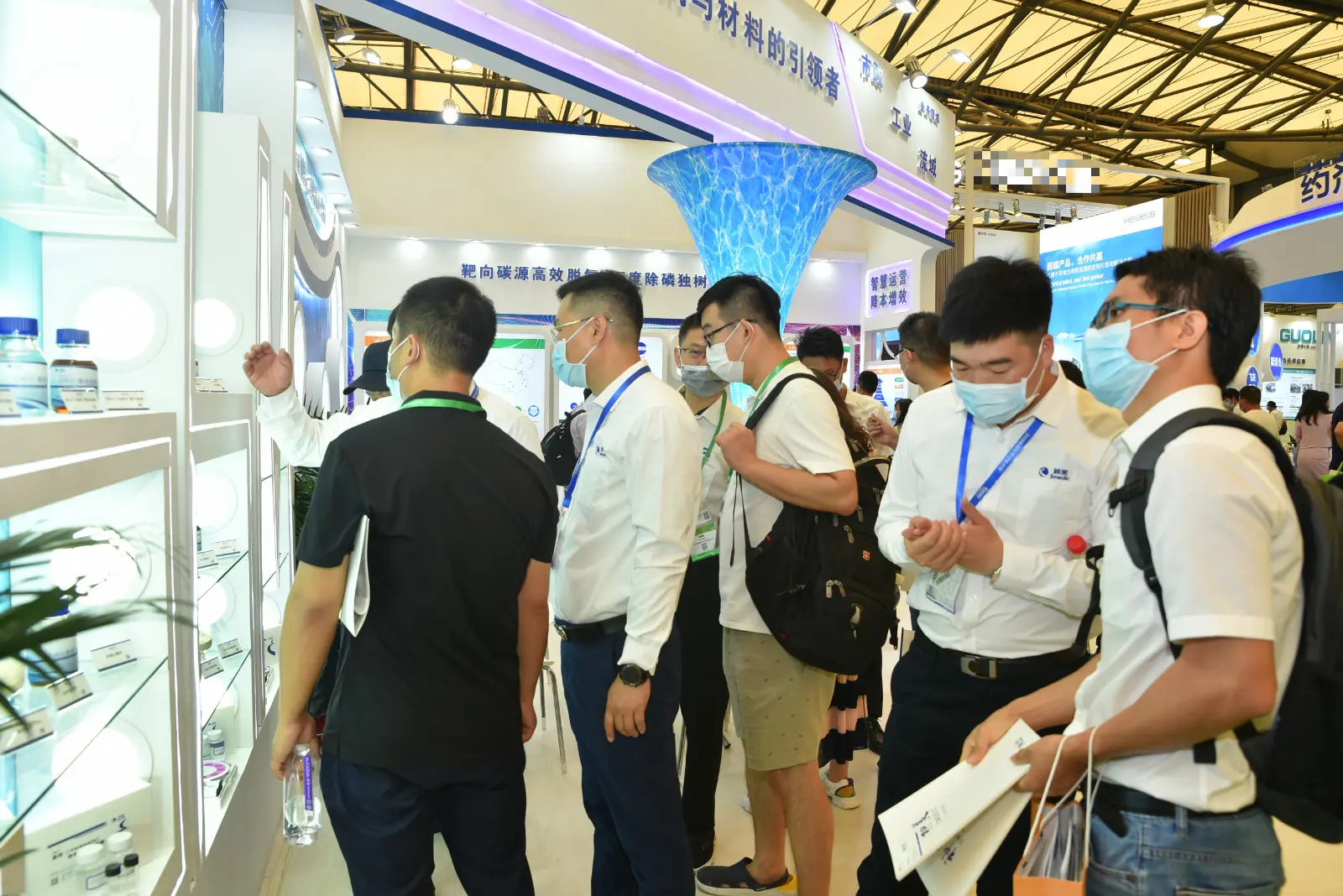
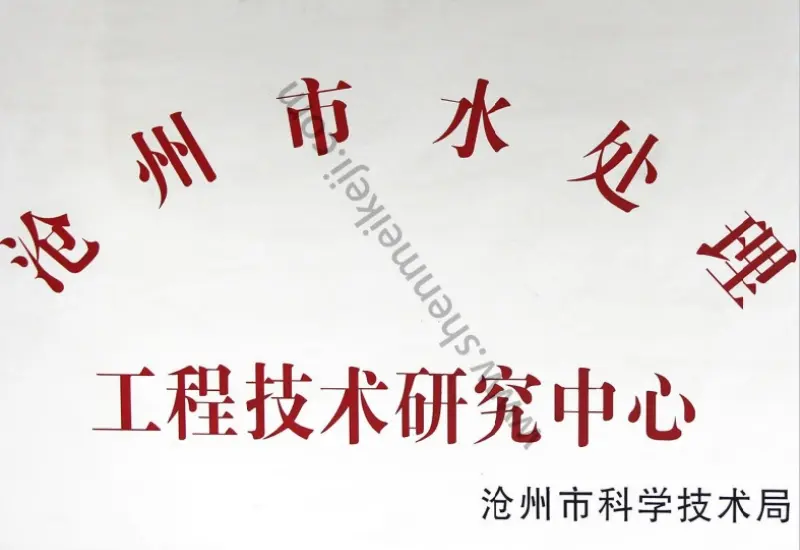
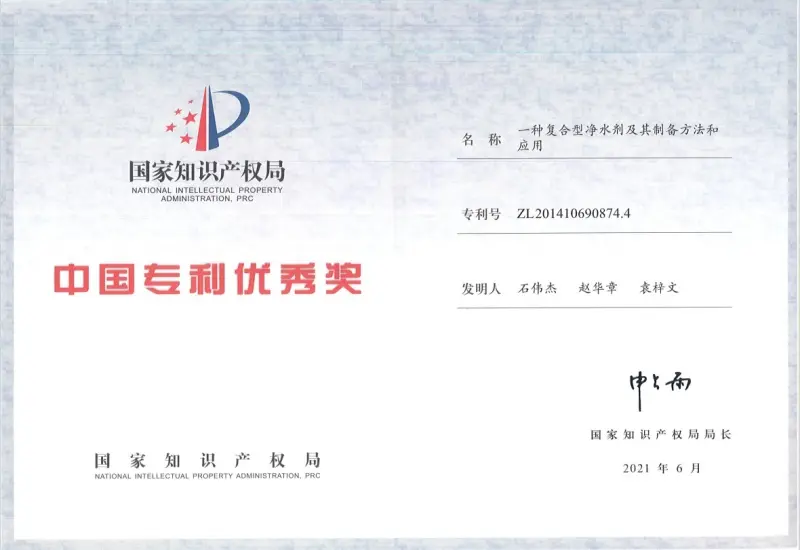
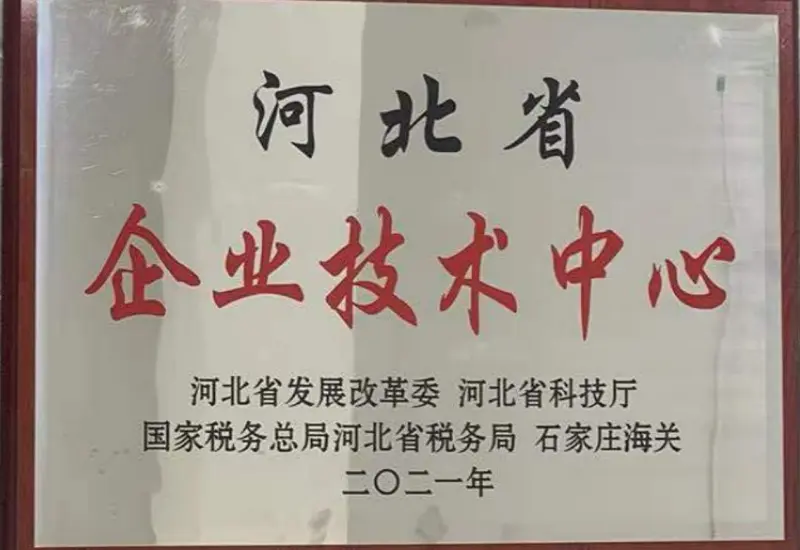
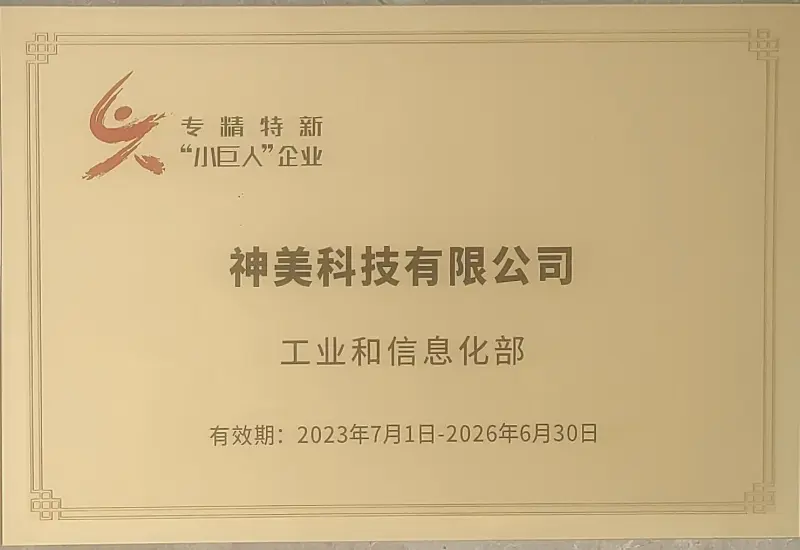
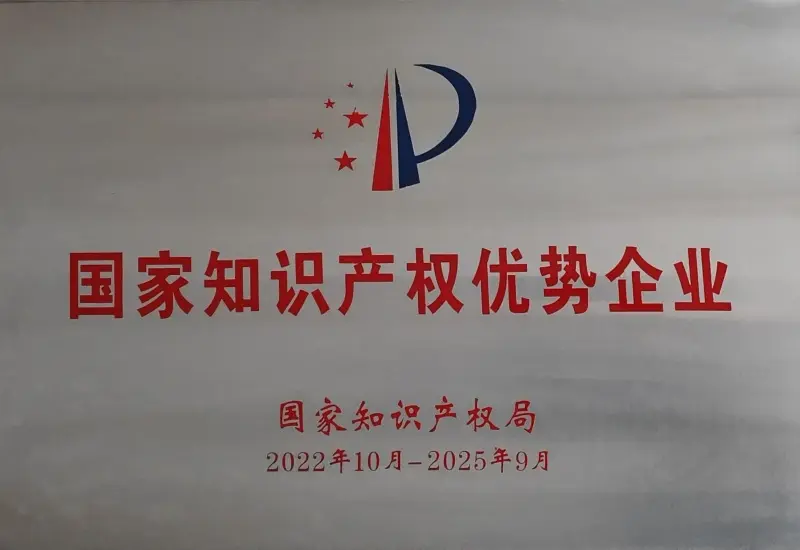
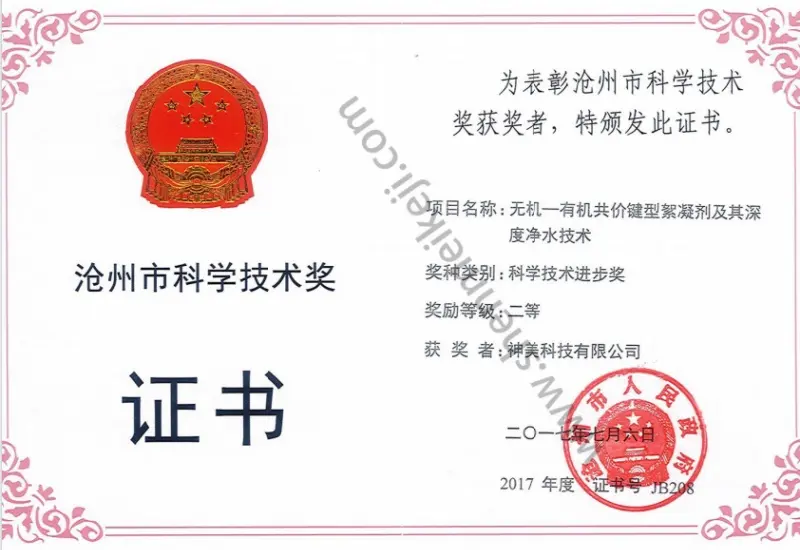
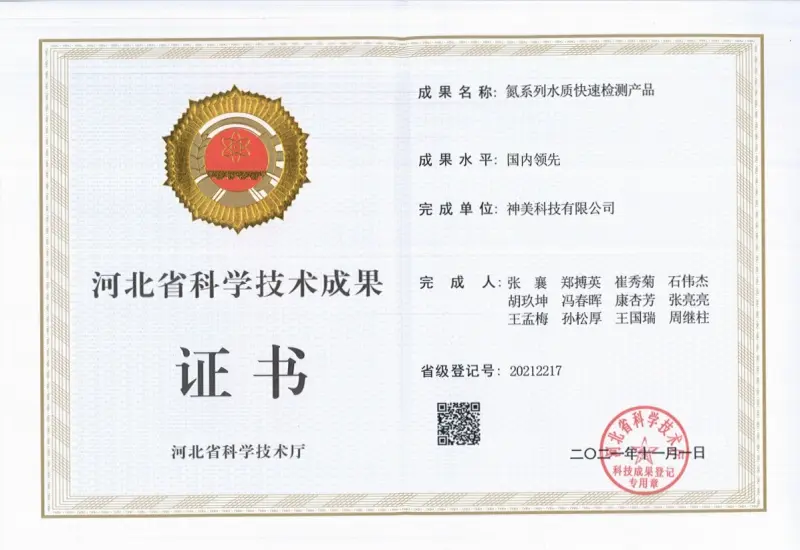
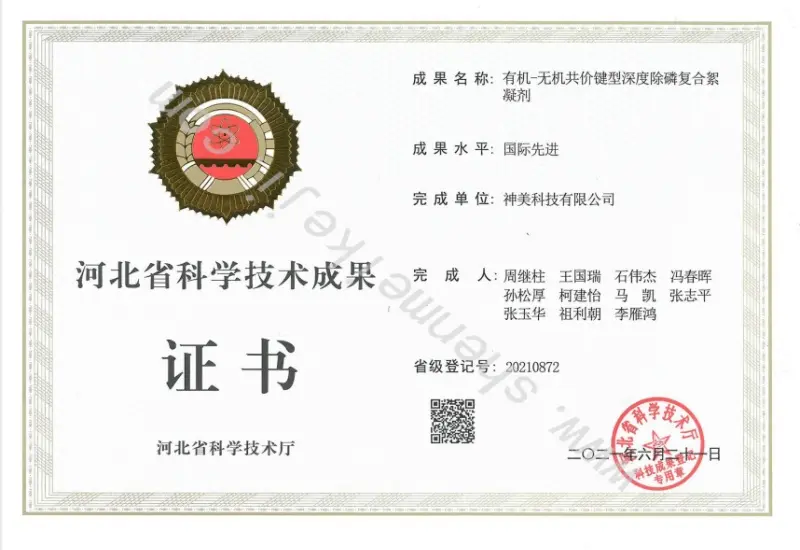
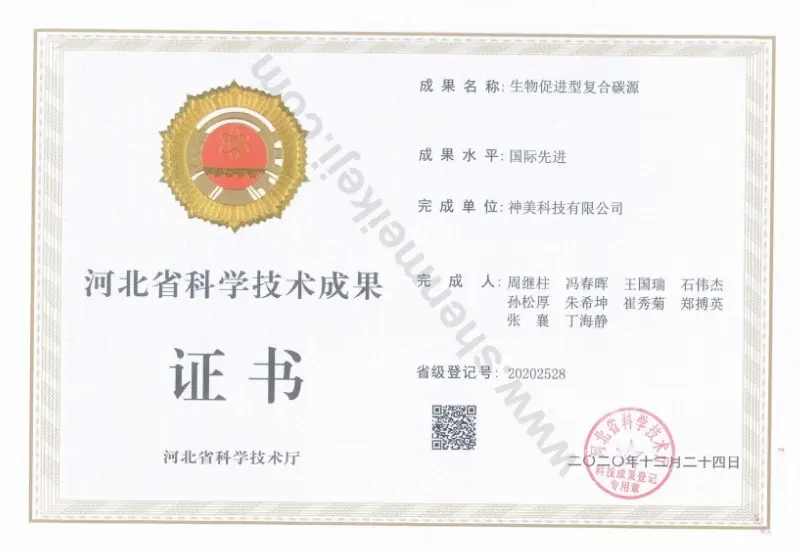
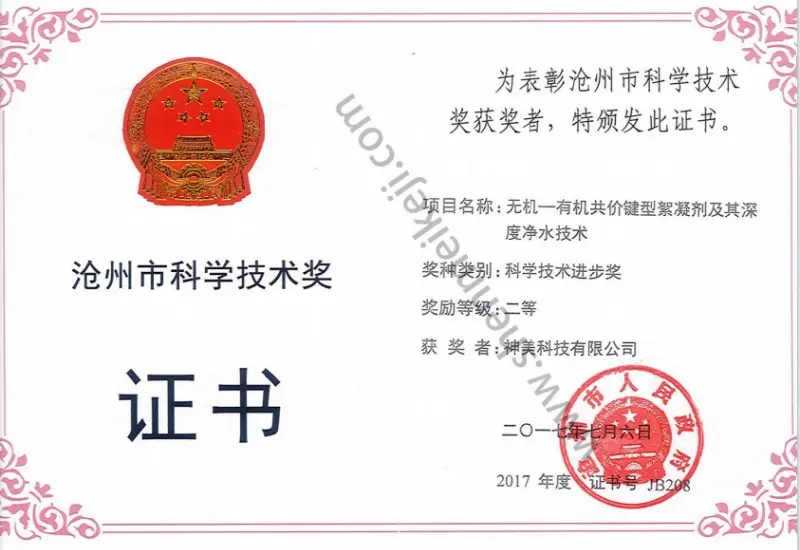
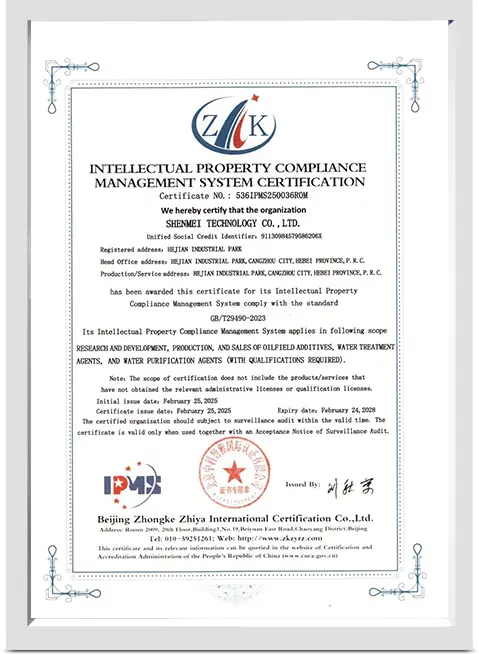
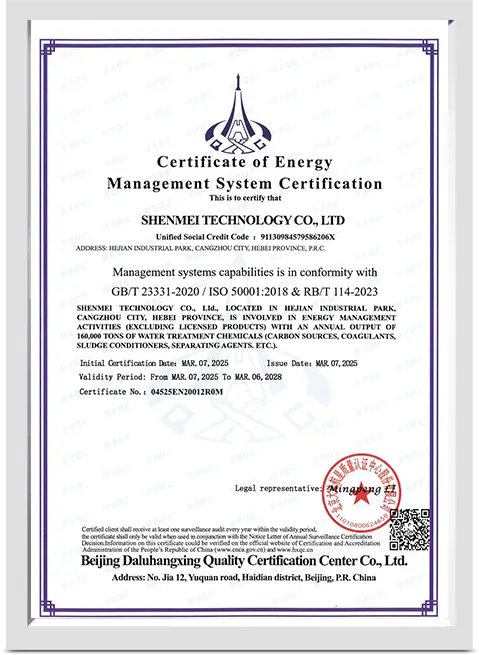
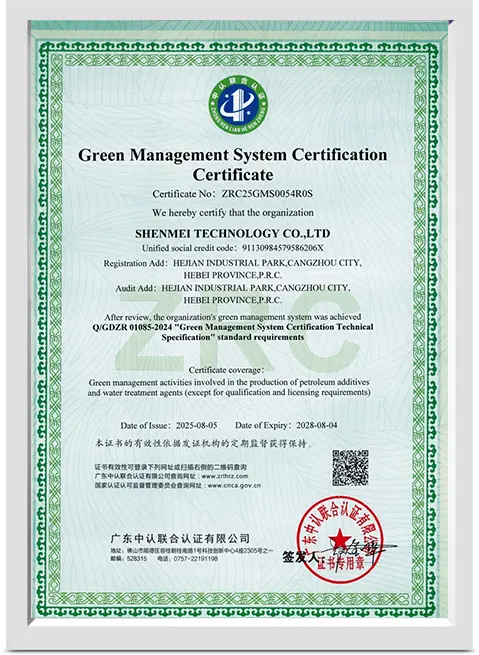
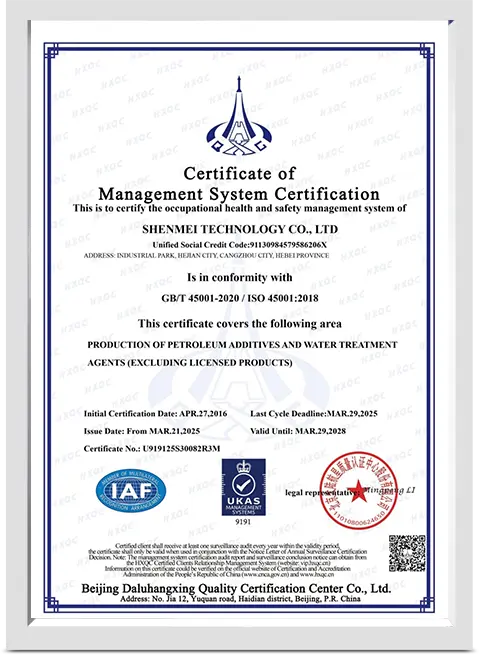
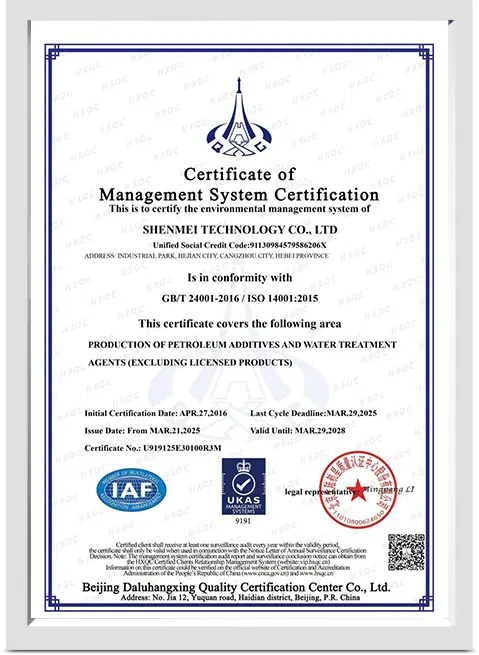
Consolidating production scale, global reaches, and high-performance chemical research.
Addressing technical parameters and dosing optimization across complex industrial environments.
Biological treatment processes in pulp mills face issues with dynamic organic loading. Applying specialized CPAM with varying cationicity levels controls black liquor residue, accelerates flock sedimentation, and prevents excessive foaming within aeration basins.
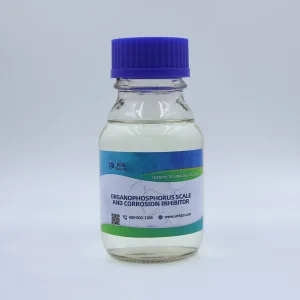
Reverse osmosis systems operating near Montevideo require protection from calcium carbonate, sulfate, and silica deposition. Our threshold scale inhibitors complex with scaling ions, distorting crystal growth and keeping membranes clean.
To conform to regional water protection policies, factories must reduce heavy metal and phosphorus content. Combining Polyferric Sulfate (PFS) with Polyaluminum Chloride (PAC) ensures maximum charge neutralization and rapid precipitate removal.
Factory-direct chemical agents, polymers, and defoamers optimized for municipal and industrial projects.
Addressing primary operational questions from process engineers and procurement heads in Uruguay.
Secure stable logistics, customized formulations, and factory-direct pricing for Uruguayan municipal and industrial facilities.
Send Inquiry Now Smedic Tech