Engineered for high performance under local operational constraints, these industrial agents support Ethiopia's critical textile, tannery, municipal, and manufacturing sectors.
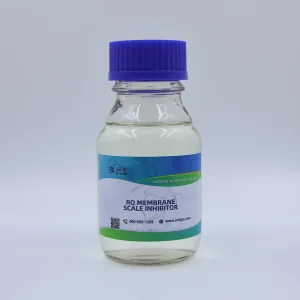
Formulated to prevent scale precipitation on reverse osmosis membranes, protecting expensive systems handling complex Rift Valley groundwater.
Send Inquiry Now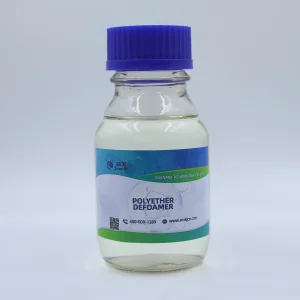
Designed for optimal foam suppression in industrial bioreactors, textile dyeing baths, and heavy effluent treatment systems.
Send Inquiry Now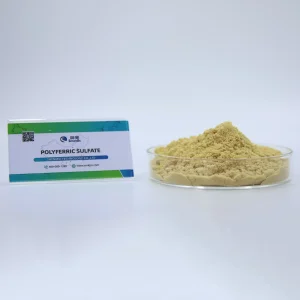
High-density inorganic polymer coagulant ideal for heavy-duty industrial wastewater and municipal turbidity clarification.
Send Inquiry Now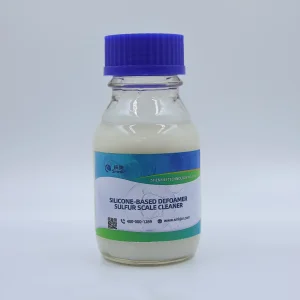
Highly stable silicone defoaming emulsion offering immediate knock-down and long-lasting persistence in high-alkalinity textile processing.
Send Inquiry NowAn in-depth analysis of Ethiopia's industrial trajectory, geological water profile, and environmental compliance demands.
Under the national growth strategy, flagship industrial developments such as the Hawassa, Bole Lemi, Adama, and Kombolcha Industrial Parks have established Ethiopia as a leading light manufacturing hub in East Africa. To protect local ecosystems, these parks enforce strict Zero Liquid Discharge (ZLD) regulations. Standard untreated discharge is not allowed. Operating ZLD systems demands specialized water chemicals, including anti-scalants, organic/inorganic coagulants, and highly persistent defoamers, to ensure advanced membrane filtration and biological treatment systems operate reliably.
The geography of the East African Rift System introduces major municipal and industrial water challenges in central Ethiopia. Groundwater in the region contains high levels of fluoride, hardness, and heavy mineral salinity. When utilized in cooling towers, boilers, or reverse osmosis systems, rapid scale formation (primarily calcium carbonate, magnesium sulfate, and silica) occurs. Without effective threshold scale inhibitors, industrial equipment suffers from high down-time and rapid degradation, highlighting the need for localized chemical treatments.
The Environmental Protection Authority (EPA) of Ethiopia has significantly tightened discharge standards for biological oxygen demand (BOD), chemical oxygen demand (COD), and heavy metal ions (specifically trivalent and hexavalent chromium from tanneries in Mojo). Smedic's range of environmental polymers, advanced coagulants (PFS/PAC), and high-potency heavy metal precipitating agents offer direct assistance to operators working to meet national discharge standards and protect key water resources like the Awash River.
Smedic Technology Co., Ltd. integrates manufacturing capacity with advanced research to deliver reliable industrial chemical products.
Smedic holds over sixty Chinese patents, including more than forty invention patents. We have led the drafting of ten national and industry standards in China, including those for composite carbon sources, composite coagulants, sodium acetate, and specialized nitrifying bacterial agents, confirming our technical authority in this sector.
We maintain an expert workstation linked with the Tsinghua University Association of Senior Scientists and Technicians. Our joint R&D laboratories operate in partnership with Shandong University, Beijing University of Technology, and we serve as a commercialization partner for water treatment research from Peking University and Tianjin University.
Operating proprietary production facilities in Hebei, Guizhou, and Shanxi, alongside ten regional warehousing and logistics bases in key Chinese chemical hubs, Smedic produces over 80 environmental chemical agents with an annual capacity exceeding 1 million tons.
A technical guide to polymer design, defoaming mechanics, and selective precipitation in industrial process streams.
Polyelectrolytes play a key role in modern solid-liquid separation. Smedic's polyacrylamide (PAM) formulations are tailored by molecular weight (MW) and charge density (CD) to suit specific water matrices:
Textile wet processing involves high concentrations of surfactants, sizing agents, and dyes, which create high-volume foam under turbulent conditions. Smedic defoamers use three primary approaches:
Our heavy metal removal agent utilizes dithiocarbamate (DTC) chemistry to form stable, insoluble coordination complexes with divalent and trivalent metal ions (such as copper, nickel, zinc, and chromium). These complexes settle rapidly, ensuring compliant effluent discharge. Similarly, our fluoride removal agents utilize multi-nuclear coordination complexes to absorb and settle fluoride ions, addressing Rift Valley groundwater quality issues.
| Chemical Agent | Primary Industrial Sector | Operational Parameters (pH) | Optimal Dosage Rate (g/m³) | Key Performance Mechanism |
|---|---|---|---|---|
| RO Scale Inhibitor | Industrial Water Supply | 5.0 – 10.0 | 2.0 – 6.0 | Threshold inhibition, crystal distortion |
| Polyether Defoamer | Textiles & Fermentation | 6.0 – 11.0 | 50 – 200 | Surface tension reduction, film rupture |
| Anionic PAM (APAM) | Mining & Sand-Washing | 6.0 – 9.0 | 1.0 – 5.0 | Polymeric bridging, charge neutralization |
| Cationic PAM (CPAM) | Municipal/Industrial Sludge | 5.0 – 8.5 | 10 – 50 | Electrostatic attraction, micro-floc formation |
| Heavy Metal Remover | Tanning & Electroplating | 3.0 – 11.0 | 100 – 500 | Chelation precipitation, floc growth |
| Fluoride Remover | Drinking Water & Smelting | 6.0 – 8.0 | 200 – 1000 | Co-precipitation, surface adsorption |
Reliable supply chain pathways, transport routes, and custom formulations designed for East African industrial environments.
We manage direct shipping routes from primary Chinese cargo ports (such as Qingdao, Tianjin, and Shanghai) to the Port of Djibouti. From Djibouti, shipments are moved via the Ethio-Djibouti Railway directly to the Modjo Dry Port, providing consistent chemical delivery schedules for plants operating in Addis Ababa and neighboring industrial zones.
Water quality parameters in Ethiopia can vary significantly by season. Heavy rains during the rainy season alter raw water turbidity in rivers like the Awash and Blue Nile. Smedic provides tailored chemical adjustments, tailoring the molecular weight of polyacrylamides and the active components of coagulants to match seasonal changes.
We support our products with comprehensive technical services, assisting operators with lab testing, dosage system calibration, and pilot runs. This ensures chemical dosing configurations are optimized to help plant operators manage operating costs effectively.
A broad portfolio of advanced water treatment reagents, defoamers, and process aids supporting diverse industrial sectors in Ethiopia.
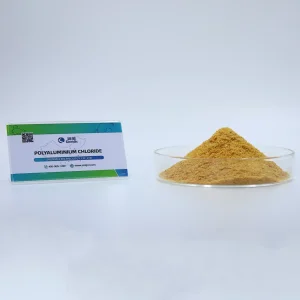
Premium grade PAC featuring high Al2O3 content. Optimized for rapid floc generation and turbidity reduction in drinking water and industrial process loops.
Send Inquiry Now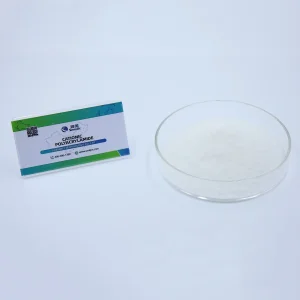
High-molecular weight CPAM designed for rapid water separation in centrifugal, belt press, and plate-and-frame dewatering systems.
Send Inquiry Now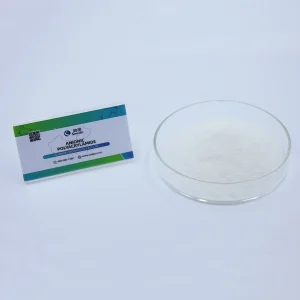
High-performance anionic flocculant designed for tailing settlement, mining run-off treatment, and aggregate recovery processes.
Send Inquiry Now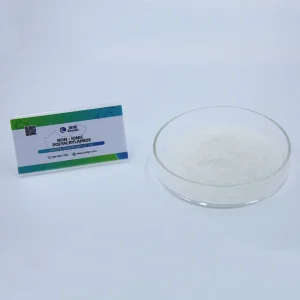
Designed for high stability in acidic, saline, and mineral-rich wastewater environments where standard polymers may fail.
Send Inquiry Now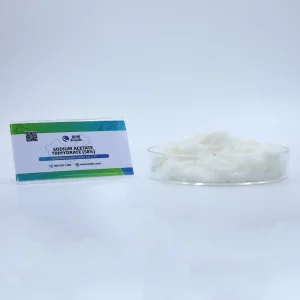
High-purity sodium acetate crystals providing a highly bio-available carbon source for denitrifying bacteria in wastewater treatment systems.
Send Inquiry Now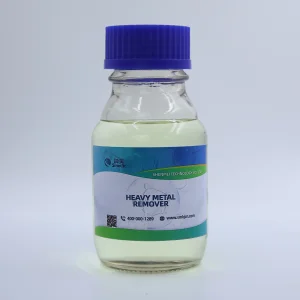
Targeted chelating agent designed to precipitate dissolved chromium, copper, and nickel ions from industrial plating and leather processing wastewater.
Send Inquiry Now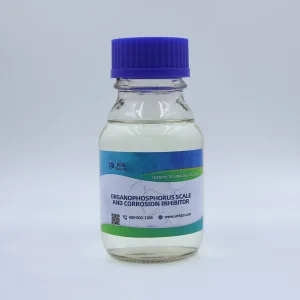
Provides robust scale prevention and corrosion protection for high-temperature boilers, heat exchangers, and cooling towers.
Send Inquiry Now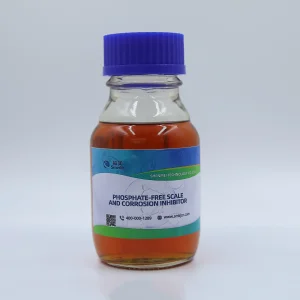
A sustainable scale inhibitor designed to prevent eutrophication risks in local waterways and downstream river basins.
Send Inquiry NowTechnical guidance and operational advice for procurement managers and process engineers handling wastewater and boiler treatment systems in Ethiopia.
Contact Smedic's engineering team for water analysis, sample evaluations, and custom chemical formulations designed for your operational needs.
Send Inquiry Now Smedic Tech