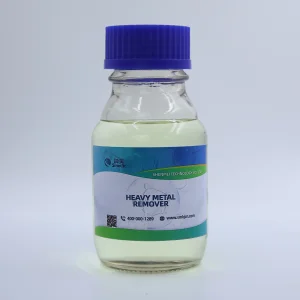
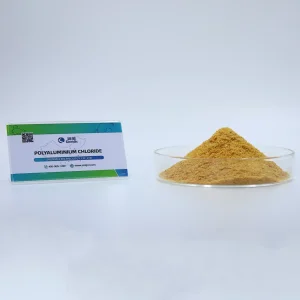
Engineered high-efficiency precipitating agents and functional reagents designed for complex industrial effluents under strict Georgia EPD discharge limits.
An authoritative analysis of regulatory enforcement, industrial growth sectors, and advanced chemical remediation strategies in the State of Georgia.
The State of Georgia has emerged as a premier powerhouse for advanced manufacturing, electric vehicle (EV) battery production, aerospace engineering, metal finishing, and textile operations in the Southeastern United States. From the bustling industrial corridors surrounding Metro Atlanta to the expanding port-adjacent industrial sectors of Savannah, Dalton, and Augusta, industrial facilities face increasingly stringent environmental oversight. The Georgia Environmental Protection Division (EPD), operating under oversight from Region 4 of the U.S. Environmental Protection Agency (EPA), enforces rigorous National Pollutant Discharge Elimination System (NPDES) permit limitations for toxic heavy metal ions in wastewater effluents.
Traditional chemical precipitation techniques—such as simple sodium hydroxide or lime-based neutralization—are rapidly proving insufficient for modern industrial operations in Georgia. Complexing agents (EDTA, citrates, gluconates, and tartrates), surfactants, and variable pH conditions in industrial process streams prevent traditional hydroxides from achieving low parts-per-billion (ppb) target levels for heavy metals such as Copper (Cu²⁺), Nickel (Ni²⁺), Lead (Pb²⁺), Cadmium (Cd²⁺), Hexavalent & Trivalent Chromium (Cr⁶⁺/Cr³⁺), Zinc (Zn²⁺), and Mercury (Hg²⁺). Smedic Technology brings over a decade of specialized chemical research, high-capacity manufacturing, and field application expertise to deliver targeted heavy metal removal agents specifically formulated for Georgia’s evolving industrial landscape.
Industrial dischargers located within Georgia’s major river basins—such as the Chattahoochee, Savannah, Coosa, and Oconee watersheds—are subject to micro-pollutant limits designed to protect municipal drinking sources and delicate aquatic ecosystems. Key regulatory imperatives driving procurement demand for specialized chemical heavy metal removal agents include:
Comparing Smedic Poly-Dithiocarbamate (DTC) Chelating Technology against Standard Industrial Hydroxide and Sulfide Treatment Methods.
| Parameter / Feature | Sodium Hydroxide (NaOH) Method | Inorganic Sulfide Method | Smedic Advanced Heavy Metal Removal Agent |
|---|---|---|---|
| Target Metal Bound Residual | 1.0 - 5.0 ppm (Re-dissolves outside narrow pH) | 0.5 - 2.0 ppm (Risk of toxic H₂S gas evolution) | < 0.05 ppm (Ultra-trace removal performance) |
| Complexed Metal Chelation (EDTA/Citrate) | Ineffective; Ligands hold metals in solution | Partial breakthrough; Incomplete reactions | Extremely Effective; Stronger affinity than EDTA |
| Operational pH Range | Strict narrow window (pH 8.5 - 9.5) | Strict alkaline required (pH > 9.0) | Wide functional range (pH 3.0 - 11.0) |
| Sludge Stability & TCLP Test | Poor; High leaching risk under acidic rain | Moderate; Potential oxidation of sulfide sludge | Covalently bonded lattice; Passes strict TCLP tests |
| Flocculation & Settling Speed | Slow settling, fine hydroxide pin-flocs | Colloidal suspension requires high polymer dose | Rapid dense precipitate formation; Co-flocculating |
Complete chemical solutions engineered for synergistic application alongside heavy metal removal agents to optimize operational cost and discharge quality.
End-to-end chemical engineering blueprints tailored for Georgia's flagship manufacturing sectors.
Challenge: Battery cell production plants generate wastewater containing complexed Nickel, Cobalt, Manganese, and Lithium ions mixed with organic solvents. Standard hydroxide precipitation fails due to organic complexing agents, leaving nickel concentrations above 2.0 mg/L.
Smedic Solution: Implementation of Smedic Heavy Metal Removal Agent (DTC poly-chelating chemical) directly following equalisation. The reagent breaks organic metal complexes instantly at room temperature, dropping dissolved Nickel and Cobalt concentrations to below 0.02 mg/L within 15 minutes of reaction time.
Challenge: Automotive tier-1 suppliers in North Georgia perform copper-nickel-chrome plating operations. Mixed rinses contain EDTA-chelated Copper and Hexavalent Chromium (Cr⁶⁺).
Smedic Solution: A two-stage process incorporating reduction of Cr⁶⁺ using specialized bisulfites, followed by dosing Smedic Heavy Metal Removal Agent combined with Smedic Poly Aluminum Chloride (PAC). This yields rapid settling flocs and crystal-clear filtrate compliant with local POTW discharge standards.
Challenge: Cooling tower blowdown and heavy process rinses contain high background dissolved salts and heavy metal traces (Zn²⁺, Cu²⁺), scaling membranes in reuse systems.
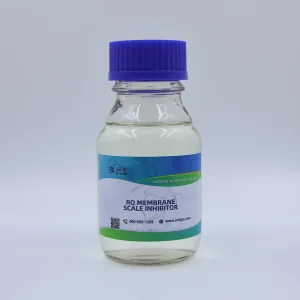
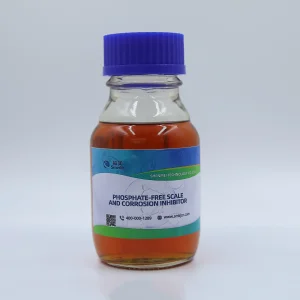
Smedic Solution: Dosing Smedic Phosphate-Free Scale Inhibitor alongside specialized organic metal precipitants. This protects reverse osmosis (RO) membranes from heavy metal fouling and mineral scaling, allowing up to 85% water recovery rates.
Challenge: Dye house effluents in Northwest Georgia contain organometallic dyes (copper phthalocyanines) that bypass standard biological aeration systems.
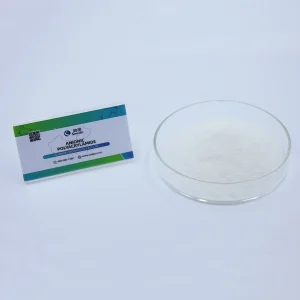
Smedic Solution: Advanced tertiary polishing using Smedic Heavy Metal Removal Agent combined with Smedic Anionic Polyacrylamide (APAM) flocculants to decolorize and precipitate heavy metal dye residue prior to final river discharge.
A premier global environmental chemical manufacturer with integrated production, research, and regional supply capabilities.
Established in 2011, Smedic Technology Co., Ltd. has grown into a world-class integrated chemical manufacturing enterprise specializing in high-performance environmental agents. Our global production footprint spans multiple wholly-owned manufacturing bases in Hebei, Guizhou, and Shanxi, supplemented by over ten joint-venture production hubs and strategic warehousing nodes. With an annual production capacity exceeding 1,000,000 metric tons and a product portfolio spanning 80+ specialized chemical solutions, Smedic serves over 600 municipal sewage plants and 1,000+ major industrial clients daily.
Our centralized quality assurance infrastructure includes end-to-end raw material verification, real-time in-process HPLC/ICP-OES spectroscopic monitoring, and strict batch release certification to ensure guaranteed performance across international supply chains.
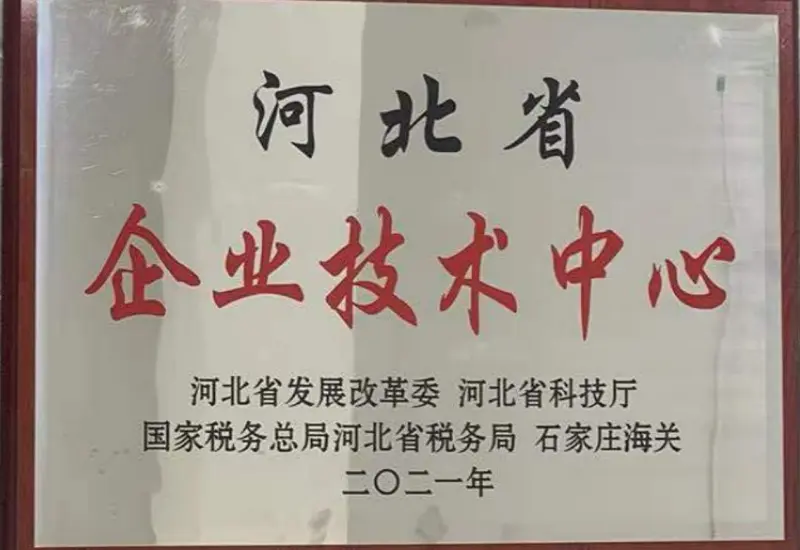
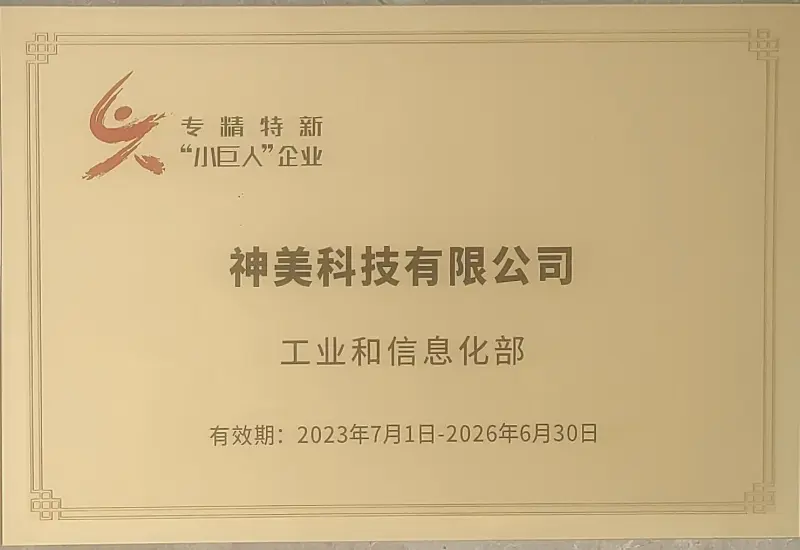
Smedic operates a state-level R&D ecosystem centered around one academy, three research institutes, and five specialized testing bases. Recognized as a National High-Tech Enterprise and a "Little Giant" enterprise, our core technical leadership includes senior academicians, professors, and doctoral engineers.
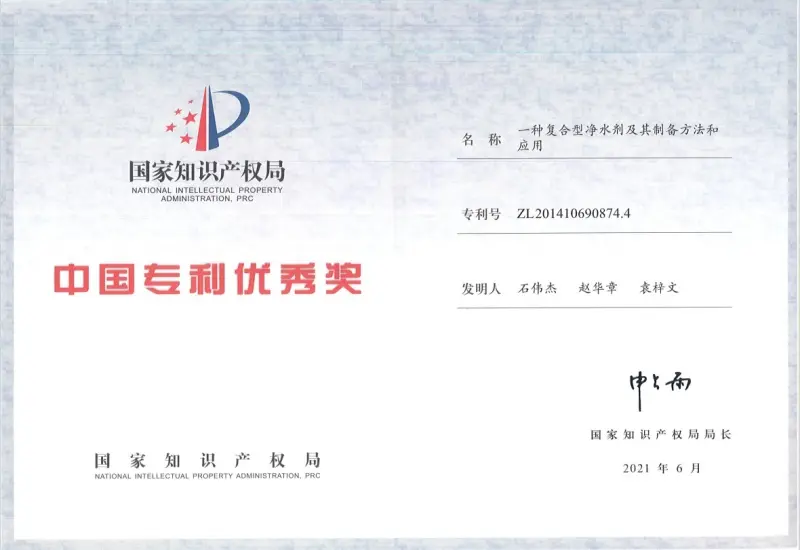
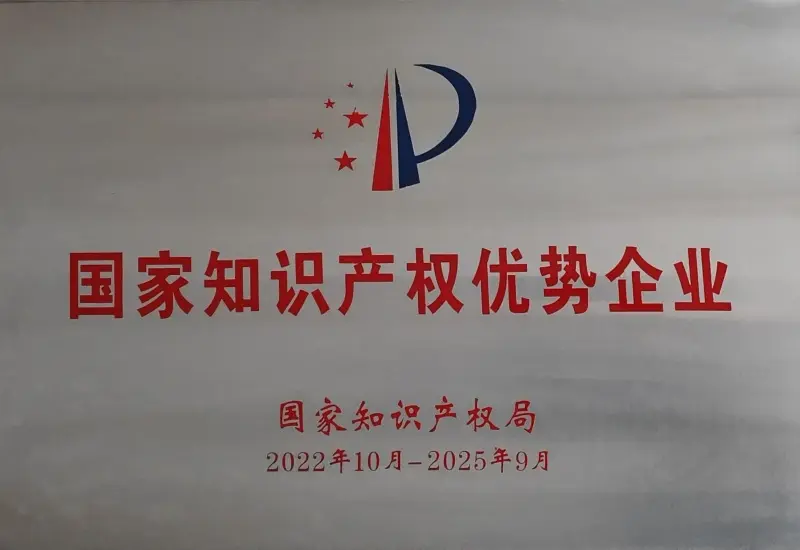
We maintain collaborative research labs with prestigious academic institutions including Tsinghua University, Shandong University, and Beijing University of Technology. Holding over 60 national invention and utility patents, Smedic has authored more than ten official industry standards governing coagulants, carbon sources, and advanced chelating precipitants.
Company founded; core synthesis chemistry group established.
Recognized as National Key High-Tech Enterprise.
Expansion completed; total production capacity passed 1 Million Tons/Year.
Awarded National "Little Giant" Enterprise certification for technical innovation.
Joint venture established for advanced mineral processing and industrial agents.

Streamlined procurement logistics, flexible industrial packaging options, and local engineering trial capabilities.
Available in 25 kg multi-wall moisture-proof bags, 1,000 kg UN-rated IBC totes, or liquid bulk tanker truck shipments directly to your facility in Georgia.
Our technical team provides complimentary jar testing analysis on your actual wastewater samples to calculate exact dosage rates and optimized operational pH.
Full SDS documentation, EPA Region 4 compliance guidelines, REACH, and ISO 9001/14001 certified manufacturing parameters provided with every batch.
Pioneering green chelation, automated dosing feedback loops, and Zero-Liquid Discharge (ZLD) integration.
As sustainability mandates expand across North America, Smedic is actively developing green-synthesis organic chelating polymers that replace traditional sulfur-heavy formulations with bio-based ligand networks. Our R&D pipeline focuses on three key pillars for modern industrial operations:
Expert technical answers for environmental engineers, plant managers, and procurement officers.
Connect with Smedic Technology’s senior chemical engineers today for tailored chemical formulations, competitive factory-direct pricing, and technical support.
Send Inquiry Now Smedic Tech