Engineered to comply with Swiss GSchG guidelines. Rapid complexation and precipitation of toxic ions.
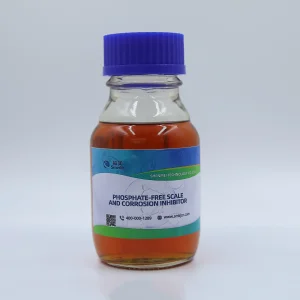
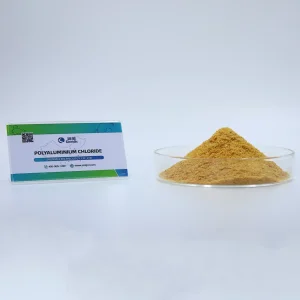
Geneva is not only a global diplomatic hub but also home to high-precision industries such as advanced watchmaking, micro-manufacturing, electroplating, and specialized chemical syntheses. These operations generate wastewater streams containing toxic heavy metal ions, including copper (Cu), nickel (Ni), chromium (Cr), and zinc (Zn), which are strictly regulated by the Swiss Federal Act on the Protection of Waters (GSchG) and Geneva cantonal environmental authorities.
Traditional chemical precipitation techniques often fail to reduce heavy metal concentrations to the fractional parts-per-billion (ppb) levels required by contemporary environmental criteria. The canton's industrial wastewater discharge demands highly effective chelating agents that operate over broad pH ranges and in the presence of strong complexing agents (such as EDTA or ammonia).
From a global perspective, the heavy metal removal market is shifting rapidly toward non-toxic, eco-friendly polymeric organic formulations that ensure zero-liquid discharge (ZLD) capability. Our high-capacity organosulfur formulations and composite inorganic-organic polymers provide Geneva manufacturers with a cost-efficient strategy to achieve compliance without upgrading entire physical plant infrastructures.
Undergoing precise chelation chemistry to immobilize toxic ions in challenging effluents.
Our heavy metal removal agent utilizes active sodium dithiocarbamate (DTC) derivatives that feature multiple sulfur-donor atoms. These groups have an affinity for transition metals, forming stable, insoluble coordination complexes that precipitate out of solution rapidly, even in the presence of strong chelating agents.
By pairing high-molecular-weight organic precipitants with advanced coagulants like Polyaluminum Chloride (PAC) or Polyferric Sulfate (PFS), our formulations build large, dense, easily filterable flocs. This reduces sludge volume and accelerates sedimentation rates.
Unlike hydroxide precipitation, which requires precise, metal-specific pH windows, our agents perform effectively across a pH range of 3.0 to 12.0. This allows for simultaneous multi-metal precipitation in a single reaction stage, saving chemical reagents and lowering processing costs.
| Metal Ion | Initial Concentration (mg/L) | After Treatment (mg/L) | Swiss Discharge Limit (mg/L) | Removal Efficiency (%) |
|---|---|---|---|---|
| Copper (Cu2+) | 150.00 | 0.08 | 0.50 | 99.94% |
| Nickel (Ni2+) | 85.00 | 0.05 | 0.50 | 99.94% |
| Hexavalent Chromium (Cr6+) | 45.00 | 0.02 | 0.10 | 99.95% |
| Zinc (Zn2+) | 220.00 | 0.15 | 2.00 | 99.93% |
| Lead (Pb2+) | 35.00 | 0.01 | 0.20 | 99.97% |
Established in 2011, Smedic Technology Co., Ltd. is a comprehensive solution provider specializing in environmental protection agents, integrating R&D, production, sales, and engineering-related technical services. We are dedicated to providing customers with customized chemical products, technical solutions, and services.
Smedic produces environmental protection agents covering multiple sectors such as municipal sewage, industrial wastewater, and tap water treatment, as well as mineral processing agents and oilfield chemicals. We offer more than 80 different environmental protection products, with an annual production capacity exceeding 1 million tons.
Our corporate headquarters is located in Beijing, with multiple wholly-owned production bases in Hebei, Guizhou, Shanxi, and other regions. We have established more than ten OEM partner factories and regional warehousing and logistics bases in Shandong, Shanxi, Anhui, Guangxi, and Sichuan provinces, among others. Our business and service network covers over 20 provinces across China, and we export high-end chemical agents to major global industrial hubs, including the European and Swiss markets.
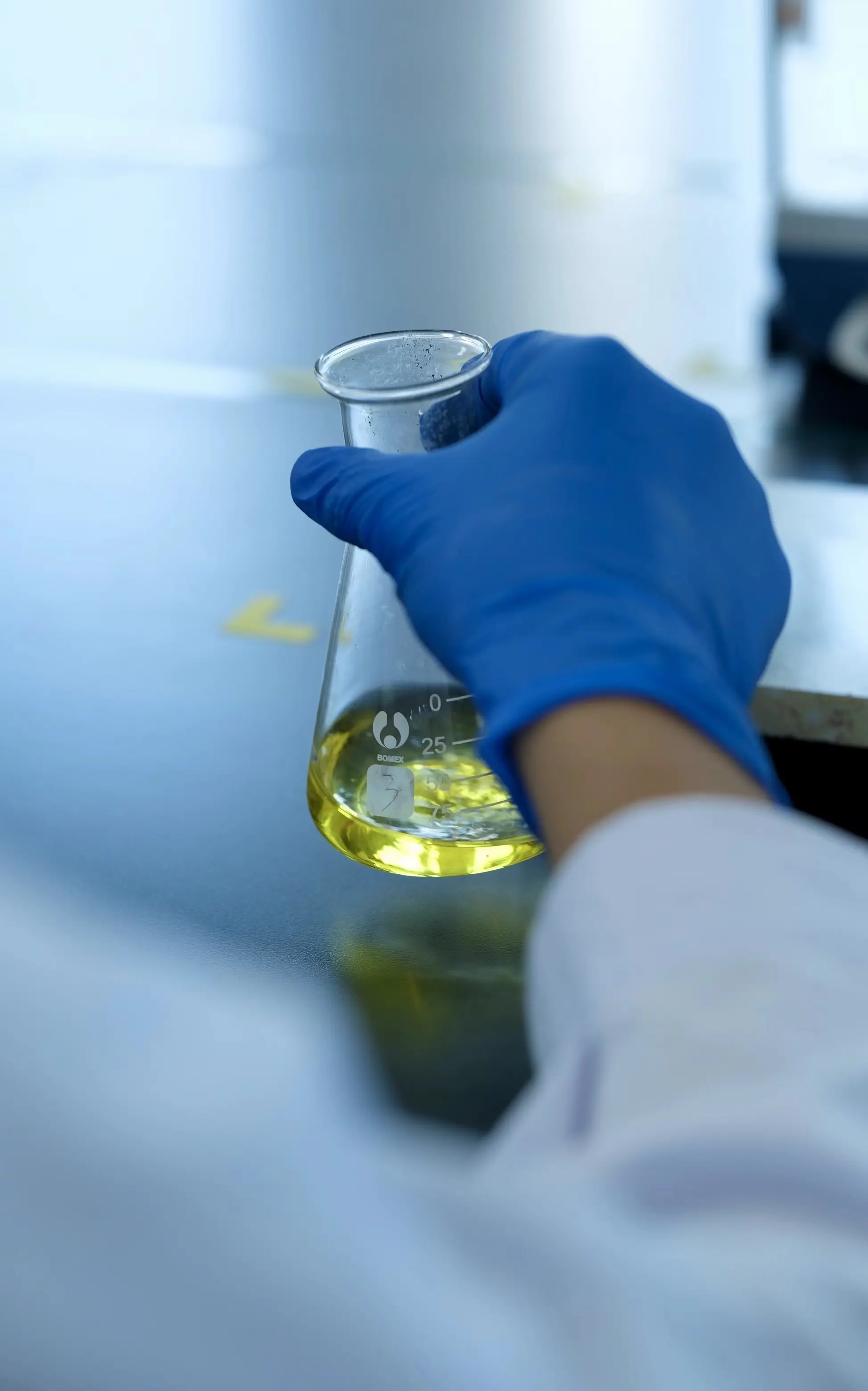
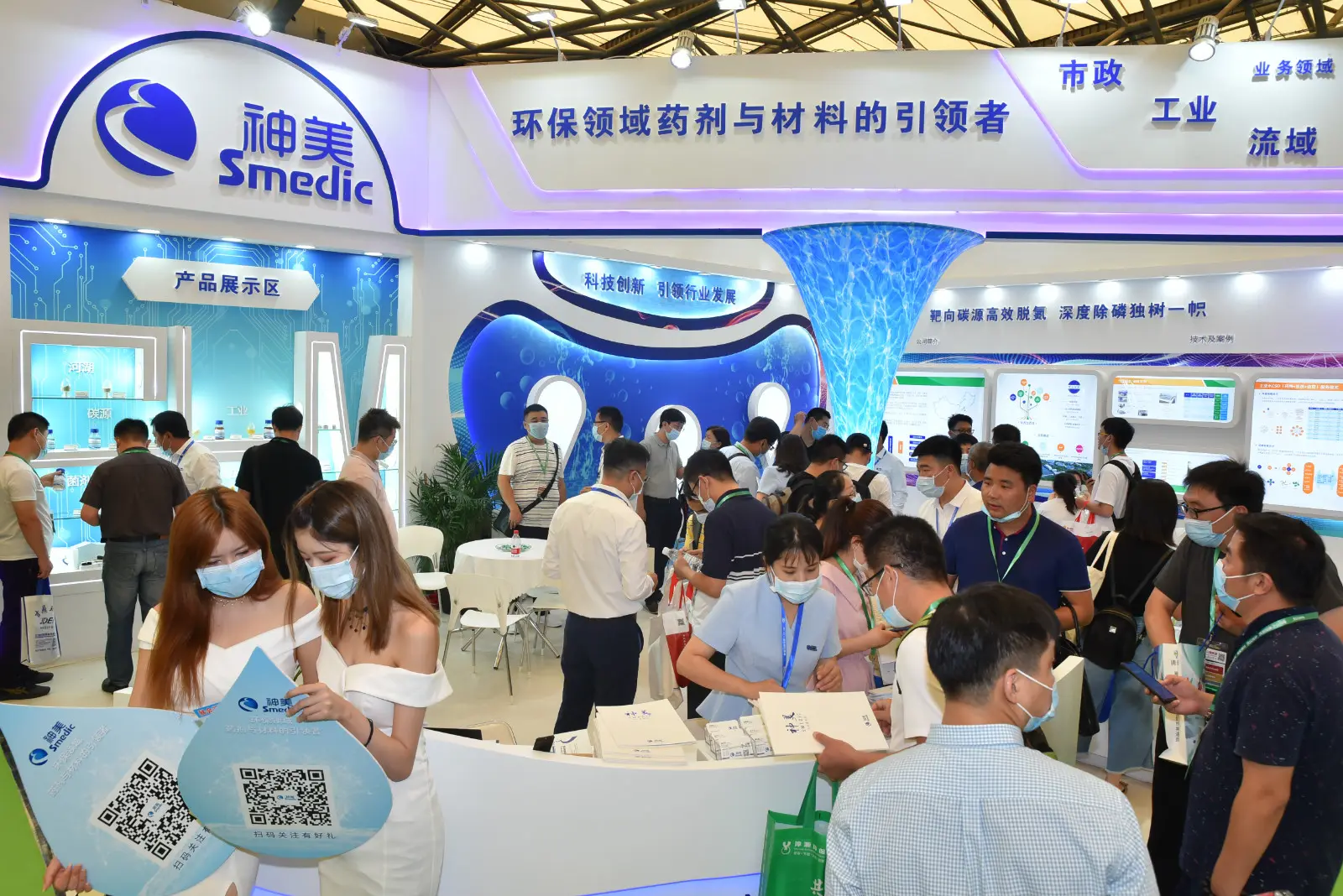
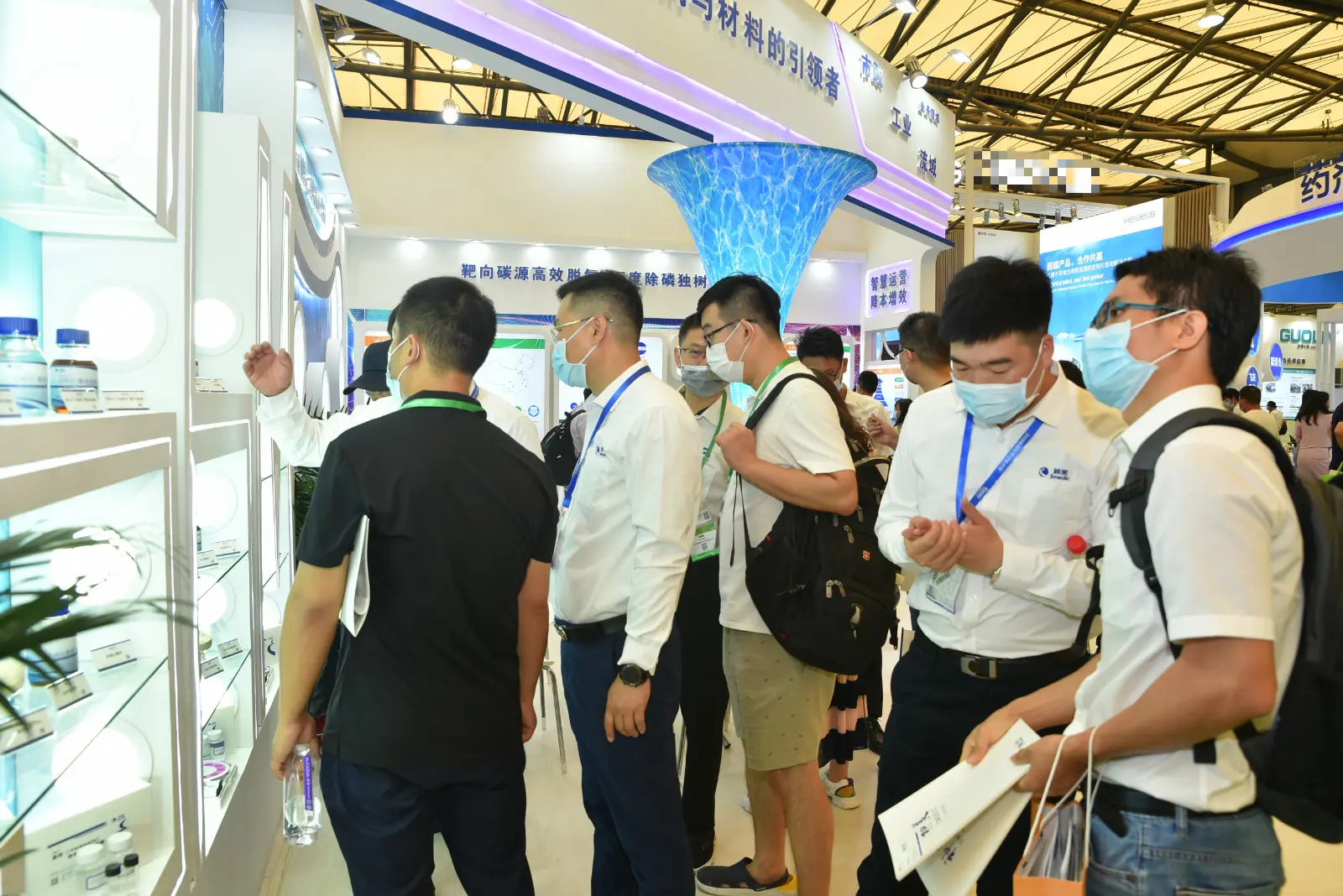
Smedic is recognized as a National High-tech Enterprise and a National Specialized, Refined, Unique and Innovative "Little Giant" Enterprise. We have built a robust research and development ecosystem led by academicians, senior environmental engineers, and chemical professors.
Our collaborative research network includes a joint expert workstation with the Tsinghua University Association of Senior Scientists and Technicians, alongside joint R&D laboratories with Shandong University and Beijing University of Technology. Smedic serves as a key commercialization partner for chemical research output from Peking University and Tianjin University.
Our portfolio includes over sixty Chinese patents, featuring more than forty invention patents and twenty utility model patents. Smedic has spearheaded the drafting of over ten national and industry standards in water treatment, including regulations for composite carbon sources, composite coagulants, sodium acetate, and bacterial agents. Our patented Bio-enhanced Denitrification Carbon Source and Deep Multi-nuclear Phosphorus Removal Agent are recognized as "internationally advanced" technology achievements by the Hebei Province Science and Technology Department.
Over a decade of engineering advanced environmental chemistry and water treatment solutions.
Smedic was founded, setting up a core focus on advanced industrial environmental protection chemical development.
Established a comprehensive product portfolio specifically targeted at municipal wastewater treatment chemicals.
Formally recognized as a key national high-tech enterprise for our patent advancements in chemical synthesis.
Commissioned a state-of-the-art water treatment chemicals production base in Guiyang to meet growing regional demands.
Completed major expansion projects in Hebei, Shandong, and Guizhou production bases, raising combined annual capacity past 1 million tons.
Awarded the prestigious National Specialized, Refined, Unique and Innovative Small and Medium-sized Enterprise status.
Inaugurated our provincial-level advanced water treatment chemical R&D innovation platform in Hebei Province.
Officially recognized as a National Intellectual Property Advantage Enterprise with over sixty patents in active operation.
Partnered in a joint venture with the Chengdu Institute of Mineral Comprehensive Utilization, China Geological Survey, to develop next-generation eco-friendly mineral processing and heavy metal recovery agents.
How Smedic is positioning itself for the future of water treatment and heavy metal recovery.
Traditional low-molecular-weight organosulfur chemicals risk generating secondary odor and toxicity due to unstable metal-ligand ratios. The industry is moving toward macromolecular polymers with high-density chelating branches. These molecules wrap heavy metal ions in a multi-point coordinate cage, creating highly stable complex structures resistant to acid leaching.
Modern wastewater management is shifting from disposal to resource recovery. Smedic's R&D department is focused on designing selective chelating agents. In complex industrial processes containing multiple metals, these agents target and recover high-value metals like nickel, copper, and cobalt individually, providing industrial users with recycled materials.
Industrial wastewater flows are highly variable. Smedic is integrating real-time UV-Vis and electrochemical sensors with AI controller models to dynamically adjust the dosage of heavy metal removal agents. This minimizes chemical waste and prevents over-dosing, which can affect downstream filtration systems.
Smedic is committed to eco-friendly formulations, minimizing raw materials derived from chlorinated solvents, and developing biodegradable backbones to limit environmental accumulation.
Our heavy metal removal agents generate dense, hydrophobic flocs that significantly lower sludge moisture content. This enhances the efficiency of filter presses and evaporators in ZLD systems.
Answers to technical and regulatory inquiries about industrial heavy metal precipitation.
High-purity chemical agents designed for municipal, industrial, and specialized process engineering.
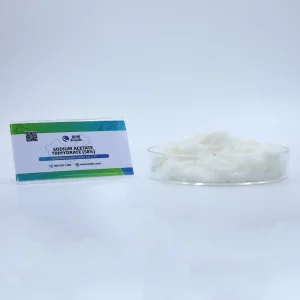
Supporting industrial operations in Geneva and worldwide with high-purity water treatment chemical agents.
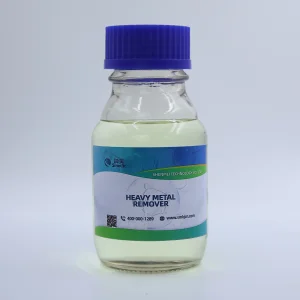
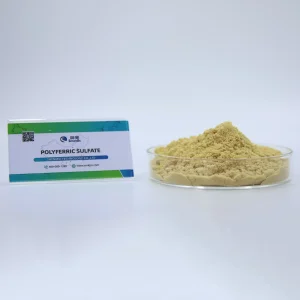
Deploy Smedic's field-tested, patented heavy metal removal agents to optimize your wastewater treatment efficiency, reduce sludge management costs, and guarantee discharge safety.
Send Inquiry Now Smedic Tech