Engineered to meet the stringent demands of municipal sewage treatment and key industrial processing sectors in Java, Sumatra, and beyond.
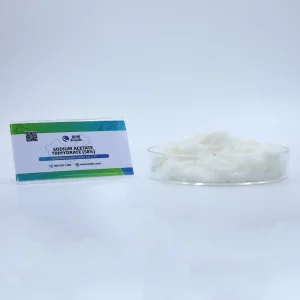
A fast-acting, high-purity external carbon source specifically optimized to support heterotrophic denitrification kinetics in municipal and industrial biological systems.
Premium membrane antiscalant designed to prevent mineral precipitation, maintaining high flux rates in Brackish Water RO and Seawater Desalination plants.
High-affinity chelating technology engineered to precipitate toxic heavy metal ions down to sub-ppb levels, ensuring compliance with strict regional guidelines.
An environmentally compliant chemical compound designed to control scaling and oxidation in high-temperature heat exchangers without generating phosphate loads.
As the largest economy in Southeast Asia, Indonesia is undergoing rapid industrial growth. Large manufacturing corridors across Bekasi, Karawang, Surabaya, and Tangerang, combined with extensive agricultural processing (such as palm oil and rubber refineries), generate vast quantities of complex wastewater. In response, the Indonesian Ministry of Environment and Forestry (KLHK) has implemented strict wastewater quality standards—notably under Regulation No. P.68/Menlhk/Setjen/Kum.1/8/2016. This framework imposes strict limits on parameters such as Chemical Oxygen Demand (COD), Biological Oxygen Demand (BOD), Total Suspended Solids (TSS), and crucially, Total Nitrogen (TN) and Ammonia-Nitrogen (NH₃-N).
Removing nitrogen through biological denitrification is essential for local compliance. Biological denitrification involves the reduction of nitrate (NO₃⁻) to gaseous nitrogen (N₂) by facultative anaerobic microorganisms. However, many Indonesian industrial processes (especially in chemical, petrochemical, and municipal sectors) yield wastewater with low carbon-to-nitrogen (C:N) ratios, which limits this process. Without an added external carbon source, denitrification efficiency drops, leading to excessive nitrate levels in the effluent and regulatory penalties.
In biological wastewater treatment plants, nitrogen elimination is a two-step biological process: aerobic nitrification followed by anoxic denitrification. Denitrifying bacteria require a reliable carbon source as an electron donor to fuel the biochemical reduction steps:
For industrial applications, choosing the right carbon source affects both kinetic reaction rates and overall operation costs. Sodium acetate (CH₃COONa) is widely utilized due to its direct path into the acetyl-CoA metabolic cycle of denitrifying biomass. This allows for immediate utilization without requiring adaptation periods, in contrast to complex sugars or alcohols which must first undergo enzymatic breakdown.
Global supply chain volatility has made supply security a key factor for wastewater plant operations. As a leading manufacturer of water treatment chemicals, Smedic Technology integrates smart manufacturing and automation (Industry 4.0) to maintain high product quality and stable output.
Our automated production facilities in Hebei, Shanxi, and Guizhou utilize closed-loop process controls that maintain tight specifications for parameters like active concentration, dry matter content, and low insoluble impurities. By operating multiple wholly-owned production bases and over ten partner factories, we maintain an annual production capacity exceeding 1 million tons.
For procurement managers in Indonesia, this production scale offers substantial supply chain advantages:
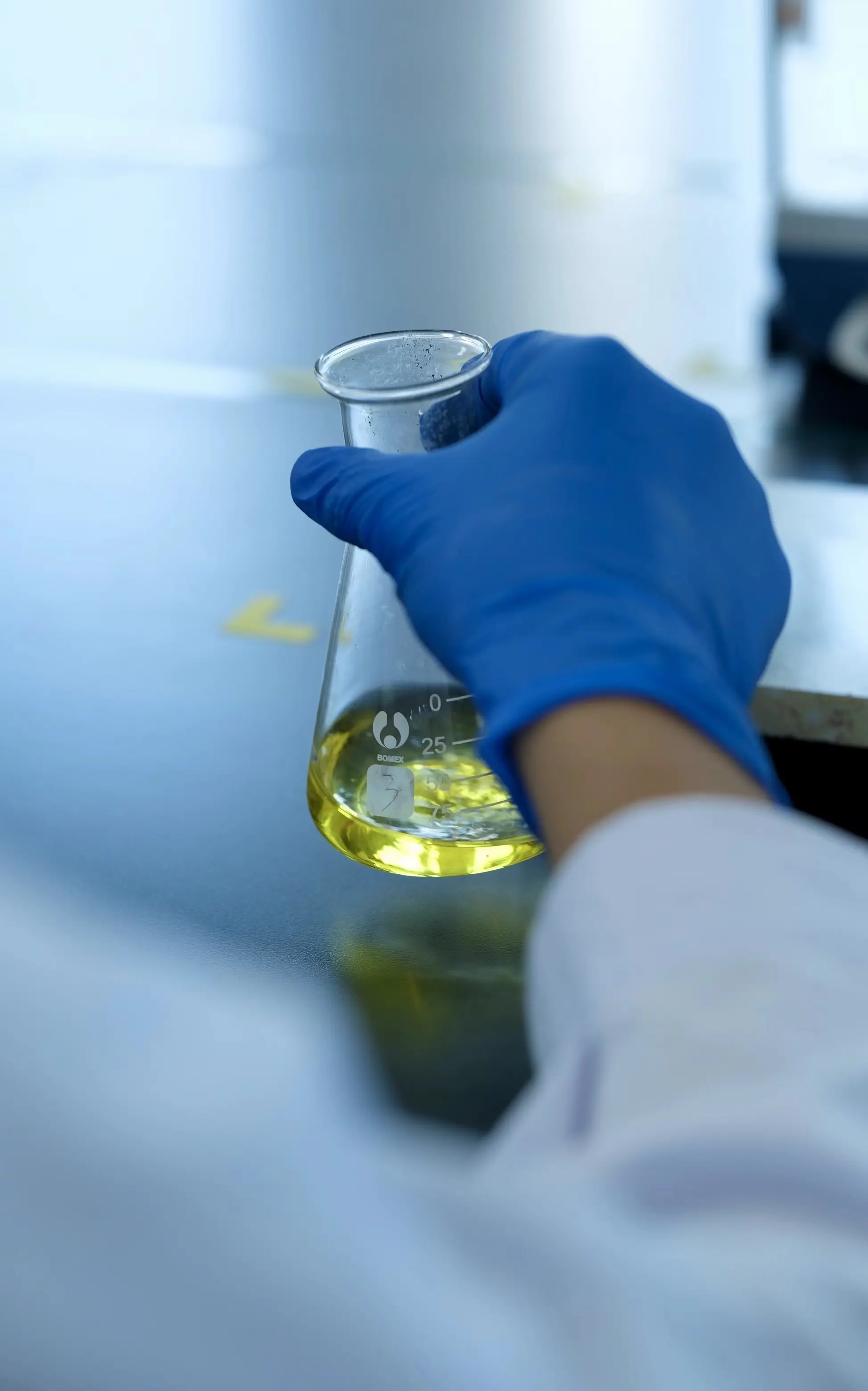
Established in 2011, Smedic Technology is a comprehensive provider specializing in environmental protection agents, integrating R&D, production, sales, and engineering-related technical services.
Established Year
Environmental Protection Agents
Annual Production Capacity (Tons)
Sewage Treated Daily (Tons)
Our corporate headquarters is located in Beijing, with wholly-owned production bases in Hebei, Guizhou, Shanxi, and other regions, as well as over ten OEM partner factories and regional warehousing and logistics bases in Shandong, Shanxi, Anhui, Guangxi, and Sichuan. Our business and service network covers over 20 provinces across China and extends to overseas markets in Southeast Asia.
Our projects support more than 600 urban sewage treatment plants and over 1,000 industrial wastewater treatment, mineral processing, and oilfield chemical customers globally. The total sewage treatment capacity involved in our projects exceeds 20 million tons per day, establishing Smedic as a leading choice for high-end municipal and industrial wastewater chemical solutions.
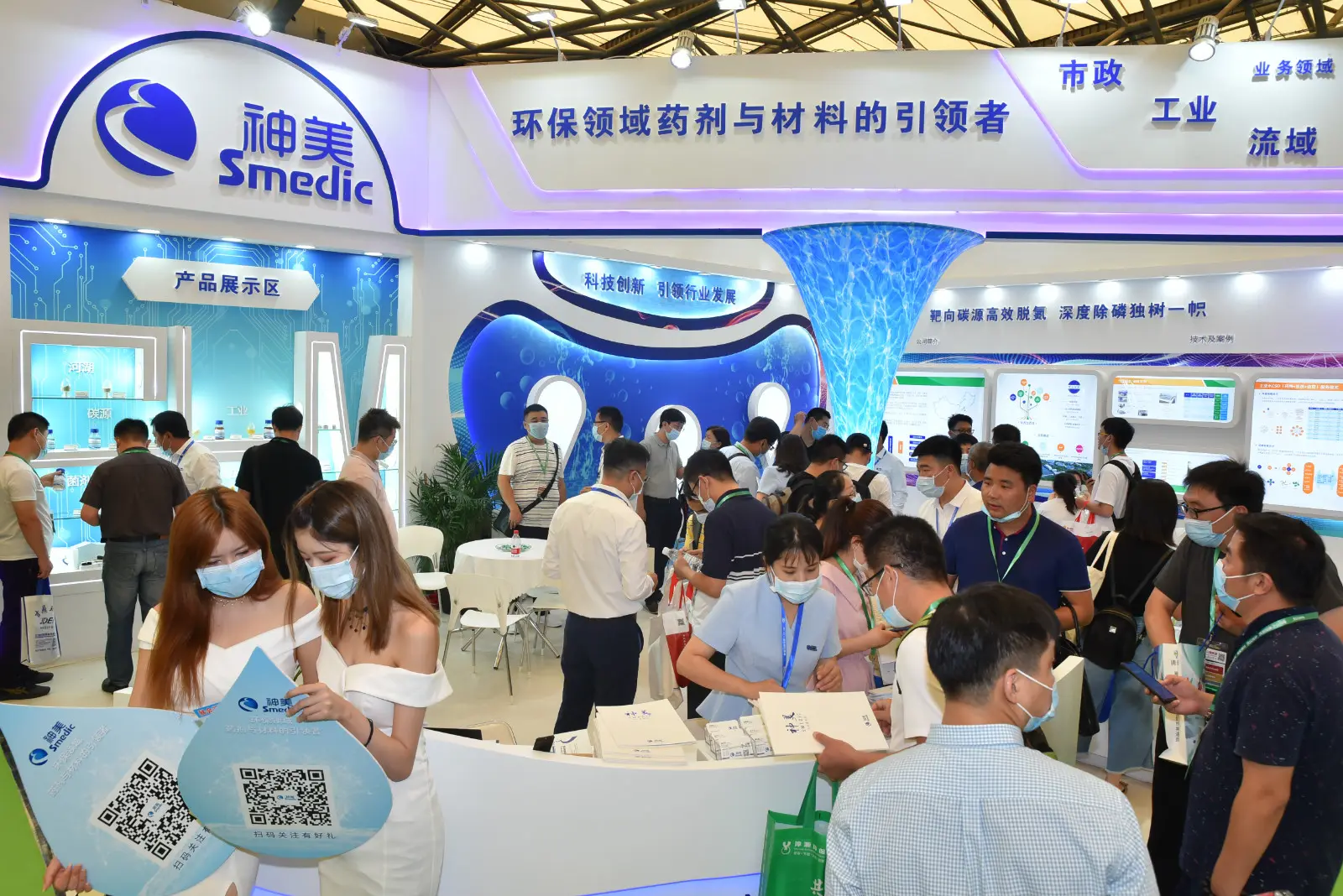
We are recognized as a National High-tech Enterprise and a National Specialized, Refined, Unique and Innovative "Little Giant" Enterprise. Our core technical team consists of academicians, experts, professors, and senior engineers who maintain an R&D system and technology commercialization platform centered around one academy, three research institutes, and five bases.
Through partnerships with research institutions like Tsinghua University, Shandong University, Beijing University of Technology, Peking University, and Tianjin University, Smedic actively develops water treatment formulations. We hold over sixty Chinese patents, including more than forty invention patents and over twenty utility model patents.
Our proprietary technologies—including bio-enhanced denitrification carbon sources and deep multi-nuclear phosphorus removal agents—have been evaluated as "internationally advanced" by the Science and Technology Department of Hebei Province.
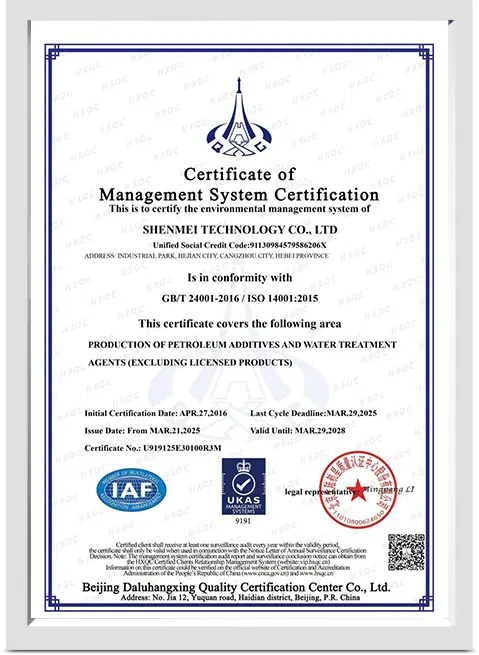
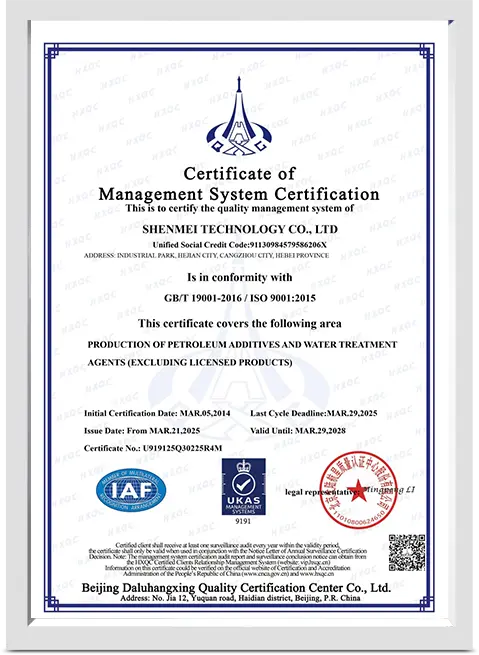
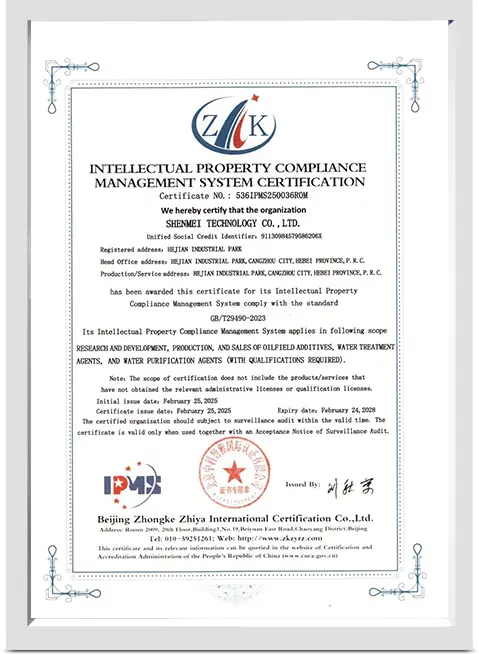
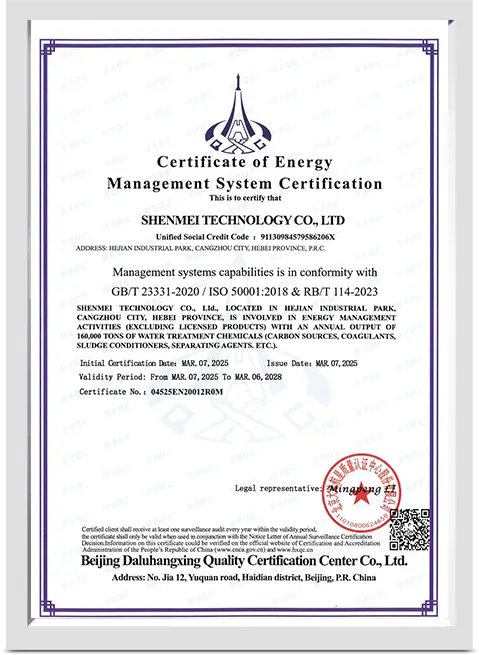
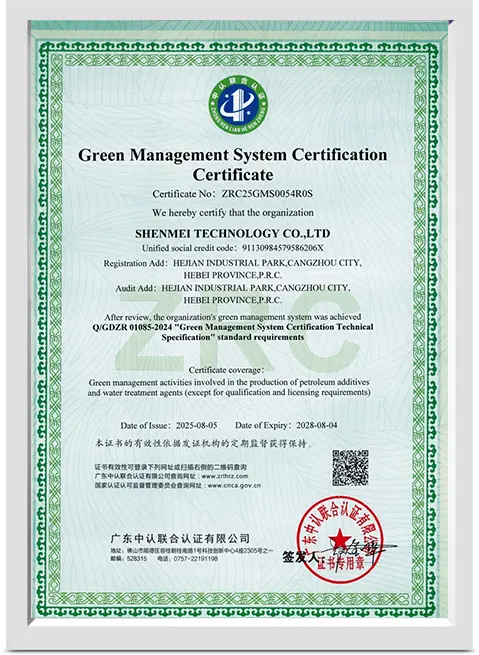
Different industrial activities generate distinct wastewater profiles. Smedic's product range is formulated to address these specific operational demands:
POME is characterized by high organic strength, acidic pH, and significant nitrogen concentrations. In biological treatment ponds, adding a reliable external carbon source like sodium acetate helps accelerate denitrification rates, keeping total nitrogen levels within local regulatory limits.
Textile wastewater along the Citarum River basin often contains complex polymers, dyes, and heavy metals. Our inorganic-organic covalent bond flocculants and heavy metal precipitants help break down chemical complexes and remove heavy metals, improving primary clarifier efficiency.
Municipal WWTPs in urban areas like Jakarta must manage variable flow rates and low C:N ratios. Applying high-purity carbon sources supports stable denitrification, helping plants maintain consistent nitrate removal rates during peak loading periods.
A comprehensive range of defoamers, inhibitors, and polymer flocculants engineered for industrial processing plants and municipal systems in Indonesia.
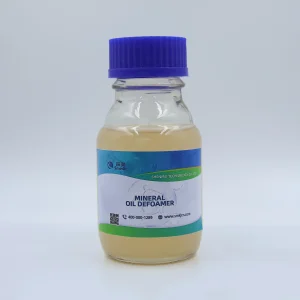
A stable mineral oil formulation designed to control surface foam in biological aerations and papermaking operations.
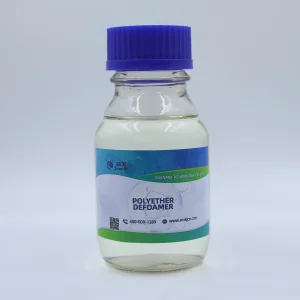
High-temperature defoamer offering stable dispersion and foam suppression in chemical synthesis and petroleum processing.
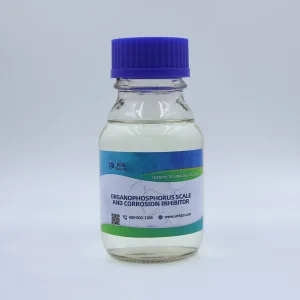
Formulated to prevent calcium scale deposition and protect metal heat exchangers from oxidative corrosion.
Protects RO membranes against fouling and silica scale, helping to extend membrane service life and reduce operating costs.
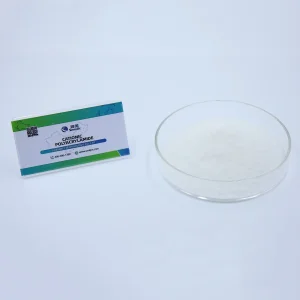
A high-charge flocculant designed to accelerate particle settling and improve cake dryness during centrifuge dewatering.
Protects boiler systems against carbonate and sulfate scale deposition under high-pressure conditions.
Maintains aesthetic finish and film consistency by eliminating micro-foams during high-shear mixing and application.
Provides reliable alkalinity control and organic carbon dosing for biological nutrient removal (BNR) processes.
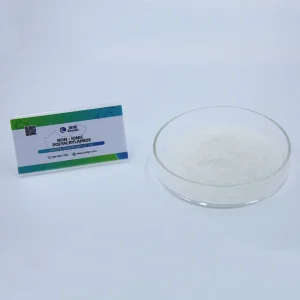
High molecular weight polymer designed to improve sweep efficiency and water-to-oil mobility ratios in tertiary oil recovery.
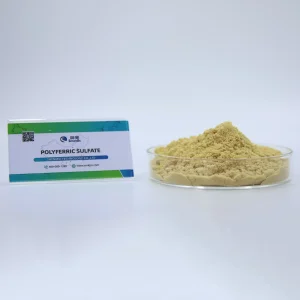
An inorganic polymer coagulant offering rapid sedimentation, effective phosphorus removal, and turbidity reduction.
High-viscosity polymer flocculant designed to enhance solid-liquid separation in mineral washing and tailings filtration.
Industrial defoamer designed to maintain processing capacity and prevent foam overflow in high-load aeration tanks.
Technical guidance and answers for process engineers and procurement specialists operating in tropical climates.
Connect with Smedic's technical team to request tailored chemical formulations, bulk pricing sheets, and logistics support for your operations in Indonesia.
Send Inquiry Now Smedic Tech