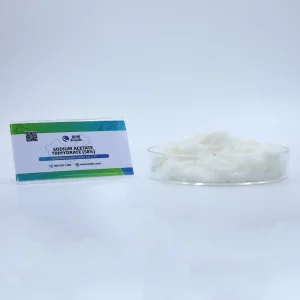
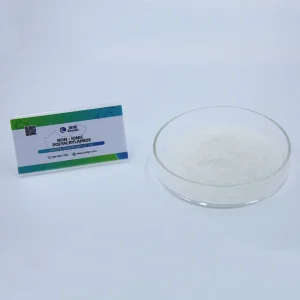
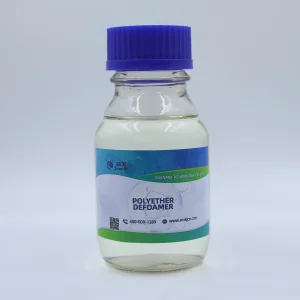
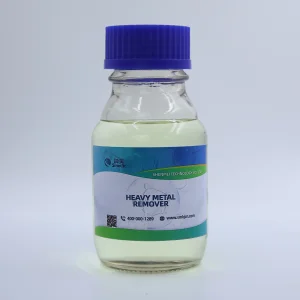
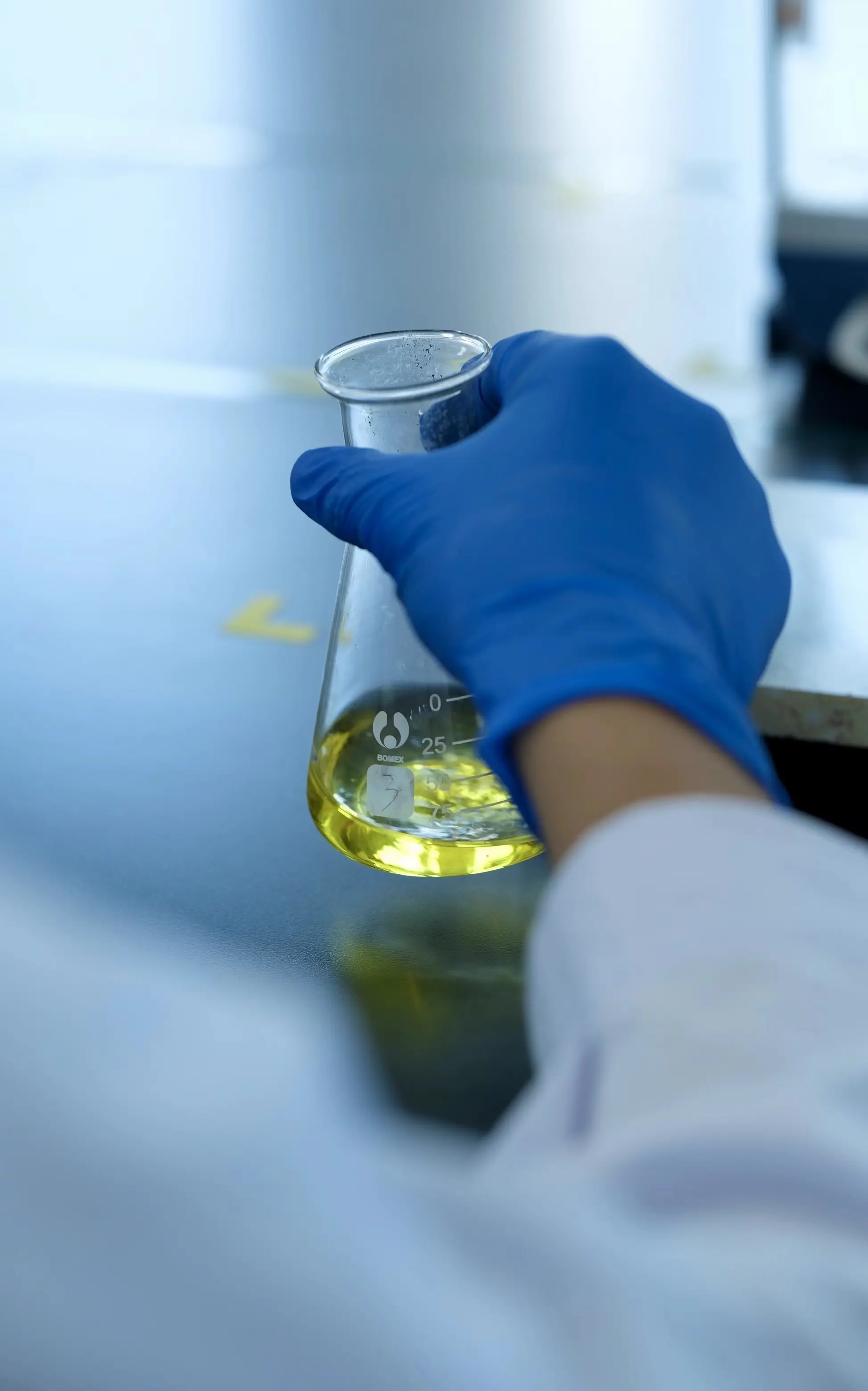
Highly specialized reagents engineered for optimal total nitrogen reduction, fluoride precipitation, and heavy metal adsorption.
South Korea's rapid industrialization in high-tech manufacturing—spanning semiconductors, electric vehicle batteries, petrochemicals, and heavy steel production—has placed unprecedented pressure on water treatment systems. The South Korean Ministry of Environment (MOE) enforces strict regulations on Total Nitrogen (T-N) discharge, compelling plants to optimize their biological denitrification processes.
For key industrial clusters like Ulsan, Yeosu, and the Gyeonggi province, biological nitrogen removal relies heavily on efficient external carbon sources. Without standard-grade carbon feeds, biological filters struggle to reduce nitrate and nitrite levels to compliant parameters. Smedic Technology addresses this exact gap, supplying reliable, high-performance biological carbon boosters and specialized precipitation coagulants directly to local Korean industrial parks.
Optimizing electron donor kinetics to maximize biological reduction rates from NO₃⁻ to gaseous N₂.
Achieving the theoretical C/N ratio threshold is essential for complete nitrogen transformation. Our pure solid sodium acetate compounds provide rapid assimilation pathways for heterotrophic denitrifiers, decreasing overall bypass values.
Our advanced formulations offset biological deceleration observed during low-ambient temperature periods, sustaining target denitrification rates in cold climates without elevated biomass build-ups.
By eliminating non-degradable components found in standard carbon products, our reagents lower sludge processing costs, contributing to energy savings for local plant operators.
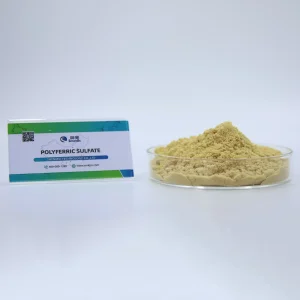
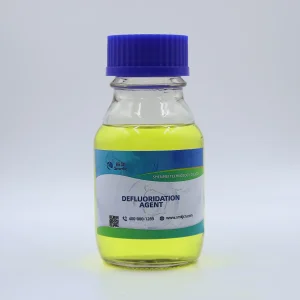
Modern water management frequently involves treating complex streams containing high nitrogen levels alongside heavy metals and fluorides. Incorporating our Specialized Fluoride Removal Agents and Heavy Metal Adsorbers within the biological system setup yields robust performance, keeping discharge parameters aligned with South Korean regulatory compliance protocols.
Established in 2011, Smedic Technology Co., Ltd. is a comprehensive environmental chemistry solution provider integrating advanced R&D, large-scale manufacturing, international export, and technical advisory services. We focus on providing high-quality chemical formulations for municipal sewage networks, industrial wastewater processes, tap water preparation, mineral separation plants, and oilfield operations.
Our production footprint comprises multiple wholly-owned facilities in provinces including Hebei, Guizhou, and Shanxi, alongside ten OEM partner factories and regional warehousing networks spanning Shandong, Shanxi, Anhui, Guangxi, and Sichuan. Currently, our operations cover over 20 Chinese provinces and reach dozens of global markets.
Our industrial applications serve over 600 urban wastewater treatment plants and more than 1,000 corporate wastewater, mining, and oilfield accounts. Our daily treated volume exceeds 20 million tons, establishing our position within high-end chemical treatment segments.
A trajectory of steady expansion, R&D achievements, and high-performance chemical manufacturing.
Smedic was established, focusing on R&D and supply of premium environmental water treatment formulations.
Developed a comprehensive wastewater purification portfolio and launched our primary Guiyang chemical plant.
Upgraded operations in Hebei, Shandong, and Guizhou, boosting capacity beyond 1 million tons annually. Recognized as a National Specialized "Little Giant" enterprise.
Formed research partnerships with the Chengdu Institute of Mineral Resources, established provincial labs, and optimized distribution systems to serve international markets like South Korea.
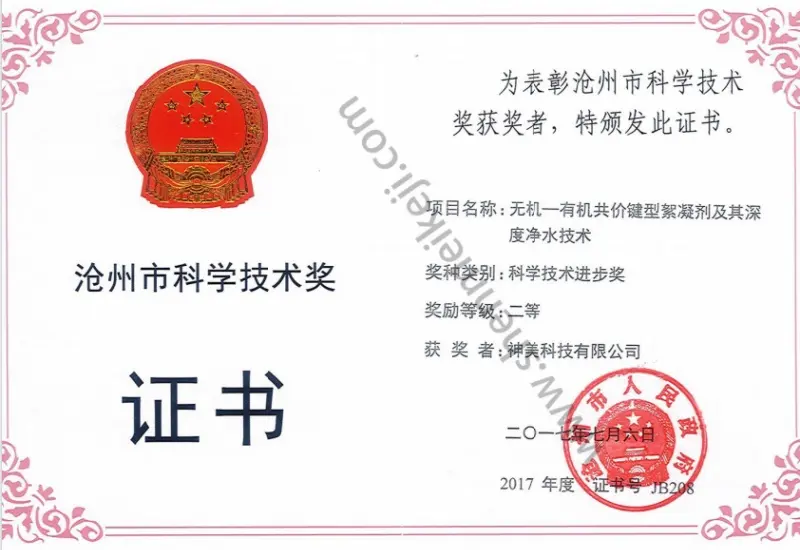
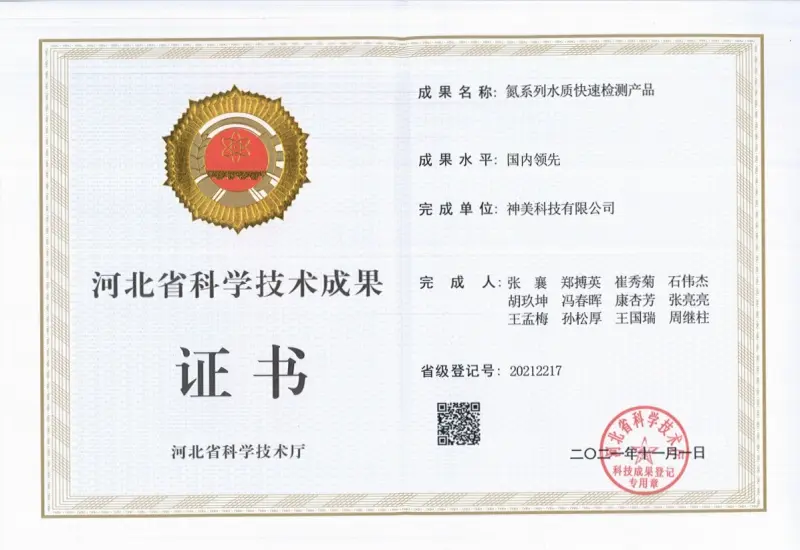
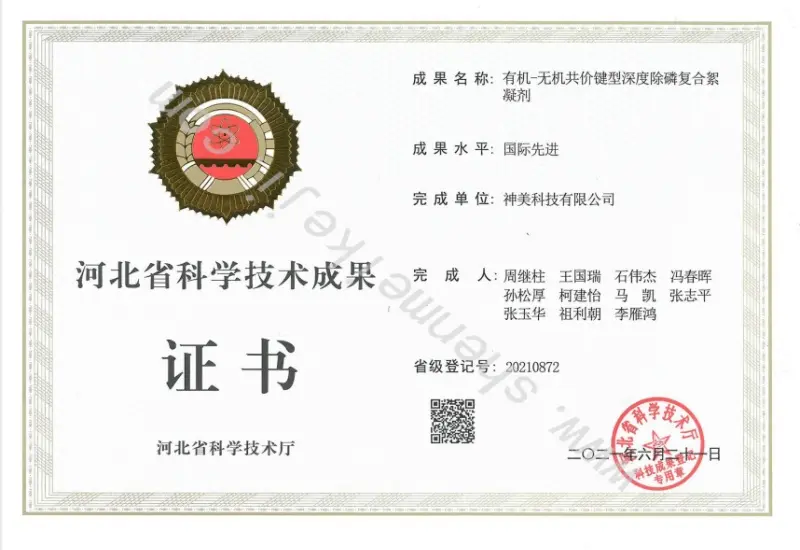
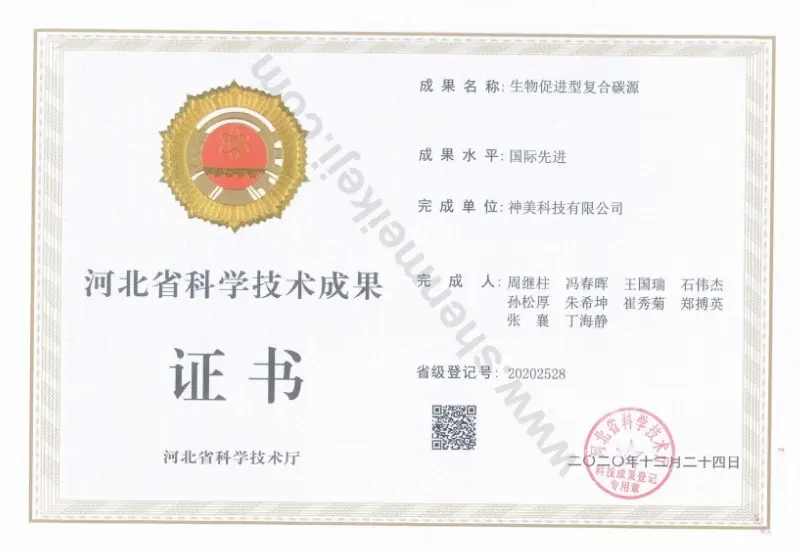
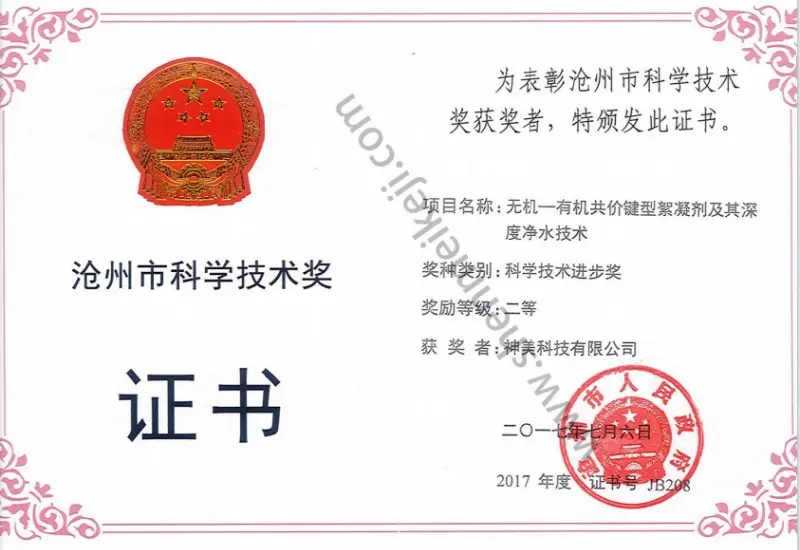
Smedic operates dedicated advanced technology facilities, including the Hebei Provincial Enterprise Technology Center, the Advanced Water Treatment Chemicals Technology Innovation Center, and the Cangzhou Engineering Technology Research Center. We have been awarded high-level provincial R&D status and operate an expert workstation with the Tsinghua University Association of Senior Scientists and Technicians.
Collaborative laboratories with Shandong University, Beijing University of Technology, Peking University, and Tianjin University help transition advanced chemical research into mass-produced industrial solutions.
Smedic holds over sixty Chinese patents, including forty invention patents and twenty utility patents. We have contributed to drafting ten national and industry standards covering composite carbon sources, coagulants, sodium acetate, and specialized nitrifying/denitrifying bacterial formulations.
Streamlined procurement, fast transit options, and production infrastructure designed for high-volume requirements.
Our production bases in Northern and Eastern China are positioned close to key shipping hubs, including Qingdao, Tianjin, and Lianyungang. This logistical setup allows us to coordinate prompt bulk deliveries to South Korean entry points like Busan, Incheon, and Gwangyang.
Every shipment undergoes multi-stage quality control checks, spanning raw material validation to final batch testing. Customers receive detailed Certificate of Analysis (COA) documentation with each container, ensuring delivery consistency.
Dedicated warehouses allow us to maintain buffer stocks, mitigating risks from raw material cost volatility.
We provide documentation support to align imports with local chemical management standards (including K-REACH and MSDS profiles).
Available in 25kg bags, 1,000kg super-sacks, and liquid road-tankers to match specific plant dosing setups.
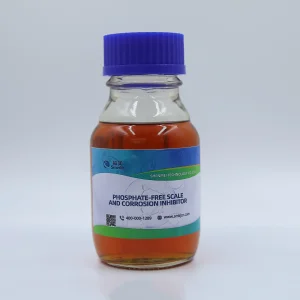
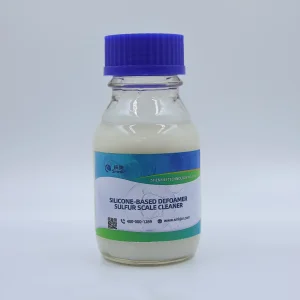
Preventing foam buildup, scale deposits, and sludge destabilization across municipal and industrial operations.
Technical answers regarding denitrification dynamics, carbon dosing calculations, and logistical arrangements.
Solid sodium acetate provides a non-hazardous, highly soluble carbon source that poses fewer safety risks during handling and storage compared to flammable alternatives like methanol. It supports rapid adaptation of heterotrophic denitrifying microbial populations and remains highly effective under low-temperature conditions.
We maintain strict adherence to South Korea's Act on Registration and Evaluation of Chemical Substances (K-REACH) and supply updated, localized Safety Data Sheets (SDS) in Korean. Our raw material sourcing and manufacturing practices align with regional chemical control regulations.
Depending on product specifications and ordering scale, standard maritime transport from our primary northern port terminals to the Port of Busan ranges between 5 to 10 working days, including customs clearance windows.
Yes, our R&D engineering team offers customized formulations (under ODM and OEM contracts) tailored to specific wastewater profiles, organic loads, and existing biological infrastructure configurations.
High-efficiency coagulants, scale inhibitors, and specialized fluoride precipitators for advanced industrial applications.
 Smedic Tech