Engineered to optimize performance, prevent scaling, and control biological fouling in Toronto's regional HVAC, manufacturing, and process cooling operations.
The Greater Toronto Area (GTA) stands as Canada's economic powerhouse, hosting a diverse range of heavy industries, advanced manufacturing plants, district energy networks, and commercial institutions. From the cooling loops of high-density financial towers downtown to the processing lines of food & beverage manufacturers in Mississauga, the demand for high-efficiency circulating water chemicals is critical to safeguarding infrastructure against corrosion, scaling, and biological fouling.
In Southern Ontario, municipal water is primarily sourced from Lake Ontario. While Lake Ontario provides a reliable source of fresh water, its chemical composition—characterized by specific ranges of calcium hardness, alkalinity, and seasonal temperature fluctuations—presents unique challenges for heat exchange and cooling tower loops. Without customized chemical conditioning, mineral deposits (such as calcium carbonate scale) rapidly accumulate on heat exchanger tubes, drastically reducing thermodynamic efficiency and increasing energy consumption across the facility.
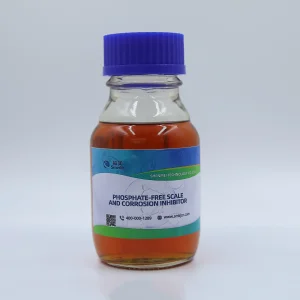
Furthermore, local environmental regulations managed by the Ontario Ministry of the Environment, Conservation and Parks (MECP) and the City of Toronto’s Municipal Code Chapter 681 (Sewer Bylaw) strictly regulate industrial discharges. Local facilities must monitor chemical parameters, such as phosphorus content, heavy metals, and chemical oxygen demand (COD), prior to discharge. Consequently, modern industrial operators are transitioning from traditional heavy-metal or high-phosphate water treatment regimes toward eco-friendly, biodegradable alternatives, including phosphate-free scale and corrosion inhibitors and organic defoaming agents.
On a global scale, the industrial water treatment sector is undergoing a massive transformation driven by the twin imperatives of resource conservation and decarbonization. Water reuse programs, such as Zero Liquid Discharge (ZLD), require circulating systems to operate at significantly higher cycles of concentration (CoC). Increasing CoC intensifies the saturation of scaling ions, demanding highly advanced polymer formulations that can keep minerals in solution under high heat-flux conditions.
Another major global trend is the decline of persistent, bioaccumulative substances. Traditional organophosphonates, though effective at scale inhibition, contribute to eutrophication in surrounding water bodies when discharged. The development of green, bio-based scale inhibitors, such as polyaspartic acid (PASP) and other biodegradable polymers, represents the frontier of modern cooling water technology. In tandem, high-performance silicone and polyether defoamers are being optimized to control foam in wastewater and process operations without causing membrane fouling or downstream system interference.
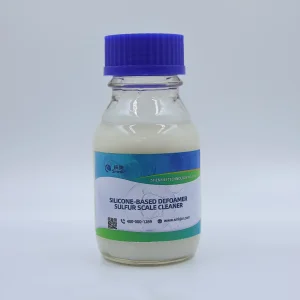
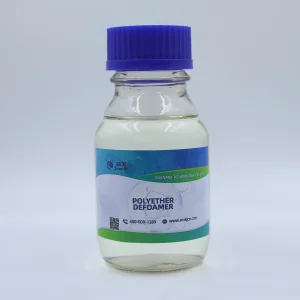
Smedic Technology integrates advanced polymer synthesis with specialized organic silicone emulsion techniques. Our proprietary formulations utilize organic silicone defoamers and polyether variants designed for rapid bubble collapse and long-term foam suppression. In circulating filtration loops, these chemistry lines prevent foam-over in aeration basins and process vessels without degrading the performance of sensitive RO (Reverse Osmosis) membranes.
Tailoring industrial chemistry to match the local operational requirements of Ontario's commercial and manufacturing sectors.
Toronto’s downtown core features some of the world's most innovative cooling networks, including Deep Lake Water Cooling (DLWC) systems. To protect auxiliary loop heat exchangers and cooling towers from micro-bio fouling, our low-phosphorus scale inhibitors and bio-dispersants ensure maximum heat-transfer coefficients are maintained year-round.
Southern Ontario holds one of the largest food processing clusters in North America. These facilities require specialized, food-grade defoamers and scale control agents that comply with strict health and safety standards while preventing biological contamination in process water recirculating systems.
From metallurgical casting to automotive paint booths, industrial operations demand robust scale and corrosion mitigation. High-performance chemistry limits scale deposition on cooling jackets and prevents corrosion-related metal loss in high-temperature induction furnaces.
Smedic Technology Co., Ltd. was established in 2011 as a comprehensive solution provider specializing in environmental protection agents, integrating R&D, production, sales, and engineering-related technical services. We are dedicated to providing customers with customized chemical products, technical solutions, and services.
Our production capabilities cover multiple sectors such as municipal sewage, industrial wastewater, and tap water treatment, as well as mineral processing agents and oilfield chemicals. We offer more than 80 different environmental protection products, with an annual production capacity exceeding 1 million tons. Operating from our corporate headquarters in Beijing, we manage proprietary production bases in Hebei, Guizhou, Shanxi, and other regions, supported by ten OEM partner factories and regional warehousing bases to secure global supply chains.
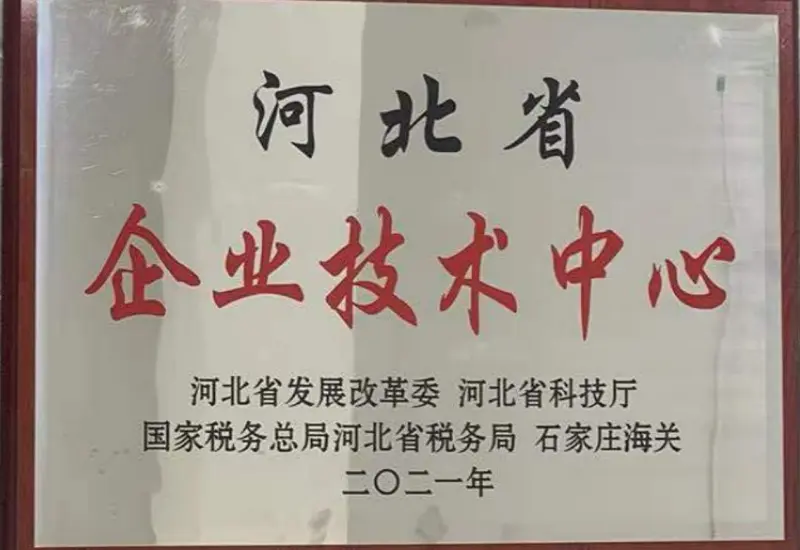
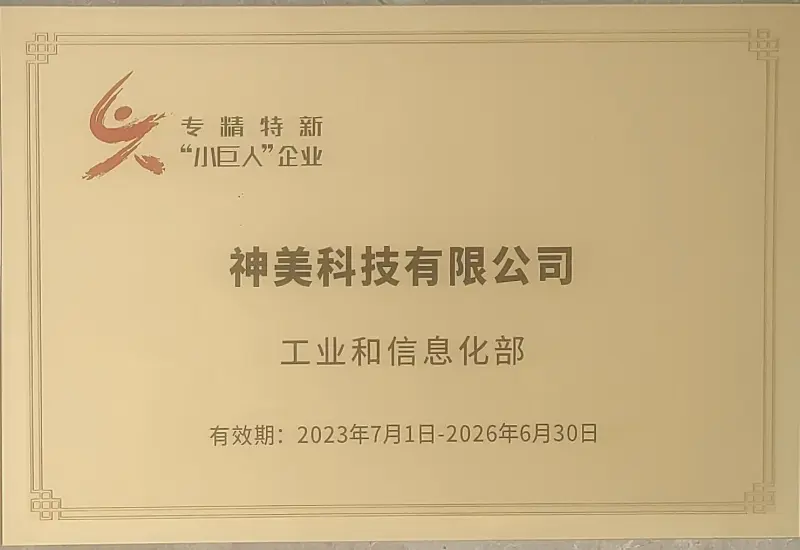
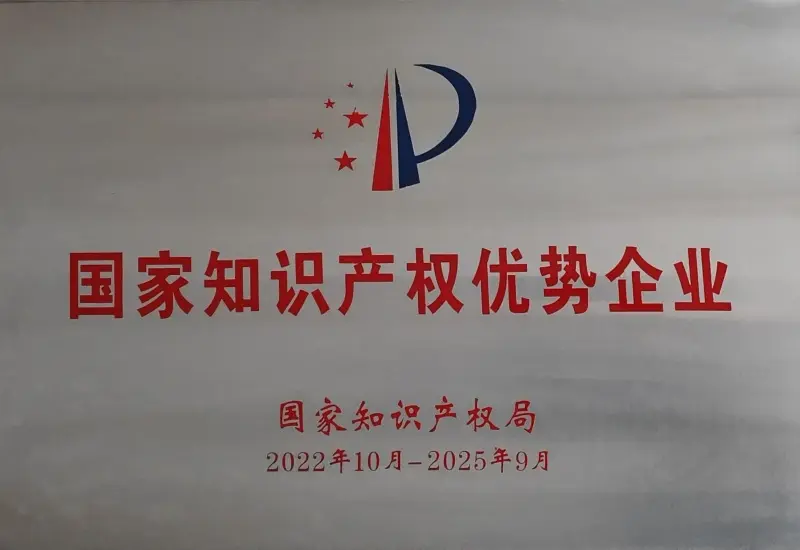
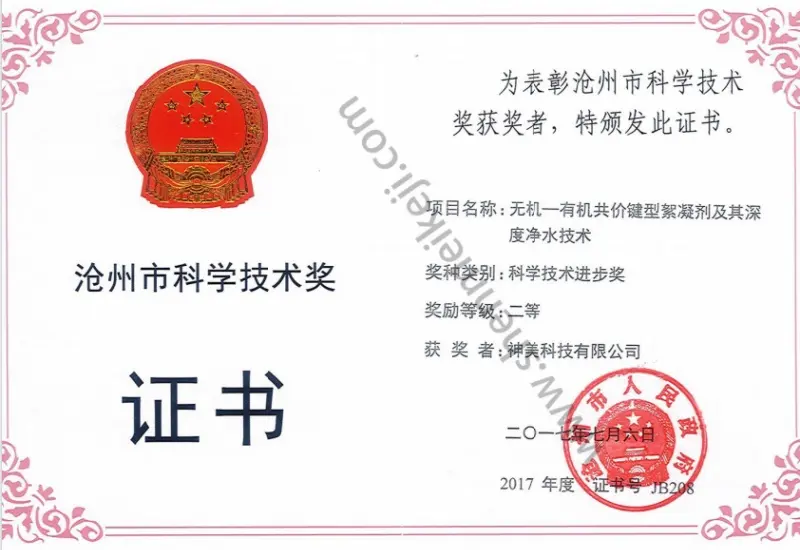
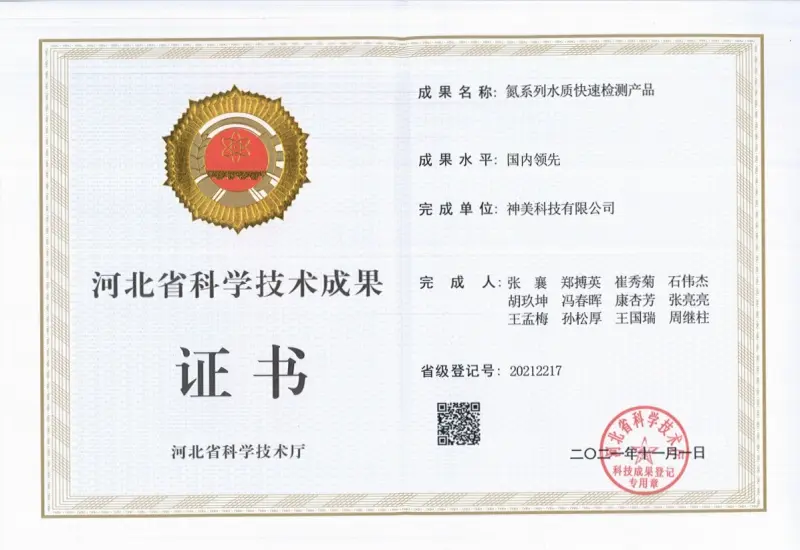
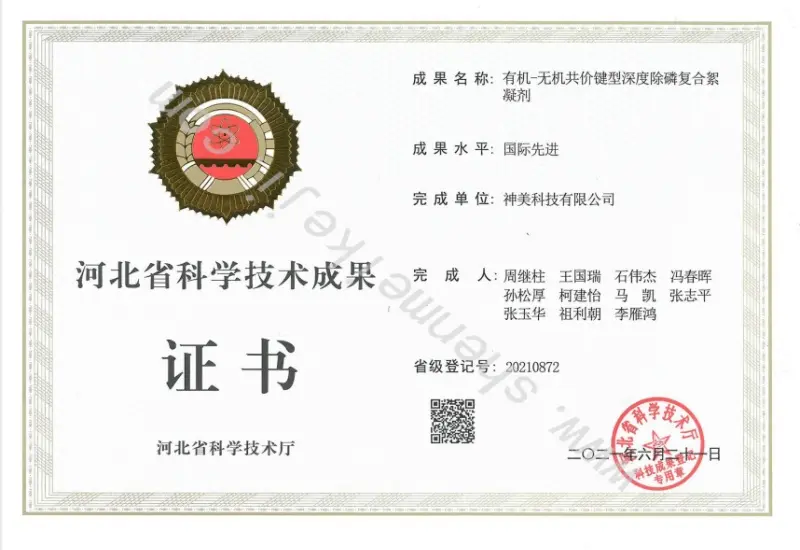
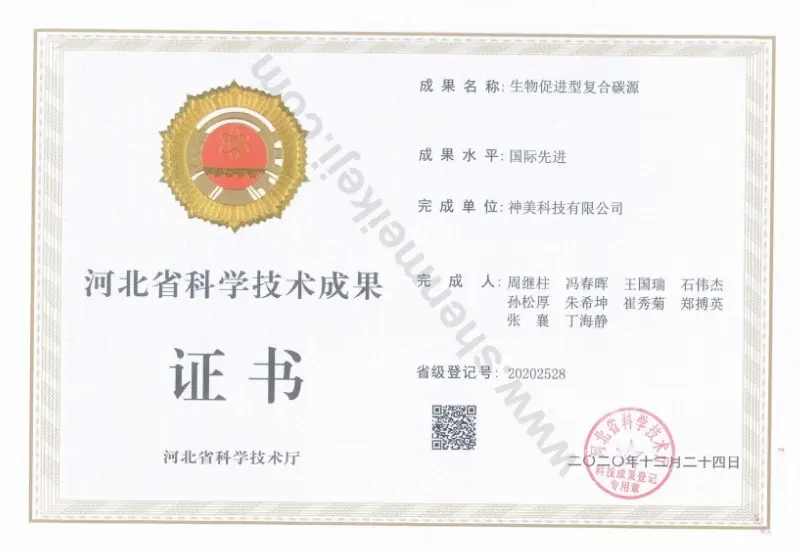
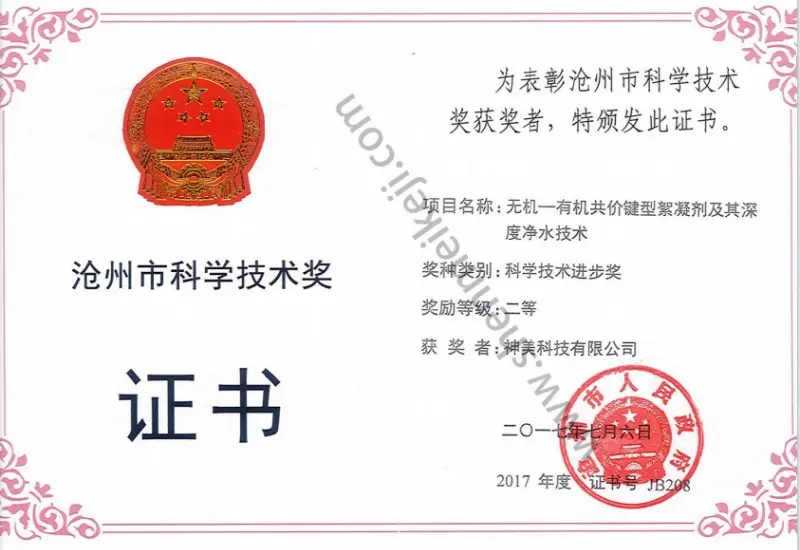
Recognized as a National Specialized, Refined, Unique and Innovative "Little Giant" Enterprise, collaborating with Tsinghua University and Shandong University to pilot new-generation water chemistry.
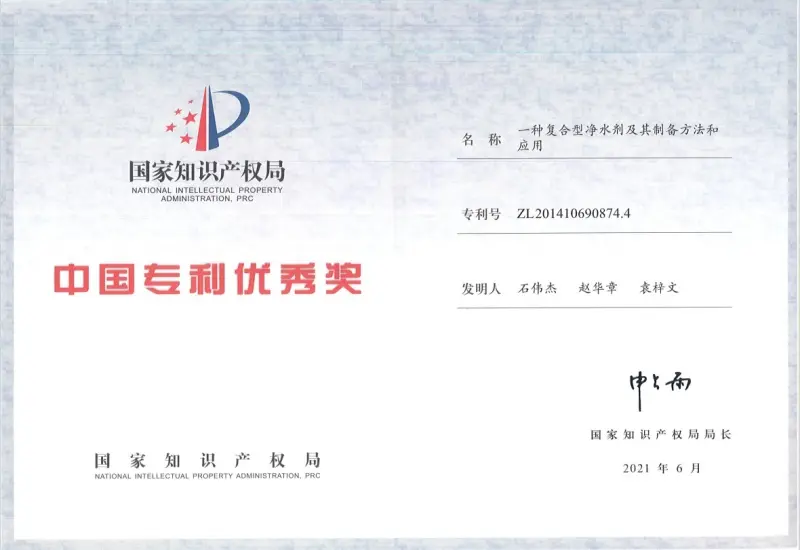
Granted over sixty Chinese patents, including more than forty invention patents and twenty utility model patents. We have drafted over ten national and industry standards for composite coagulants.
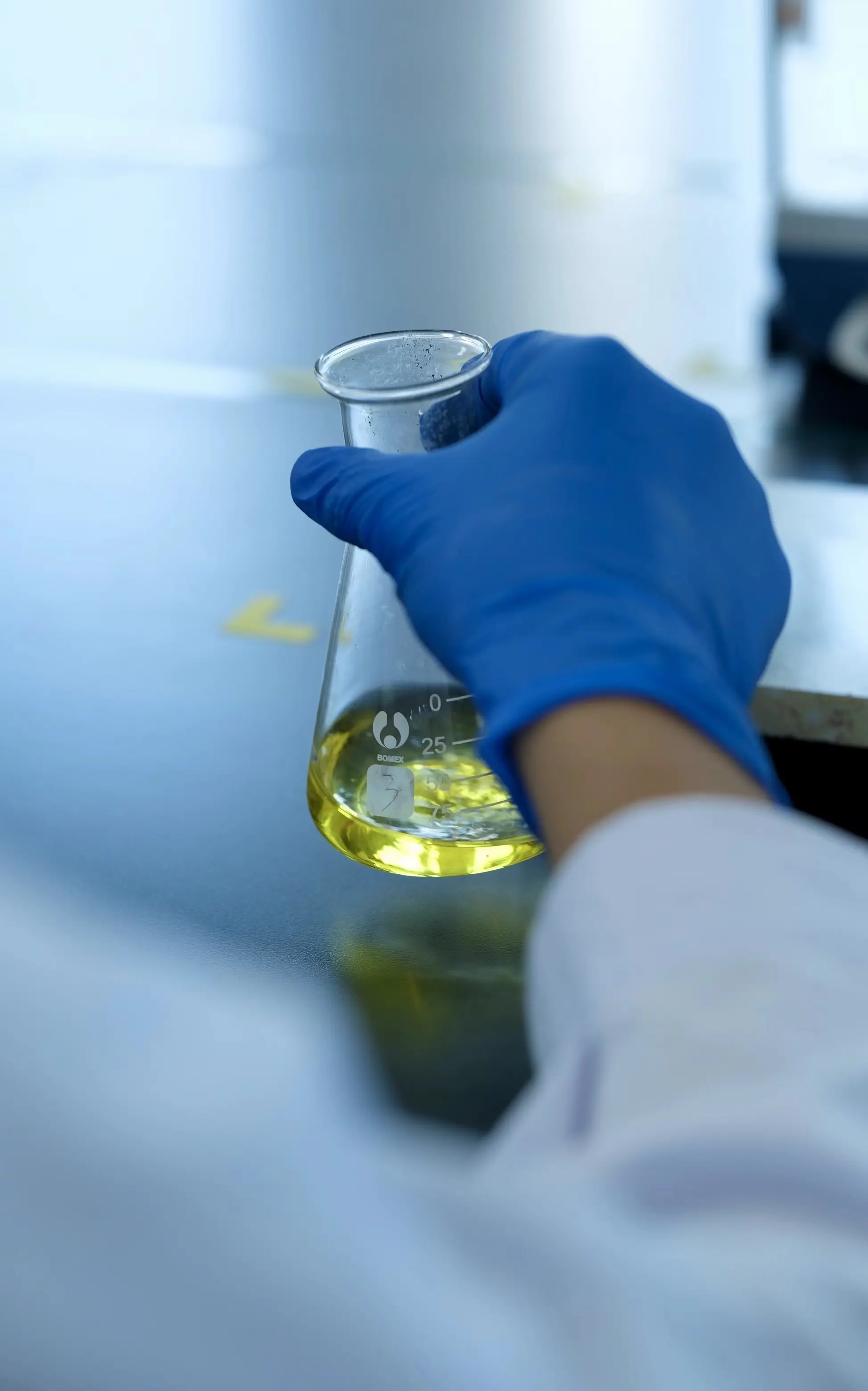
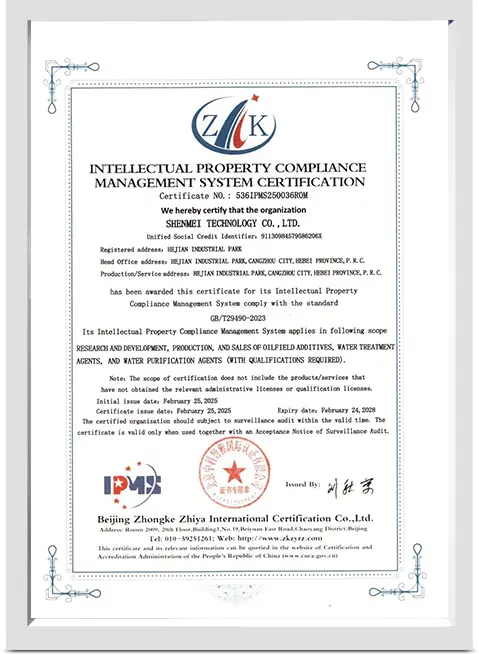
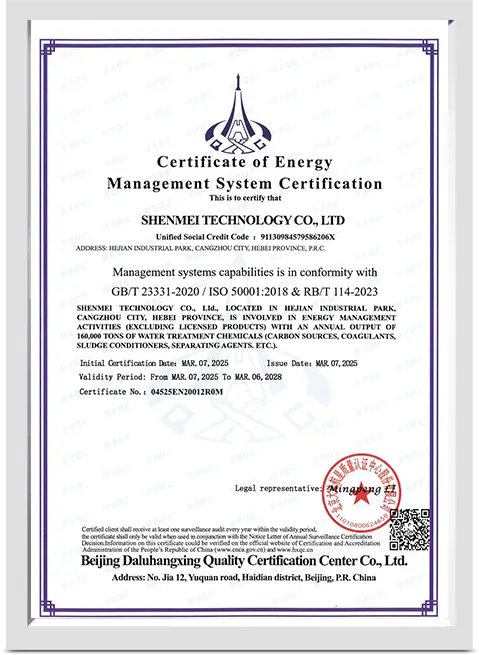
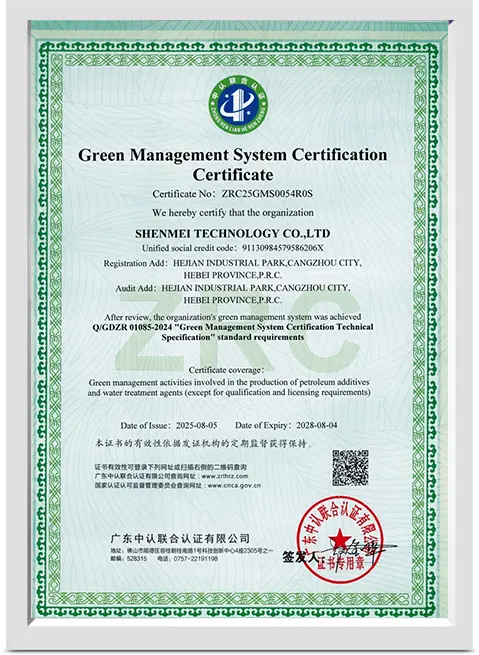
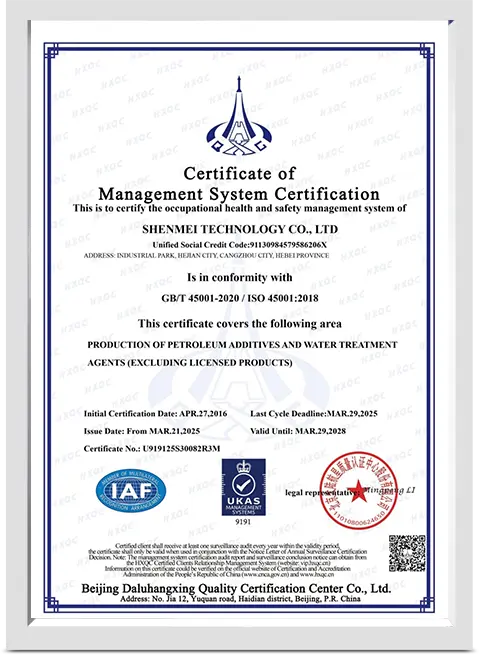
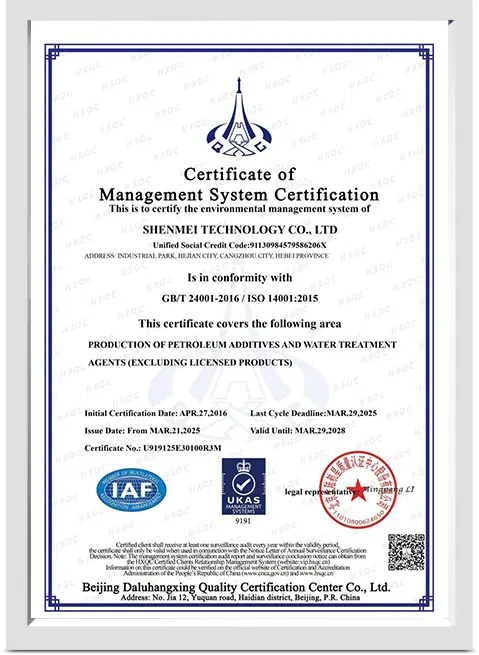
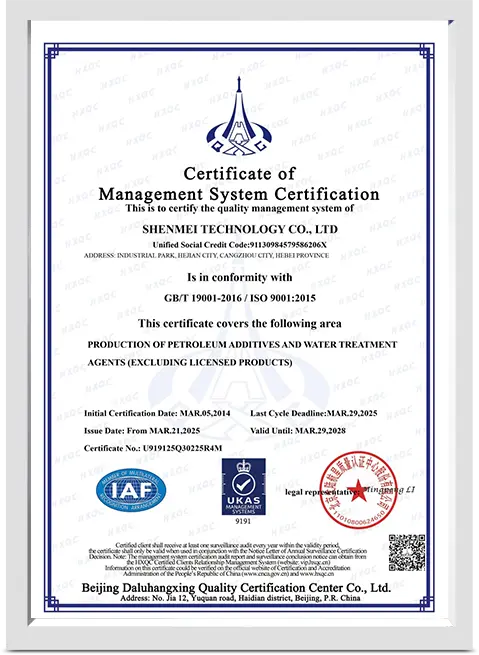
Ensuring compliance, consistency, and standard-setting performance in water chemistry manufacturing.

Maximizing the efficiency of circulating water loops in Toronto's temperate yet seasonally extreme climate requires an integrated, multi-phased chemical program. Scale and corrosion control are not static issues; they require high-performance, dynamic formulations that adapt to pH swings, system temperature increases, and changes in source water chemistry.
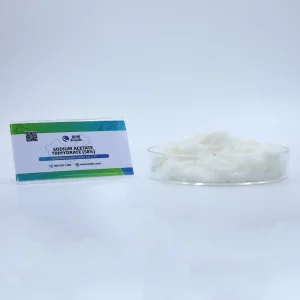
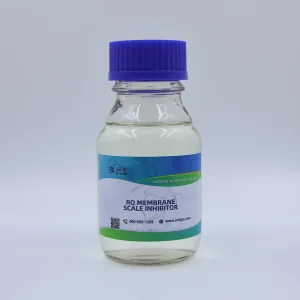
Smedic's advanced scale inhibitors act via three primary modes of action: threshold inhibition, crystal distortion, and dispersion. When calcium ions and carbonates reach supersaturation in cooling tower basins, our polymers bind to micro-crystal nuclei, altering their shape and preventing their attachment to metal surfaces. The non-stick, distorted crystals are kept suspended in the bulk water flow until they are purged during routine tower blowdowns.
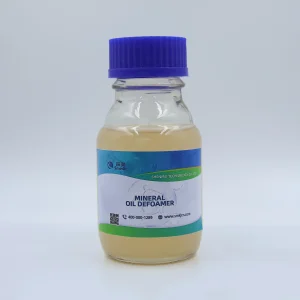
In municipal sewage and industrial wastewater treatment, surfactants and organic matter generate micro-stabilized foams that impair pump efficiency and decrease oxygen transfer in aeration tanks. Our organic silicone defoamers and polyether counterparts lower the surface tension of liquid films, causing bubble walls to thin and rupture instantaneously. Their high chemical stability ensures long-lasting suppression, preventing foam re-formation in turbulent flows.
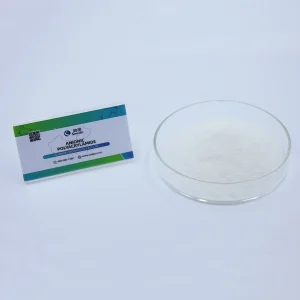
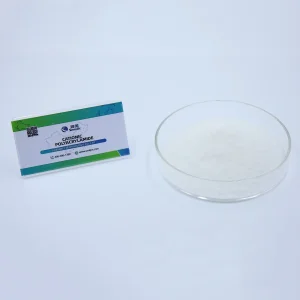
To reduce turbidity in recycle water, specialized coagulants and flocculants are applied. Using highly charged polymeric chains like our premium anionic polyacrylamide (APAM) and cationic polyacrylamide (CPAM), micro-particles are bound together into large, rapid-settling flocs. This step is crucial for preparing recycled wastewater to serve as make-up water in industrial cooling loops, ensuring low suspended solids and minimal deposition potential.
High-purity formulations manufactured under strict ISO quality controls, serving diverse industrial applications in Toronto and globally.
Expert answers regarding circulating water chemistry and environmental discharge compliance.
 Smedic Tech