Engineered formulations designed to address strict particulate settling, scale inhibition, and foam suppression demands.
How precise molecular chemistry drives efficient solid-liquid separation in complex industrial matrices.
Industrial and municipal wastewater treatment systems are undergoing a rapid technological evolution. Global environmental mandates are tightening, forcing plant operators and chemical distributors to seek advanced reagents that yield greater performance with less chemical footprint. Flocculation, the physical-chemical process of gathering destabilized particles into larger aggregates or "flocs," relies heavily on high-purity polymer synthesis. As a leading OEM Water Flocculants Supplier & Exporter, Smedic Technology is at the forefront of this molecular innovation.
Standard municipal and industrial processes produce a wide variety of colloidal suspensions. These colloidal particles possess negative surface charges (Zeta Potential) that prevent them from aggregating due to electrostatic repulsion. Effective treatment requires two distinct phases:
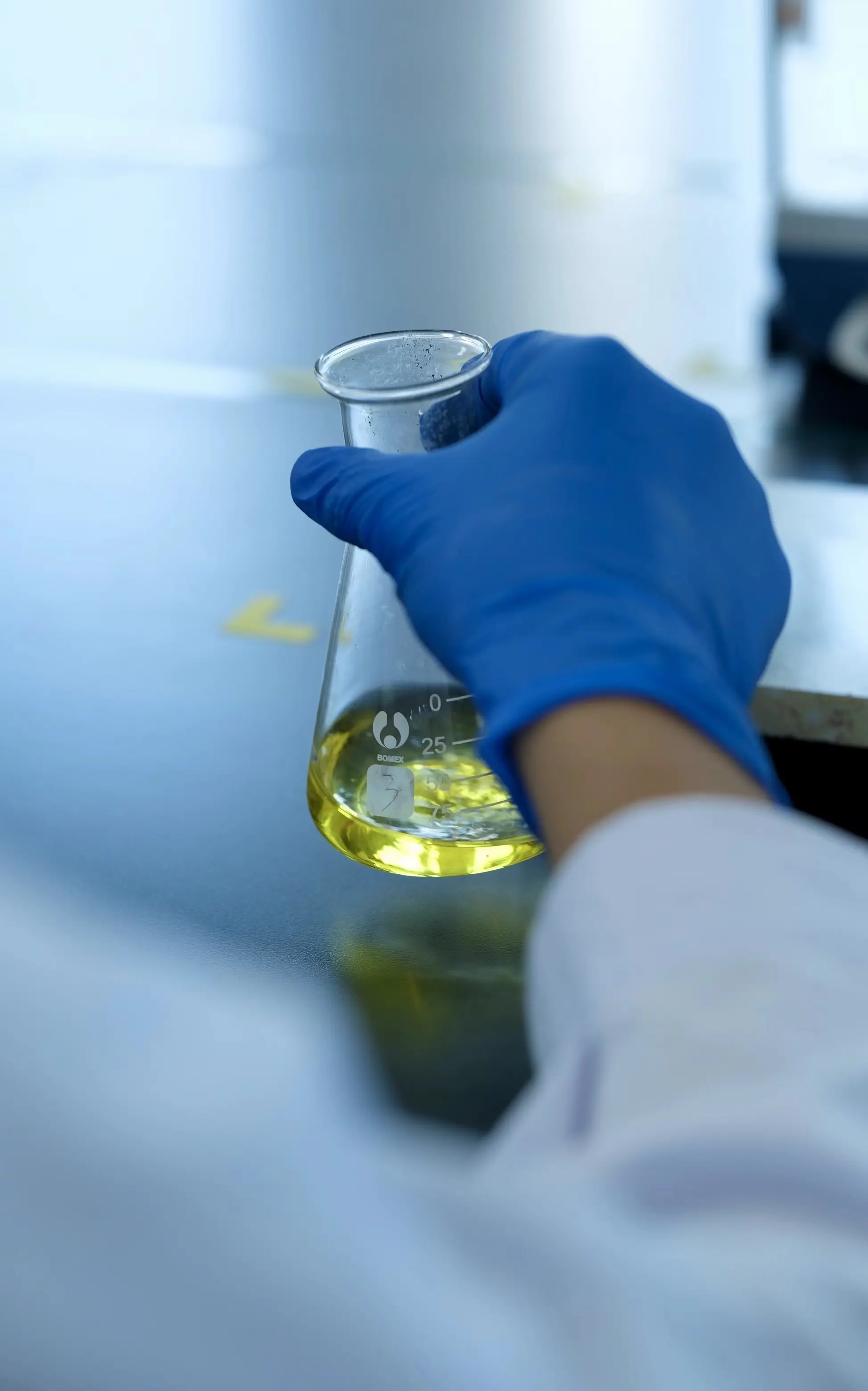
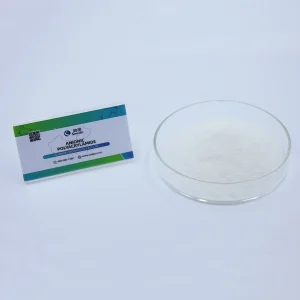
Our polymerization processes yield tailored molecular weights (ranging from 5 million to over 22 million Daltons) and customizable hydrolysis degrees. This allows Smedic APAM and CPAM to achieve optimal bridging efficiency in high-shear environments, reducing floc breakage.
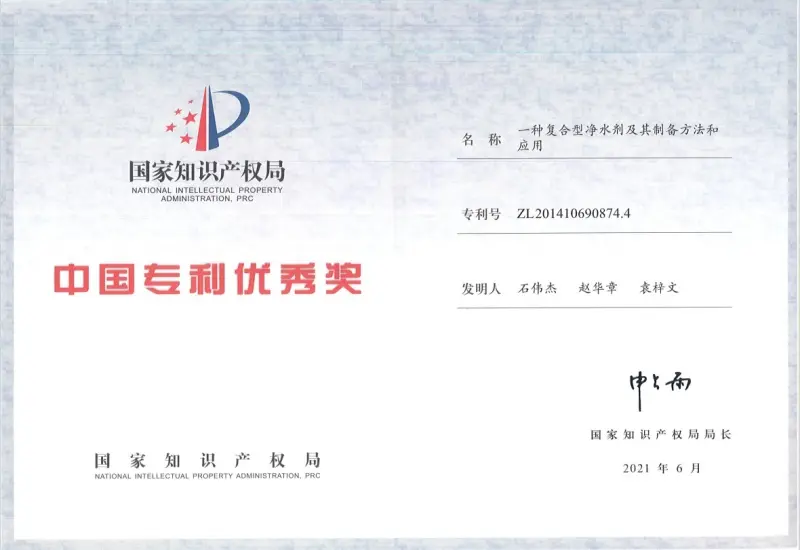
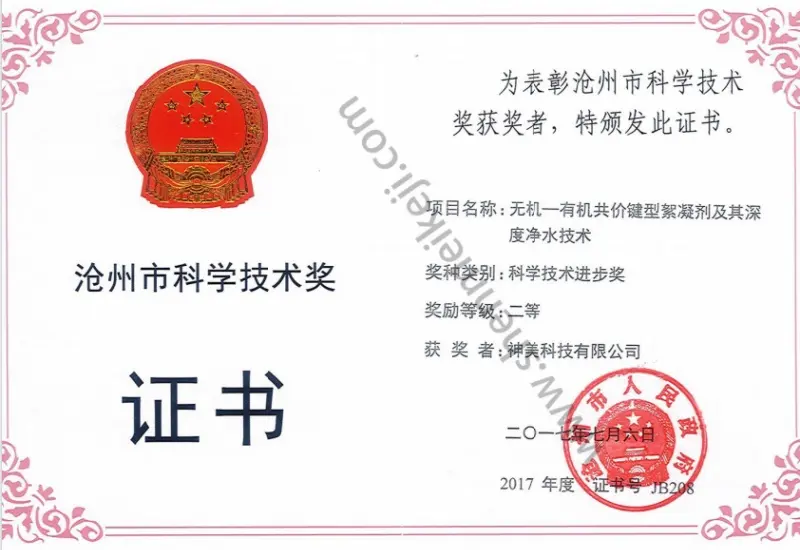
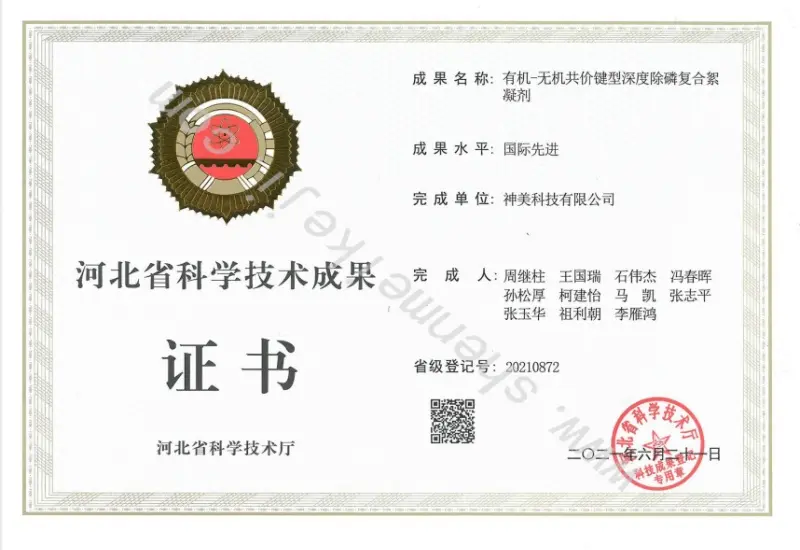
Recognized by the 22nd China Patent Award, Smedic's patented Covalent Bond Flocculant combines inorganic coagulants and organic polymer chains into a single molecule. This achieves simultaneous charge neutralization and bridging, lowering overall chemical usage by up to 30%.
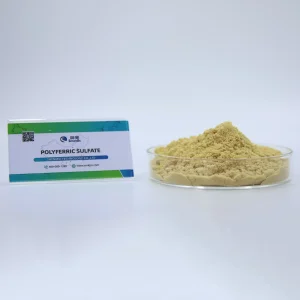
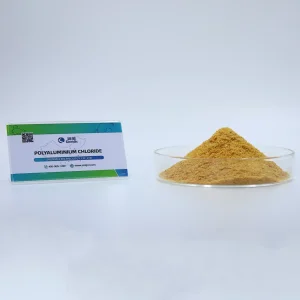
Our Polyferric Sulfate (PFS) and Polyaluminum Chloride (PAC) formulations feature high basicity and rich polynuclear hydroxy complexes. They act rapidly to precipitate suspended solids, heavy metals, and phosphates, ensuring compliance with strict environmental limits.
Smedic Technology: Driving industrial-scale production and academic-supported chemical innovation since 2011.
Established in 2011, Smedic Technology Co., Ltd. is a comprehensive environmental protection agent provider that integrates research, development, mass production, sales, and advanced engineering-related technical services. As a premier global OEM Water Flocculants exporter, Smedic produces specialized agents covering municipal sewage, industrial wastewater, oilfield chemicals, mineral processing agents, and industrial cooling water systems.
With corporate headquarters located in Beijing, we operate proprietary production bases in Hebei, Guizhou, and Shanxi, alongside more than 10 partner factories and strategic warehousing hubs across Shandong, Anhui, Sichuan, and other regions. This infrastructure guarantees uninterrupted delivery of high-volume water treatment reagents to municipal sewage plants and heavy industries worldwide.
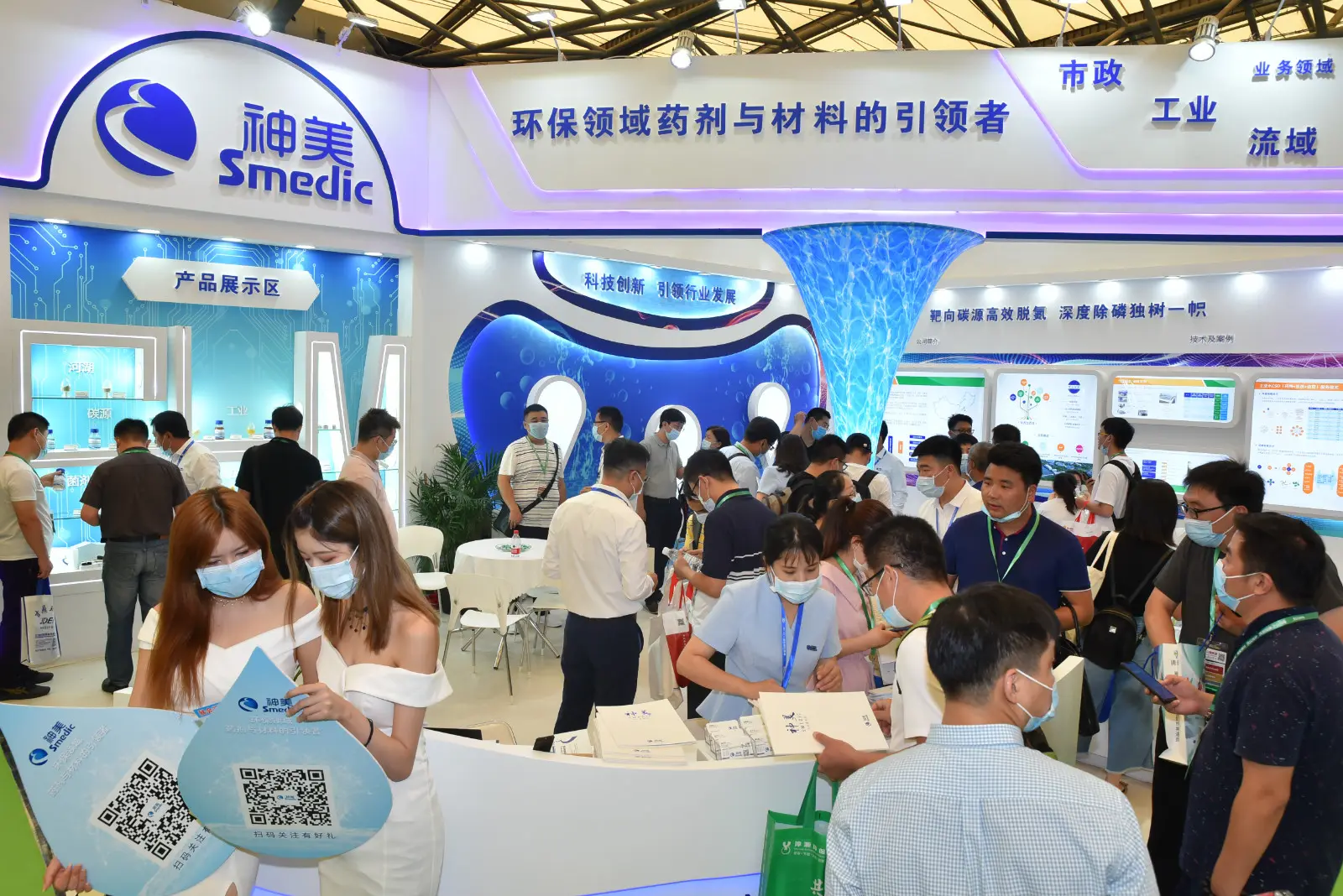
Addressing supply chain challenges, cost control, and product consistency for global procurement managers.
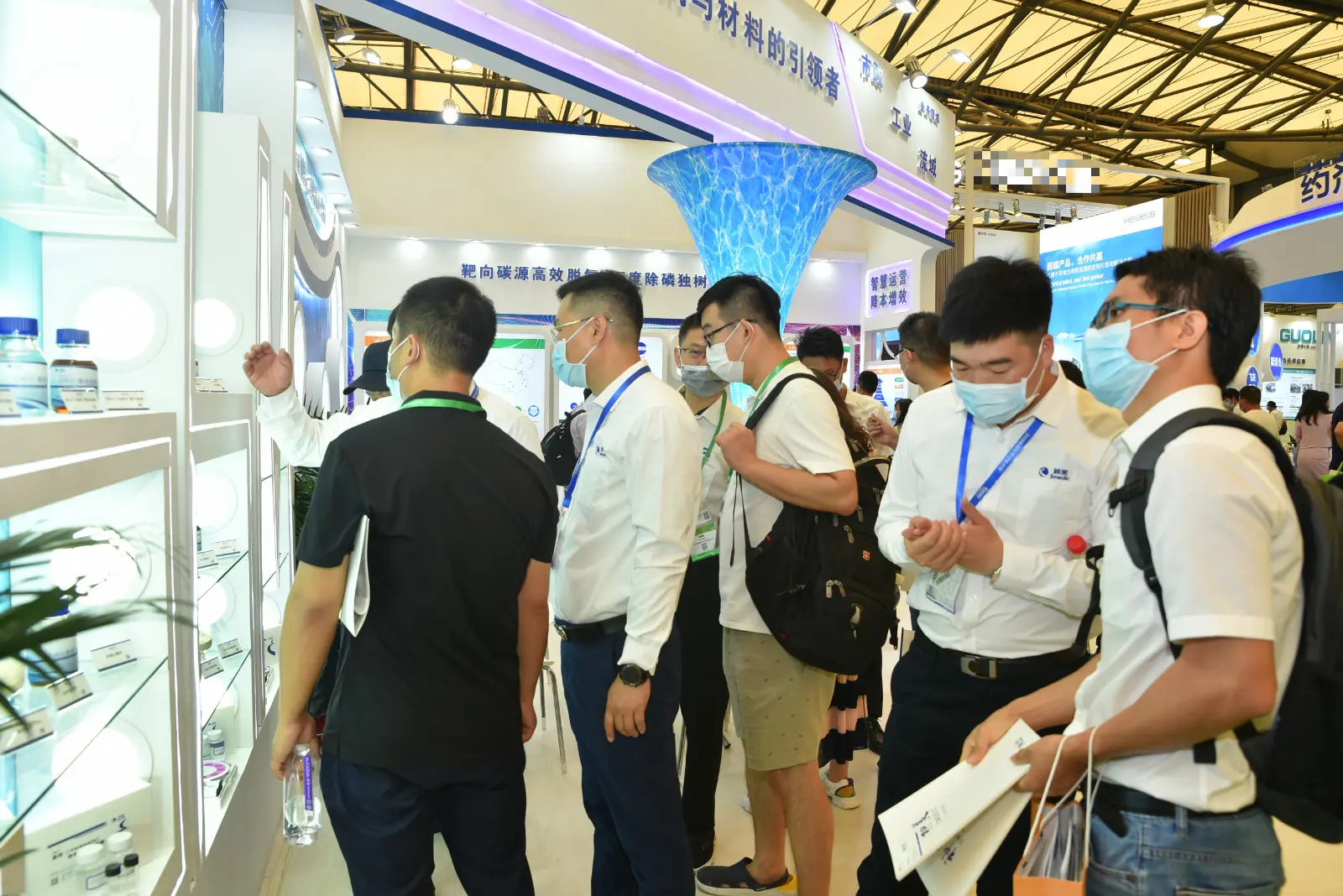
For international chemical suppliers, distributors, and engineering contractors, establishing a reliable OEM partnership is essential to remaining competitive. Smedic offers robust ODM/OEM capabilities, tailoring flocculant formulations, solid content ratios, molecular weights, and packaging formats to match specific regional water profiles and local regulations.
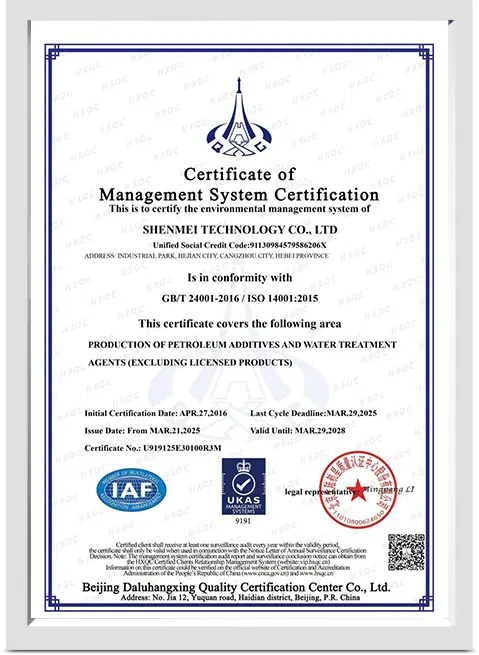
Raw Material Integrity and QA Protocols: Our manufacturing facilities utilize automated batch-monitoring systems that measure purity, viscosity, and chemical stability in real-time. Every batch undergoes rigorous quality control inspection before shipping, ensuring consistent performance in high-throughput treatment systems.
Custom flocculant and coagulant applications tailored for municipal networks, heavy manufacturing, and natural resources extraction.
| Industry Sector | Key Challenges | Recommended Smedic Solutions | Performance Benchmarks |
|---|---|---|---|
| Municipal Wastewater | High sludge volume, strict phosphorus discharge limits, high utility energy costs. | Anionic Polyacrylamide (APAM), Polyaluminum Chloride (PAC), Composite Carbon Sources. | Lowers sludge cake moisture content below 60% in belt presses and centrifuges. |
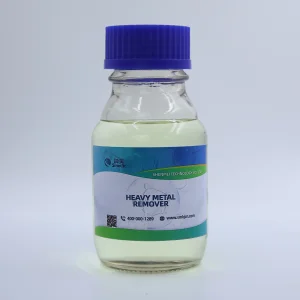
| Industrial Metallurgy & Mining | High concentration of heavy metals, suspended solids in mineral washings, tailings treatment. | Smedic Heavy Metal Removal Agent, Ultra-High MW Flocculant, Polyferric Sulfate (PFS). | Reduces copper, nickel, and lead concentrations to under 0.1 ppm; speeds up tailing settling. |
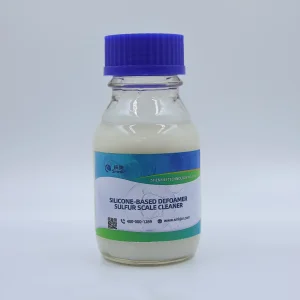
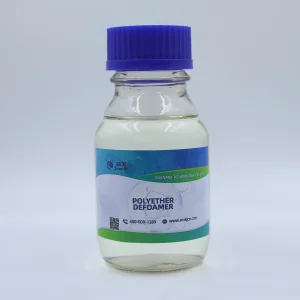
| Oilfield Chemicals & EOR | Extreme salinity, high temperature, oil-in-water emulsions, shear degradation. | High-Shear Resistant Polyacrylamide, Specialized Defoamers, Organic Silicone Emulsions. | Improves sweep efficiency in tertiary oil recovery; separates oil-water mixtures within minutes. |
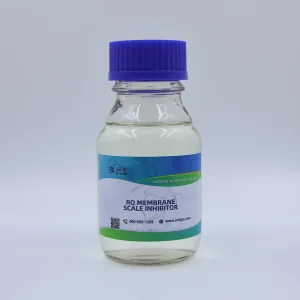
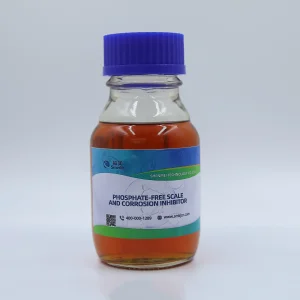
| Power Generation & Cooling Water | Scale buildup, corrosion of heat exchangers, phosphate pollution. | Phosphate-Free Scale & Corrosion Inhibitors, RO Membrane Scale Inhibitors. | Provides over 98% scale inhibition efficiency without contributing to thermal basin eutrophication. |
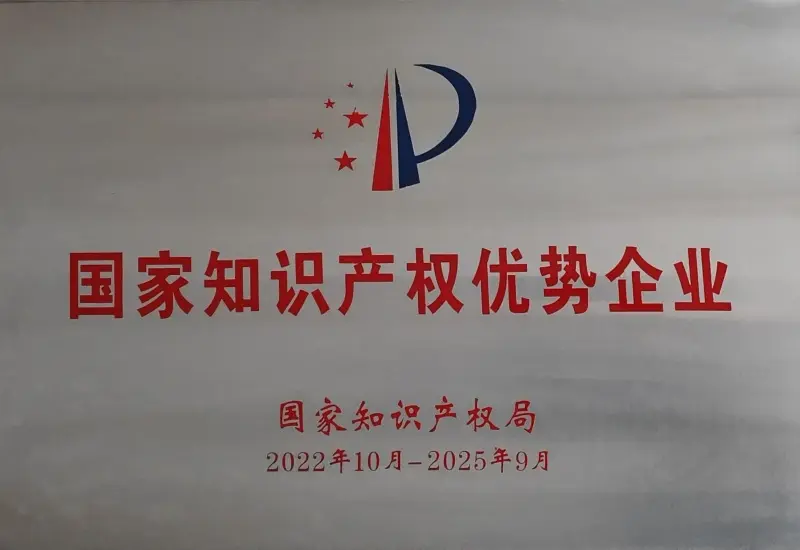
Driven by scientific partnerships and protected by over sixty national patents.
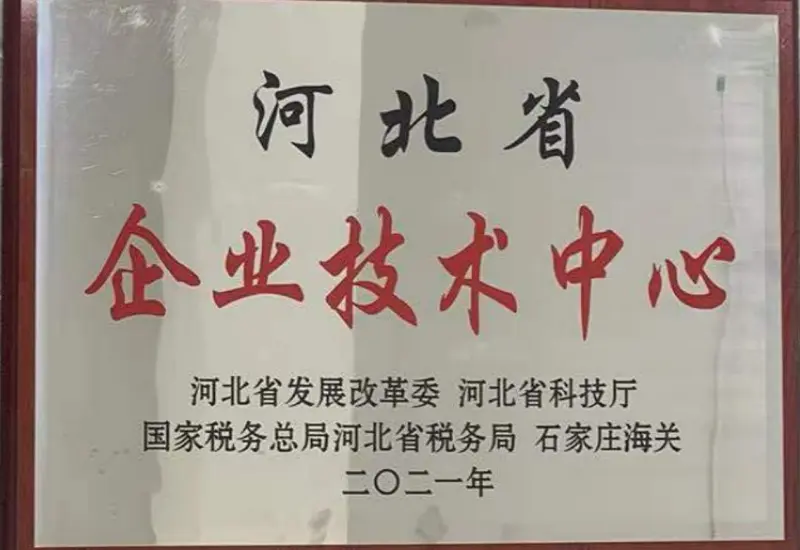
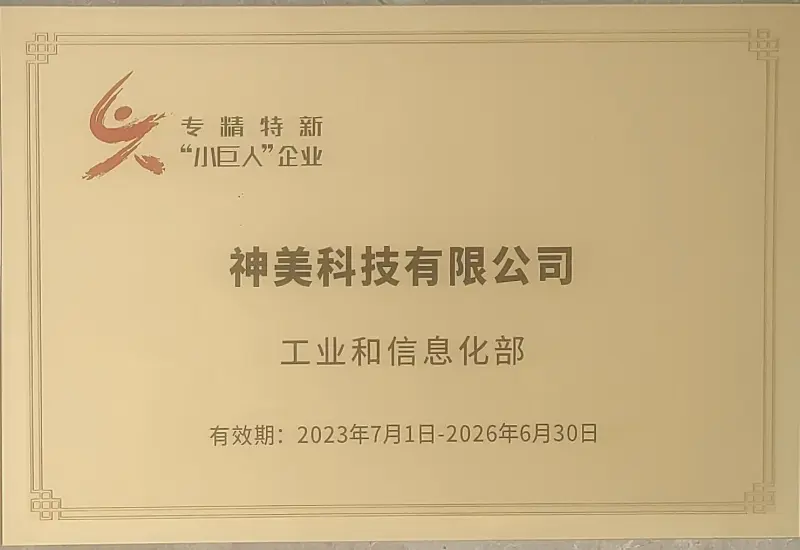
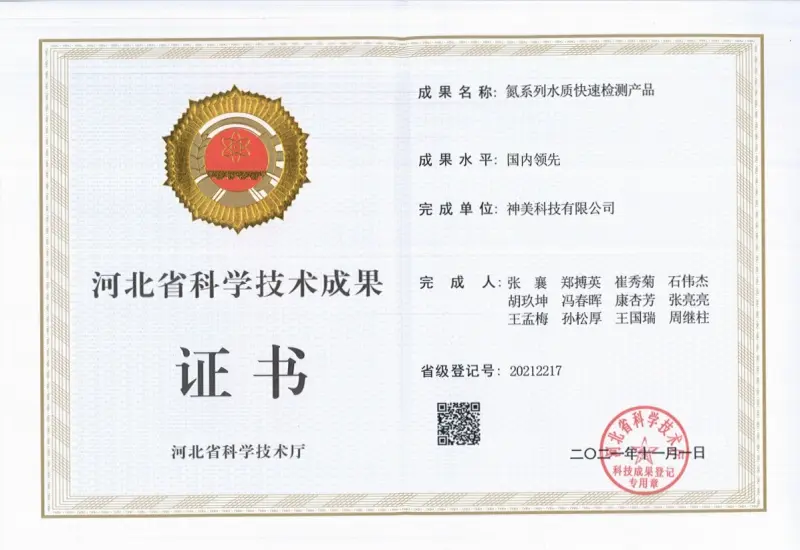
Smedic Technology has earned recognition as a National High-tech Enterprise and a National Specialized, Refined, Unique and Innovative "Little Giant" Enterprise. These honors reflect our sustained investment in material science R&D, supported by our collaborative platform consisting of one main academy, three specialized research institutes, and five field bases.
We work closely with elite academic groups, including the Tsinghua University Association of Senior Scientists and Technicians, Shandong University, and Beijing University of Technology. These partnerships allow us to bridge the gap between laboratory synthesis and full-scale industrial production, ensuring Smedic products remain highly effective in real-world conditions.
Our IP portfolio includes over sixty Chinese patents (more than forty invention patents and twenty utility models). Smedic also plays an active role in drafting national and industry standards for composite carbon sources, composite coagulants, sodium acetate, and bacterial agents.

Developing the next generation of eco-friendly flocculants to meet rising global environmental standards.
Traditional polyacrylamides have long carbon-carbon backbones that degrade slowly in natural environments. Smedic's R&D department is currently synthesizing hybrid starch-graft-polyacrylamide and chitosan-modified natural polymers. These bio-based options offer rapid biodegradability while maintaining the high charge densities required for industrial sludge dewatering.
As regulatory agencies set stricter limits on phosphorus discharge to prevent surface water eutrophication, industries must move away from phosphonate-based water treatment. Smedic's new formulation of polyaspartic acid (PASP) and epoxysuccinic acid (PESA) derivatives provides scale inhibition without using organic phosphorus, protecting both industrial machinery and local ecosystems.
Improper flocculant dosing can lead to filter blinding or incomplete settling. Smedic is designing smart chemical delivery packages equipped with online zeta potential and turbidity feedback sensors. These systems monitor feed water conditions in real-time, automatically adjusting dosing rates to prevent excess chemical use and lower operating costs.
Detailed answers to key technical questions about flocculation and chemical dosing.
Complete your environmental treatment loop with high-purity foam control and scale suppression reagents.
 Smedic Tech