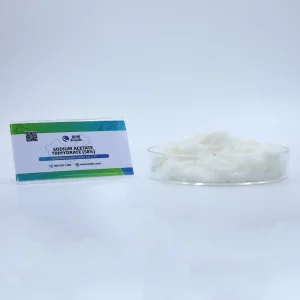
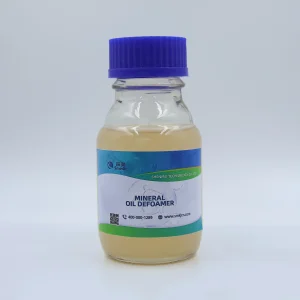
Explore our foundational range of scale inhibitors, defoamers, organic silicone polymers, and heavy metal chelators tailored for industrial and municipal water applications.
Global industrialization, combined with escalating population density, has placed unprecedented stress on global aquatic ecosystems. Historically, water treatment focused primarily on primary clarification and suspended solids filtration. Today, the rapid proliferation of complex manufacturing setups, semiconductor fabrication lines, heavy metal processing mills, and large-scale mining centers requires highly specific, molecular-level chemical interventions.
In accordance with global paradigms such as the United Nations Sustainable Development Goal 6 (Clean Water and Sanitation) and European Zero Liquid Discharge (ZLD) mandates, sewage treatment has evolved from basic environmental compliance to a core component of industrial circular economies. The focus is no longer just on meeting emission limits but on resource recovery, minimizing carbon footprints, and optimizing chemical efficiency.
Understanding the interplay between mechanical separation and chemical flocculation is critical. An optimized water purification framework relies heavily on specialized chemical agents designed to modify physical-chemical interfaces, accelerate sedimentation kinetics, and neutralize hazardous dissolved ions. For OEM and ODM clients, sourcing highly reliable, custom-formulated agents is a fundamental step toward achieving long-term systemic stability.
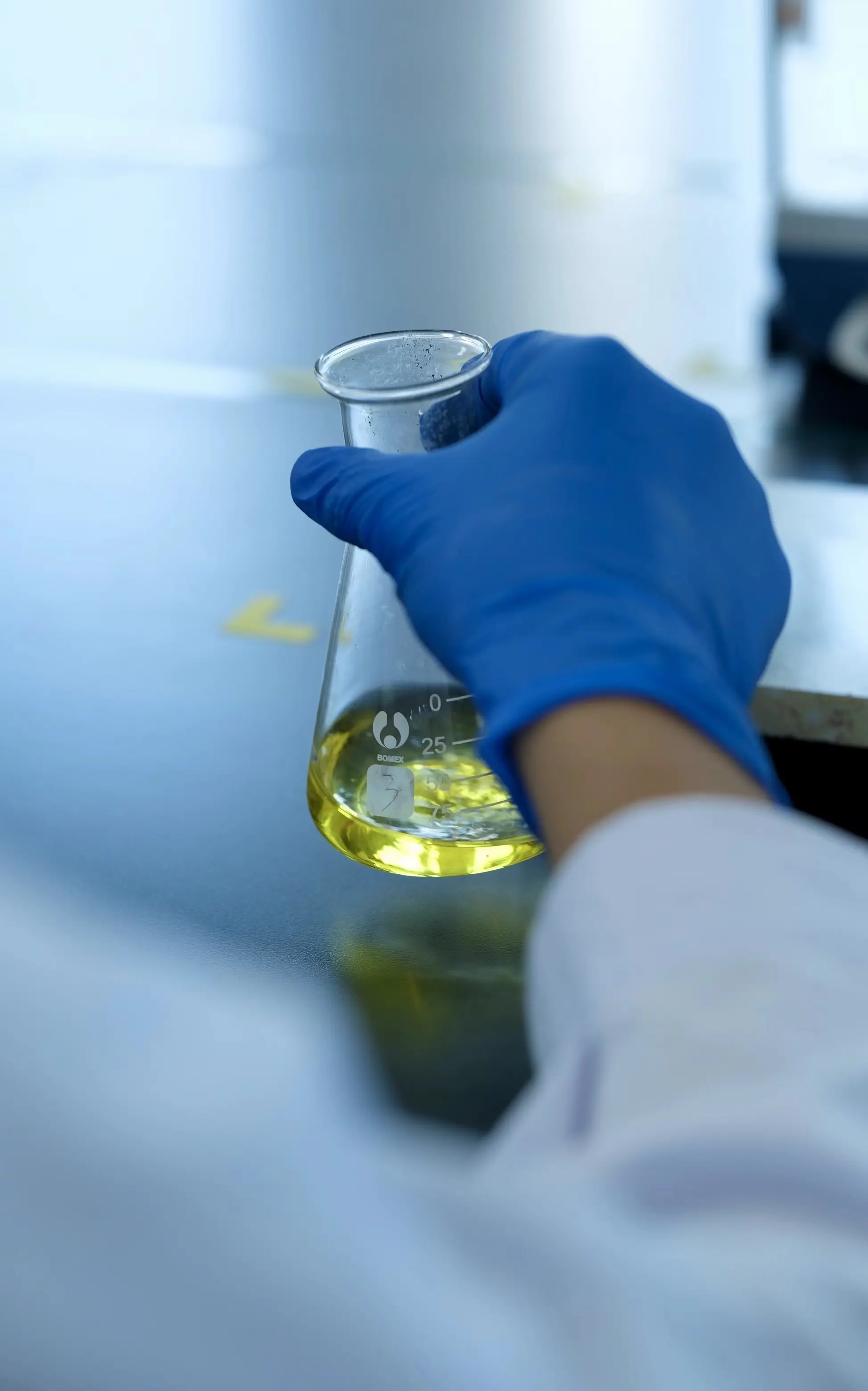
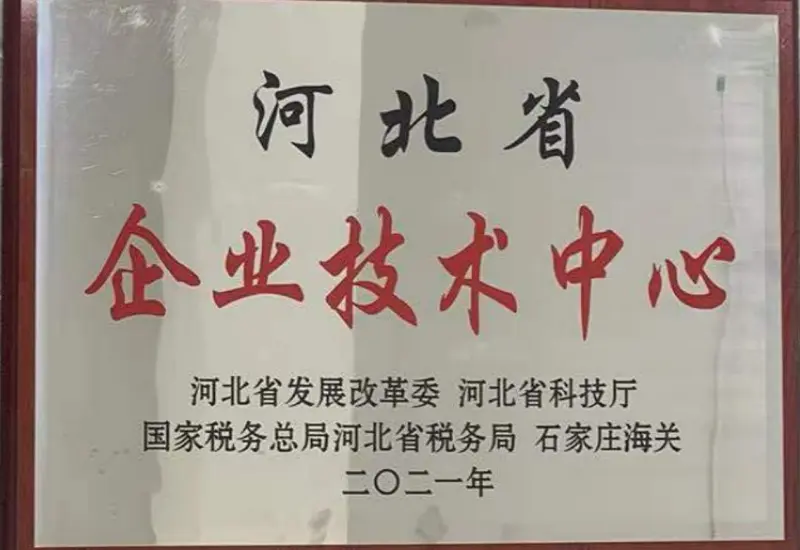
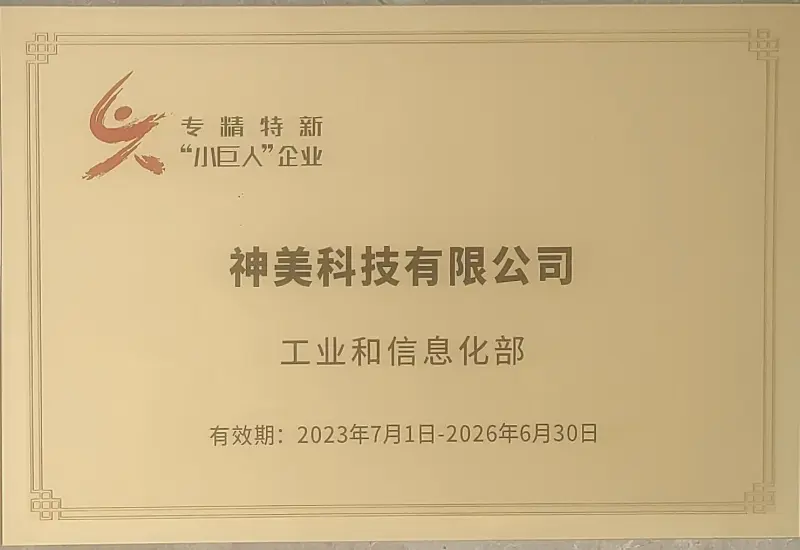
Founded in 2011, Smedic Technology Co., Ltd. has established itself as an authoritative leader in high-end wastewater treatment chemistry, integrating robust R&D with large-scale industrial output.
Smedic operates multiple proprietary, wholly-owned manufacturing facilities in major industrial provinces, including Hebei, Guizhou, and Shanxi. To ensure agile logistics, we have established over ten OEM partner plants and strategic warehousing and distribution hubs in Shandong, Shanxi, Anhui, Guangxi, and Sichuan. This distributed network ensures stable, just-in-time chemical supply configurations for more than 20 provinces.
Our project portfolio supports over 600 municipal urban sewage treatment plants and more than 1,000 corporate partners in industrial wastewater treatment, mineral processing, and oilfield extraction operations. Smedic's daily treatment capacity exceeds 20 million tons, making us a leading force in high-efficiency environmental chemicals.
Scientific validation forms the cornerstone of Smedic's E-E-A-T credentials, utilizing collaborations with leading universities and research institutes.
We work in collaboration with the Tsinghua University Association of Senior Scientists and Technicians, and have set up joint laboratories with Shandong University and Beijing University of Technology. Smedic is also a key commercialization partner for industry-academia achievements with Peking University and Tianjin University.
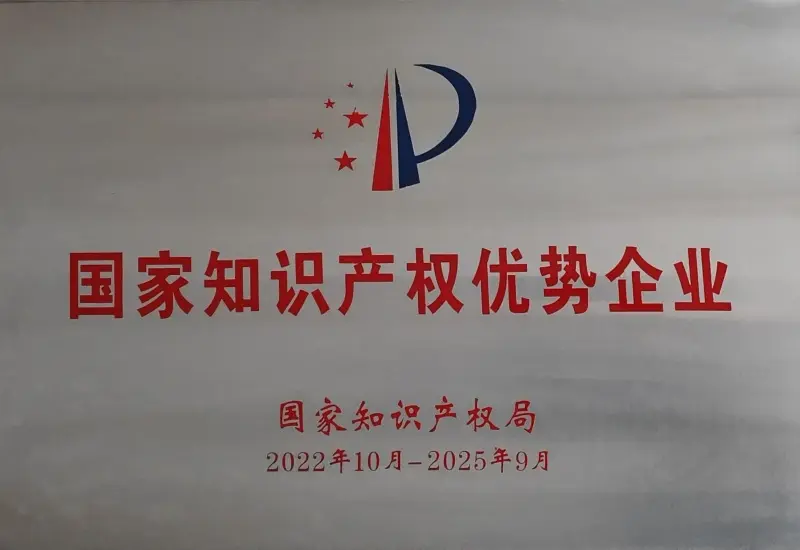
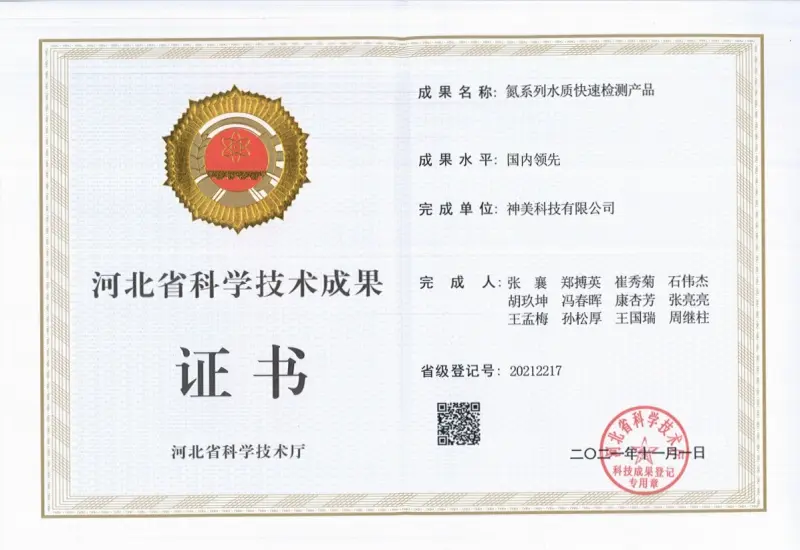
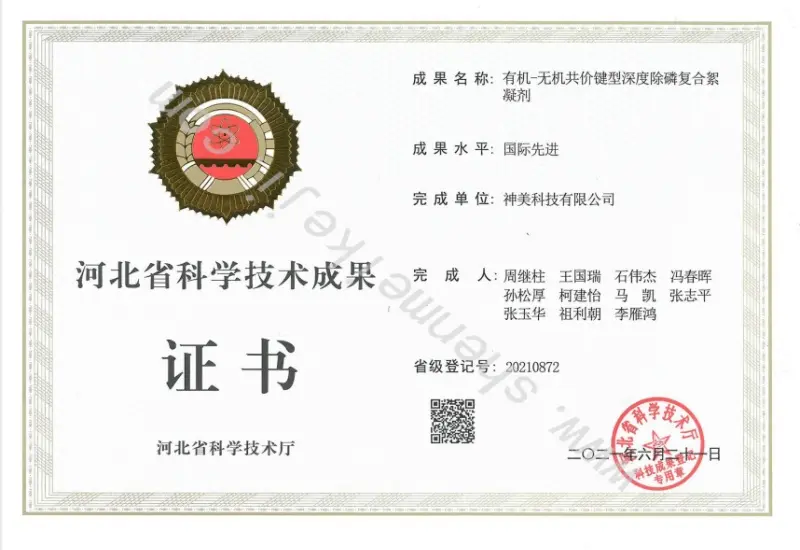
Smedic holds over sixty Chinese patents, including more than forty invention patents and twenty utility model patents. We have drafted over ten national and industry standards for composite carbon sources, composite coagulants, sodium acetate, and nitrifying bacterial cultures.
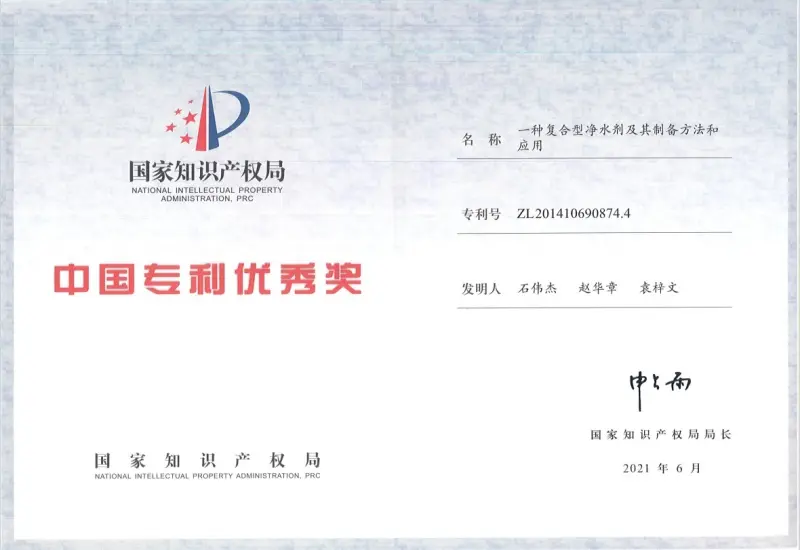
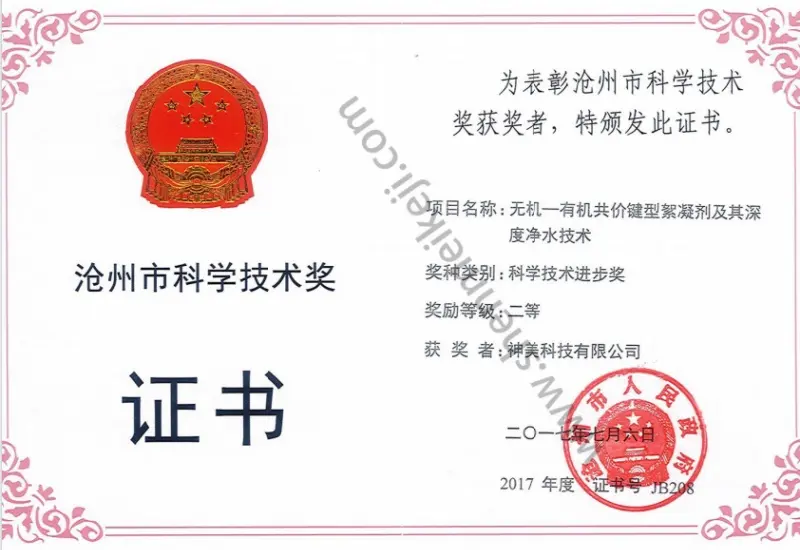
Recognized as the "Leading Brand of Advanced Wastewater Treatment Chemicals" and the "Most Valuable Water Treatment Chemicals Brand" by China Water Network and the E20 Environmental Platform for four consecutive years. Awarded the 22nd China Patent Award.

Water treatment chemistry requires high-precision molecular design. Below is a scientific breakdown of our key product families and their functional mechanisms.
Denitrification converts nitrate-nitrogen (NO3-N) to inert gaseous nitrogen (N2) via heterotrophic bacteria. If the biological influent is carbon-deficient, external sources are needed. Smedic's Pure Solid Sodium Acetate (CH3COONa) provides a highly bioavailable carbon source. Unlike methanol, sodium acetate is non-toxic and initiates rapid denitrification kinetics, even in low-temperature operations.
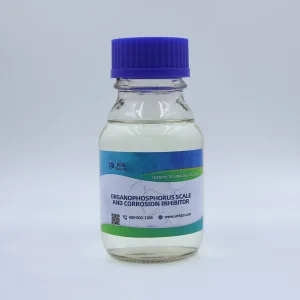
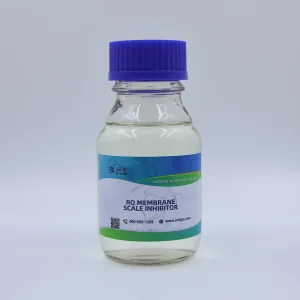
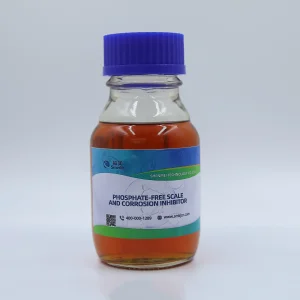
Reverse Osmosis (RO) systems are vulnerable to inorganic scale precipitation (e.g., CaCO3, CaSO4, BaSO4, silica). Smedic's Organophosphorus scale inhibitors and phosphate-free inhibitors work via threshold inhibition, lattice distortion, and dispersion. They bind to micro-crystal growth sites, preventing the formation of hard, scaling layers on membranes, which extends membrane life and reduces cleaning frequency.
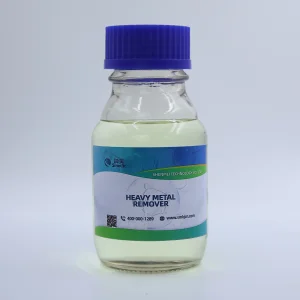
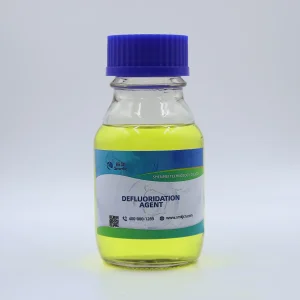
Fluoride concentrations above regulatory limits present environmental risks. Smedic's Fluoride Removal Agent operates through co-precipitation and adsorption mechanisms, reducing F- ions to below 1 mg/L. For heavy metals (Cu2+, Ni2+, Zn2+, Pb2+), our chelating agents form high-stability complexes, ensuring rapid precipitation and compliance with strict environmental discharge limits.
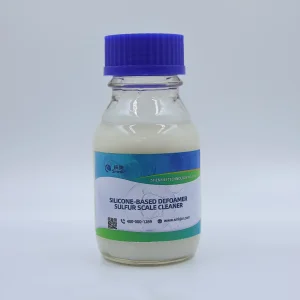
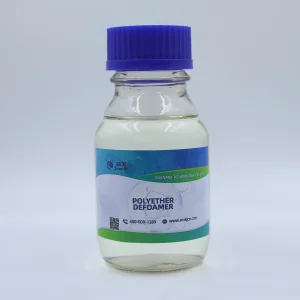
Biological aeration and industrial processes can generate excessive foam, disrupting operations. We manufacture Organic Silicone Defoamers and Polyether Defoamers. These agents rapidly lower surface tension at the gas-liquid interface, destabilizing bubbles and preventing foam build-up without affecting aerobic microorganisms.
Flocculation aggregates microscopic flocs into larger masses. Smedic provides Cationic (CPAM), Anionic (APAM), and Non-Ionic (NPAM) polyacrylamides. By optimizing molecular weights and charge densities, these polymers neutralize particle surface charges and create polymer bridges, facilitating rapid sedimentation and effective sludge dewatering.
This award-winning, patented technology combines the charge-neutralizing power of inorganic coagulants with the bridging action of organic polymers. It produces dense, heavy flocs with high shear resistance, reducing chemical dosage requirements and chemical sludge volumes by up to 30% compared to traditional treatment setups.
From municipal biological nutrient removal to complex heavy industrial processes, Smedic provides tailored chemical solutions for diverse applications.
For municipal plants, achieving low levels of Total Nitrogen (TN) and Total Phosphorus (TP) is a priority. Smedic provides composite carbon sources, nitrifying bacteria cultures, and multi-nuclear phosphorus precipitants to help plants reliably meet strict environmental discharge standards.
Mining effluents contain high levels of suspended solids and residual processing chemicals. Developed in collaboration with the Chengdu Institute of Mineral Comprehensive Utilization, our specialized polyacrylamides and coagulants accelerate tailings thickening, improve water recycling rates, and aid in heavy metal recovery.
Industrial cooling towers are prone to scaling and corrosion. Our organophosphorus scale inhibitors and non-oxidizing biocides protect heat transfer surfaces, preventing system degradation and optimizing heat exchange efficiency.
These industries generate wastewater high in color, COD, and foam. Smedic's decolorizing flocculants and polyether defoamers target organic dyes and wood fibers, helping plants achieve high water recycle ratios.
In upstream petroleum operations, injected water requires precise viscosity control. Our high-temperature, shear-resistant non-ionic and anionic polyacrylamides improve sweep efficiency in oil reservoirs, supporting tertiary oil recovery operations.
In modern industrial parks, ZLD frameworks rely on evaporator and crystallizer systems. Smedic's scale inhibitors and organic defoamers protect thermal evaporation units, preventing scale buildup and maximizing clean condensate recovery.
Navigating global regulatory frameworks is a key priority for international OEM partners. Smedic ensures compliance with major international standards, including EU REACH registration, US EPA guidelines, and Chinese GB18918-2002 municipal standards.
Our quality management systems are ISO 9001, ISO 14001, and ISO 45001 certified. We trace all raw materials, conduct batch testing, and provide certificates of analysis (COA) with each shipment. Additionally, our logistics hubs support custom packaging, dry bulk handling, and specialized global container logistics.
With an annual capacity of over 1 million tons and regional warehousing across China, we mitigate supply chain disruptions. This footprint ensures consistent delivery schedules for large-scale operations worldwide.
We continue to invest in sustainable, next-generation chemistry, focusing on key development tracks:
Common questions regarding industrial wastewater treatment, chemical application, and OEM supply logistics.
Select from our targeted chemical formulations, designed for complex industrial applications, sludge conditioning, and process water optimization.
 Smedic Tech