A deep-dive technical briefing on the engineering structures, chemistry routes, and supply chain strategies driving modern high-efficiency municipal and industrial wastewater purification.
As global environmental regulations grow increasingly stringent, the demand for high-performance chemical treatments for industrial and municipal sewage has accelerated. Wastewater is no longer viewed simply as a waste stream to be neutralized; rather, it is recognized as a complex resource reservoir requiring precise chemical separation, trace metal mitigation, biological nutrient balancing, and scale inhibition. Establishing a robust partnership with a qualified OEM Sewage Chemical Treatment supplier has shifted from a basic procurement function to a core strategic advantage for water groups, engineering, procurement, and construction (EPC) firms, and heavy industrial facilities.
Achieving compliance under frameworks like the EU Urban Waste Water Treatment Directive or the EPA Clean Water Act demands a comprehensive approach. A simple "one-size-fits-all" chemical supply model fails to address the unique variables of effluent streams—such as fluctuating chemical oxygen demand (COD), dynamic pH ranges, complex heavy metal matrices, and variable levels of total suspended solids (TSS). Smedic Technology Co., Ltd. leads this transition by integrating academic-grade research, advanced manufacturing, and tailored technical support to deliver over 80 environmental protection agents, with a total production capacity exceeding one million tons per year.
Established in 2011, Smedic Technology Co., Ltd. has evolved into a leading provider of environmental protection agents. We integrate R&D, manufacturing, sales, and on-site engineering services into a unified solution. Our product lineup covers municipal sewage treatment, industrial wastewater purification, tap water clarification, mineral processing, and oilfield chemical processes.
Our corporate headquarters is based in Beijing, supported by wholly-owned production facilities in Hebei, Guizhou, and Shanxi. Additionally, we coordinate more than ten OEM partner factories and regional warehousing hubs across Shandong, Shanxi, Anhui, Guangxi, and Sichuan. This service network spans over 20 provinces throughout China, providing reagents to more than 600 urban sewage treatment plants and over 1,000 industrial end-users. The total treatment capacity supported by our projects exceeds 20 million tons per day, positioning us as an established player in high-end municipal and industrial wastewater chemicals.
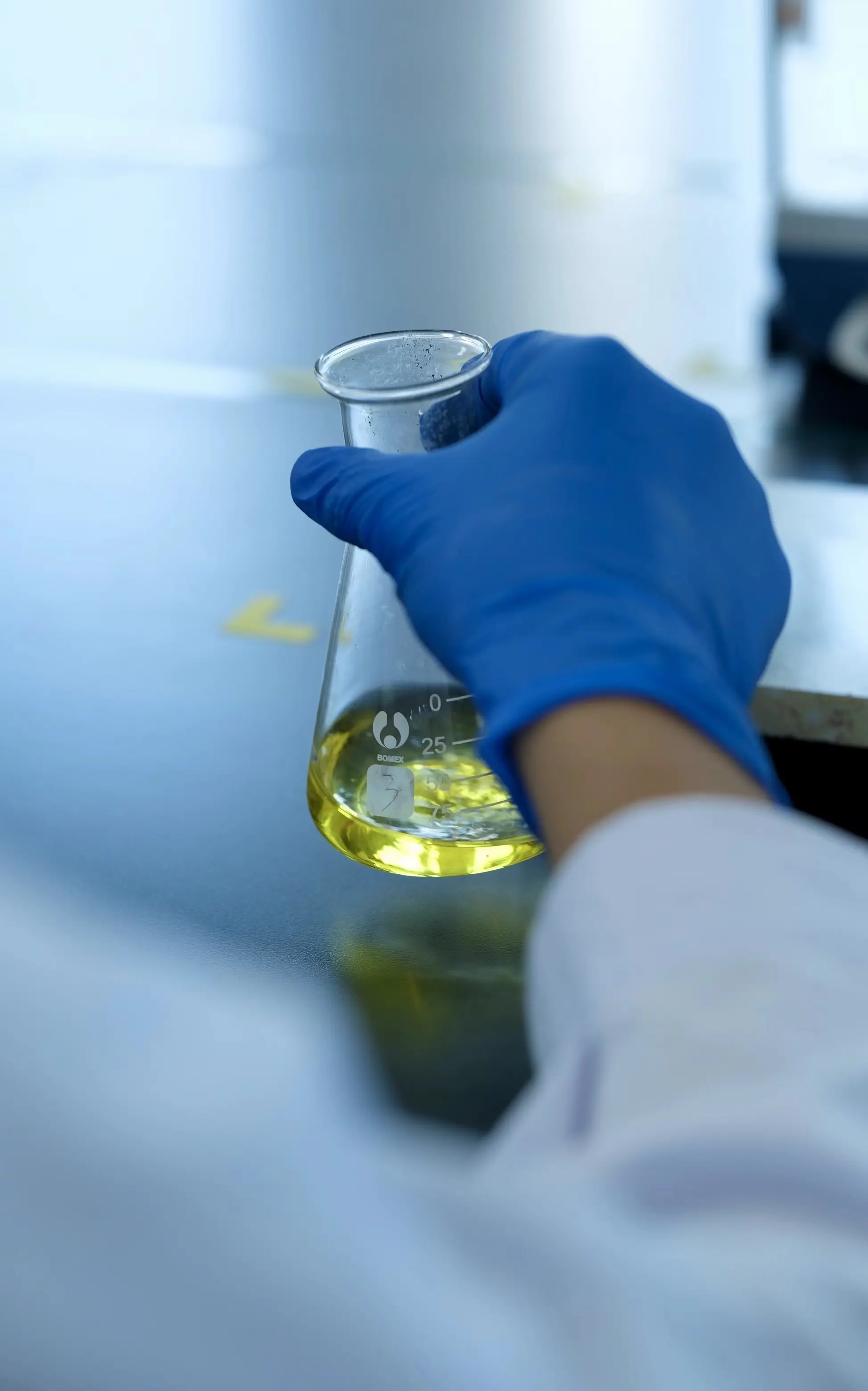
Analyzing the synthesis pathways, polymer molecular weights, and charge densities of primary sewage treatment reagents.
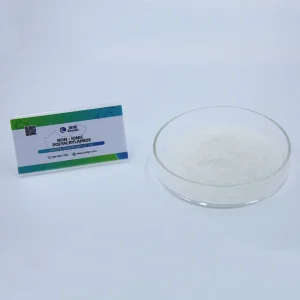
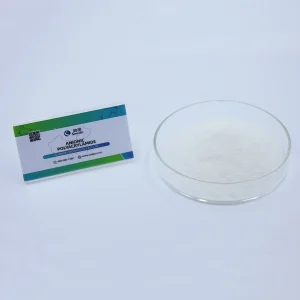
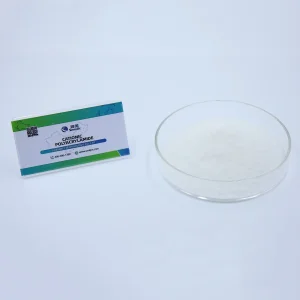
Polyacrylamide serves as a primary flocculant in sewage clarification. By tuning polymerization conditions, Smedic produces custom formulations:
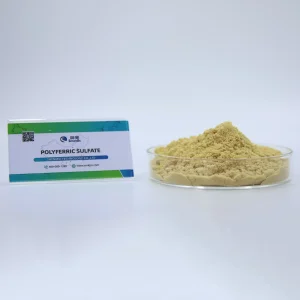
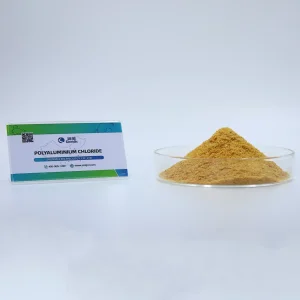
Effective coagulation requires rapid neutralization of colloidal surface charges. We supply highly stable inorganic polymers:
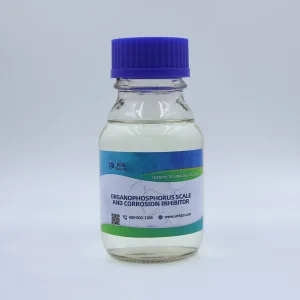
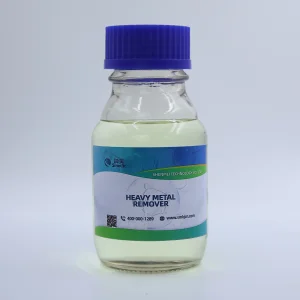
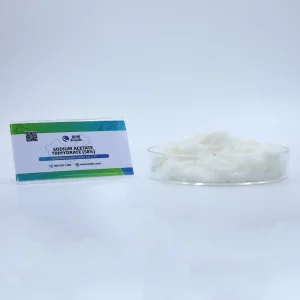
Specialized industrial wastewater requires targeted chemical remediation to remove stubborn trace pollutants:
Transitioning from traditional wastewater chemistry to green, low-carbon, and smart municipal water resources.
The next generation of water treatment chemistry centers on lowering carbon footprints. Conventional organic polymer flocculants derived from petroleum sources face biological degradation challenges. Smedic's R&D roadmap prioritizes biodegradable, bio-based polymers graft-polymerized with traditional acrylic monomers, maintaining performance while reducing toxicity.
In municipal sewage denitrification, Smedic is replacing simple methanol or ethylene glycol with smart composite carbon sources. Our formulations leverage green byproduct streams, enhancing the carbon-to-nitrogen ratio for denitrifying bacteria while mitigating carbon emissions associated with volatile chemical synthesis.
Traditional chemical dosing relies on manual adjustments based on periodic grab samples, often leading to over-dosing and elevated operating costs. Smedic is piloting smart chemical feeding systems that interface with real-time UV-Vis spectrophotometers, flow rate sensors, and turbidity meters. By applying predictive algorithms, our systems adjust coagulant and flocculant feed rates in real time, minimizing chemical consumption and sludge production.
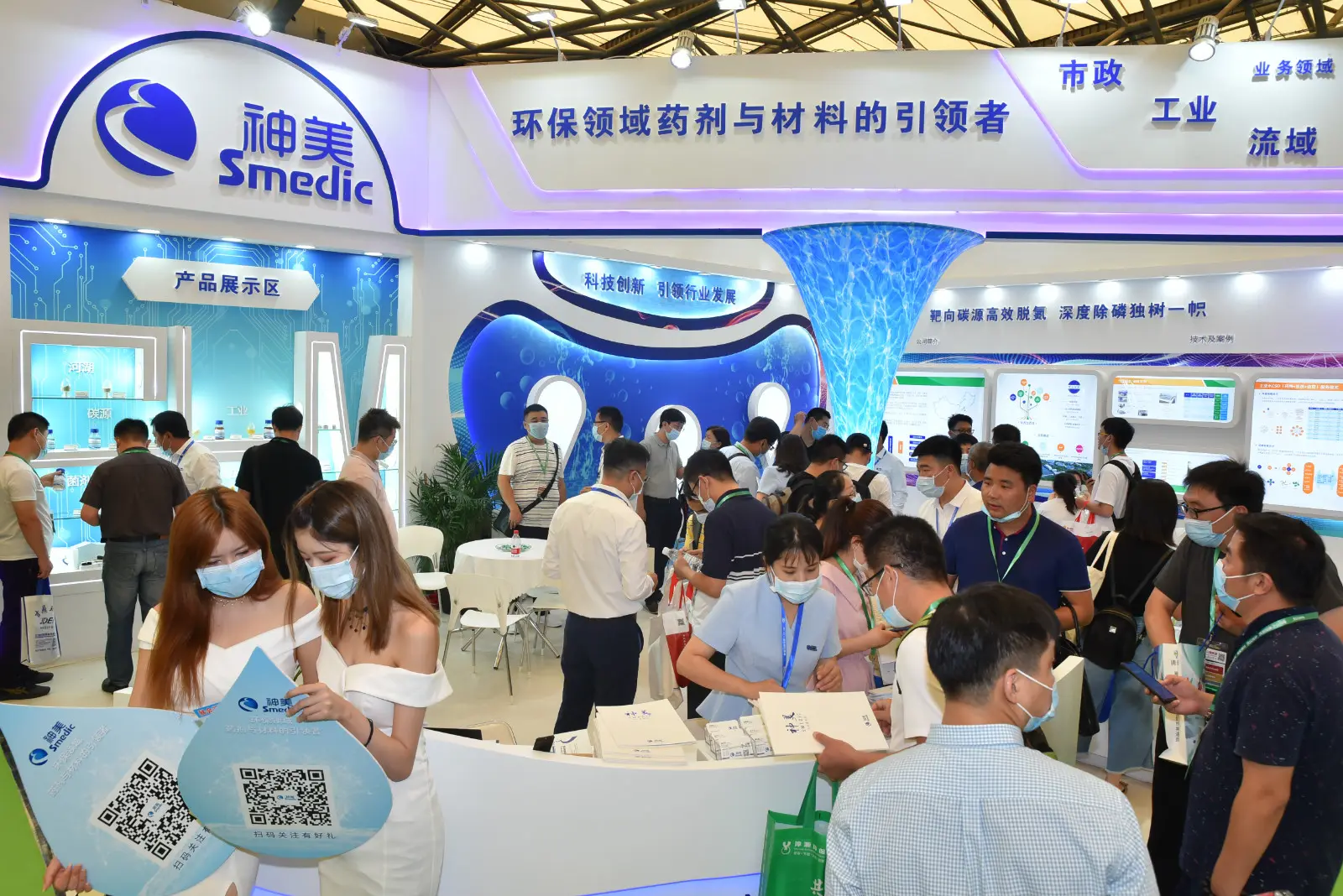
Addressing the chemical separation requirements across different industrial sectors.
We supply municipal systems with primary coagulants, organic flocculants, biological carbon sources, and sanitizing compounds. These solutions are optimized to handle seasonal load spikes, balance C:N:P ratios, and support biological nitrogen and phosphorus removal.
Petrochemical effluent contains high concentrations of emulsified oils, phenols, and complex hydrocarbons. Smedic provides specialized mineral oil defoamers, demulsifiers, and high-charge cationic flocculants that break oil-in-water emulsions, facilitating efficient API separator operation.
Mining operations require rapid solids settling to recycle process water. Our ultra-high molecular weight anionic polyacrylamide (APAM) and polyferric sulfate (PFS) accelerate sedimentation in thickeners, allowing rapid water reclamation and dry stack tailing disposal.
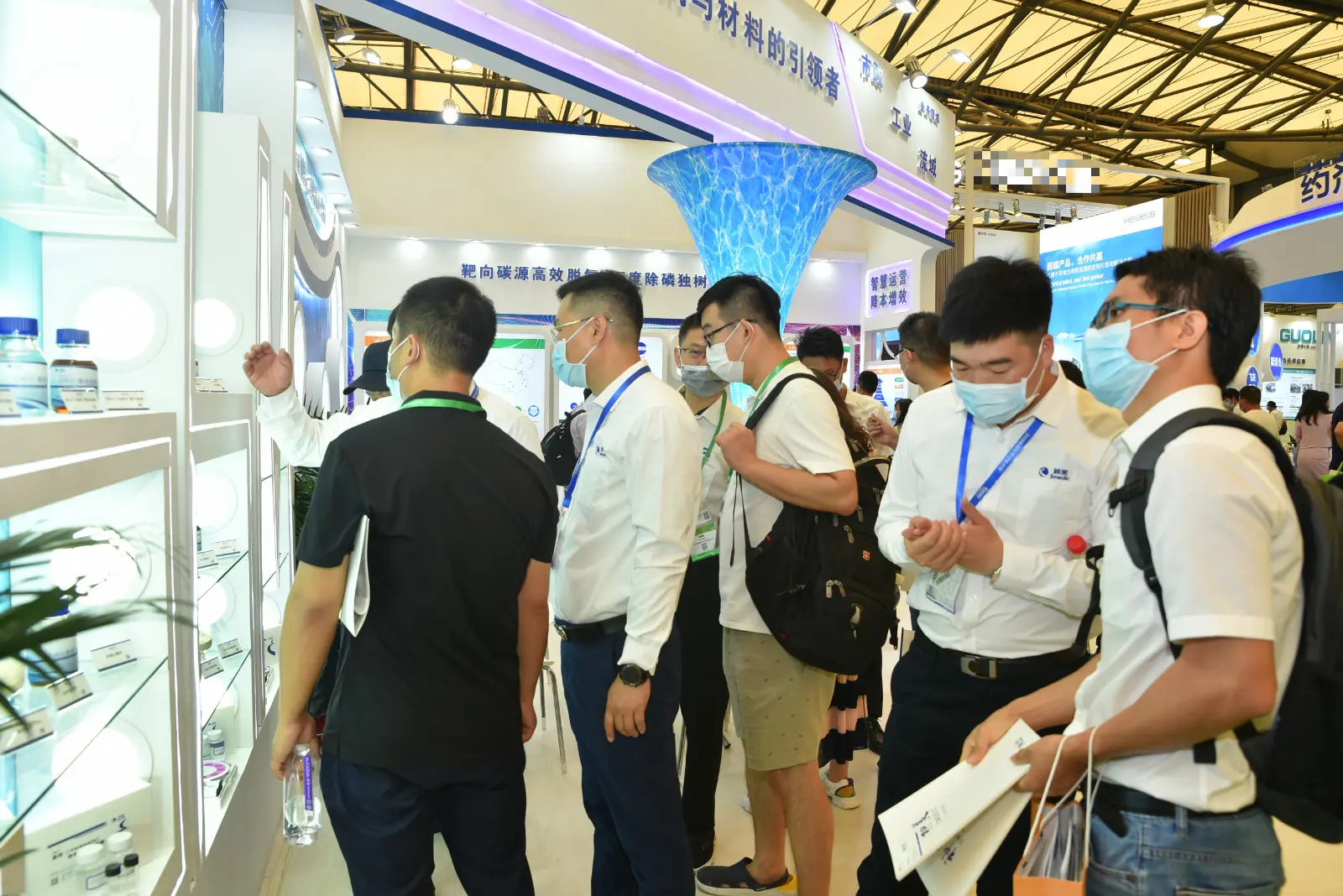
Smedic operates multiple production facilities across Hebei, Guizhou, and Shanxi, backed by over ten regional warehousing and logistics hubs. By implementing Factory 4.0 protocols, we provide consistent supply resilience for global buyers:
Our Hebei production facility is recognized as a Hebei Province Green Factory, indicating compliance with energy conservation, emission reductions, and environmental standards throughout the synthesis cycle.
A history of development, technology innovation, and capacity expansion since 2011.
Smedic Technology was founded, focusing on R&D of advanced environmental protection agents.
Established a complete portfolio for municipal wastewater treatment, introducing custom flocculant lines.
Recognized as a key national high-tech enterprise, expanding R&D resources.
Constructed a water treatment chemicals production base in Guiyang to serve the southwestern market.
Production bases in Hebei, Shandong, and Guizhou were completed and expanded, bringing annual capacity past 1 million tons.
Recognized as a National Specialized, Refined, Unique and Innovative "Little Giant" Enterprise.
Established a provincial-level R&D platform in Hebei to drive technology commercialization.
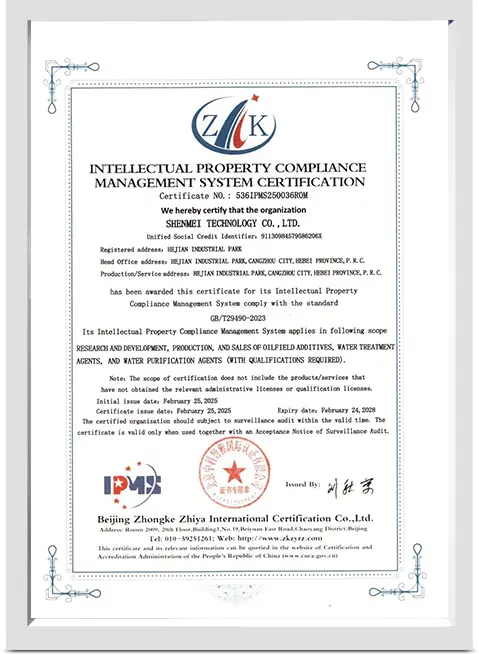
Awarded National Intellectual Property Advantage Enterprise status, holding over 60 patents.
Formed a joint venture with the Chengdu Institute of Mineral Comprehensive Utilization, China Geological Survey, to develop specialized mining reagents.
Navigating chemical handling standards, cross-border shipping regulations, and technical support.
Navigating global regulatory compliance is essential when importing chemical reagents. Smedic holds ISO 9001 (Quality Management System), ISO 14001 (Environmental Management System), and ISO 45001 (Occupational Health and Safety) certifications. Our products comply with REACH regulations for EU markets and carry NSF/ANSI Standard 60 certifications for drinking water safety where applicable.
Each batch undergoes rigorous laboratory testing, generating a Certificate of Analysis (COA) specifying bulk density, viscosity, active content, monomer residues, and heavy metal limits. This ensures compliant, hassle-free customs clearance and safe on-site implementation.
Chemical performance depends on the operational parameters of your facility. Smedic provides comprehensive technical support, including laboratory jar test simulations to determine optimal dosing rates, pilot-scale trials, and diagnostic site audits. By analyzing pH dynamics, sludge cake moisture, and turbidity targets, our application engineers help optimize process chemistry to reduce operating costs.
Understanding supply contracts, logistics options, and operational service level agreements.
Industrial procurement managers require consistent product quality, reliable delivery schedules, and price stability. Smedic addresses these challenges through structured Service Level Agreements (SLAs) tailored for high-volume buyers:
We support various delivery terms (FOB, CIF, CFR, DDP) and accommodate packaging preferences, including 25kg moisture-proof valve bags, 750kg/1000kg IBC bulk containers, and ISO tanks for liquid reagents.
For custom formulations, Smedic offers custom chemistry options. Our R&D team adjusts molecular weights, charge distribution, and active concentrations to match your specific plant designs.
We maintain a trace sample archive for every production run for up to two years. If performance variances arise, we conduct immediate batch analysis to identify and resolve issues.
A look at Smedic's scientific research network, standard draftings, and patented products.
Smedic maintains an R&D network centered around one academy, three research institutes, and five production bases. We have established the Hebei Provincial Enterprise Technology Center, the Hebei Provincial Advanced Water Treatment Chemicals Technology Innovation Center, and the Cangzhou Water Treatment Engineering Technology Research Center. In addition, we coordinate an expert workstation alongside the Tsinghua University Association of Senior Scientists and Technicians, running joint laboratories with Shandong University and Beijing University of Technology, and serving as a commercialization partner for Peking University and Tianjin University.
Our research efforts have resulted in over sixty Chinese patents, including more than forty invention patents and twenty utility model patents. Smedic has led the drafting of more than ten national and industry standards covering composite carbon sources, composite coagulants, sodium acetate, and specialized nitrifying and denitrifying bacterial agents. Our patented inorganic-organic covalent bond flocculant technology received the 22nd China Patent Award, the First Prize for Technological Invention from the China Petrochemical Industry Association, and the Hebei Province Science and Technology Progress Award.
Expert answers to common questions about formulation selectability, dosing optimization, and supply chain logistics.
Selection depends on the surface charge of the suspended particles. Anionic PAM is used for suspended solids that carry positive surface charges, commonly found in inorganic mining slurries, coal washing, and metallurgical wastewater. Cationic PAM is ideal for negatively charged organic particles, such as biological sludge in municipal sewage plants and industrial wastewater from food processing or paper manufacturing.
We utilize automated polymerization reactors controlled via DCS. Automated ingredient feeding, precise temperature profiles, and in-line viscosity measurements minimize variation. Additionally, every batch undergoes quality control testing for molecular weight, charge density, insoluble residues, and free monomers prior to release.
Yes. Our R&D centers can customize molecular weights, charge densities, and active concentration levels. We analyze effluent samples sent to our laboratories to develop customized blends that optimize settling speed, filtration rate, and chemical consumption.
Dry powder PAM has a shelf life of up to 24 months when stored in original, unopened packaging in a cool, dry place away from direct sunlight. Once dissolved, the aqueous solution should be used within 24 to 48 hours to prevent hydrolysis and loss of performance.
We provide chemical solutions tailored to target specific pollutants, including heavy metals, phosphorus, and nitrogen. Our application engineers help set dosing profiles, carry out onsite jar tests, and optimize filtration chemistry to help plants meet discharge limits reliably and cost-effectively.
 Smedic Tech