Explore our premium product line manufactured under strict ISO and NSF compliance parameters to guarantee optimal batch stability and performance in diverse industrial and municipal application systems.
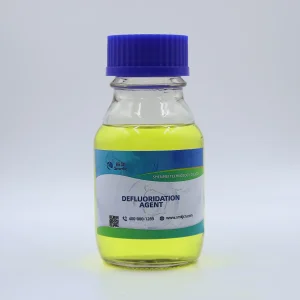
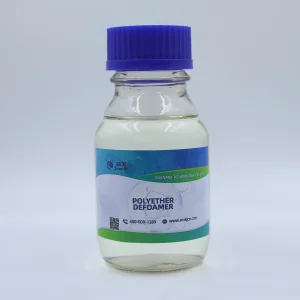
Polymeric Ferric Sulfate (PFS) is a highly efficient, multi-hydroxyl, cationic inorganic polymer coagulant with the chemical formula [Fe2(OH)n(SO4)3-n/2]m. Unlike standard monomeric iron salts (like Ferrous Sulfate or Ferric Chloride), PFS exhibits a highly polymerized network that rapidly hydrolyzes in water to yield polynuclear complexes such as [Fe2(OH)3]3+, [Fe3(OH)6]3+, and [Fe8(OH)16]8+.
The high cationic charge density of the polynuclear hydroxyl complexes neutralizes the negative Zeta potential on colloidal particles suspended in water. This destabilizes the colloidal suspension, allowing the particles to come together. PFS operates over a broad pH range (4.0–11.0), enabling stable treatment without the constant addition of pH adjusting chemicals.
The high molecular weight polymeric structure of PFS facilitates adsorption bridging. Suspended particles attach to the long polymer chains of the hydrolyzed PFS, creating dense, shear-resistant flocs. These large flocs exhibit high settling velocities, reducing clarifier retention times and producing a lower volume of compact, easily dewatered sludge compared to traditional coagulants.
Information Gain: Unlike aluminum-based coagulants (like PAC), PFS performs effectively in low-temperature water (down to 2°C) without losing hydrolysis efficiency. It leaves no residual aluminum ions in the treated water, eliminating risks of neurotoxic aluminum carryover in municipal drinking water supplies and making the sludge safer for agricultural or structural reuse.
The table below provides a technical comparison of Polymeric Ferric Sulfate (PFS) against Polyaluminum Chloride (PAC) and Ferric Chloride (FeCl3) in common industrial wastewater applications:
| Performance Parameter | Polymeric Ferric Sulfate (PFS) | Polyaluminum Chloride (PAC) | Ferric Chloride (FeCl3) |
|---|---|---|---|
| Optimum pH Range | 4.0 – 11.0 | 6.0 – 9.0 | 5.0 – 11.0 |
| Floc Settling Velocity | Fast (12–15 m/h) | Moderate (5–8 m/h) | Moderate (8–10 m/h) |
| Phosphorus Removal (TP) | Excellent (Fe:P co-precipitation) | Moderate | Good (High corrosivity risk) |
| Heavy Metal Removal | Superior (Adsorption coprecipitation) | Low | Moderate |
| Sludge Moisture Content | Low (Highly dewaterable) | High (Gelatinous sludge) | Moderate |
| Equipment Corrosion Index | Low | Very Low | Extremely High |
| Temperature Sensitivity | Negligible (Active at 2°C–50°C) | High (Hydrolysis drops below 10°C) | Low |
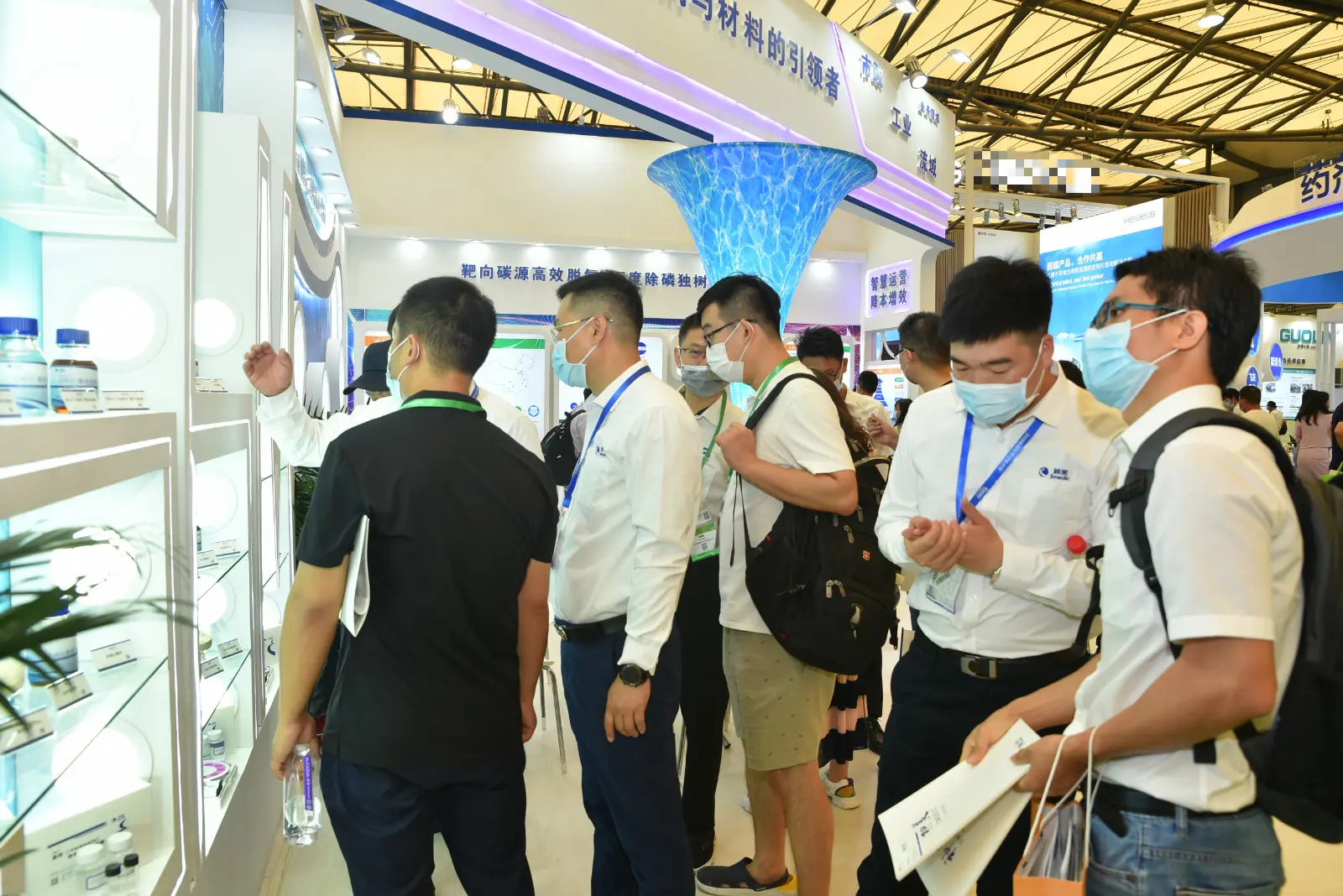
Smedic Technology Co., Ltd. is a comprehensive environmental chemical solution provider. Since our founding in 2011, we have built a manufacturing and distribution network designed to meet the demands of global industrial and municipal water treatment projects.
Headquartered in Beijing, Smedic operates wholly-owned production bases in Hebei, Guizhou, and Shanxi, alongside more than 10 OEM partner factories and regional warehousing bases in Shandong, Shanxi, Anhui, Guangxi, and Sichuan. This infrastructure ensures supply chain stability and allows us to serve over 600 urban sewage plants and 1,000+ industrial end customers.
Our daily treatment footprint exceeds 20 million tons of wastewater, positioning us as a leading provider of high-end environmental chemicals for municipal and industrial systems in China and international markets.
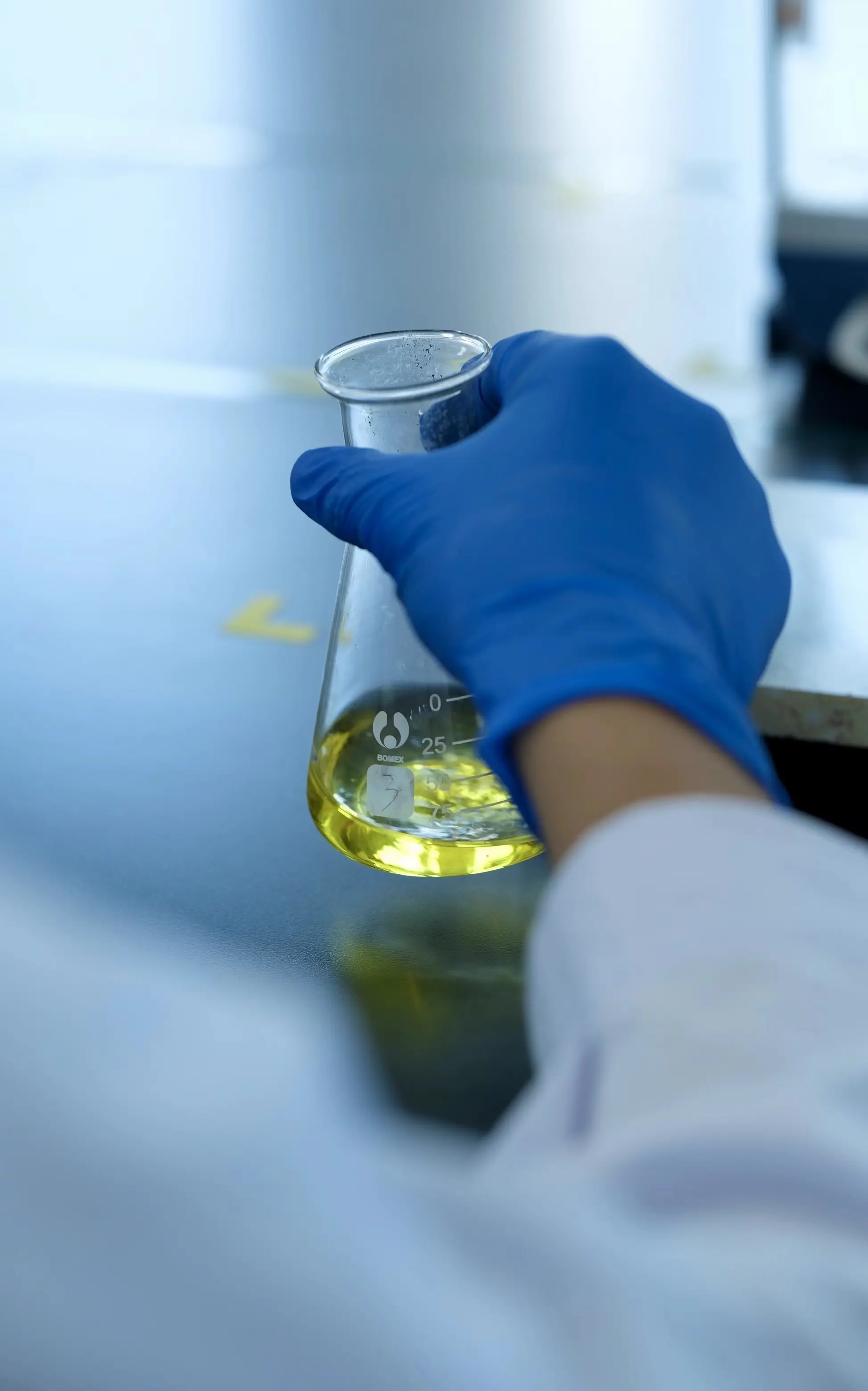
Smedic Technology operates with a strong focus on research and development. We maintain a technical team composed of academicians, experts, and senior engineers, supported by our "one academy, three research institutes, and five bases" R&D platform.
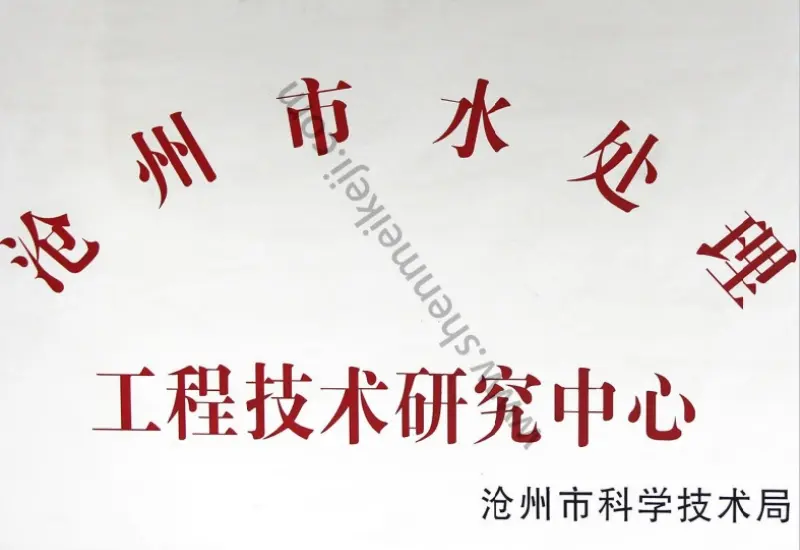
We host the Hebei Provincial Enterprise Technology Center, the Hebei Advanced Water Treatment Chemicals Technology Innovation Center, and the Cangzhou Water Treatment Engineering Technology Research Center, recognized as a Class A R&D institution. Our collaborative platforms include an expert workstation with the Tsinghua University Association of Senior Scientists and Technicians, and joint R&D laboratories with Shandong University and Beijing University of Technology. Smedic also commercializes research results in partnership with Peking University and Tianjin University.
Our IP portfolio includes over 60 Chinese patents, featuring more than 40 invention patents and 20 utility model patents. Smedic has led the drafting of over 10 national and industry standards for chemical formulations, including composite carbon sources, composite coagulants, sodium acetate, and nitrifying bacterial agents. Our independently developed bio-enhanced denitrification carbon source and deep multi-nuclear phosphorus removal agent have been evaluated as "internationally advanced" by the Science and Technology Department of Hebei Province.
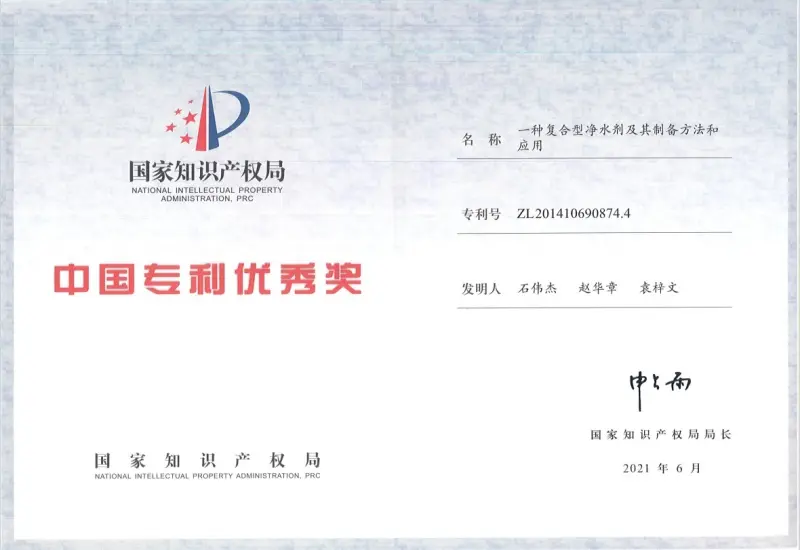
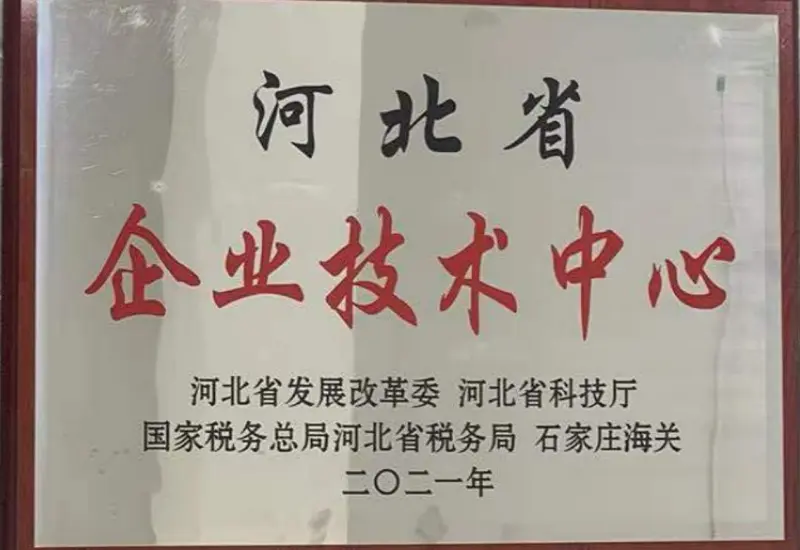
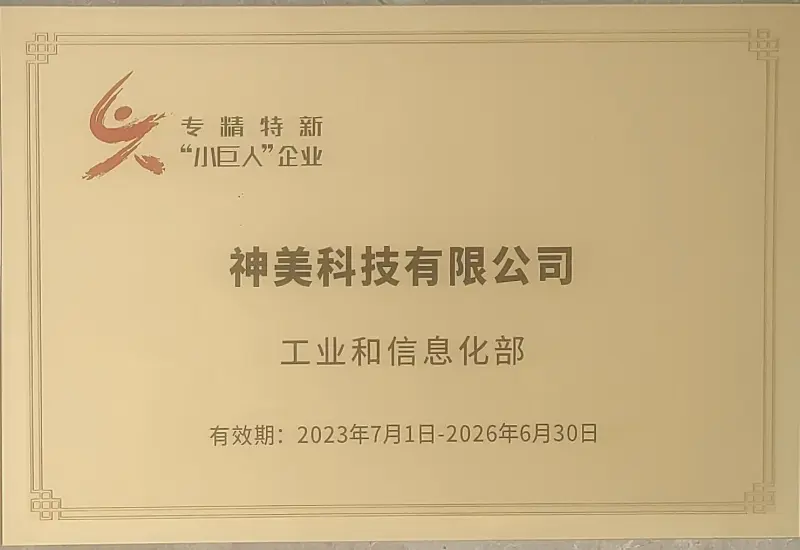
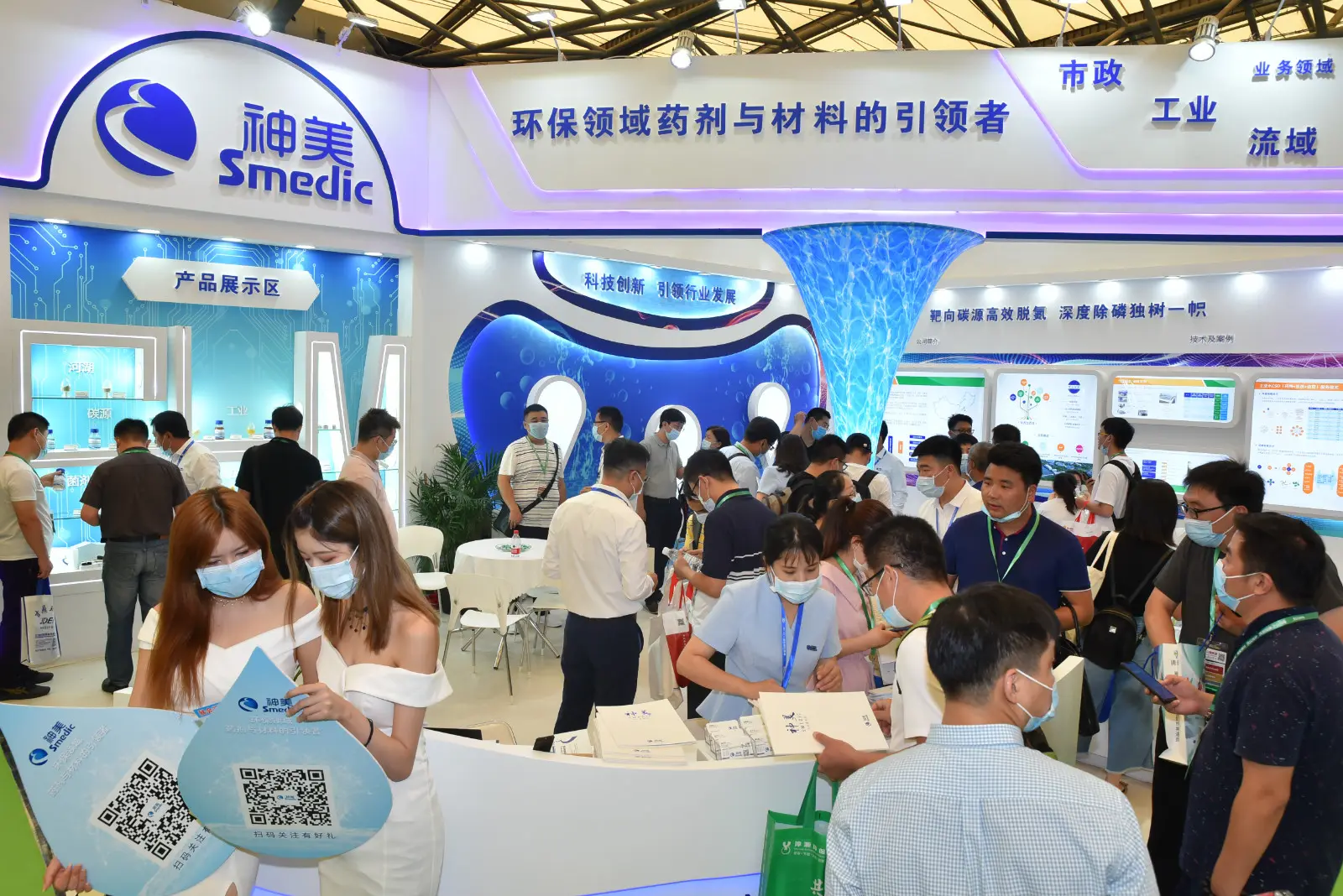
For four consecutive years, Smedic has been named the "Leading Brand of Advanced Wastewater Treatment Chemicals" and the "Most Valuable Water Treatment Chemicals Brand" by China Water Network and the E20 Environmental Platform. Our inorganic-organic covalent bond flocculant received the 22nd China Patent Award and the First Prize for Technological Invention from the China Petrochemical Industry Association.
We maintain long-term strategic supply partnerships with major water treatment groups, including Shouchuang Ecological and Environmental Group, Yangtze River Ecological and Environmental Group, Beijing Enterprises Water Group (BEWG), OriginWater, and China Water Environment Group.
Polymeric Ferric Sulfate is used across a variety of industrial wastewater and water purification systems. Below are key application scenarios where PFS is utilized:
PFS is used for direct chemical phosphorus precipitation. It reacts with soluble orthophosphates to form insoluble iron phosphate complexes, helping municipal plants meet strict total phosphorus (TP) discharge limits (under 0.5 mg/L or 0.1 mg/L) without generating high amounts of chemical sludge.
The polynuclear iron complexes in PFS break down dye chromophores through charge neutralization and oxidation-reduction pathways, achieving high color removal rates (>95%) in wastewater containing active, acidic, or disperse dyes.
Adding PFS prior to mechanical dewatering alters the sludge particle structure. It releases bound water and consolidates micro-flocs into larger aggregates, improving the efficiency of chamber filter presses and belt dewatering systems.
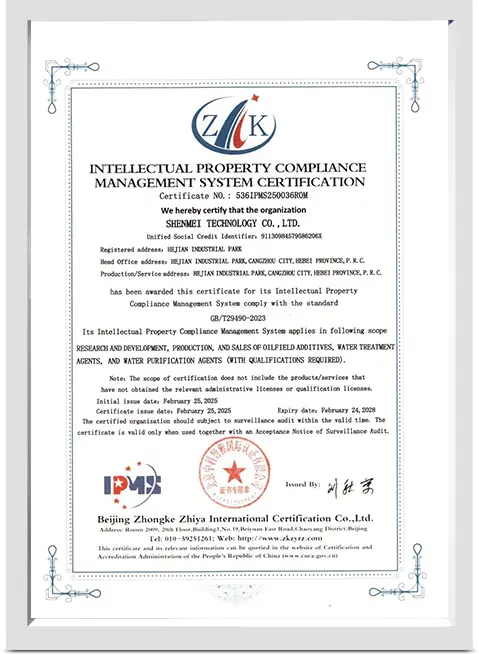
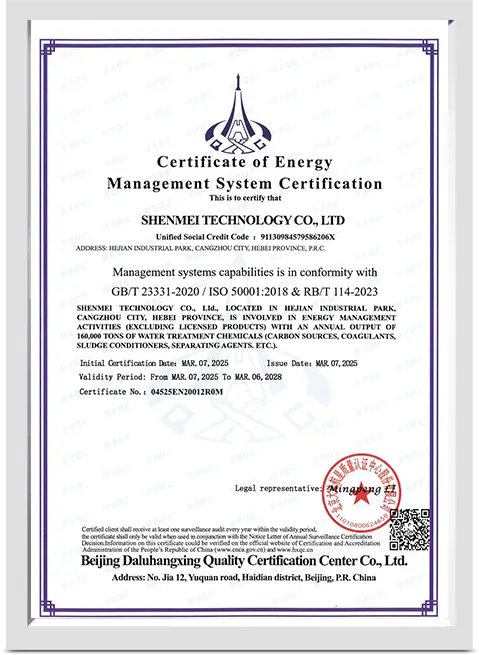
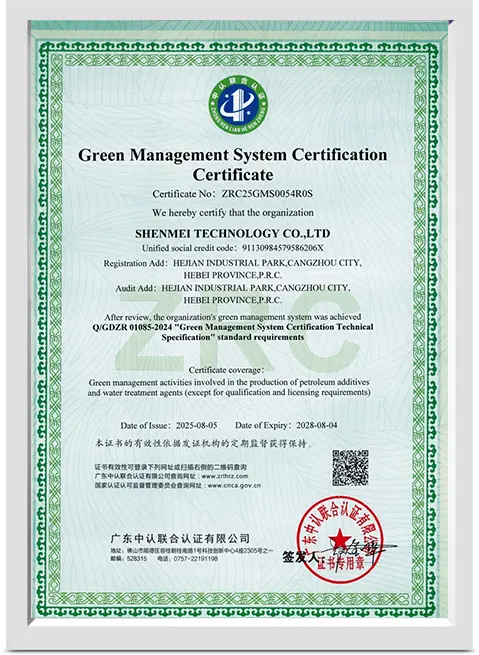
As a global OEM/ODM partner and exporter, Smedic maintains strict compliance with international chemical safety and quality standards to ensure seamless delivery and integration into client operations.
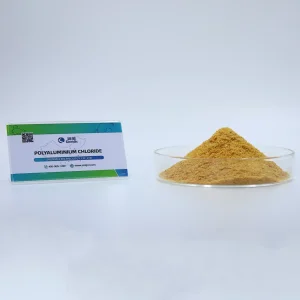
We supply Polymeric Ferric Sulfate in both solid powder (spray-dried, yellow/light-brown particles) and liquid forms to match various dosing configurations:
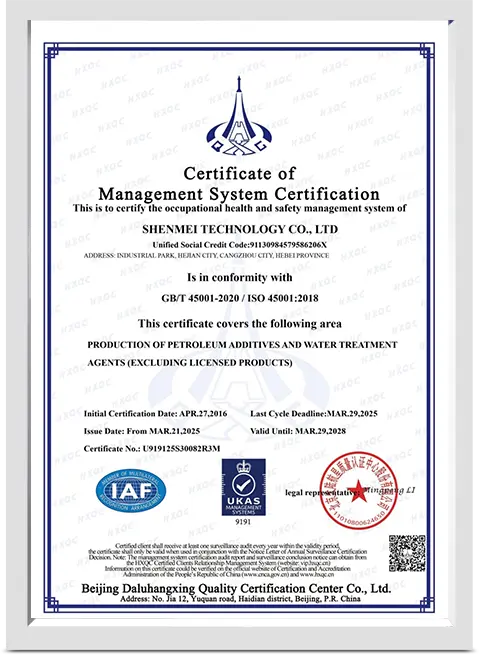
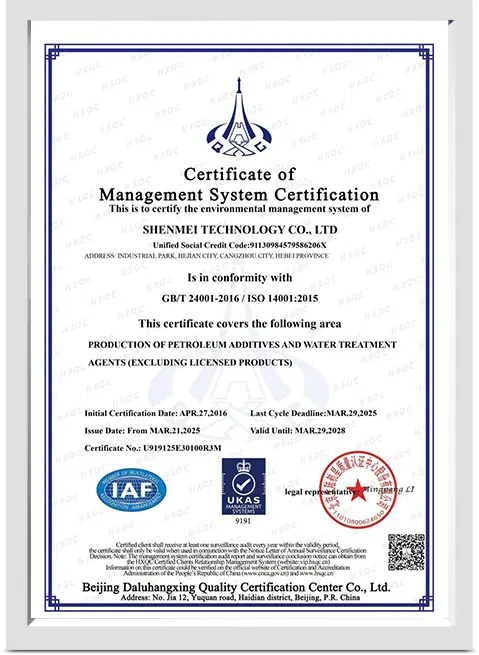
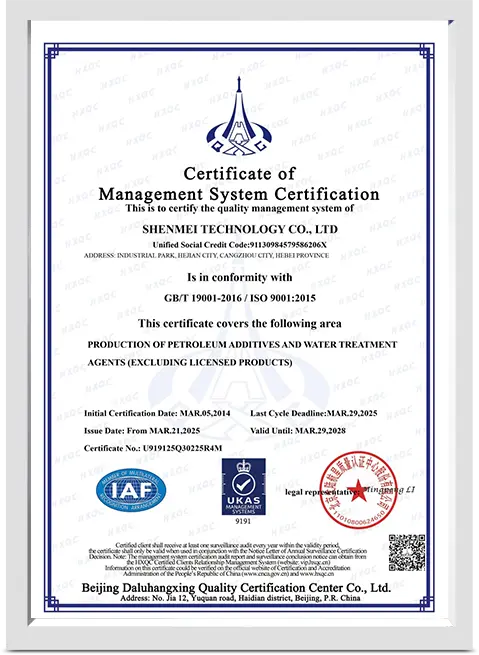
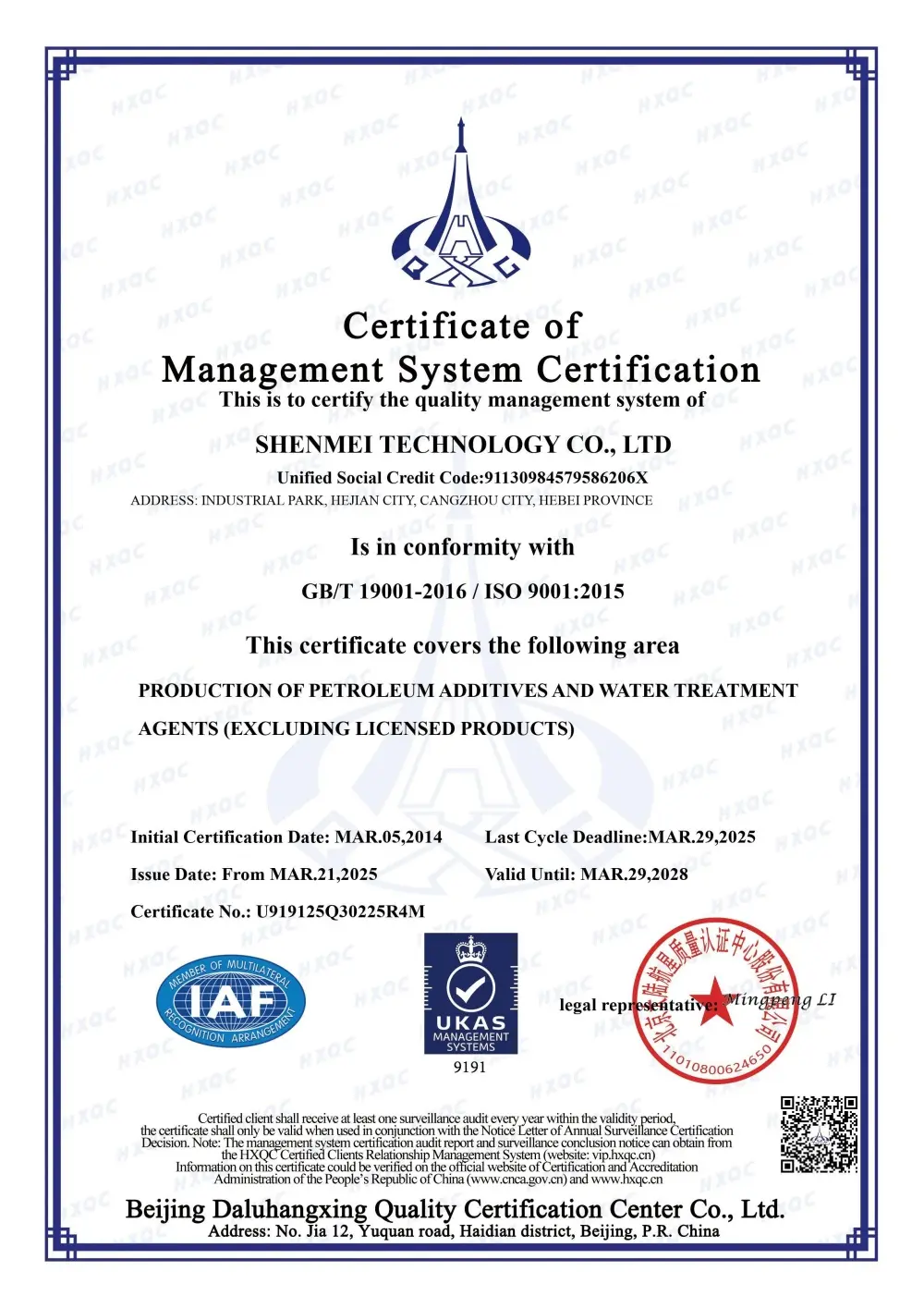
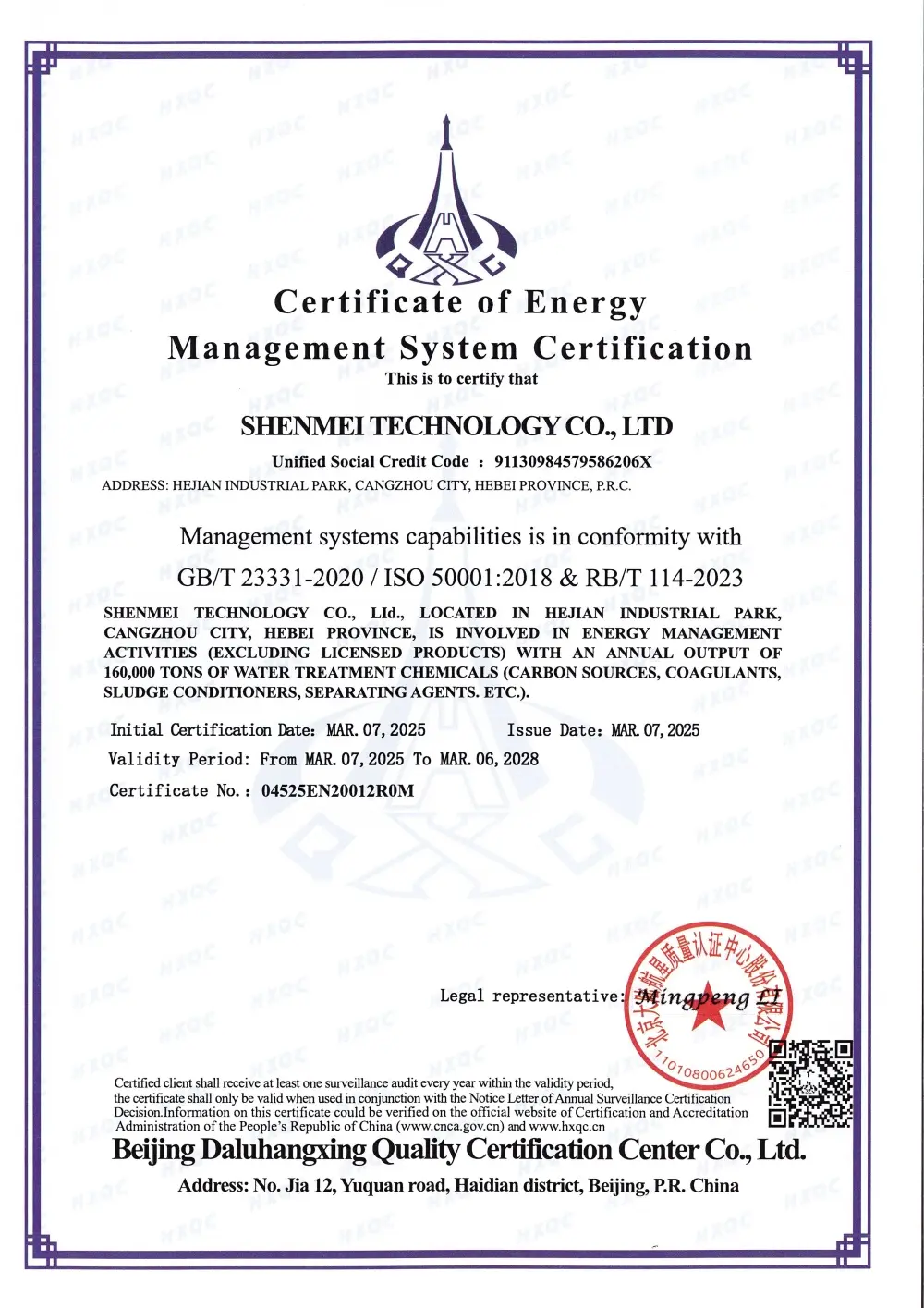
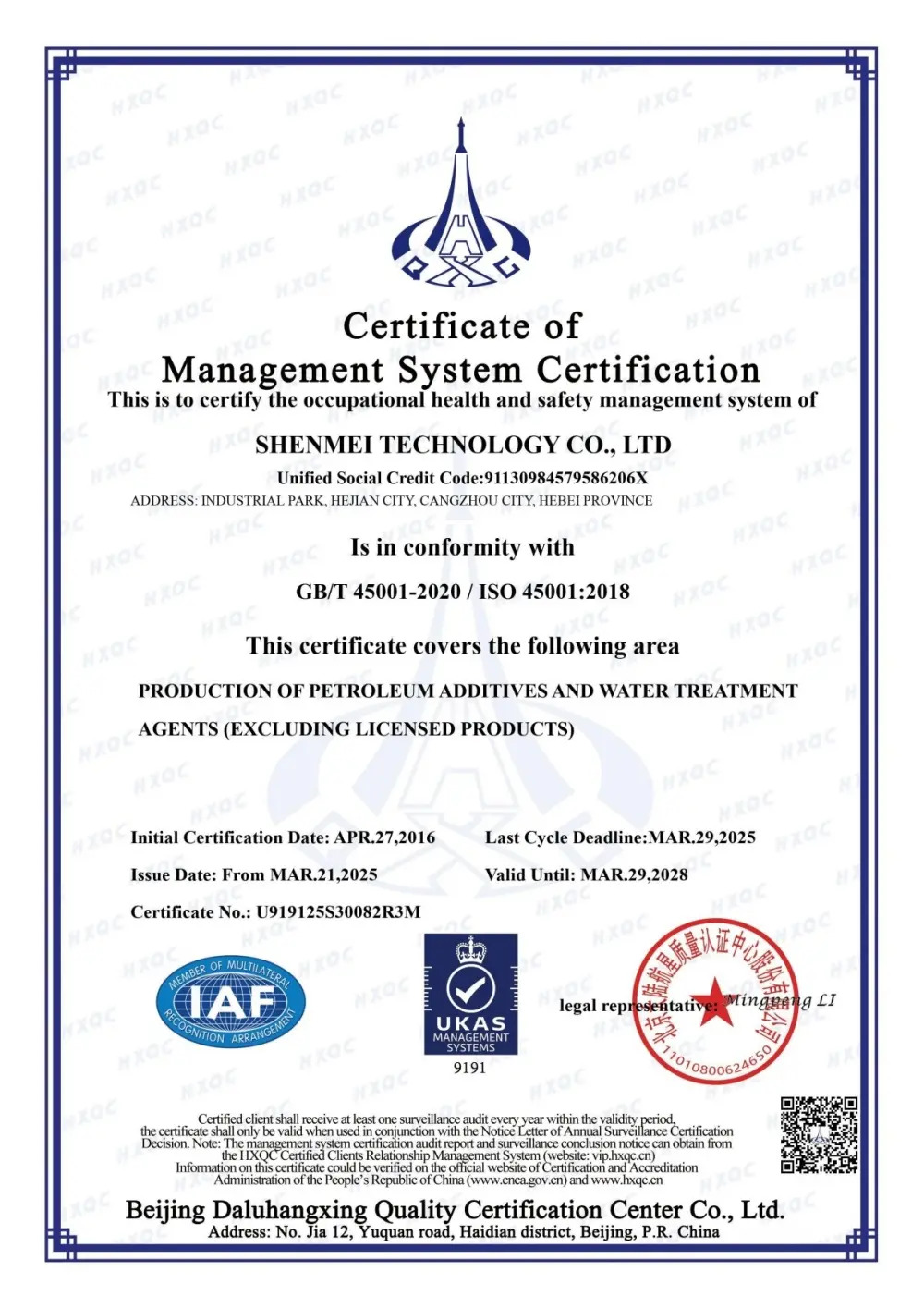
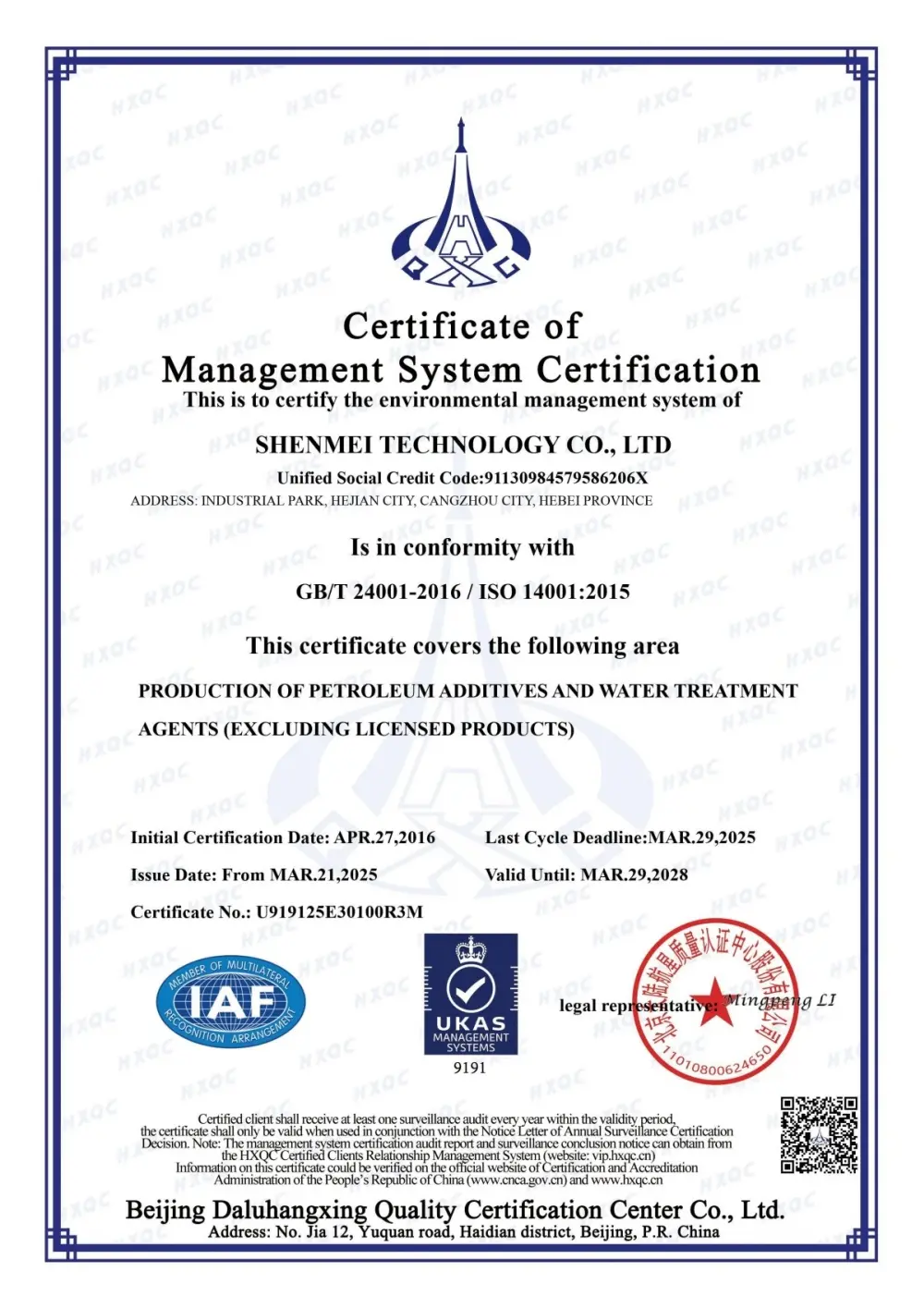
Our factories and partner warehouses are strategically positioned near major commercial shipping ports (Tianjin, Qingdao, Shanghai), ensuring rapid dispatch and reliable shipping routes. All batches are manufactured under ISO 9001, ISO 14001, and ISO 45001 management systems, and we provide complete MSDS, COA, and third-party laboratory reports (such as SGS or BV) to verify low heavy metal content (As, Pb, Cd) in accordance with global potable water and environmental safety regulations.
Smedic Technology has built a history of steady growth, expanding our production capacities and R&D footprint over the last decade:
Smedic Technology was founded, focusing on the production and distribution of environmental chemicals.
Established our initial product portfolio of municipal wastewater treatment chemicals, expanding local market reach.
Formally recognized as a National High-Tech Enterprise, marking a milestone in our research and development programs.
Established our first dedicated water treatment chemical production base in Guiyang to serve southwestern regional markets.
Completed expansions across Hebei, Shandong, and Guizhou bases, pushing total annual capacity beyond 1 million tons.
Awarded the designation of National Specialized, Refined, Unique and Innovative Small and Medium-sized Enterprise.
Established our provincial-level R&D and technological innovation platform in Hebei Province.
Recognized as a National Intellectual Property Advantage Enterprise, holding over 60 utility and invention patents.
Formed a joint venture with the Chengdu Institute of Mineral Comprehensive Utilization, China Geological Survey, to develop specialized mineral processing agents.
As global environmental regulations tighten, Smedic is focusing its R&D efforts on developing next-generation coagulants and sustainable chemical solutions.
We are developing hybrid formulation technologies that combine Polymeric Ferric Sulfate (PFS) with Polyacrylamide (PAM) in a single component. These composite agents target concurrent charge neutralization and high-efficiency flocculation bridging, reducing the chemical dosing footprint for industrial operators.
We are optimizing production pathways to utilize high-purity industrial by-products as raw materials, lowering the carbon footprint of our manufacturing process. This aligns our production practices with global initiatives for sustainable procurement and green chemical manufacturing.
Our quality control processes ensure that all batches meet international standards for municipal and industrial water treatment applications.
Our patented products, including the bio-enhanced denitrification carbon source and the deep multi-nuclear phosphorus removal agent, have been recognized as "internationally advanced" and meet stringent criteria for municipal water safety.
Find answers to common technical, shipping, and application questions regarding Polymeric Ferric Sulfate (PFS):
Our standard Polymeric Ferric Sulfate is produced with a basicity range of 9.0% to 16.0%. Basicity represents the degree of hydroxyl polymerization in the formula. A higher basicity yields a more polymerized molecule with stronger adsorption and bridging capacity, but excessively high basicity can compromise product stability. We optimize this parameter to ensure a balance of stability and performance.
PFS exhibits lower corrosivity than Ferric Chloride (FeCl3) because it contains fewer free chloride ions and has a higher degree of polymerization. This reduces corrosion rates on dosing pumps, pipelines, and storage tanks, lowering long-term maintenance costs for industrial operators.
Liquid PFS should be stored in FRP, PVC, or HDPE tanks out of direct sunlight. It remains stable at temperatures between -15°C and 40°C. If stored below -20°C, some crystallization may occur; however, this does not degrade the polymer structure, and normal liquid consistency returns when the temperature rises.
Yes. We manufacture a dedicated potable-grade PFS that complies with heavy metal regulations (under GB15892-2020 and NSF/ANSI 60 standards). It is used to remove turbidity, algae, and organic carbon (TOC) in drinking water plants without leaving residual aluminum ions.
At water temperatures below 10°C, traditional PAC hydrolysis slows down, reducing flocculation efficiency. PFS maintains its hydrolysis rate at low temperatures (down to 2°C), providing stable floc formation and settling speeds in cold weather conditions.
PFS neutralizes charges on sludge particles and bridges them into larger, structured flocs. This increases the porosity of the sludge cake, allowing water to drain more easily during mechanical pressing and reducing overall cake moisture content.
We recommend starting with a 1% W/V solution of PFS. Perform jar tests by dosing between 10 ppm and 150 ppm (depending on wastewater COD and turbidity). Mix rapidly at 120 rpm for 1 minute to ensure initial dispersion, followed by slow mixing at 40 rpm for 10-15 minutes, then allow 10 minutes for settling before measuring supernatant parameters.
We source high-purity iron ore and refined sulfuric acid precursors. Our manufacturing facilities use automated production lines and online ICP-MS testing to monitor heavy metals (As, Pb, Cr, Cd) at each step of the process, ensuring all exported batches meet international environmental standards.
We offer solid powder PFS in 25kg PP bags (with internal PE liners) and 1000kg bulk bags. For liquid formulations, we ship in 1.2-ton IBC tanks or 20-24 ton flexitanks inside standard 20-foot shipping containers. Our logistics network handles customs documentation and sea freight to major ports worldwide.
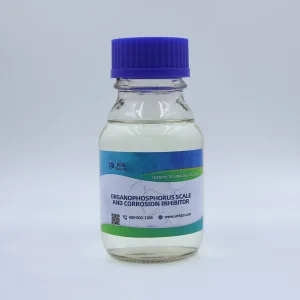
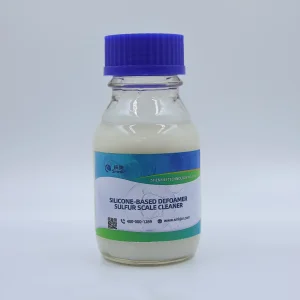
Discover our complete line of industrial defoamers, scale inhibitors, and metal removal agents designed for complex wastewater treatment systems:
 Smedic Tech