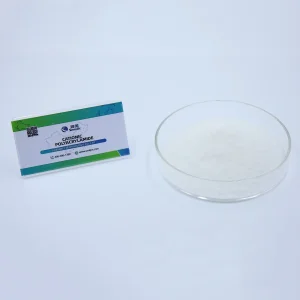
Explore our first tier of engineered water chemicals, formulated for exceptional molecular stability, rapid settling rates, and high shear resistance.
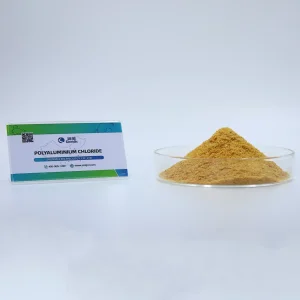
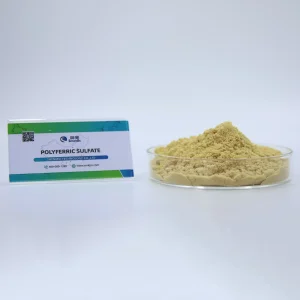
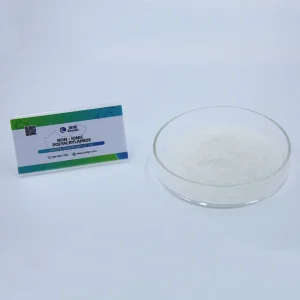
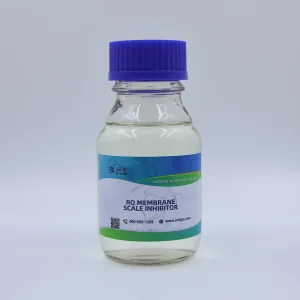
Polyacrylamide (PAM) is a linear water-soluble polymer synthesized from acrylamide monomers. In industrial solid-liquid separation processes, its performance is governed by two critical parameters: Molecular Weight (MW), which dictates the bridging capability of the polymer chains, and Charge Density, which determines the electrostatic neutralization efficiency. Smedic Technology utilizes controlled radical polymerization to manufacture precise anionic, cationic, non-ionic, and amphoteric structures.
By leveraging high-grade precursors like acrylonitrile, we suppress impurity profiles and control polymer chain branching. This level of synthesis control ensures that when our flocculants are dispersed in aqueous systems, they exhibit maximum chain extension. The result is rapid aggregation of colloidal suspensions into dense, shear-resistant flocs that optimize sediment settling velocities and municipal sludge dewaterability.
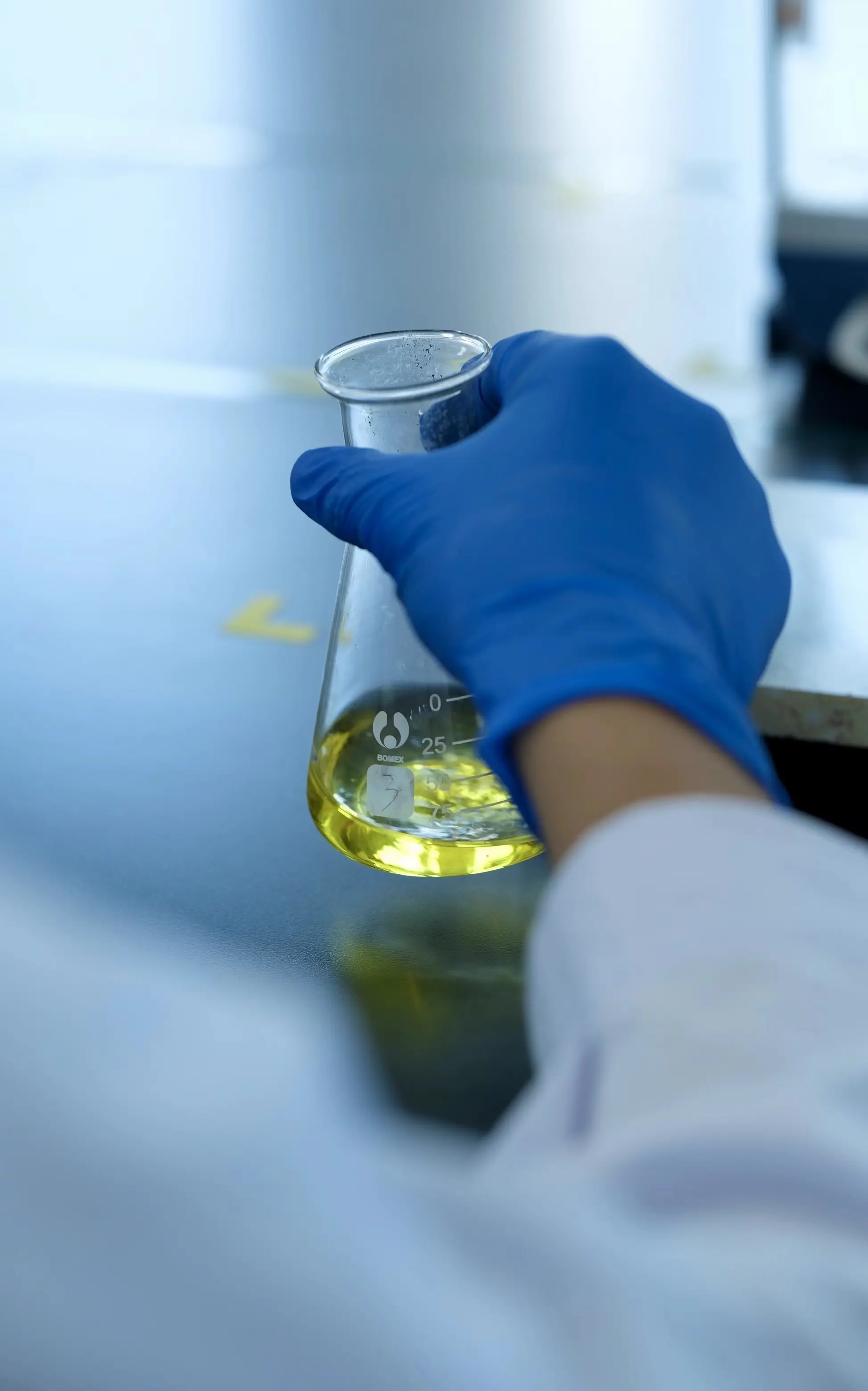
Founded in 2011, Smedic Technology Co., Ltd. has established itself as an authoritative global provider of advanced environmental protection agents, integrating academic-grade research, manufacturing, and field engineering services.
Our operational capabilities cover municipal sewage, industrial wastewater, tap water purification, mineral processing, and oilfield chemicals. Operating out of our Beijing corporate headquarters and supported by key production bases in Hebei, Guizhou, Shanxi, and regional logistics nodes across China, Smedic serves over 20 provinces. Our chemical solutions treat the daily effluents of over 600 municipal sewage treatment facilities and optimize extraction processes for 1,000+ industrial end customers. The total volumetric sewage treatment capacity powered by our products exceeds 20 million tons per day, positioning us as an elite supplier in the high-end environmental chemistry segment.
Our logistics networks and manufacturing footprint ensure uninterrupted delivery and robust supply security to municipal and heavy industrial operations globally.
Comprehensive distribution channels spanning major provincial industrial zones.
Providing consistent, high-efficiency settling agents for municipal systems.
Serving metallurgy, mining, oil extraction, paper production, and manufacturing.
Ensuring environmental discharge standards are met for massive metropolitan utilities.
Pioneering green-chemistry polymer syntheses and digitalized dosage metrics to achieve optimal circular water networks.
Transitioning from petrochemical acrylamide to enzymatically synthesized, bio-sourced raw materials. This reduces fossil energy footprints and minimizes raw monomer toxicity while maintaining equivalent flocculation kinetics.
Developing hyper-branched structures reaching molecular weights exceeding 25 million Daltons. These structures provide excellent performance in mining waste processing, coal washing, and mechanical dewatering equipment.
Integrating spectrophotometric detection and real-time zeta potential sensors to establish closed-loop, automated dosing. This system continuously optimizes flocculant use, cutting consumption by up to 25% while stabilizing effluent quality.
How customized molecular weight and ionic charge profiles resolve processing bottlenecks in major industrial fields.
| Industrial Sector | Predominant Challenge | PAM Formulation Requirement | Observed Performance Enhancement |
|---|---|---|---|
| Mining & Metallurgy | Fine tailings retention and rapid water recovery in thickener overflows. | High Molecular Weight, low-to-medium charge density Anionic PAM (APAM). | Accelerates settling by 40%, optimizing water recycle loops and lowering pond footprint requirements. |
| Municipal Sewage | High moisture retention in biological sewage sludges. | Medium-to-high charge density Cationic PAM (CPAM) dry powders & emulsions. | Reduces filter cake moisture content below 70-80% inside belt press systems. |
| Petroleum & EOR | Thermal degradation and mechanical shear thinning under reservoir conditions. | Salt-tolerant, ultra-high MW polymer chains with specialized co-monomers. | Maintains sweep efficiency and high viscosity parameters at extreme depths. |
| Industrial Papermaking | Fibers loss and filler dispersion inconsistencies on high-speed wire machines. | Amphoteric PAM (AmPAM) or micro-particle retention aids. | Improves retention indices, enhances tensile strength, and reduces white water load. |
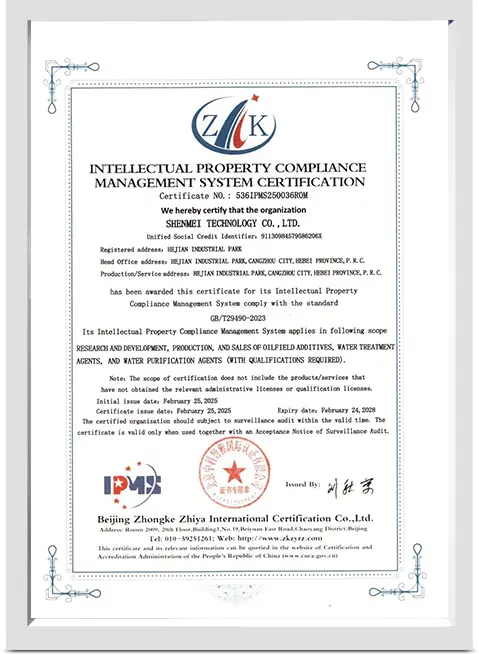
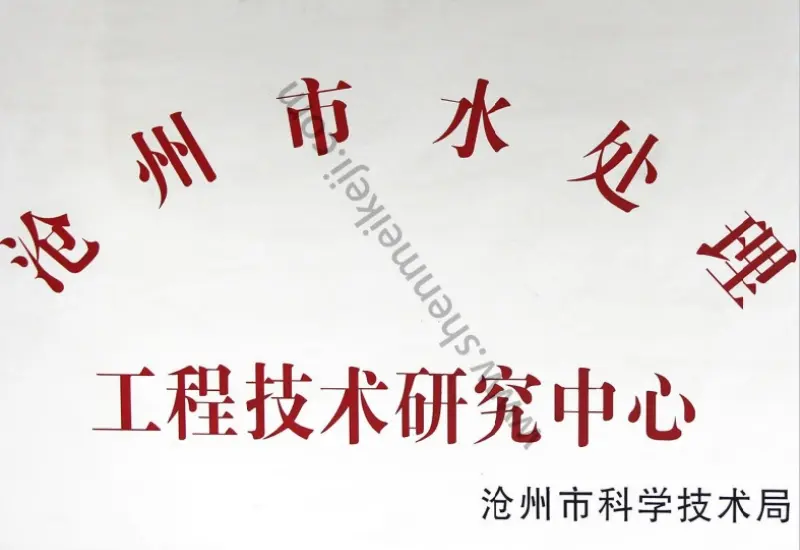
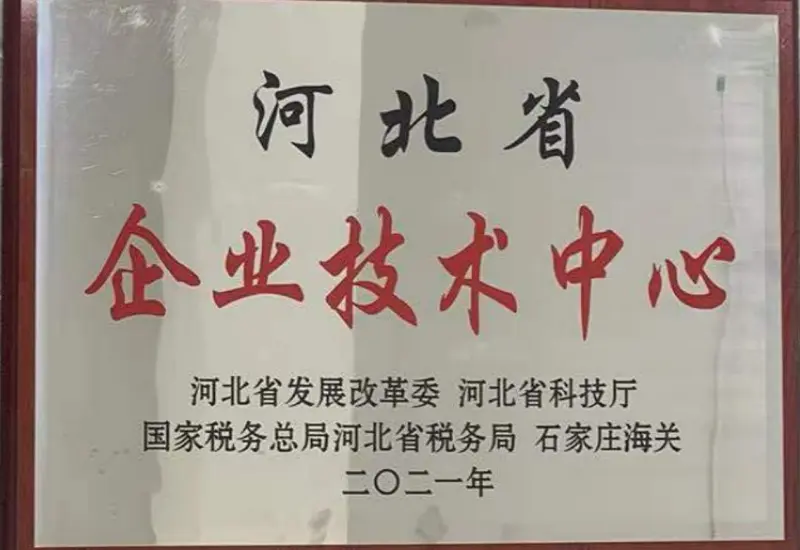
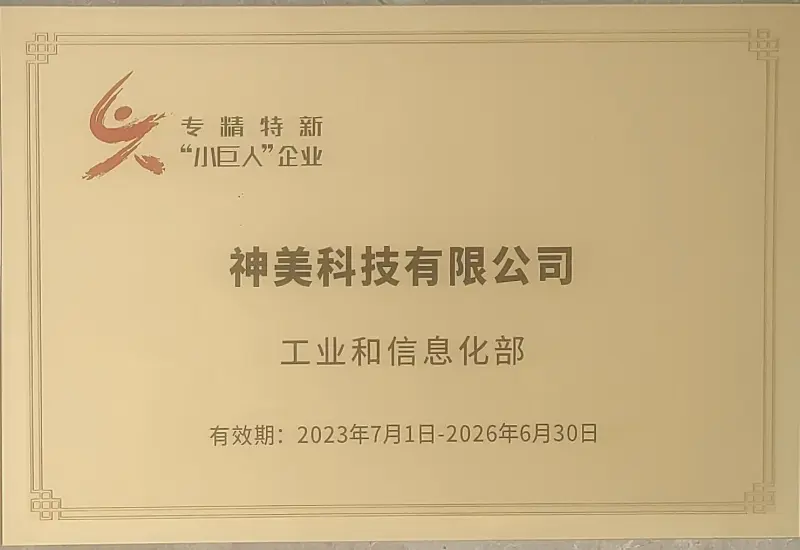
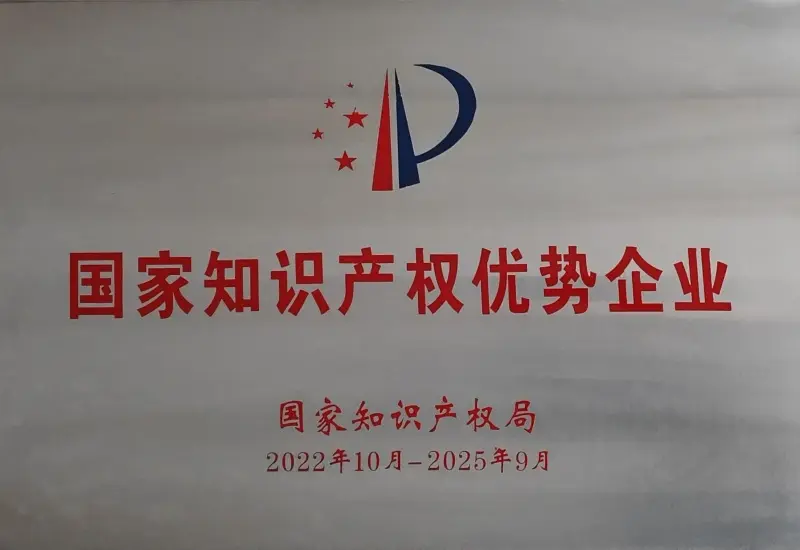
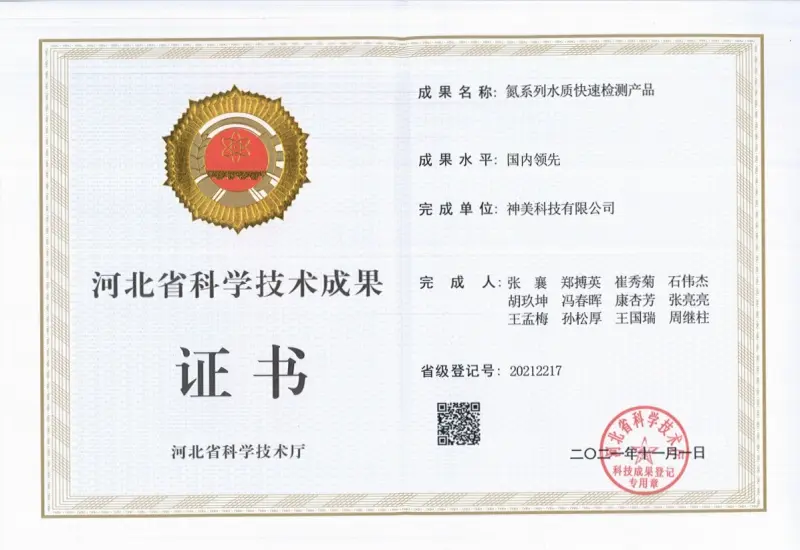
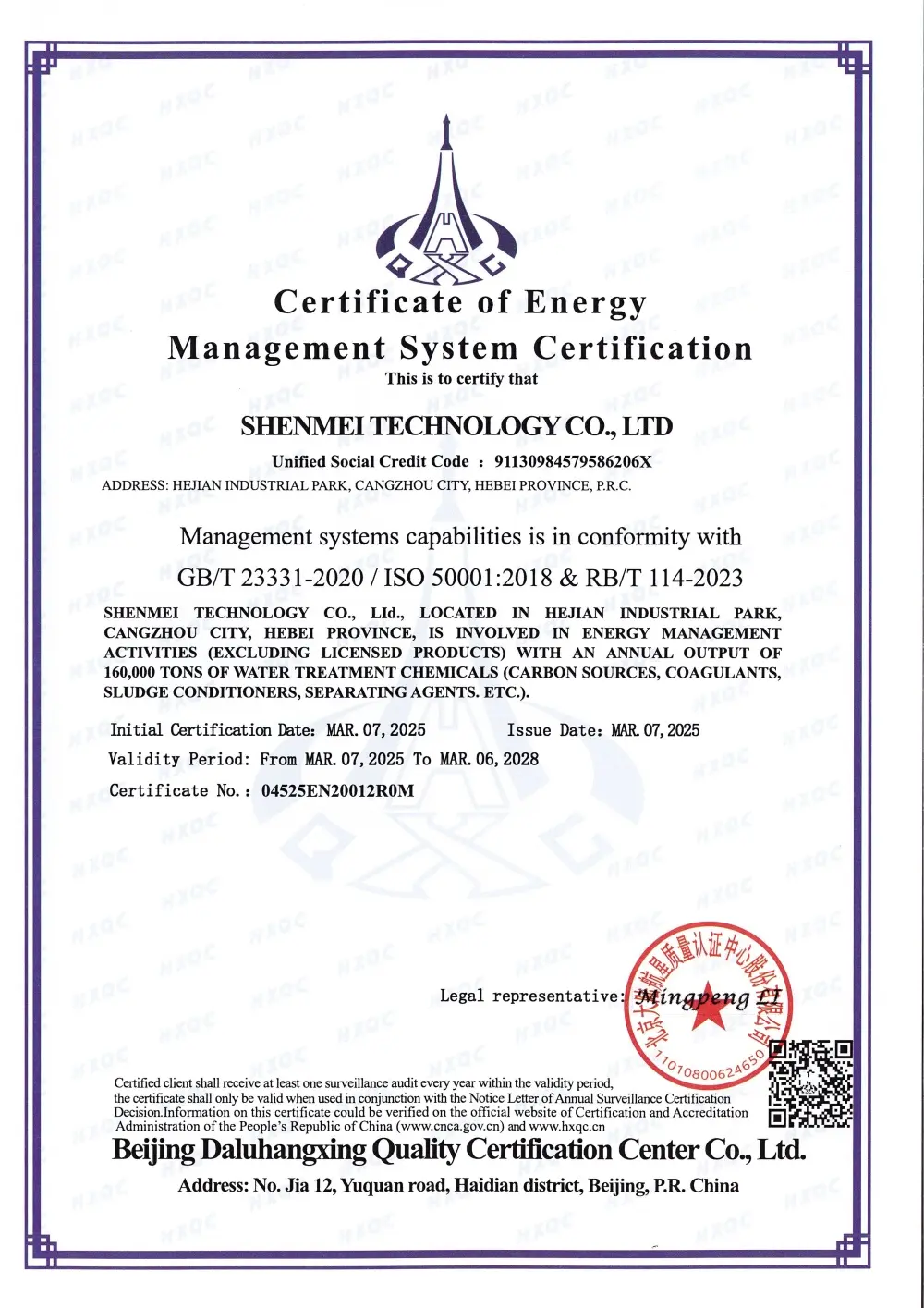
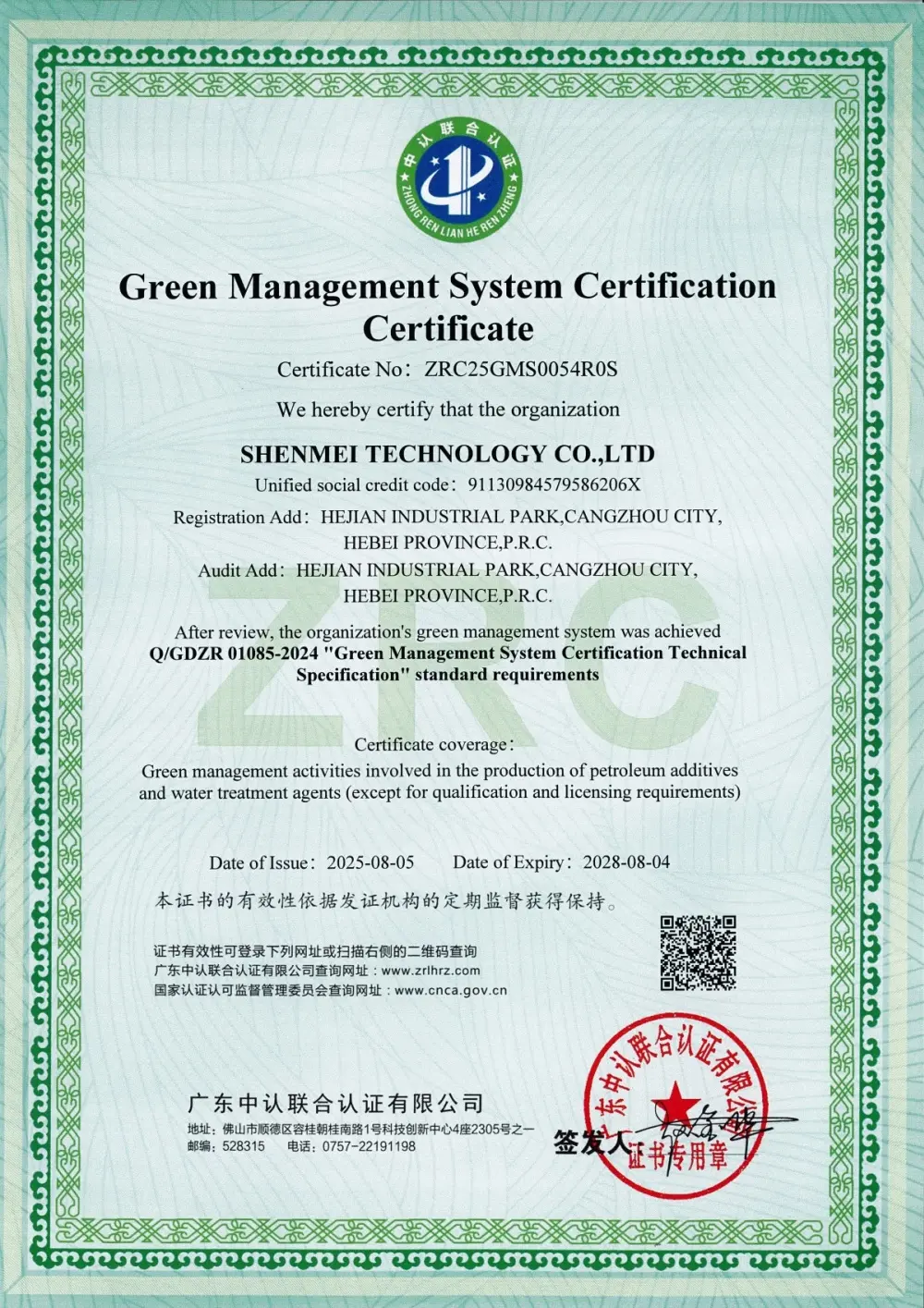
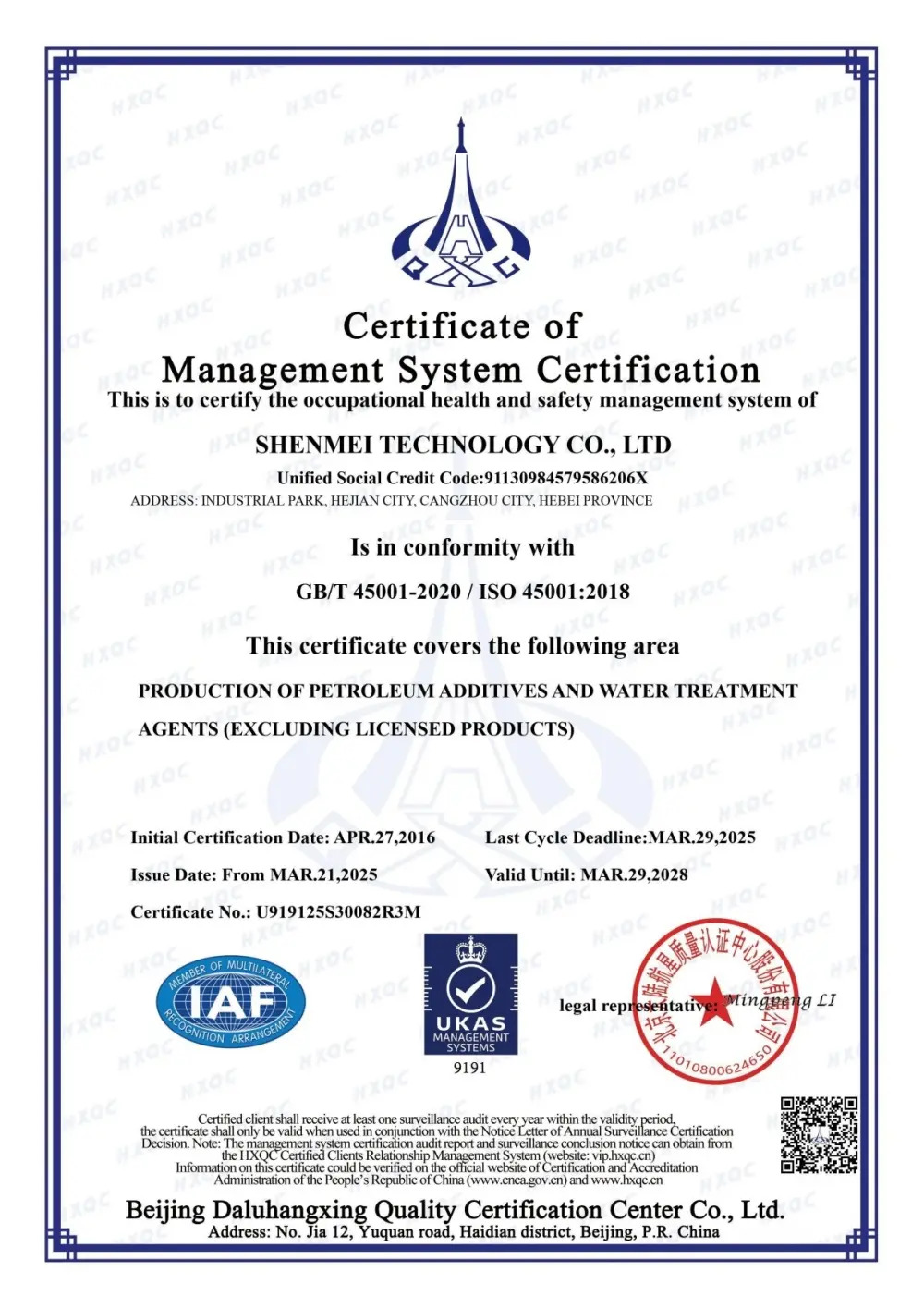
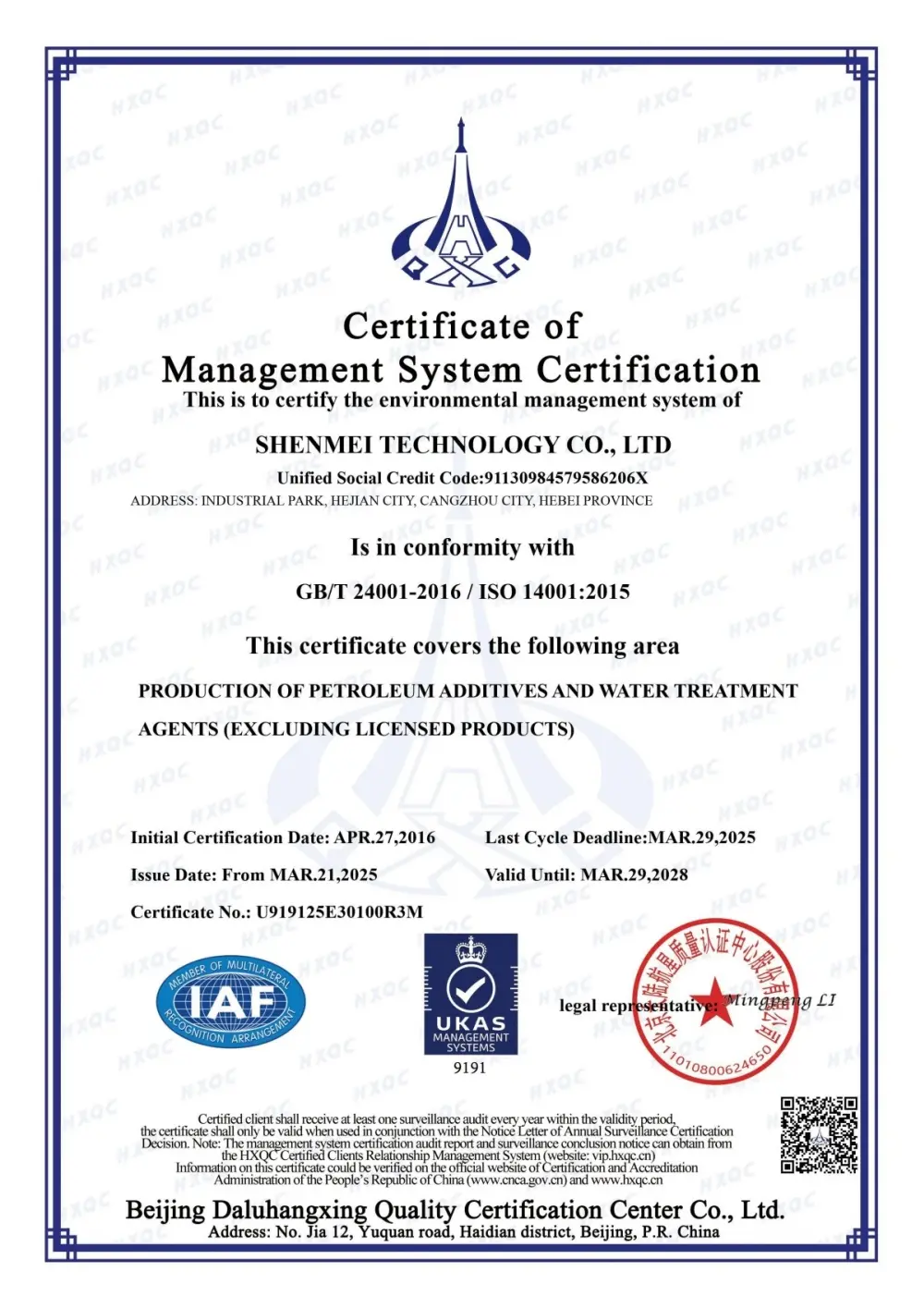
Smedic Technology’s core operations are backed by rigorous scientific verification. We operate a complex research system comprising one academy, three research institutes, and five production facilities. We hold national recognitions, including being a National High-Tech Enterprise and a key-supported "Little Giant" Enterprise.
Our scientific network includes an expert workstation operated in tandem with the Tsinghua University Association of Senior Scientists and Technicians, alongside joint laboratories with Sh山东大学 (Shandong University) and Beijing University of Technology. We serve as a direct commercialization partner for the research achievements of Peking University and Tianjin University.
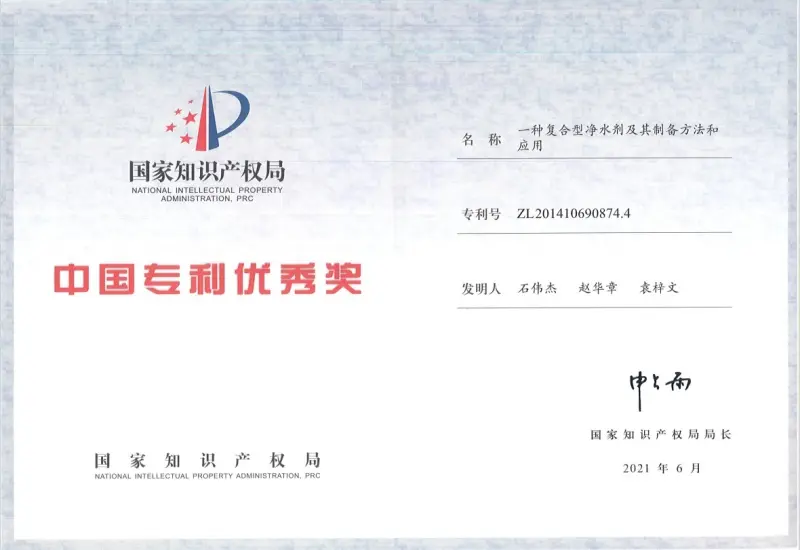
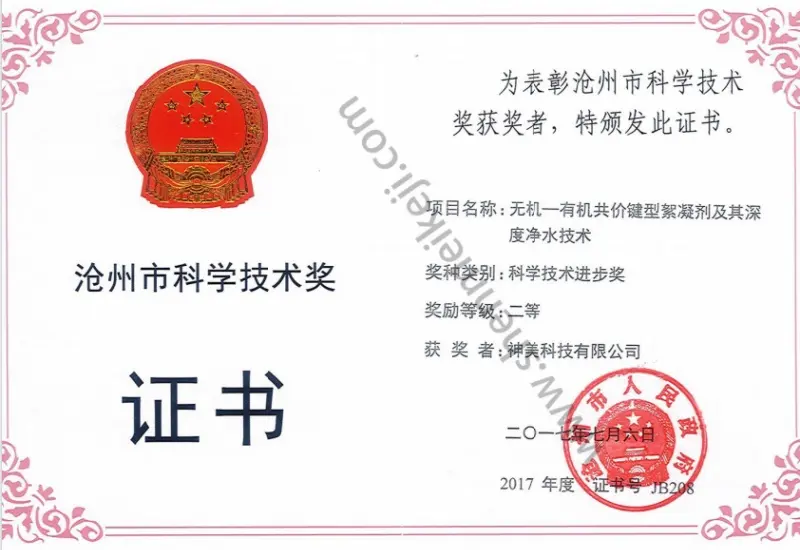
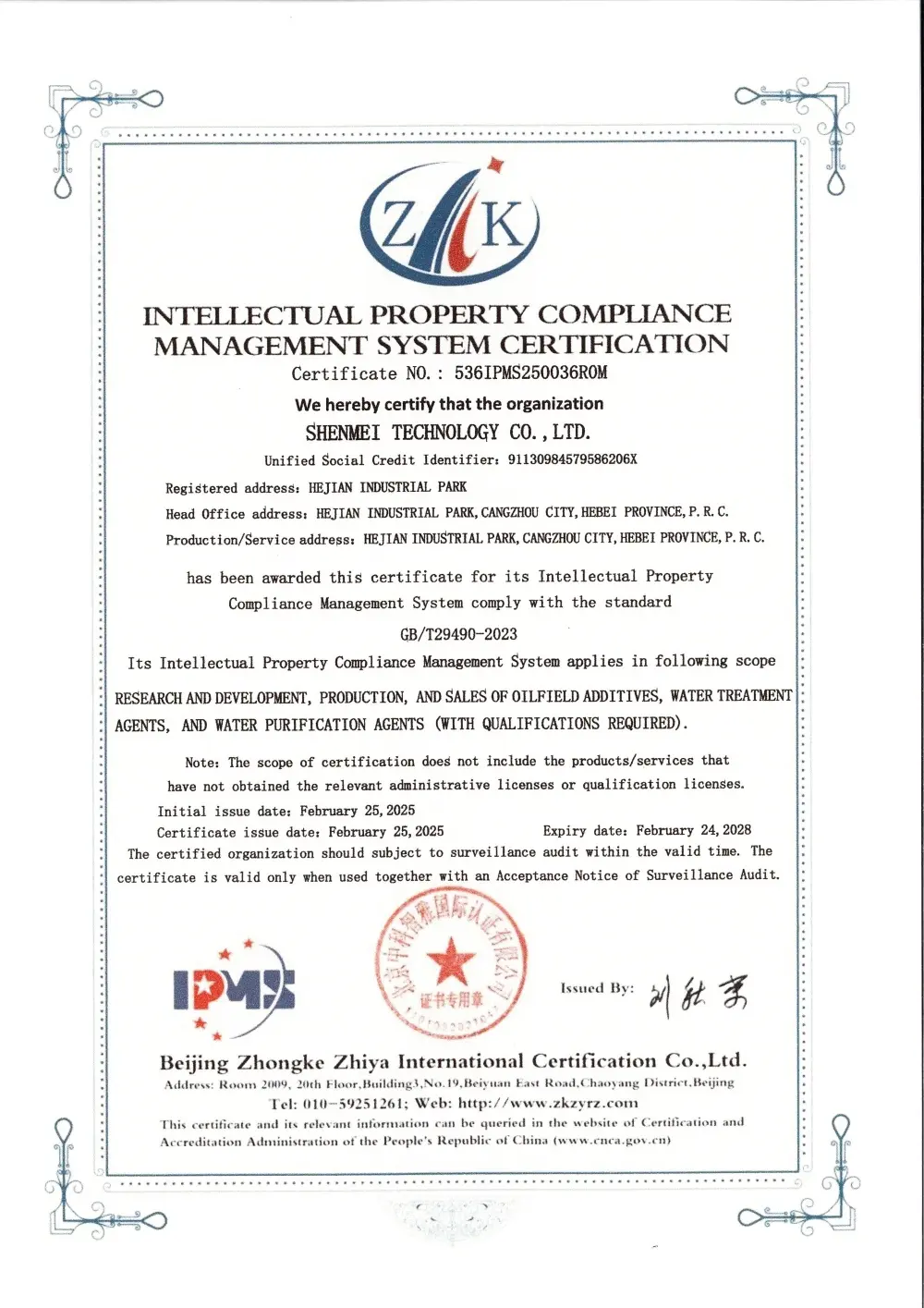
Smedic holds over sixty Chinese patents (including forty invention patents) and has drafted over ten national and industry standards regulating carbon source chemicals, coagulants, and biological bacterial agents. Our independently developed *Inorganic-Organic Covalent Bond Flocculant* was awarded the prestigious 22nd China Patent Award.
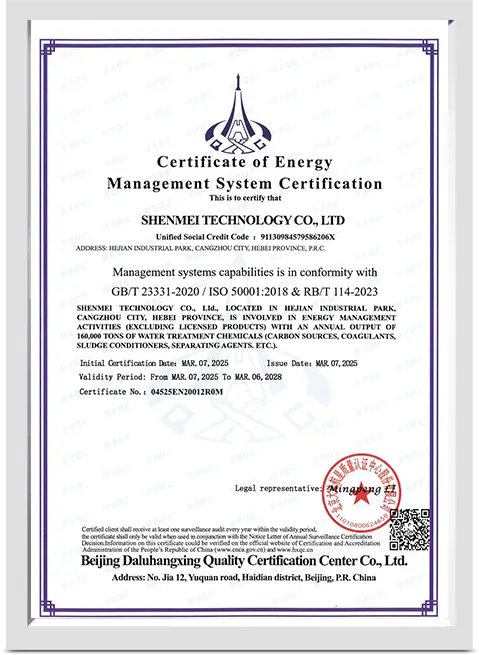
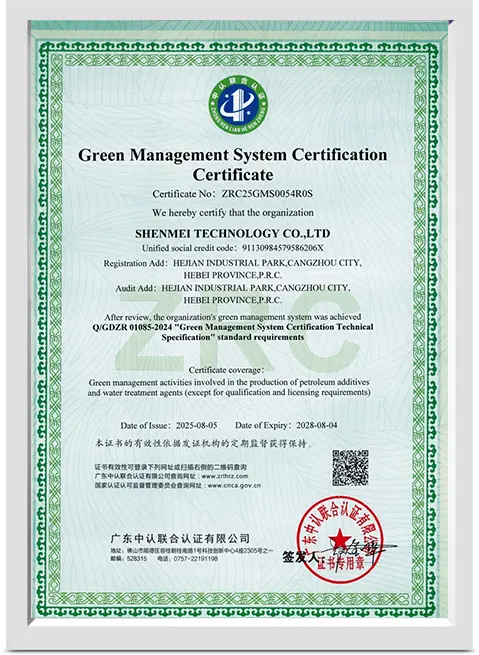
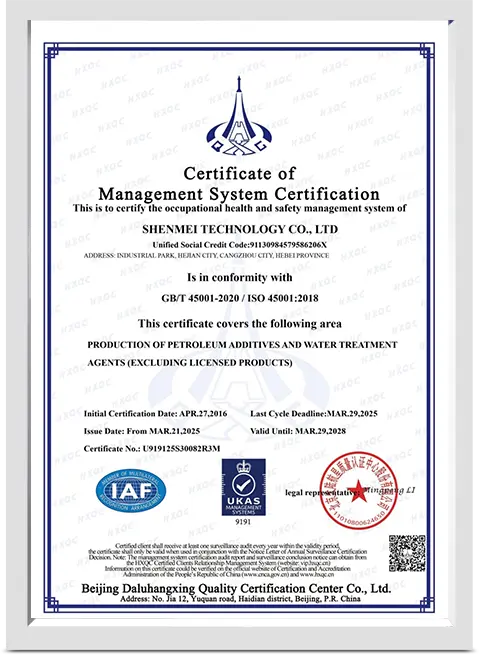
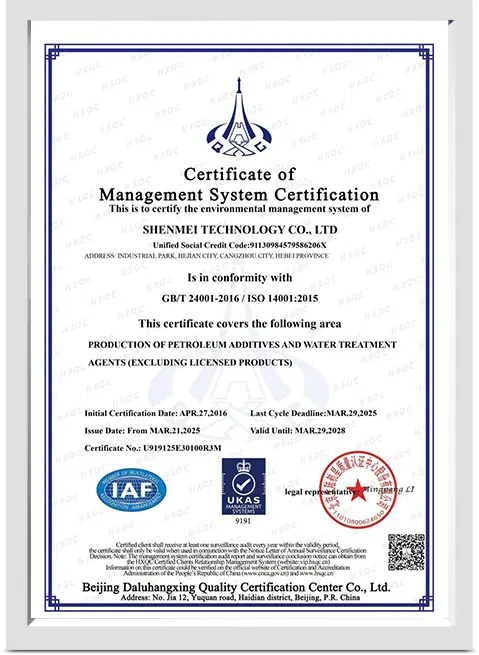
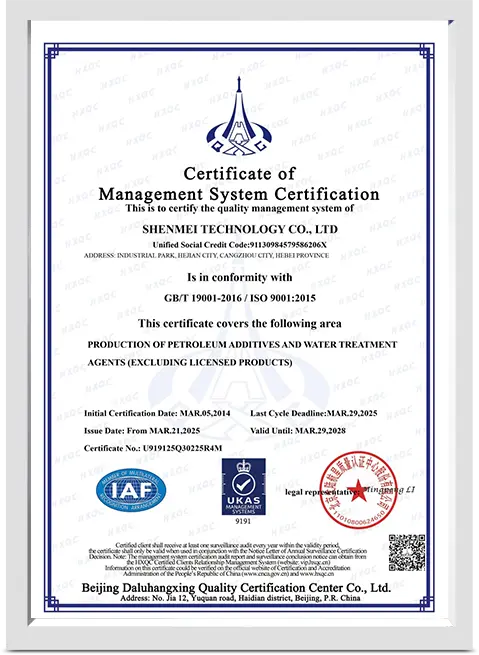
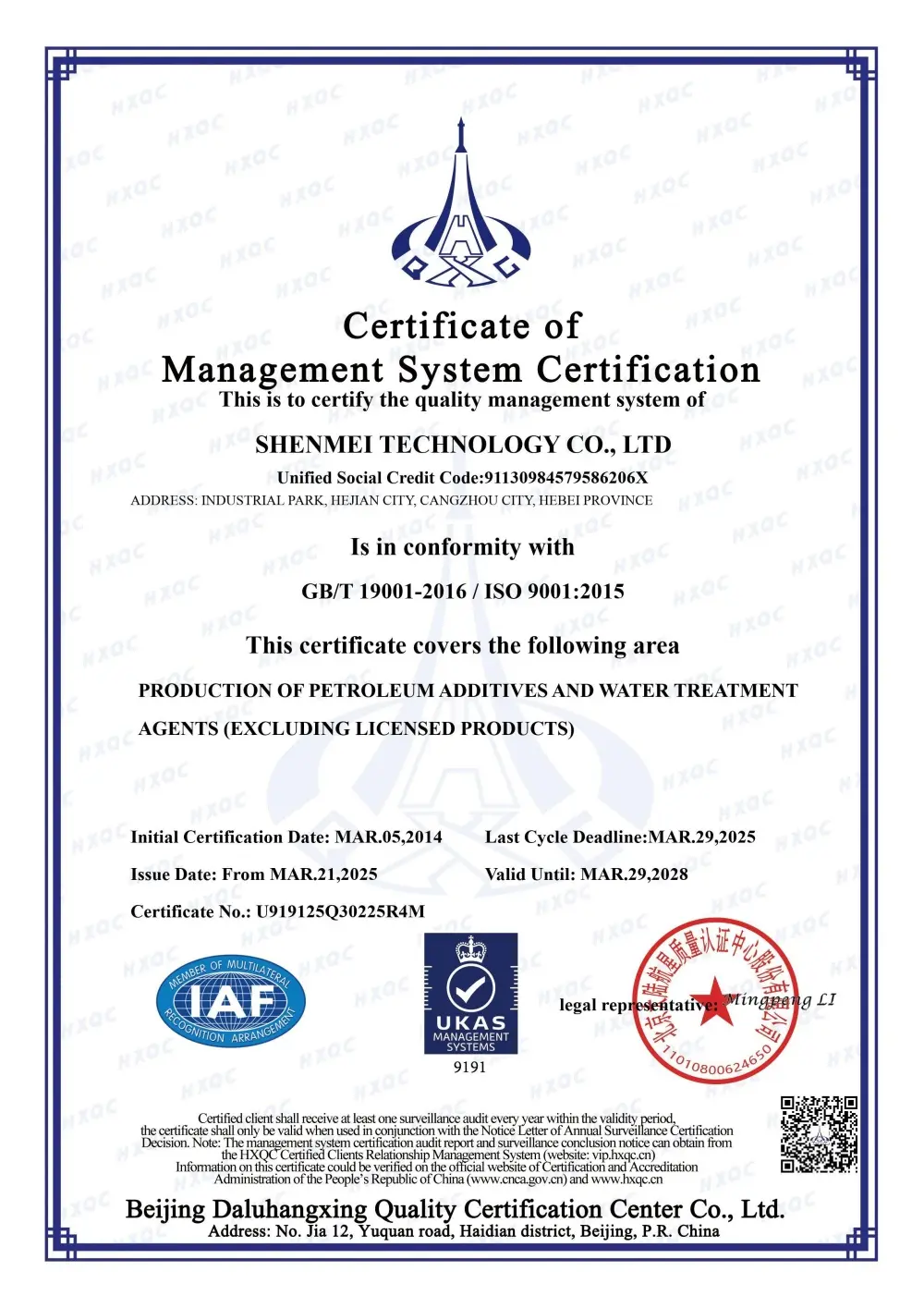
By leveraging advanced DCS (Distributed Control Systems) and fully automated solid-state polymerization processes, Smedic guarantees product quality and supply chain resilience. Our manufacturing centers operate round-the-clock, allowing us to respond quickly to fluctuations in feedstock prices and raw material availability (such as acrylic acid and acrylonitrile).
Furthermore, our integrated warehouse facilities enable us to process orders and dispatch finished flocculants within tight timelines. From automated powder bagging and real-time viscosity screening to computerized batch registration, each manufacturing step is fully traceable. This systematic approach ensures that every ton of PAM matches the specific moisture and granular standards of our global customers.
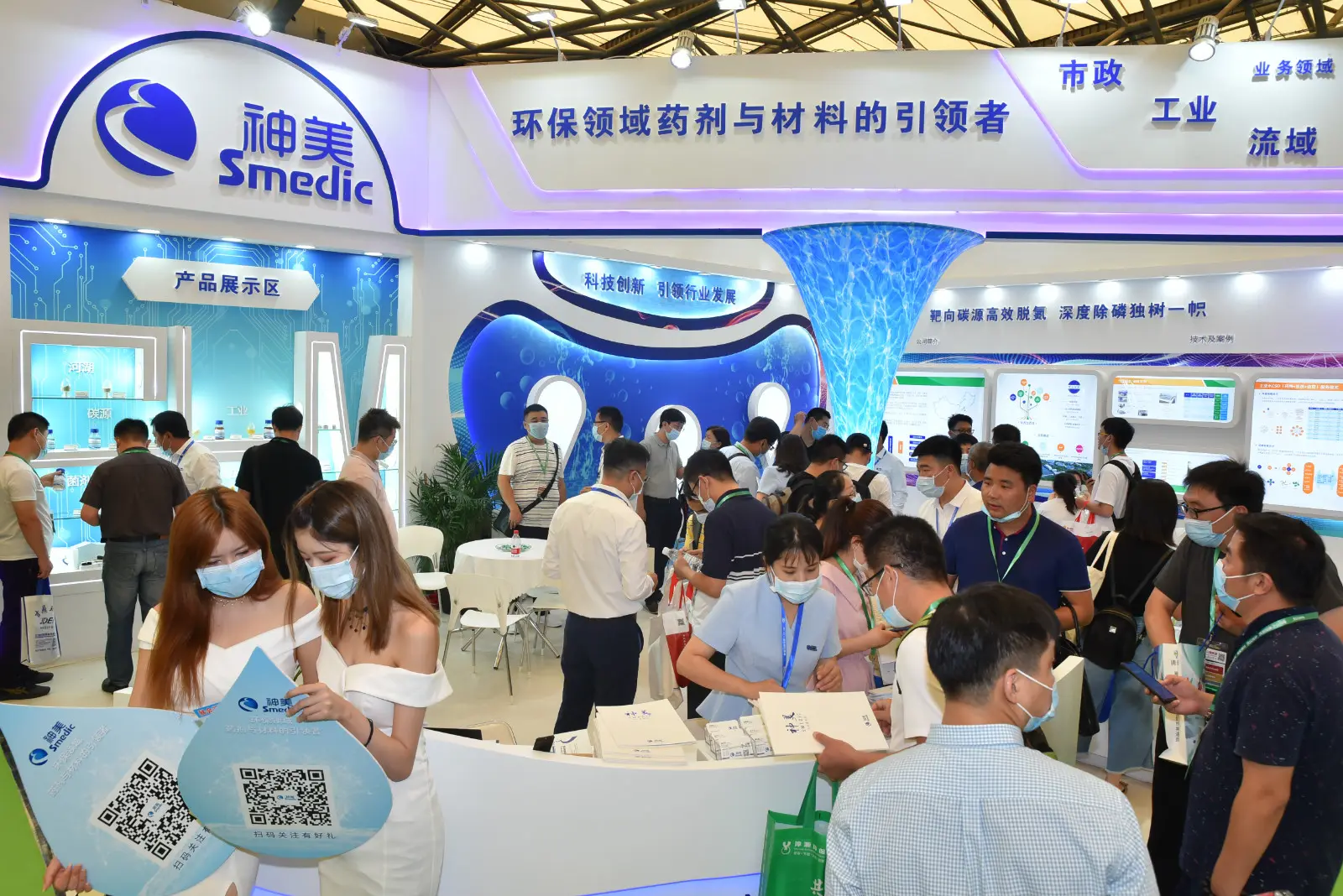
Our commitment to excellence has earned us recognition as the “Leading Brand of Advanced Wastewater Treatment Chemicals” and the “Most Valuable Water Treatment Chemicals Brand” by China Water Network and the E20 Environmental Platform for four consecutive years.
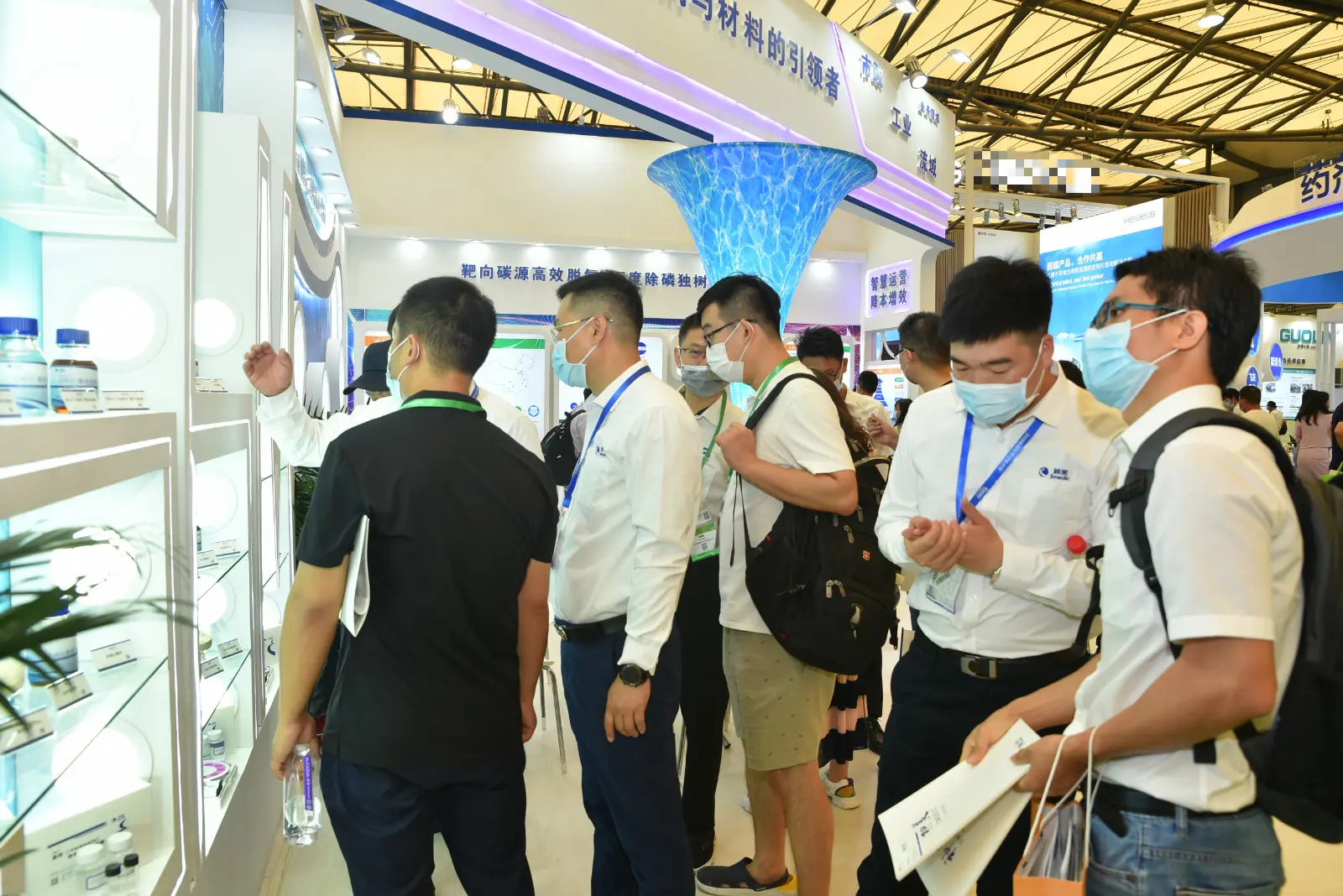
Decades of scientific innovation, industrial scaling, and strategic water-treatment project integration.
How we tailor chemical and physical parameters to match client-specific process specifications.
We adjust molecular weight profiles (ranging from 3 million to over 25 million Daltons) and charge density metrics (from 5% to 80% ionic charge) to resolve specific settling and filtration bottlenecks.
We supply bulk powder bags (25kg paper-plastic compound bags, 750kg/1000kg FIBC bags) and high-density liquid emulsion totes, with custom branding and multi-lingual technical labeling options.
Each manufactured batch undergoes rigorous laboratory screening. We provide certified COAs (Certificates of Analysis) verifying active content, dissolution times, filter ratios, and residual monomer levels.
Exporting high-performance chemical agents requires strict adherence to regional environmental and safety regulations. Smedic provides full documentation, including GHS-compliant Safety Data Sheets (SDS), customs clearance paperwork, and international shipping declarations.
Our products comply with strict international regulatory frameworks, including EU REACH regulations, NSF/ANSI Standard 60 for drinking water chemicals, and regional EPA guidelines. Through our warehousing hubs in coastal regions, we offer flexible logistical arrangements (including FOB, CIF, and DDP terms) to help minimize storage costs and lead times for our global customers.
Detailed technical answers to common questions about selecting and applying polyacrylamide flocculants.
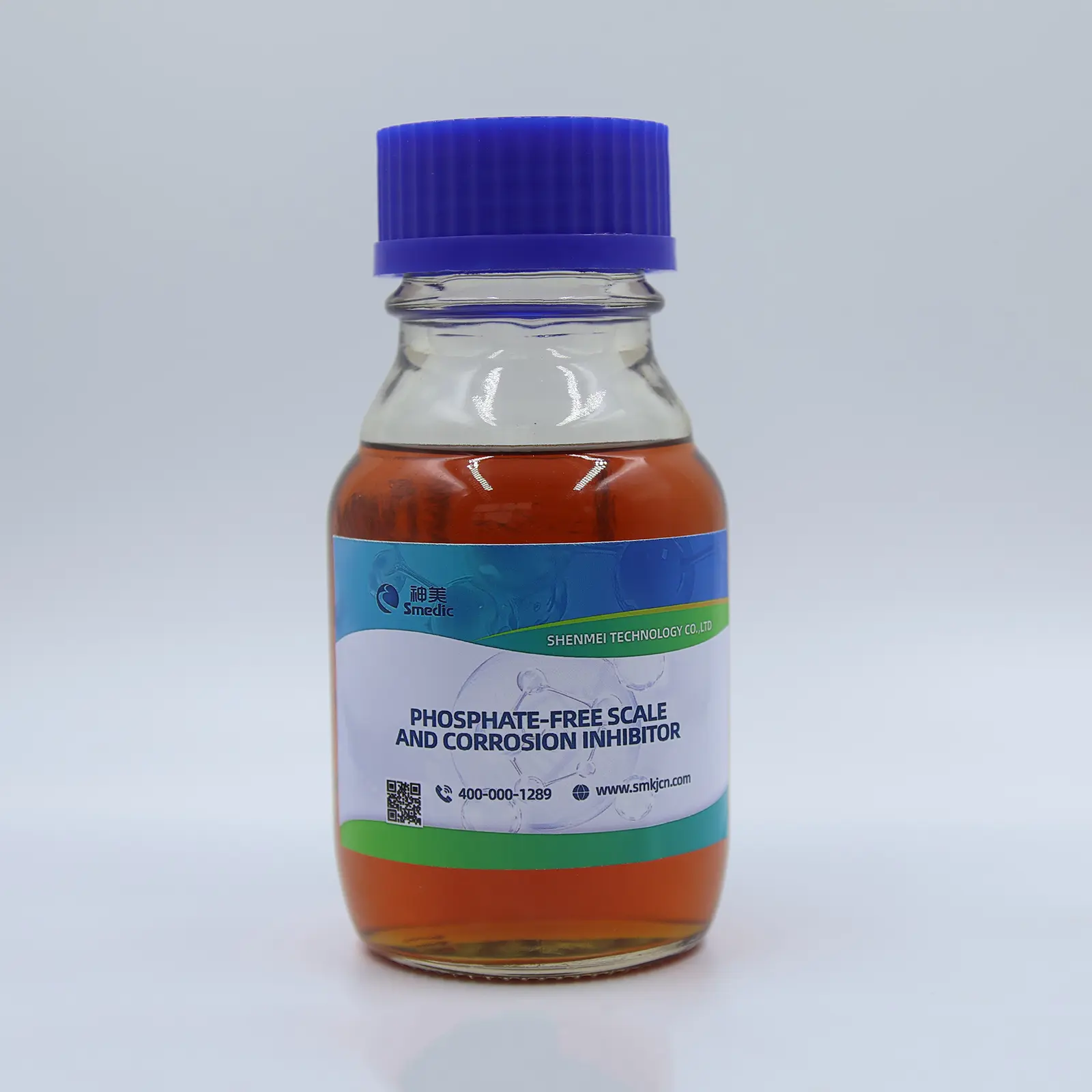
Complete your system optimization with our secondary product lineup, designed to prevent foaming, scaling, and corrosion in high-shear systems.
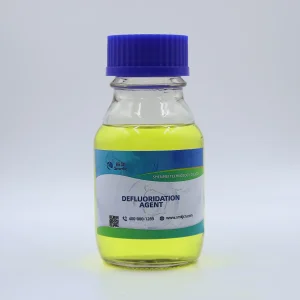
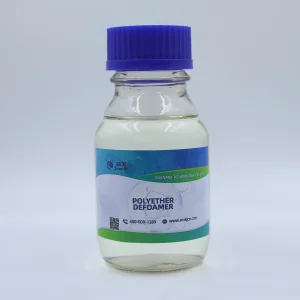
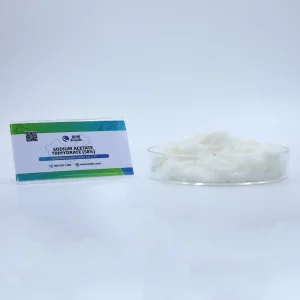
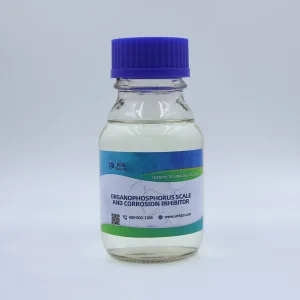
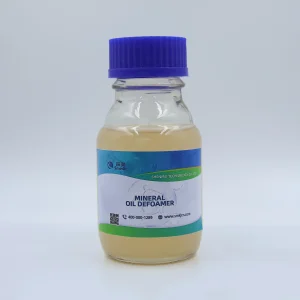
Detailed access to Smedic's globally registered water purification chemical solutions.
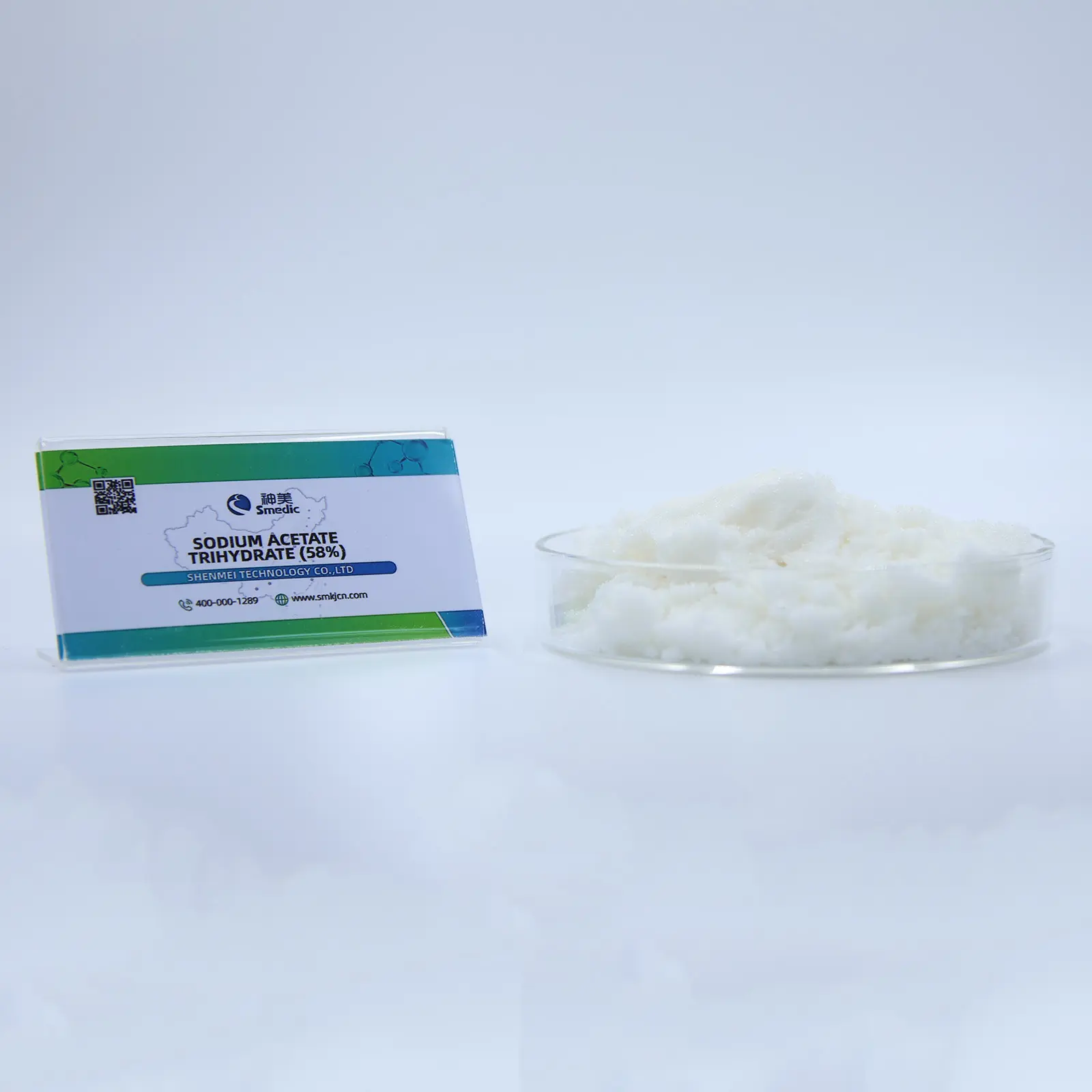
Carbon Source Reagent
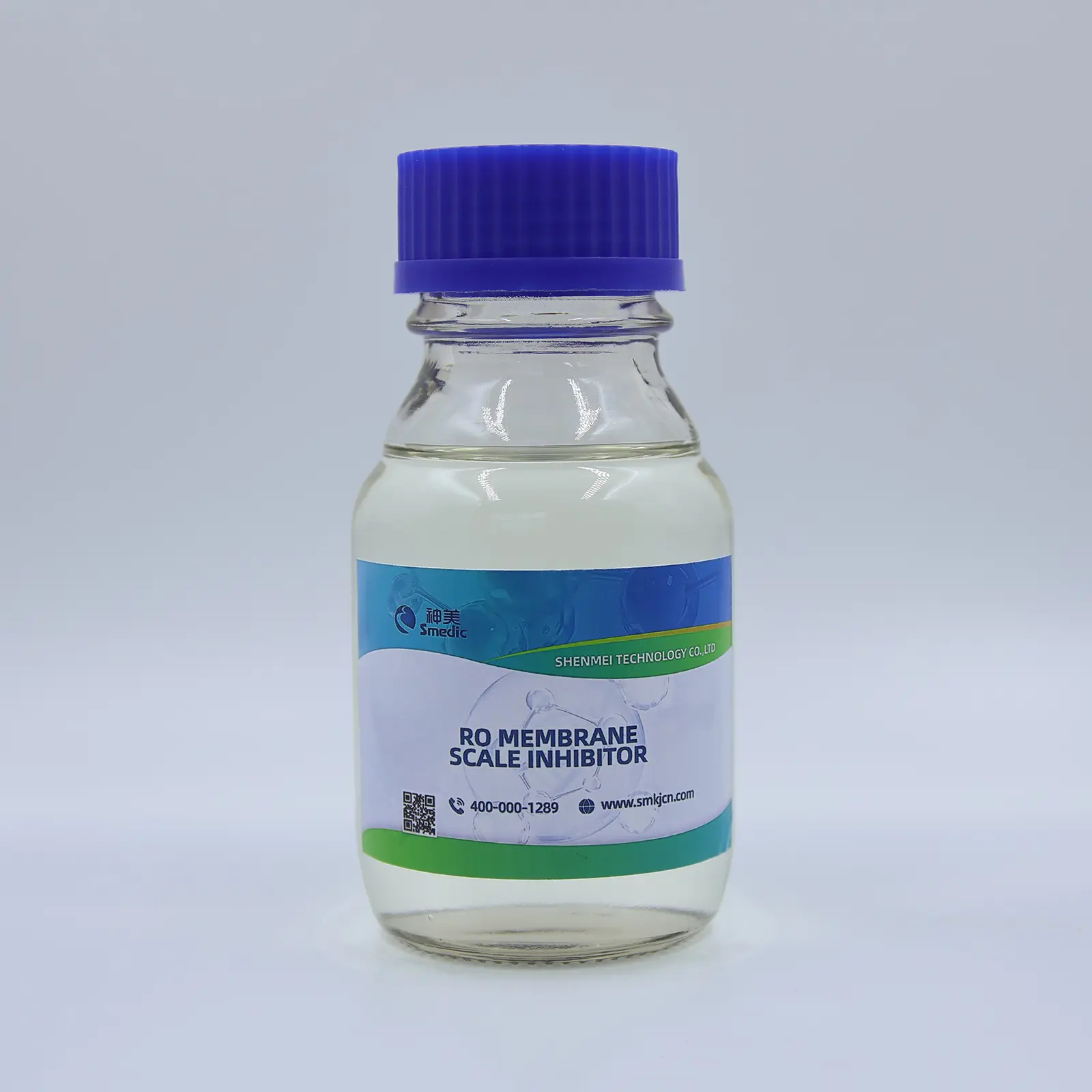
Scale Prevention Agent
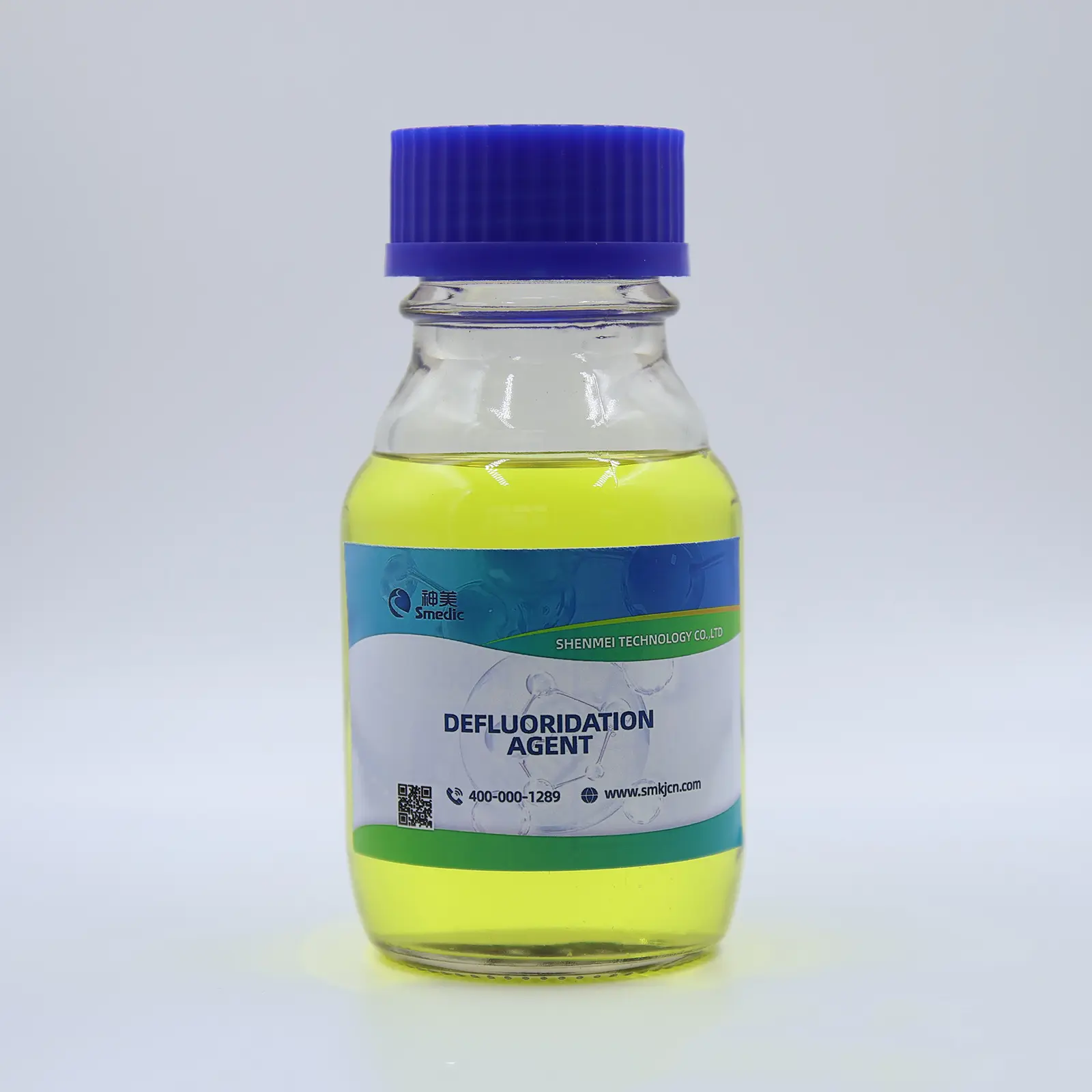
Heavy Industry Treatment
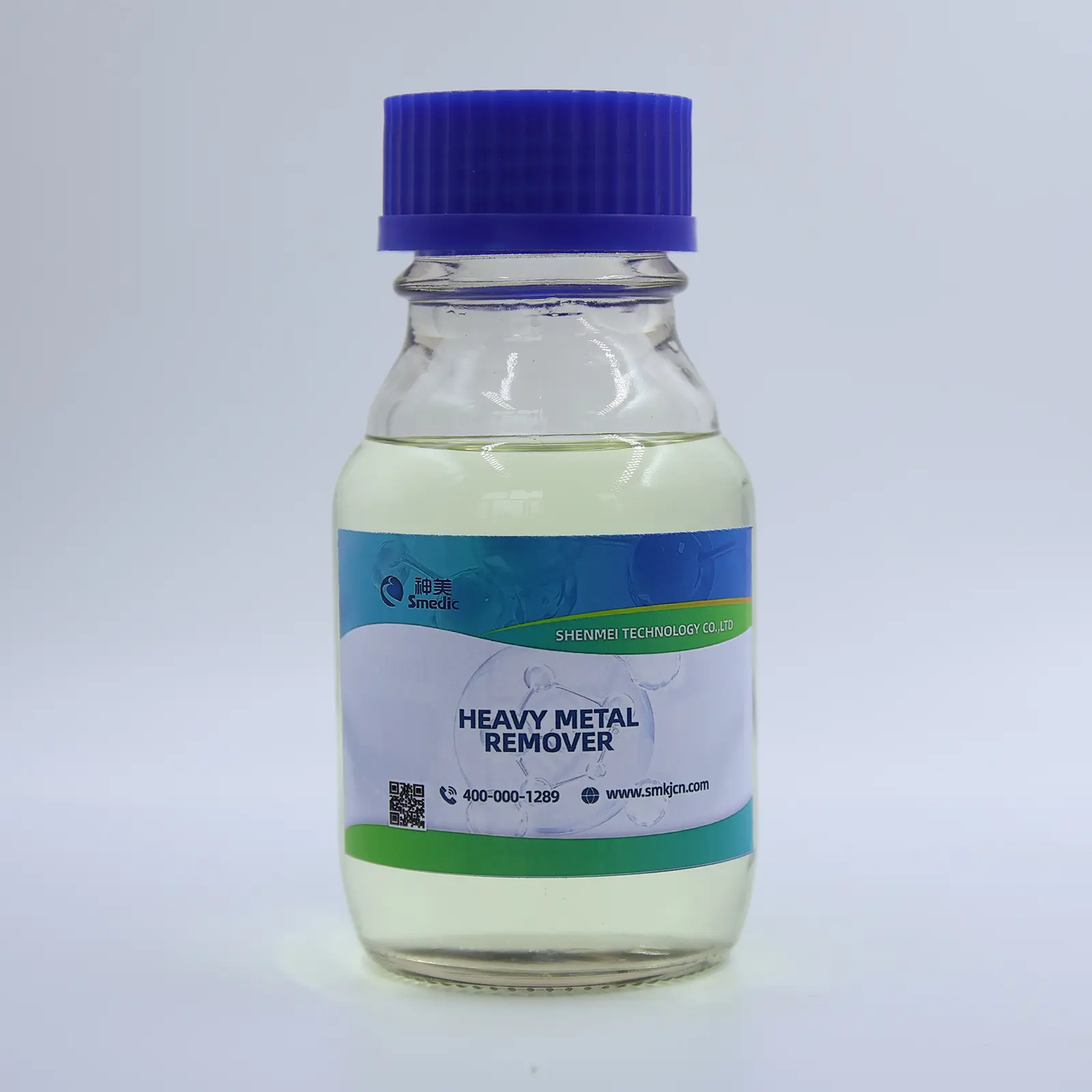
Advanced Effluent Polishing
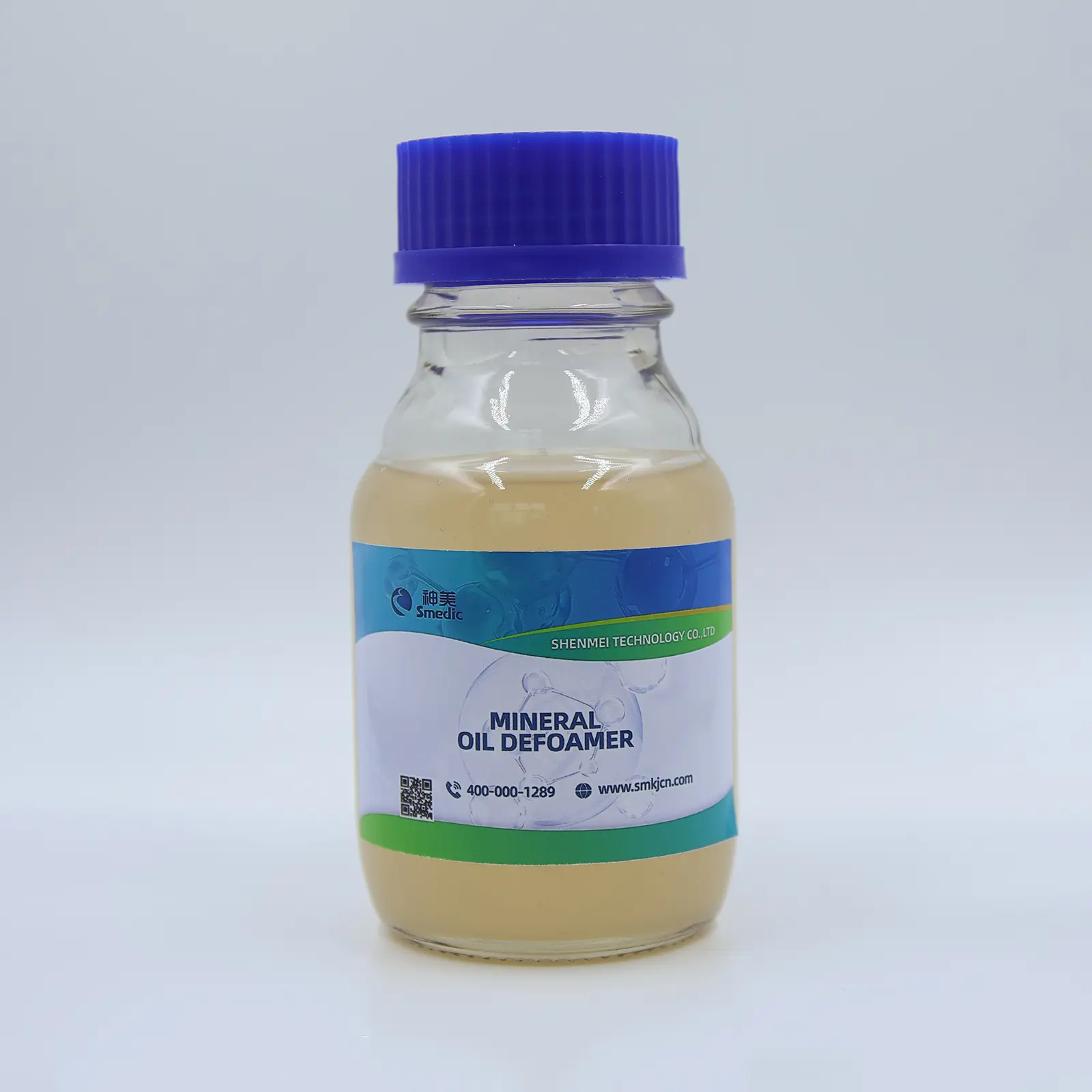
Foam Control Formulation
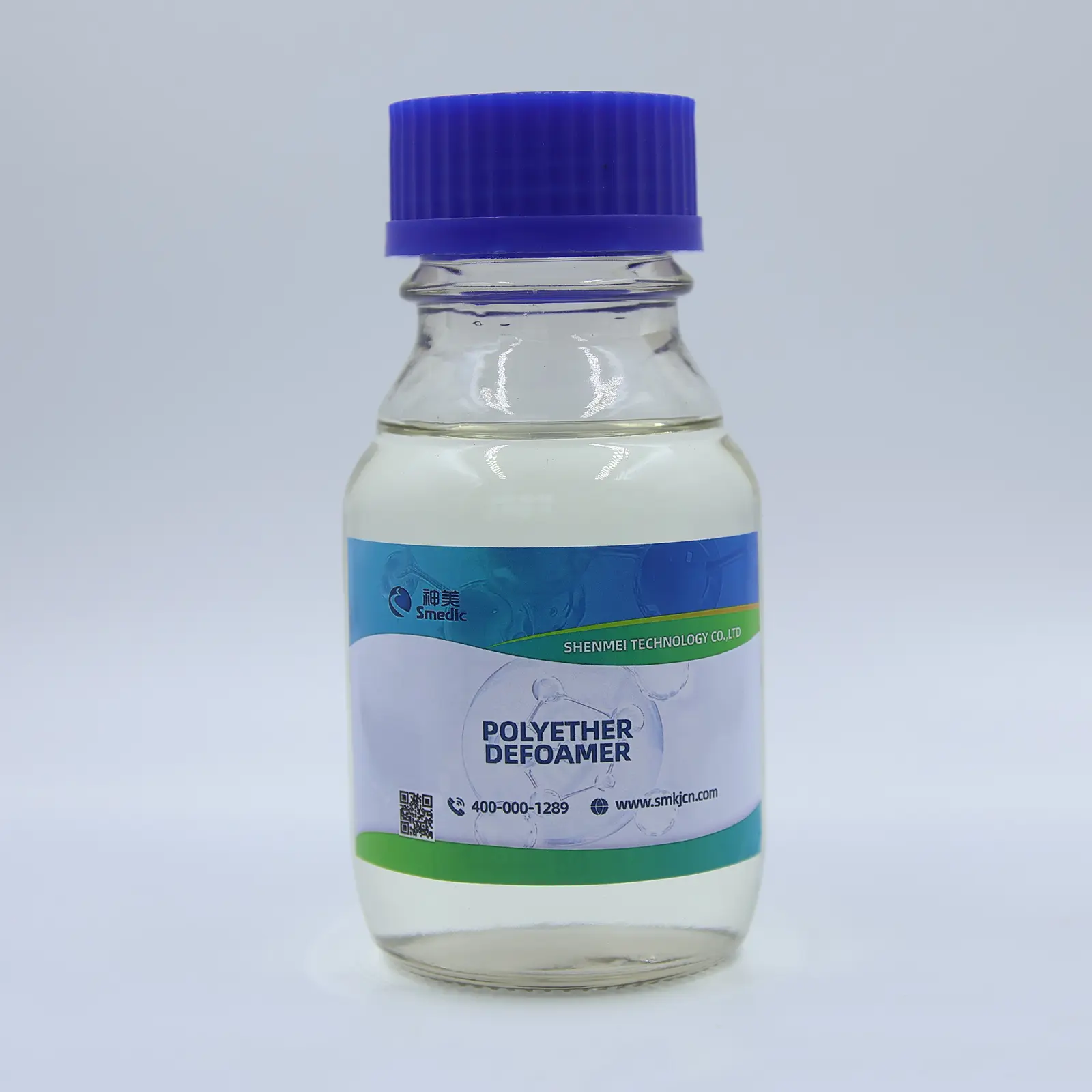
High Temperature Separation
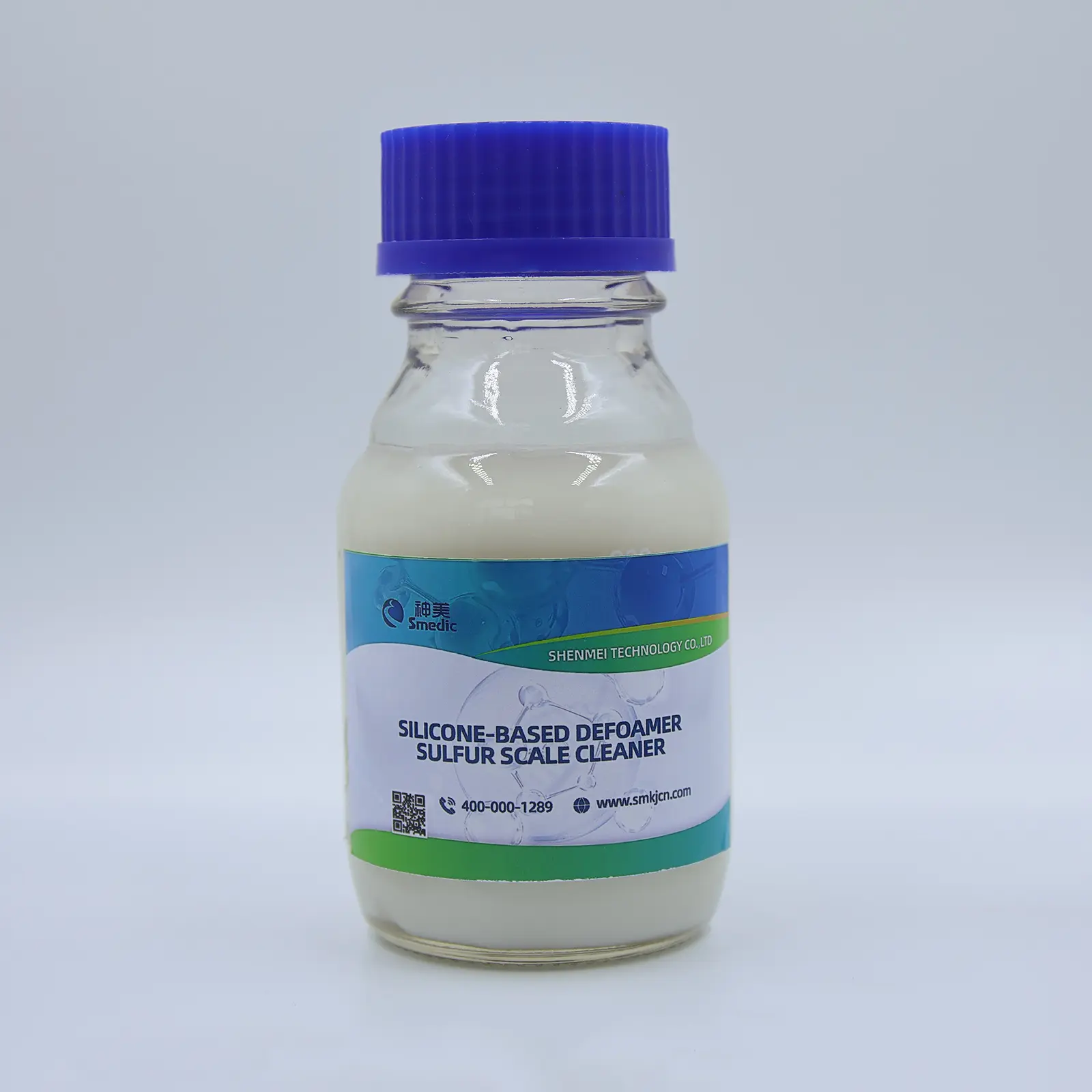
Fast Knockdown Defoaming
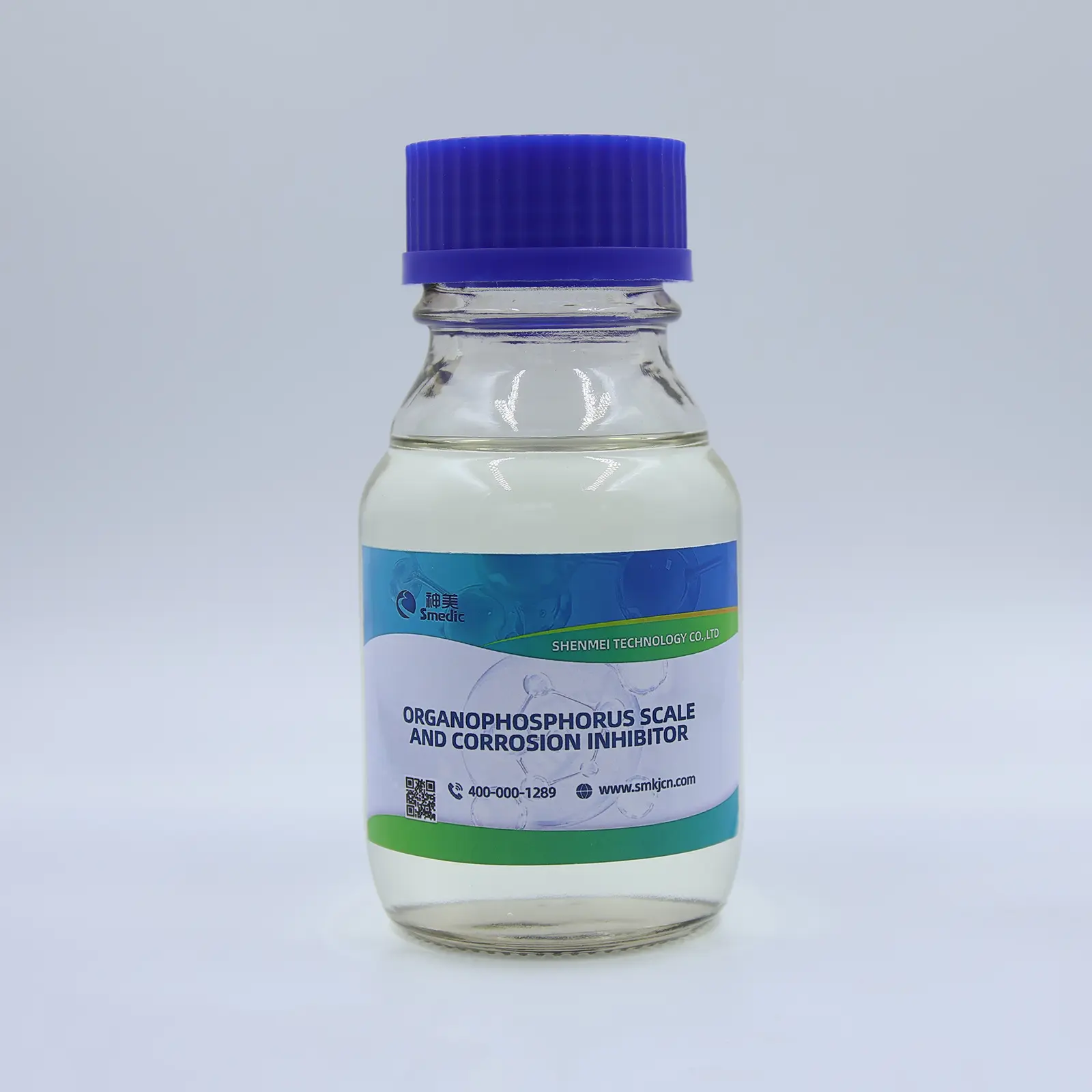
Cooling Tower Passivators
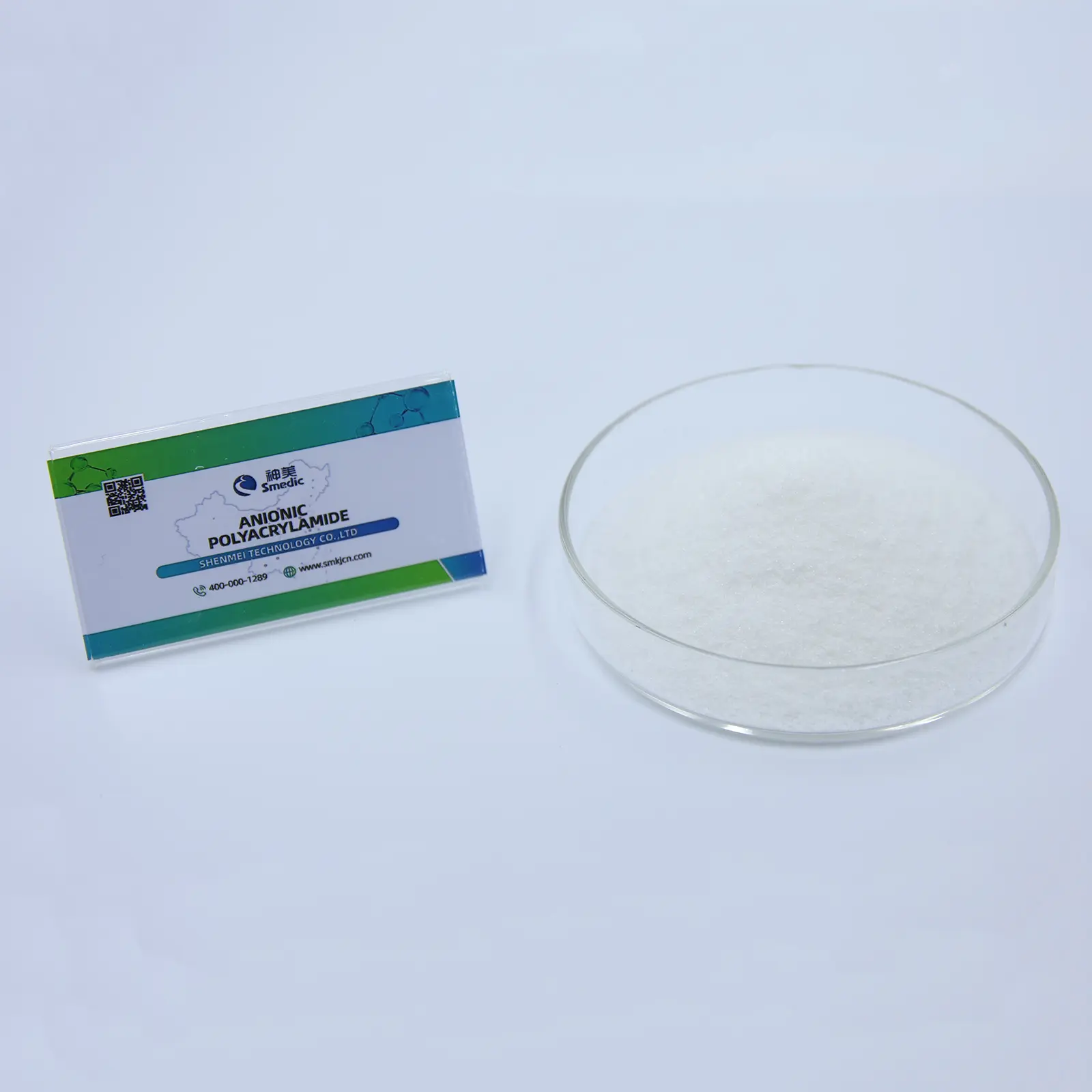
Mining and Settling Aids
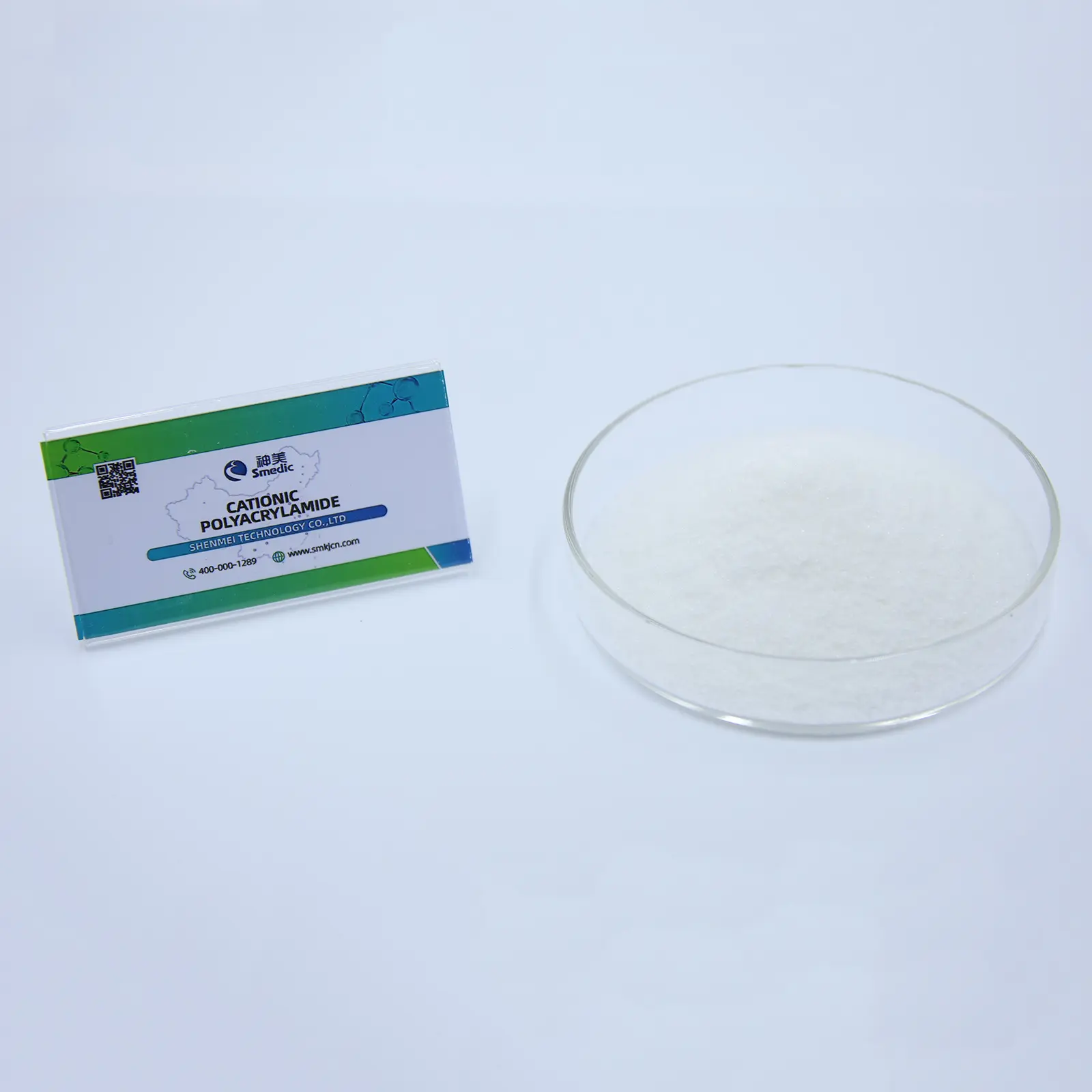
Sludge Press Dewatering
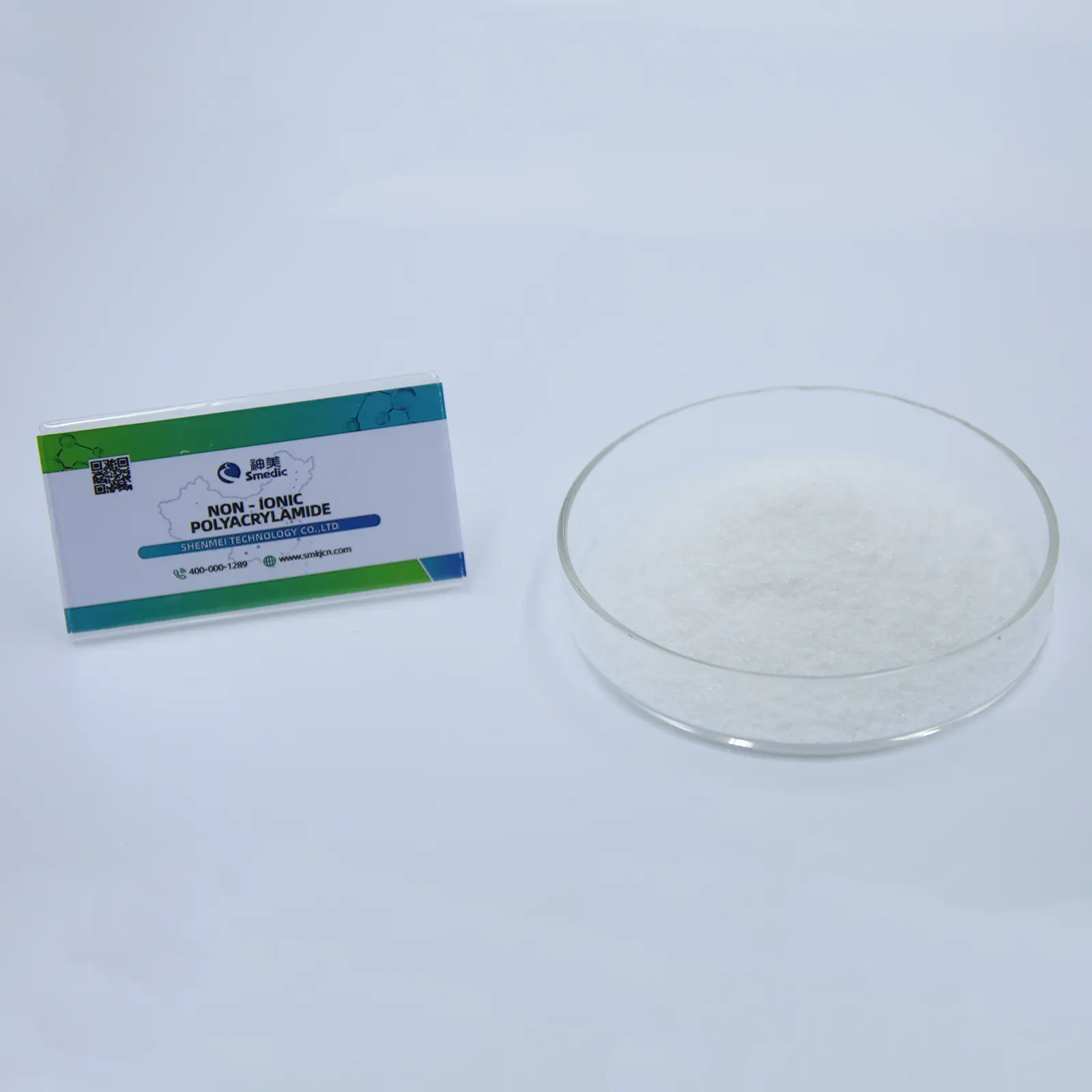
Acidic Wastewater Settling
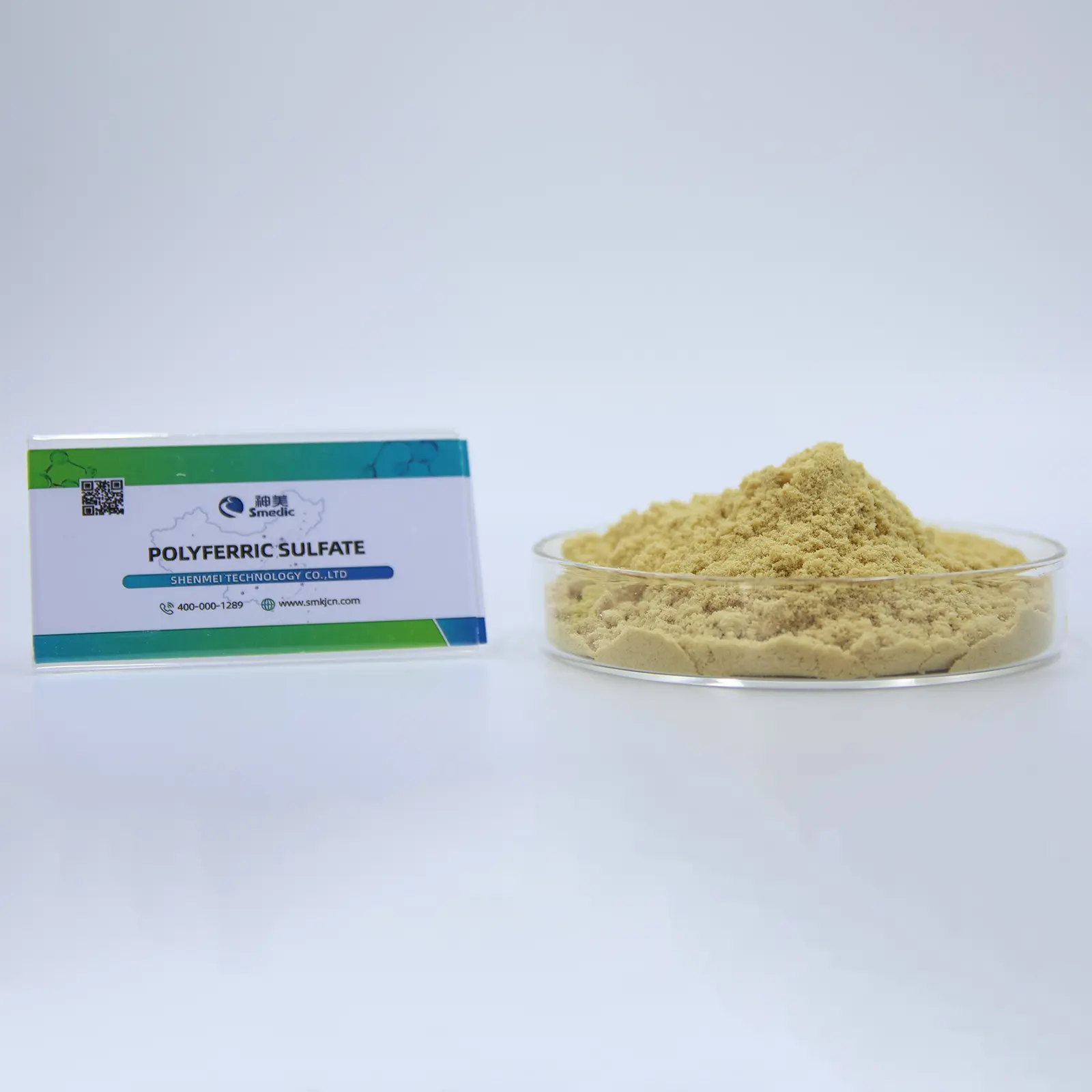
Inorganic Phosphorus Removal
 Smedic Tech