High-Efficiency Water Treatment & Anti-Foaming Formulations
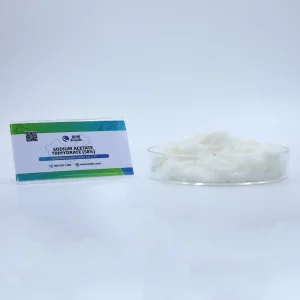
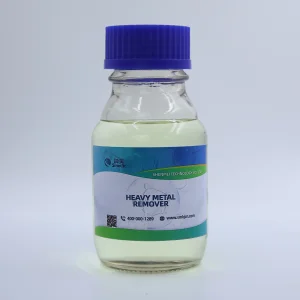
Environmental Regulations and Performance Shifts in Modern Chemical Engineering
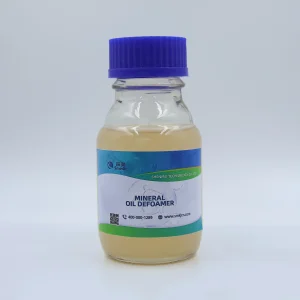
Across the global manufacturing sector, controlling foam is a primary chemical challenge. From petroleum refining to biological fermentation, municipal sewage treatment to fine chemical synthesis, foam accumulation compromises production capacity, damages mechanical systems, and risks environmental compliance violations. For decades, silicone-based defoamers dominated the industrial market due to their low surface tension and rapid bubble collapse capabilities. However, modern manufacturing frameworks are experiencing a paradigm shift towards high-performance non-silicone defoamers.
Regulatory agencies such as the EPA (Environmental Protection Agency) and European REACH guidelines have established strict limits on chemical discharges, especially regarding organic silicon compounds in water purification systems. Silicone defoamers degrade slowly in the environment, leaving persistent residues that coat filtration systems, foul Reverse Osmosis (RO) membranes, and disrupt biological sludge processes in municipal WWTPs. Non-silicone formulations, typically designed with high-grade mineral oils, polyethers, or fatty alcohols, provide rapid biodegradation, negligible bioaccumulation, and optimal compatibility with downstream processes.
Scale, Quality Control, and Specialized R&D Integration
Smedic Technology manages an annual production capacity exceeding 1 million tons of water treatment and environmental protection chemicals. This massive supply capacity ensures price stability and prevents delivery interruptions for bulk industrial buyers.
Our research framework is structured around one core academy, three specialized research institutes, and five manufacturing bases. Backed by joint laboratories with Tsinghua University and Shandong University, we convert laboratory breakthroughs into scalable industrial products.
We provide OEM and ODM manufacturing services tailored to specific application parameters, including temperature, pH stability, viscosity requirements, and chemical compatibility metrics for complex industrial setups.
Our corporate headquarters is based in Beijing, supported by wholly-owned production bases in Hebei, Guizhou, and Shanxi, alongside ten OEM partner facilities and regional warehouses in Shandong, Shanxi, Anhui, Guangxi, and Sichuan. This supply chain network allows us to ship bulk raw chemicals directly to international ports, reducing transit times and lowering logistics costs.
How Non-Silicone Surfactants Destabilize Bubble Walls
Foaming occurs when surface-active agents (surfactants) align at the air-water interface, lowering surface tension and forming a structured elastic film (the Marangoni effect). Traditional defoamers puncture this film by introducing high-tension droplets, but silicone residues can lead to surface defects in downstream applications.
Non-silicone defoamers utilize customized carriers, such as refined mineral oils, synthetic polyethers, or fatty alcohols, combined with hydrophobic solids like silica or metallic soaps. When dispersed in a foaming system, these active components function through a sequence of physical processes:
Designed primarily for coatings, architectural paints, and industrial wastewater treatment. They provide excellent long-term persistence in acidic and alkaline environments and are highly compatible with polymer resins without causing surface separation.
Excellent for high-temperature and high-shear operations, such as textile dyeing, metalworking fluids, and biological fermentation. They operate relative to the cloud point, dispersing effectively to eliminate micro-foam at elevated temperatures.
A Decade of R&D Innovation and Scale Expansion
Smedic Technology was established, focusing on environmental protection chemicals, technical solutions, and customized services.
Developed a comprehensive water treatment product line, expanding our municipal and industrial service offerings.
Recognized as a National High-tech Enterprise and expanded research partnerships with key universities.
Established a dedicated production base in Guiyang to optimize supply lines to south and southwest China.
Expanded production bases in Hebei, Guizhou, and Shanxi, bringing annual production capacity past 1 million tons.
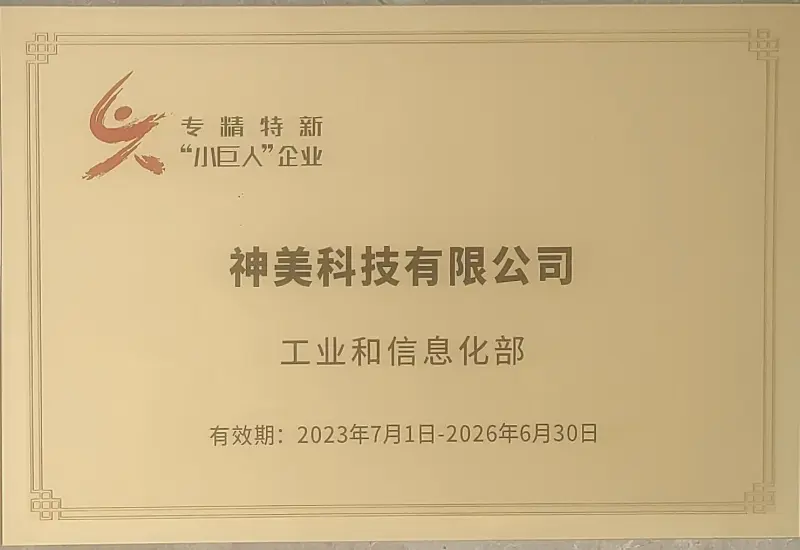
Recognized as a National Specialized, Refined, Unique and Innovative "Little Giant" Enterprise.
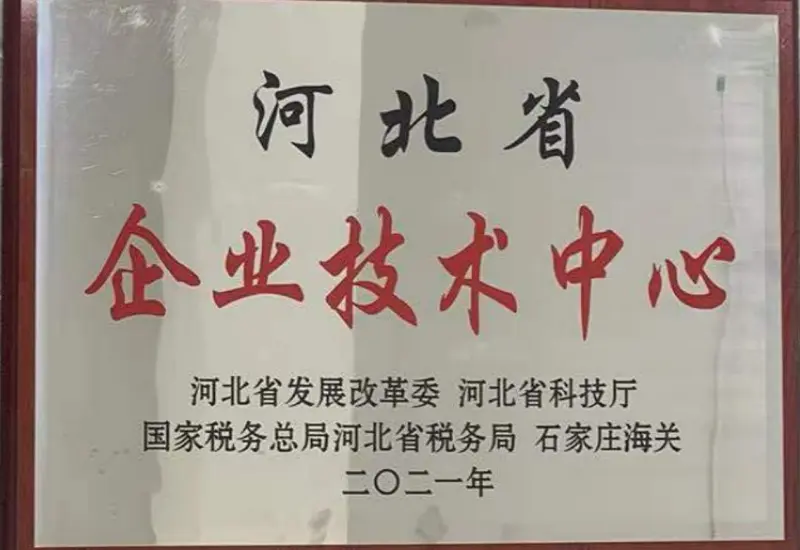
Established our provincial-level technology commercialization platform and advanced engineering laboratories in Hebei.
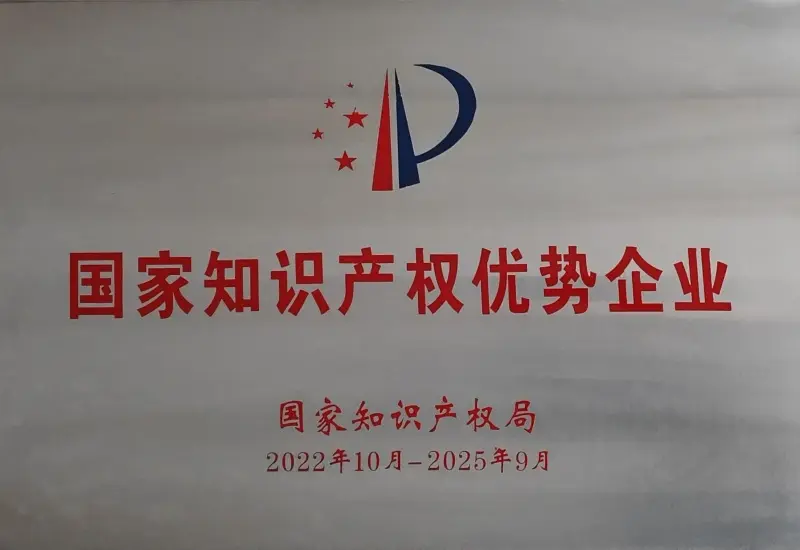
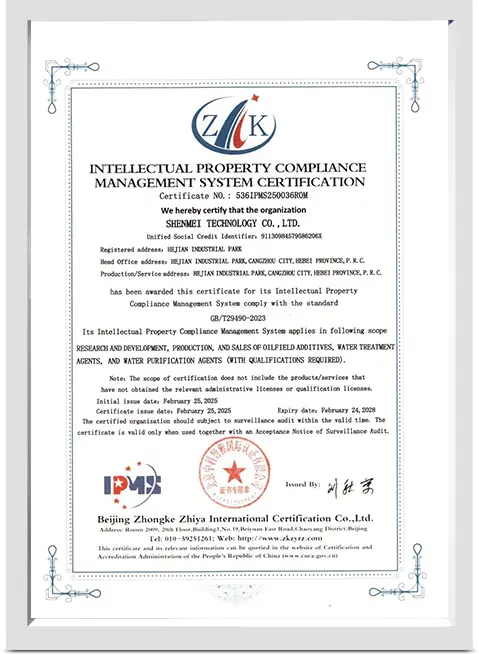
Recognized as a National Intellectual Property Advantage Enterprise with over 60 patents granted.
Formed a joint venture with the Chengdu Institute of Mineral Comprehensive Utilization, China Geological Survey, to develop specialized mineral processing agents.
Optimized Chemical Engineering Solutions for Diverse Industrial Environments
In activated sludge systems and membrane bioreactors (MBRs), non-silicone defoamers control biological foam without leaving residues that foul membranes or disrupt oxygen transfer rates (OTR).
Formulated to resolve macro- and micro-foam during high-shear dispersion and application. They prevent surface pinholes, orange-peel effects, and cratering in automotive and decorative coatings.
Specifically designed for black liquor washing, screening, and paper machine wet-end chemistry. Our defoamers improve fiber drainage, reduce chemical loss, and maintain paper sheet integrity.
Our formulations are also optimized for high-temperature textile dyeing, chemical fertilizers, mineral flotation processing, and agricultural chemicals, where foam control is critical to maintaining throughput.
Verified Standards and Recognized Industry Leadership
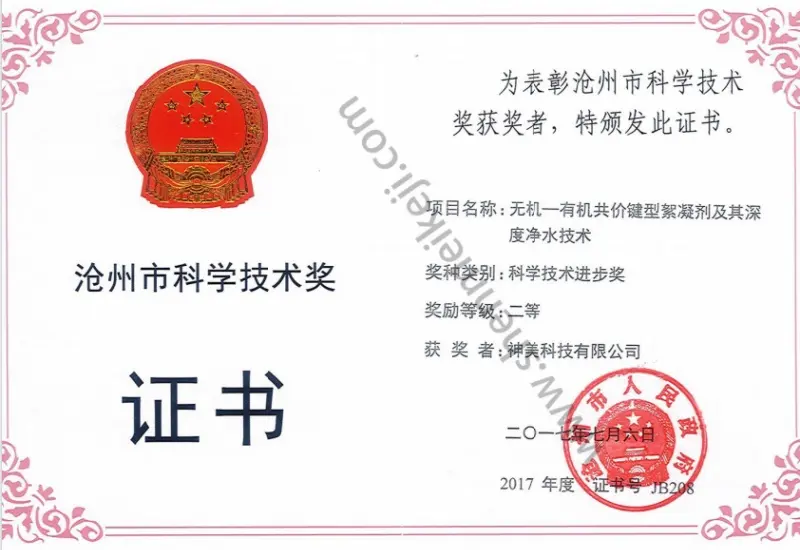
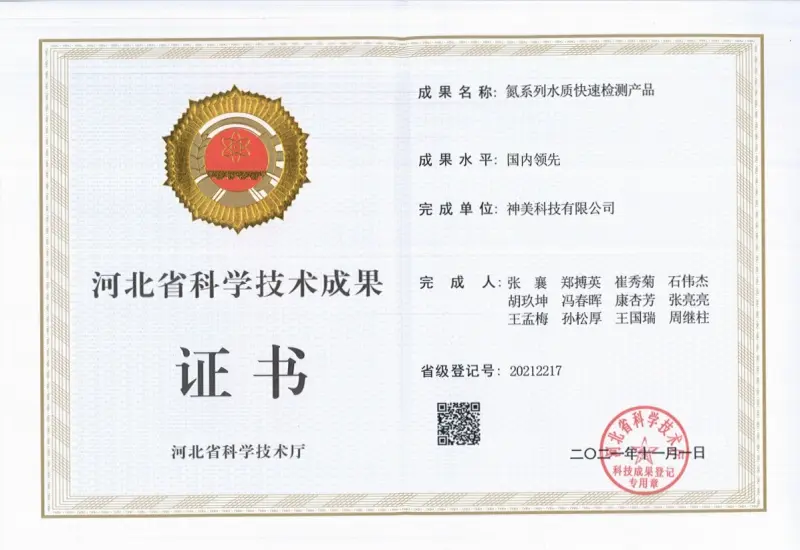
Smedic Technology has received numerous national qualifications, including designation as a National High-tech Enterprise and a Specialized, Refined, Unique and Innovative "Little Giant" Enterprise.
We hold over sixty Chinese patents, including more than forty invention patents and twenty utility model patents. We have also led the drafting of over ten national and industry standards for chemical carbon sources, composite coagulants, and sodium acetate formulations.
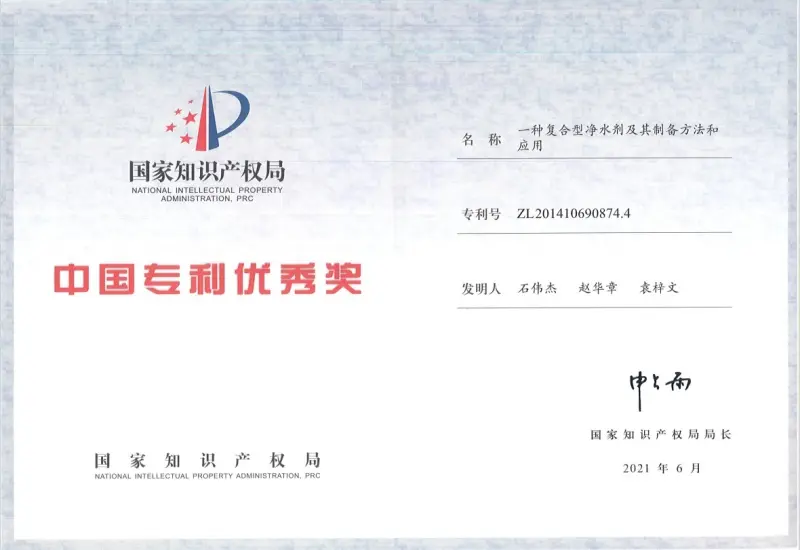
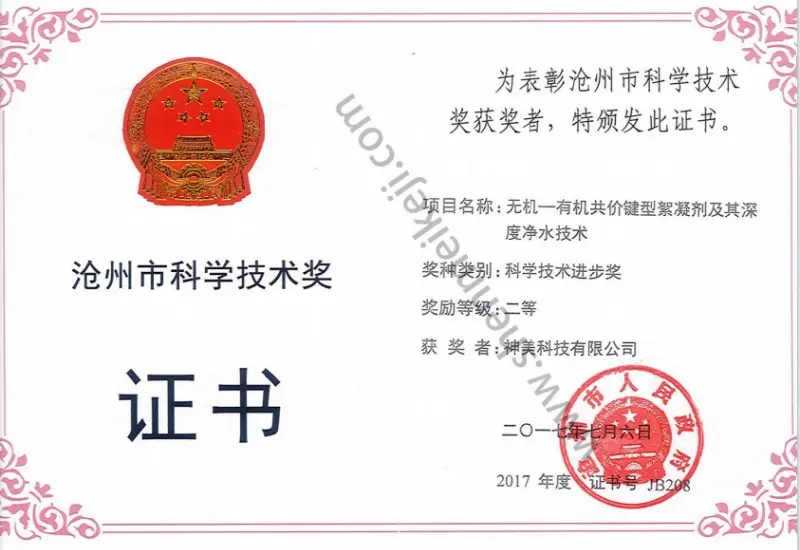
Our independently developed "Inorganic-Organic Covalent Bond Flocculant" was awarded the 22nd China Patent Award and received First Prize for Technological Invention from the China Petrochemical Industry Association.

Technical Factors to Evaluate in Bulk Defoamer Sourcing
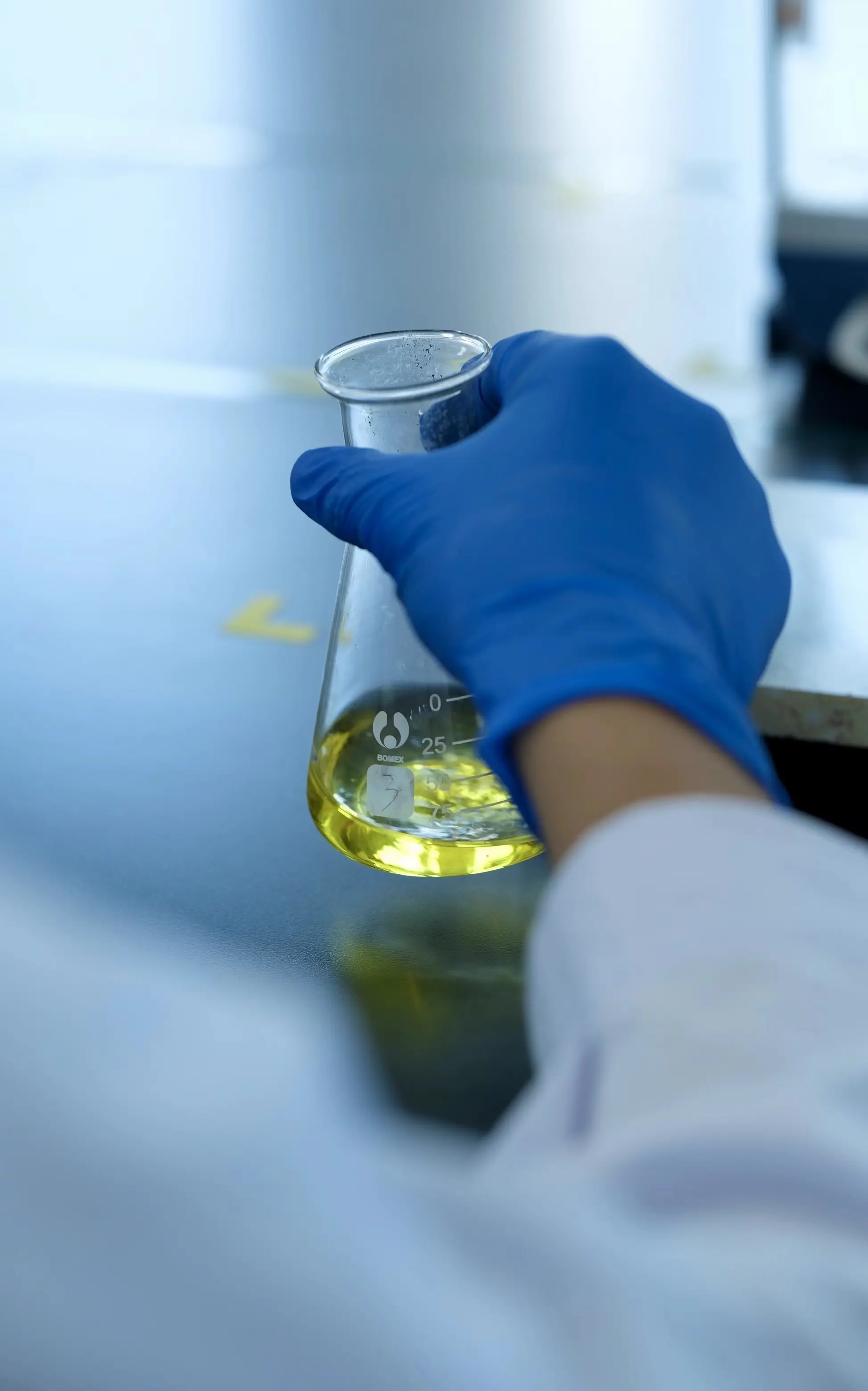
When procurement officers evaluate bulk non-silicone defoamers, price is only one part of the equation. Assessing the total cost of ownership (TCO) requires measuring chemical efficacy and system compatibility:
High-concentration defoamers reduce shipping costs per unit of active ingredient. Buyers should verify if the product is a ready-to-use formulation or a concentrate requiring local dilution before application.
Industrial processes operate across broad temperature and pH spectrums. Polyether defoamers should be tested around their cloud point, while mineral oil formulations must remain stable without separation in extreme pH systems.
Ensure products comply with environmental regulations (REACH, FDA, or local water authority codes). Ask for heavy metal analyses and COD/BOD reports, especially for water treatment applications.
Under high-shear pump operations, low-grade defoamer emulsions can break down, reducing efficiency or causing surface spotting. We conduct shear testing to guarantee stability in turbulent systems.
Technical Answers for Engineering and Procurement Teams
Silicone defoamers utilize polydimethylsiloxane (PDMS) to reduce surface tension. While highly effective, they leave residual silicones that can foul filtration membranes (such as RO and NF membranes) and cause surface cratering in coatings. Non-silicone defoamers use mineral oils, polyethers, or fatty alcohols, which break down more easily and do not interfere with membrane systems or paint applications.
Polyether-based defoamers rely on a "cloud point" mechanism. At temperatures above the cloud point, the surfactant becomes insoluble and acts as a defoamer; below this temperature, it dissolves and functions as a wetting agent. Consequently, matching the chemical cloud point to the process operating temperature is critical for optimal performance.
Yes. Our non-silicone formulations are designed to control foam in municipal and industrial aeration basins without harming nitrifying or denitrifying bacteria. They do not coat biomass surfaces or restrict oxygen transfer rates (OTR).
Yes, our mineral oil and polyether defoamers are formulated to vent micro-foam from coatings during processing and application without causing surface tension defects like cratering or "fish-eyes."
We supply products in 25 kg drums, 200 kg plastic drums, and 1000 kg IBC totes. Custom packaging configurations can be arranged to align with your facility's dosing setups.
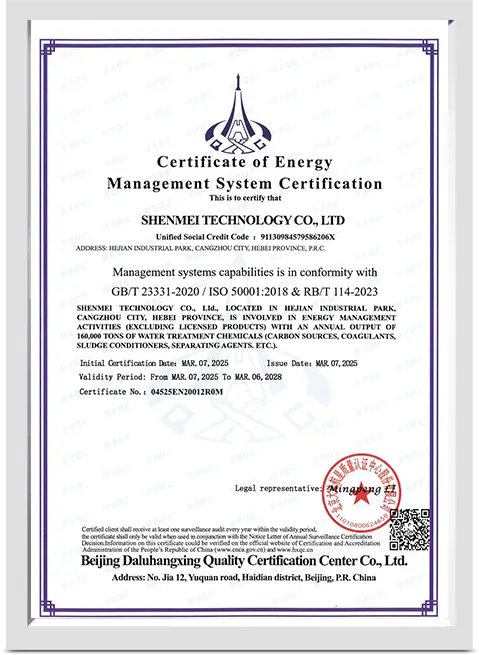
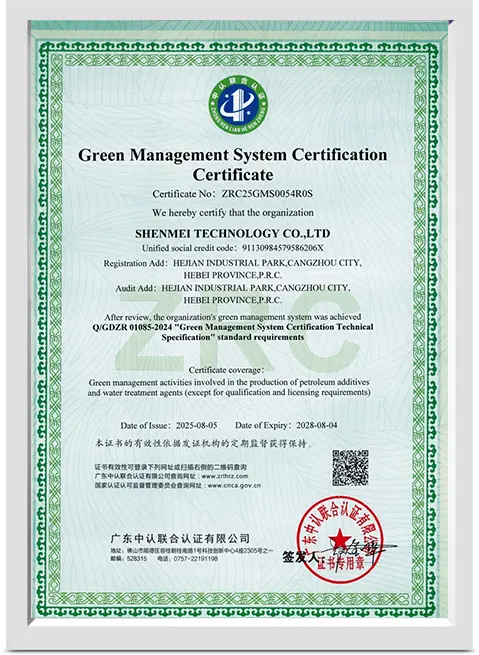
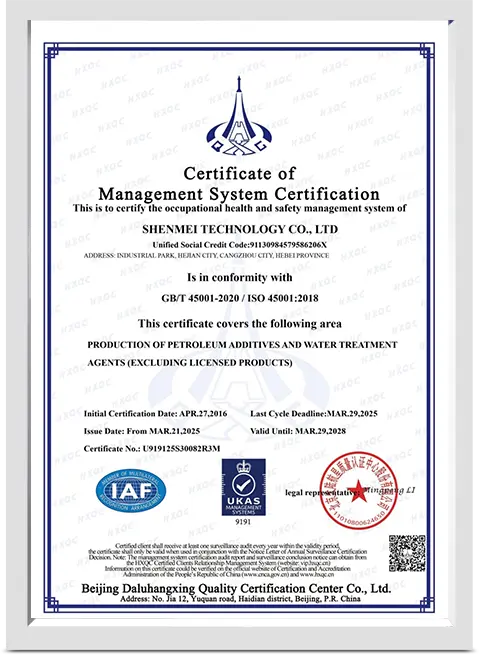
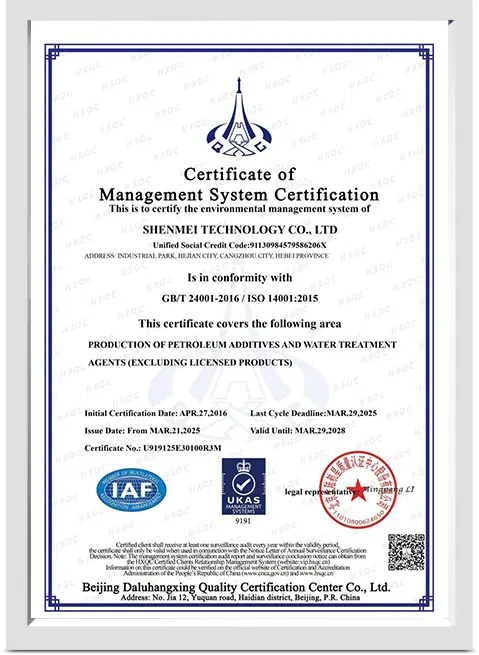
Our facilities operate under ISO 9001, ISO 14001, and ISO 45001 standards. Smedic is recognized as a National High-tech Enterprise and a Specialized "Little Giant" Enterprise in China, with all export chemical batches accompanied by comprehensive COAs (Certificates of Analysis).
Award-Winning Flocculation and Advanced Purification Systems
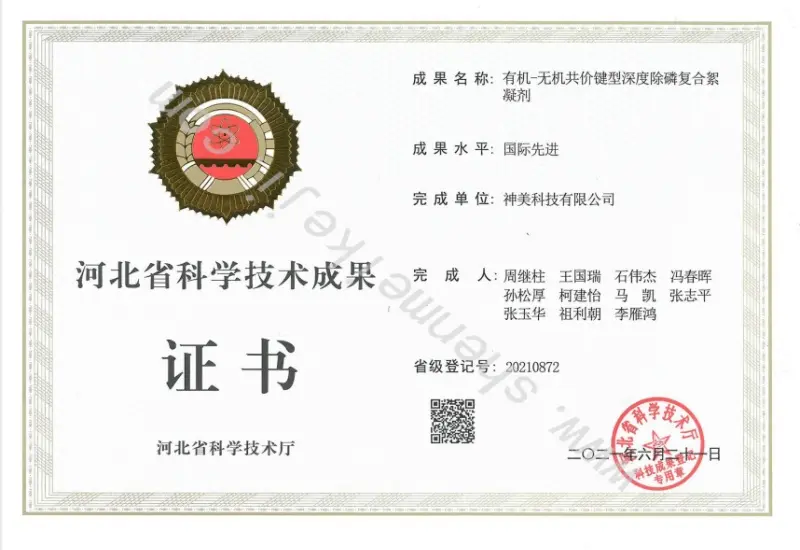
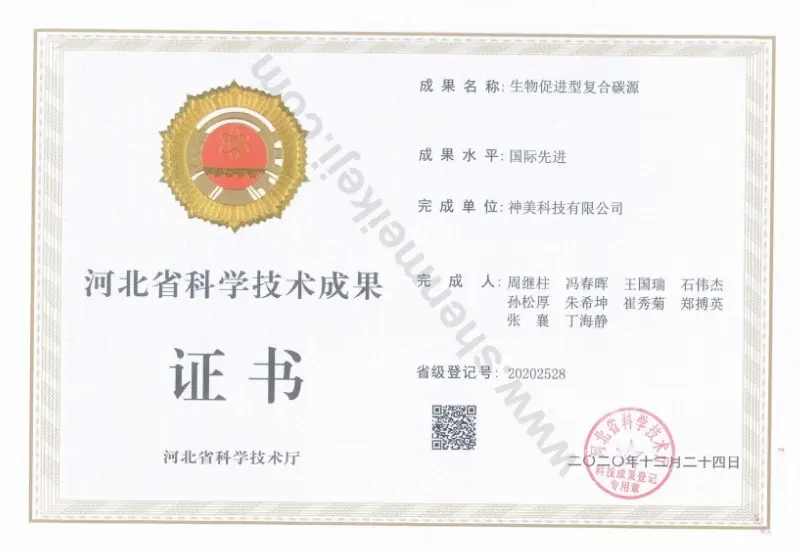
Our bio-enhanced denitrification carbon source and deep multi-nuclear phosphorus removal agents have been evaluated as "internationally advanced" by the Science and Technology Department of Hebei Province.
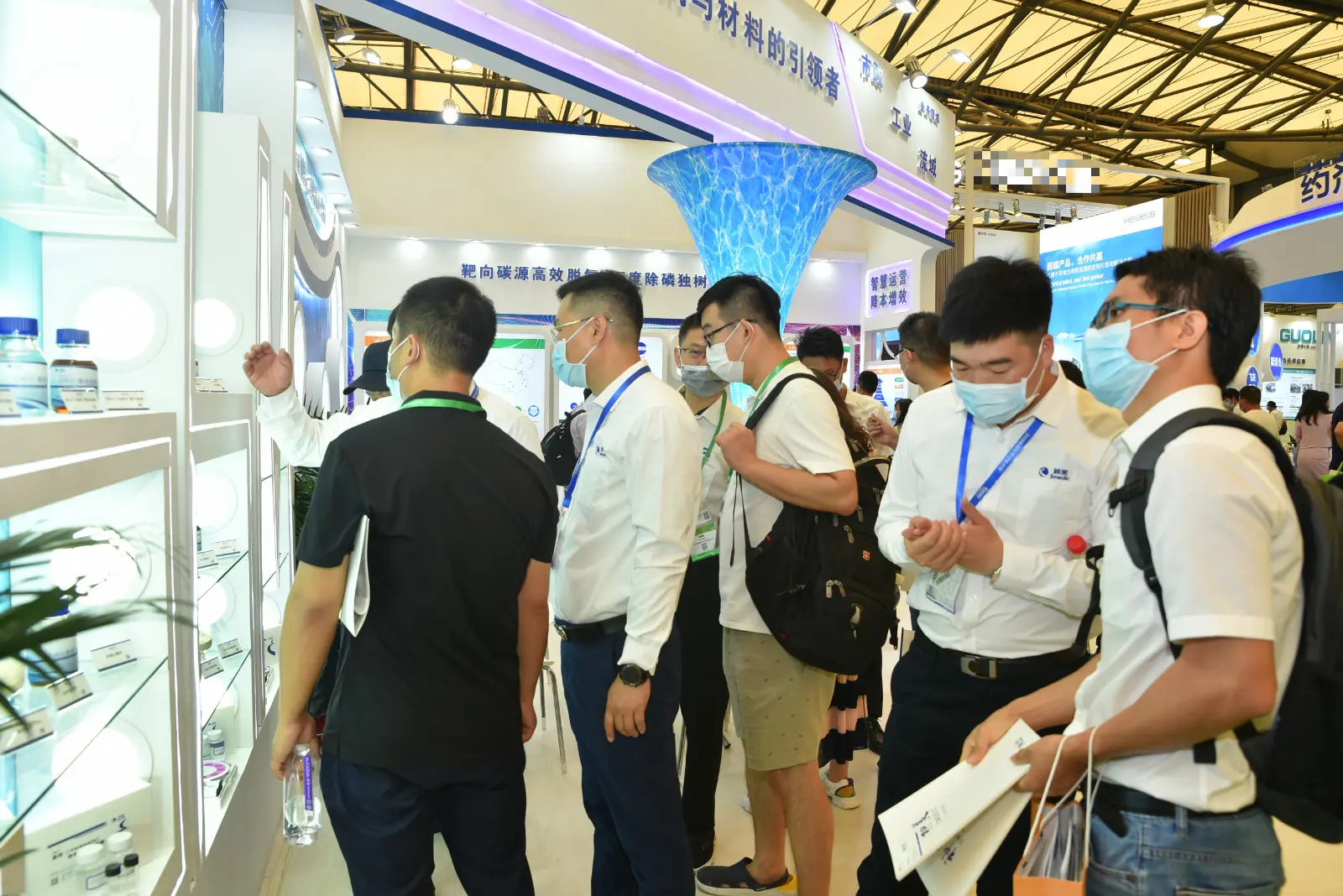
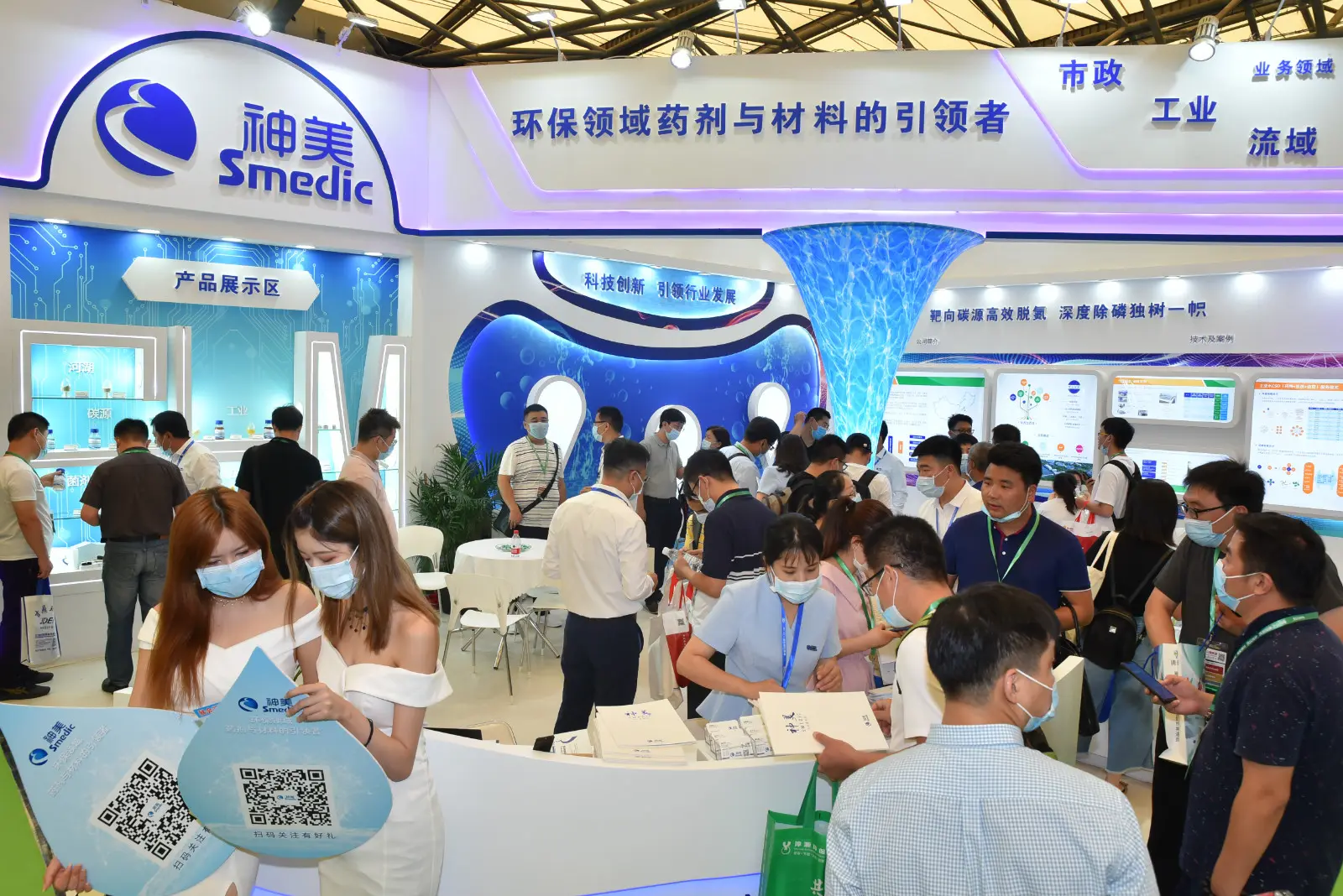
Smedic has been named the "Leading Brand of Advanced Wastewater Treatment Chemicals" by China Water Network and the E20 Environmental Platform for four consecutive years.
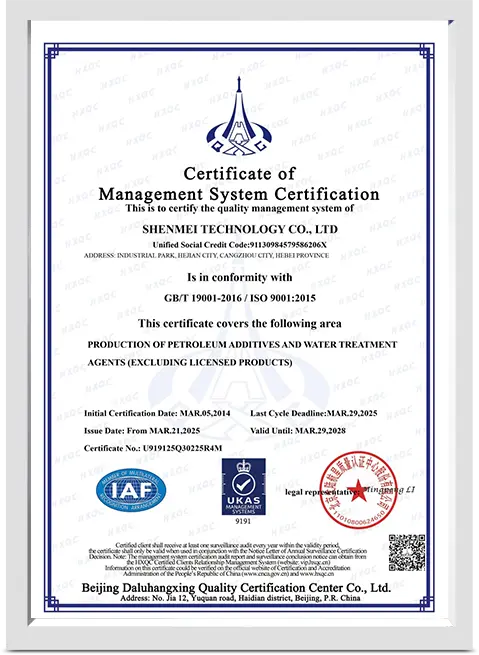
Explore Our Specialized Flocculants, Coagulants, and Scale Inhibitors
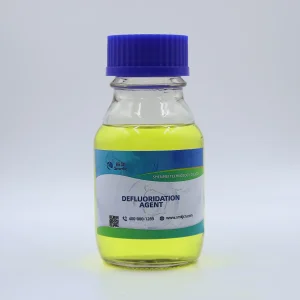
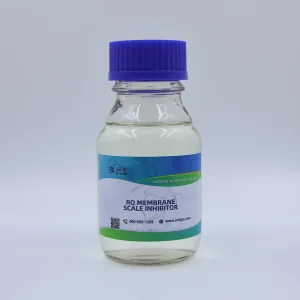
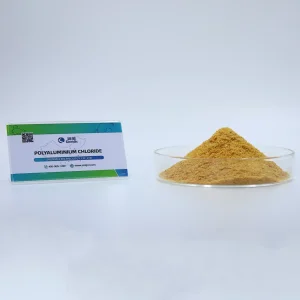
 Smedic Tech