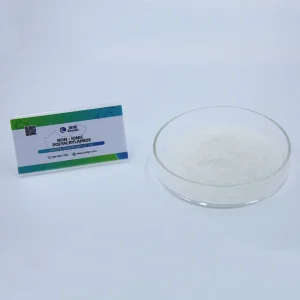
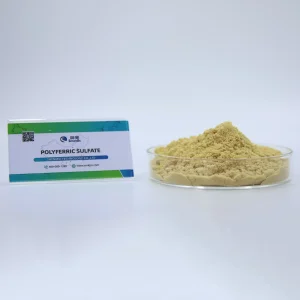
Explore our core industrial polymers, heavy metal precipitants, and high-efficiency defoamers engineered for demanding global process industries.
Non-Ionic Polyacrylamide (NPAM) represents a critical sub-segment of water-soluble synthetic polymers. Chemically synthesized via the homopolymerization of acrylamide monomers with minimal hydrolysis, NPAM is characterized by its neutral charge density, linear macromolecular structure, and immense hydrogen-bonding capacity. Unlike ionic counterparts, NPAM's performance is highly stable across varying salt concentrations, extreme pH ranges, and high metallic ion environments.
Globally, industrial demand for NPAM has intensified due to regulatory pressures on water reuse, mineral processing optimization, and tertiary oil recovery. In enhanced oil recovery (EOR), NPAM serves as an exceptional mobility control agent, thriving in high-salinity reservoirs where anionic polymers tend to precipitate or degrade. In the mining sector, particularly in gold, copper, and iron ore extraction, NPAM is the primary flocculant for rapid sedimentation of neutral or acidic tailings, facilitating fast water recycling and reducing ecological footprints.
Additionally, the global paper pulp and textile finish sectors rely heavily on NPAM's structural binding properties. In the paper industry, it increases dry strength and improves retention of fillers and fibers without modifying charge-sensitive wet-end chemistry. Its non-ionic nature renders it universally compatible with various additive systems, positioning it as an indispensable stabilizer in global manufacturing supply chains.
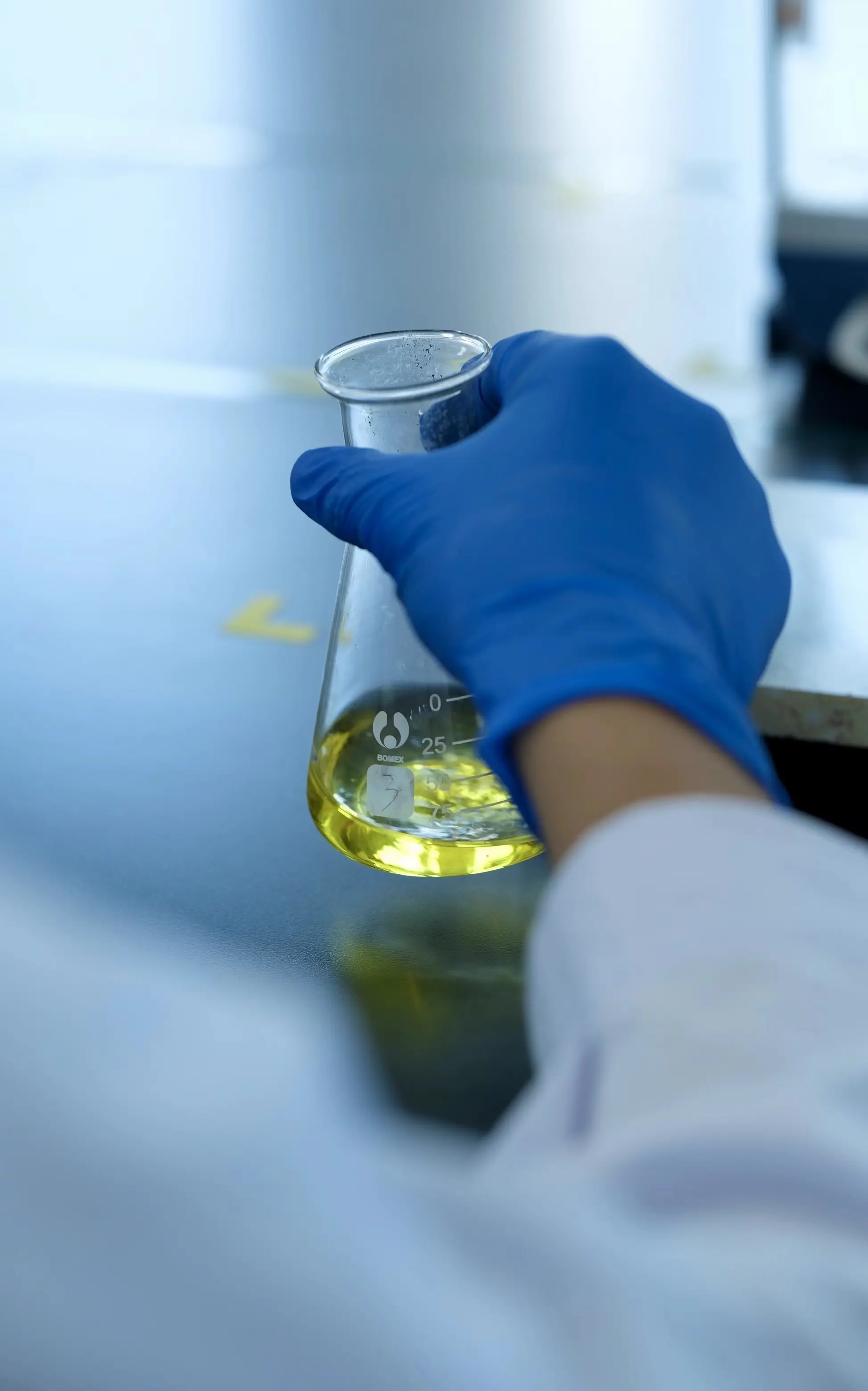
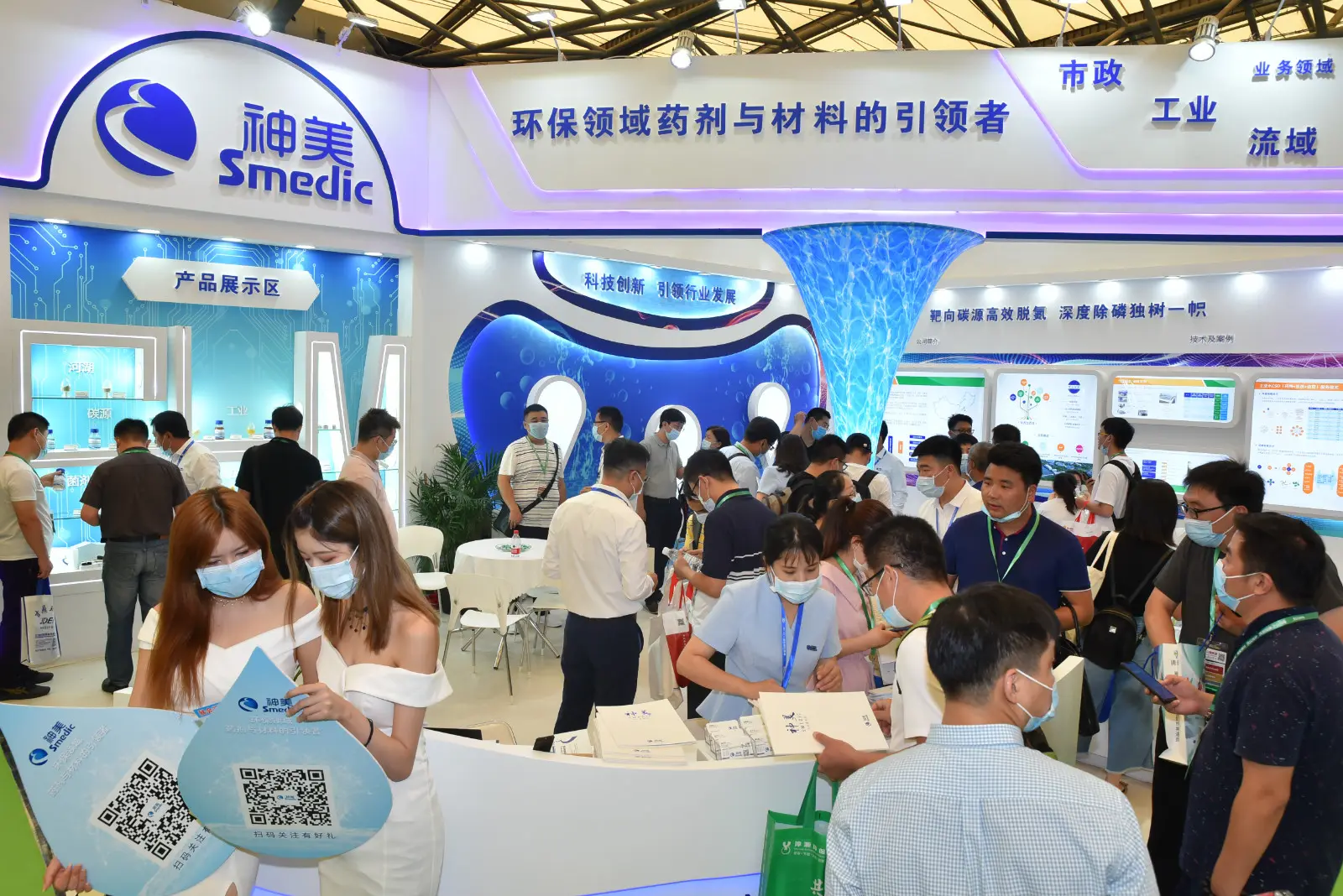
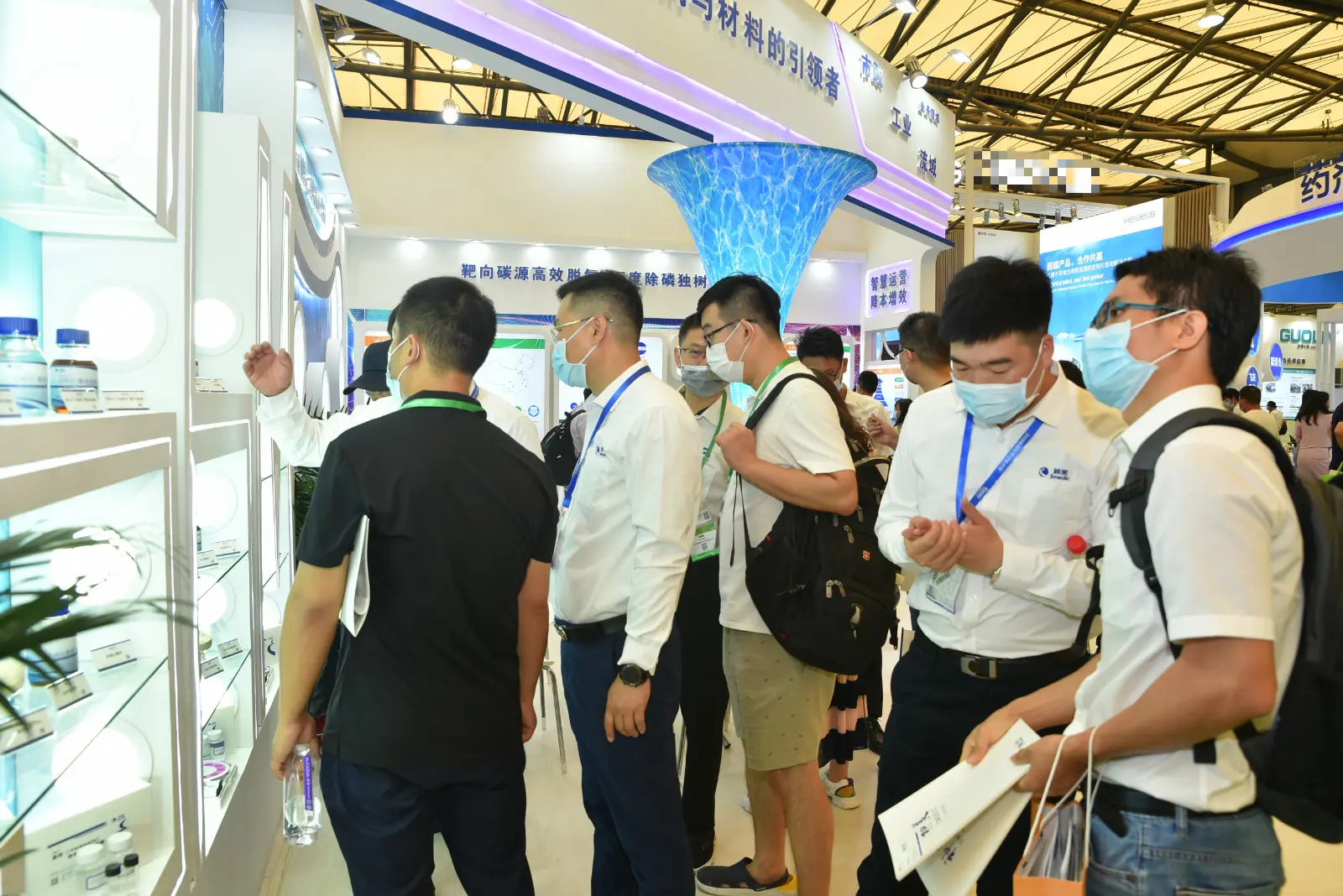
Established in 2011, Smedic is a leading environmental protection chemical manufacturer integrating advanced R&D, high-capacity production, and global commercial operations.
Smedic Technology Co., Ltd. was established in 2011 as a comprehensive solution provider specialized in environmental protection agents. We integrate R&D, production, sales, and engineering-related technical services to provide custom chemical formulations and optimization packages. Smedic produces environmental protection agents covering municipal sewage, industrial wastewater, tap water treatment, mineral processing, and oilfield chemicals.
Our portfolio spans more than 80 different environmental protection products. Supported by an advanced manufacturing infrastructure, our annual production capacity exceeds 1 million tons, allowing us to supply large-scale global distributors, heavy industrial plants, and municipal water authorities with consistent, high-purity polymers.
Operating a robust logistics and production matrix across mainland China to ensure reliable global chemical supply chains.
Headquartered in Beijing, Smedic maintains wholly-owned production bases in Hebei, Guizhou, and Shanxi. We run more than ten OEM partner factories and regional warehousing bases in Shandong, Shanxi, Anhui, Guangxi, and Sichuan provinces. Our network spans over 20 provinces across China, offering regional supply security and rapid export routes.
Our chemicals support over 600 urban sewage treatment plants and serve more than 1,000 corporate clients across the industrial wastewater, mineral processing, and oilfield extraction sectors. Smedic's total involved municipal sewage treatment capacity exceeds 20 million tons per day, affirming our market leadership.
With an annual capacity exceeding 1 million tons, Smedic acts as a reliable OEM partner. We customize molecular weights, dissolution times, and particle size distributions to meet specific customer requirements, backed by rigorous quality control protocols from raw materials to final shipping.
As a leading Chinese supplier of Non-Ionic Polyacrylamide, Smedic leverages structural advantages in polymer manufacturing to deliver reliable and cost-effective solutions to global clients:
Integrated Raw Material Supply Chains: By source-coupling with local producers of acrylonitrile (ACN) and acrylamide (AM) monomer, we stabilize feedstock costs and insulate global customers from market price volatility.
Advanced High-Concentration Polymerization: Our production bases utilize low-temperature, high-concentration adiabatic polymerization technology, yielding NPAM with ultra-low residual monomers (<0.05%) and highly customizable molecular weights (ranging from 5 million to over 15 million Daltons).
Stringent QC & Testing: Every product batch undergoes rigorous analysis including Brookfield viscosity testing, filtration ratios, insoluble residue tests, and particle distribution sizing to verify compliance with international ASTM and ISO standards.
Custom OEM Customization: We offer customized packaging (from 25kg PE/PP bags to 1,000kg bulk bags), specialized particle sizes to match different dissolution systems, and customized formulations designed for specific site water chemistry profiles.
Tailored polymer configurations optimized to address specific challenges in oilfields, mines, and paper plants.
In global mining regions (such as Australian copper-gold mines or South American iron ore sites), wastewater often exhibits high mineral salinity and low pH. Standard anionic flocculants struggle in these environments due to charge neutralization and precipitation. Smedic's NPAM acts as a neutral bridge, aggregating fine mineral particles into large, fast-settling flocs to accelerate solid-liquid separation and clean water recovery.
In Middle Eastern and North Sea oilfields, high temperatures and salinity can cause ionic polyacrylamides to collapse, reducing viscosity and sweep efficiency. Smedic's heat-resistant NPAM maintains its molecular structure and viscosity under high salt conditions, stabilizing water-flooding and improving tertiary recovery efficiency.
For chemical and metal processing industries discharging highly acidic wastewater, ionic flocculants often lose efficiency due to protonation. Smedic NPAM remains effective in acidic conditions, providing consistent flocculation, promoting sludge dewatering, and reducing coagulant consumption.
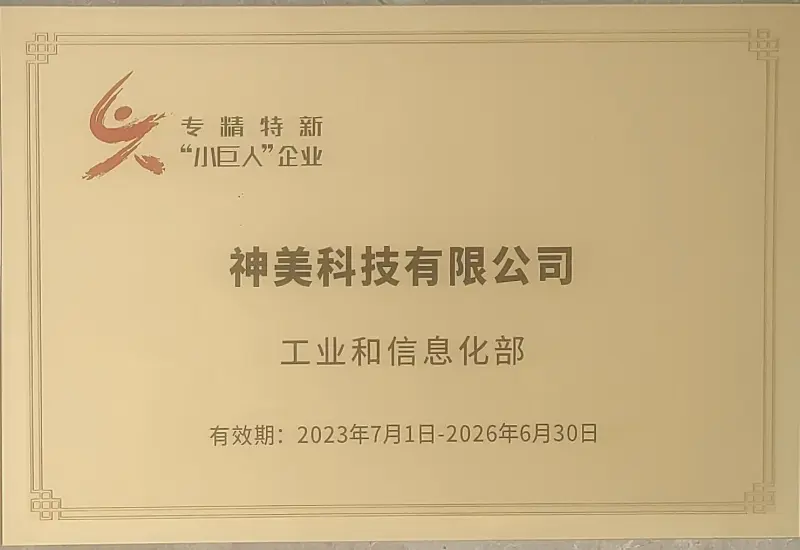
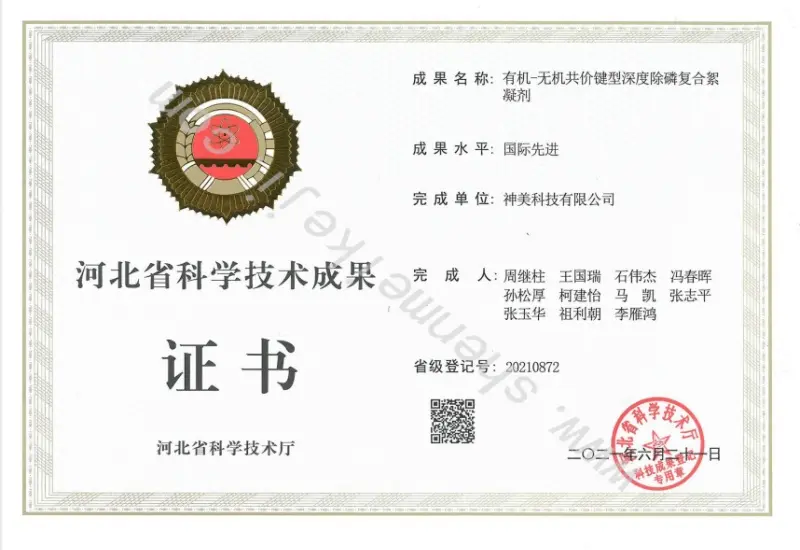
Smedic is recognized as a National High-tech Enterprise and a Specialized "Little Giant" Enterprise, demonstrating our commitment to technical innovation.
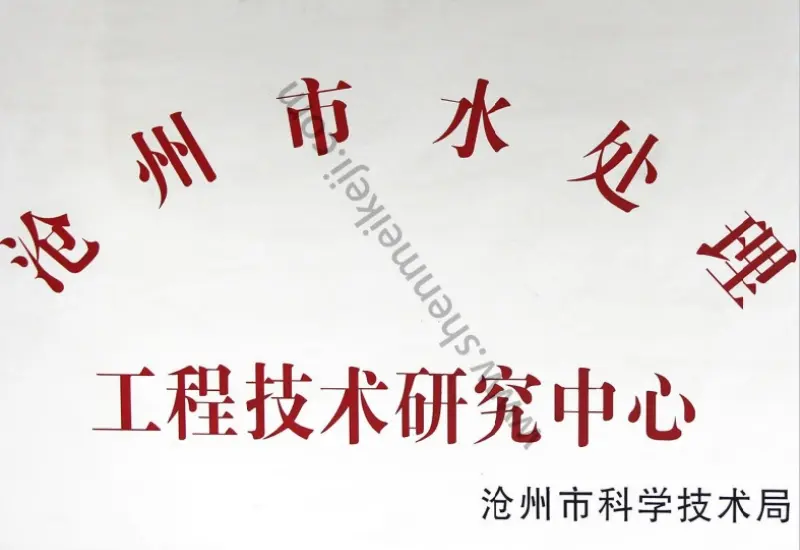
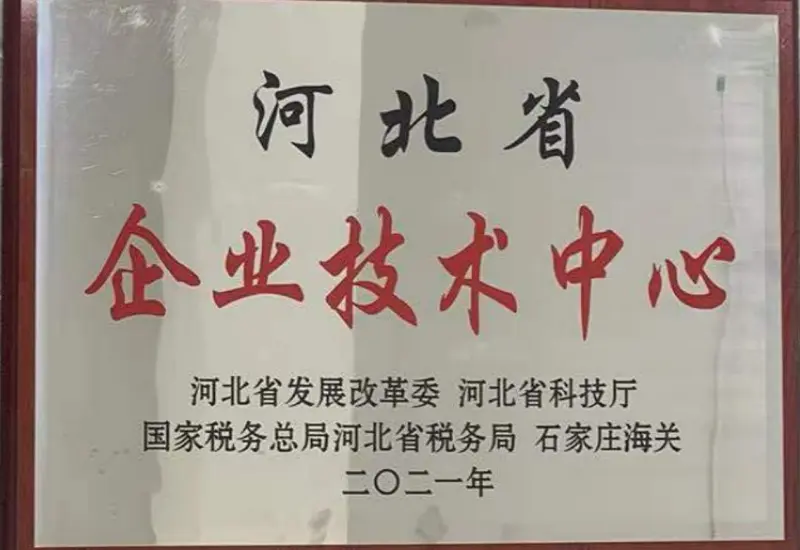
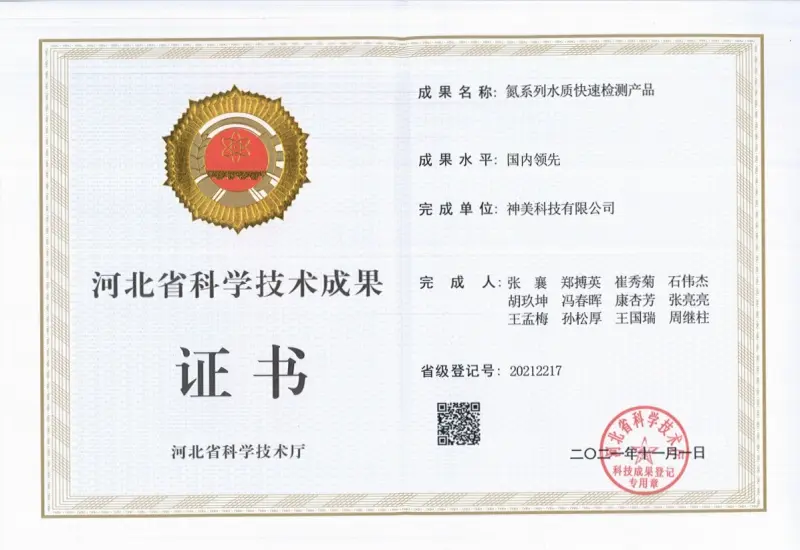
We operate an advanced R&D framework consisting of "one academy, three research institutes, and five bases." Smedic has established several provincial R&D platforms, including the Hebei Provincial Enterprise Technology Center and the Advanced Water Treatment Chemicals Technology Innovation Center, recognized as a Class A R&D institution.
We work in collaboration with research institutions, including joint laboratories with Tsinghua University Association of Senior Scientists and Technicians, Shandong University, Beijing University of Technology, Peking University, and Tianjin University. This network supports our continuous innovation in environmental polymers.
Patent Portfolio: Smedic holds over sixty Chinese patents, including more than forty invention patents and over twenty utility model patents.
National Standards: We have led the drafting of more than ten national and industry standards for chemical agents, including composite carbon sources, sodium acetate, and bacterial agents.
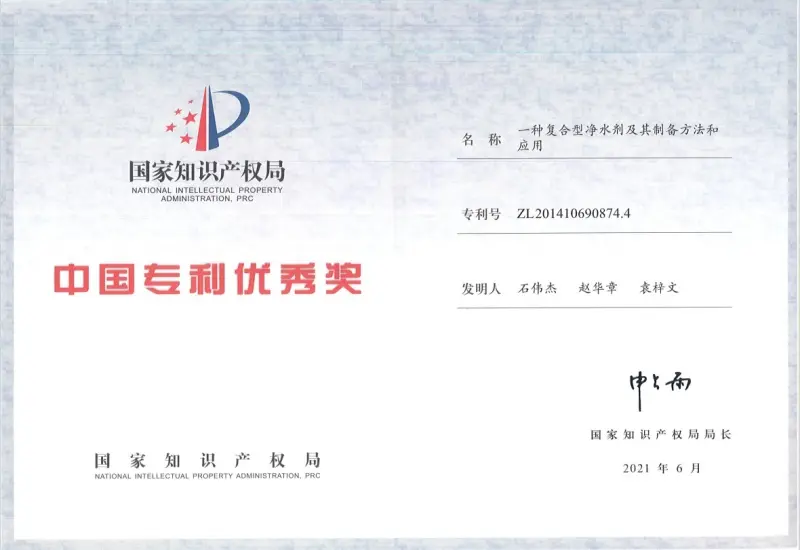
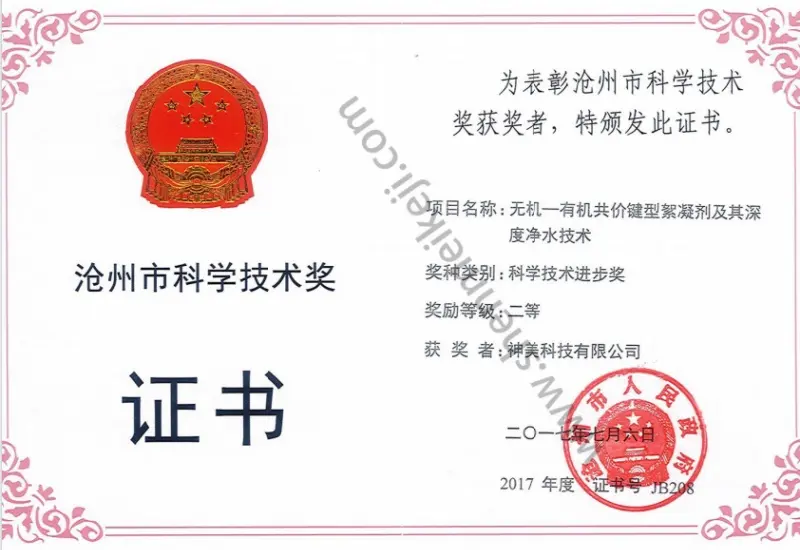
Industry Awards: Awarded the 22nd China Patent Award and named a "Leading Brand of Advanced Wastewater Treatment Chemicals" by China Water Network for four consecutive years.
A journey of technological progress, facility expansion, and strategic partnerships.
Smedic was founded, establishing R&D laboratories for environmental polymer synthesis and custom flocculant manufacturing.
Established a product portfolio for municipal wastewater treatment, expanding into public utility supply networks.
Officially recognized as a Key National High-Tech Enterprise, driven by new patents for polymer flocculants.
Established a production base for water treatment chemicals in Guiyang to serve southern China and regional export routes.
Expanded production bases in Hebei, Shandong, and Guizhou, raising our annual capacity to over 1 million tons.
Recognized as a National Specialized, Refined, Unique and Innovative Small and Medium-sized Enterprise.
Established a provincial-level R&D platform in Hebei, focusing on advanced water purification chemicals.
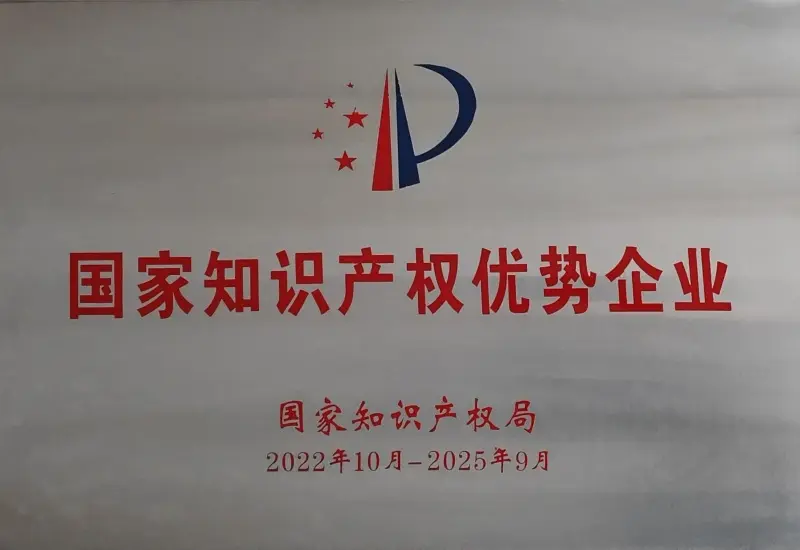
Recognized as a National Intellectual Property Advantage Enterprise with over 60 active patents.
Partnered with the Chengdu Institute of Mineral Comprehensive Utilization, China Geological Survey, to develop specialized mineral processing reagents.
Key criteria for procurement managers sourcing industrial-grade Non-Ionic Polyacrylamide.
Industrial applications require specific molecular weight thresholds. NPAM typically ranges from 5 to 15 million Daltons. EOR operations often require high molecular weights (>12 million) for viscosity modification, while mineral processing may require medium molecular weights (8-10 million) to match slurry filtration systems.
Insoluble matter can clog chemical dosing pumps and block process filters. High-quality NPAM from automated production lines maintains an insoluble content of <0.1%. Dissolution times should be kept below 60 minutes in standard conditions to maintain process throughput.
Although termed non-ionic, synthetic polyacrylamides can contain minor anionic charges from monomer side-reactions. Real non-ionic polyacrylamide must maintain a degree of hydrolysis (HD) under 3% (typically <1%) to ensure stable performance in high-salinity and low-pH conditions.
Key trends driving the next generation of industrial flocculants and coagulants.
Research is shifting toward incorporating plant-derived backbones (such as starch, cellulose, or chitosan) into polyacrylamide structures. The goal is to produce hybrid polymers that provide high flocculation efficiency while improving bio-degradability in industrial sludge.
Regulatory agencies, such as the EPA and ECHA, are lowering the limits for residual acrylamide monomer (AMD) in water treatment additives. Future production focuses on optimizing polymerization and post-treatment to reduce residual monomer levels below 200 ppm for sensitive environments.
Water treatment facilities are shifting toward automated feed systems that utilize real-time turbidity and zeta-potential sensors. These systems adjust polymer dosing dynamically to maintain water quality, reduce chemical waste, and lower operational costs.
Common technical and operational questions regarding Non-Ionic Polyacrylamide applications.
Browse our complete range of scale inhibitors, pure sodium acetate, specialized polymers, and coagulants manufactured for global distribution.
Get customized formulations, technical support, and reliable logistics for your industrial water treatment and mining needs.
Request Technical Quotation & SDS Smedic Tech