 Smedic Tech
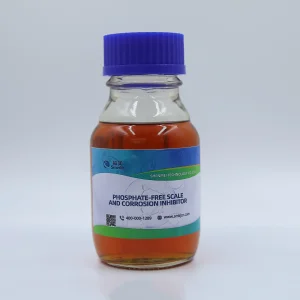
Explore our core selection of chemical additives engineered for heavy metal separation, defoaming, and membrane scaling prevention.
Aluminum III Sulfate, commonly referred to inside modern industrial facilities as Alum or Aluminum Sesquisulfate, remains a foundational chemical reagent utilized globally for colloidal aggregation. Known by its IUPAC designation and represented by the chemical formula Al₂(SO₄)₃, this inorganic salt functions primarily as an aggressive coagulant. In aqueous media, its dissociation releases highly charged trivalent aluminum ions (Al³⁺). These ions are exceptionally active in neutralizing negatively charged suspended particulates—such as clays, organic detritus, and microbial matrices—subsequently facilitating rapid phase separation.
Al₂(SO₄)₃ · 14H₂O + 3Ca(HCO₃)₂ → 2Al(OH)₃↓ + 3CaSO₄ + 6CO₂↑ + 14H₂O
When introducing solid or liquid-phase Aluminum III Sulfate to raw influent water, a cascade of complex chemical reactions initiates instantaneously. The primary pathway is temperature and pH-dependent. The Al³⁺ ions rapidly undergo hydration to yield hexaaquaaluminum complexes: [Al(H₂O)₆]³⁺. Subsequently, these complexes undergoes sequential deprotonation, leading to polymeric hydroxyl-aluminum complexes such as:
These cationic polymers act as dynamic molecular bridges that adsorb onto the surfaces of electronegative colloidal impurities, collapsing their electrostatic double-layer. Once the negative zeta potential is successfully driven near zero, van der Waals forces dominate. This initiates the rapid aggregation of micro-flocs. At higher concentrations, the solid precipitate Al(OH)₃ (aluminum hydroxide) forms a gelatinous, amorphous mesh that physically sweeps remaining trace particles out of suspension. This process is commonly called "Sweep Flocculation".
For supply chain coordinators, strategic procurement of OEM Aluminum III Sulfate requires strict adherence to technical parameters to minimize chemical cost per cubic meter of treated water. Buyers must balance logistics cost against product purity.
Key specifications for standard commercial-grade versus high-purity iron-free grade Aluminum Sulfate include:
Powder, Flakes, Crystals, Kibbled, Liquid Solution
AWWA B403-16, NSF/ANSI Standard 60, GB/T 1893-2008, ISO 9001
Smedic's high-purity crystallization process reduces residual insolubles by 40% compared to typical rotary kiln processes, protecting chemical feed pumps from abrasive wear.
Empirical evidence, certified capacities, and production volume establishing our role as a leading manufacturer.
Analyzing the performance of Aluminum III Sulfate across diverse commercial and manufacturing sectors.
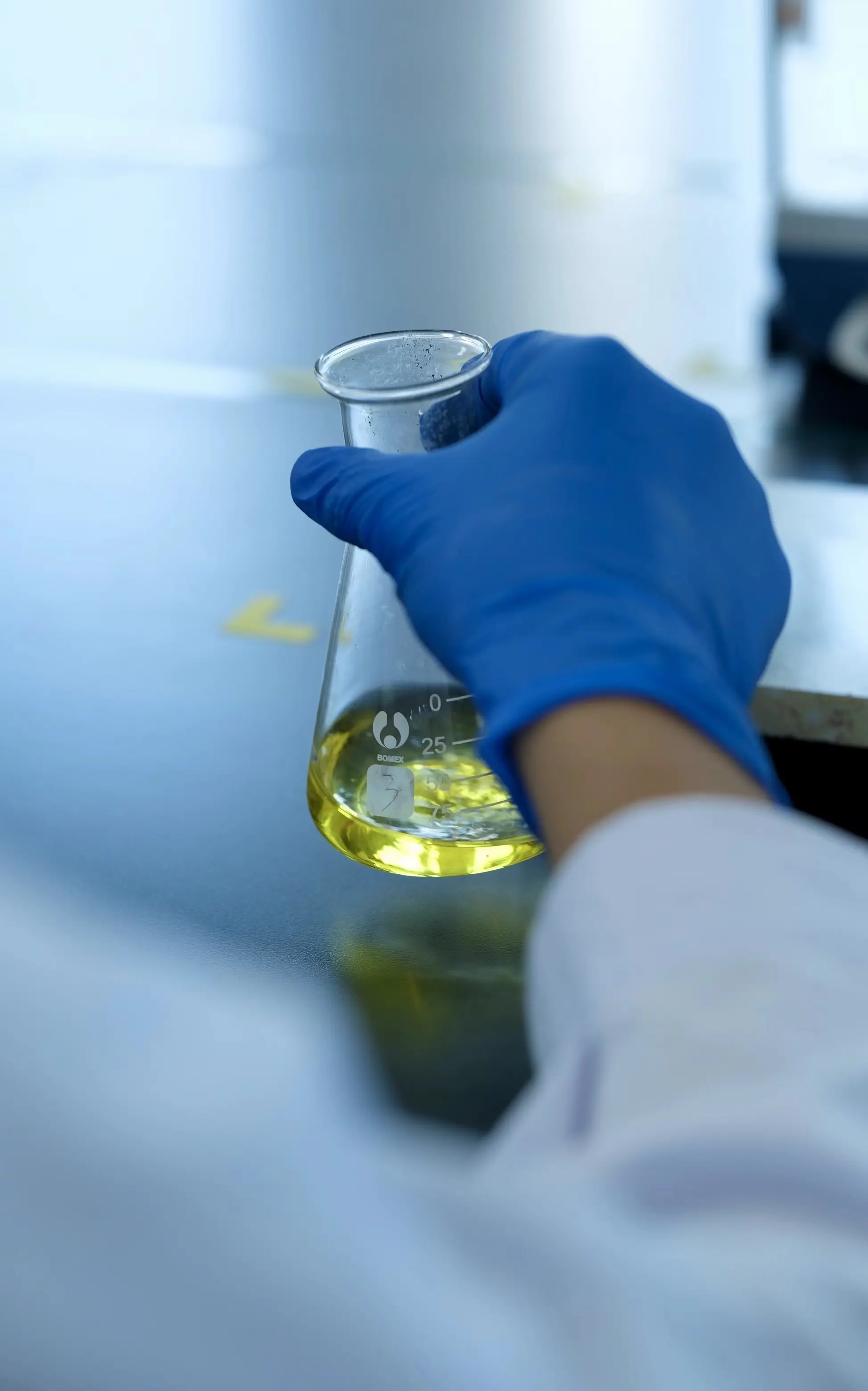
In the paper sector, Aluminum III Sulfate is essential for rosin sizing under acidic to neutral conditions (pH 4.5 to 5.5). The hydrated aluminum species interact with negatively charged cellulose fibers and rosin size emulsions to form a hydrophobic aluminum-rosin complex.
This complex binds directly to the fiber surface, providing water resistance to the final paper. Additionally, our iron-free grade prevents yellowing and preserves the optical brightness of high-end graphical paper sheets.
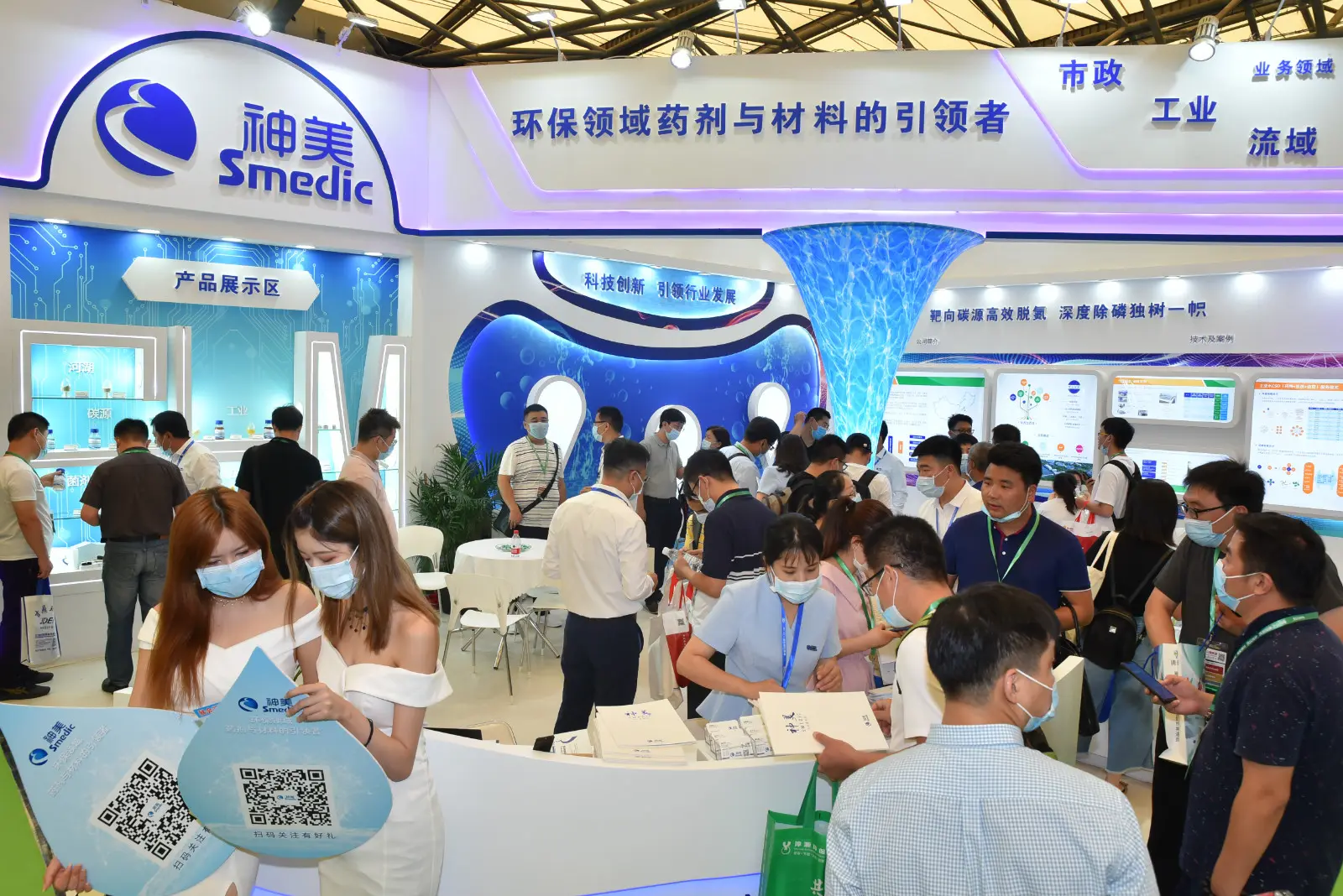
Under stringent environmental discharge regulations, removing soluble orthophosphates is key to preventing eutrophication in receiving water bodies. Aluminum III Sulfate precipitates dissolved phosphorus directly from wastewater:
Al³⁺ + PO₄³⁻ → AlPO₄↓ (Ksp = 9.84 × 10⁻²¹)
This chemical reaction forms insoluble aluminum phosphate flakes, which are removed via clarifiers or dissolved air flotation (DAF) systems. This mechanism helps municipal facilities achieve total phosphorus (TP) levels below 0.5 mg/L.
Established in 2011, Smedic Technology Co., Ltd. has developed into a comprehensive provider of environmental agents. Our capabilities span research and development, manufacturing, logistics, and technical consulting.
Headquartered in Beijing, Smedic operates manufacturing bases in Hebei, Guizhou, and Shanxi, supported by over ten OEM partner facilities and regional warehouses in Shandong, Shanxi, Anhui, Guangxi, and Sichuan. This regional distribution network enables prompt delivery to municipal water plants and industrial clients nationwide.
We manage a total daily treatment capacity exceeding 20 million tons across more than 600 municipal sewage treatment plants and over 1,000 industrial clients. This demonstrates our capacity to support large-scale water treatment networks.
Smedic Technology established with a focus on specialized water treatment research.
Established a comprehensive product portfolio for municipal wastewater treatment applications.
Opened the Guizhou production base, expanding service coverage in southwest regions.
Expanded production bases across major provinces, bringing total capacity to over 1 million tons annually.
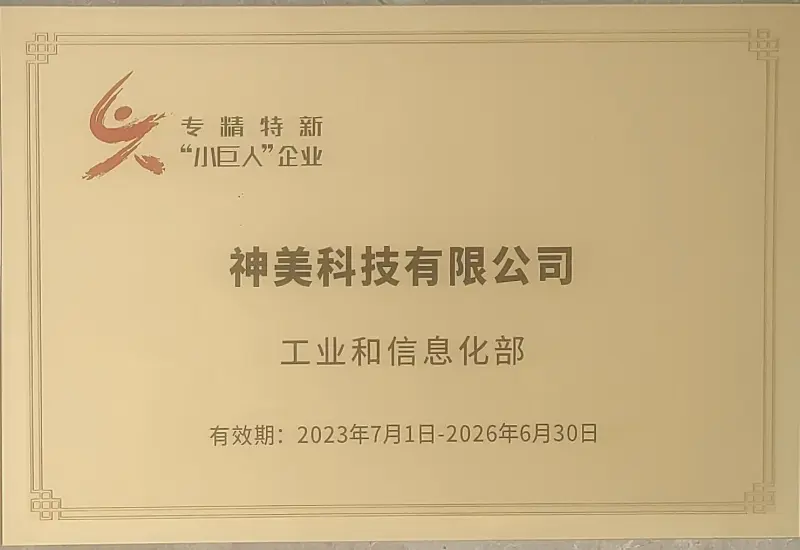
Recognized as a National Specialized, Refined, Unique, and Innovative "Little Giant" Enterprise.
Formed a joint venture with the Chengdu Institute of Mineral Comprehensive Utilization, China Geological Survey, to develop specialized mineral processing agents.
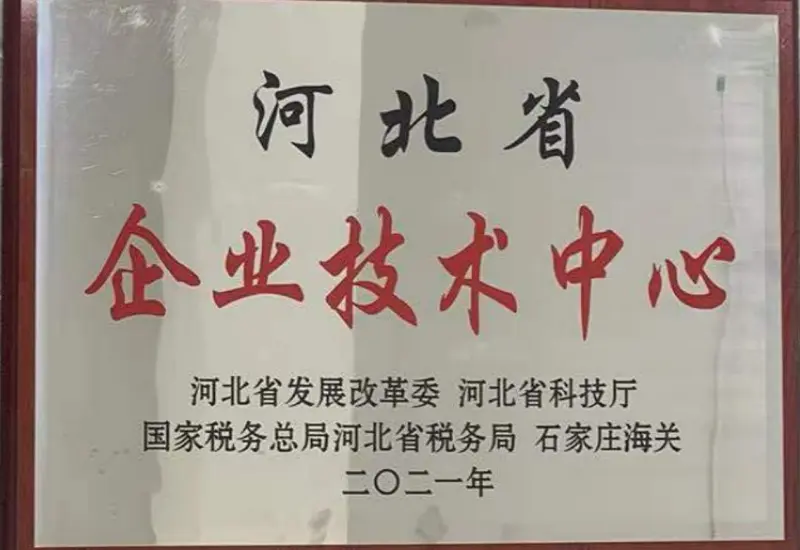
Smedic maintains a provincial-level R&D platform, the Hebei Advanced Water Treatment Chemicals Technology Innovation Center, and a Class-A R&D laboratory.
Tsinghua University Association of Senior Scientists, Shandong University, Beijing University of Technology, Peking University, and Tianjin University.
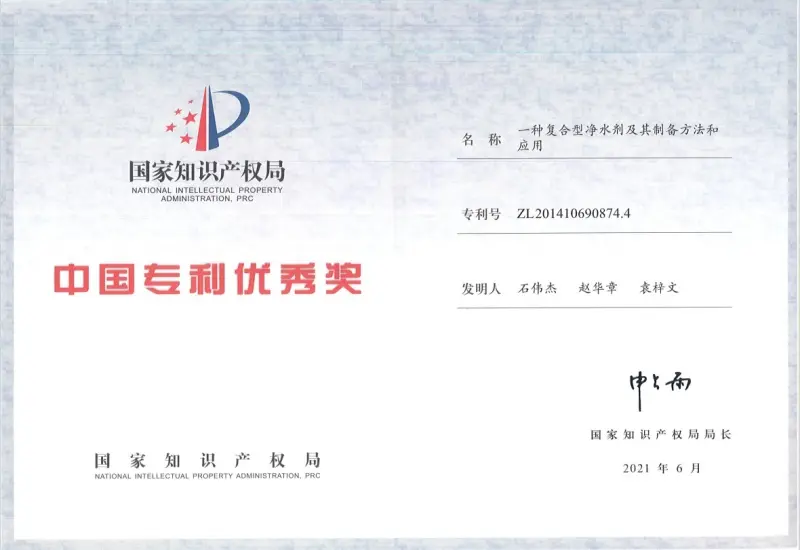
22nd China Patent Award, First Prize for Technological Invention from the China Petrochemical Industry Association.
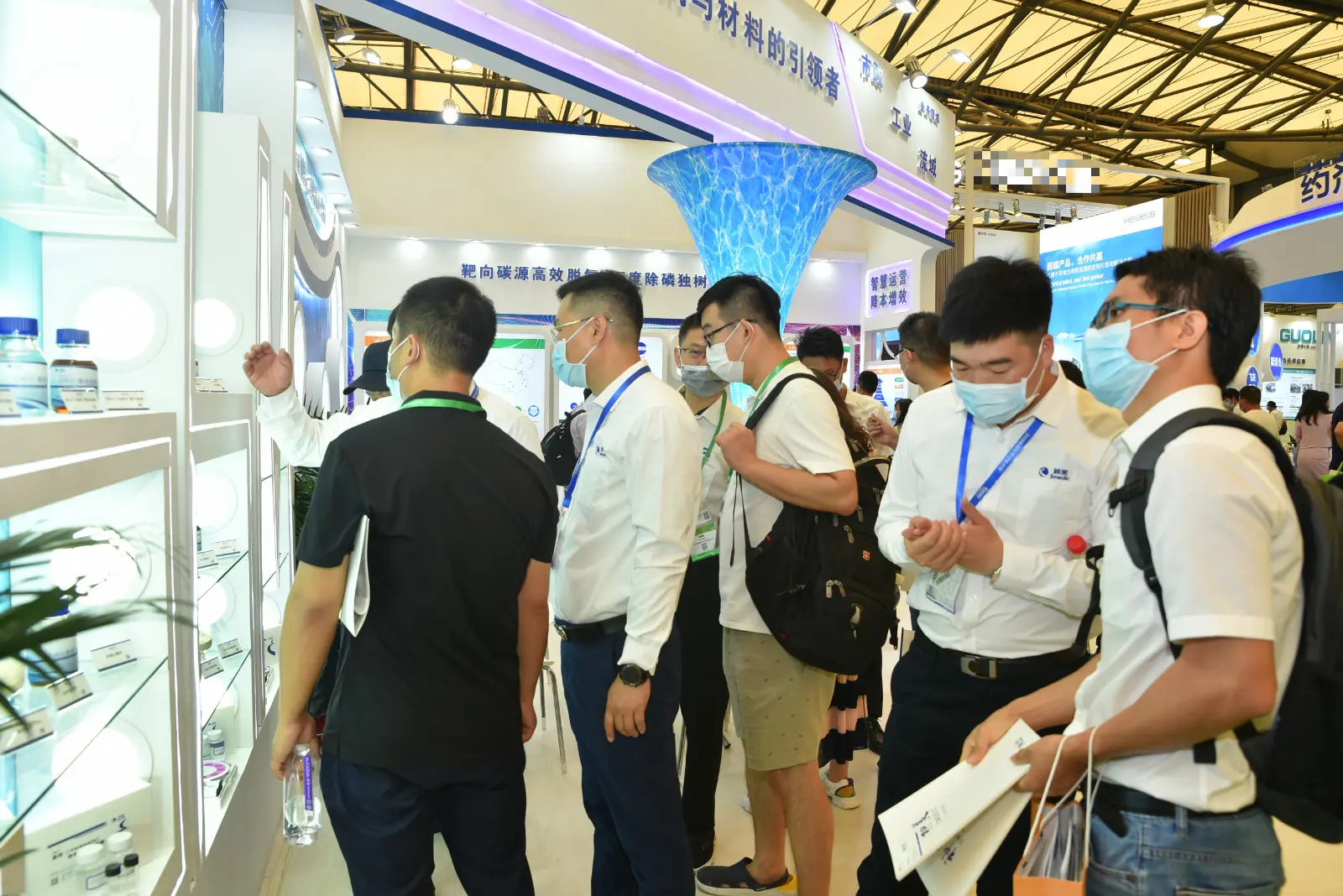
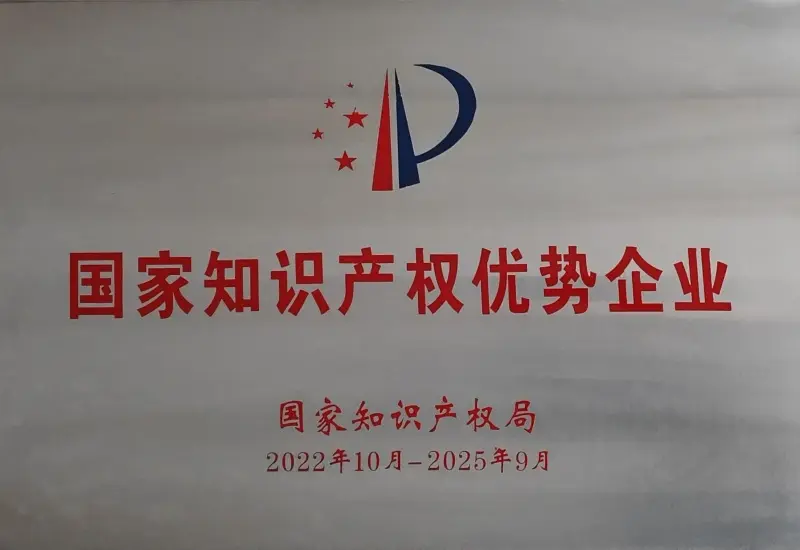
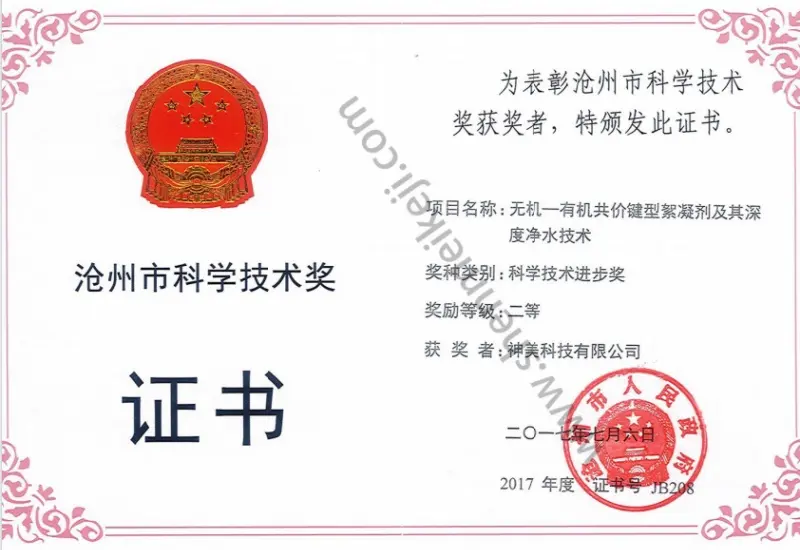
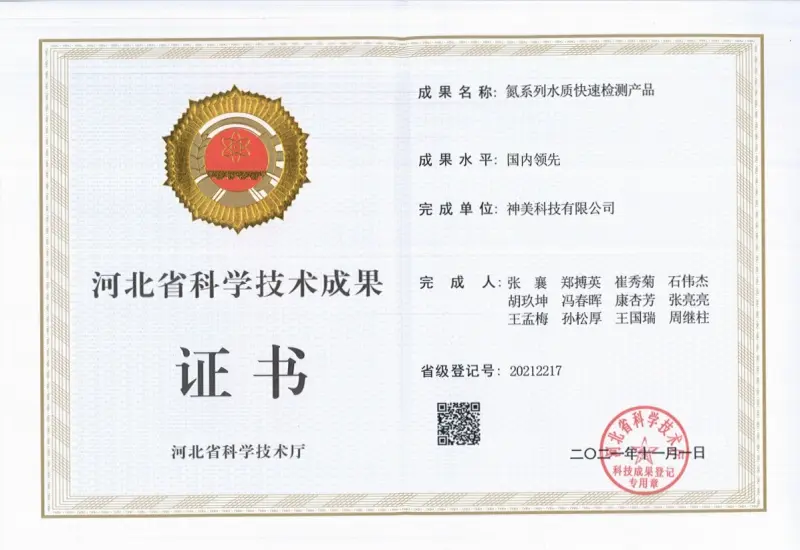
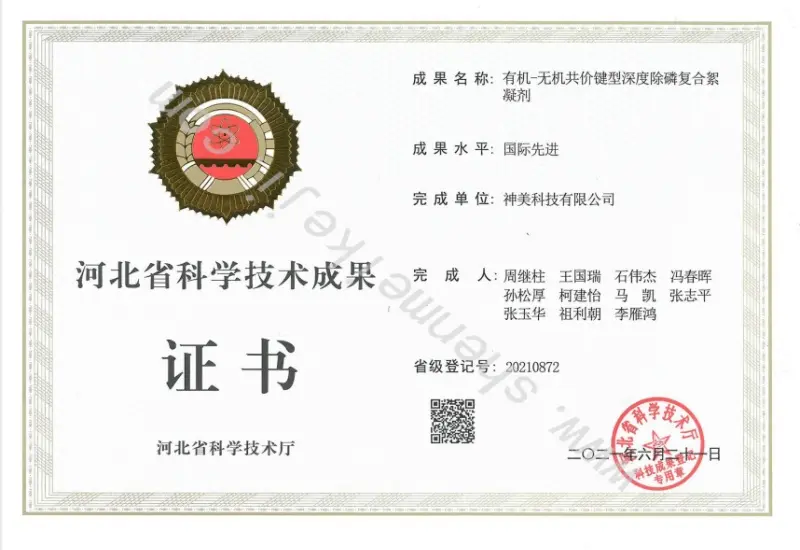
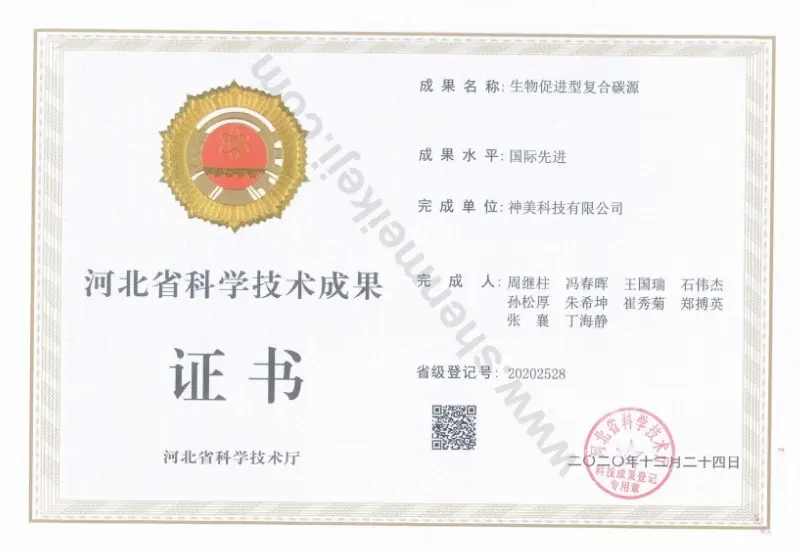
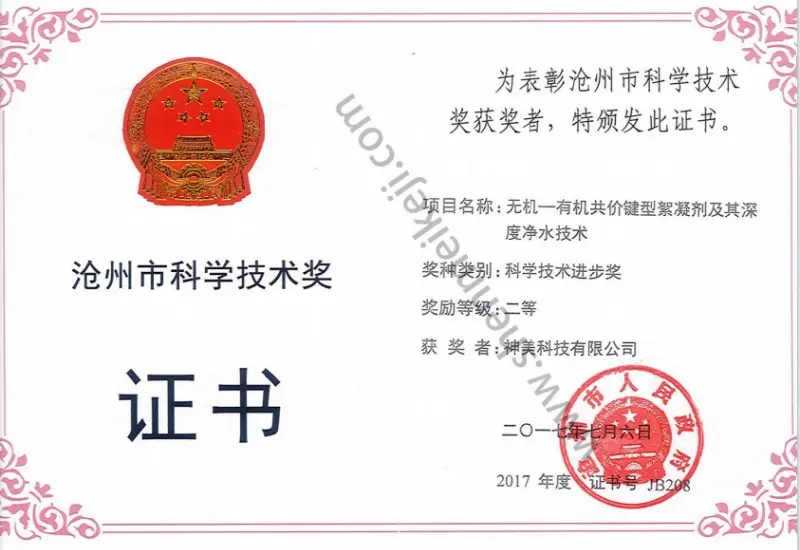
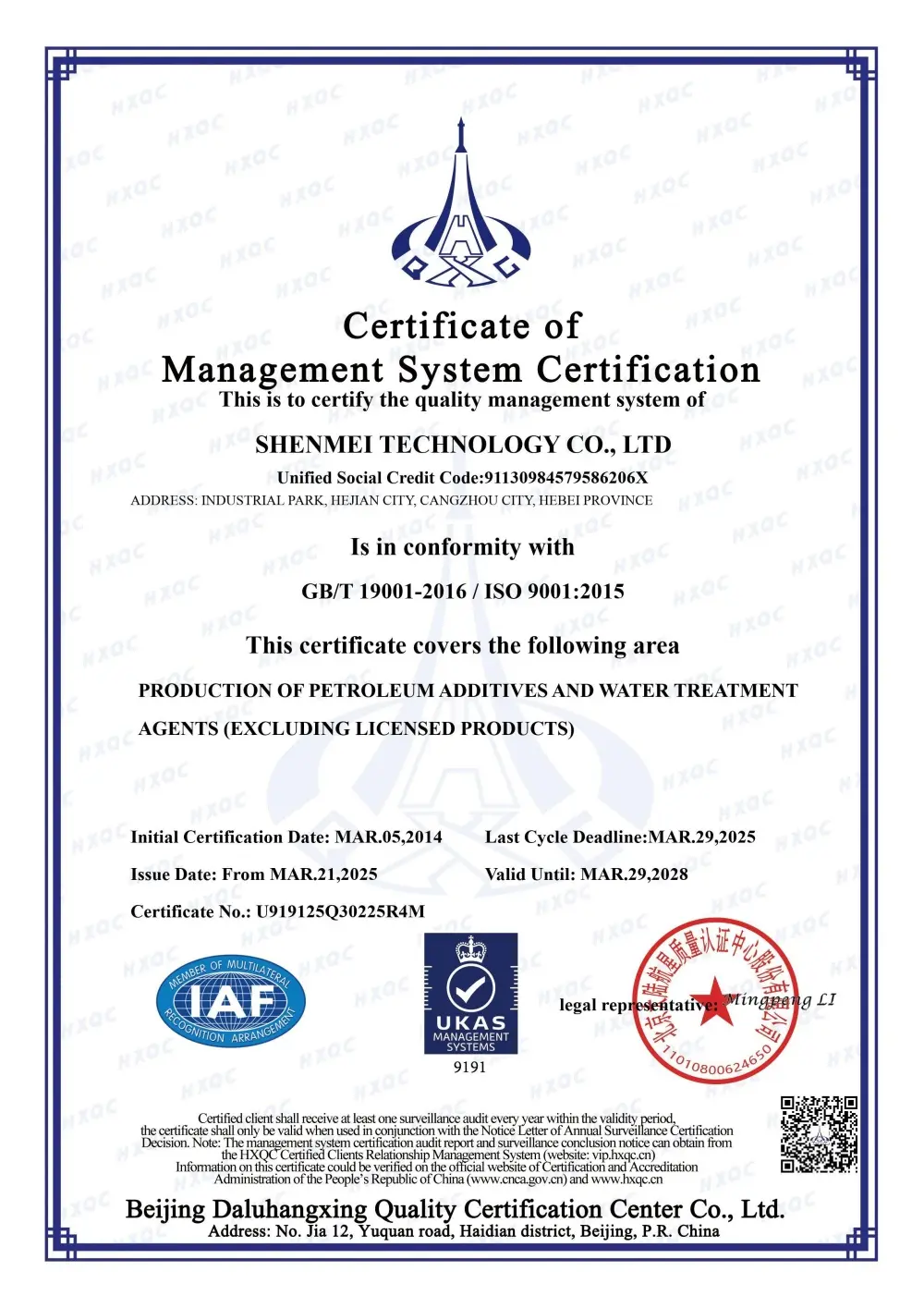
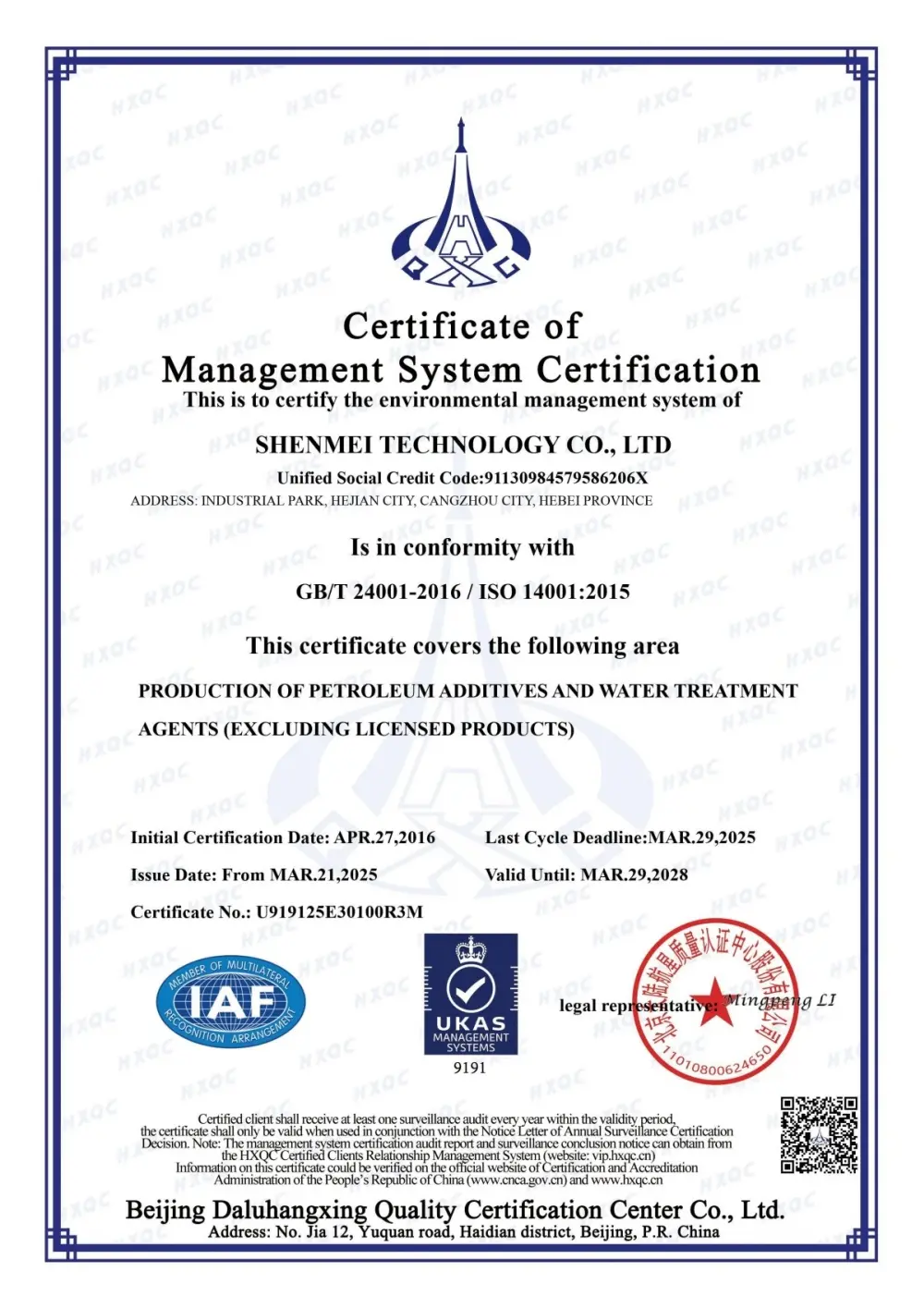
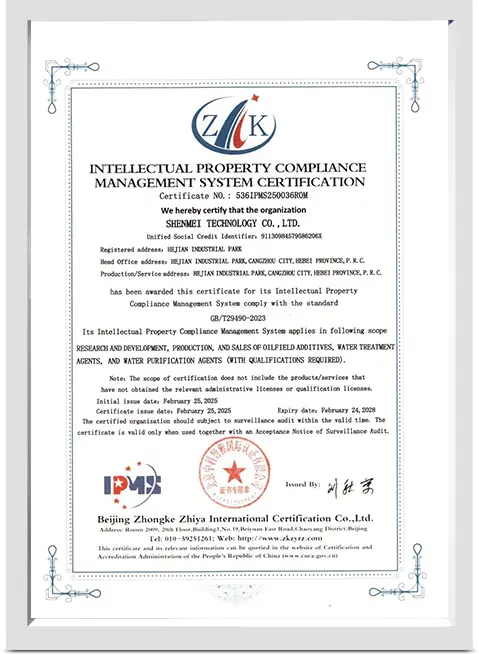
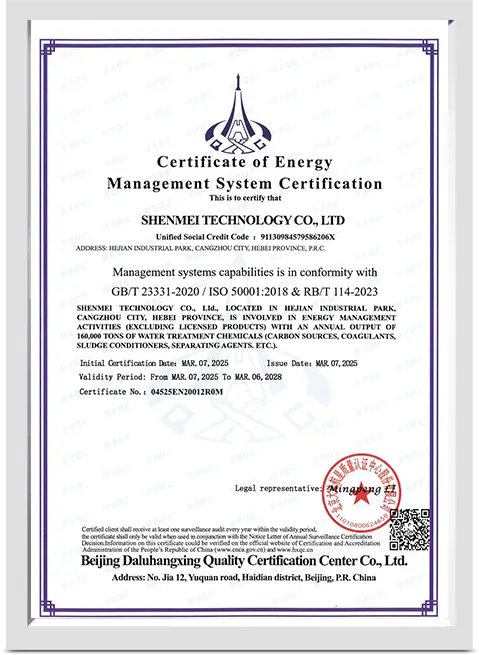
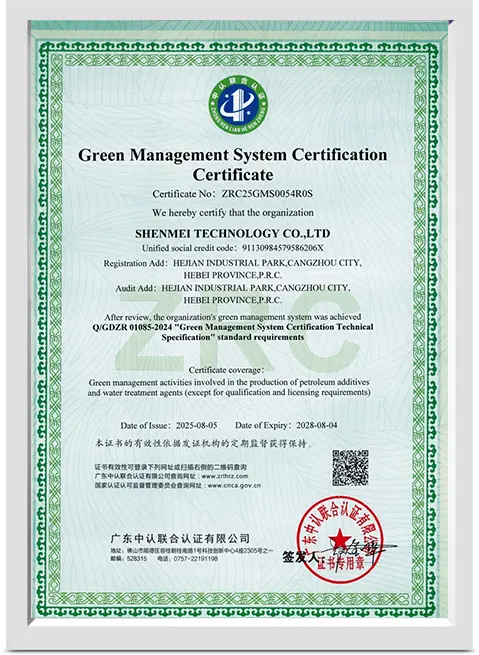
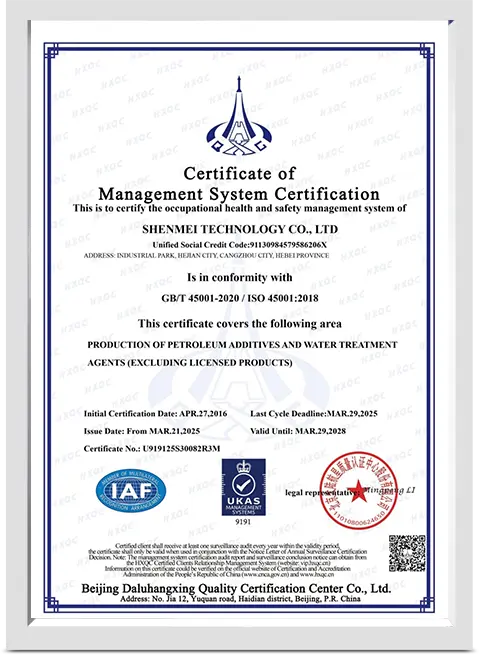
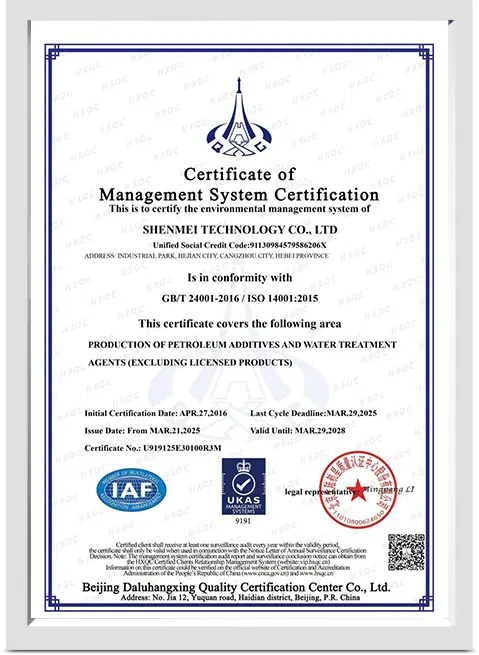
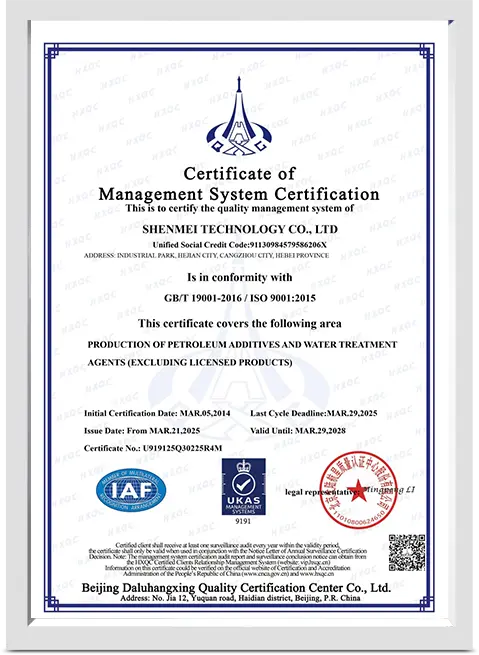
Our production facilities maintain certifications for export, safety, and strict quality control.

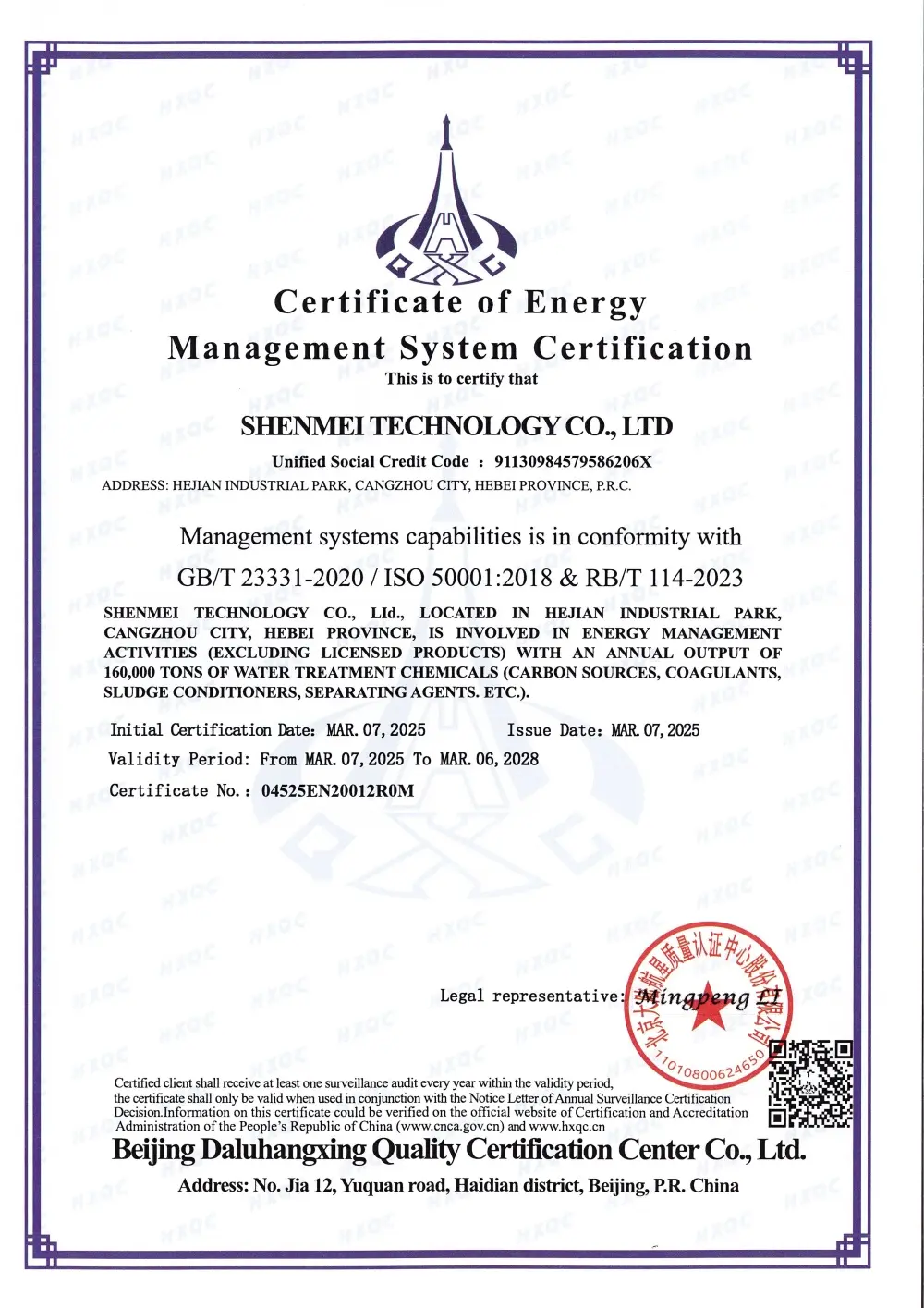
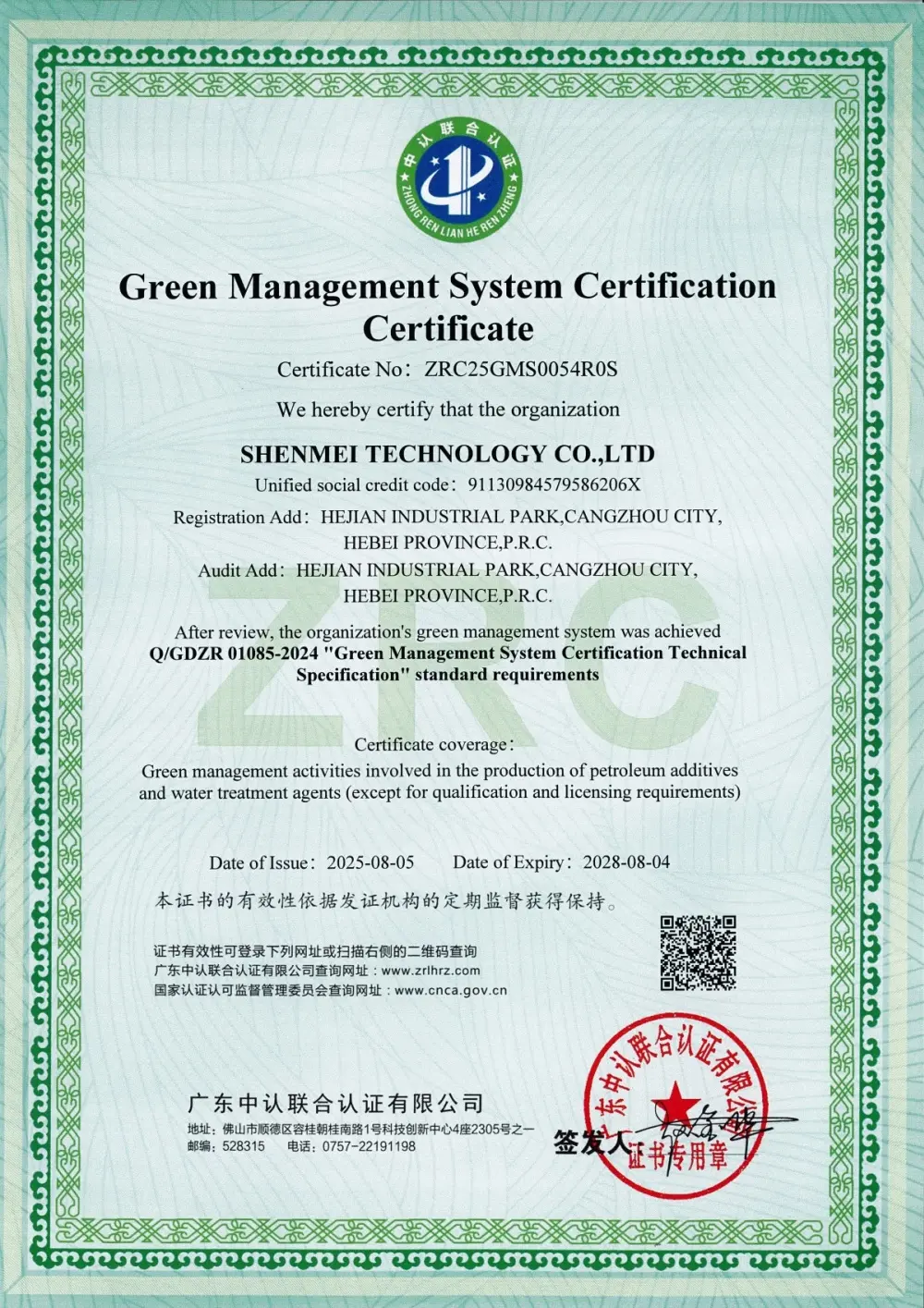
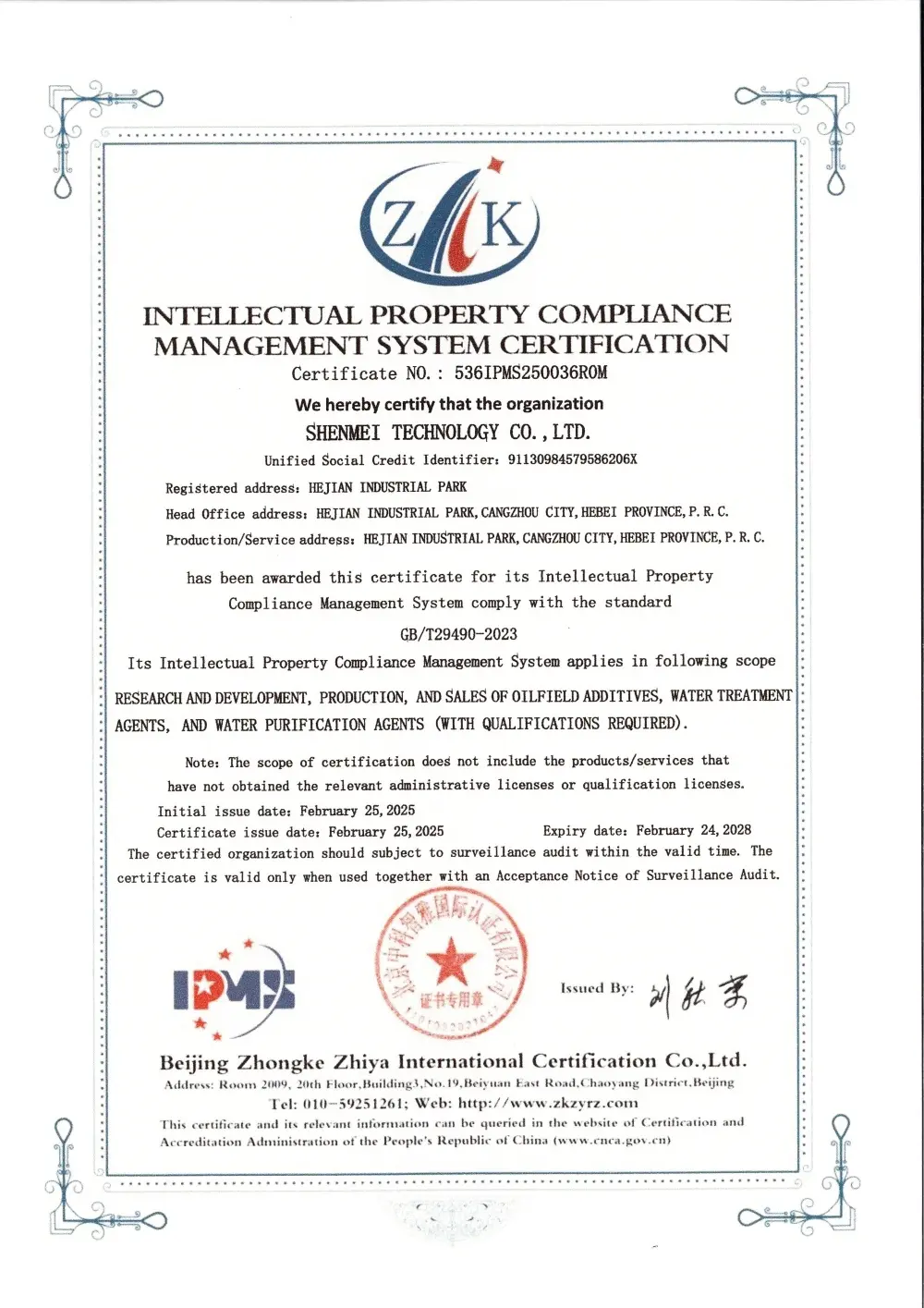
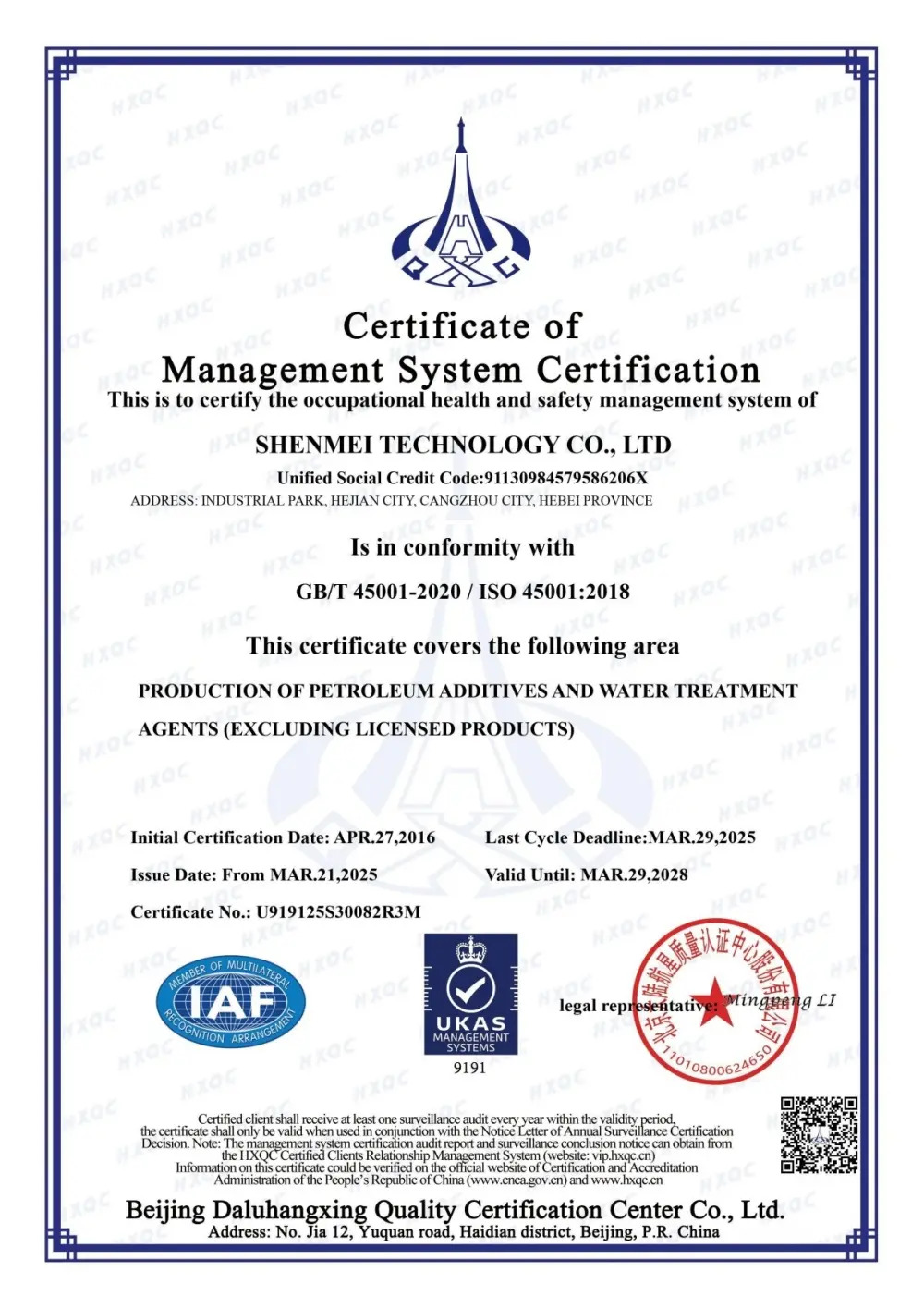
Comprehensive environmental agents customized for regional parameters and plant designs.
 Carbon Sources & Nutrient Agents
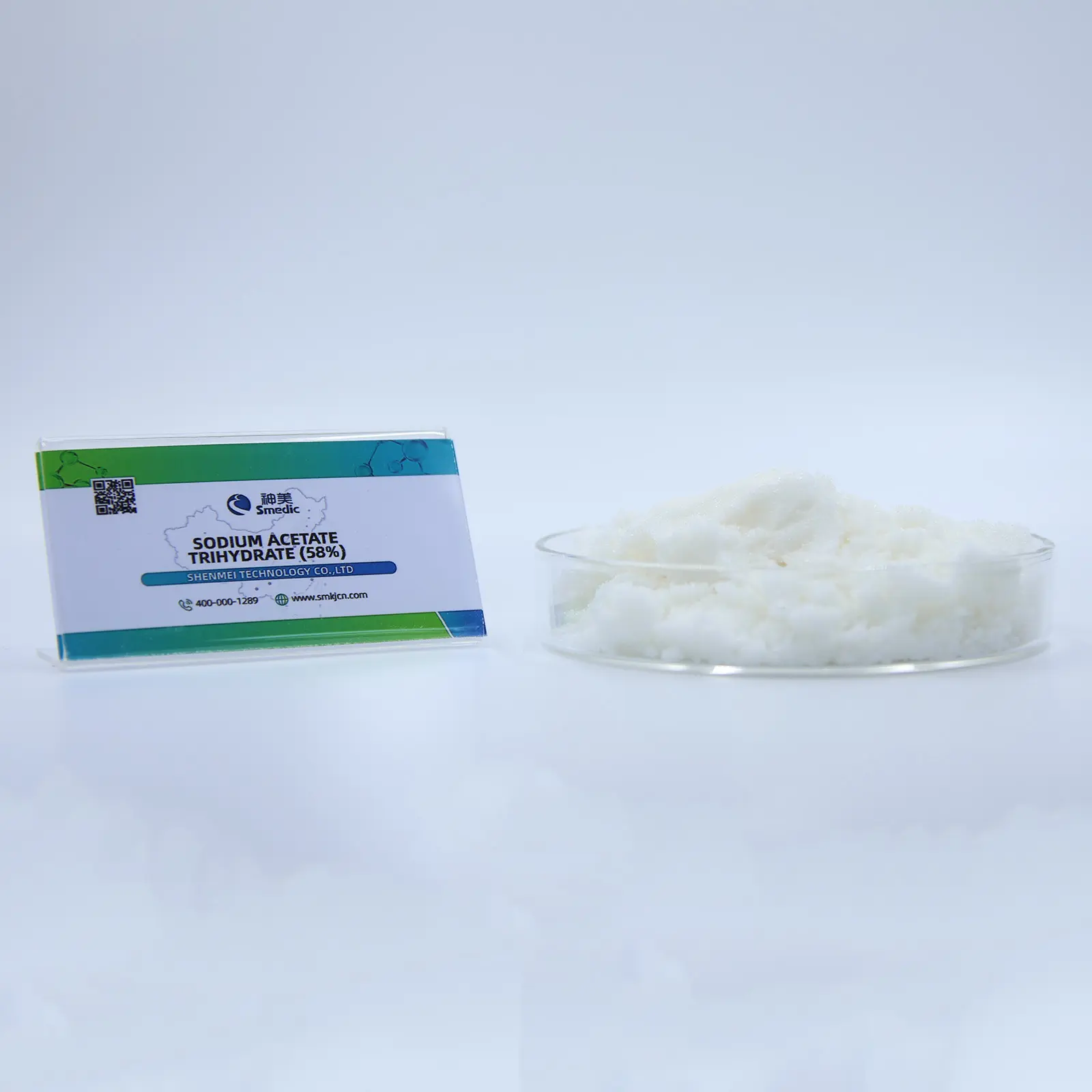
High-purity solid sodium acetate and biological composite carbon formulations. Essential for biological denitrification filters in modern A/O and A2/O plants.
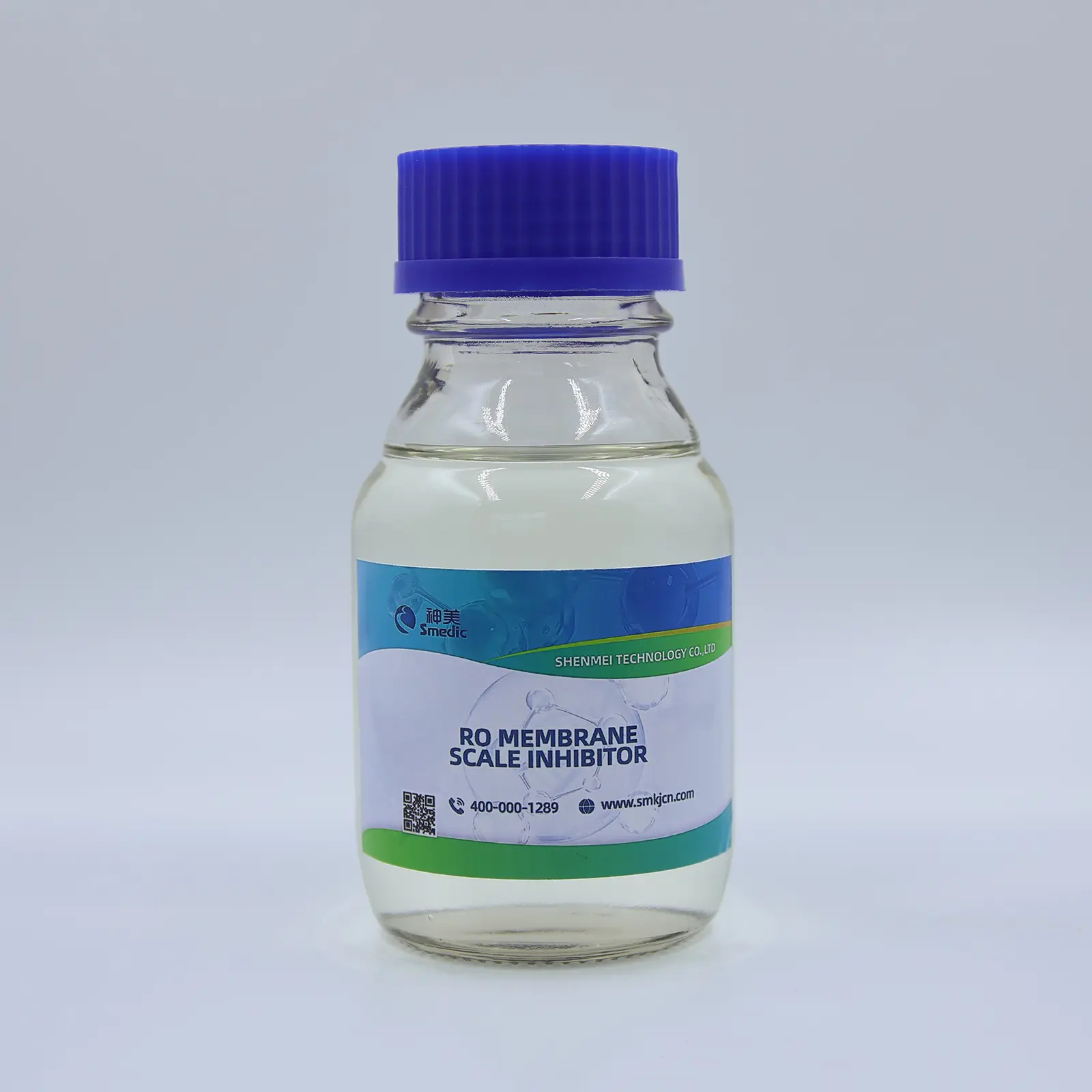 Reverse Osmosis Antiscalants
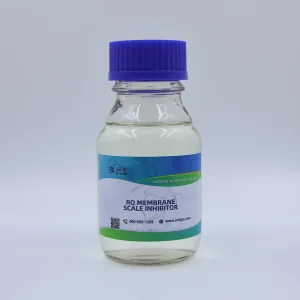
OEM chemical formulations engineered to prevent carbonate, sulfate, and silica scaling on polyamide composite membranes, extending run time.
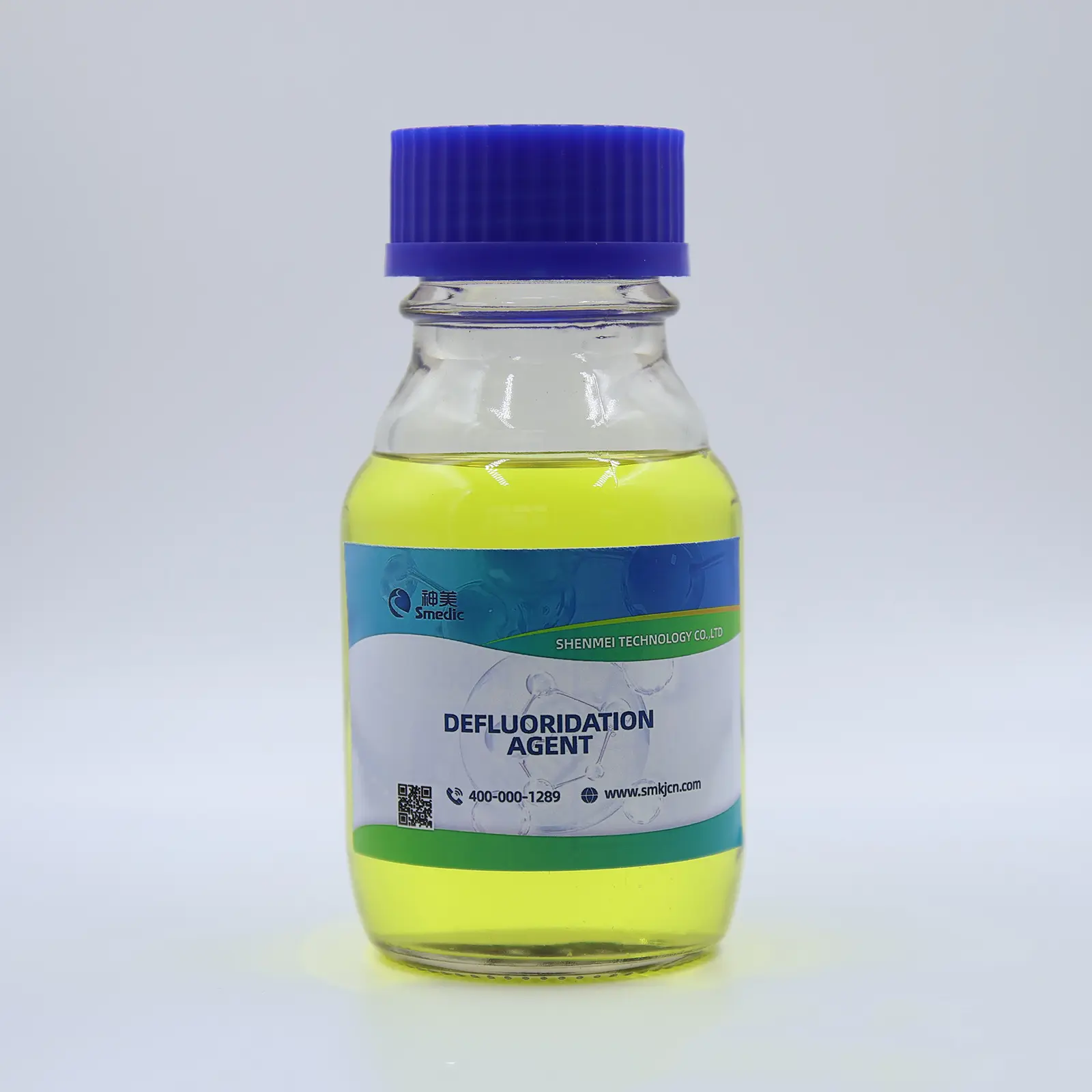 Specialized Flocculants
Polymer-based agents for fluoride removal, heavy metal precipitation, and sludge dewatering, optimized for industrial wastewater treatment.
Technical guidance for chemical process engineers and procurement teams handling Aluminum III Sulfate.
The optimal coagulation range for Aluminum Sulfate is pH 5.5 to 7.0. Within this window, the solubility of aluminum is minimized, promoting the formation of insoluble aluminum hydroxide [Al(OH)₃] flocs. Operating below pH 5.0 can leave soluble aluminum ions (Al³⁺) in the treated water, which may increase turbidity. Operating above pH 7.5 can form soluble aluminate ions [Al(OH)₄⁻], leading to residual aluminum carryover into effluent lines.
Low temperatures (below 5°C) reduce the rate of alum hydrolysis, slowing the formation of polymerized cationic bridges. In addition, water viscosity increases at low temperatures, slowing floc settling rates. To maintain efficiency in cold climates, operators can adjust pH targets, extend settling retention times, or add cationic polyacrylamides (CPAM) as a flocculant aid.
Liquid Alum (7.5%–8.2% Al₂O₃) is delivered ready to feed, reducing dust and mixing labor. However, liquid storage tanks must be acid-resistant (e.g., fiberglass or rubber-lined steel) and insulated in cold regions to prevent crystallization. Solid Alum (flakes or powder, ~17% Al₂O₃) has a lower transport weight per unit of active alumina, making it more cost-effective for long-distance shipping. It must be dissolved on-site using chemical batch tanks.
We source high-purity aluminum hydroxide and synthetic sulfuric acid, avoiding industrial byproduct acids that can introduce heavy metal contaminants. Each production run undergoes testing for Arsenic (As), Lead (Pb), and Cadmium (Cd) via Inductively Coupled Plasma Mass Spectrometry (ICP-MS), ensuring compliance with international drinking water treatment chemical standards (NSF/ANSI 60).
Liquid Aluminum Sulfate is acidic (pH ≤ 2.0). Unloading personnel must wear appropriate personal protective equipment (PPE), including chemical-resistant splash goggles, face shields, acid-resistant gloves, and safety boots. Storage tank vents must remain unobstructed to prevent over-pressurization during chemical transfers.
Explore our industrial-grade organic and inorganic defoaming agents, specialty polymers, and advanced coagulants.