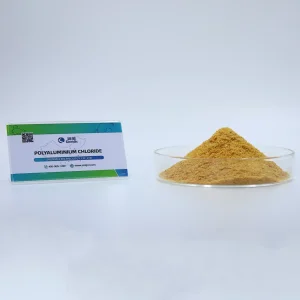
Direct supply paths from certified production bases, engineered for municipal sewage and complex industrial wastewater treatment.
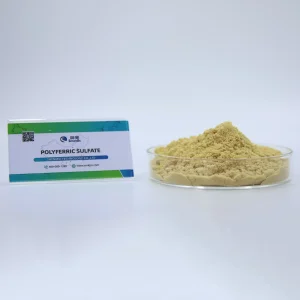
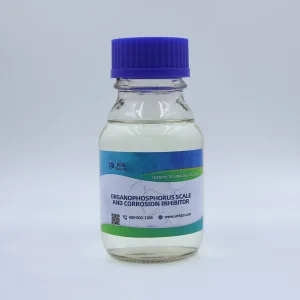
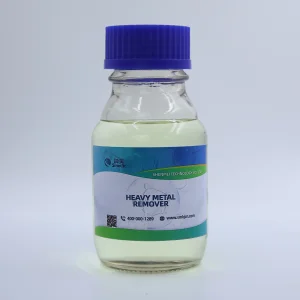
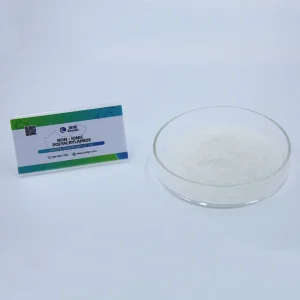
Polymeric Ferric Sulfate (PFS), chemically defined by the structural formula [Fe2(OH)n(SO4)3-n/2]m, is a highly efficient inorganic polymer coagulant. Unlike conventional monomeric salts such as aluminum sulfate or ferric chloride, PFS undergoes a sophisticated polymerization process that yields a complex molecular network of poly-nuclear hydroxyl-iron complexes. These structures carry high positive charges, making them exceptionally effective at neutralizing the negative electrostatic charges typical of colloidal impurities suspended in wastewater.
The fundamental advantage of PFS lies in its superior performance parameters relative to pH tolerance, temperature resilience, and sludge production. While aluminum-based coagulants are sensitive to colder temperatures—often showing severely reduced kinetics below 10°C—polymeric iron-based configurations maintain high precipitation velocities and floc stability. This molecular robustness reduces the required chemical dosages, minimizing residual metals in treated effluents and significantly decreasing the overall chemical footprint of processing facilities.
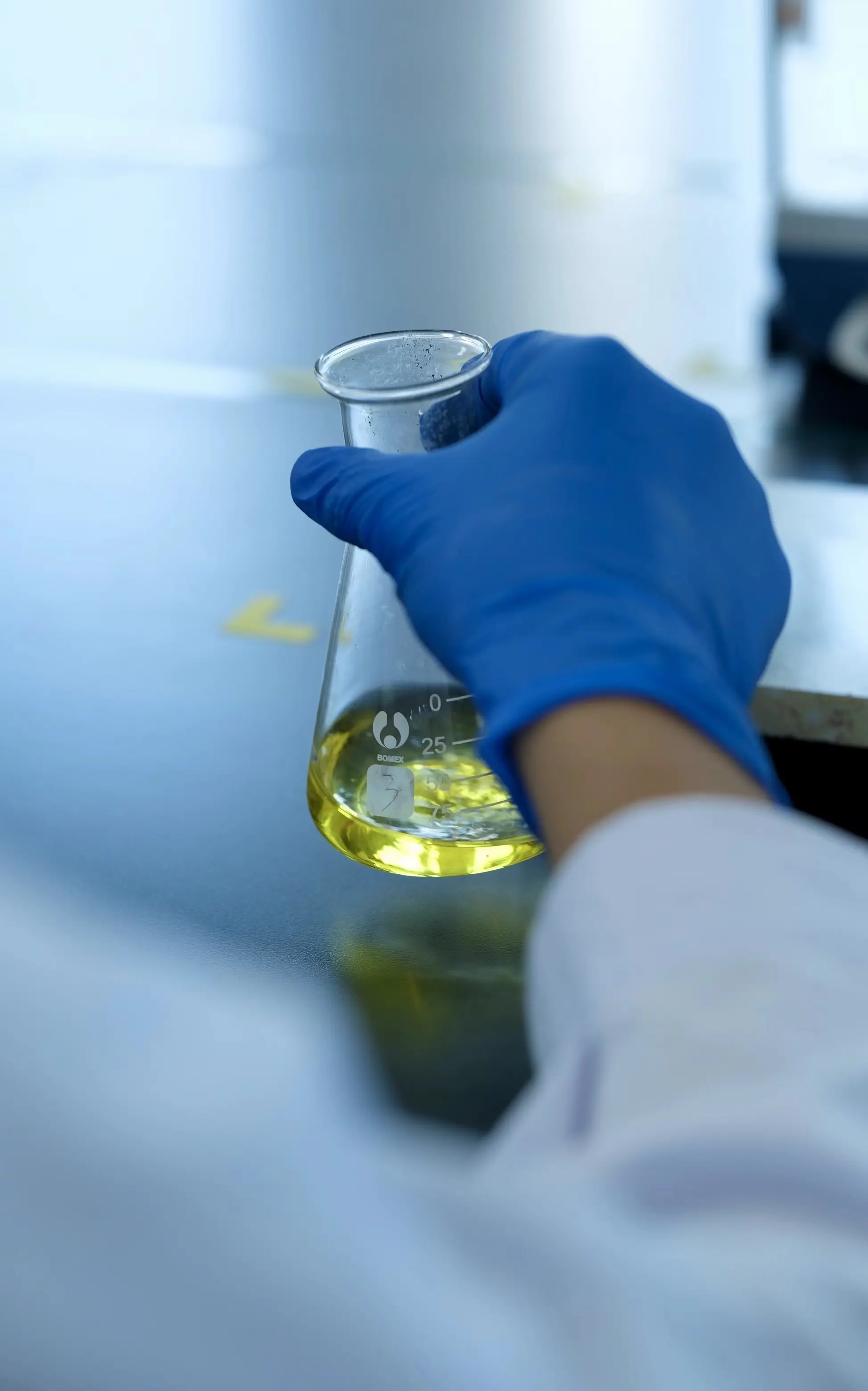
A data-backed comparison highlighting operational efficiencies, sludge generation rates, and kinetic values.
| Performance Metrics | Polymeric Ferric Sulfate (PFS) | Polyaluminum Chloride (PAC) | Ferric Chloride (FeCl3) |
|---|---|---|---|
| Hydrolysis Speed & Floc Formation | Rapid; dense, heavy flocs with high sedimentation velocity. | Moderate; lighter flocs requiring flocculant aids. | Slow; sensitive to temperature and shear stress. |
| Sludge Density & Volume | Low volume, high compaction, excellent dewatering. | High volume, gel-like sludge, difficult to dewater. | Moderate volume, corrosive properties during processing. |
| pH Operating Window | Broad tolerance (pH 5.0 to 11.0). | Narrow tolerance (pH 6.0 to 8.5). | Moderate tolerance (pH 6.0 to 10.0). |
| Heavy Metal Removal Capacity | Excellent (co-precipitates Cr, Pb, Cd, As). | Poor to moderate heavy metal adsorption. | Moderate, but highly corrosive to pipelines. |
| Cod & Phosphorus Removal | Up to 90% orthophosphate; high COD reduction. | Up to 70% orthophosphate removal. | Varies; requires rigorous pH adjustment. |
Key Insight: The polymeric hydroxyl structure of PFS acts as an efficient multi-nuclear bridging agent. In practice, this chemical mechanism allows municipal water reclamation plants to reduce chemical sludge handling costs by up to 35% compared to aluminum-based alternatives.
How global industries integrate PFS to address specific local environmental constraints and process standards.
In areas sensitive to ecological damage from fertilizer runoff and municipal wastewater, tight phosphorous limits are enforced (often <0.1 mg/L total phosphorous). PFS excels in these conditions through synchronous chemical precipitation. It targets dissolved orthophosphates and complexes them into insoluble ferric phosphate compounds, which are easily separated via sedimentation or dissolved air flotation (DAF).
Mining regions encounter acidic discharges characterized by high concentrations of dissolved sulfate and toxic metals (iron, manganese, aluminum). PFS functions as an efficient heavy metal remover and neutralizer. It forms dense co-precipitates under slightly alkaline conditions, lowering processing times and allowing mining operations to meet compliance standards set by local environmental protection agencies.
Refineries and petrochemical facilities generate wastewater containing stable, emulsified oil droplets that resist physical separation. PFS destabilizes these emulsions by neutralizing the negative surface charges on the oil droplets. The resulting oil-iron complex precipitates out rapidly, allowing simple mechanical separation systems to remove over 98% of emulsified oils and grease.
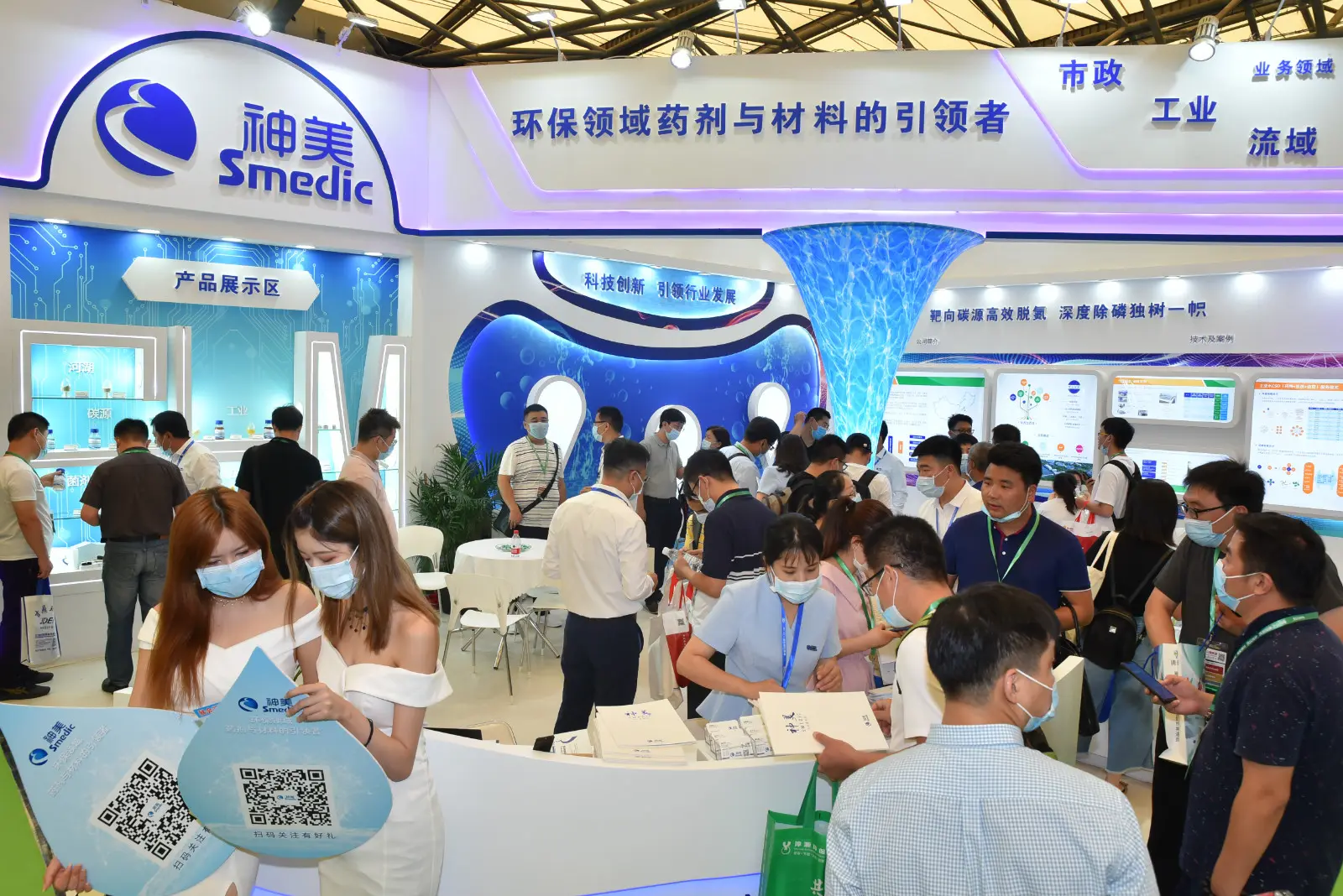
As global regulations move toward stricter limits on chemical discharges, the development of water treatment agents is focusing on hybridization and smart delivery. The roadmap for Polymeric Ferric Sulfate features several key advancements:
Smedic Technology Co., Ltd. - A leading provider of comprehensive environmental protection agents since 2011.
Our corporate headquarters is located in Beijing, and we operate wholly-owned production bases in Hebei, Guizhou, Shanxi, and other regions. We have established more than ten OEM partner factories and regional warehousing and logistics hubs in provinces such as Shandong, Shanxi, Anhui, Guangxi, and Sichuan. This distributed manufacturing network covers over 20 provinces across China, providing supply security for our partners.
Our projects support more than 600 urban sewage treatment plants and over 1,000 industrial wastewater, mineral processing, and oilfield chemical customers. This extensive network enables us to manage logistical challenges and ensure consistent product delivery.
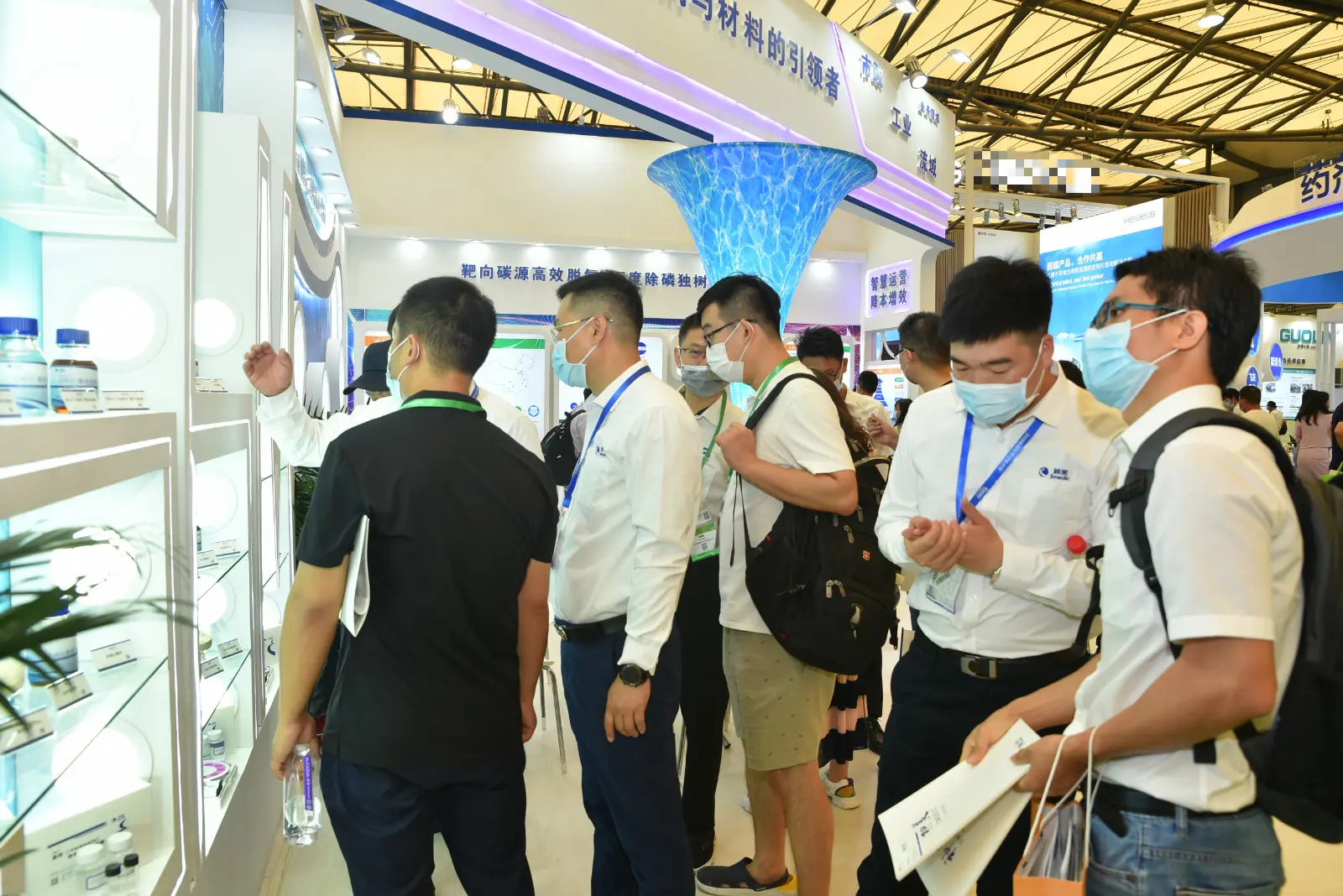
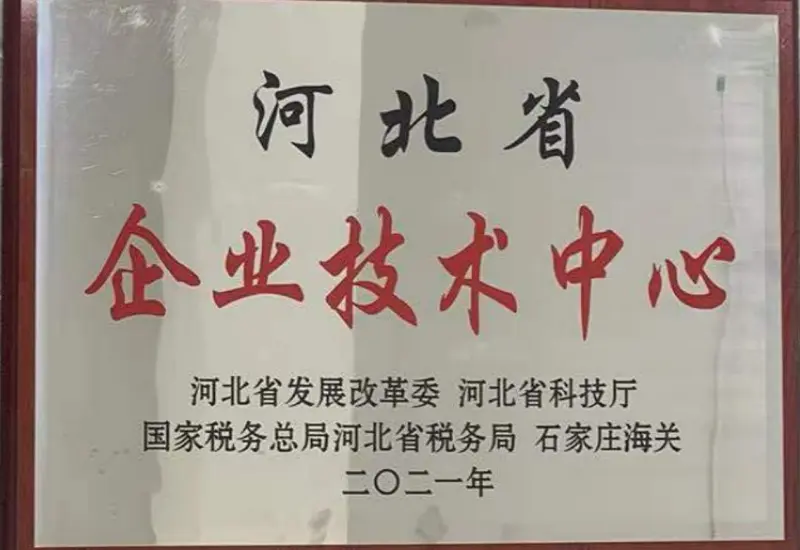
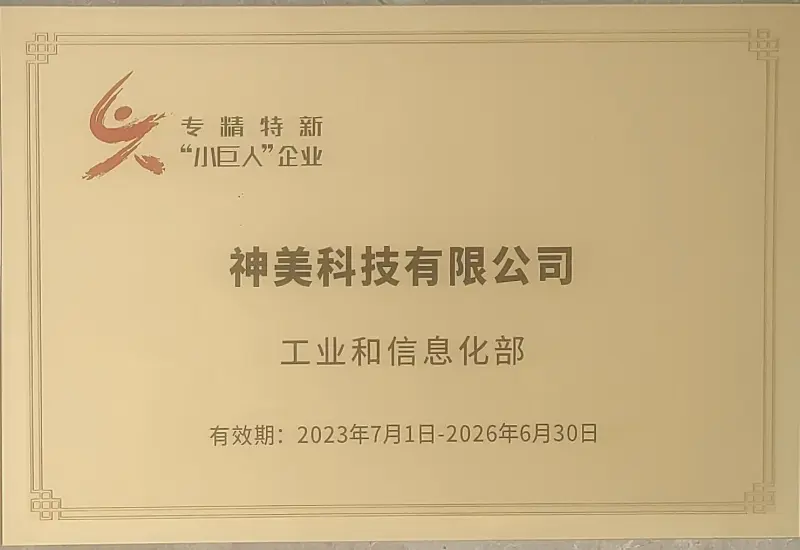
Backed by academic collaborations and recognized as a National High-Tech and Specialized "Little Giant" Enterprise.
Our independently developed "Inorganic-Organic Covalent Bond Flocculant and Its Advanced Water Purification Technology" has won the 22nd China Patent Award, the First Prize for Technological Invention from the China Petrochemical Industry Association, and the Hebei Province Science and Technology Progress Award.
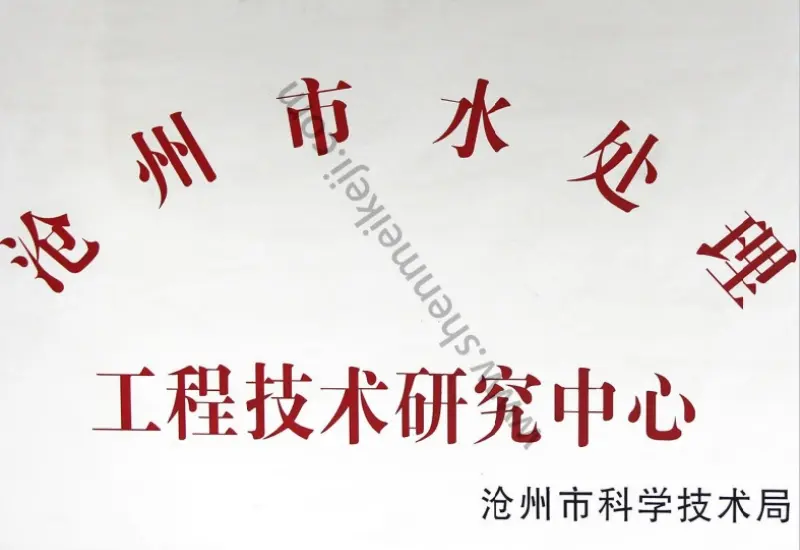
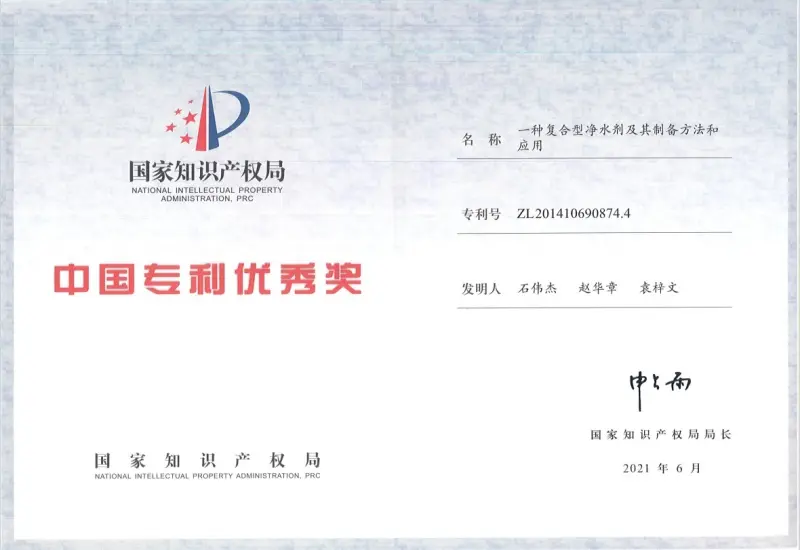
Shaping industry specifications while meeting global environmental compliance demands.
Smedic has led the drafting of more than 10 national and industry standards, including those for composite carbon sources, composite coagulants, sodium acetate, and nitrifying/denitrifying bacterial agents. This involvement helps ensure our production lines align with current international safety and quality requirements.
For global buyers, our ODM services provide full formulation customization. We tailor the basicity, iron concentration, and molecular weight distribution of our PFS to match the specific water temperature, turbidities, and chemical profiles of your regional projects.
We have established strategic partnerships with major environmental groups, including Shouchuang Ecological and Environmental Group, Yangtze River Ecological and Environmental Group, and Beijing Enterprises Water Group. We are also listed as a centralized procurement supplier for key municipal partners.
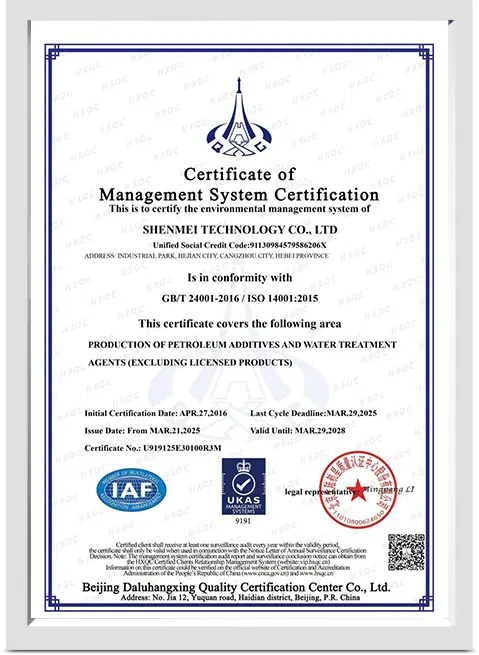
Our facilities follow ISO9001, ISO14001, and ISO45001 certification frameworks, ensuring environmental responsibility throughout our production and supply chain operations.
Expert answers to common engineering questions regarding the application, dosing, and storage of PFS.
Our complete range of scale inhibitors, defoamers, and flocculants engineered for industrial process optimization.
 Smedic Tech