Optimized agents engineered to protect RO membranes from organic foulants, heavy scaling, and chemical degradation.
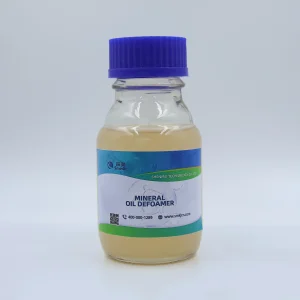
Per- and polyfluoroalkyl substances (PFAS), widely categorized as "forever chemicals" due to their extreme resistance to environmental, thermal, and chemical degradation, pose a systemic challenge to global industrial water management. Because of their carbon-fluorine bonds (the strongest single bond in organic chemistry), traditional municipal and industrial effluent filtration setups are inadequate to stop their bioaccumulative transit into global aquifers.
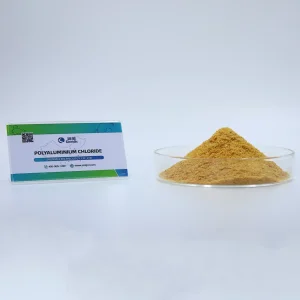
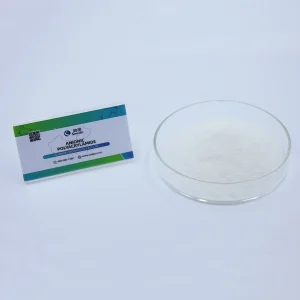
Smedic Technology integrates advanced Reverse Osmosis (RO) systems with optimized polymeric pre-treatments, such as specialized polyaluminum chloride (PAC) and polyacrylamide (PAM) formulations. By coagulating short-chain and long-chain PFAS precursors prior to high-pressure filtration, our integrated systems prevent RO membrane fouling while achieving a rejection efficiency rating of over 99.8% for toxic Perfluorooctanoic Acid (PFOA) and Perfluorooctanesulfonic Acid (PFOS).
For chemical manufacturing centers, semiconductor wash facilities, and heavy metallurgical plants, Smedic offers an end-to-end technological barrier that prevents PFAS discharge at the source, transforming high-risk effluent streams into compliant recycle-ready water.
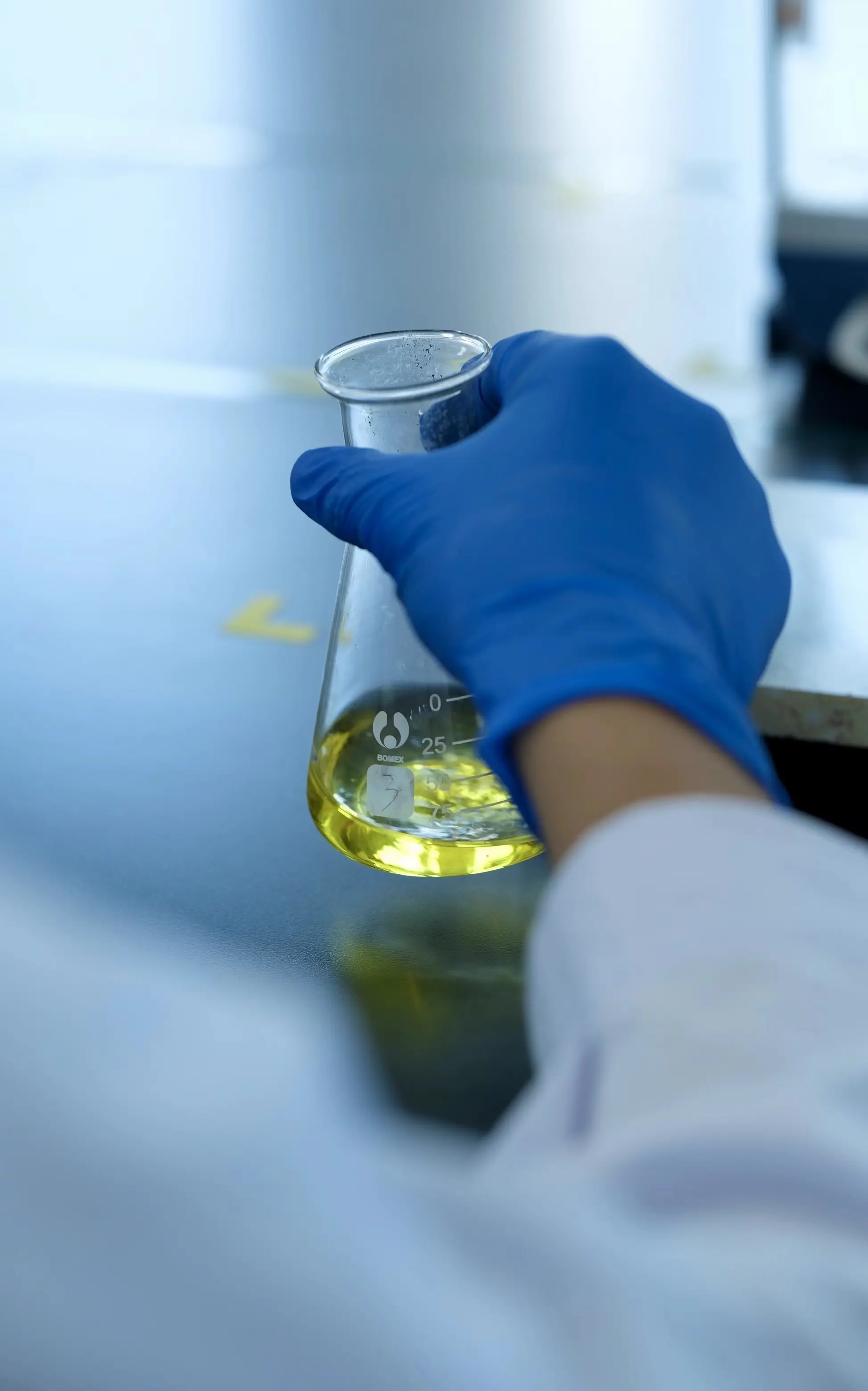
Exploring the shift towards Zero Liquid Discharge (ZLD) and strict Environmental Protection Agency (EPA) compliance metrics.
The US Environmental Protection Agency (EPA) recently established binding National Primary Drinking Water Regulations (NPDWR) setting Maximum Contaminant Levels (MCLs) for PFOA and PFOS at just 4.0 parts per trillion (ppt). This forces industrial exporters to install highly sophisticated multi-barrier RO configurations.
The European Chemicals Agency (ECHA) is advancing proposals to restrict more than 10,000 PFAS compounds under REACH regulations. Industrial operators in Germany, the Netherlands, and France must employ advanced RO systems paired with ultra-filtration (UF) and tailored antiscalants to guarantee zero trace bypass.
Asian manufacturing hubs are standardizing Zero Liquid Discharge (ZLD) practices. To make RO treatment viable for highly complex streams, companies rely on Smedic’s specialized organophosphorus and phosphate-free scale inhibitors to sustain continuous high-flux run-times.
| Remediation Tech | PFAS Target Type | Efficiency Rate | Operating Cost (per m³) | Pretreatment Dependency |
|---|---|---|---|---|
| Reverse Osmosis (RO) with Smedic Pretreatment | Long & Short Chain (PFOA, PFOS, GenX) | > 99.8% | Moderate to Low | Highly Integrated (PAC / Anti-scalant) |
| Granular Activated Carbon (GAC) | Primarily Long Chain | 75% - 90% | High (Frequent replacement) | Medium (Particulate removal) |
| Single-use Ion Exchange (IX) Resin | Varies by molecular weight | 85% - 95% | High (Resin regeneration costs) | High (Suspended solids sensitive) |
| Advanced Oxidation Processes (AOP) | Broad spectrum chemical degradation | Varies (Partial decomposition) | Very High (Energy intensive) | Low |
A premier global manufacturer of advanced chemical agents and membrane optimization products.
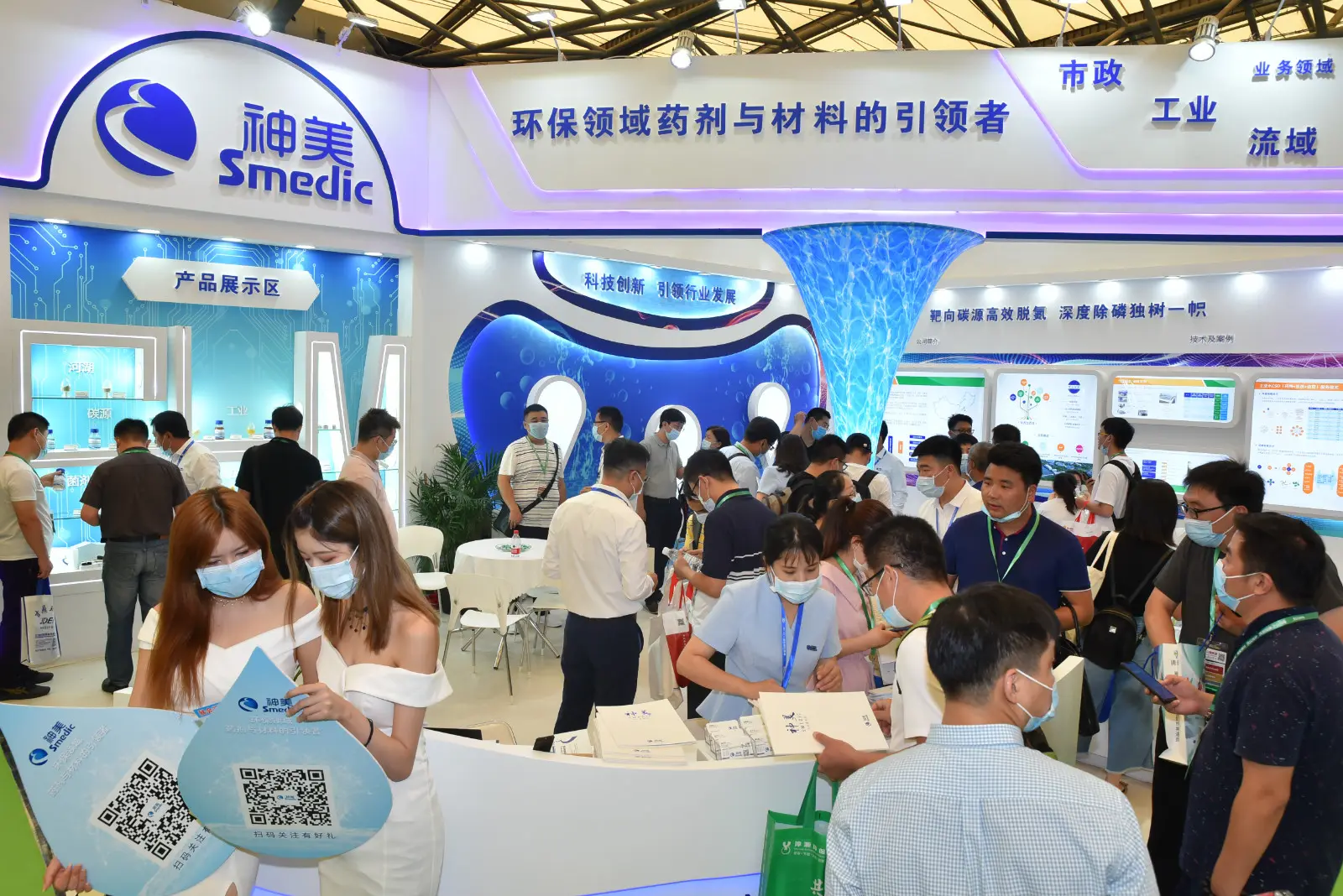
Established in 2011, Smedic Technology Co., Ltd. is a comprehensive environmental protection agent provider, integrating cutting-edge R&D, mass production, domestic & international sales, and professional engineering services. Smedic produces top-tier environmental protection agents covering municipal sewage, industrial wastewater, tap water treatment, mineral processing, and oilfield chemistry.
Offering over 80 different environmental protection products, Smedic operates at a massive scale with an annual production capacity exceeding 1 million tons. With headquarters in Beijing, the company owns and operates wholly-owned production bases in Hebei, Guizhou, and Shanxi, supplemented by over ten OEM partner facilities and regional logistics hubs in Shandong, Shanxi, Anhui, Guangxi, and Sichuan. Smedic’s network serves over 600 urban sewage plants and 1,000+ industrial end-users, treating a total daily capacity exceeding 20 million tons.
Year of Establishment
Environmental Protection Agents
Annual Production Capacity
Daily Municipal Sewage Treated
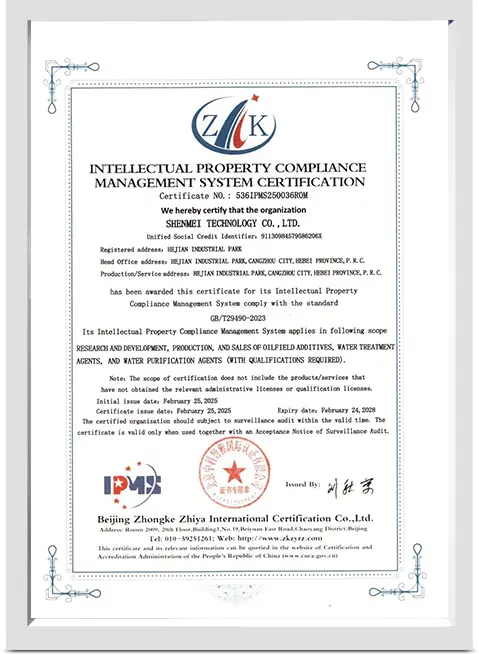
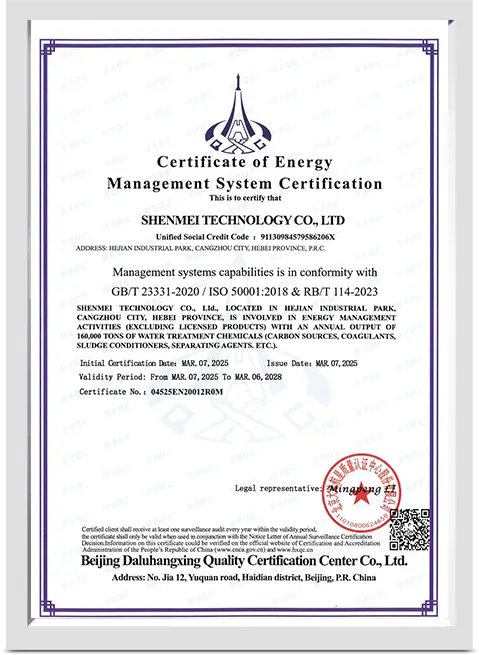
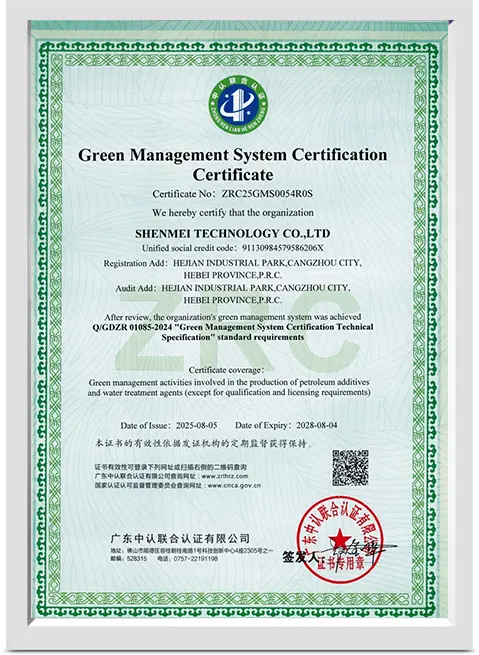
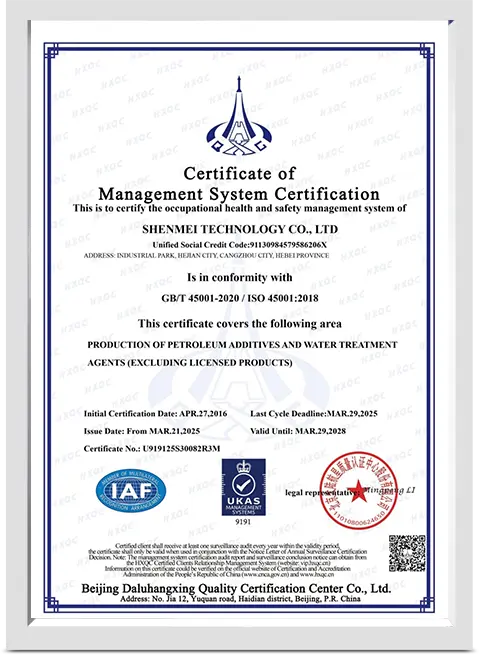
Smedic Technology has been awarded prestigious state-level designations in recognition of its technical capabilities, including:
Our core technical team comprises academic experts, professors, and senior engineers, collaborating with Tsinghua University, Shandong University, Peking University, and Beijing University of Technology. We have been granted over sixty Chinese patents, including more than forty invention patents and over twenty utility model patents.
Adapting membrane remediation techniques for specific high-risk water treatment environments.
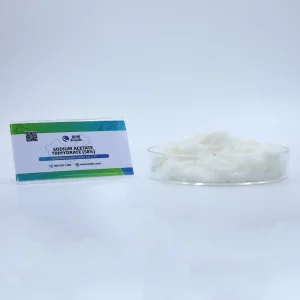
Landfill leachate contains high concentrations of organic pollutants, heavy metals, and persistent short-chain PFAS compounds. Treating this complex mixture requires high-pressure RO systems. Applying Smedic's pure solid sodium acetate as an organic carbon source during pretreatment enhances biological denitrification, while our organic-inorganic covalent bond flocculants precipitate suspended solids to protect RO membranes from extreme organic fouling.
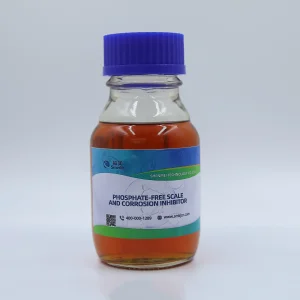
Modern microchip fabrication plants use specialized fluorinated surfactants, generating industrial wastewater with elevated PFAS levels. High-flux reverse osmosis systems are critical for recycling this water. Smedic provides tailored, phosphate-free scale inhibitors that prevent calcium, barium, and silica scaling on membranes, ensuring stable operations without adding phosphates to the discharge.
When municipal aquifers test positive for PFOA or PFOS, surface water facilities must upgrade their treatment processes. Integrating Smedic's advanced Polyaluminum Chloride (PAC) coagulants with high-rejection RO systems effectively precipitates organic macromolecules. This integration minimizes membrane fouling, allowing municipal water suppliers to meet strict drinking water regulations.
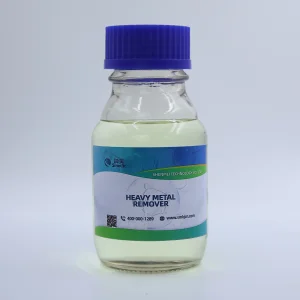
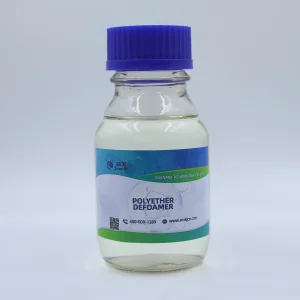
Wastewater from chemical industrial parks often features high salinity, shifting pH levels, and diverse synthetic compounds. Smedic’s specialized heavy metal removal agents and polyether defoamers pre-condition the incoming stream. This preparation helps downstream reverse osmosis plants run continuously, protecting systems from sudden chemical changes.
Aligning customized ODM development with regional environmental regulations and logistics.
For international industrial enterprises, deploying a PFAS treatment strategy requires compliance with local environmental laws. Smedic Technology operates as a strategic ODM partner, customizing agent formulations to comply with regional regulations like EU REACH, US NSF/ANSI Standards, and local Chinese environmental mandates.
With our network of production bases and OEM partner factories throughout China, we offer reliable delivery and end-to-end supply chain support. Smedic provides local technical assessments, on-site dosing optimization, and pilot testing to ensure customized chemicals function reliably under local water conditions.
Every shipment of Smedic chemicals, including our scale inhibitors and polyacrylamides, includes comprehensive Quality Assurance certification. This documentation supports international customs clearance and simplifies compliance reporting for environmental regulators.
A strategic vision for advanced membrane development and permanent PFAS destruction.
Development of inorganic-organic covalent bond flocculants specifically engineered to bind with short-chain fluorinated compounds, improving settling rates before filtration.
Integrating hydrophilic surface modifications with standard polyamide RO membranes to repel organic contaminants, extending system operation times during PFAS filtration.
Combining RO filtration systems with electrochemical oxidation technologies to degrade PFAS concentrates, replacing traditional thermal incineration methods.
Deploying real-time monitoring sensors and automated chemical dosing systems to adjust antiscalant and coagulant levels dynamically based on feed water fluctuations.
Technical answers to common questions about PFAS remediation and industrial water treatment.
Reverse Osmosis serves as a physical barrier that filters out both long-chain and short-chain PFAS compounds based on size exclusion and molecular weight. While Granular Activated Carbon (GAC) and Ion Exchange (IX) resins are effective for long-chain compounds, they can experience early breakthrough with highly mobile short-chain compounds (like PFPeA or PFBA). RO provides a more consistent, multi-barrier filtration method for diverse waste streams.
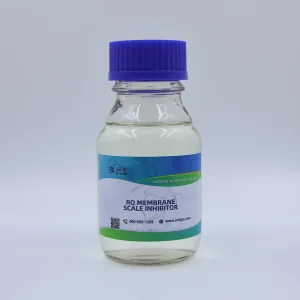
RO systems concentrating PFAS run at high recovery rates, which increases the concentration of calcium carbonate, sulfate, and silica salts. These salts can precipitate and scale the membrane surface, leading to higher feed pressure and damage. Smedic's scale inhibitors work by distorting crystal growth and dispersing mineral particulates. This prevents scaling, maintains membrane flux, and reduces cleaning cycles.
Polyaluminum Chloride (PAC) acts as a primary coagulant that destabilizes colloidal particles and dissolved organic carbon, which can otherwise foul RO membranes. Polyacrylamide (PAM) then aggregates these micro-flocs into larger, easily filterable masses. Removing these organic foulants during pretreatment protects the downstream RO system and optimizes the filtration process.
Yes. As an ODM supplier, Smedic adjusts formulations like PAC basicity, polyacrylamide charge density, and antiscalant compositions to suit the feed water chemistry and local environmental regulations of our international clients.
Smedic operates under ISO 9001 and ISO 14001 certifications. Our quality assurance program covers raw material inspection, real-time process monitoring, and final testing of each batch. Our provincial R&D platforms and academic collaborations support ongoing quality and performance testing.
Enhancing filtration performance, foam control, and operational stability in demanding industrial environments.
 Smedic Tech