Explore our high-performance organic flocculants, metal precipitating agents, and corrosion scale inhibitors engineered specifically for rigorous municipal effluent and industrial process water matrices.
Established in 2011, Smedic Technology Co., Ltd. has grown from a specialized research-driven chemical developer into a premier global player. We operate as an integrated platform combining scientific Research & Development, state-of-the-art production, worldwide export logistics, and high-tier engineering advisory services.
Our technology catalog spans more than 80 advanced environmental protection agents, supplying crucial materials to municipal sewage networks, high-impurity industrial wastewater operations, drinking water purification installations, complex mineral separation processes, and enhanced oilfield chemical operations. With our centralized headquarters in Beijing, we ensure rigorous quality frameworks and strategic alignment with international environmental directives.
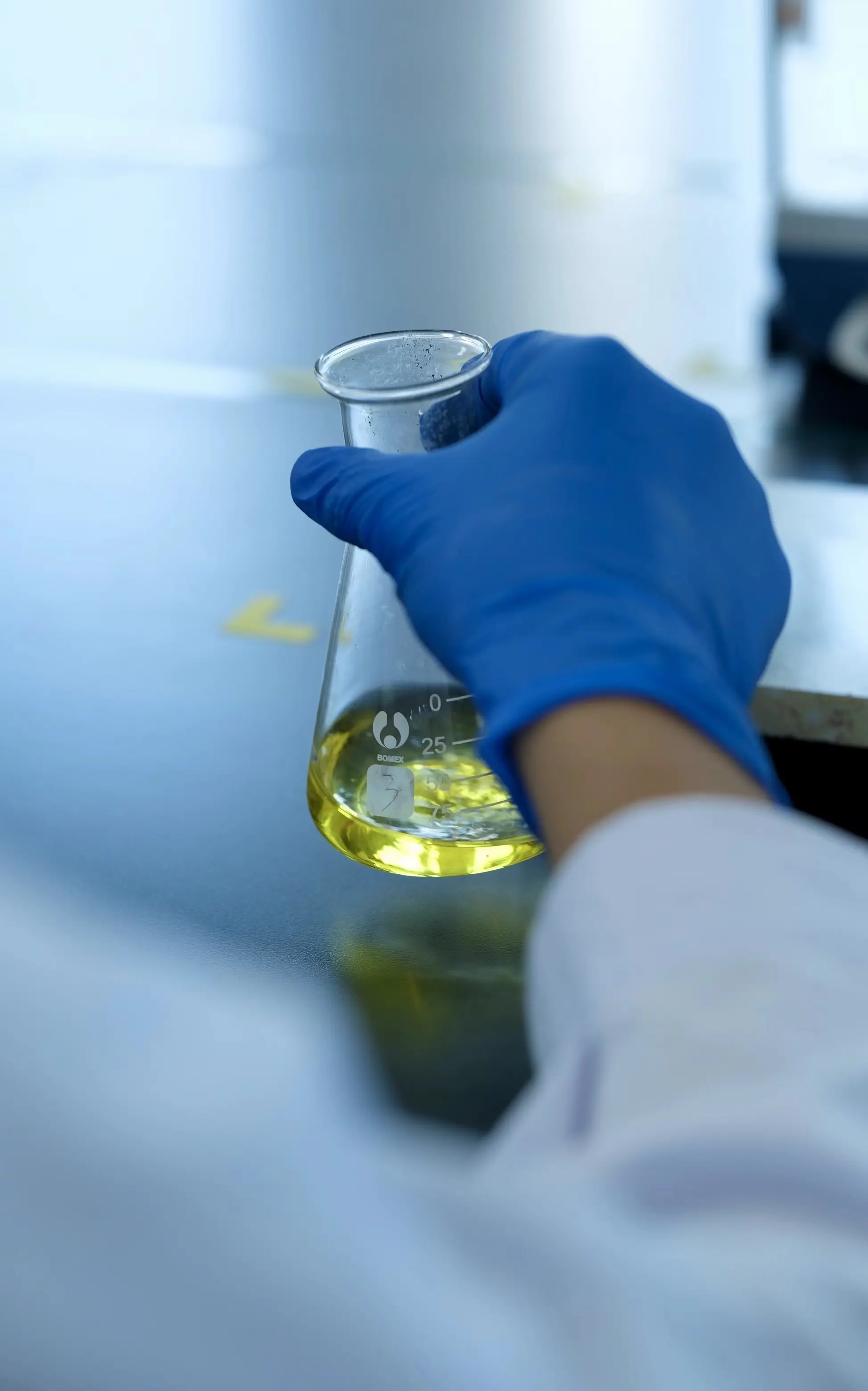
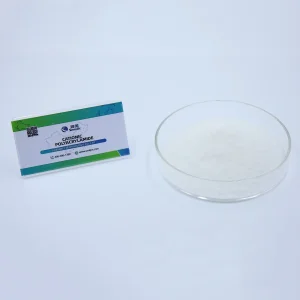
Cationic Polyacrylamides (CPAM) utilize high positive charge density to neutralize the negative surface charges (Zeta potential) of suspended organic colloids, bacteria, and microscopic particles. This charge reduction disrupts stable electrostatic repulsion, allowing rapid micro-floc formation under minimal turbulence.
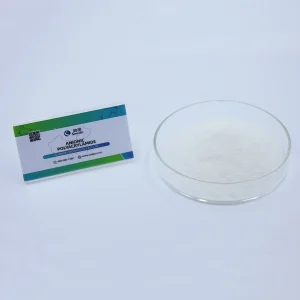
By synthetically scaling molecular weights up to 22 million Daltons, Smedic’s anionic polymers (APAM) act as structural anchor points. Multiple colloidal particles adhere to a single polymer chain, generating massive, shear-resistant flocs that settle out rapidly in heavy industrial and mining clarifiers.
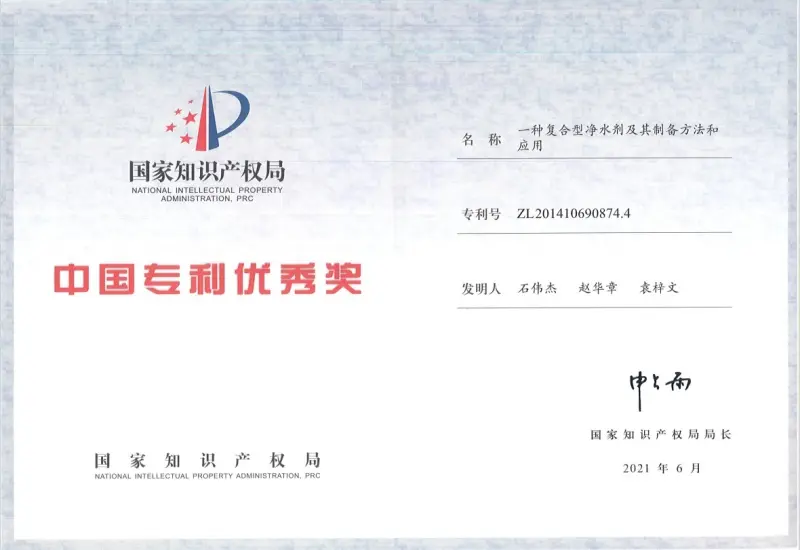
Smedic’s independently developed Inorganic-Organic Covalent Bond Flocculant technology won the prestigious 22nd China Patent Award. By covalently binding inorganic nuclei with active organic functional groups, this polymer displays enhanced performance in complex wastewater, eliminating the need for separate dual-dosing systems.
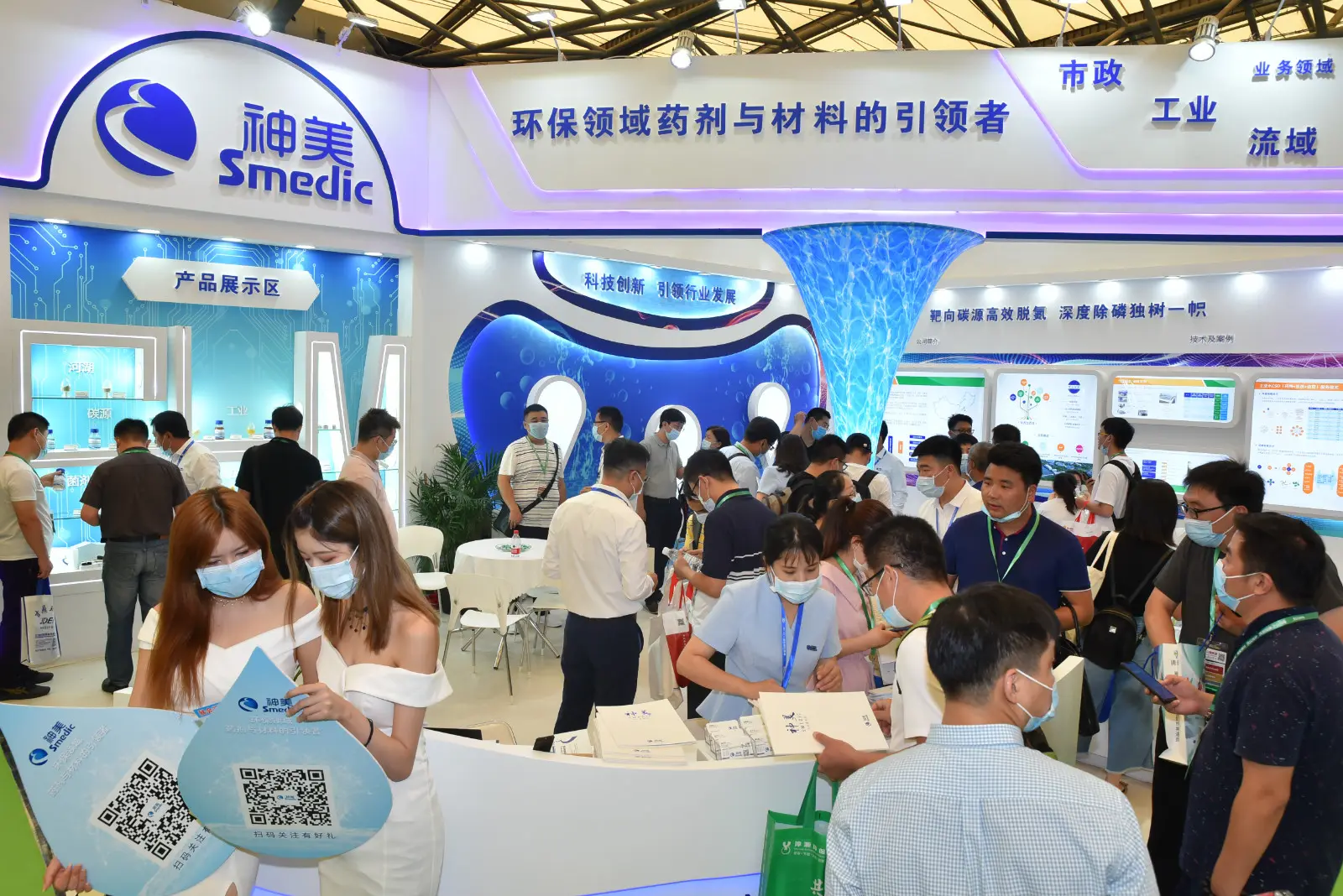
Wastewater streams are highly variable, requiring targeted molecular weights, structures, and charge densities. Smedic delivers customized chemicals optimized for distinct industrial sectors:
Our Non-Ionic Polyacrylamides (NPAM) are engineered to withstand extreme high-salinity and high-temperature reservoirs, performing as exceptional fluid control agents in polymer-flooding Enhanced Oil Recovery (EOR) setups.
Developed in partnership with the Chengdu Institute of Mineral Comprehensive Utilization, Smedic flotation agents and thickener flocculants accelerate solid-liquid separation in coal preparation and gold, copper, and iron beneficiation circuits.
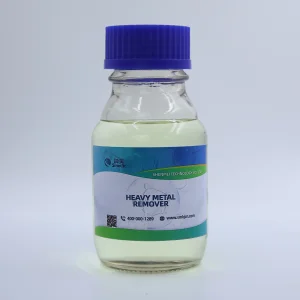
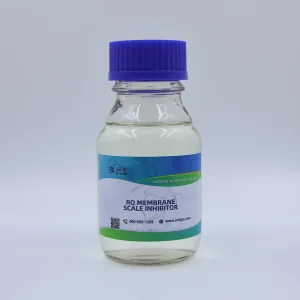
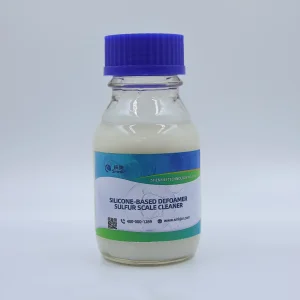
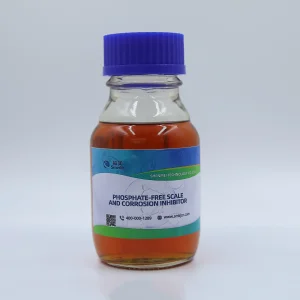
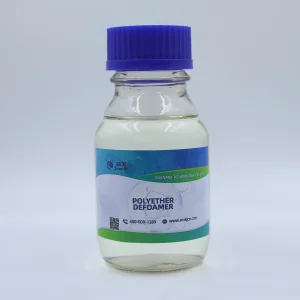
We supply specialized RO membrane scale inhibitors, defoaming solutions (mineral oil, polyether, and silicone-based), and heavy metal chelators that protect membrane units and prevent system shutdown in Zero Liquid Discharge (ZLD) installations.
Operating wholly-owned production bases across Hebei, Guizhou, and Shanxi, alongside 10+ strategic OEM partner factories, Smedic Technology guarantees uninterrupted production capacity of over 1,000,000 tons annually.
By dispersing key chemical synthesis bases across distinct provinces (Hebei, Guizhou, Shanxi), Smedic minimizes localized raw material, energy, or environmental regulatory interruptions.
Our automated manufacturing plants utilize online process spectrometers and digital polymerization tracking. Every batch undergoes validation, including gas chromatography, gel permeation chromatography, and charge verification.
With centralized stocking warehouses located near key coastal ports and major industrial centers (Shandong, Shanxi, Sichuan, Guangxi), we compress international lead times and provide real-time container dispatch updates.
Smedic Technology was founded, focusing on high-efficiency chemical solutions for municipal water treatment.
Recognized as a key National High-Tech Enterprise following significant breakthroughs in polymer synthesis.
Production bases in Hebei, Shandong, and Guizhou reached full capacity, pushing total output capacity past 1 million tons.
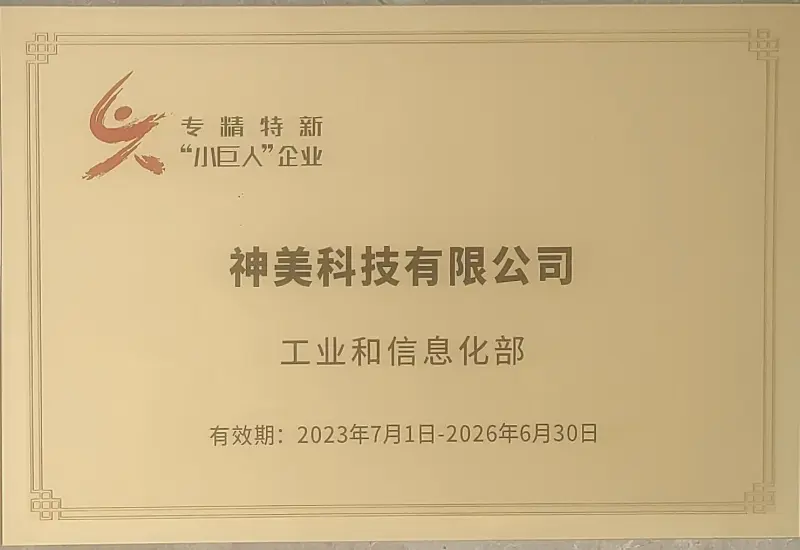
Awarded National Specialized, Refined, Unique and Innovative "Little Giant" status by the central government.
Formed a joint venture company with the Chengdu Institute of Mineral Comprehensive Utilization, expanding into advanced mining chemistry.
Managing global procurement networks requires compliance alignment, chemical safety verification, and streamlined logistics. Smedic provides international partners with comprehensive regulatory documentation and technical support.
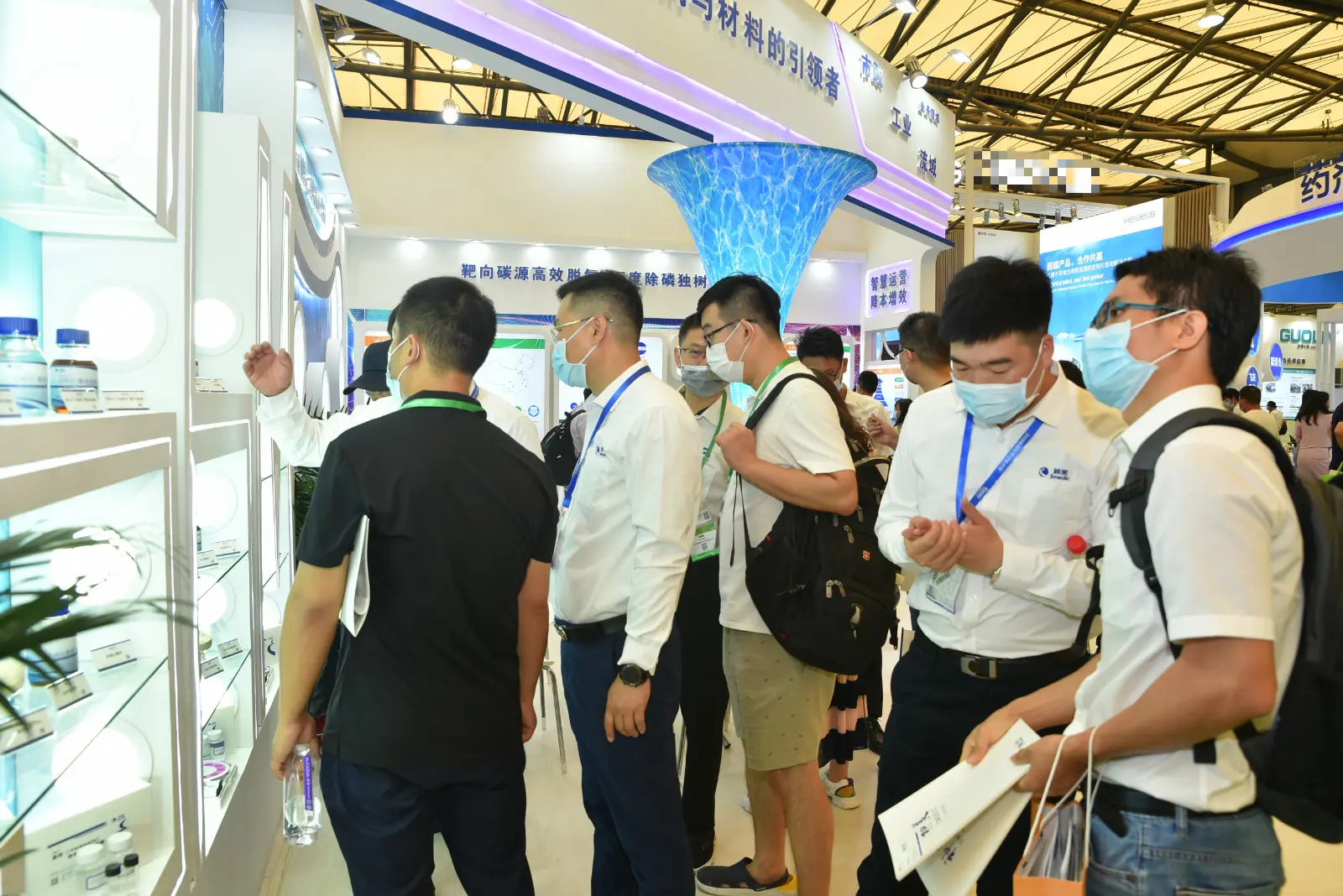
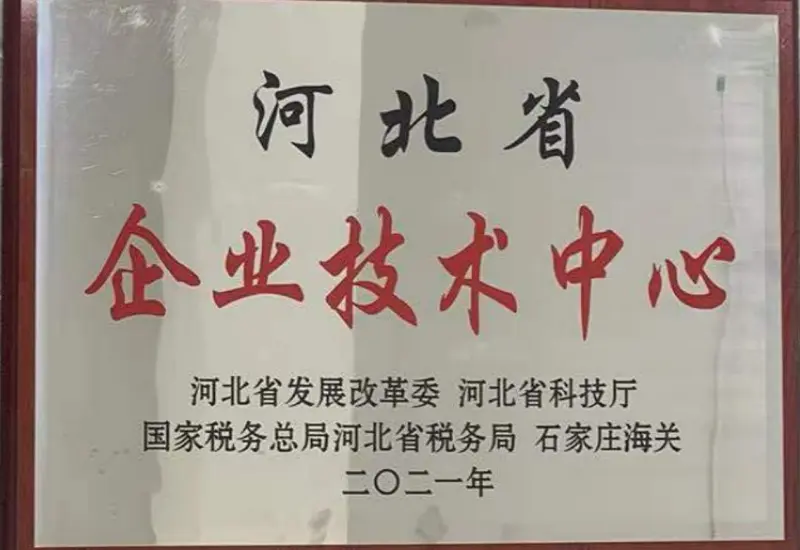
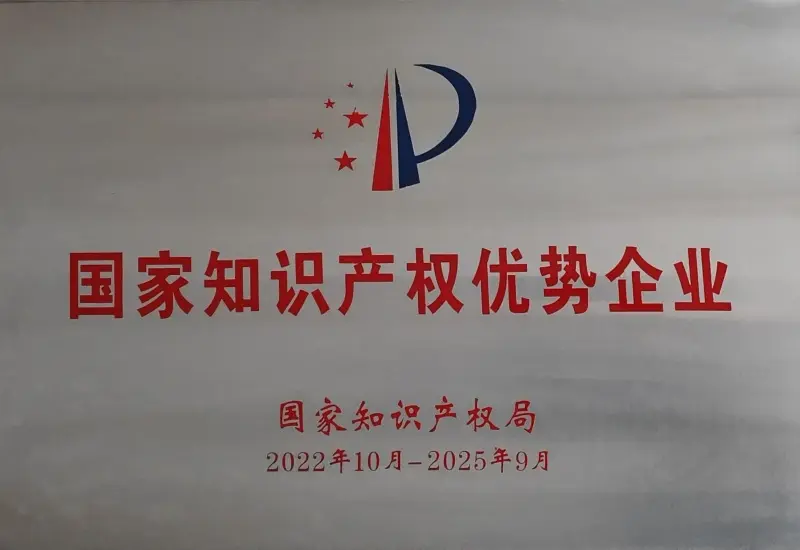
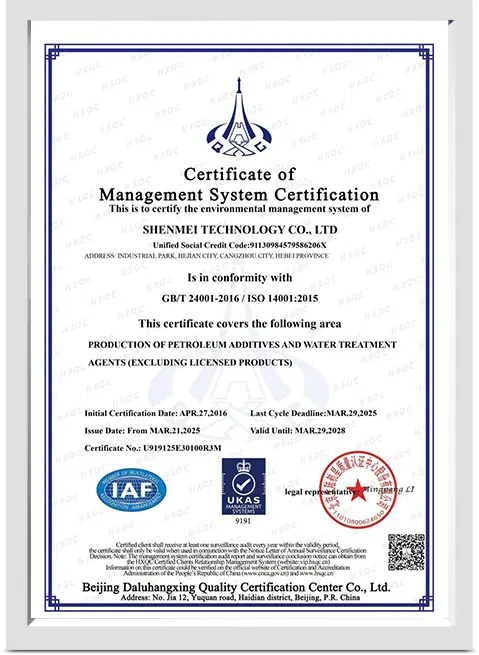
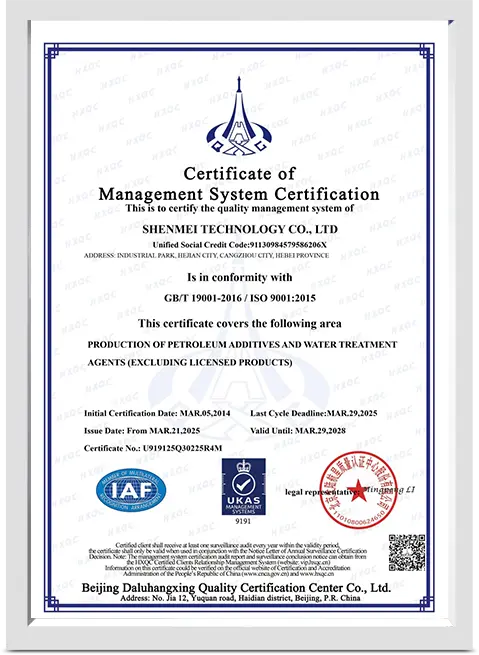
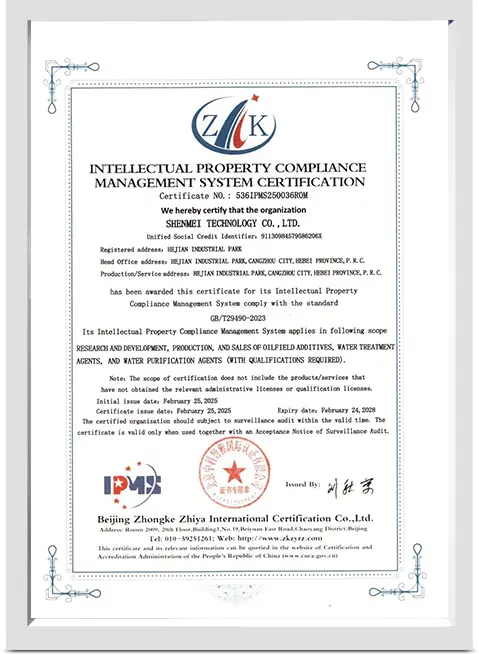
Our focus on quality and product excellence is verified by dozens of national design patents and authoritative certifications from global testing bodies.

As environmental regulations tighten globally, Smedic is spearheading research into the next generation of eco-friendly water treatment solutions. Our R&D roadmap centers on sustainability, intelligence, and circular resource recovery.
Developing natural-synthetic hybrid polymers (such as modified starch, chitosan, and cellulose grafts) that exhibit high flocculation efficiency while achieving rapid biodegradation in natural water bodies, eliminating secondary microplastic contamination.
Integrating real-time water quality sensors with neural network models to dynamically adjust flocculant dosage. This technology minimizes chemical wastage, prevents filter clogging, and reduces operational overhead for treatment plant operators.
Engineering novel flocculants that facilitate the recovery of valuable raw materials (such as phosphorus, heavy metals, and organic fibers) directly from industrial sludges, transforming waste treatment into resource generation.
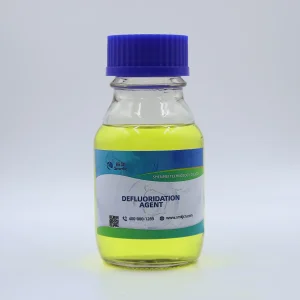
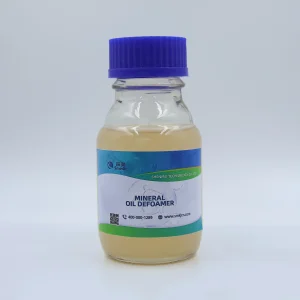
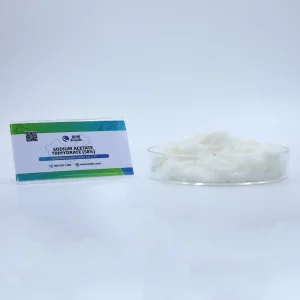
Browse our specialized chemical formulations, including highly selective fluoride removing agents, pH regulators, and polyether defoamers engineered for process efficiency and environmental compliance.
 Smedic Tech