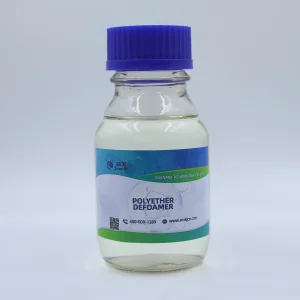
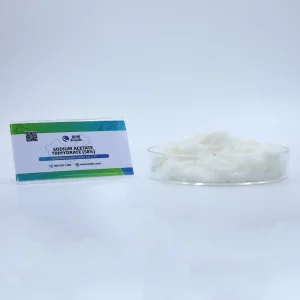
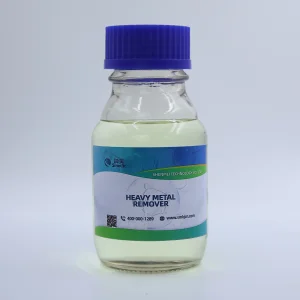
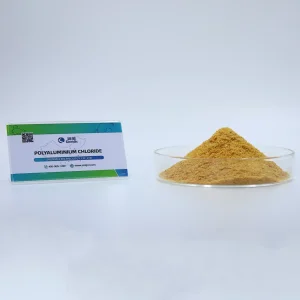
Explore our core product lineup, custom-engineered to meet stringent international standards for environmental compliance, foam control, and heavy metal adsorption.
In modern industrial wastewater management, municipal sanitation, and recirculating cooling systems, control over microbiological contamination is critical. Traditional oxidizing biocides such as chlorine, bromine, and ozone have long served as primary disinfectants. However, they present significant disadvantages, including the acceleration of metallic corrosion, degradation of polymer-based membranes, and the generation of carcinogenic halogenated disinfection byproducts (DBPs). This has triggered an industry-wide transition to Non-Oxidizing Biocide Chemicals.
Non-oxidizing biocides function through targeted metabolic, physiological, or structural disruption of microorganisms rather than rapid chemical oxidation. Instead of burning cell walls, these chemicals disrupt specific mechanisms: they may inhibit respiration, denature essential intracellular enzymes, dissolve protective outer cell membranes, or restrict cellular reproduction pathways. This targeted action makes them highly effective at lower active concentrations, ensures longer residual persistence in high-volume systems, and prevents microbial resistance when applied in rotation strategies.
These broad-spectrum agents target cellular proteins. The electrophilic active site of the isothiazolinone molecule reacts with key thiol groups inside bacteria, algae, and fungi, leading to immediate inhibition of respiration, metabolic failure, and cellular death.
Acting as an effective cross-linking agent, glutaraldehyde reacts with amine groups on outer membrane proteins. This locks cell surfaces in place, preventing nutrient absorption and waste export, leading to rapid cell death.
QACs are cationic surfactants that bind to negatively charged cell walls. They penetrate the lipid membrane, causing cellular leakages of essential amino acids and nucleotides, which lyses the bacteria from the inside out.
The global market for industrial biocides is undergoing structural changes driven by strict environmental regulations, changing industrial standards, and water recycling mandates. Procurement officers and chemical formulators face several challenges, including finding products that comply with regional regulations while maintaining efficacy at low concentrations.
Regulatory bodies, including the European Chemicals Agency (ECHA) under the Biocidal Products Regulation (BPR) and the United States Environmental Protection Agency (EPA) under FIFRA, have tightened restrictions on volatile compounds and bioaccumulative ingredients. As a result, industries are shifting from commodity biocides to specialty, high-purity, and biodegradable non-oxidizing chemistries.
In addition to regulatory compliance, industrial users must manage chemical compatibility. Modern systems often combine multiple chemicals, including defoamers, flocculants, scale inhibitors, and biocides. Non-oxidizing formulations must remain stable alongside other process additives without causing precipitation or neutralizing active ingredients. Consequently, procurement strategies are focusing on ODM (Original Design Manufacturing) and custom formulations rather than off-the-shelf chemicals.
Established in 2011, Smedic Technology Co., Ltd. is a comprehensive water treatment agent and environmental chemical provider. We integrate research and development, smart manufacturing, global logistics, and technical consulting to support industrial and municipal operations worldwide.
Headquartered in Beijing, Smedic operates wholly-owned production bases in Hebei, Guizhou, and Shanxi, alongside more than ten OEM partner factories and regional warehousing centers in Shandong, Anhui, Guangxi, and Sichuan. This network covers over 20 provinces across China, enabling rapid dispatch, freight consolidation, and supply chain security for overseas buyers.
Our solutions support over 1,000 end customers across diverse sectors, including industrial wastewater treatment, mineral processing, and oilfield chemicals. Smedic-managed systems process over 20 million tons of sewage per day, making us a key supplier in the high-end municipal and industrial wastewater chemical segment.
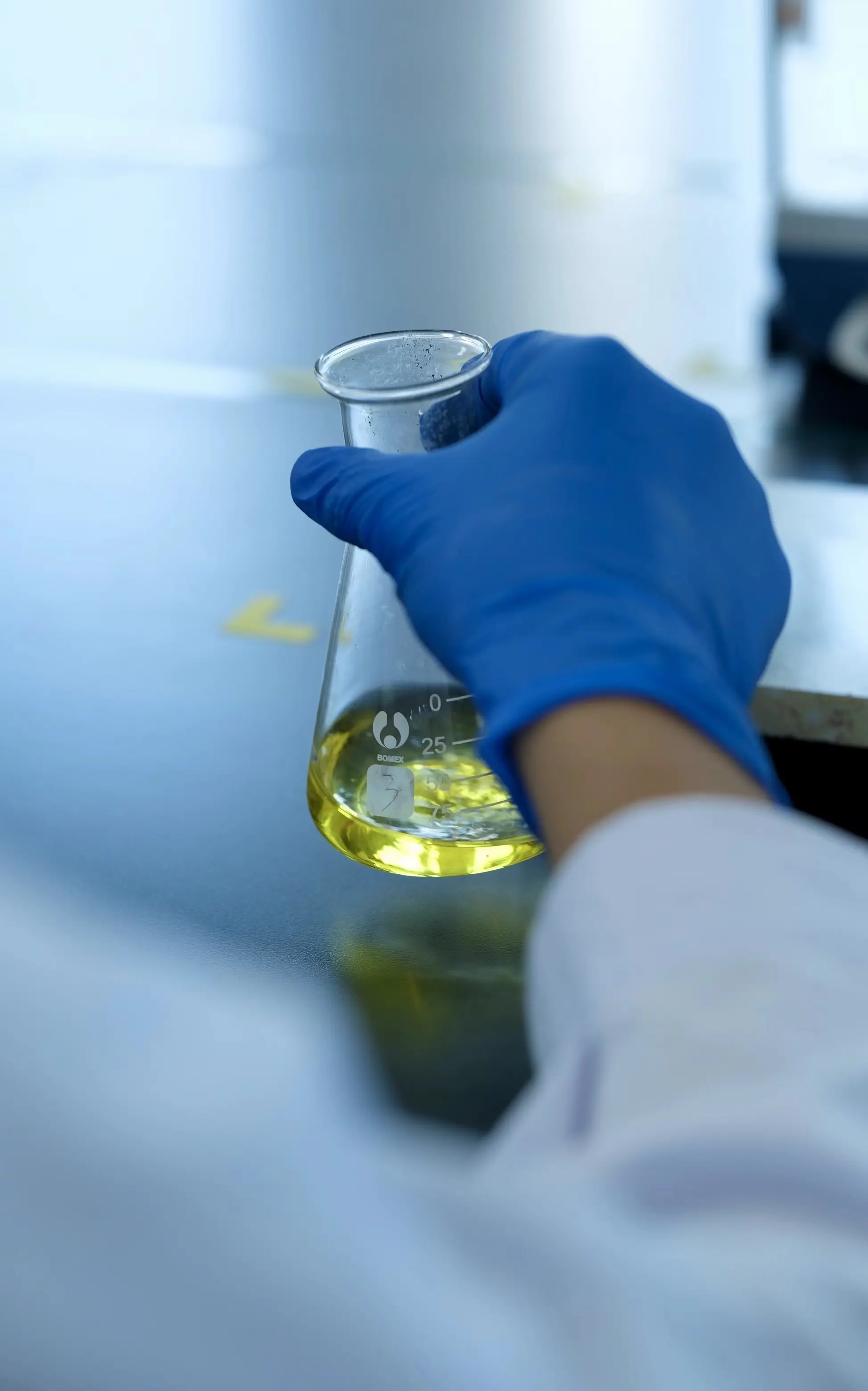
China's chemical sector has transitioned from a volume-driven model to a high-efficiency, technology-integrated environment. Smedic's manufacturing infrastructure incorporates Factory 4.0 concepts to ensure quality consistency and cost-efficiency for domestic and export markets.
Distributed Control Systems (DCS) monitor reaction parameters, including temperature, pH, pressure, and raw material feeds, in real time. This control stabilizes reactions, minimizes impurities, and ensures batch-to-batch consistency.
Operating close to core industrial chemical clusters in Hebei, Shanxi, and Guizhou provides direct access to primary reactants, reducing reliance on third-party supply chains and mitigating cost volatility.
Every batch undergoes rigorous quality control, from raw material inspection using gas chromatography and mass spectrometry to final release testing, ensuring our products match specifications.
Smedic invests in research and development to maintain technological leadership. Our R&D organization is built around a network of one academy, three research institutes, and five production-integrated testing bases.
Smedic's R&D system is recognized as a Class A R&D Institution in Hebei Province. We host the Hebei Provincial Enterprise Technology Center, the Advanced Water Treatment Chemicals Technology Innovation Center, and the Cangzhou Water Treatment Engineering Technology Research Center. We also operate an expert workstation in collaboration with the Tsinghua University Association of Senior Scientists and Technicians, alongside joint research labs with Shandong University and Beijing University of Technology.
We have secured over 60 Chinese patents, including more than 40 invention patents and 20 utility model patents. Smedic has also contributed to drafting ten national and industry standards for composite carbon sources, composite coagulants, sodium acetate, and bacterial agents.
Company founded, focusing on specialized water treatment and environmental chemicals.
Established a complete product portfolio for municipal wastewater treatment.
Established Guiyang production base, expanding operations to Southwest China.
Completed expansions in Hebei, Shandong, and Guizhou, taking annual capacity past 1 million tons.
Recognized as a National Specialized, Refined, Unique and Innovative "Little Giant" Enterprise.
Partnered with the Chengdu Institute of Mineral Comprehensive Utilization, China Geological Survey, to develop advanced flotation and mineral reagents.
Non-oxidizing biocides are used across various industries, each presenting unique operating conditions and chemical requirements.
These systems are susceptible to bio-fouling, algae growth, and Legionella. Applying a combination of isothiazolinones and glutaraldehyde controls sessile and planktonic microbial populations, preventing biofilm formation on heat exchanger surfaces without accelerating pipe corrosion.
Polyamide membranes in reverse osmosis (RO) systems are sensitive to oxidizing agents like chlorine, which can degrade the membrane structure. Fast-acting non-oxidizing biocides, such as DBNPA, control biological fouling before the membrane stage and break down into non-toxic compounds, protecting the system.
Sulfate-reducing bacteria (SRB) in oilfield aquifers produce hydrogen sulfide (H2S), causing sour gas issues and microbially influenced corrosion (MIC) in piping. Non-oxidizing biocides like THPS selectively target SRB in anaerobic environments, protecting downhole equipment.
A comparative evaluation of common biocidal agents, detailing their reaction mechanisms, active pH ranges, and environmental footprints.
| Biocide Type | Primary Action Mechanism | Optimal pH Range | Corrosion Potential | Environmental Breakdowns |
|---|---|---|---|---|
| Isothiazolinone (CMIT/MIT) | Inhibits cellular respiration via thiol reaction | 5.5 – 9.0 | Negligible | Slow-to-moderate biodegradability |
| Glutaraldehyde | Cross-links cell-envelope proteins | 6.0 – 9.5 | Very Low | Rapidly biodegradable at low concentrations |
| DBNPA | Reacts with sulfur nucleophiles in cells | 5.0 – 8.0 | Low | Extremely rapid hydrolysis to non-toxic residues |
| Quaternary Ammonium Salts | Disrupts outer membrane structures | 6.0 – 10.0 | Low | Adsorbs to clay/solids, reducing toxicity |
| Traditional Chlorine (Oxidizer) | Oxidizes cell wall components | 6.0 – 7.5 | High (particularly at low pH) | Generates persistent halogenated byproducts |
Common technical inquiries from procurement professionals and water treatment engineers regarding Smedic's manufacturing and product performance.
From heavy metal removal and pH regulation to advanced flocculation and sludge dewatering, we supply high-performance solutions for municipal and industrial water treatment.
 Smedic Tech