ODM Industrial Sewage Treatment Manufacturers & Exporter

High-Performance Chemical Engineering & Environmental Protection Solutions

⚡ INDUSTRY WHITEPAPER: THE GLOBAL WATER CHALLENGE

Advancing Industrial Sewage Decarbonization & Circular Treatment Systems

Global industrial wastewater engineering faces unprecedented challenges. The convergence of strict regulatory updates, such as the EPA Clean Water Act, EU Water Framework Directive, and China's Grade 1-A standard, mandates that chemical treatments achieve extreme efficiency. Simply resolving organic loads (COD) and suspended solids (SS) is no longer sufficient; operations must tackle recalcitrant compounds, toxic micro-pollutants, heavy metals, and high salinity.

As a leading ODM industrial sewage treatment chemicals manufacturer and exporter, Smedic Technology is positioned at the intersection of environmental biotechnology and high-precision chemical synthesis. Established in 2011, we integrate original research, full-scale production, and technical consulting to support heavy industries globally. With an annual production capacity exceeding 1 million tons, we produce high-performance coagulants, flocculants, scale inhibitors, defoamers, and biological carbon sources that keep global supply chains clean, compliant, and cost-effective.
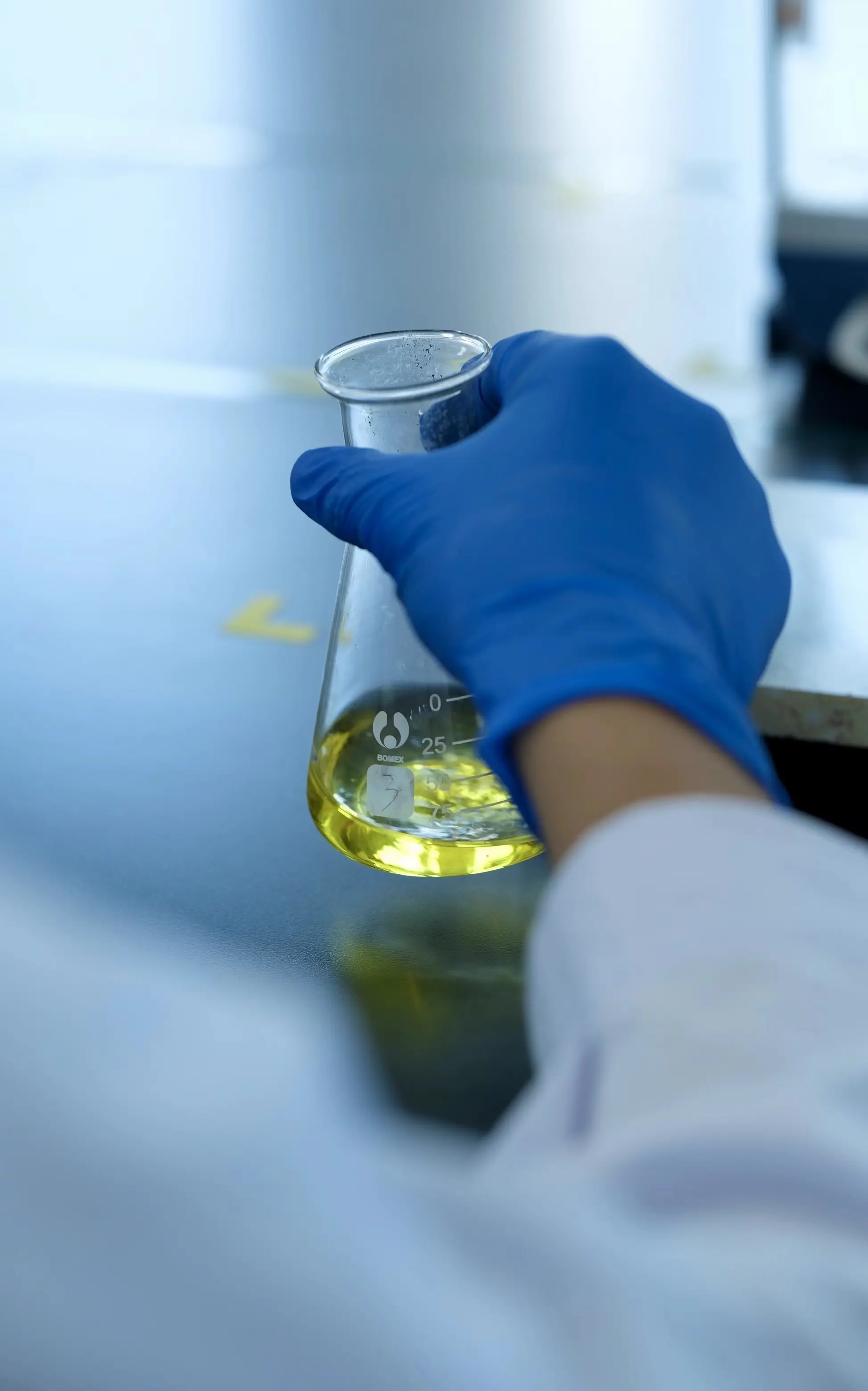
Industrial Sewage Treatment Plant and Lab R&D Center

Scale, Infrastructure & Technical Capabilities

Our manufacturing infrastructure and service network support high-volume industrial installations across municipal and corporate sectors.

2011
Year of Establishment & Decades of Chemical Synthesis Expertise
80+
Advanced Environmental Protection Agent Formulations Available
1M+ Tons
Annual Production Capacity Across Propierary Industrial Bases
20M+ T/D
Combined Sewage Treatment Capacity Facilitated in Global Operations
20+
Provinces Covered by Warehousing and Technical Service Networks
600+
Urban Municipal Sewage Plants Relying on Smedic Formulations
1,000+
End Customers Across Mining, Petroleum, Metallurgy & Chemistry
60+
Chinese Patents Including 40+ Invention and 20+ Utility Model Patents

Localized Application Scenarios in Global Industrial Sewage Treatment

Different industries present unique effluents. Our targeted chemical solutions are designed to address specific industrial wastewater streams, ensuring compliance and maximizing resource recovery.
Petrochemical & Coal Chemical Effluents

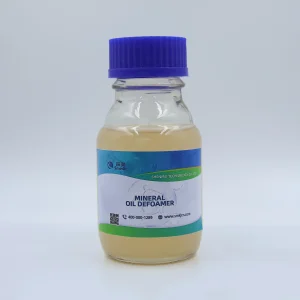
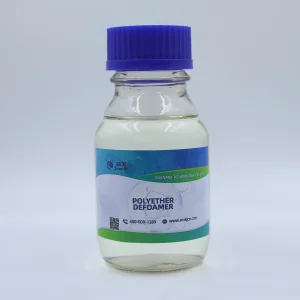
Petrochemical wastewater contains complex hydrocarbons, emulsified oils, and phenols. Smedic's Polyether Defoamers and Anionic Polyacrylamide (APAM) Flocculants resolve organic emulsions, accelerating oil-water separation. Our specialized scale inhibitors protect heavy boilers and heat exchangers from organic scaling under extreme temperatures and pressures.
⚙️

Electroplating & Metallurgy Processing

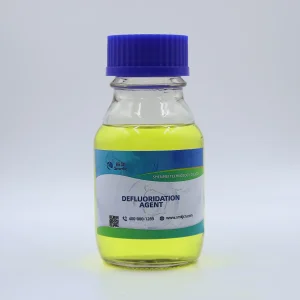
Rich in toxic heavy metals (Chromium, Nickel, Copper) and fluorides, these waste streams require rapid precipitation. The Smedic Specialized Fluoride Removal Agent reduces dissolved F⁻ concentrations to below 1 ppm. Our heavy metal precipitation chemicals form highly stable flocs with low solubility, preventing secondary leaching in toxic sludge handling.
💧

Municipal Sewage Plant Nitrogen Upgrading

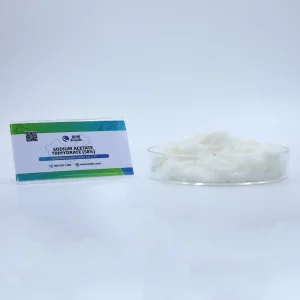
Municipal plants facing strict nitrogen and phosphorus discharge regulations utilize our bio-enhanced denitrification systems. The Smedic Pure Solid Sodium Acetate Compound serves as an ideal external carbon source. It is readily consumed by denitrifying bacteria in the anoxic zones of activated sludge systems, optimizing biological nitrogen removal (BNR) kinetics.
⛏️

Mineral Ore Dressing & Tailings Decanting

Mineral processing mills generate massive slurry streams requiring rapid sedimentation to recycle process water. Our Cationic Polyacrylamide (CPAM) and Non-Ionic Polyacrylamide (NPAM) molecules offer tailored charge densities and ultra-high molecular weights. They accelerate solid-liquid interface separation, enabling recycling and dry stack tailings operations.
🌱

Electronics & Semiconductor Cleanrooms

Silicon wafer manufacturing generates hydrofluoric acid wastewater with high concentrations of silica and ammonium. We supply high-purity inorganic-organic covalent bond coagulants that precipitate colloidal silica and strip fluoride ions without generating secondary inorganic impurities. This makes the recycled effluent suitable for Reverse Osmosis feed loops.
🌀

Reverse Osmosis (RO) Desalination

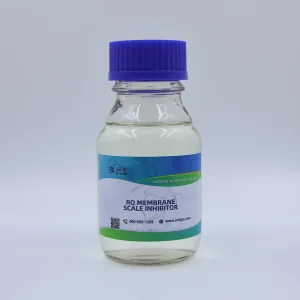
High-recovery RO plants suffer from inorganic fouling on membrane surfaces. Smedic's RO Membrane Scale Inhibitors distort crystal lattices of calcium carbonate, calcium sulfate, and barium sulfate. By preventing scaling, our inhibitors maintain membrane flux, lower energy requirements, and double membrane operating life.
Water Treatment Chemical Patent and R&D Excellence
🧪 SCIENTIFIC CREDENTIALS & INTELLECTUAL PROPERTY

R&D Infrastructure & Technical Roadmaps

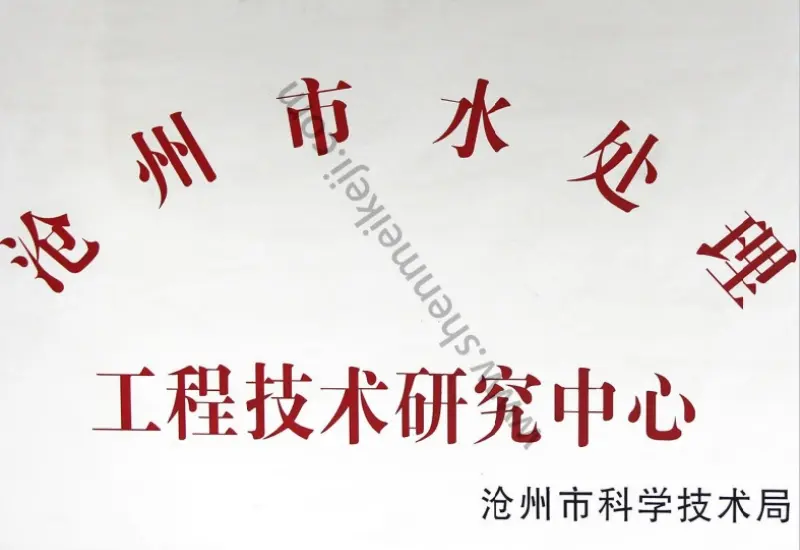
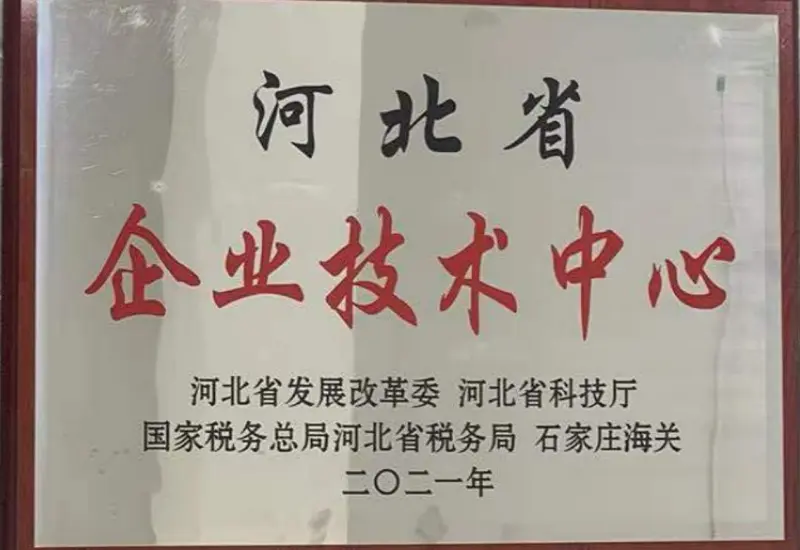
Our commitment to technical innovation is supported by an R&D ecosystem consisting of one central academy, three specialized research institutes, and five production test bases. Smedic operates the Hebei Provincial Enterprise Technology Center and the Hebei Provincial Advanced Water Treatment Chemicals Technology Innovation Center, both recognized as Class-A R&D institutions.

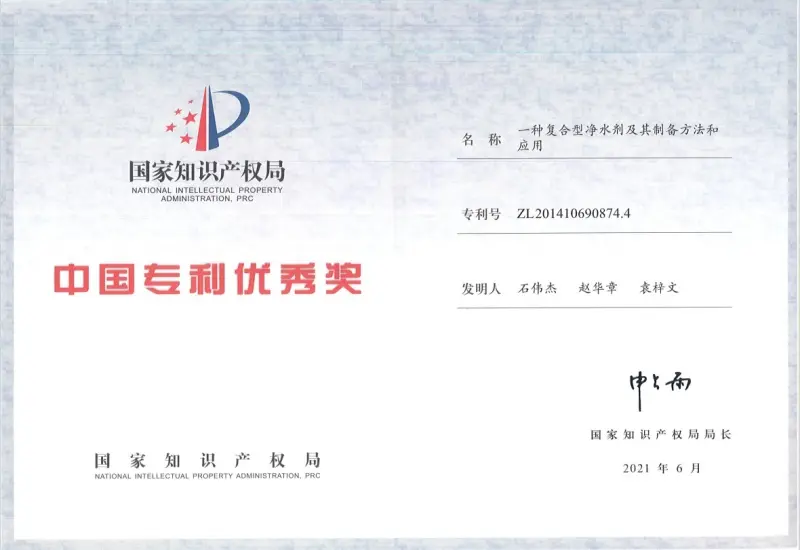
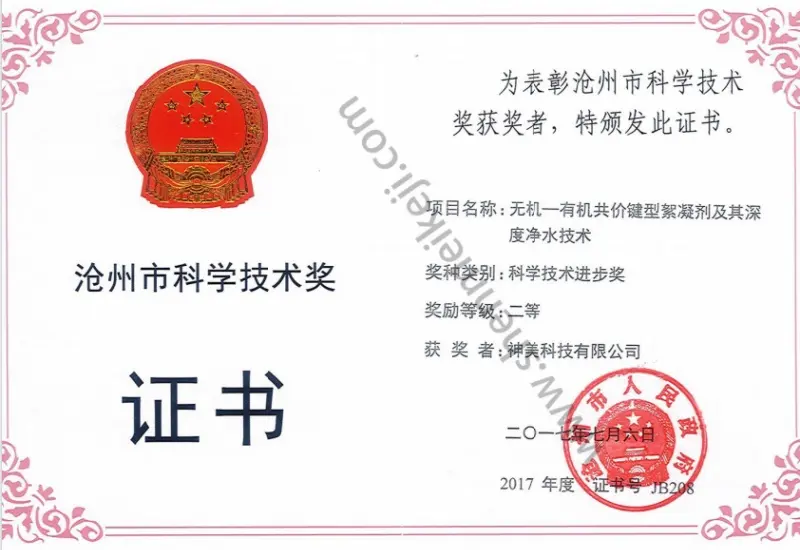
We work in collaboration with leading scientific bodies: we have established an expert workstation with the Tsinghua University Association of Senior Scientists and Technicians, and operate joint R&D laboratories with Shandong University and the Beijing University of Technology. Our technical innovations have received the 22nd China Patent Award and the First Prize for Technological Invention from the China Petrochemical Industry Association.

  • Inorganic-Organic Covalent Bond Flocculants: Next-generation hybrid polymers combining charge-neutralization and bridging flocculation in a single dosage.
  • Bio-Enhanced Denitrification Carbon Sources: Optimized COD equivalent coefficients (>1,000,000 mg/L) that reduce biological assimilation times.
  • Deep Multi-Nuclear Phosphorus Removal Agents: Targeting orthophosphates and organic phosphorus complex structures to achieve levels below 0.05 mg/L.

China's Supply Chain Resilience & Manufacturing Efficiency

Why global heavy industries rely on Smedic Technology as their primary OEM/ODM strategic chemical supplier.

🏢

Vertical Integration & Raw Material Stability

Our corporate headquarters in Beijing coordinates manufacturing bases in Hebei, Guizhou, and Shanxi, alongside ten OEM partner factories across Shandong, Anhui, Guangxi, and Sichuan. By securing direct access to base mineral and chemical supplies (such as virgin aluminum ores, polyacrylamide monomers, and acetate synthesis stocks), we insulate partners from international raw material price volatility.

Automated Bulk Synthesis & Capacity

With production capacities exceeding 1 million metric tons per annum, our facilities feature automated synthesis, polymer condensation, and dry powder grinding lines. Advanced reactors monitor batch properties in real-time, maintaining high chemical purity and consistency across production lots.
🌐

Global Logistical Connectivity

Our regional warehousing hubs near China’s major deepwater ports (Tianjin, Qingdao, Shanghai) ensure rapid dispatch. Smedic offers customized export packaging solutions, including IBC totes, heavy-duty 25kg dry bags, and customized bulk flexi-tanks. We handle complex customs clearances, hazardous material documentation, and international shipping logistics.
📋 COMPLIANCE, SAFETY & QUALITY STANDARDS

National Standards Leadership & Quality Management

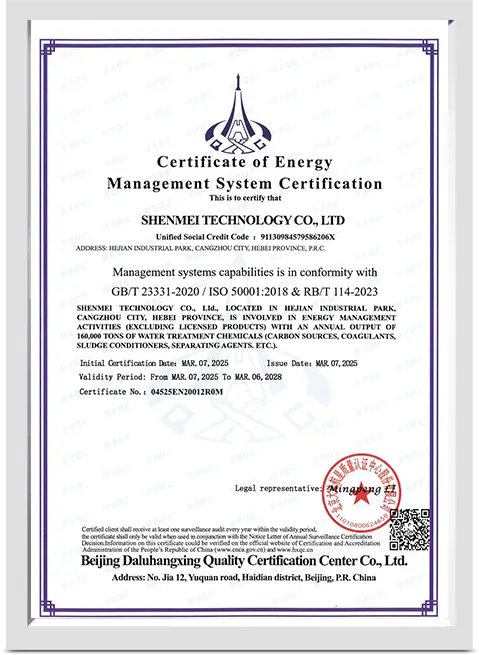
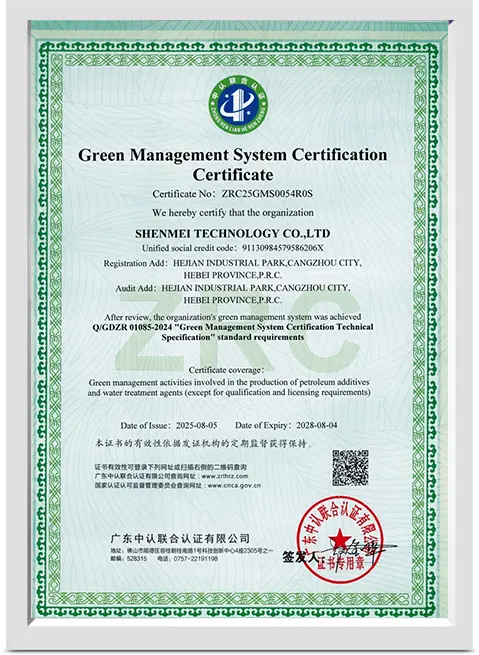
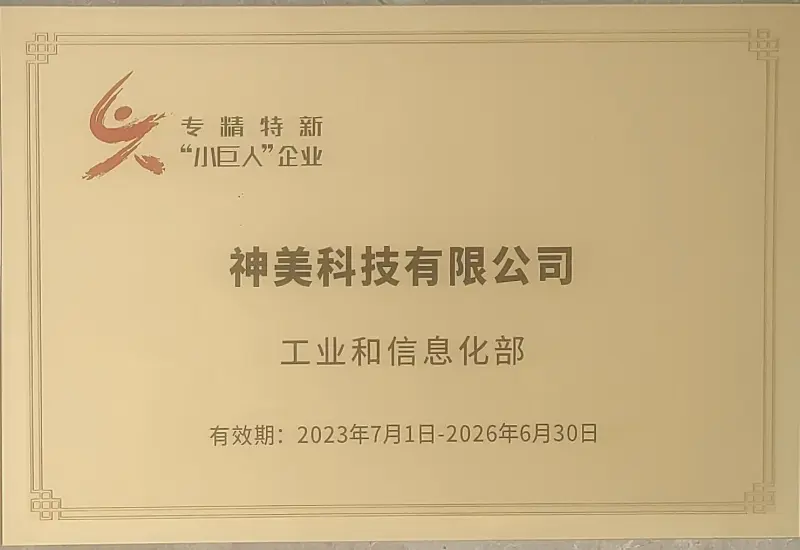
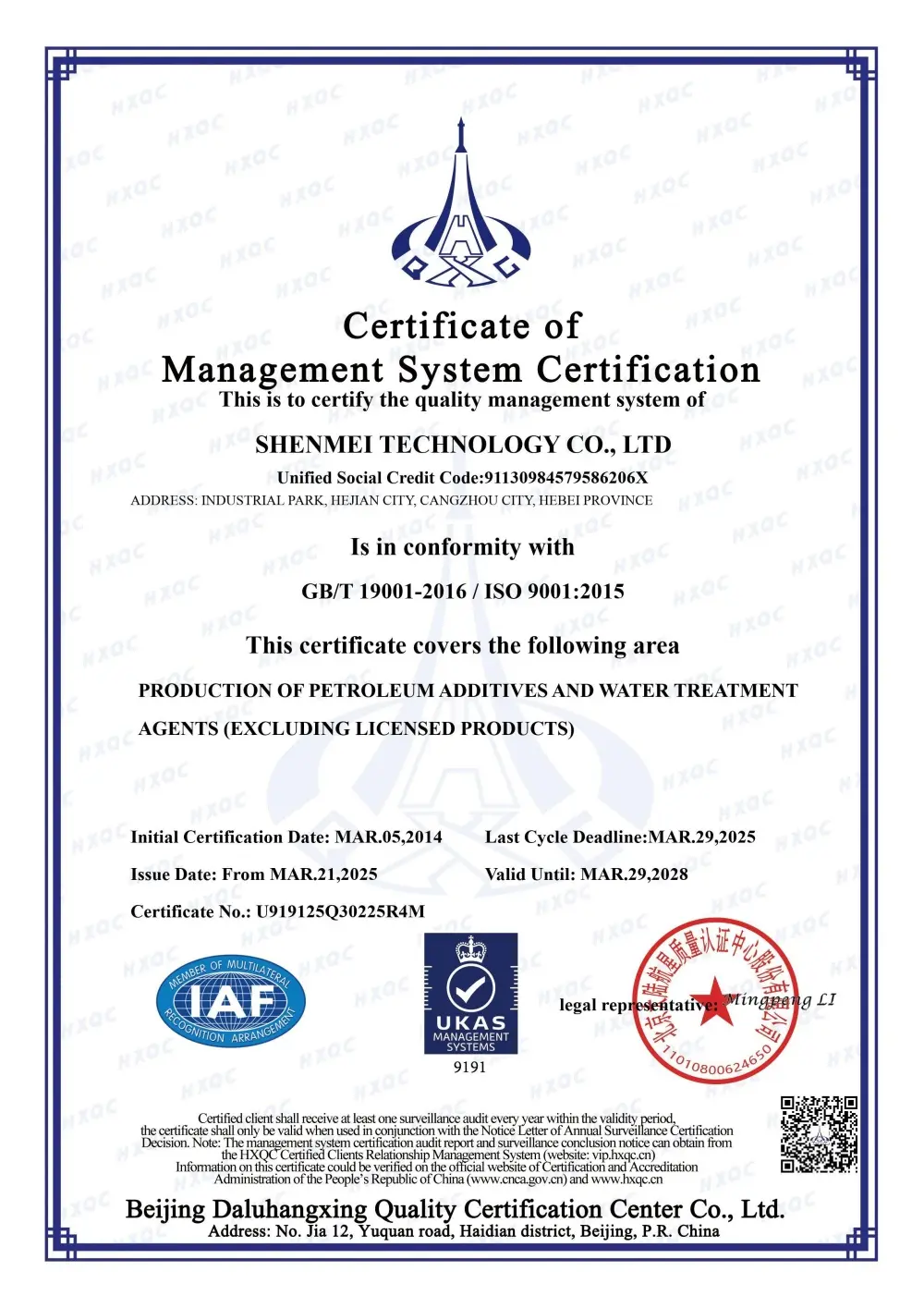
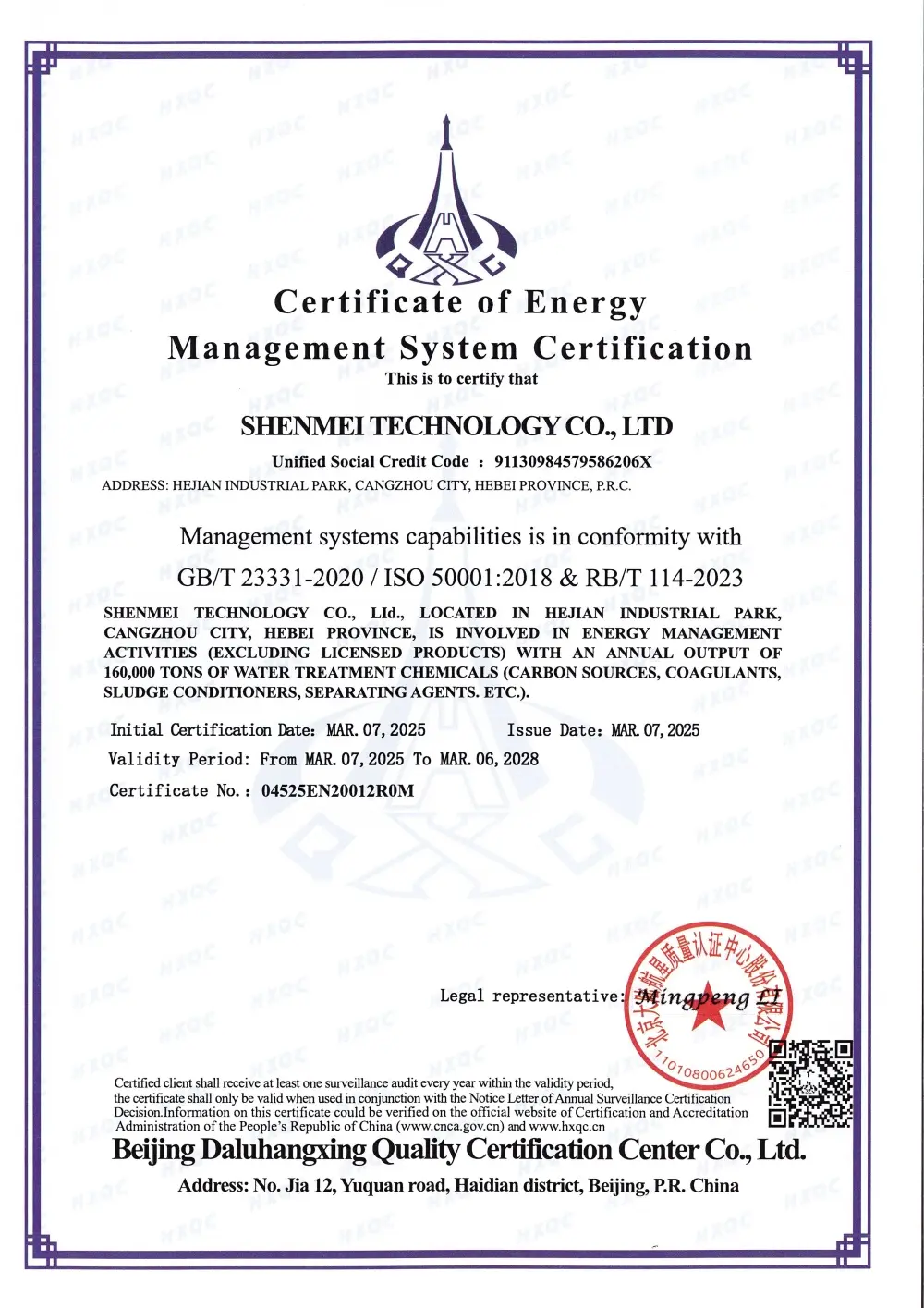
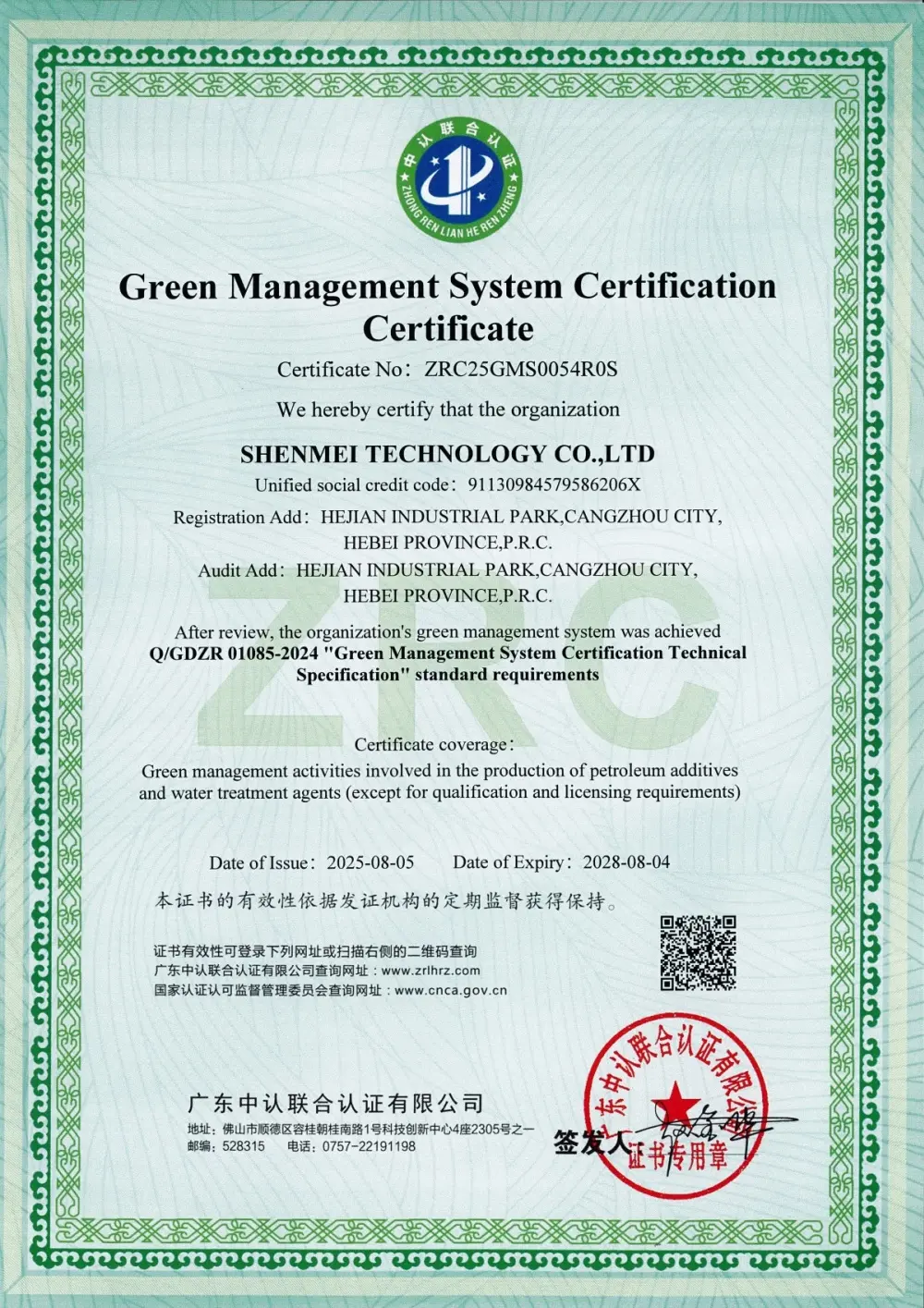
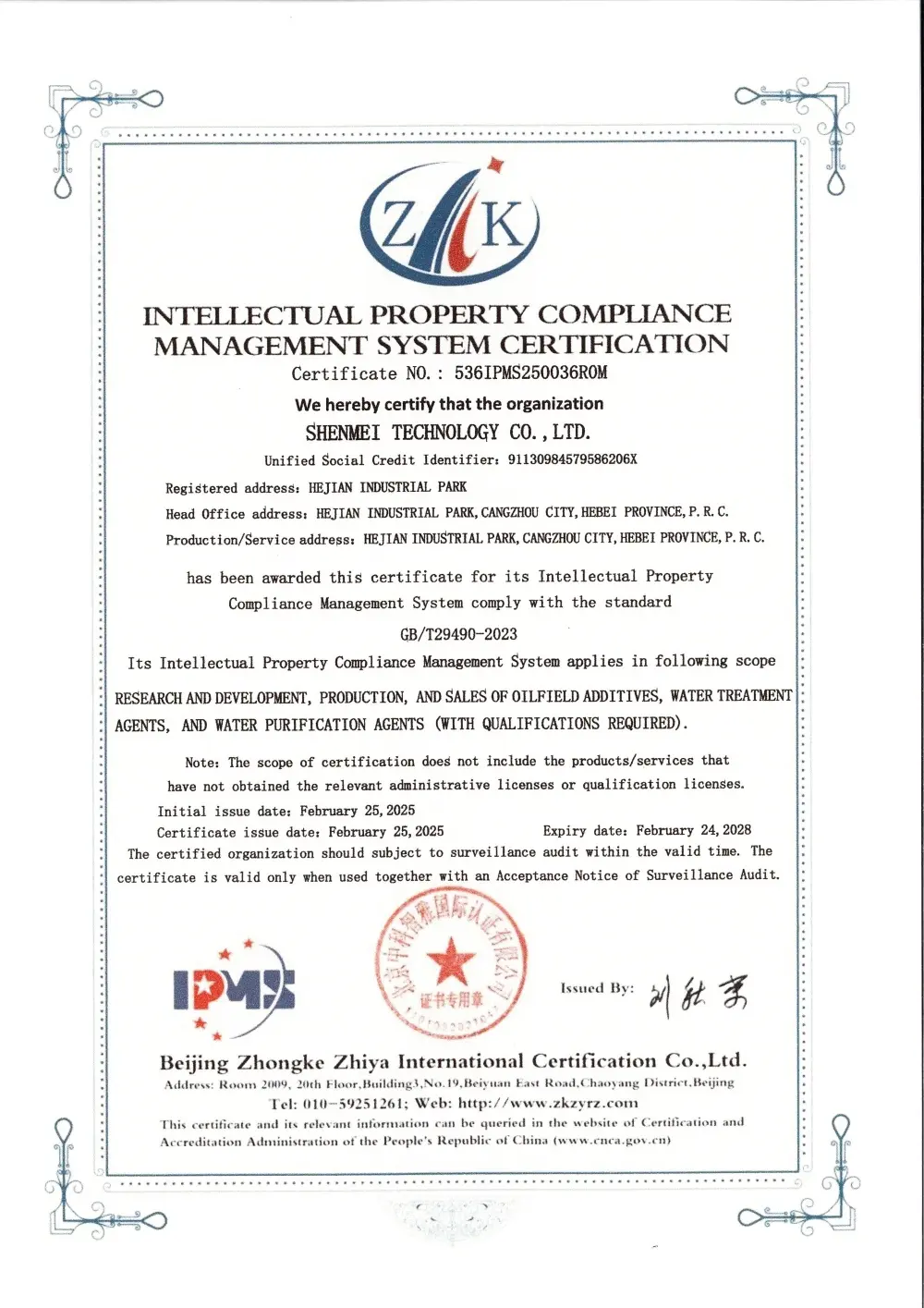
We are a certified National Specialized, Refined, Unique and Innovative "Little Giant" Enterprise. Our manufacturing plants are recognized as "Green Factories" by provincial authorities. Smedic has led the drafting of over ten Chinese national and industry standards, including chemical specifications for composite carbon sources, composite coagulants, sodium acetate, and specialized nitrifying/denitrifying bacterial agents.

We maintain comprehensive inspection protocols that encompass raw material acceptance testing, in-process quality control, and final product release inspection. Each exported batch undergoes HPLC, FTIR, and ICP-OES validation to ensure compliance with MSDS, REACH, and NSF standards. This level of quality control has secured us strategic purchasing partnerships with major water management corporations, including 首创生态环保集团 (Shouchuang Ecological and Environmental Group), 长江生态环保集团 (Yangtze River Ecological and Environmental Group), 北控水务 (Beijing Enterprises Water Group), and 国祯环保 (OriginWater).
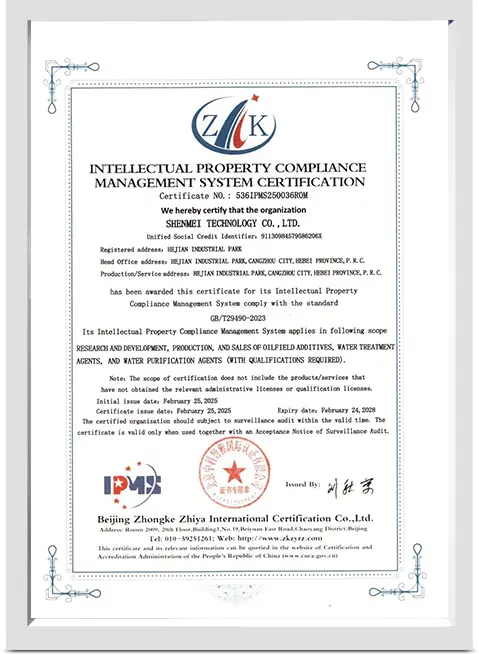
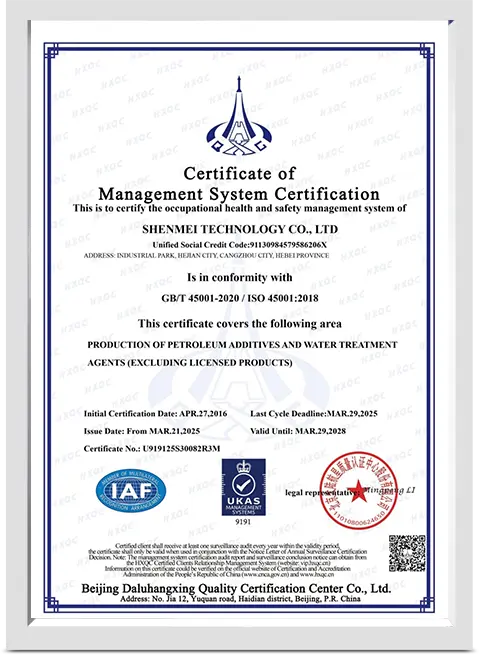
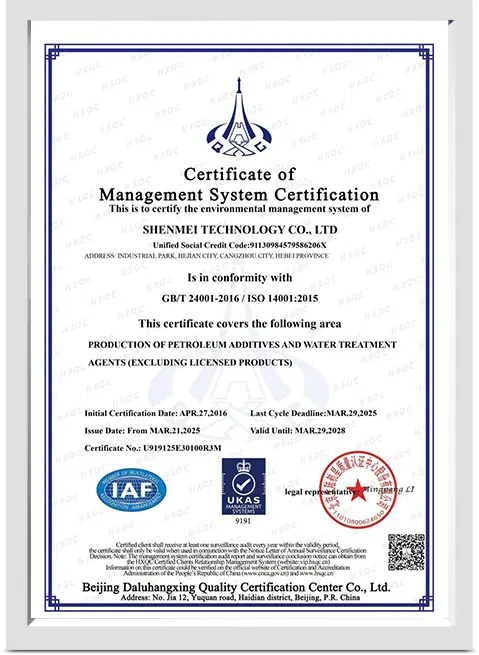
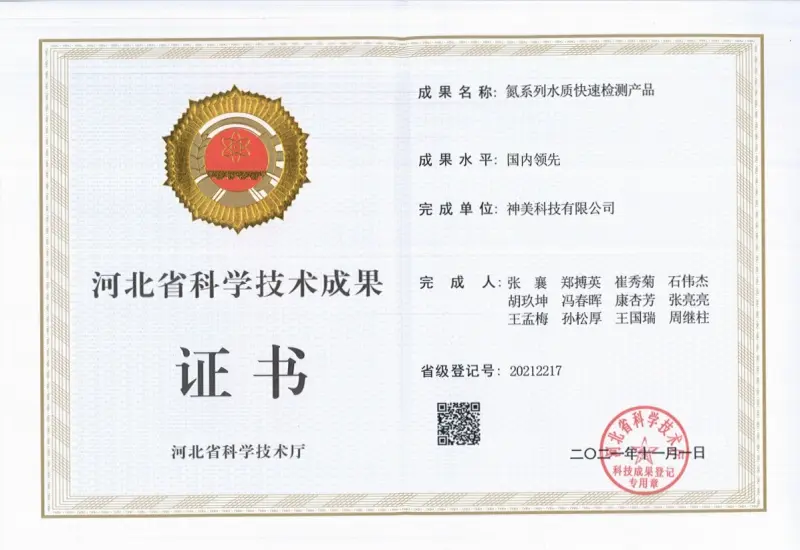
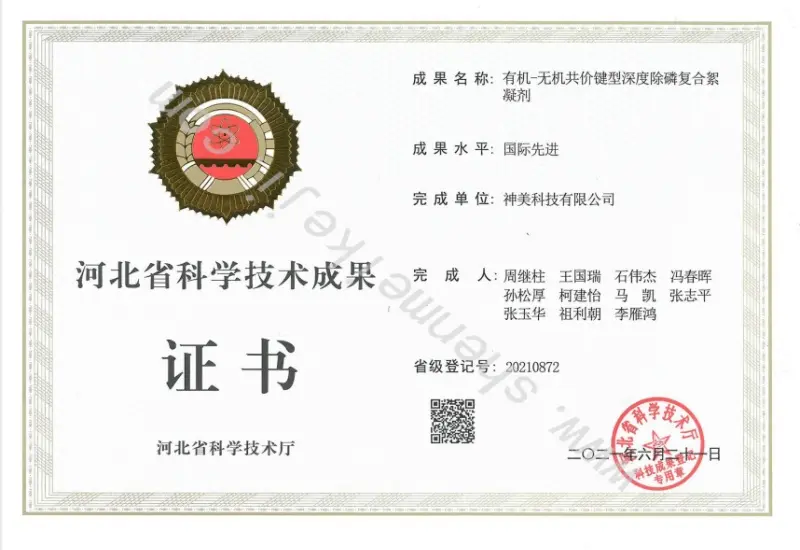
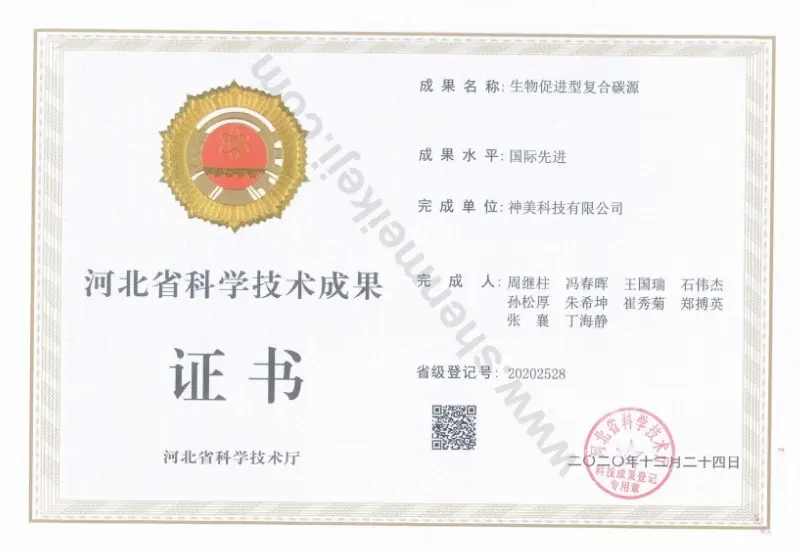
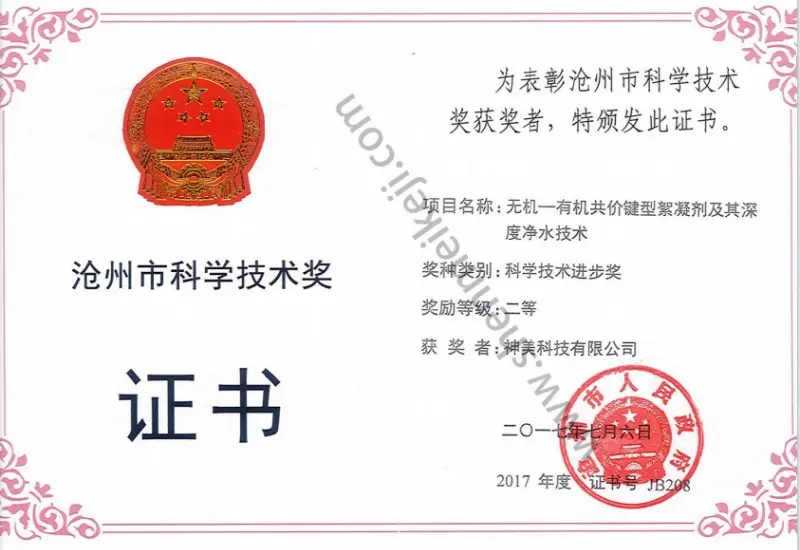
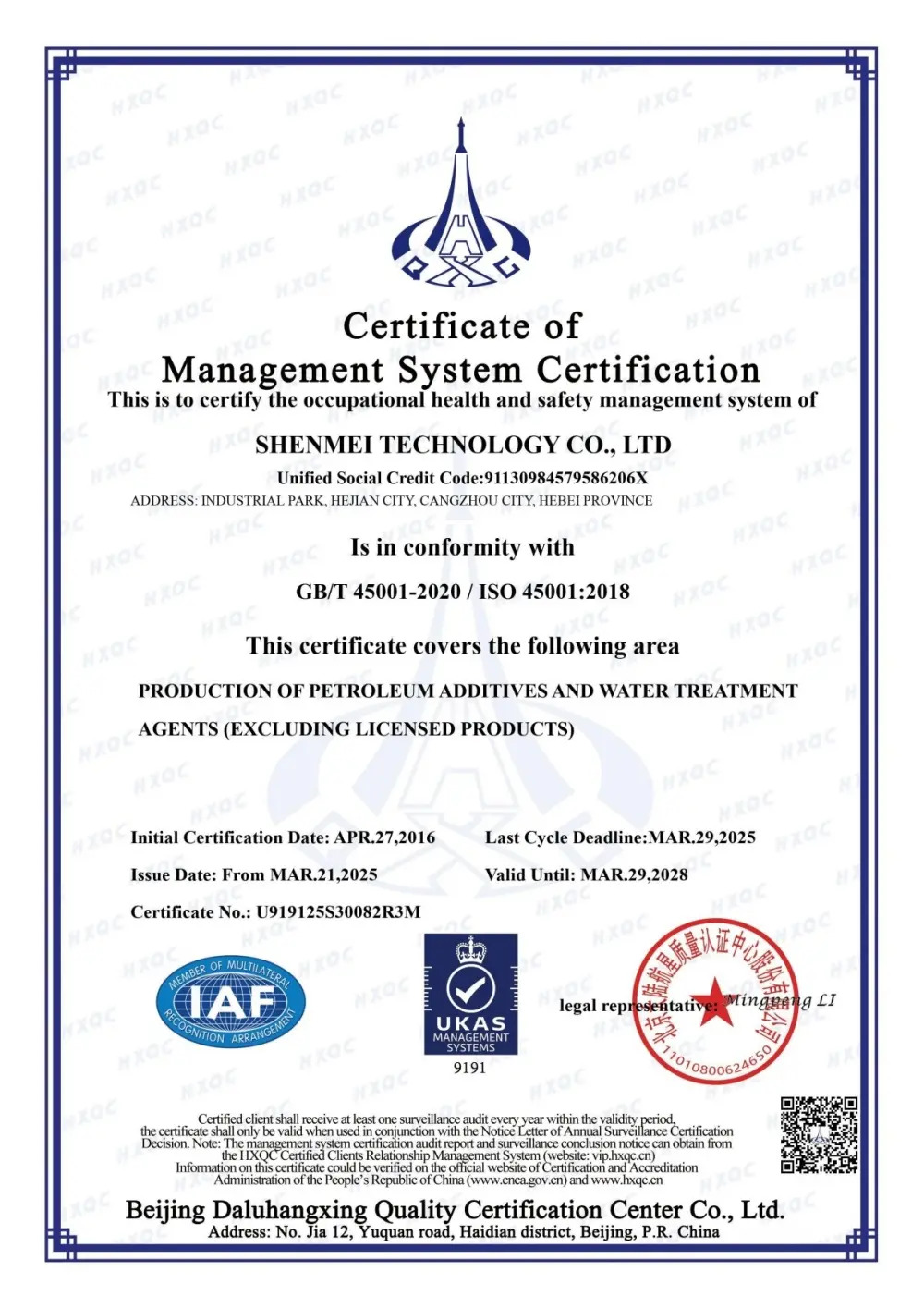
Chemical Factory Quality Certification Documents

Corporate Evolution & Milestones

Over a decade of sustainable expansion, technological commercialization, and strategic joint ventures.

2011

Smedic Technology Co., Ltd. was founded in Beijing, establishing research lines for specialized coagulation chemicals.

2014

The company established a complete product portfolio for municipal wastewater treatment chemicals, expanding into heavy metallurgy flocculants.

2015

Recognized as a key national high-tech enterprise, securing our first round of municipal water management contracts.

2016

A specialized production base for high-grade water treatment chemicals was established in Guiyang, increasing chemical output capacity.

2018

Production bases in Hebei, Shandong, and Guizhou were completed and expanded, bringing Smedic's total annual capacity past 1 million tons.

2020

Appraised as a National Specialized, Refined, Unique and Innovative Small and Medium-sized Enterprise by the Ministry of Industry.

2021

Established a provincial-level water engineering research and development platform in Hebei to target micro-pollutant extraction.

2023

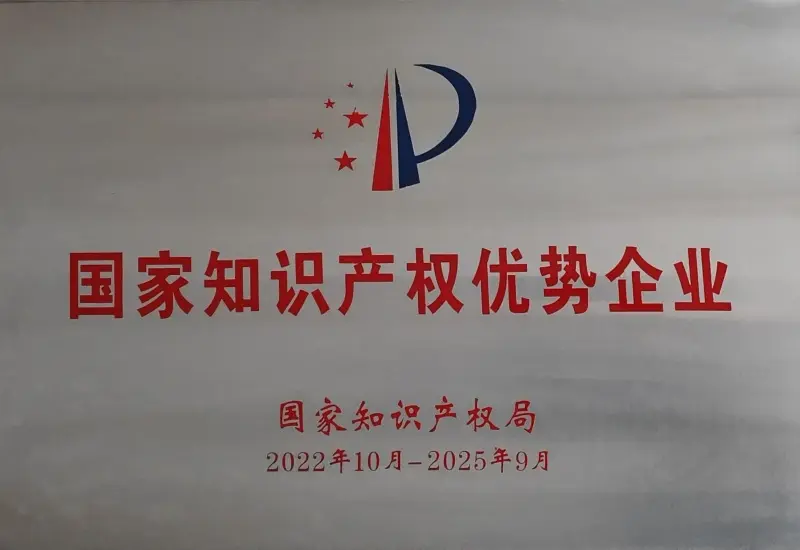
Recognized as a National Intellectual Property Advantage Enterprise with over 60 utility and invention patents granted.

2024

Formed a joint venture company with the Chengdu Institute of Mineral Comprehensive Utilization, China Geological Survey, to co-develop advanced mineral processing reagents and tailings recovery polymers.

Technical Roadmap & Future Outlook

Our long-term engineering vision centers on the decarbonization of sewage treatment, the creation of green polymer formulations, and the implementation of Zero Liquid Discharge (ZLD) systems.

🌱

Green, Bio-based Flocculants

Traditional polyacrylamides contain micro-traces of acrylamide monomer residues, which are subject to strict regulatory scrutiny in sensitive watersheds. Smedic is developing bio-based flocculant polymers derived from modified starch, chitosan, and lignin. These products offer comparable ionic charge densities while ensuring complete environmental biodegradability.

Carbon Neutral Carbon Sources

To assist municipal wastewater treatment plants in achieving net-zero carbon operations, our research team is formulating carbon sources using bio-fermented agricultural waste byproducts. These alternatives replace fossil-based sodium acetate and methanol, lowering Scope 3 emissions for water utility operators.
🌀

AI-Driven Real-time Dosing Systems

Overdosing water treatment agents leads to membrane fouling, excess sludge generation, and high operating costs. Smedic is developing integrated IoT dosing systems. Using real-time sensors measuring turbidity, pH, zeta potential, and COD, these systems adjust chemical feed rates dynamically, reducing overall chemical consumption by 15-30%.

Frequently Asked Questions (FAQ)

Technical answers to common questions about industrial water treatment chemicals, export processes, and ODM customization options.

Q1: What are the main differences between PAC and PFS coagulants in wastewater treatment? +
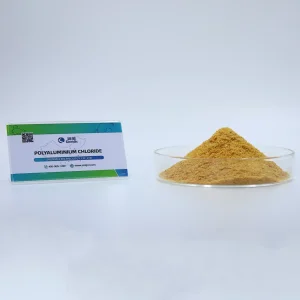
Polyaluminum Chloride (PAC) is an aluminum-based inorganic coagulant that operates via charge neutralization and bridging. It is effective in low-to-medium turbidity streams and has minimal impact on water pH. Polyferric Sulfate (PFS) is an iron-based coagulant with a higher molecular density. It creates heavier, faster-settling flocs and is effective for phosphorus removal and sulfide precipitation. However, it can slightly color the water if overdosed and requires careful pH monitoring.
Q2: How does Smedic’s specialized Fluoride Removal Agent lower F⁻ levels below 1 mg/L? +
Standard precipitation using calcium hydroxide (lime) typically leaves residual fluoride levels around 10–15 mg/L due to the solubility limit of calcium fluoride (CaF₂). Smedic's Specialized Fluoride Removal Agent uses multi-nuclear coordination complexes. These create synergetic ligand exchanges with fluoride ions, forming insoluble complex precipitates that settle quickly. This process helps electronics and electroplating plants meet municipal discharge limits of less than 1 mg/L.
Q3: Can your RO Membrane Scale Inhibitors prevent silica fouling? +
Yes. Our high-performance antiscalant formulations contain active copolymers designed to disperse amorphous silica and prevent polymerisation on membrane surfaces. They are effective in high-silica water profiles (up to 200 mg/L of SiO₂), allowing RO systems to run at higher recovery rates without silica gel scaling.
Q4: What customization options are available under Smedic’s OEM/ODM service? +
We provide full customization of chemical formulations, including charge density adjustments for Polyacrylamide (PAM), concentration levels for liquid coagulants, and solid content modifications. We also support customized packaging (such as private label IBCs, steel drums, or 25kg bags with regional compliance labels in multiple languages) and can formulate custom blends to target complex, multi-pollutant industrial wastewaters.
Q5: How does Smedic ensure supply chain stability for overseas buyers? +
Our annual production capacity of over 1 million tons ensures we can handle high-volume demands. We maintain strategic reserves of critical raw materials at our wholly-owned production bases, shielding buyers from sudden raw material shortages. In addition, our regional warehouses near major shipping hubs allow us to dispatch chemical orders to key international routes with minimal lead times.
Q6: What certifications do your products carry for environmental compliance? +
All Smedic manufacturing facilities operate under certified ISO 9001 (Quality Management), ISO 14001 (Environmental Management), and ISO 45001 (Occupational Health and Safety) frameworks. Our export products are compliant with European REACH registrations, and we provide comprehensive safety documentation including MSDS sheets, technical data sheets (TDS), and third-party analysis certificates (SGS) upon request.