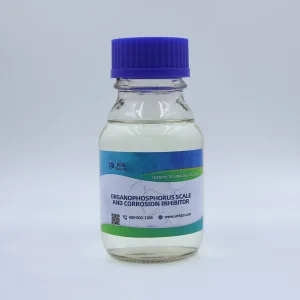
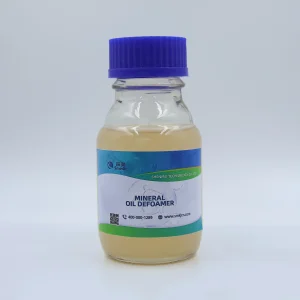
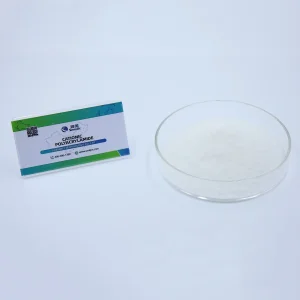
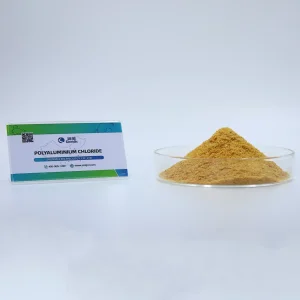
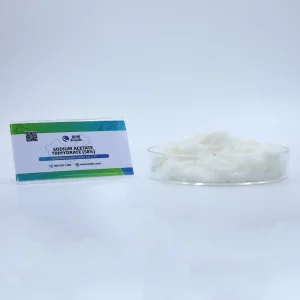
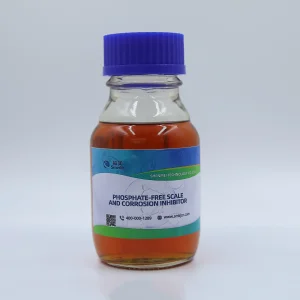
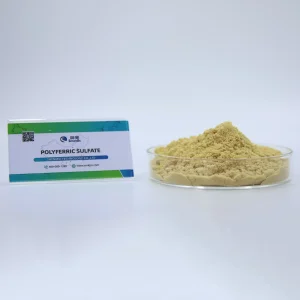
Explore our premium industrial water treatment agents, tailored for high-hardness ecosystems and advanced cooling tower circuits.
Industrial water infrastructure faces constant operational threats from mineral deposition, a phenomenon primarily driven by the saturation kinetics of calcium and magnesium ions. Hard water contains elevated concentrations of dissolved divalent cations, chiefly calcium ($Ca^{2+}$) and magnesium ($Mg^{2+}$), alongside counter-anions such as bicarbonate ($HCO_3^-$), sulfate ($SO_4^{2-}$), and silica ($SiO_2$). When these ions exceed their thermodynamic solubility limits due to changes in pH, temperature, pressure, or concentration cycles, they crystallize onto heat exchange surfaces, membrane structures, and municipal pipelines.
The presence of scale deposits leads to a dramatic drop in heat transfer efficiency, which increases power consumption and accelerates thermal fatigue in high-temperature applications. A scale layer of just 1 mm can increase heat transfer resistance by up to 10-15%, forcing utility infrastructure to run under elevated mechanical stresses. To counteract this, modern water treatment relies on advanced scale inhibition chemistry, which targets crystal growth kinetics at the sub-micron scale.
Furthermore, dispersion processes play a key role in preventing deposition. Dispersants place a negative surface charge on suspended micro-crystals, creating electrostatic repulsion that prevents particles from agglomerating. This complex chemical process requires highly precise molecular weight distributions of polycarboxylates, organophosphonates, and specialized copolymers, making custom Original Design Manufacturing (ODM) services essential for industrial operations facing unique water parameters.
Established in 2011, Smedic Technology Co., Ltd. has developed into a premier, comprehensive solution provider specializing in environmental protection agents, water treatment chemicals, and targeted mineral processing formulations. By seamlessly integrating basic R&D, industrial synthesis, commercial logistics, and onsite engineering consultancies, Smedic delivers bespoke chemical solutions tailored to municipal sewage treatment, industrial wastewater processing, potable water production, and deep-well oilfield applications.
Smedic manufactures over 80 distinct environmental protection chemicals and scale-control agents. Our annual synthesis and blending capacity exceeds 1,000,000 metric tons. Our corporate headquarters is located in Beijing, and we operate fully-owned production facilities in the provinces of Hebei, Guizhou, and Shanxi. Additionally, we run more than ten specialized OEM partner factories and regional warehousing hubs across Shandong, Shanxi, Anhui, Guangxi, and Sichuan provinces. This distributed footprint allows us to serve over 600 urban sewage installations and more than 1,000 direct industrial customers, with a daily municipal and industrial treatment throughput exceeding 20 million tons.
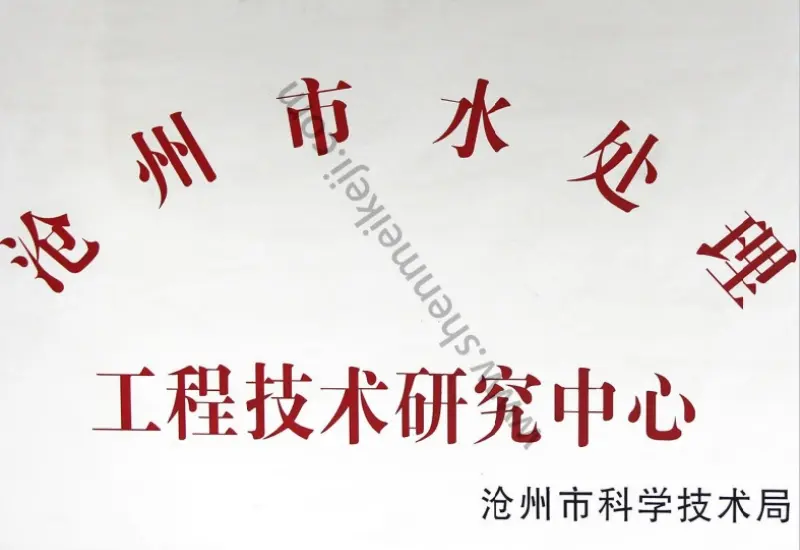
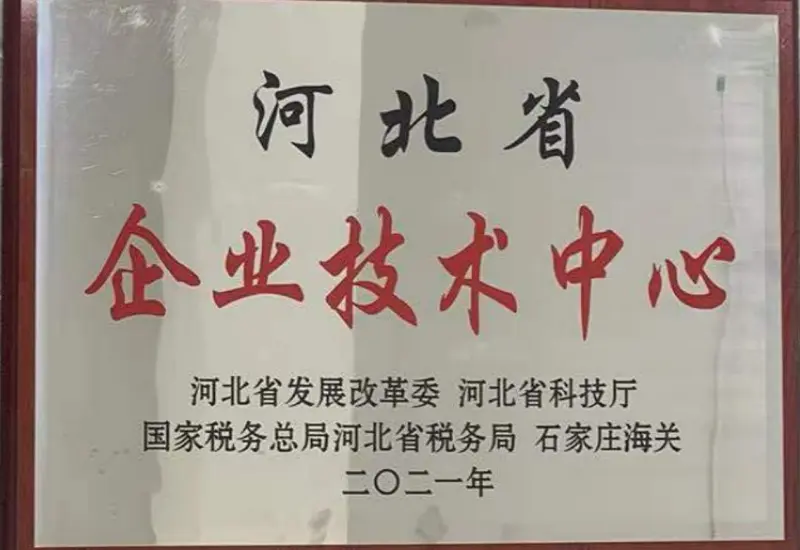
Smedic's R&D architecture is built around a collaborative ecosystem of one central academy, three specialized research institutes, and five production pilot bases. We operate the Hebei Provincial Enterprise Technology Center and the Hebei Provincial Advanced Water Treatment Chemicals Technology Innovation Center, both recognized as Class A R&D institutions.
Our in-house R&D teams collaborate closely with academic partners. We operate a dedicated expert workstation in partnership with the Tsinghua University Association of Senior Scientists and Technicians, alongside joint research labs at Shandong University and the Beijing University of Technology. Furthermore, Smedic serves as a key commercialization partner for water purification projects developed at Peking University and Tianjin University.
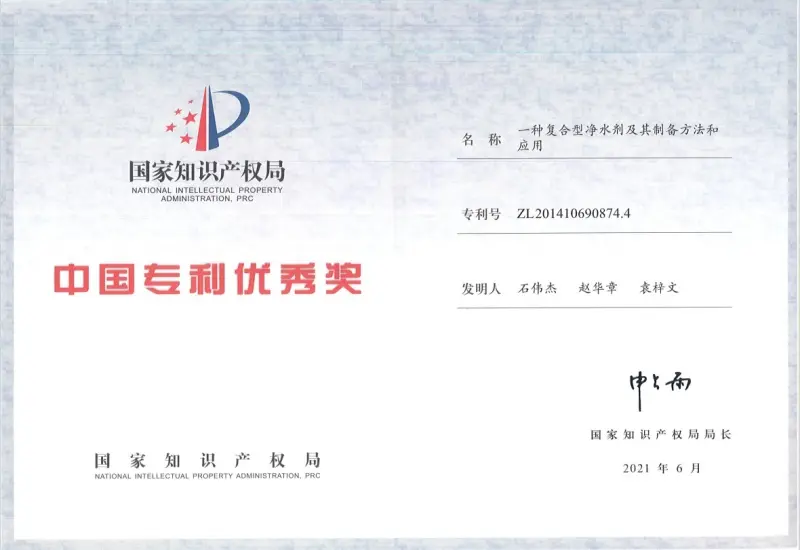
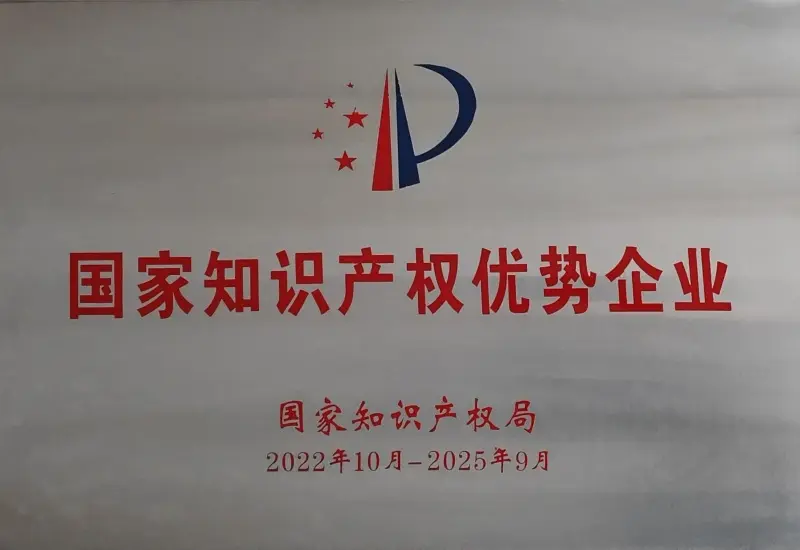
Smedic has been granted over 60 Chinese patents, including more than 40 invention patents and 20 utility model patents. We have led the drafting of over 10 national and industrial standards, including specifications for composite carbon sources, composite coagulants, industrial sodium acetate, and specialized nitrifying bacterial agents.
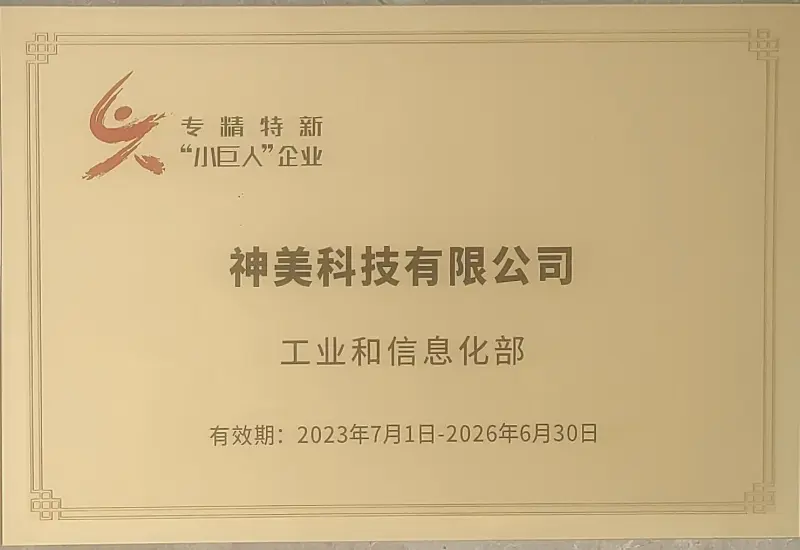
Our proprietary technologies, such as our bio-enhanced denitrification carbon sources and deep multi-nuclear phosphorus removal agents, have been certified as "internationally advanced" by the Science and Technology Department of Hebei Province. In addition, our Active Oxygen Compound Disinfectant has been designated as a National Construction Industry Scientific and Technological Achievement Promotion Project by the Ministry of Housing and Urban-Rural Development. Smedic has also won the 22nd China Patent Award and the First Prize for Technological Invention from the China Petrochemical Industry Association.
The regulatory landscape for global water treatment is shifting toward green chemistry. Traditional scale inhibitors rely heavily on organophosphonates, such as HEDP (1-Hydroxyethylidene-1,1-Diphosphonic Acid) or ATMP (Amino Tris(Methylene Phosphonic Acid)). While highly effective, discharging phosphorus-rich effluents into natural water bodies can trigger rapid eutrophication, resulting in harmful algal blooms.
In response, Smedic's technical roadmap focuses on the synthesis of green, biodegradable scale inhibitors and phosphorus-free polymers. This research centers on two main structural platforms:
In addition, Smedic is incorporating AI-driven molecular modeling to simulate how new polymer structures interact with different mineral crystal faces. This allows us to design custom molecular weight profiles and multi-functional copolymer backbones, optimizing performance for complex industrial water chemistry.
Every industrial sector faces distinct hard water challenges, requiring tailored chemical treatments rather than a one-size-fits-all approach. Smedic designs target-specific formulations for a wide range of industrial verticals:
Thermal and nuclear power stations run large-scale open recirculating cooling systems. Under high cycles of concentration (CoC), calcium carbonate and calcium phosphate present severe scaling risks. Smedic's custom organophosphorus and copolymer formulations prevent mineral deposition even under high heat-flux conditions, helping maintain peak cooling tower performance.
RO membranes are susceptible to inorganic scaling, biofouling, and physical compaction. Our high-performance RO membrane antiscalants prevent calcium, barium, and strontium sulfate scaling on membrane surfaces. This significantly extends membrane life, reduces clean-in-place (CIP) intervals, and lowers operating costs.
Mining operations often deal with highly mineralized process water. This water contains high levels of dissolved silica and heavy metal ions, which can clog extraction pipes and tailing lines. Smedic's customized polymeric scale inhibitors and heavy metal removal agents ensure steady process flows, preventing unexpected maintenance shutdowns.
Smedic's manufacturing facilities utilize advanced automation and digital quality tracking, aligning with China's Factory 4.0 initiatives. Our production lines feature automated DCS (Distributed Control Systems) to monitor every step of the chemical reaction process. By precisely controlling synthesis parameters like monomer feed rates, temperature profiles, and reaction times, we ensure batch-to-batch consistency for all polymer products.
Our smart supply chain system helps protect customers from fluctuations in raw material pricing and availability. We maintain strategic reserves of key chemical inputs and utilize dual-source agreements for critical raw materials. Combined with our regional warehousing hubs in Beijing, Hebei, Guizhou, Shanxi, Shandong, and Sichuan, Smedic is equipped to deliver products quickly and reliably to clients worldwide.
Navigating international environmental and safety standards is critical for global industrial enterprises. Smedic provides comprehensive compliance support, ensuring our products meet local regulations in target markets:
We offer full registration and pre-registration support for chemical substances imported into the European Union. This ensures our clients can import Smedic products without regulatory delays.
Our potable water treatment additives are designed to comply with NSF/ANSI Standard 60, verifying they meet strict purity and safety requirements for drinking water applications.
Our plants are certified under ISO 9001 (Quality Management), ISO 14001 (Environmental Management), and ISO 45001 (Occupational Health & Safety). We provide GHS-compliant Safety Data Sheets (SDS) in multiple languages.
Industrial procurement managers need reliable chemical suppliers that can deliver consistent quality on a large scale. Smedic supports global buyers through flexible cooperation models, clear pricing structures, and end-to-end logistics solutions:
By offering reliable quality, regulatory compliance, and dependable supply chain planning, Smedic serves as a trusted long-term partner for leading water treatment companies worldwide.
Expert insights on product compatibility, environmental regulations, and chemical dosage selection.
Explore Smedic's range of high-efficiency coagulants, flocculants, defoamers, and heavy metal removal agents.
 Smedic Tech