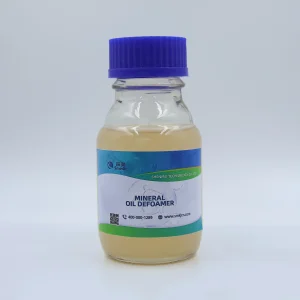
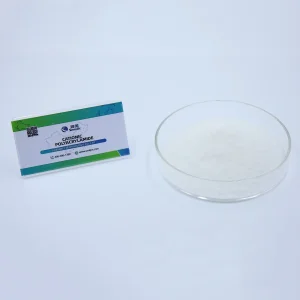
Engineered environmental protection agents designed for ultimate heavy metal removal, phosphorus reduction, and scale inhibition.
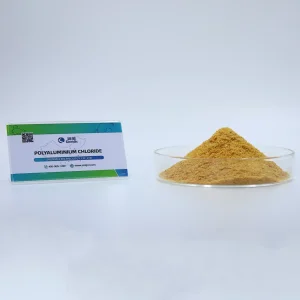
In modern industrial and municipal wastewater management, the shift toward highly polymerized, multi-nuclear coagulants represents a major technological leap. Polymeric Ferric Sulphate (PFS) stands at the forefront of this evolution, offering significant chemical stability and performance advantages over traditional aluminum-based or simple iron monomeric salts (like ferric chloride or alum). Modern wastewater parameters demand strict adherence to effluent standards regarding Total Phosphorus (TP), chemical oxygen demand (COD), and turbidity. Traditional coagulants often fail to consistently meet these limits without causing secondary pollution issues, such as residual aluminum toxicity or excessive sludge production.
The structural characteristics of PFS allow it to work exceptionally well across a wide pH range (typically 4.0 to 11.0), making it highly adaptable to highly variable industrial effluents. By neutralizing negatively charged colloidal particles and forming strong coordinate covalent bonds with phosphate ions, PFS achieves rapid destabilization. This chemical action significantly reduces dosing requirements, minimizes sludge volume, and prevents downstream corrosion of treatment infrastructure, which is a common issue with highly acidic ferric chloride solutions.
PFS selectively binds with dissolved orthophosphates, converting them into insoluble iron phosphate complexes ($FePO_4$) that quickly settle out of suspension.
The large polymeric molecular weight of PFS traps organic micro-flocs, yielding high-rate removal of hydrophobic organics and micro-particulates.
By producing denser and more compact sludge cakes, PFS reduces the costs associated with mechanical sludge dewatering and disposal.
Global environmental regulations are tightening rapidly. Across Europe, North America, and Asia-Pacific, municipal sewer regulations and industrial discharge permits have lowered allowable limits for trace metals, phosphorus, and nitrogen to historic lows. Consequently, procurement departments at major utility companies and heavy industrial corporations are shifting focus. They no longer seek simple commodity chemical supply contracts; instead, they require specialized chemical engineering partnerships that offer custom formulations, high reliability, and certified performance profiles.
In response to these demands, ODM (Original Design Manufacturer) and OEM (Original Equipment Manufacturer) services are crucial. Water treatment demands vary heavily based on geographic geological profiles, seasonal temperature shifts, and specific industrial manufacturing processes. Smedic Technology Co., Ltd. addresses this directly through custom chemical development, tailoring active molecular densities, iron content ratios, and basicity indexes to solve complex wastewater challenges for global industrial clients.
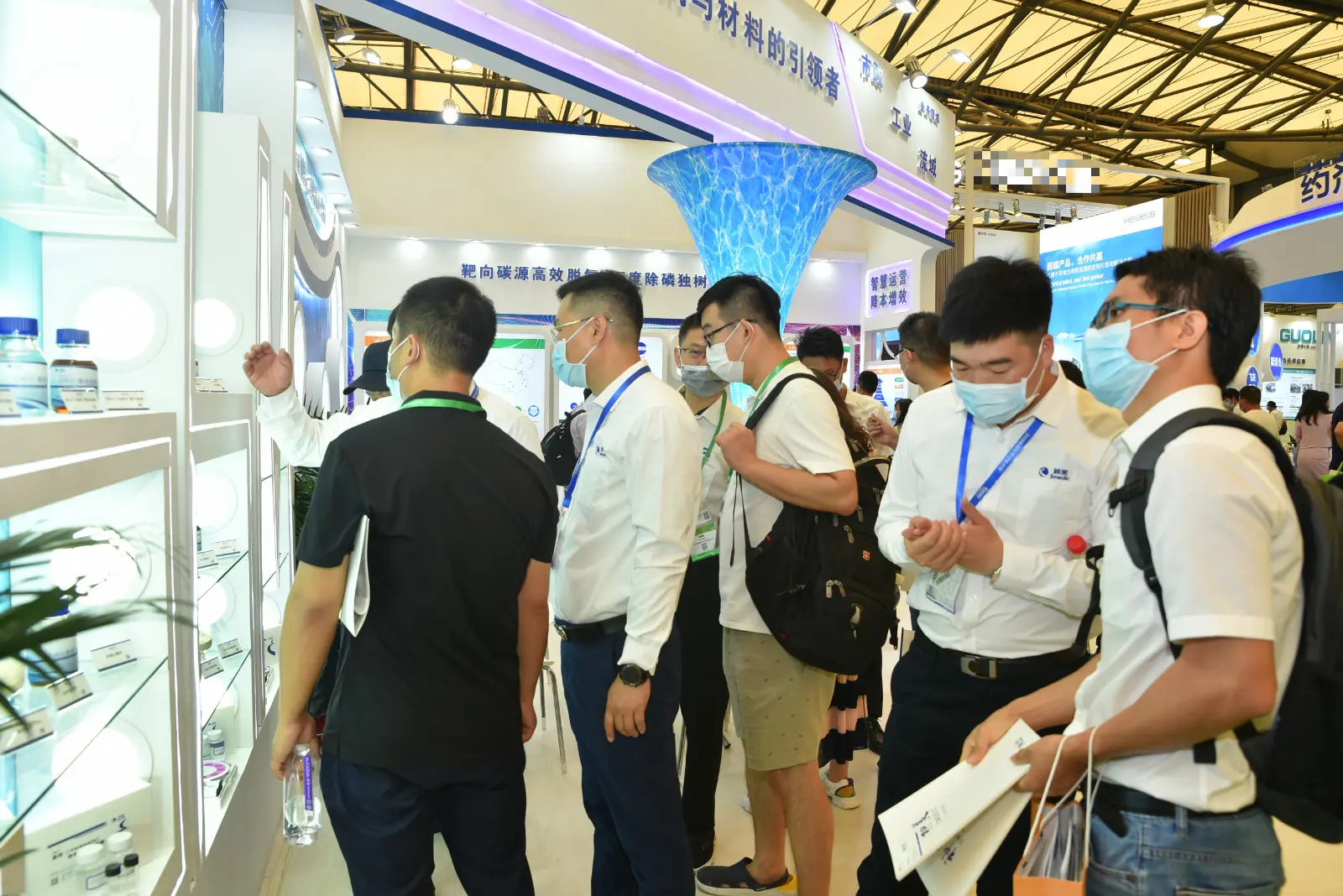
Established in 2011, Smedic Technology is a comprehensive solution provider specialized in environmental protection agents, integrating R&D, production, sales, and engineering-related technical services. We are dedicated to providing customers with customized chemical products, technical solutions, and services. Smedic produces environmental protection agents covering multiple sectors such as municipal sewage, industrial wastewater, and tap water treatment, as well as mineral processing agents and oilfield chemicals. We offer more than 80 different environmental protection products, with an annual production capacity exceeding 1 million tons.
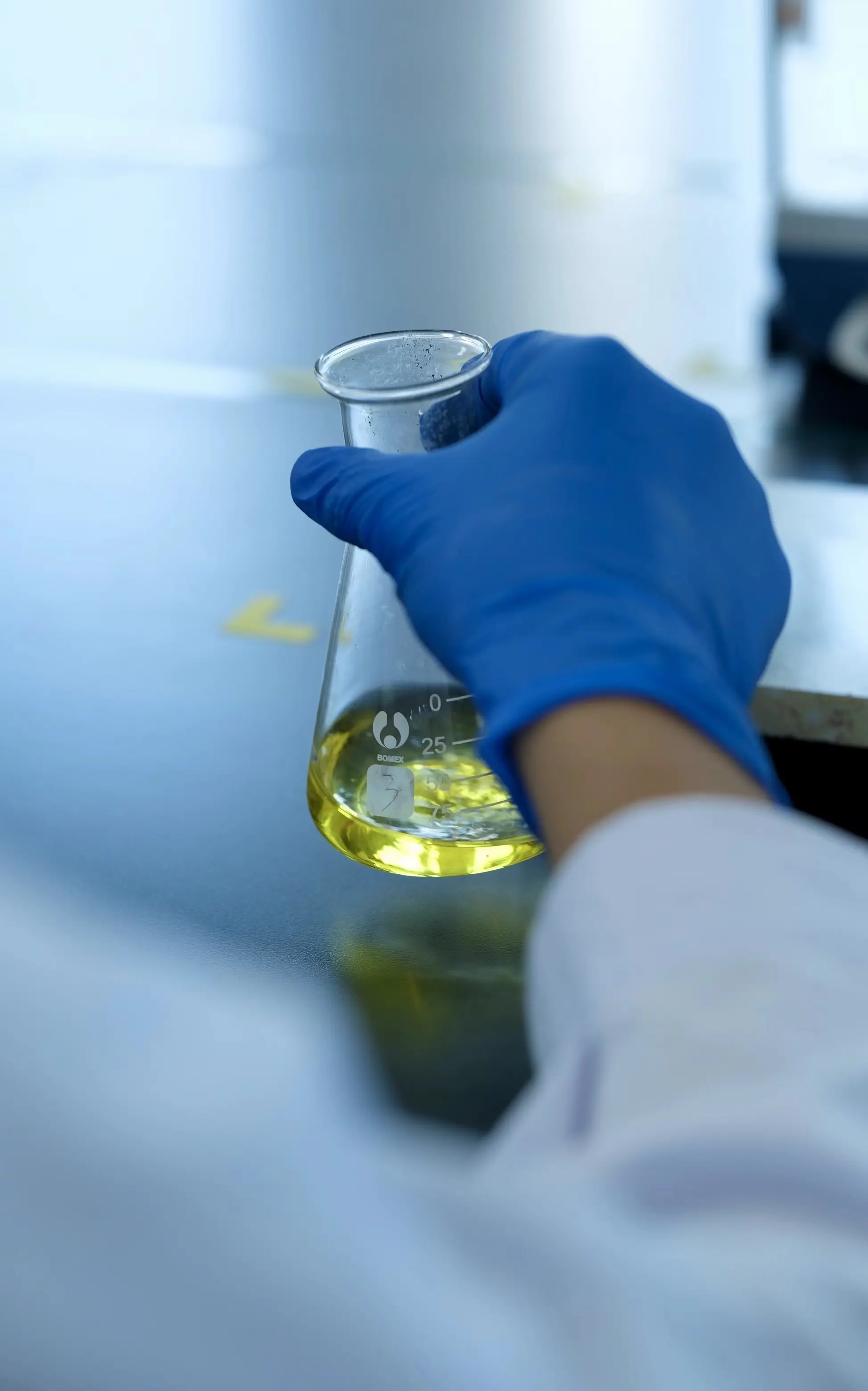
In global chemical supply chains, volatility has become a significant challenge. Delays in raw material sourcing, rising freight costs, and sudden regulatory shutdowns in production hubs can quickly disrupt operations at municipal water plants and heavy industrial facilities. To mitigate these risks, Smedic Technology has adopted a "Factory 4.0" manufacturing model. This approach integrates digital automation and advanced process monitoring, and distributes production across multiple strategically located hubs to guarantee supply chain resilience.
Our corporate headquarters is located in Beijing, and we operate wholly-owned production bases in Hebei, Guizhou, Shanxi, and other regions. Additionally, we have set up more than ten OEM partner factories and regional warehousing and logistics bases in Shandong, Shanxi, Anhui, Guangxi, and Sichuan provinces. This distributed network ensures that raw material disruptions in one province do not stop our overall production. It also allows us to coordinate regional stockpiles to meet urgent export and domestic needs quickly.
With multiple production bases and over ten partner factories, Smedic provides uninterrupted supply chains regardless of localized power constraints or regional logistics bottlenecks.
Strategically placed hubs near major ports (such as Tianjin, Qingdao, and southern ports) ensure cost-effective global ocean freight with minimal lead times.
Every production batch undergoes strict quality control, spanning raw material testing, real-time reactor monitoring, and final product quality verification.
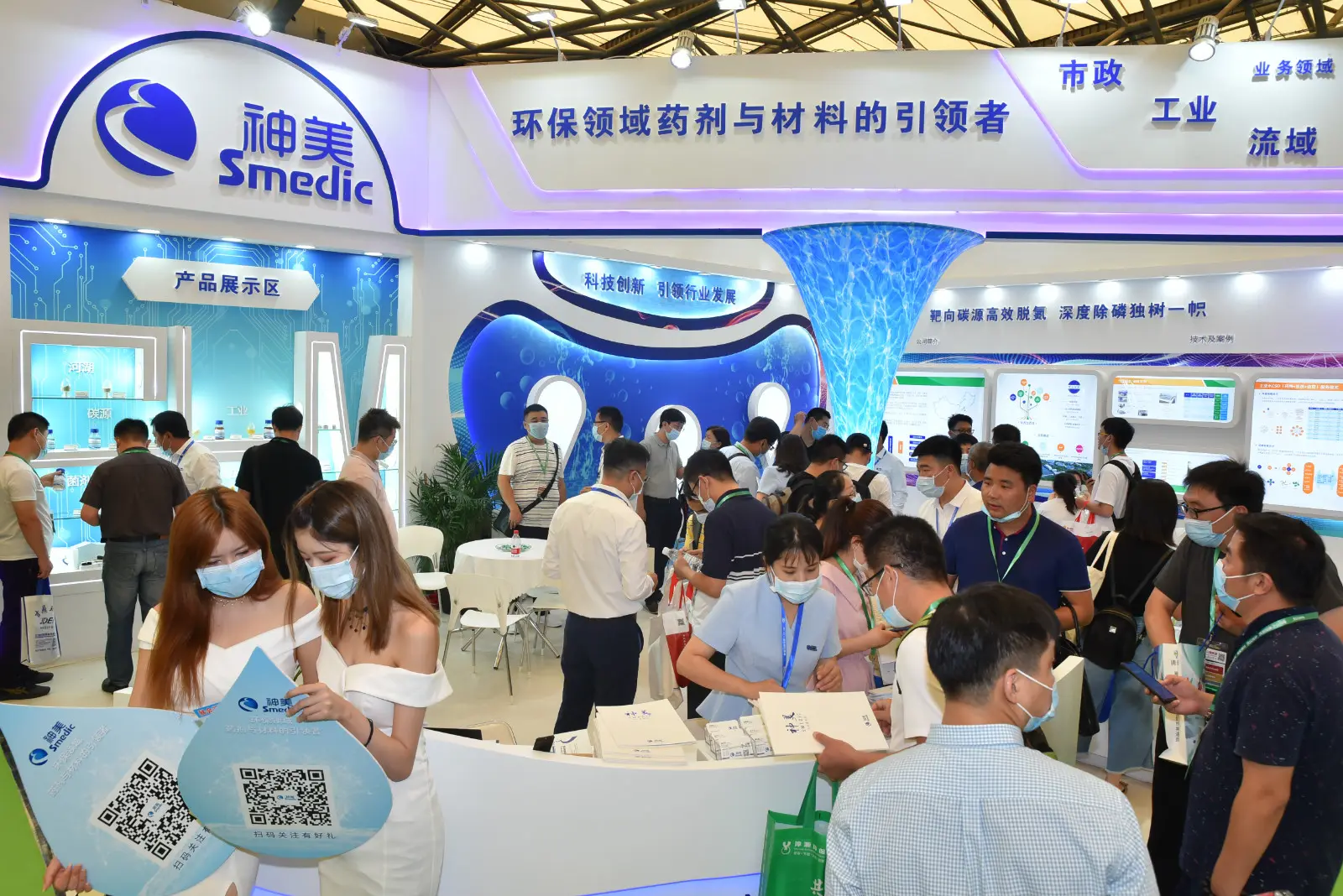
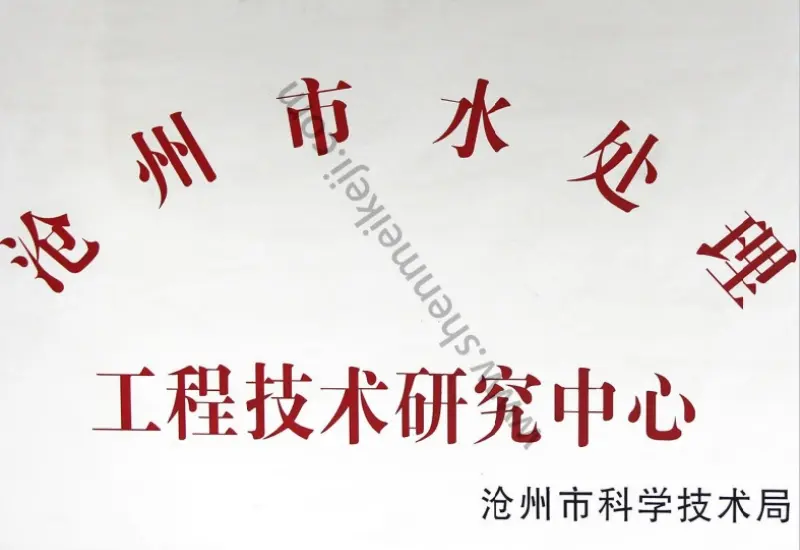
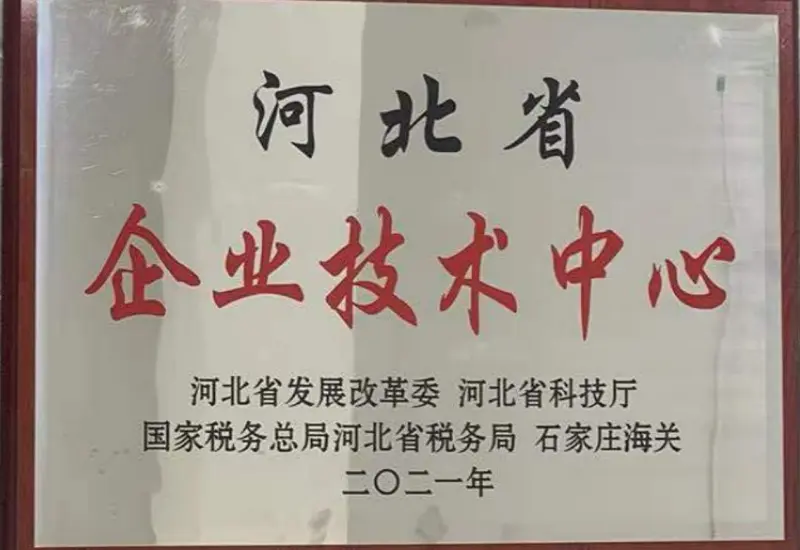
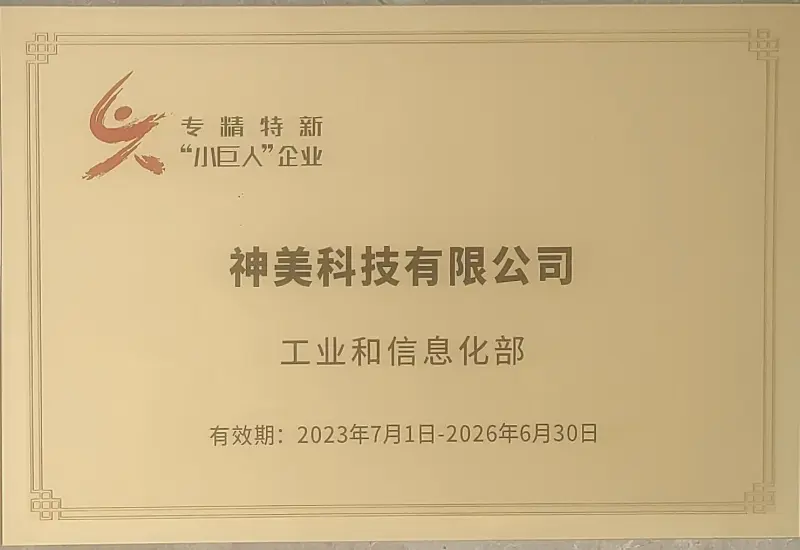
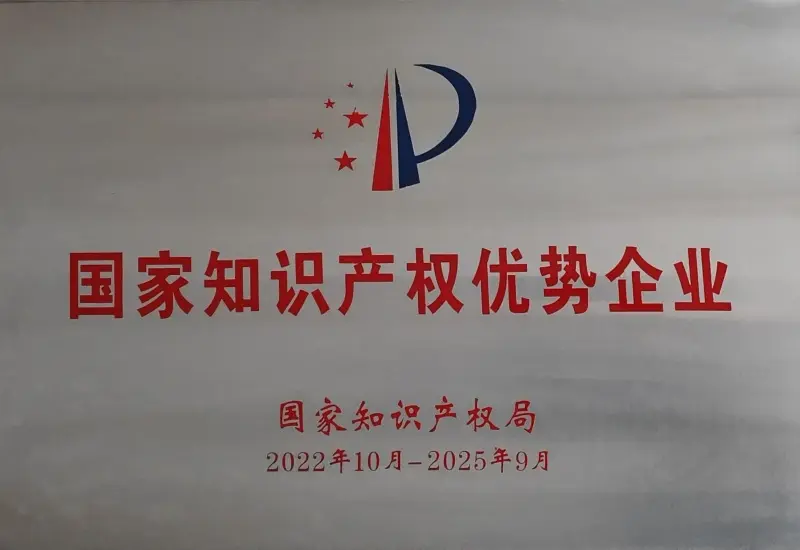
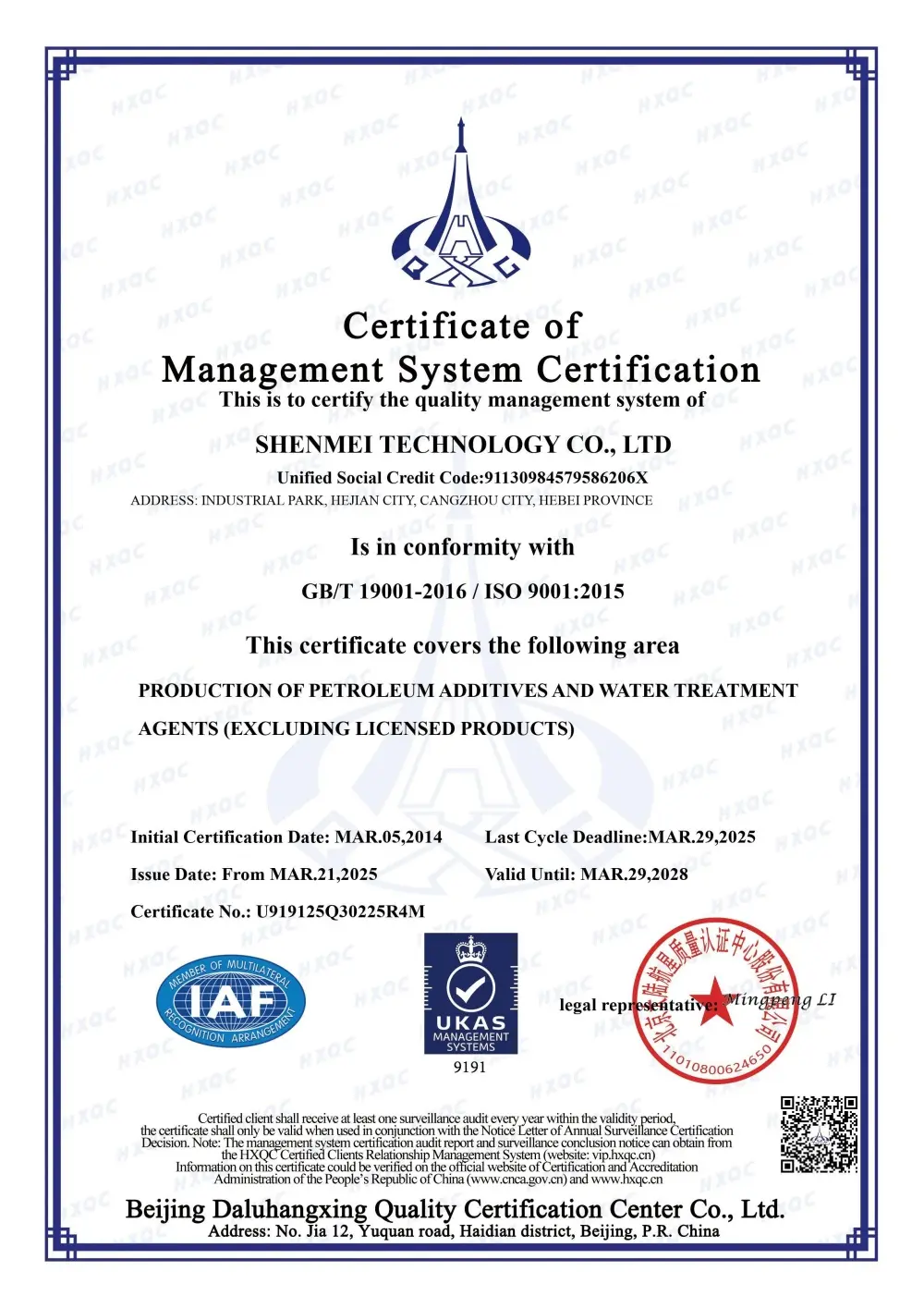
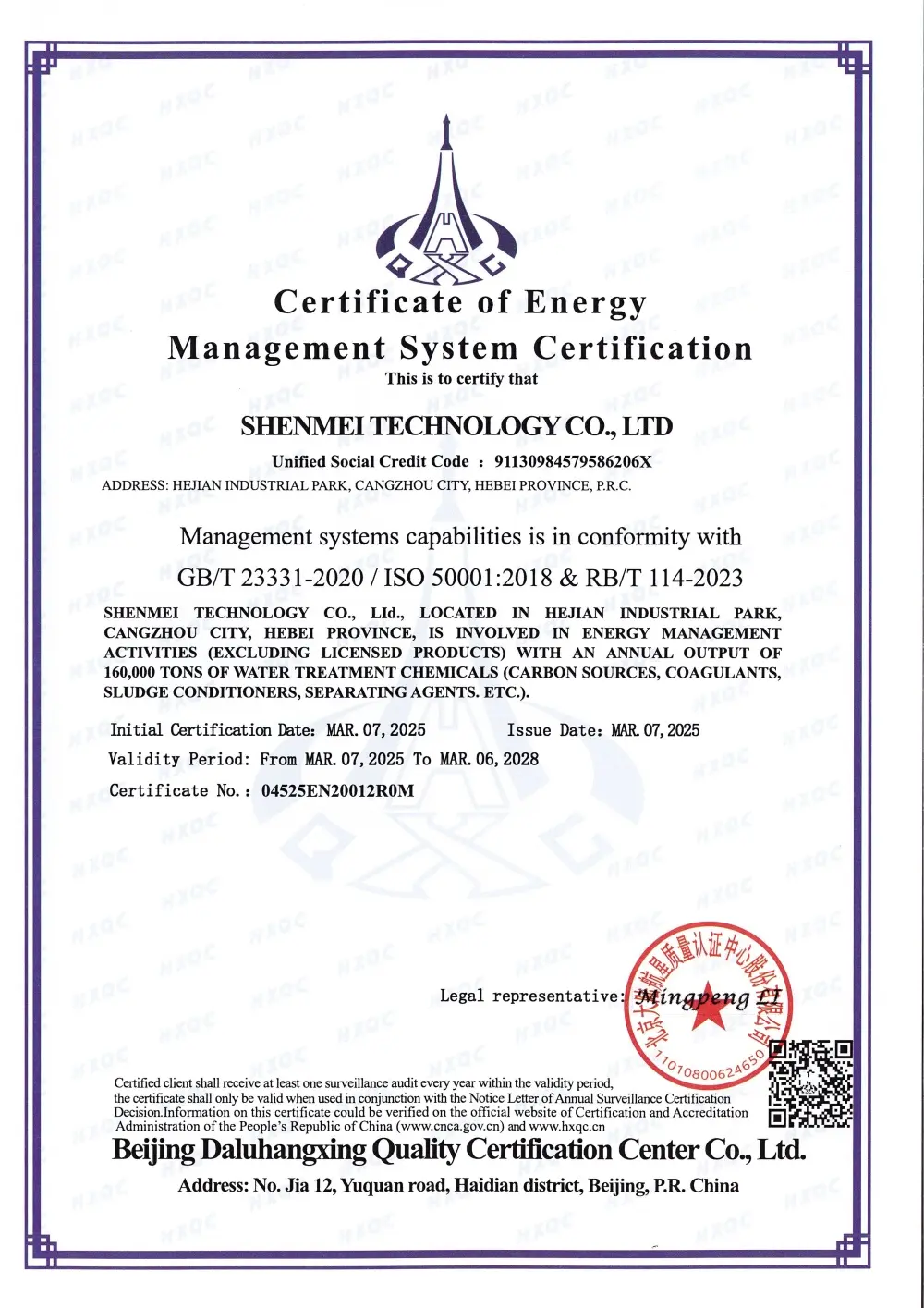
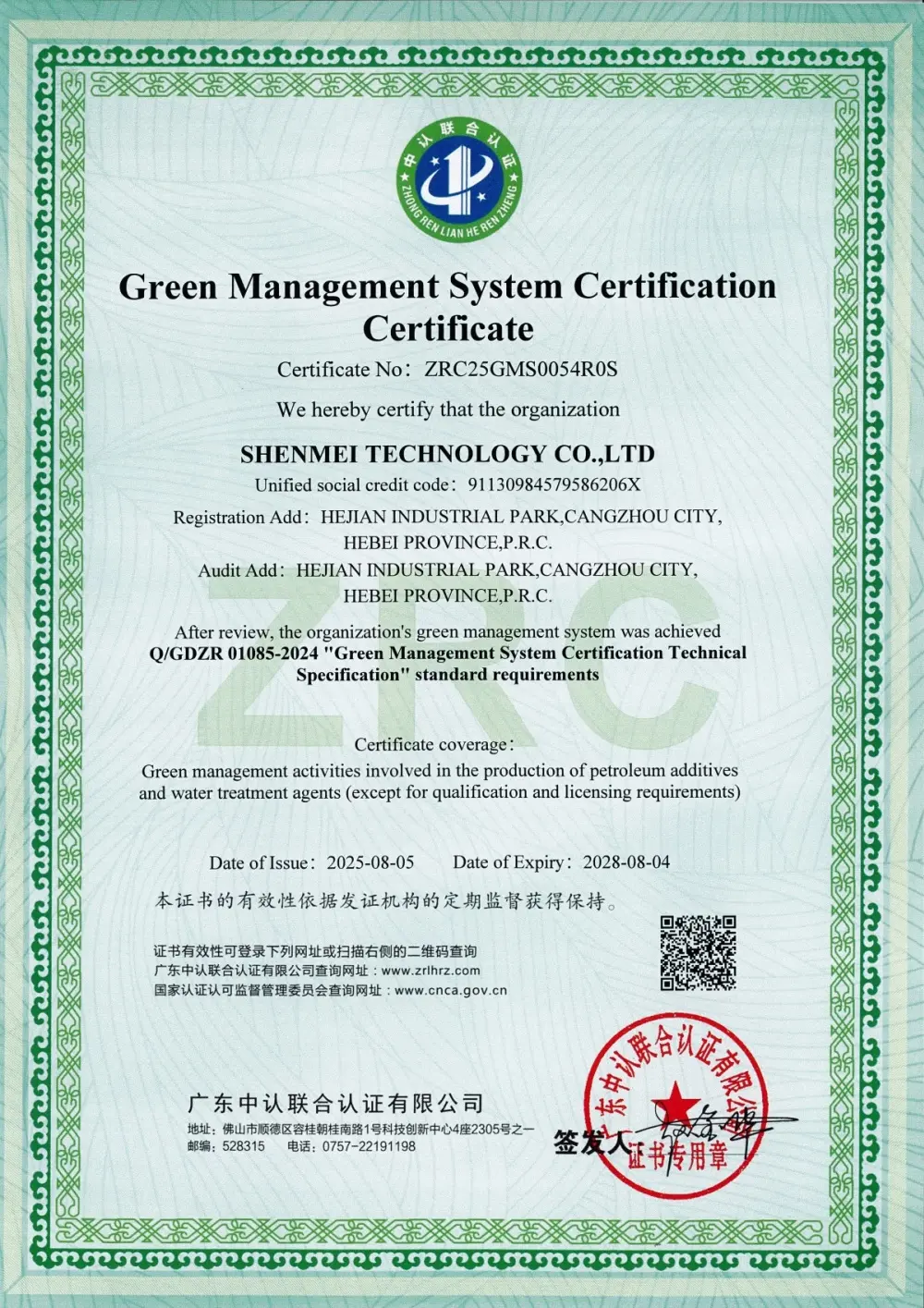
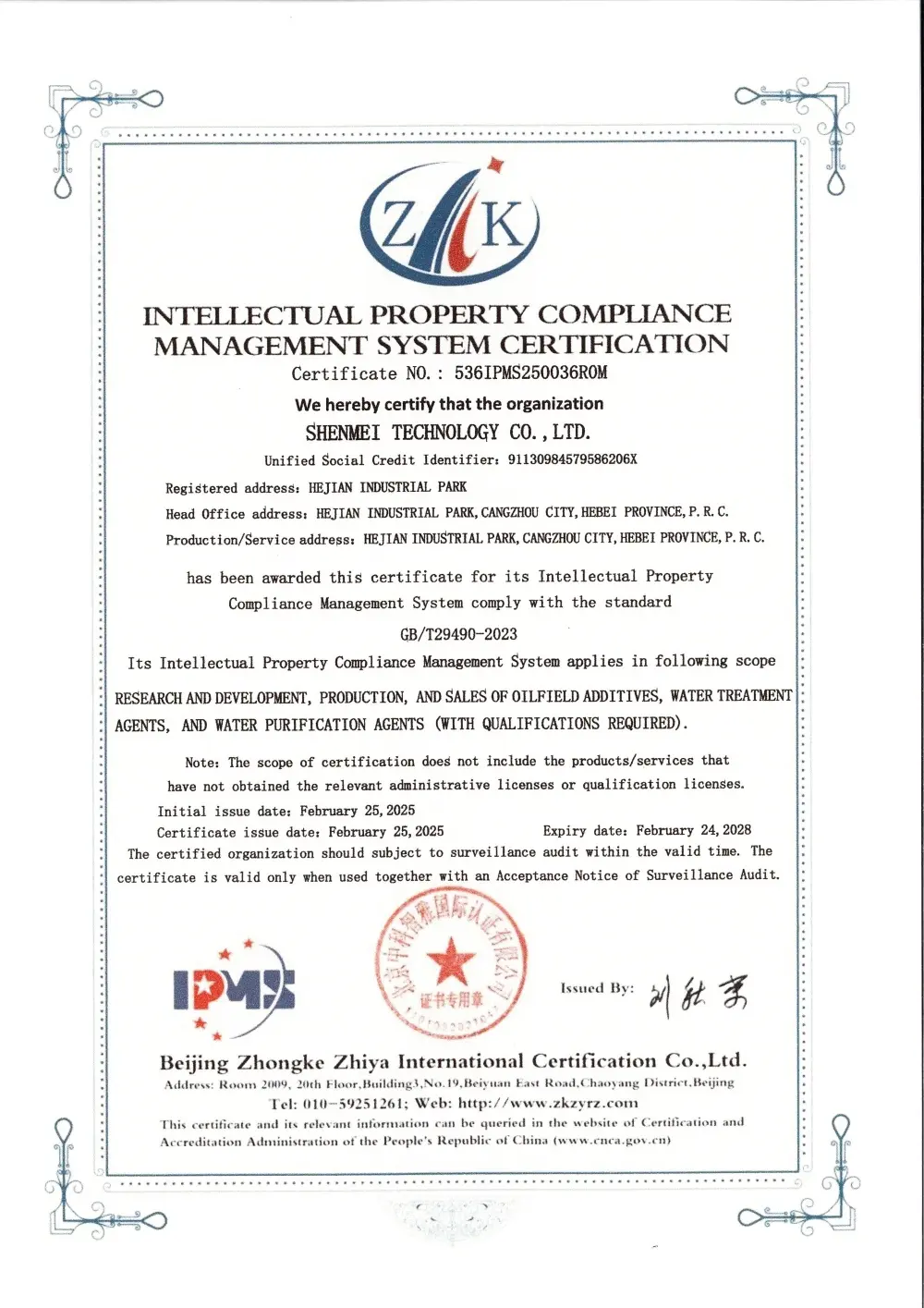
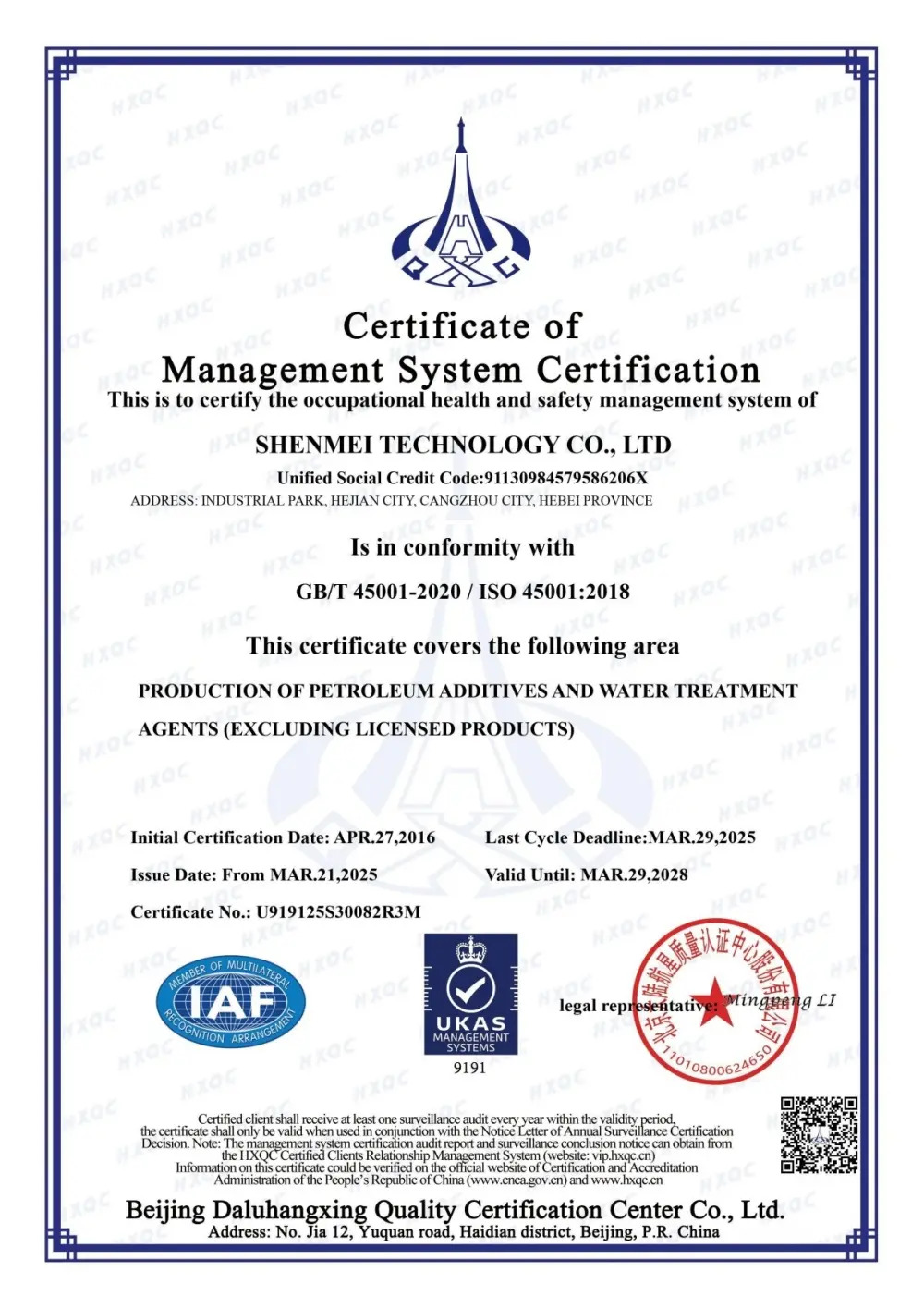
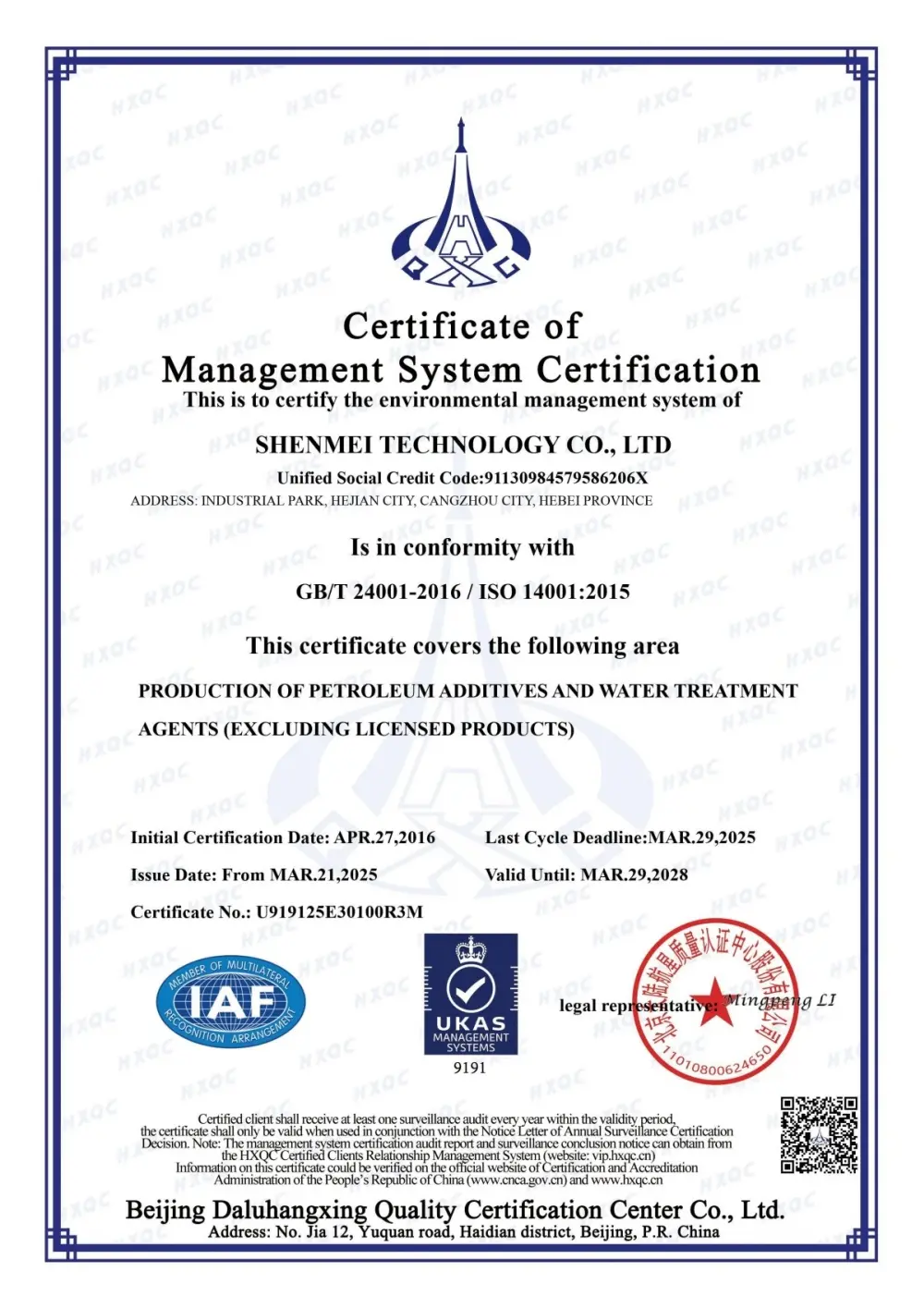
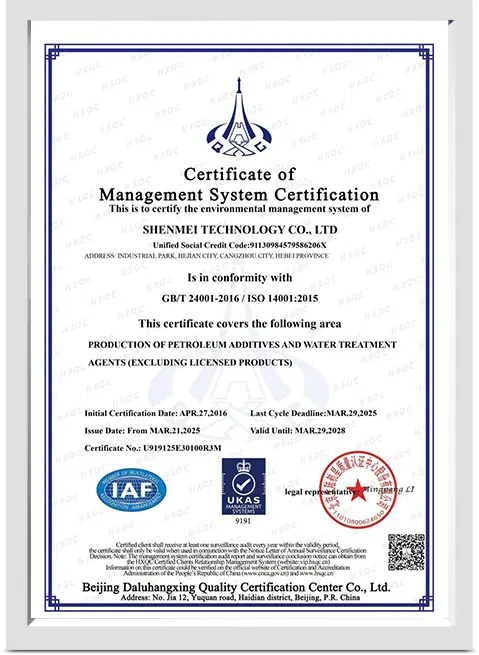
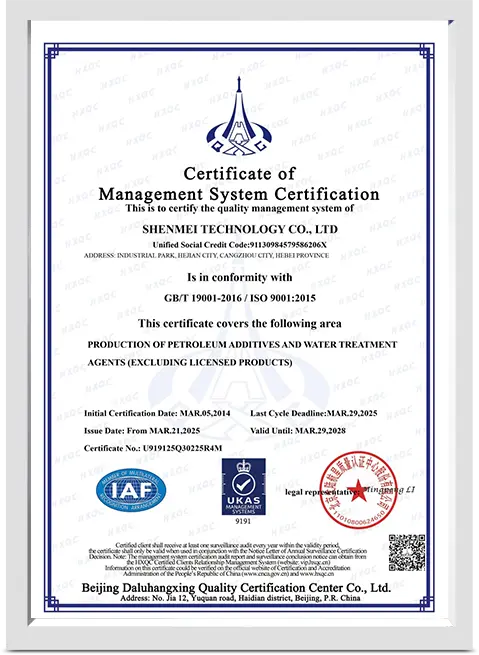
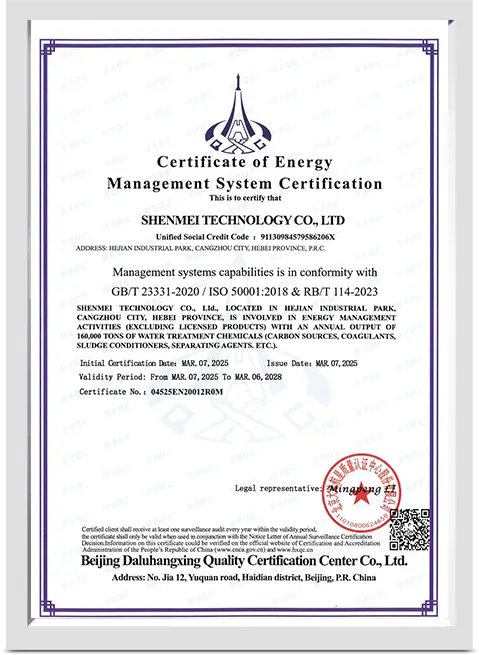
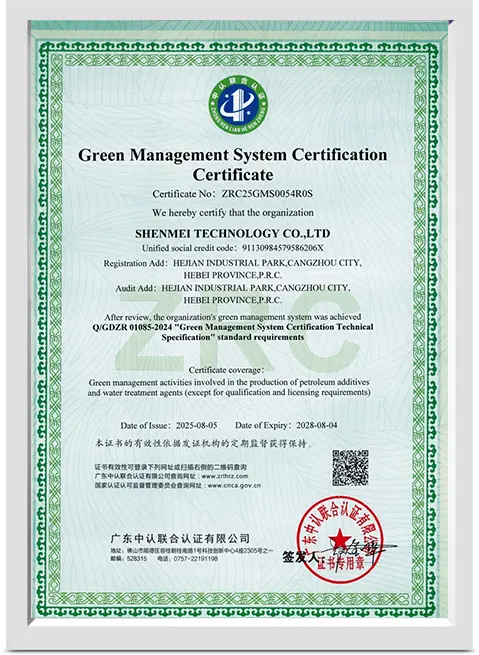
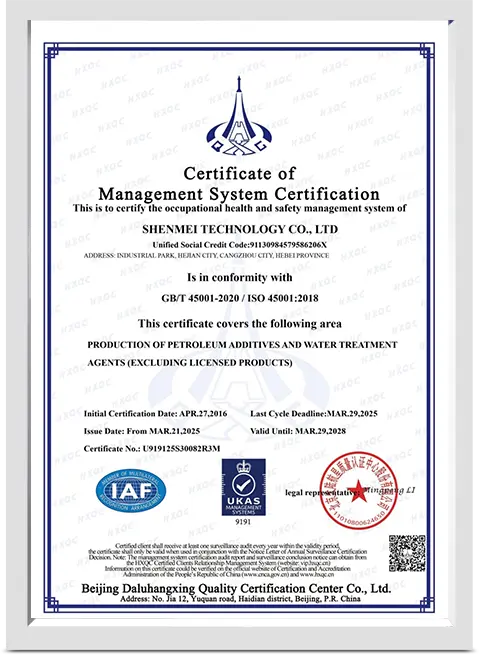
Smedic Technology has built a strong research and development system centered around one academy, three research institutes, and five production bases. Our technical team includes academicians, water chemistry experts, professors, and senior engineers. We have been awarded key certifications, including National High-tech Enterprise, National Specialized, Refined, Unique and Innovative "Little Giant" Enterprise, and Hebei Province Green Factory status.
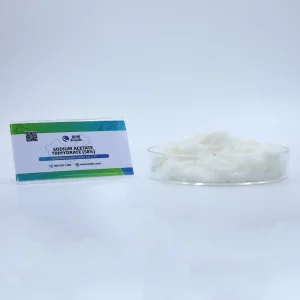
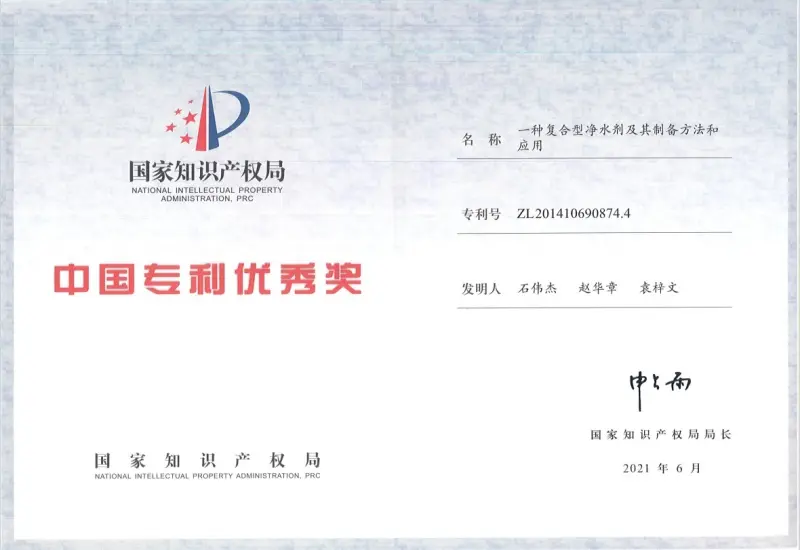
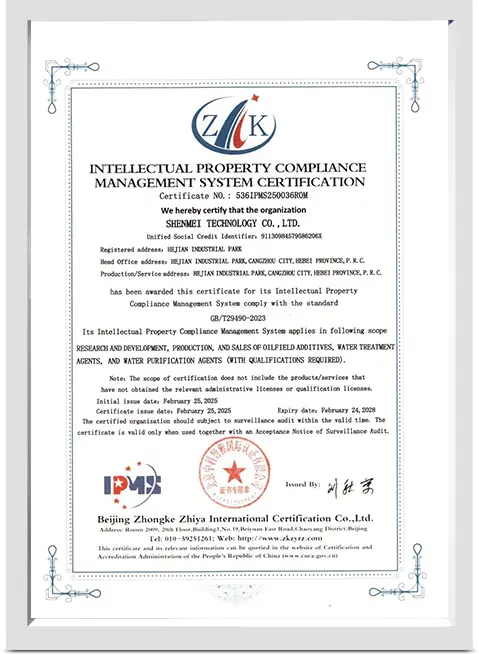
We hold over sixty Chinese patents, including more than forty invention patents and over twenty utility model patents. We have also drafted more than ten national and industry standards for chemical agents, including composite carbon sources, composite coagulants, sodium acetate, and specialized bacterial agents.
Wastewater characteristics vary widely across different municipal configurations and industrial sectors. Treating these effluents effectively requires choosing the correct chemical system and adjusting parameters based on the specific application. Below, we examine four key scenarios where Smedic's customized Polymeric Ferric Sulphate and associated agents provide high efficiency and reliable compliance.
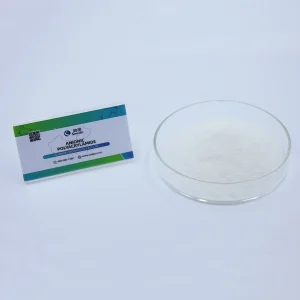
In municipal treatment, removing phosphorus is essential to prevent eutrophication in receiving lakes and rivers. Smedic's Polymeric Ferric Sulphate acts as both a primary coagulant and a chemical precipitation agent. Operating in the neutral pH range typical of municipal systems, it binds with orthophosphates to create stable flocs. By combining PFS with premium Anionic Polyacrylamide (APAM) as a flocculating aid, plants can achieve total phosphorus levels below 0.3 mg/L while reducing overall chemical sludge volume.
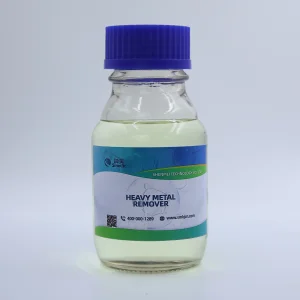
Electroplating and metal finishing effluents contain high levels of copper, nickel, zinc, and chromium. These streams must be treated to prevent environmental accumulation. Standard hydroxides often leave complexed metals in solution, but Smedic's Specialized Heavy Metal Removal Agent breaks these complexes. Working alongside Polymeric Ferric Sulphate, it forms highly insoluble organometallic precipitates. This system achieves rapid sedimentation and reliable compliance with strict industrial discharge limits.
Mining operations generate large volumes of wastewater containing suspended mineral fines, heavy metals, and residual processing reagents. Clearing these tailings ponds requires robust, high-density coagulation. Polymeric Ferric Sulphate neutralizes the charge on negatively charged mineral surfaces, allowing them to aggregate. Adding high-molecular-weight APAM then builds large, fast-settling flocs. This process accelerates water recycling, reduces pond footprint, and yields dryer sludge cakes for disposal.
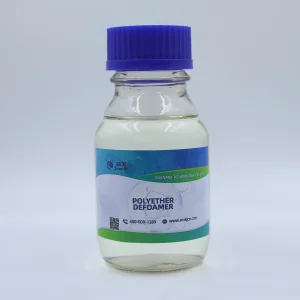
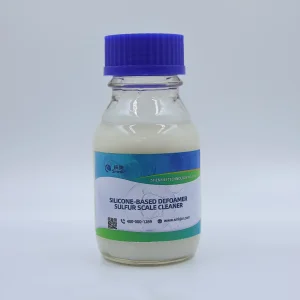
Produced water from oil extraction is highly saline and contains emulsified hydrocarbons, suspended solids, and chemical additives. Treating this water requires coagulants that resist high salinity and temperature. Smedic's PFS maintains its polymeric structure in these conditions, breaking oil-in-water emulsions and capturing suspended droplets. When combined with our organic silicone defoamers, it prevents foam build-up in clarifiers, facilitating stable, high-throughput oil-water separation.
Expert technical insights on optimizing coagulation kinetics, chemical dosage, and operational efficiency with Polymeric Ferric Sulphate.
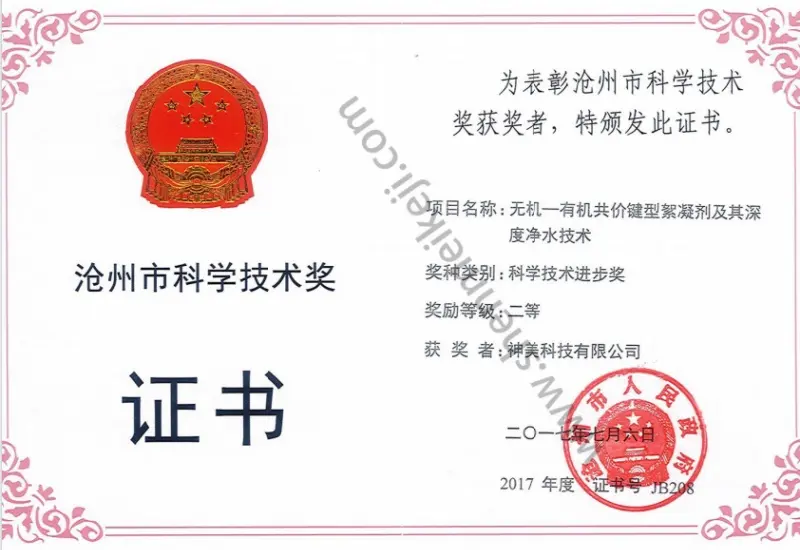
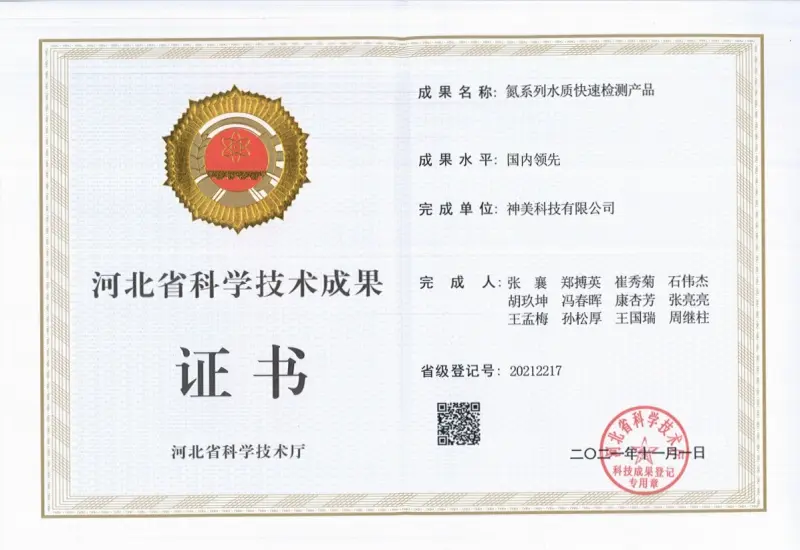
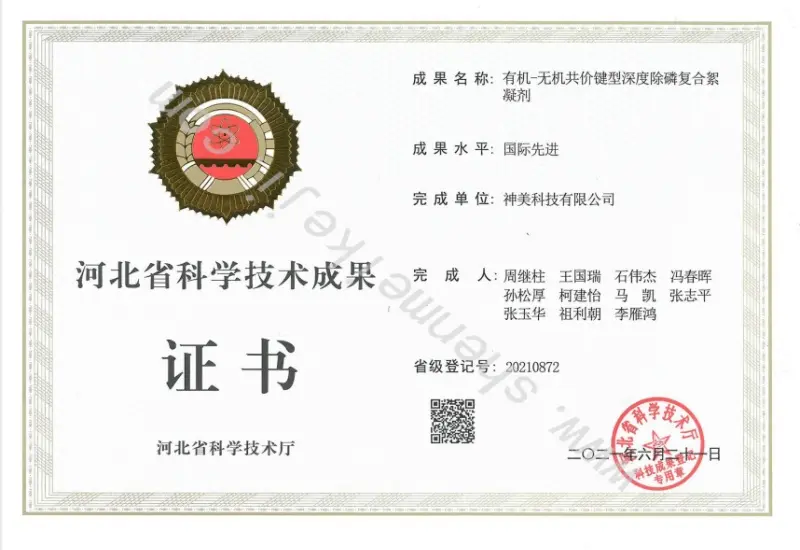
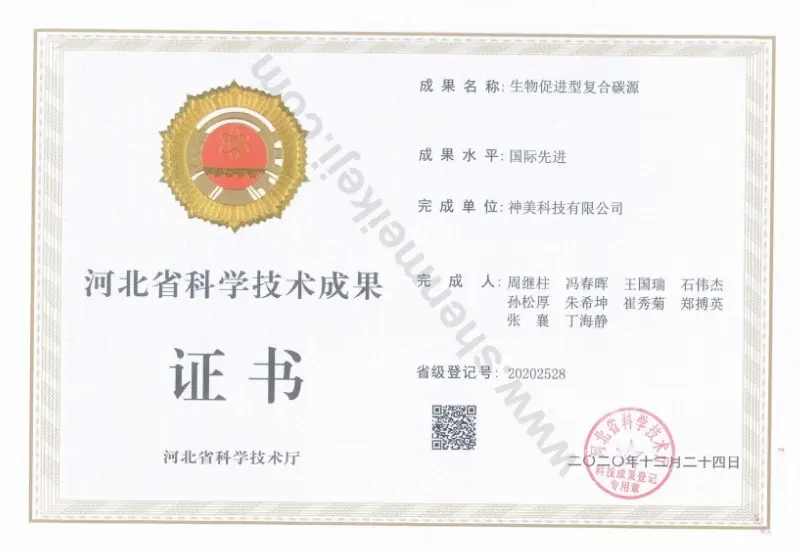
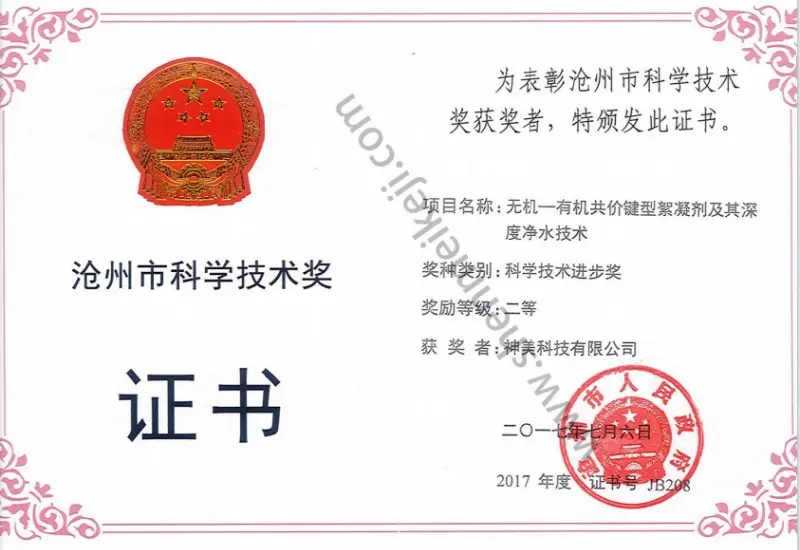
Proprietary advanced water purification technology validated by provincial authorities and leading industry groups.
Our bio-enhanced denitrification carbon source and deep multi-nuclear phosphorus removal agent have passed technical evaluations by the Science and Technology Department of Hebei Province. They have been rated as "internationally advanced," addressing key gaps in the domestic market.
Additionally, our independently developed "Inorganic-Organic Covalent Bond Flocculant" has received multiple awards, including the 22nd China Patent Award and the First Prize for Technological Invention from the China Petrochemical Industry Association. These innovations are widely used by major water groups to meet stringent nutrient discharge regulations.
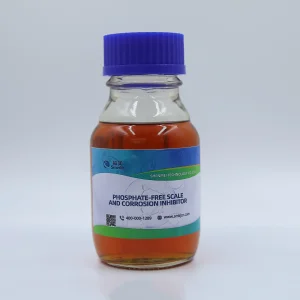
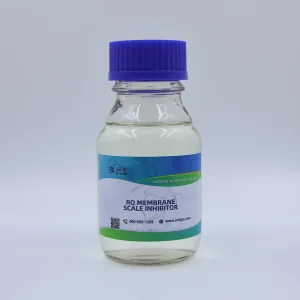
Browse our full range of scaling inhibitors, custom defoamers, and solid pH buffers for municipal and industrial plants.
 Smedic Tech