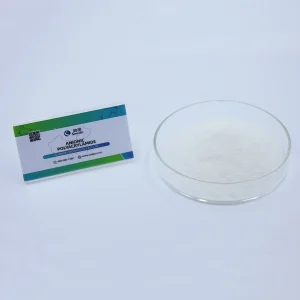
Smedic Technology Co., Ltd. is a comprehensive environmental chemical supplier established in 2011. Integrating advanced R&D, green chemical production, strategic sales networks, and engineering services, we provide customized solutions for heavy industries and municipalities worldwide.
We focus on chemical agents that address critical challenges in municipal sewage, industrial wastewater, mineral processing, and oilfield systems. With over 80 environmental protection chemical formulations, our annual capacity exceeds 1 million tons.
"Bridging the gap between fundamental polymer science and onsite wastewater operations to deliver measurable reductions in chemical costs and environmental impact."
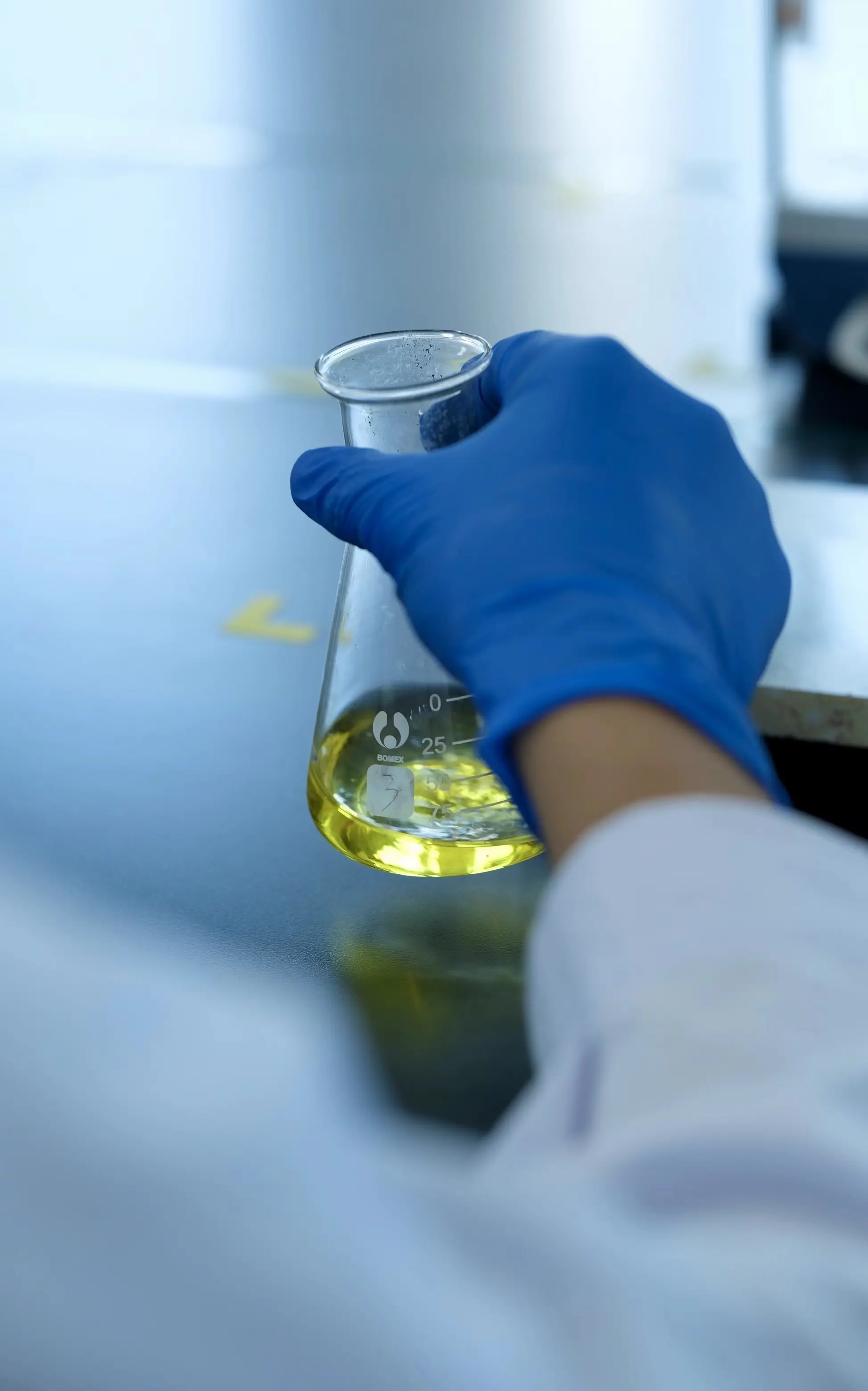
Our network serves major water groups and industrial enterprises with localized storage and optimized supply chains.
Understanding the transition from traditional inorganic metal salts to advanced polymeric coagulants in modern environmental engineering.
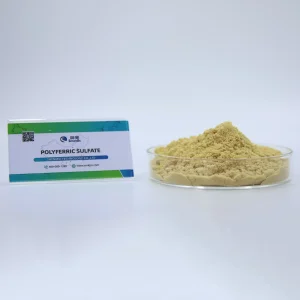
Strict global regulations (such as Class 1A discharge standards in China and European Water Framework directives) require total phosphorus (TP) levels below 0.3 mg/L. Polyferric Sulfate (PFS) forms complex polynuclear complexes that precipitate orthophosphates effectively compared to traditional alum or ferric chloride.
The rising cost of sludge disposal has driven the shift toward coagulants that produce denser flocs with lower water content. Ferric-based polymers create structured, easily dewatered sludge, reducing downstream mechanical dewatering costs and polymer dosage requirements.
Traditional acidic coagulants reduce wastewater pH significantly, causing pipeline corrosion and requiring alkaline addition. Modern high-basicity PFS works efficiently across a broad pH range (5.0 to 11.0), maintaining water system stability.
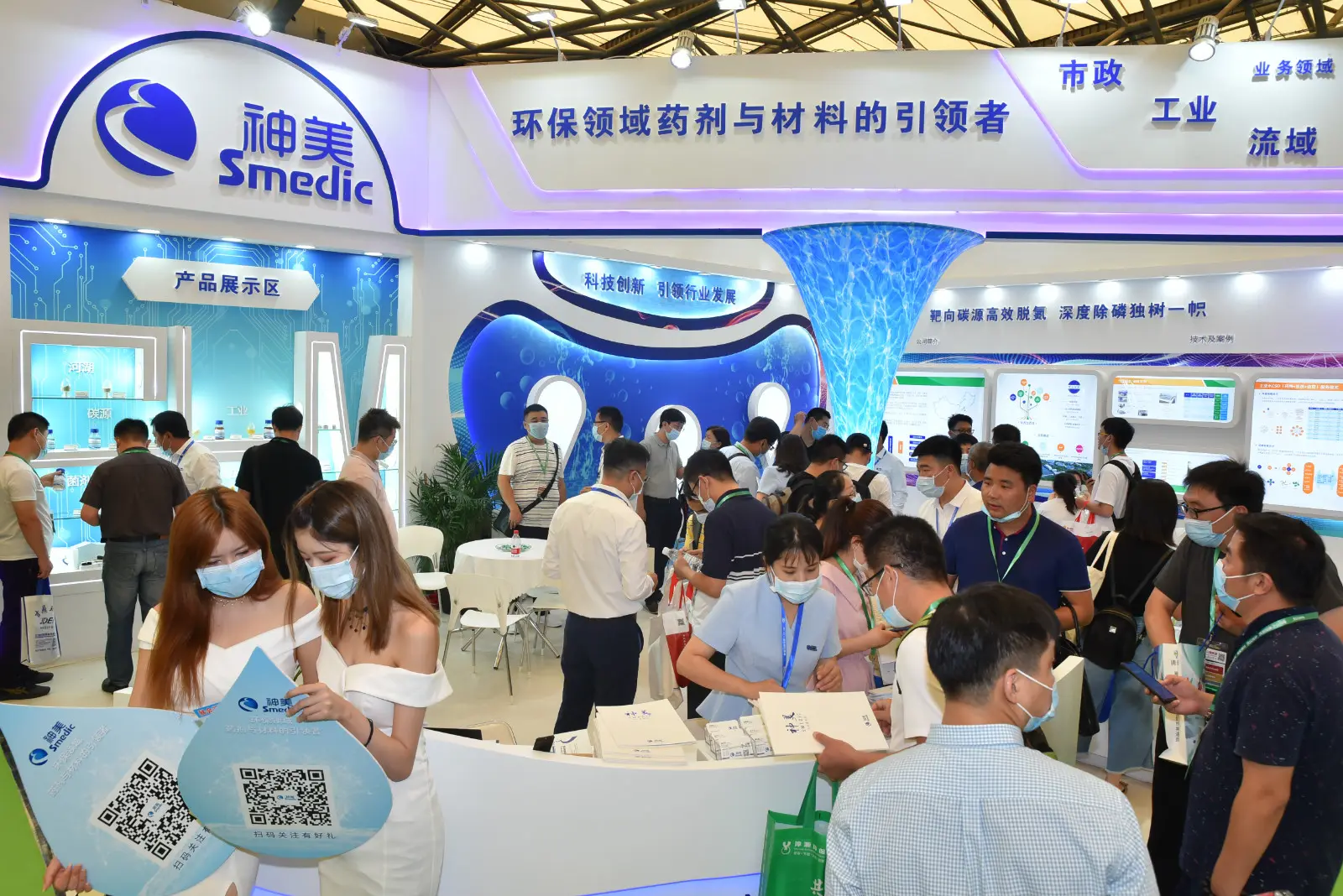
Industrial procurement departments face challenges, including varying raw water qualities, complex chemical supply chains, and strict environmental compliance. Smedic's ODM framework addresses these challenges with tailored formulations:
Smedic's integrated water treatment chemical suite addresses unique challenges across key sectors.
Achieving stable phosphorus levels and improving settling in clarifiers. Combined with Smedic Carbon Sources, our agents support biological denitrification in nutrient removal processes.
Treating wastewater with complex contaminants in mining and plating operations. Smedic's heavy metal precipitation agents and PFS target free ions and complexes.
Demulsification and suspended solids removal in produced water. Smedic's non-ionic and cationic polyacrylamides improve oil-water separation efficiency.
We have earned designations including National High-Tech Enterprise, National Specialized, Refined, Unique and Innovative "Little Giant" Enterprise, and Hebei Province Green Factory.
Our R&D framework is centered around one academy, three research institutes, and five production bases, operating in partnership with universities such as Tsinghua University, Shandong University, and Beijing University of Technology.
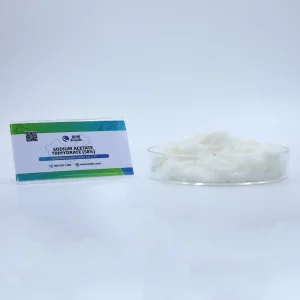
Smedic holds over sixty Chinese patents (including 40+ invention patents) and has drafted over ten national and industry standards for composite carbon sources, composite coagulants, sodium acetate, and bacterial agents.
Our "Inorganic-Organic Covalent Bond Flocculant and Its Advanced Water Purification Technology" won the 22nd China Patent Award and the First Prize for Technological Invention from the China Petrochemical Industry Association.
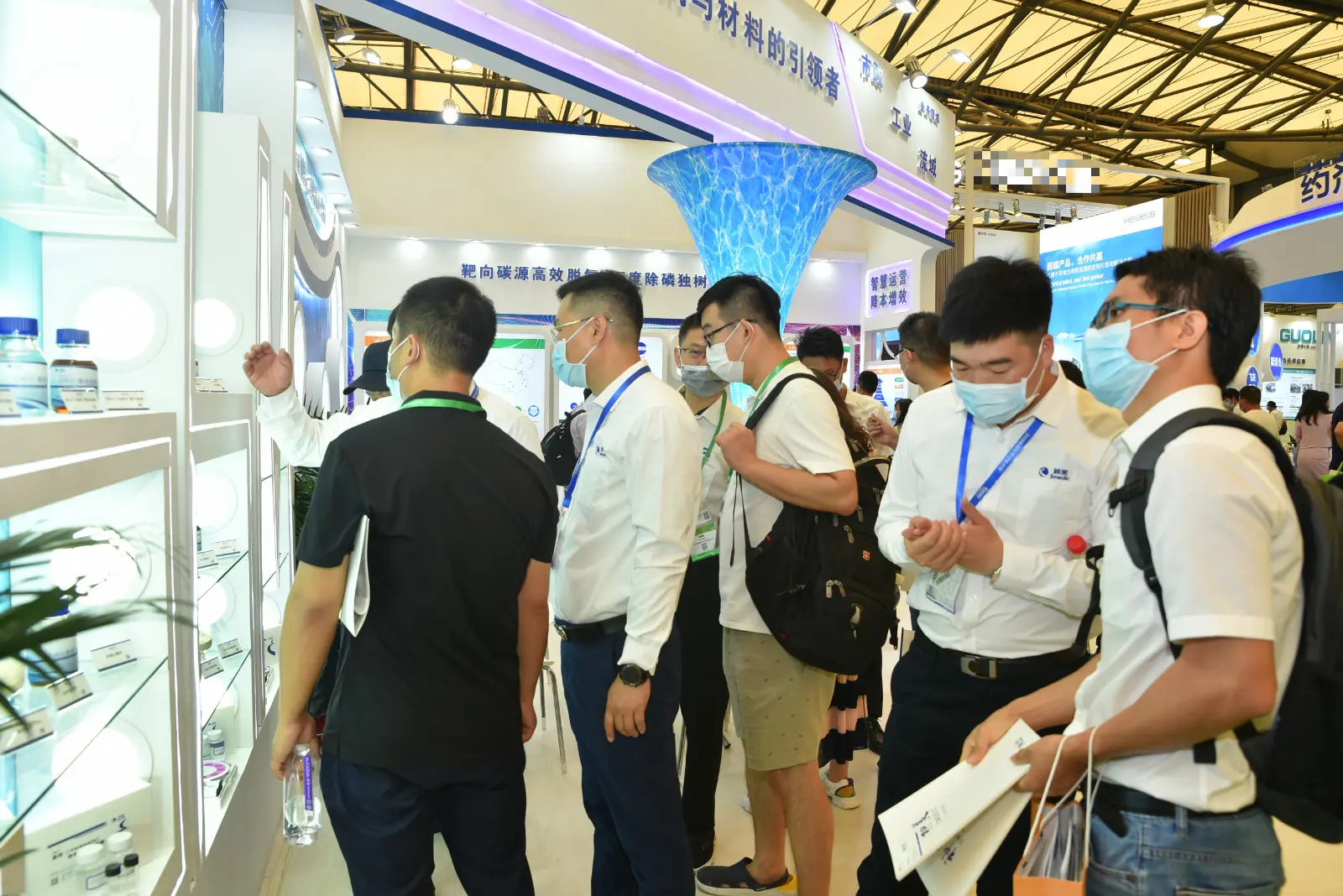
Decades of growth, technological innovation, and production capacity expansion.
Smedic Technology was established, focusing on environmental protection agents and technical services.
Established a complete chemical portfolio for municipal wastewater treatment.
Recognized as a key national high-tech enterprise.
Established our dedicated water treatment chemical production base in Guiyang.
Expanded production bases in Hebei, Shandong, and Guizhou, with total annual capacity exceeding 1 million tons.
Recognized as a National Specialized, Refined, Unique and Innovative Small and Medium-sized Enterprise.
Established our provincial-level advanced water treatment chemical R&D platform in Hebei.
Recognized as a National Intellectual Property Advantage Enterprise with over sixty patents.
Established a joint venture with the Chengdu Institute of Mineral Comprehensive Utilization, China Geological Survey, to develop specialized flotation and mineral processing reagents.
Smedic's forward-looking framework targets green chemical formulations and intelligent dosing systems.
We are developing coagulants using industrial by-products to minimize carbon intensity. Our bio-enhanced carbon sources reduce Scope 3 emissions for municipal treatment facilities.
We develop algorithms that optimize PFS and PAM dosage based on real-time parameters (turbidity, UV254, pH, zeta potential), preventing over-dosing and lowering operating costs.
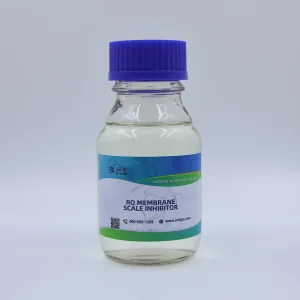
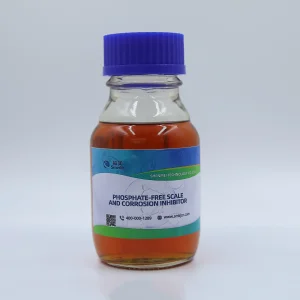
Our green chemistry initiatives target phosphate-free scale and corrosion inhibitors, avoiding nutrient loading in cooling tower blowdown discharge.
Answering technical queries on polymer dosing, coagulation chemistry, and ODM customization.
 Smedic Tech