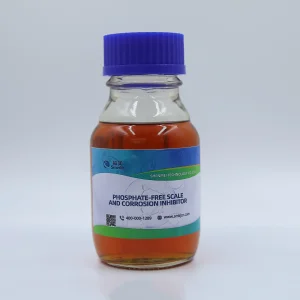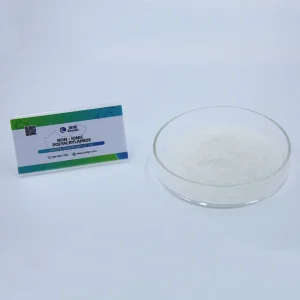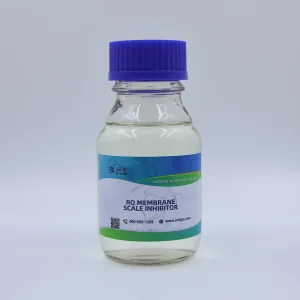
Established in 2011, Smedic Technology Co., Ltd. has grown into an internationally recognized comprehensive solution provider specializing in environmental protection agents. Our operations integrate state-of-the-art research and development, large-scale industrial manufacturing, global supply chain sales, and professional engineering-related technical services.
We are dedicated to providing our global clients with customized chemical products, technical formulation packages, and tailored services. Smedic produces environmental protection agents covering critical sectors such as municipal sewage, industrial wastewater, tap water purification, mineral processing, and oilfield chemicals. With an expansive product portfolio of more than 80 different environmental protection formulations, our annual production capacity exceeds 1 million tons, cementing our role as an essential node in the global environmental protection supply chain.
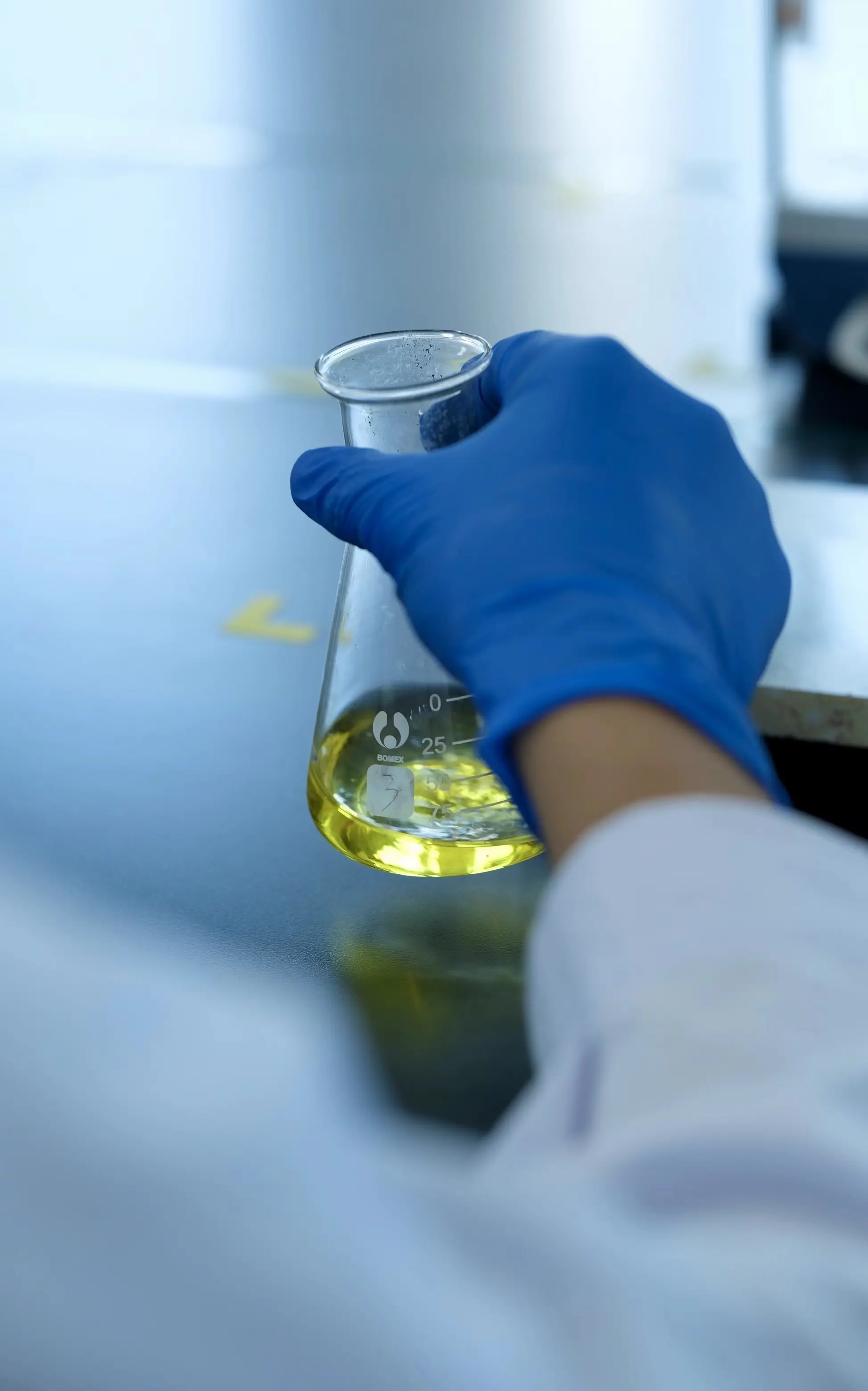
Our corporate headquarters is strategically located in Beijing. To guarantee seamless domestic and international supply chains, Smedic operates multiple wholly-owned production bases in Hebei, Guizhou, Shanxi, and other chemical-rich regions. Additionally, we have set up more than ten OEM partner factories and regional warehousing and logistics bases in Shandong, Shanxi, Anhui, Guangxi, and Sichuan provinces. This extensive logistical network ensures rapid dispatch and localized technical support.
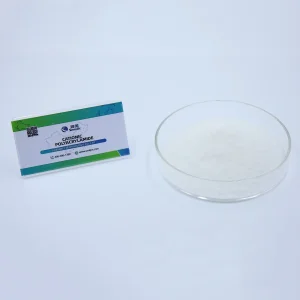
Cationic Polyacrylamide (CPAM) is a water-soluble linear polymer synthesized through the copolymerization of acrylamide (AM) monomers and cationic monomers—most notably, dimethylaminoethyl acrylate methyl chloride quaternary salt (DAC) or dimethylaminoethyl methacrylate methyl chloride quaternary salt (DMC). As a preeminent tool in solid-liquid separation, CPAM operates via two primary mechanisms: charge neutralization and polymer bridging.
Most colloidal suspended solids in wastewater, such as organic sludge particles, biological cells, and colloidal clays, carry net negative surface charges. The positively charged quaternary ammonium groups on the CPAM polymer chain neutralize these negative charges, reducing the electrostatic repulsion between particles. This charge neutralization allows the particles to coalesce. Simultaneously, the extremely long polymer chains (extending up to several million Daltons in molecular weight) adsorb multiple suspended particles on a single chain, creating highly stable, large, and rapid-settling macro-flocs.
Typically containing 5% to 20% cationic monomers. Best suited for treating inorganic sludges with low organic content, heavily mineralized tailing suspensions, or as retention aids in paper manufacturing under neutral to slightly acidic pH regimes.
Configured with 20% to 50% cationic monomer distribution. This range is the industry workhorse for municipal waste sludge dewatering, food processing effluents, and dairy waste treatment where organic content is moderately high.
Ranging from 50% to 80%+ cationic monomer ratio. Specifically engineered for highly colloidal organic sludges, municipal primary digested sludges, biochemical excess sludges, and complex industrial biological treatment systems.
The international water treatment market is experiencing unprecedented regulatory shifts. In the European Union, the recast Urban Wastewater Treatment Directive (UWWTD) is driving municipalities toward near-zero pollutant output and stringent sludge recovery standards. In North America, the US EPA’s tightening restrictions on industrial discharge and PFOS/PFAS contamination are forcing wastewater engineers to reconsider solid-liquid separation efficiencies.
Sludge disposal fees have surged globally, moving from a minor operational expense to a primary cost driver for municipal and industrial wastewater utilities. Standard wet sludge with high moisture retention (85% to 92%) incurs extreme transportation and incineration costs. High-performance Cationic Polymer Flocculants reduce sludge moisture content down to 60%-75% when paired with modern high-pressure filter presses or decanter centrifuges. Consequently, the selection of the correct ODM cationic polymer formulation directly impacts an operator’s bottom line, saving thousands of dollars in daily disposal and energy costs.
Environmental dynamics differ by region. Smedic's ODM Cationic Polymers are fine-tuned to excel across a variety of localized industrial applications:
Municipal sewage treatment plants handle complex mixes of primary digested sludge and secondary activated sludge. Smedic CPAM, customized with medium-to-high charge densities and ultra-high molecular weights, facilitates rapid filtration, high shear resistance under centrifuge conditions, and clear filtrate discharge.
In the wet-end process of papermaking, our low-charge, high-molecular-weight cationic polymers function as exceptional retention and drainage aids. They enhance the retention of fine fibers and mineral fillers, reduce fiber loss in white water, and accelerate dewatering, thereby boosting machine speeds and paper quality.
Refinery wastewater contains complex emulsified oils, surfactants, and hydrocarbons. Our customized cationic polymers destabilize these emulsions by neutralizing negative charges on dispersed oil droplets, accelerating air flotation processes and sludge consolidation.
In copper, gold, coal, and iron ore extraction, tailing slurries must be thickened and recycled quickly to prevent environmental leaks and preserve water resources. Smedic CPAM creates large, dense flocs that speed up gravity settling in thickeners and facilitate dry stacking of tailings.
Wastewater from food processing is rich in suspended organic proteins, starches, and fats. Our high-charge cationic polymers effectively aggregate these organic materials in dissolved air flotation (DAF) units, yielding clean discharge water and high-value recoverable organic sludge.
At Smedic Technology, our R&D department continues to push the boundaries of macromolecular synthesis. Our technical roadmap focuses on addressing the limitations of traditional polyacrylamides through three major innovation pillars:
Developing graft copolymers that fuse natural polysaccharides (starch, chitosan, cellulose) with cationic monomers. These hybrid polymers deliver high flocculation efficiency while breaking down rapidly in the environment, minimizing chemical footprints in natural river basins.
Utilizing low-temperature initiation and composite polymerization systems to yield linear polymer chains exceeding 15 million Daltons. This allows industrial operators to reduce dosing volumes by up to 25% while maintaining strong shear resistance during centrifugation.
Designing multi-dimensional branched and micro-crosslinked cationic polymers. These structures provide enhanced capture of fine colloidal particles and create highly porous, incompressible flocs that release trapped water easily under high mechanical pressures.
Smedic Technology’s production network leverages China's industrial infrastructure. Our operations feature key advantages that ensure reliability and cost stability for international buyers:
Upstream Raw Material Integration: Our factories are strategically located in close proximity to major petrochemical production corridors in northern and western China. This guarantees a continuous, cost-optimized supply of raw materials like acrylamide (AM) monomer and cationic monomers (DAC/DMC). By avoiding supply bottlenecks and third-party markups, we pass these savings directly to our customers.
Continuous Polymerization Automation: Smedic utilizes automated, DCS-controlled polymerization lines. This modern infrastructure ensures consistent product quality between batches and reduces human error.
Logistical Scale and Hubbing: With key distribution centers in Shandong, Shanxi, and Guizhou, we offer quick access to China's major deepwater ports (such as Tianjin and Qingdao). This network ensures prompt shipping, predictable transit times, and competitive ocean freight costs.
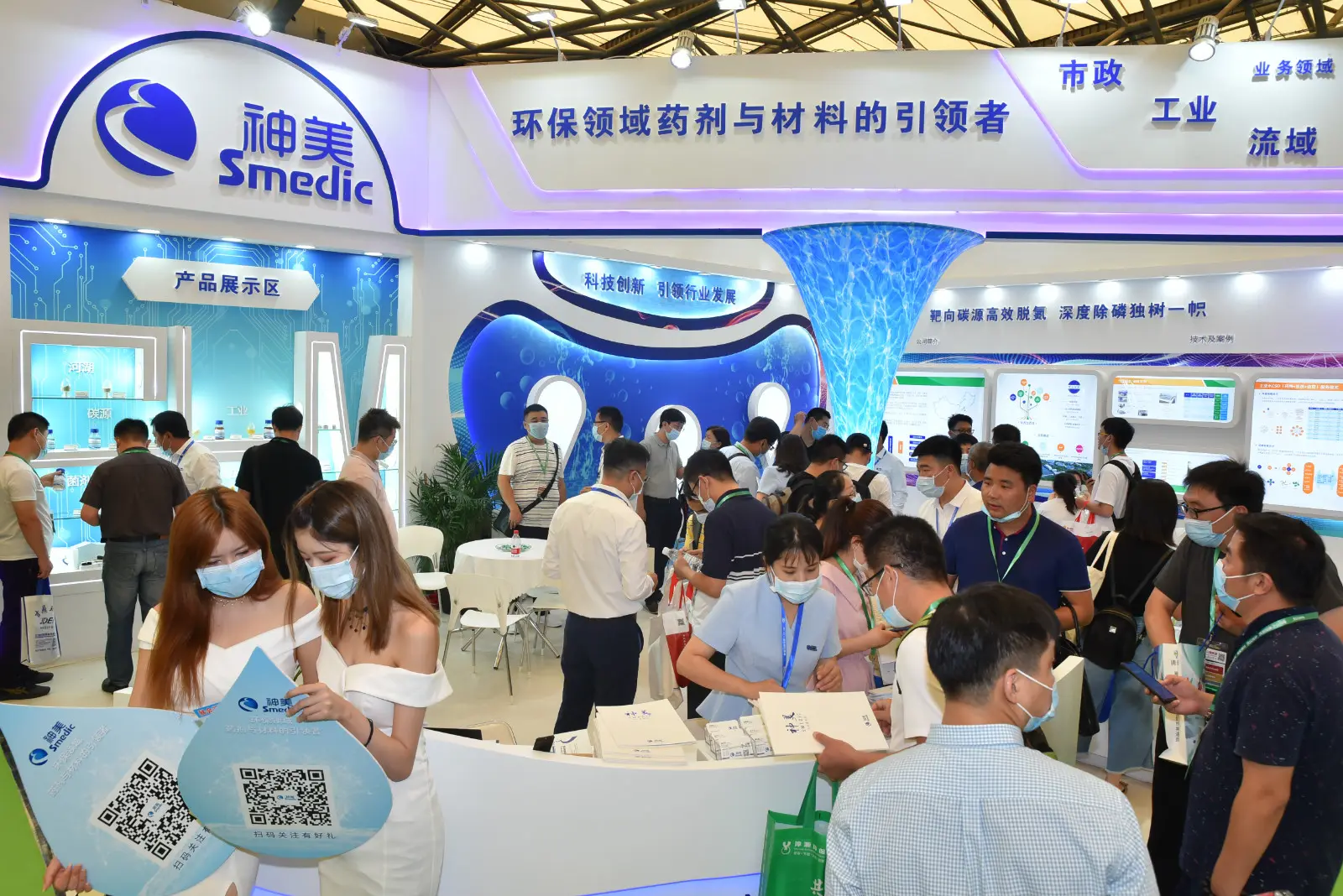
We have obtained prestigious credentials including National High-tech Enterprise, National Specialized, Refined, Unique and Innovative "Little Giant" Enterprise, and Hebei Province Green Factory recognition. We maintain a core technical team of academicians, experts, and senior engineers, operating a development network comprised of one academy, three research institutes, and five production bases.
Smedic was founded in Beijing, establishing a vision for high-end water treatment chemical research and manufacturing.
Established a complete portfolio of environmental chemicals, serving over 100 municipal wastewater plants.
Recognized as a National High-tech Enterprise. Expanded manufacturing presence with the establishment of our Guiyang production base.
Completed expansions across Hebei, Shandong, and Guizhou, driving aggregate annual capacity past 1 million tons.
Recognized as a National Specialized, Refined, Unique and Innovative "Little Giant" Enterprise, reflecting our R&D achievements.
Granted over 60 patents (including 40+ invention patents). Awarded the 22nd China Patent Award and First Prize for Technological Invention from the China Petrochemical Industry Association.
Formed a strategic partnership with the Chengdu Institute of Mineral Comprehensive Utilization, China Geological Survey, to develop advanced flotation reagents.
Wastewater chemistry varies significantly based on local water quality, discharge limits, and processing equipment. Smedic provides tailored support to ensure optimal performance at your plant:
We analyze your wastewater samples to determine the ideal molecular weight and charge density, avoiding under-dosing or expensive over-dosing.
Our manufacturing processes comply with international standards, including ISO 9001, ISO 14001, and ISO 45001. We provide support for REACH registrations in Europe and local discharge requirements in North America and Asia.
We supply trial batches to evaluate performance under actual plant operating conditions, such as high-speed decanting or plate-and-frame filtration.
A: Selecting the correct charge density requires analyzing the zeta potential and volatile organic content (VSS/TSS ratio) of your sludge. Generally, high organic sludges—such as biological excess sludge from municipal or food processing plants—carry a high negative charge and require high charge density polymers (40% to 80% cationic). Inorganic sludges or pulp residues respond better to lower charge density polymers (5% to 20% cationic). We recommend executing a jar test series to pinpoint the exact dosage sweet spot.
A: Viscosity loss is primarily caused by polymer chain degradation, often triggered by shear stress (high-speed mixing), exposure to UV light, or microbial contamination. To preserve molecular integrity, prepare CPAM solutions using low-speed paddle mixers (50–200 RPM) and clean, chlorine-free water. Dissolved solutions should be used within 24 to 48 hours for optimal efficiency.
A: Powdered polymers offer the lowest shipping costs per unit of active content, but they require a longer dissolution time (typically 60 minutes) and specialized wetting equipment to avoid clumping. Emulsion polymers disperse rapidly in water (dissolution time under 15–20 minutes), making them ideal for plants with automated dosing systems, though they incur higher transportation costs.
A: Our quaternary ammonium-based cationic polymers maintain stable charge density across a broad pH range (3.0 to 10.0). However, very high alkaline environments (pH > 9.5) can cause hydrolysis of the cationic ester groups, gradually converting the polymer into an anionic structure. If you are operating at extreme pH levels, contact our technical team to select a customized formulation.
A: We package our dry powders in 25kg multi-wall paper bags or 750kg/1000kg bulk super sacks, palletized and shrink-wrapped. Emulsions are shipped in 1000L IBC totes or 200L drums. Products should be stored in a cool, dry warehouse between 5°C and 30°C.
 Smedic Tech