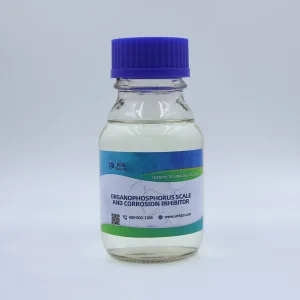
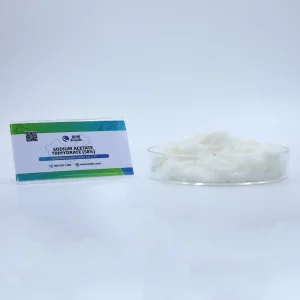
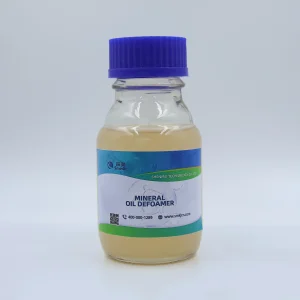
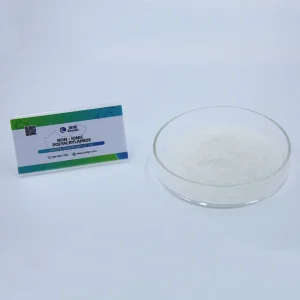
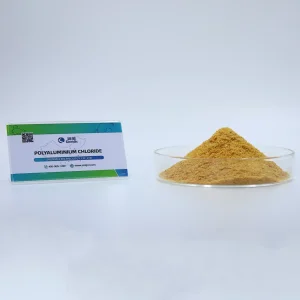
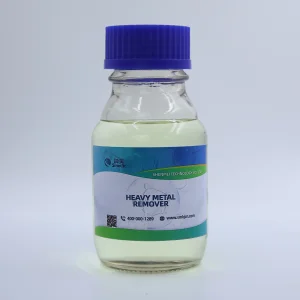
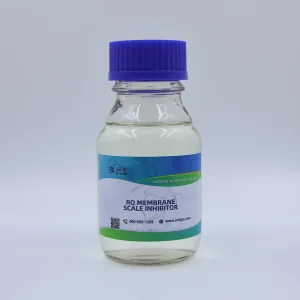
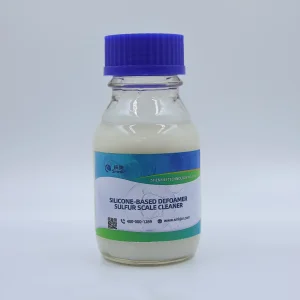
Explore our premium product line featuring high-purity active chemical formulations designed for municipal sewage treatment, industrial boilers, and water loop protection.
A comprehensive study on scaling dynamics, corrosion management, and global commercial trends in boiler chemical synthesis.
Modern high-pressure thermal installations rely on water as the primary thermodynamic vehicle for energy transfer. However, untreated feed water introduces critical vulnerabilities to thermal systems. Dissolved ionic minerals, trace organic compounds, and reactive atmospheric gases lead to scaling, under-deposit corrosion, and thermal insulating barriers. Scaling alone drops boiler thermal efficiency significantly: a mere 1mm of calcium carbonate deposit increases fuel consumption by up to 3% to 5%. In high-duty industrial boilers, failure to maintain strict water chemistry criteria risks tube ruptures, system shutdowns, and safety incidents.
As an industry-leading ODM/OEM Boiler Water Conditioner manufacturer, Smedic Technology addresses these challenges at a fundamental molecular level. By formulating complex multi-component chemical conditioning agents, we optimize precipitation controls, facilitate metal surface passivation, neutralize acid gas carryovers, and stabilize liquid-vapor balance. This ensures continuous operations, optimized fuel efficiency, and extended lifecycle performance for crucial thermal infrastructure.
The global boiler water treatment chemical market is undergoing a transition driven by carbon-neutrality frameworks, strict environmental regulations (such as Europe's REACH, US EPA guidelines, and China's environmental targets), and the rise of digitalized industrial plants. Historically, the market relied heavily on inorganic phosphates and hydrazine-based oxygen scavengers. While effective, hydrazine is classified as a hazardous carcinogen, and excessive phosphate disposal leads to severe aquatic eutrophication.
Today, multinational operators in the Americas, EU, and Asia-Pacific require green, non-toxic, and highly efficient biodegradable formulations. The industry is adopting low-toxicity organic oxygen scavengers (e.g., diethylhydroxylamine or DEHA, carbohydrazide, and sodium erythorbate) alongside phosphorus-free dispersants. Furthermore, rising energy costs make water reuse a major priority. Zero Liquid Discharge (ZLD) mandates require industrial operators to run boilers at much higher cycles of concentration, placing demanding stability requirements on water conditioning chemicals.
A National Specialized, Refined, Unique and Innovative "Little Giant" Enterprise serving clients across over 20 Chinese provinces and international markets.
Established in 2011, Smedic Technology Co., Ltd. is a comprehensive environmental chemical supplier. We integrate R&D, large-scale production, global sales, and specialized engineering services. Our solutions cover municipal sewage treatment, industrial wastewater, tap water purification, mineral processing agents, and oilfield chemicals.
With an annual production capacity exceeding 1 million tons across our production bases, Smedic manufactures more than 80 types of environmental protection agents. We serve over 600 urban sewage treatment facilities and 1,000+ industrial end-users in petrochemicals, power plants, and oilfields. The total water treatment volume involved in our current projects surpasses 20 million tons per day, establishing Smedic as a key manufacturer in the premium water treatment market.
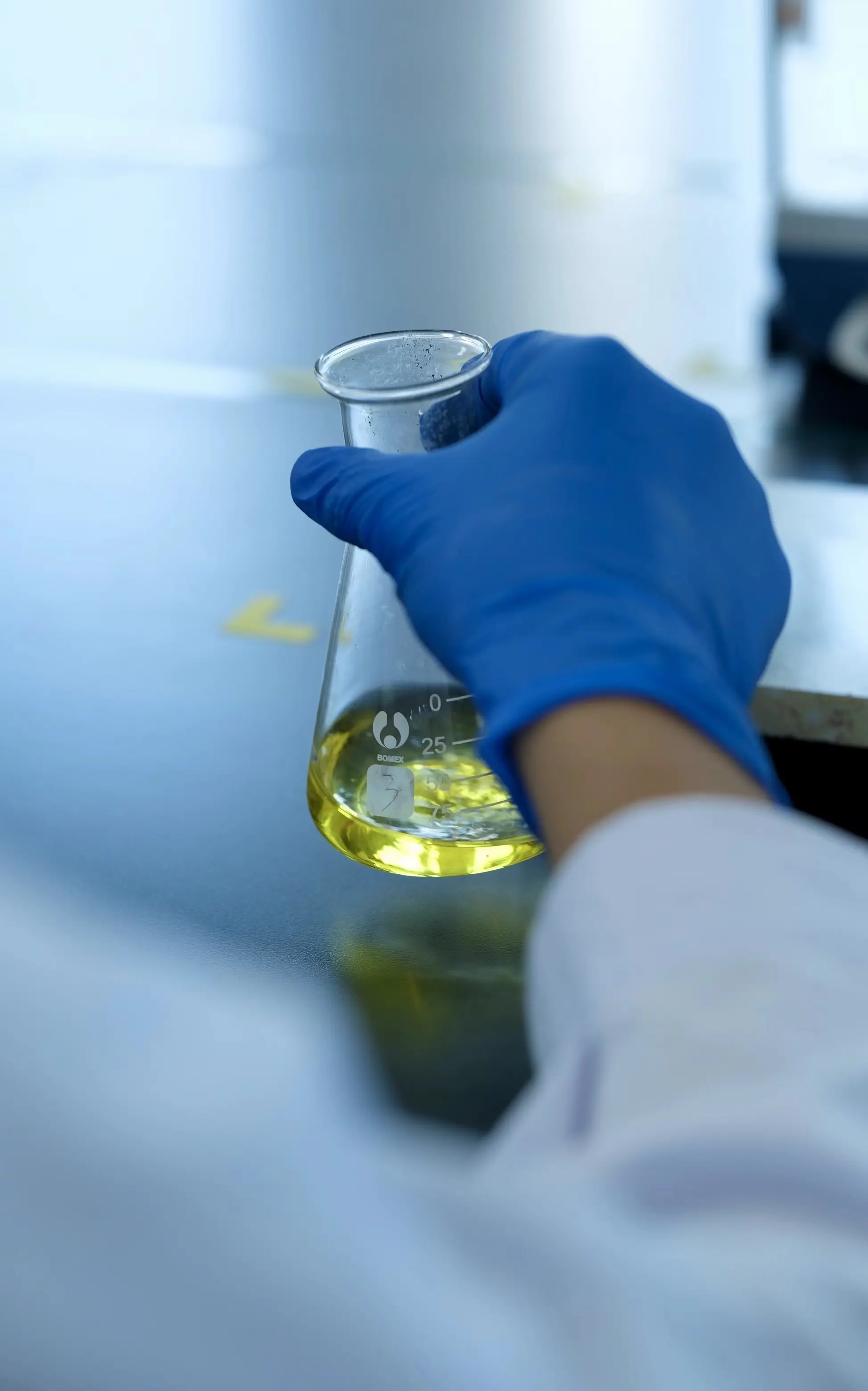
How modern boiler water conditioners prevent thermal resistance, oxidation, and mechanical corrosion.
High temperatures inside boilers lower the solubility of scale-forming ions, leading to crystallization on heat transfer surfaces. Our organophosphorus and polymeric dispersants use crystal modification and threshold inhibition. By distorting crystal growth, they keep precipitates dispersed in the water as non-adherent sludge that is easily removed via blowdown.
Dissolved oxygen causes rapid pitting corrosion on metal. Smedic's non-hydrazine oxygen scavengers—including DEHA, carbohydrazide, and sodium erythorbate—speed up the reduction of oxygen. This reaction produces inert byproducts and forms a protective magnetite (Fe3O4) layer on internal steel surfaces.
When steam condenses, it absorbs carbon dioxide to form corrosive carbonic acid. To protect return lines, our formulations use neutralizing amines (like morpholine and cyclohexylamine) to adjust pH, combined with filming amines that create a protective layer to keep acid and oxygen away from the metal.
Selecting the right water conditioning chemistry depends on operating pressure and water quality. For low-to-medium pressure industrial boilers (under 2.5 MPa), organophosphorus inhibitors like HEDP (Hydroxyethylidene Diphosphonic Acid) and PBTC (2-Phosphonobutane-1,2,4-Tricarboxylic Acid) provide excellent calcium carbonate scale control. However, at higher pressures and temperatures, these organophosphonates can break down into orthophosphates, which can form calcium phosphate scale if not properly managed.
To prevent this, high-pressure utility boilers use advanced polymer dispersants, such as sulfonated copolymers (AA/AMPS) and maleic acid-based polymers. These polymers keep suspended calcium phosphate and iron oxides dispersed, ensuring clean heat transfer surfaces and preventing under-deposit corrosion.
An overview of Smedic's collaborative R&D network, patents, and national certifications.
Smedic operates an R&D system centered around one academy, three research institutes, and five production bases. Recognized as a Class A R&D institution in Hebei Province, we have established the Hebei Provincial Advanced Water Treatment Chemicals Technology Innovation Center and the Cangzhou Water Treatment Engineering Technology Research Center.
We work closely with major academic partners, including Tsinghua University (Association of Senior Scientists and Technicians workstation), Shandong University, Beijing University of Technology, Peking University, and Tianjin University, to develop and commercialize new water treatment chemicals.
We hold over sixty Chinese patents, including more than 40 invention patents. Our proprietary technologies, such as our bio-enhanced denitrification carbon sources and multi-nuclear phosphorus removal agents, have been rated as "internationally advanced" by the Science and Technology Department of Hebei Province.
Smedic has also led the drafting of over 10 national and industry standards for chemical agents, including composite carbon sources, composite coagulants, sodium acetate, and bacterial agents.
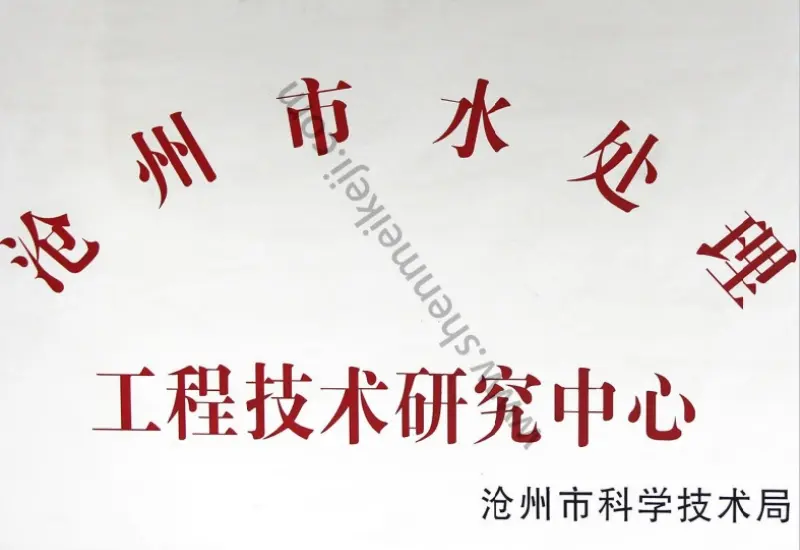
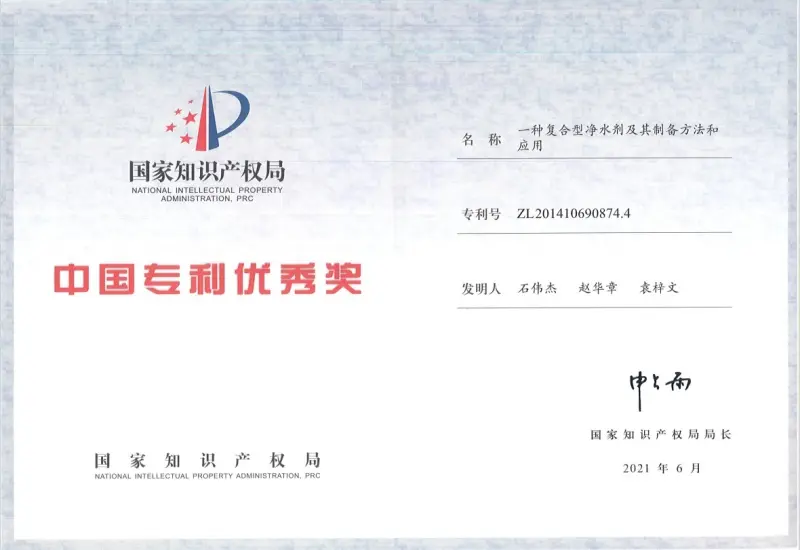
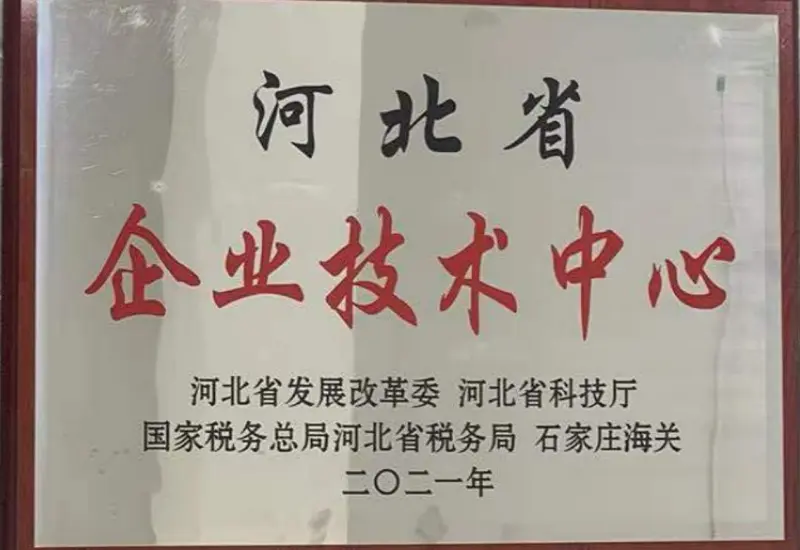
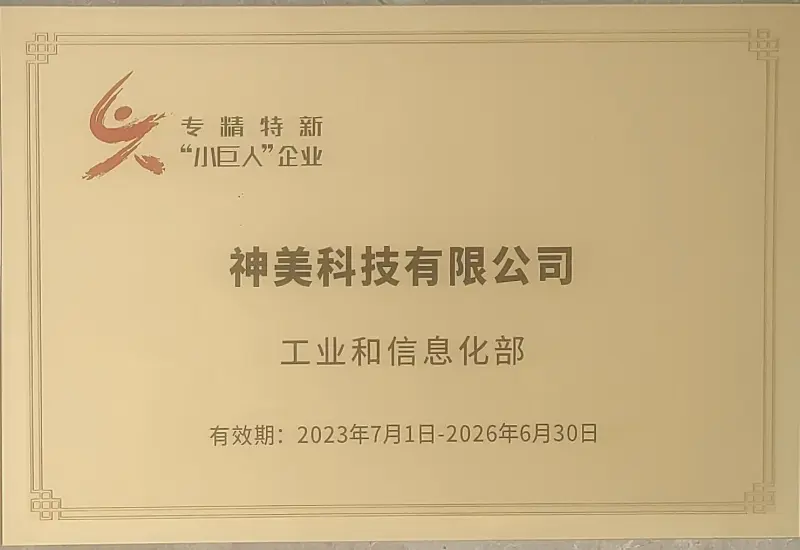
Smedic's growth from a regional manufacturer in 2011 to a leading developer of water treatment solutions.
Tailored water conditioning solutions for varied operating conditions and future green technologies.
Boiler water chemistry must adapt to local water sources, operating pressures, and regulatory standards:
Smedic is committed to developing sustainable water treatment technologies. Our R&D team focuses on several key trends:
Detailed answers to common technical questions about industrial boiler water treatment, scaling, and corrosion control.
Browse our selection of defoamers, membrane scale inhibitors, and specialty organic compounds for industrial water systems.
 Smedic Tech