Explore our high-performance ODM chemical solutions engineered for biological biological nutrient removal, flocculation, scale inhibition, and heavy metal removal.
As global discharge standards tighten under stringent regulatory frameworks such as the EU Water Framework Directive and US EPA Effluent Guidelines, municipal and industrial wastewater facilities face unprecedented pressure to eliminate Total Nitrogen (TN) and Total Phosphorus (TP). Biological Nutrient Removal (BNR) stands as the core process mechanism for modern wastewater reclamation.
Biological Nutrient Removal relies on intricate microbial metabolic pathways—specifically Nitrification, Denitrification, and Enhanced Biological Phosphorus Removal (EBPR). However, standard biological systems frequently encounter operational bottlenecks caused by carbon source deficiencies, low ambient temperatures, toxic shock loads, or kinetic rate limitations. As a premier original design manufacturer (ODM) and exporter, Smedic Technology Co., Ltd. bridges biological kinetics with high-purity chemical enhancement to guarantee regulatory compliance and operational cost optimization.
Autotrophic nitrifying bacteria (Nitrosomonas and Nitrobacter) convert ammonia ($NH_4^+$) into nitrite ($NO_2^-$) and nitrate ($NO_3^-$) under aerobic conditions. Subsequently, heterotrophic denitrifiers convert nitrate into inert nitrogen gas ($N_2$) in anoxic zones.
The C/N Bottleneck: Denitrification requires an optimal Carbon-to-Nitrogen ($C/N$) ratio ($\ge 4.0 - 6.0$). When influent $BOD_5/TN$ is insufficient, biological reduction stalls. Smedic’s bio-enhanced composite carbon sources supply bio-available volatile fatty acids (VFAs) to maximize kinetic denitrification rates without sludge bulk formation.
EBPR utilizes Polyphosphate Accumulating Organisms (PAOs). Under anaerobic conditions, PAOs assimilate VFAs and release intracellular polyphosphate. In the subsequent aerobic phase, PAOs hyper-accumulate orthophosphate far beyond baseline cellular synthesis requirements.
Chemical Co-Precipitation: To achieve ultra-low phosphorus targets ($TP < 0.05 \text{ mg/L}$), Smedic supplies deep multi-nuclear phosphorus removal agents and inorganic-organic covalent bond coagulants that precipitate trace soluble orthophosphate into dense, rapidly settling mineral complexes.
Effective BNR relies heavily on solid-liquid separation. High sludge volume index (SVI) values lead to biomass carryover and effluent turbidity spikes.
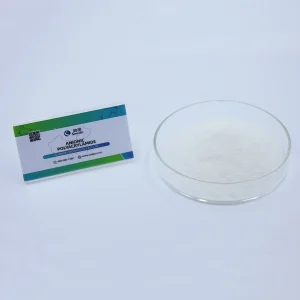
Smedic tailors high-molecular-weight Anionic Polyacrylamide (APAM) and Cationic Polyacrylamide (CPAM) to bridge microscopic flocs, accelerate secondary clarifier settling velocities, and optimize dewatering press performance, reducing cake moisture content by up to 18%.
| BNR Stage | Microbial Process / Mechanism | Limiting Factor / Risk | Smedic ODM Chemical Solution | Performance Standard Attained |
|---|---|---|---|---|
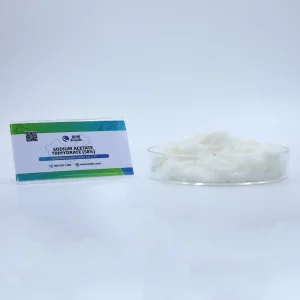
| Anoxic Denitrification | Heterotrophic reduction of $NO_3^- \rightarrow N_2$ | Low carbon ratio ($C/N < 4$), low temperature kinetics | Smedic Bio-Enhanced Composite Carbon Source & Sodium Acetate | TN Removal Efficiency > 92%; Non-hazardous dosing |
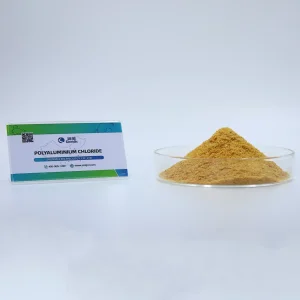
| Tertiary Phosphorus Removal | Chemical co-precipitation & micro-flocculation | Non-reactive phosphorus compounds, high chemical costs | Deep Multi-Nuclear Phosphorus Removal Agent & PFS Coagulant | Effluent $TP \le 0.03 \text{ mg/L}$; 30% lower sludge volume |
| Secondary Clarification | Flocculation of filamentous bacteria & micro-suspended solids | Sludge bulking, pin flocs, high effluent TSS | High-Molecular Weight APAM Flocculant & Inorganic-Organic Coagulant | Settling velocity increased by 3.5x; Turbidity < 2 NTU |
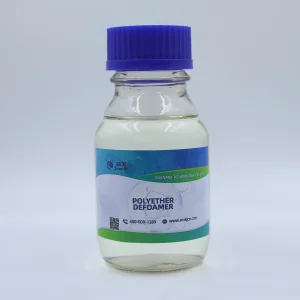
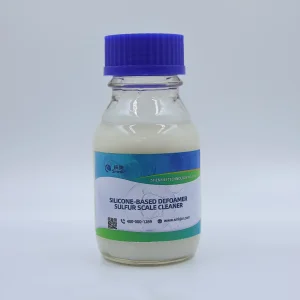
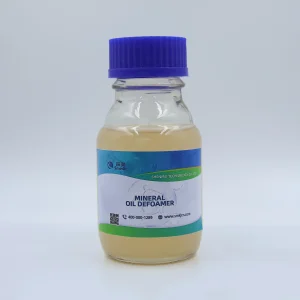
| Aerobic Tank Foam Control | Nocardia / Actinomycetes micro-foam suppression | Foam overflow, oxygen transfer inhibition | Organic Silicone Defoamer & Mineral Oil Defoamer Solution | 100% Foam knockout within 30s; Long-term suppression |
Established in 2011, Smedic Technology Co., Ltd. has evolved into a premier national high-tech enterprise, specializing in integrated R&D, eco-friendly chemical manufacturing, and global ODM export services for advanced wastewater remediation.
Smedic has earned distinguished recognition as a National Specialized, Refined, Unique and Innovative "Little Giant" Enterprise, a Hebei Province Green Factory, and a National Intellectual Property Advantage Enterprise.
Our multi-tiered R&D infrastructure spans One Academy, Three Research Institutes, and Five Production Bases. We operate the Hebei Provincial Advanced Water Treatment Chemicals Technology Innovation Center and maintain joint R&D laboratories alongside prestigious institutions including Tsinghua University Association of Senior Scientists and Technicians, Shandong University, and Beijing University of Technology.
Headquartered in Beijing, Smedic owns and operates major automated production facilities across Hebei, Guizhou, and Shanxi, supplemented by more than 10 OEM partner factories and regional warehousing hubs in Shandong, Anhui, Guangxi, and Sichuan.
Our nationwide logistics framework serves more than 600 municipal sewage plants and over 1,000 industrial end-customers. For four consecutive terms, Smedic has been crowned the "Leading Brand of Advanced Wastewater Treatment Chemicals" by China Water Network and the E20 Comprehensive Environmental Protection Platform.
Procuring water treatment chemicals directly from a top-tier Chinese ODM manufacturer offers unmatched strategic financial and operational resilience for international chemical distributors, engineering contractors (EPCs), and municipal authorities.
China holds direct control over primary chemical precursor supply chains (acrylic acid, acrylamide, aluminum hydroxide, phosphorus derivatives, acetic acid). Smedic's production bases are co-located near major industrial petrochemical corridors, securing raw material at wholesale baselines and insulating clients from global market price spikes.
We don't offer generic off-the-shelf chemicals alone; our laboratory custom-formulates products matching your target plant water metrics. From adjusting active polymer molecular weight ($10\text{M} - 25\text{M}$ Da) to optimizing carbon source COD concentrations ($300,000 - 1,200,000 \text{ mg/L}$), our ODM engineering aligns with specific site needs.
Our multi-regional warehouse footprint guarantees continuous bulk shipping readiness. We support 25kg PE bags, 750kg/1000kg Super Sacks (FIBCs), 1100kg IBC Totes, and Flexitanks. Smedic maintains dedicated export clearing documentation, MSDS/SDS in over 20 languages, and global shipping line contracts for rapid port turnaround.
Different wastewater matrices demand localized, site-specific treatment regimens. Below is how Smedic’s specialized ODM agents address diverse operational challenges across municipal and industrial sectors:
Operational Challenge: Municipal plants often receive influent characterized by low carbon-to-nitrogen ratios, seasonal temperature drops, and strict effluent limits ($TN < 10 \text{ mg/L}$, $TP < 0.3 \text{ mg/L}$).
Smedic Solution: Dosing our proprietary Bio-Enhanced Carbon Source into anoxic basins increases denitrifying kinetics by 40% compared to traditional methanol or glucose, maintaining zero biological toxicity. Concurrently, Smedic PAC/PFS co-precipitates phosphate in tertiary cloth media filters.
Operational Challenge: Complex organic loading, refractory COD, toxic heavy metal traces, and high salinity that inhibit microbial BNR nitrifying enzymes.
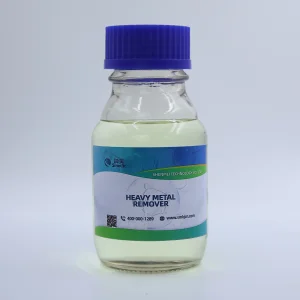
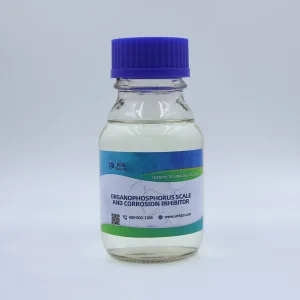
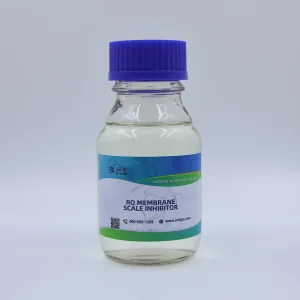
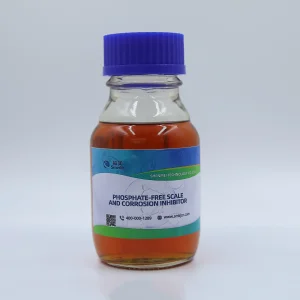
Smedic Solution: Pre-treatment with Smedic Heavy Metal Removal Agent chelates complexed heavy metals (Cu, Ni, Cr, Pb). Organophosphorus scale inhibitors and silicone defoamers maintain biological tank stability and protect downstream Reverse Osmosis (RO) membranes from severe scaling.
Operational Challenge: Massive slurry volumes with ultra-fine suspended solids, extreme pH variations, and heavy metal leachate.
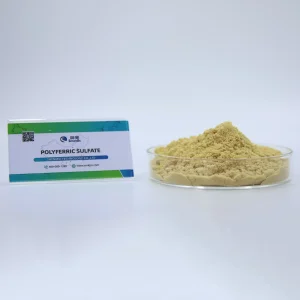
Smedic Solution: Smedic ultra-high molecular weight Anionic Polyacrylamide (APAM) coupled with Polyferric Sulfate (PFS) promotes rapid gravity settling in thickeners, clarifying recycled process water and enabling rapid tailing pond dewatering.
Operational Challenge: Shock loads of organic fats, oils, and grease (FOG), severe foaming in activated sludge basins, and rapid phosphorus spikes.
Smedic Solution: Fast-acting Polyether and Silicone Defoamers extinguish biological surface foam instantly. High-purity Solid Sodium Acetate stabilizes pH levels, providing rapid-assimilating VFAs for biological phosphorus uptake.
For multinational corporations and global engineering buyers, purchasing chemicals overseas requires strict compliance with international regulatory frameworks, environmental sustainability standards, and localized technical support.
All Smedic export products are fully compliant with EU REACH registration guidelines, US EPA TSCA frameworks, and regional eco-toxicity benchmarks. We issue comprehensive Safety Data Sheets (SDS) in accordance with GHS standards, certified free from alkylphenol ethoxylates (APEOs), heavy metal impurities, and persistent organic pollutants.
Smedic enforces a strict three-tier quality control protocol: Raw Material Inspection, In-Process Synthesis Sampling, and Pre-Shipment Factory Acceptance Testing (FAT). Every shipment comes with a certified Certificate of Analysis (COA) detailing active content, viscosity, density, monomer residuals, and heavy metal thresholds.
To eliminate procurement risks, Smedic provides international partners with free sample kits and remote or on-site jar testing diagnostics. Our senior chemical engineers work directly with your plant operators to determine exact dosage curves, biomass toxicity thresholds, and full-scale conversion schedules.
The water treatment industry is undergoing a digital and green transformation. Emerging technology vectors are reshaping how biological nutrient removal chemicals are sourced, synthesized, and dosed:
Modern wastewater plants are integrating real-time nitrate, ammonia, and orthophosphate sensors with AI algorithm dosing pumps. Smedic’s bio-enhanced carbon sources feature predictable kinetic response profiles, enabling automated micro-dosing that reduces chemical overconsumption by up to 25%.
Decarbonization mandate requires wastewater utilities to minimize Scope 1 and Scope 3 greenhouse gas emissions. Traditional fossil-derived carbon sources (methanol) are being replaced by Smedic’s bio-based composite carbon sources formulated from agricultural co-products, offering a 60% lower carbon footprint.
The shift from simple effluent disposal to resource recovery is driving interest in phosphorus precipitation as magnesium ammonium phosphate (struvite). Smedic's customized inorganic precipitants selective to orthophosphate facilitate downstream fertilizer recovery from sludge anaerobic digester liquor.
Find technical and commercial answers directly from our senior engineering team regarding ODM biological nutrient removal chemical formulations:
Complete your facility's chemical optimization with our eco-friendly scale inhibitors, coagulants, defoamers, and bio-enhanced agents.
 Smedic Tech