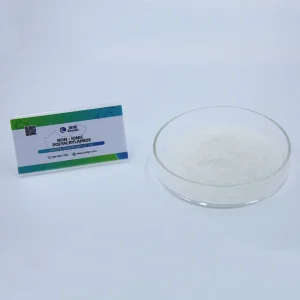
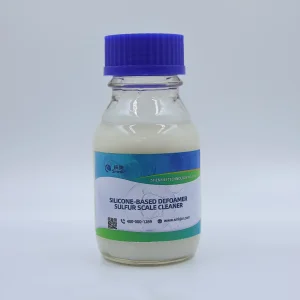
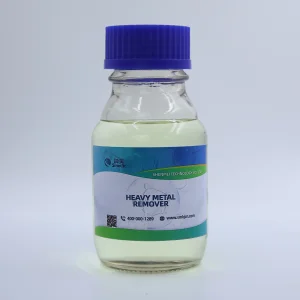
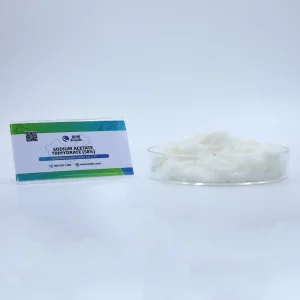
Explore our specialized range of high-efficiency industrial defoamers, coagulants, heavy metal removal agents, and advanced polymers.
An Industry Whitepaper on Polymer Charge Dynamics, Particle Aggregation, and High-Efficiency Solid-Liquid Separation.
In modern industrial processes, the optimization of solid-liquid separation stands as a primary imperative for operational efficiency, environmental compliance, and cost mitigation. At the center of this field is Anionic Polyacrylamide (APAM), a water-soluble linear polymer synthesized through the copolymerization of acrylamide monomers and acrylic acid, or via the partial hydrolysis of polyacrylamide. As prominent ODM Anionic Polymer Flocculant Manufacturers, Smedic Technology utilizes state-of-the-art molecular design methodologies to control charge density and molecular weight. This enables target-specific interactions in aqueous systems containing positively charged mineral particles, organic solids, and metallic hydroxides.
Did you know? The performance of an anionic flocculant is determined by its molecular weight (ranging from 5 million to over 25 million Daltons) and its hydrolysis level (charge density). In municipal sludge dewatering and mineral processing, aligning the polymer's charge density with the substrate's zeta potential is key to maximizing floc sedimentation rates.
Anionic Polymer Flocculants function primarily through two complementary pathways: charge neutralization and polymer bridging. When introduced into a colloidal suspension, the extended macromolecular chains of APAM interact with suspended particles. The negatively charged carboxyl groups of the polymer adsorb onto the positively charged regions of the suspended solids. Because the molecular chain is highly extended, a single polymer molecule can attach to multiple particles simultaneously. This is the polymer bridging mechanism.
This bridging action leads to the formation of large, highly structured aggregates known as flocs. These flocs exhibit rapid sedimentation velocities according to Stokes' Law, where the settling rate is proportional to the square of the particle radius. Concurrently, charge neutralization occurs as the anionic charges balance out the positive zeta potential on the particle surfaces. This reduces electrostatic repulsion and permits van der Waals attraction forces to dominate, accelerating coagulation.
China has established itself as the global hub for polyacrylamide production, driven by vertical integration of key raw materials. The synthesis of APAM relies on Acrylamide (AM) monomer production, which is derived from acrylonitrile. Chinese chemical clusters feature integrated upstream facilities that supply high-purity acrylonitrile directly to polymerization units. This continuous supply chain minimizes transportation risks, controls raw material costs, and ensures stable monomer purity.
In addition, advanced polymerization processes in China have transitioned from traditional pan-polymerization to sophisticated dispersion and emulsion techniques. This technological evolution allows manufacturers to produce APAM with precise molecular weight distribution curves, low residual monomer content (less than 0.05%), and rapid dissolution profiles. For international enterprise procurement, sourcing from a Chinese ODM partner offers access to economies of scale, extensive R&D resources, and cost-effective bulk shipping logistics.
A comprehensive overview of our production capacities, joint R&D laboratories, and national industrial patents.
Year of Establishment
Annual Production Capacity
Environmental Protection Agents
National Invention & Utility Patents
Established in 2011, Smedic Technology Co., Ltd. has developed into a leading environmental protection chemical manufacturer, integrating R&D, production, sales, and engineering technical support. Our headquarters is located in Beijing, with wholly-owned manufacturing bases in Hebei, Guizhou, and Shanxi. To optimize logistics and guarantee rapid delivery across key economic zones, we run more than ten OEM partner factories and regional warehousing bases in Shandong, Shanxi, Anhui, Guangxi, and Sichuan. Our service network covers over 20 Chinese provinces, supporting over 600 municipal sewage treatment plants and 1,000+ industrial wastewater end customers, treating more than 20 million tons of wastewater daily.
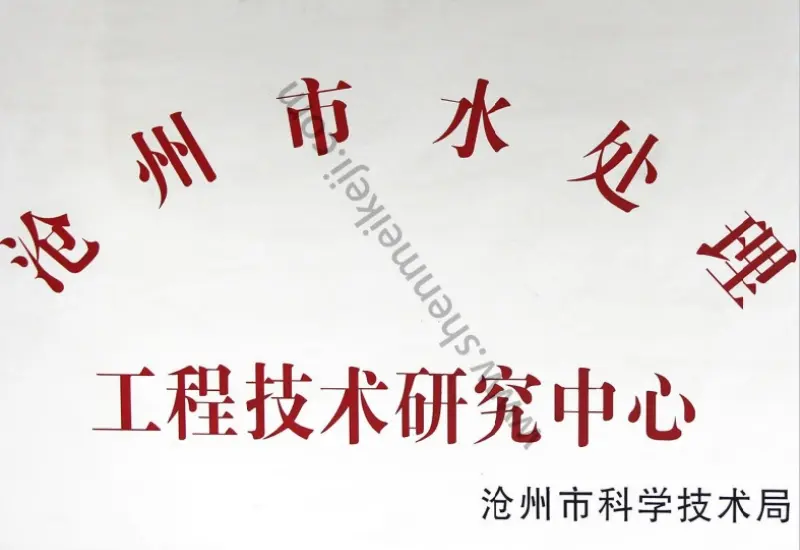
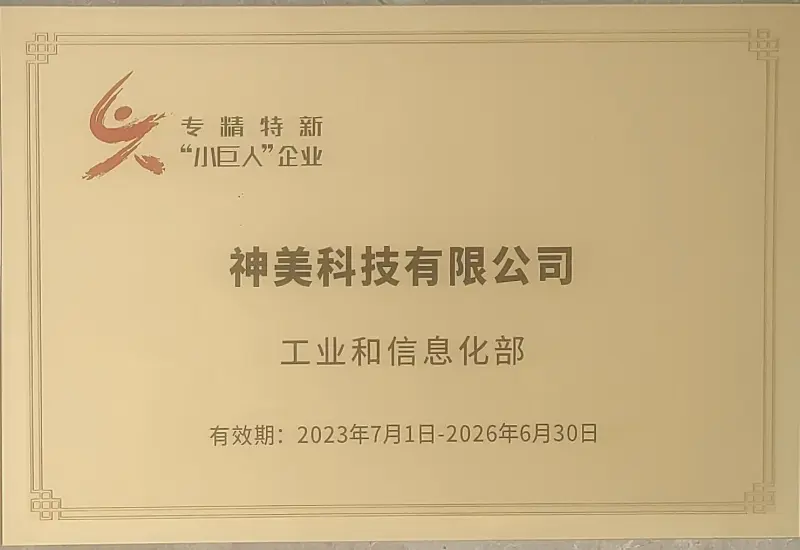
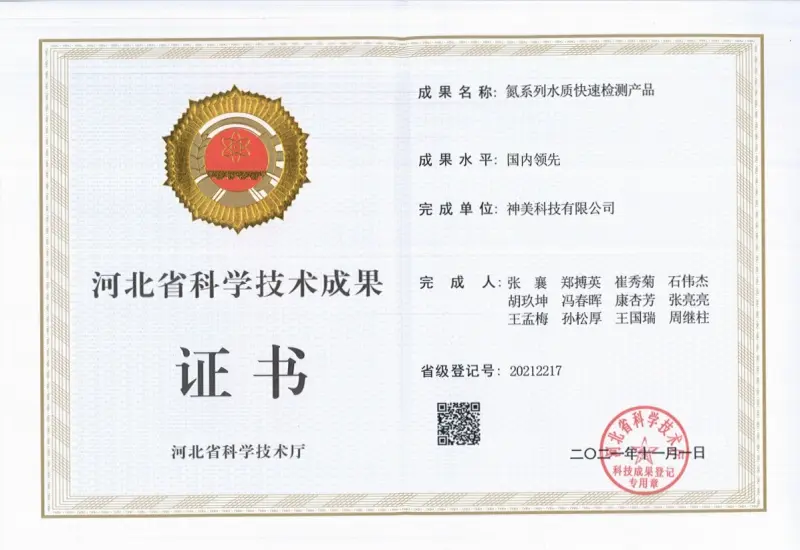
Our commitment to technical innovation is reflected in our R&D structure, which is centered around one academy, three research institutes, and five production bases. Recognized as a National Specialized, Refined, Unique and Innovative "Little Giant" Enterprise, Smedic maintains joint research labs with Peking University, Tsinghua University Association of Senior Scientists and Technicians, Shandong University, Beijing University of Technology, and Tianjin University. Our patent portfolio includes over sixty patents, consisting of forty-plus invention patents and more than twenty utility models. Smedic has also led the drafting of more than ten national and industry standards for water treatment agents, including composite carbon sources, composite coagulants, sodium acetate, and nitrifying and denitrifying bacterial formulations.
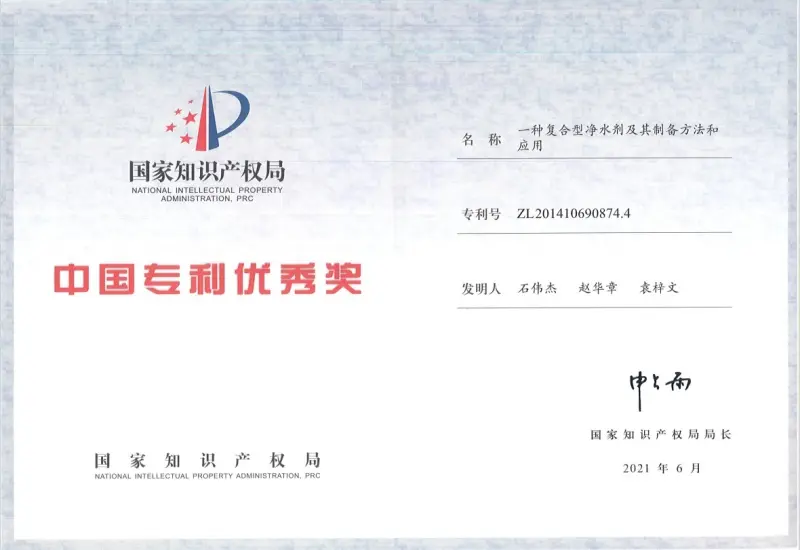
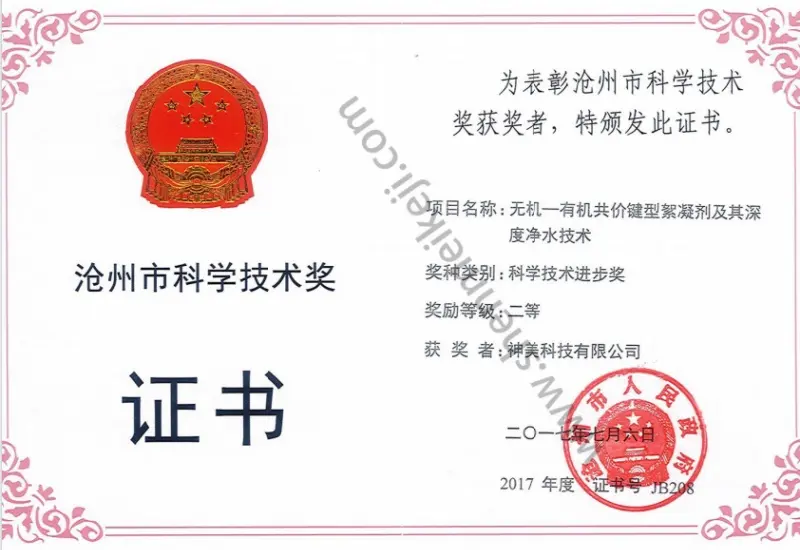
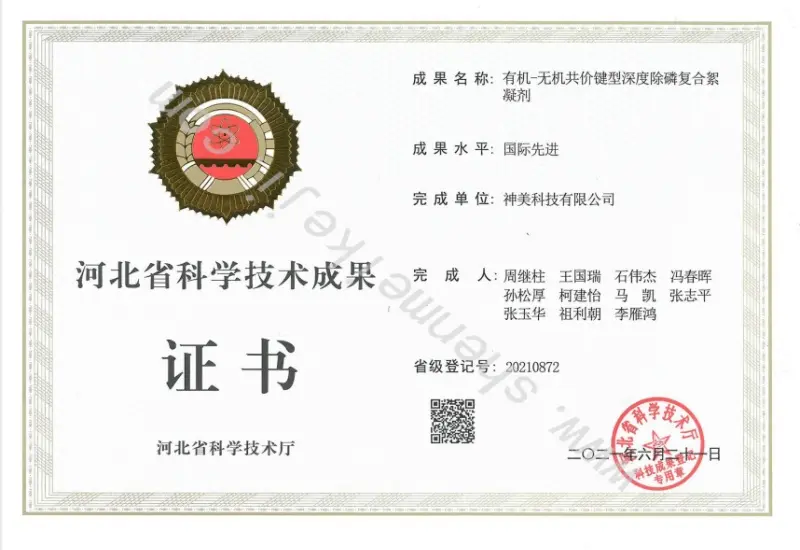
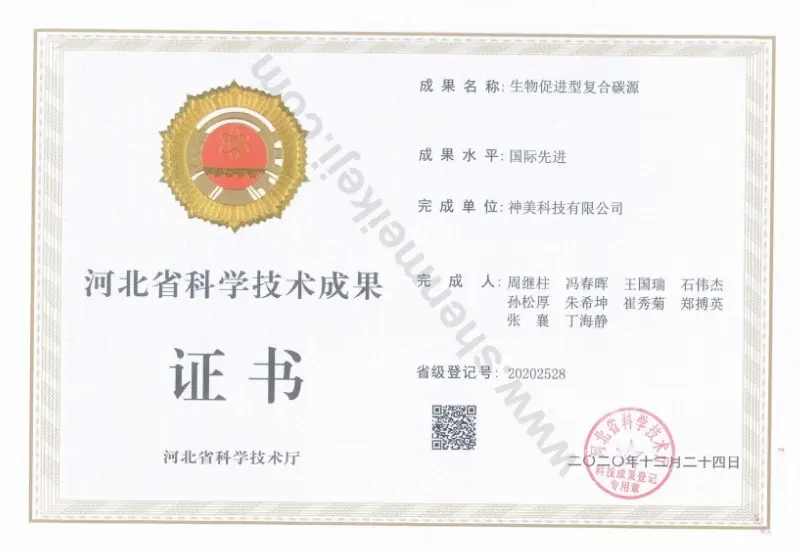
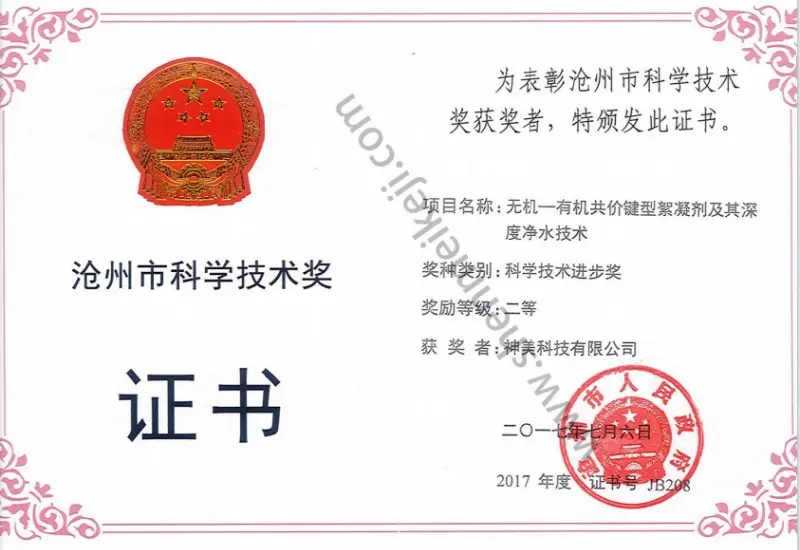
Our independently developed "Inorganic-Organic Covalent Bond Flocculant and Its Advanced Water Purification Technology" won the 22nd China Patent Award and the First Prize for Technological Invention from the China Petrochemical Industry Association. Our bio-enhanced denitrification carbon source and deep multi-nuclear phosphorus removal agent have been officially appraised as "internationally advanced," filling critical gaps in domestic water purification technologies.
How tailor-made polymer designs solve specific operational challenges across key industrial sectors.
In mineral separation, slurry streams contain high quantities of ultra-fine clay particles. Smedic APAM formulations act as selective flocculants, separating valuable mineral concentrates from gangue materials. They increase settling rates in thickeners and clarifiers, enabling rapid recycling of process water and reducing energy costs in filter press operations.
For enhanced oil recovery (EOR) and oilfield drilling muds, Smedic provides high-temperature and shear-resistant anionic polymers. These additives modify fluid viscosity, improve sweep efficiency in water floods, and stabilize shale formations during drilling, which helps reduce fluid loss and prevents wellbore collapse.
Managing high-load municipal effluents requires flocculants that perform reliably across a range of pH levels. Our APAM solutions are designed to work alongside primary coagulants (such as PAC or PFS), facilitating the rapid sedimentation of organic solids. This approach ensures discharge parameters meet international environmental standards.
In the paper industry, Smedic APAM functions as a high-performance retention and drainage aid. By flocculating fine fibers and inorganic fillers, the polymer improves retention on the wire, increases drainage rates, and lowers fiber loss in white water systems. This directly enhances sheet formation and paper strength.
Textile wastewater typically contains complex synthetic dyes and organic compounds that resist biodegradation. Using our customized APAM formulations helps decolorize the wastewater by gathering particulate dyes into filterable flocs. This provides an effective pretreatment stage before downstream biological processes.
A look at Smedic Technology's development path and key milestones since 2011.
Smedic was founded in Beijing, establishing a focus on industrial water treatment agents.
The company completed a comprehensive product portfolio tailored for municipal wastewater treatment.
Smedic was officially recognized as a key national high-tech enterprise, increasing investment in technological innovation.
We expanded our production footprint by establishing a dedicated water treatment chemical manufacturing base in Guiyang.
Production bases in Hebei, Shandong, and Guizhou were upgraded and expanded, pushing annual production capacity past 1 million tons.
Honored as a National Specialized, Refined, Unique and Innovative Small and Medium-sized Enterprise.
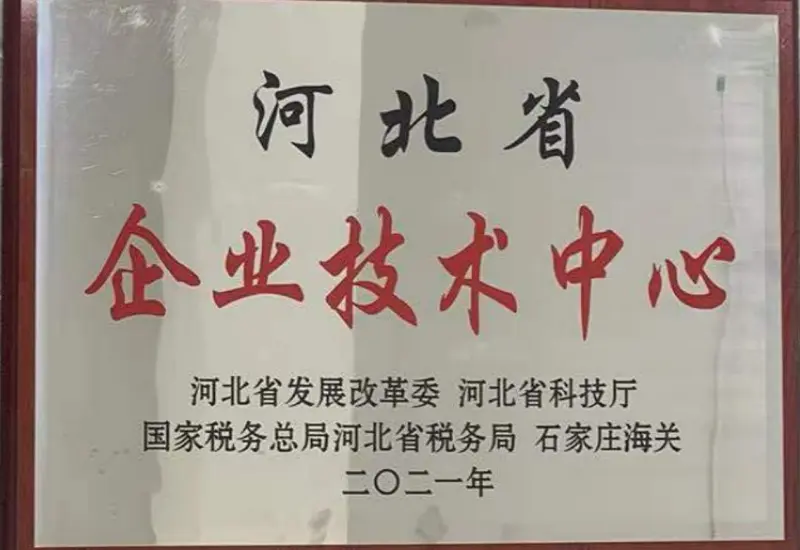
Smedic established a provincial-level water treatment chemical R&D and technology commercialization platform in Hebei.
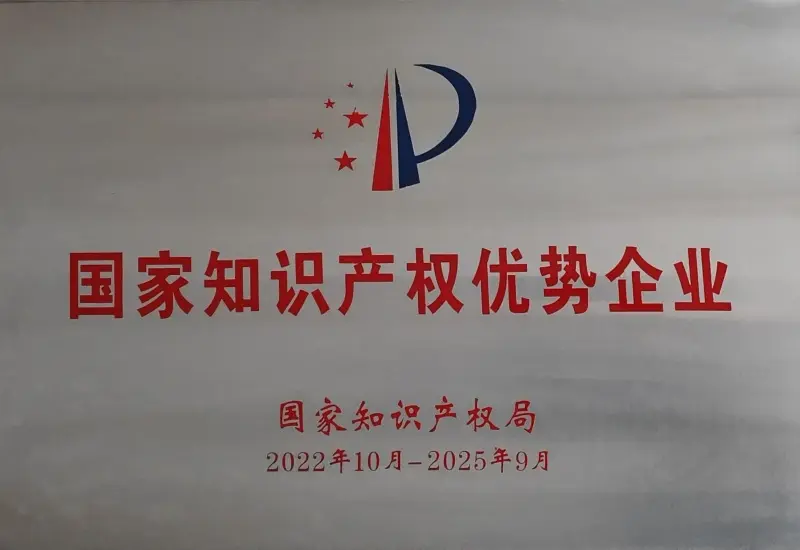
Recognized as a National Intellectual Property Advantage Enterprise with over sixty patents in active application.
Formed a joint venture with the Chengdu Institute of Mineral Comprehensive Utilization, China Geological Survey, to develop and produce specialized mineral processing reagents.
Essential factors for procurement teams assessing ODM/OEM polymer manufacturers.
The global water treatment industry is shifting toward more environmentally friendly chemistry. Regulatory bodies, including the European Chemicals Agency (ECHA) and the US EPA, are tightening restrictions on residual acrylamide monomers in municipal discharges. This has driven demand for high-purity polymer formulations. Modern procurement teams prioritize suppliers who can reliably supply APAM with residual monomer levels below 0.05% (500 ppm), or even below 0.02% (200 ppm) for sensitive applications like drinking water treatment.
When selecting an ODM/OEM partner, evaluating technical capability is just as important as unit pricing. Procurement teams should review several key criteria:
Common questions from wastewater engineers and procurement managers regarding anionic polyacrylamide and flocculant applications.
The ideal molecular weight depends on the shear conditions and the type of separation equipment used. High-shear equipment, such as centrifuges, requires a polymer with high shear resistance and moderate molecular weight to prevent the flocs from breaking apart. For low-shear settling applications like static clarifiers, ultra-high molecular weight polymers (above 20 million Daltons) are preferred to maximize settling velocity by forming larger flocs.
Dry APAM powders are highly stable and have a shelf life of up to 24 months when stored in a cool, dry warehouse in their original sealed packaging. In contrast, liquid emulsions are more sensitive to temperature variations and phase separation, typically offering a shelf life of 6 to 12 months. Diluted polymer solutions (often prepared at 0.1% to 0.3% concentration for dosing) should ideally be used within 24 to 48 hours, as their effectiveness degrades over time.
The degree of ionization of the carboxyl groups on the APAM chain is pH-dependent. In highly acidic environments (pH below 5), these carboxyl groups are protonated, which reduces the negative charge density on the polymer. This charge reduction causes the polymer chain to coil, lowering its bridging efficiency. In contrast, neutral to alkaline conditions keep the polymer chains extended, which maximizes flocculation efficiency.
Smedic offers comprehensive technical support. This starts with laboratory jar testing using wastewater samples sent from client sites. We then adjust the molecular weight, hydrolysis degree, and solid content of the polymer to optimize performance. Once the formulation is finalized, we provide on-site technical assistance for pilot runs and full-scale dosing optimization to ensure the product operates efficiently in the client's system.
Explore our high-performance corrosion inhibitors, membrane scale inhibitors, sodium acetate compounds, and cationic/non-ionic polymers.
 Smedic Tech