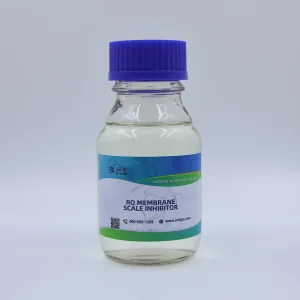

Smedic Technology Co., Ltd. was established in 2011 as a comprehensive solution provider specialized in environmental protection agents, integrating R&D, production, sales, and engineering-related technical services. We are dedicated to providing customers with customized chemical products, technical solutions, and services. Smedic produces environmental protection agents covering multiple sectors such as municipal sewage, industrial wastewater, and tap water treatment, as well as mineral processing agents, and oilfield chemicals. We offer more than 80 different environmental protection products, with an annual production capacity exceeding 1 million tons.
Our corporate headquarters is located in Beijing, we have multiple wholly-owned production bases in Hebei, Guizhou, Shanxi, and other regions, and have set up more than ten OEM partner factories and regional warehousing and logistics bases in Shandong, Shanxi, Anhui, Guangxi, and Sichuan provinces, among others. Our business and service network covers over 20 provinces across China. Our projects involve more than 600 urban sewage treatment plants and over 1,000 end customers in industrial wastewater treatment, mineral processing, and oilfield chemicals. The total sewage treatment capacity involved in the projects exceeds 20 million tons per day. We are a leading company in the Chinese market within the high-end segment of environmental protection chemicals for municipal and industrial wastewater treatment.
Evaluating biological stabilization, systemic nutrient reduction, and operational frameworks for modern municipal and industrial facilities.
Biological purification, centered around the activated sludge process, remains the cornerstone of global secondary wastewater treatment. Since its invention in the early 20th century, the process has transformed from a simple organic carbon removal system into a complex, multi-stage biological reactor system configured for nitrogen, phosphorus, and trace contaminant reduction. Driven by stringent global regulatory frameworks such as the European Union's Urban Waste Water Treatment Directive and the United States Clean Water Act's NPDES (National Pollutant Discharge Elimination System), plant managers face unprecedented pressure to stabilize microbial ecosystems under volatile organic load profiles.
As a prominent ODM Activated Sludge Treatment Exporter & Exporter, Smedic Technology has observed a decisive shift in operational methodologies. Traditional plant designs often compensated for kinetic limitations by over-aerating or extending hydraulic retention times. This approach incurs high energy costs and increases carbon footprints. Today, the focus has shifted to micro-kinetic optimization. Through precise nutrient dosing, customized cationic and anionic polymers, and biological augmentations, operators can manipulate the floc structure itself to maximize oxygen transfer efficiency, enhance settling rates, and mitigate chronic operational hazards such as filamentous bulking.
The contemporary wastewater treatment sector is undergoing a profound paradigm shift driven by three primary vectors: energy neutrality, resource recovery, and digital process control. Activated sludge systems are no longer viewed merely as waste-destruction units, but as highly complex carbon capture and nutrient bio-refineries. The integration of Anaerobic-Anoxic-Oxic (A2O) configurations, Membrane Bioreactors (MBRs), and Integrated Fixed-film Activated Sludge (IFAS) systems requires chemical auxiliaries designed to perform under precise, micro-environmental conditions.
Furthermore, the rising cost of aeration energy—which can account for up to 60% of a treatment facility's total electricity consumption—has driven the adoption of co-treatment agents. By applying advanced surfactant controls and bio-enhancing carbon sources, facilities can optimize oxygen transfer rates (alpha factors) within aeration tanks. This reduces energy consumption while maintaining the high dissolved oxygen (DO) levels necessary for nitrification kinetics.
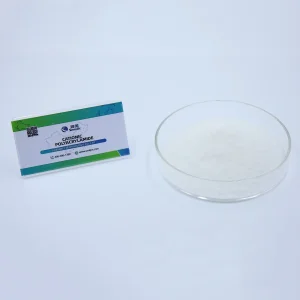
Optimizing extracellular polymeric substances (EPS) through targeted cationic polyacrylamides to enhance settling rates and prevent sludge washouts.
Delivering high-purity compound carbon sources to sustain denitrification kinetics in low C/N ratio influent, ensuring strict nitrogen limits are met.
Utilizing inorganic-organic covalent bond polymers to capture colloidal particles and ortho-phosphates without overloading chemical sludge volumes.
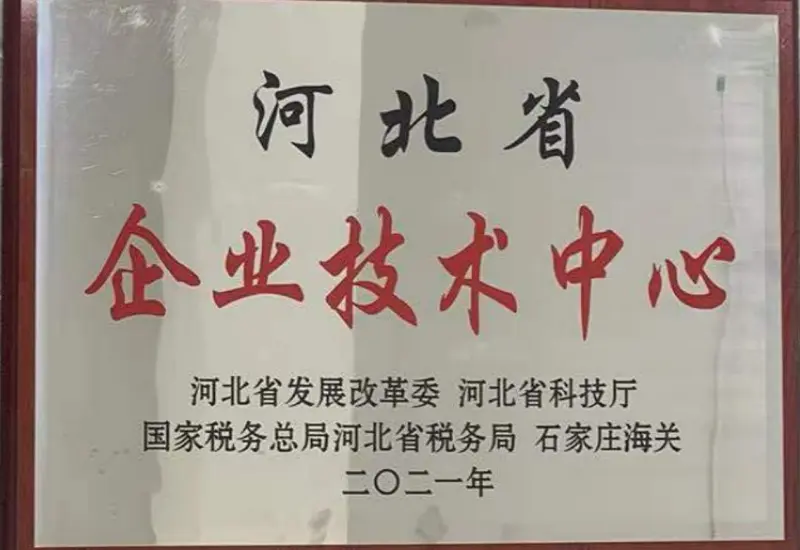
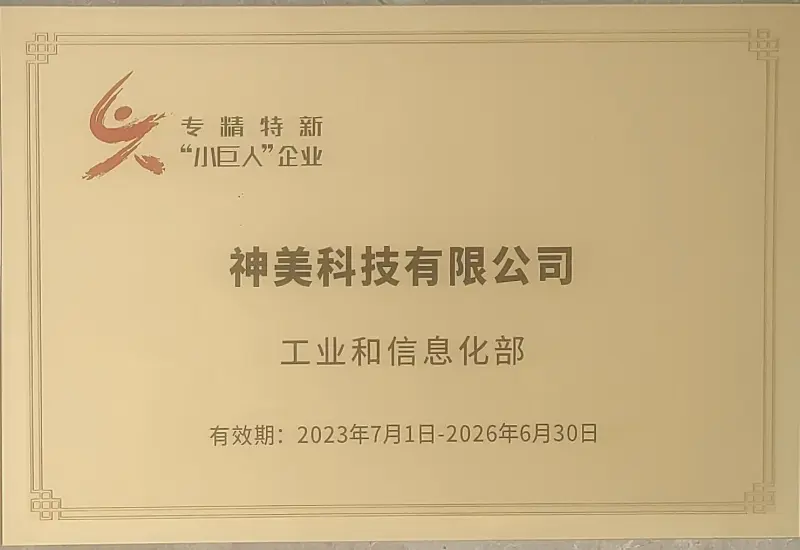
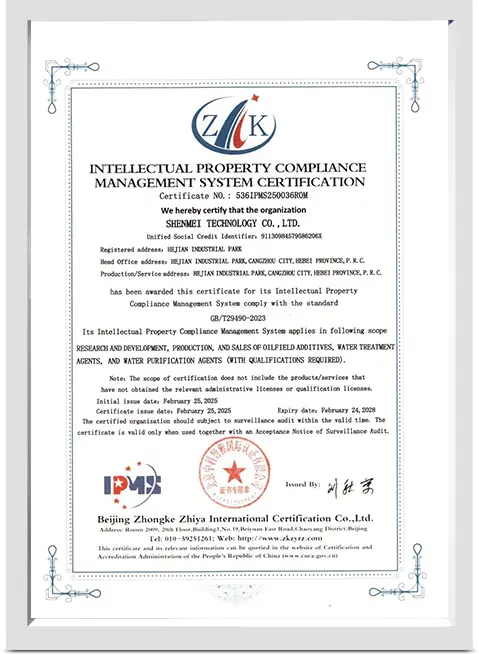
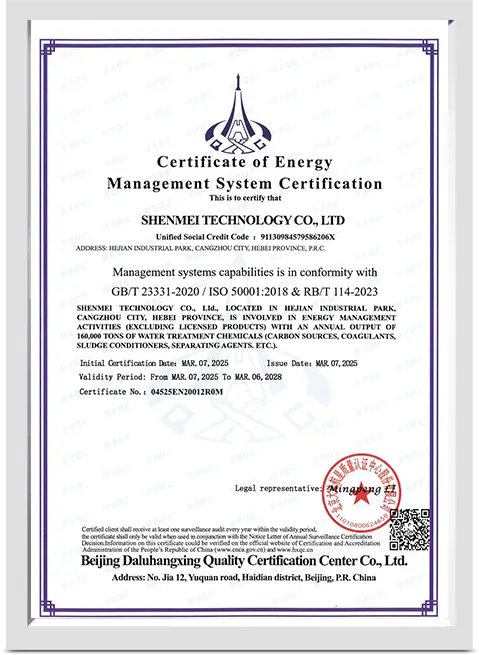
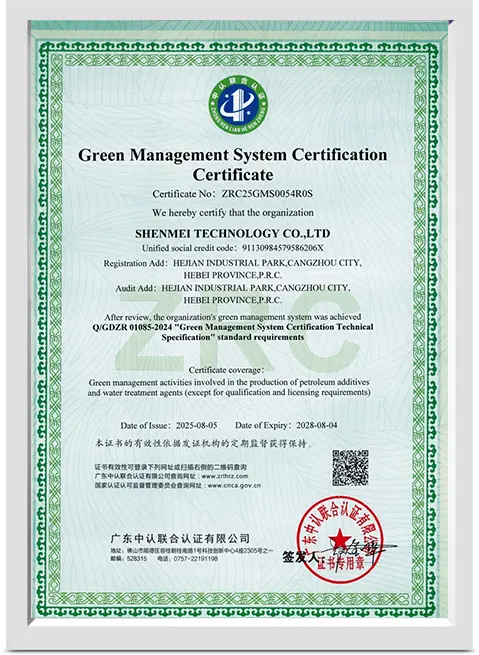
We have obtained qualifications such as National High-tech Enterprise, National Specialized, Refined, Unique and Innovative "Little Giant" Enterprise, National Key-Supported Specialized, Refined, Unique and Innovative "Little Giant" Enterprise, Hebei Province Specialized, Refined, Unique and Innovative "Little Giant" Demonstration Enterprise, Hebei Province Green Factory, Hebei Province Science and Technology-based Small and Medium-sized Enterprise, and China's Science and Technology-based Innovative Small and Medium-sized Enterprise.
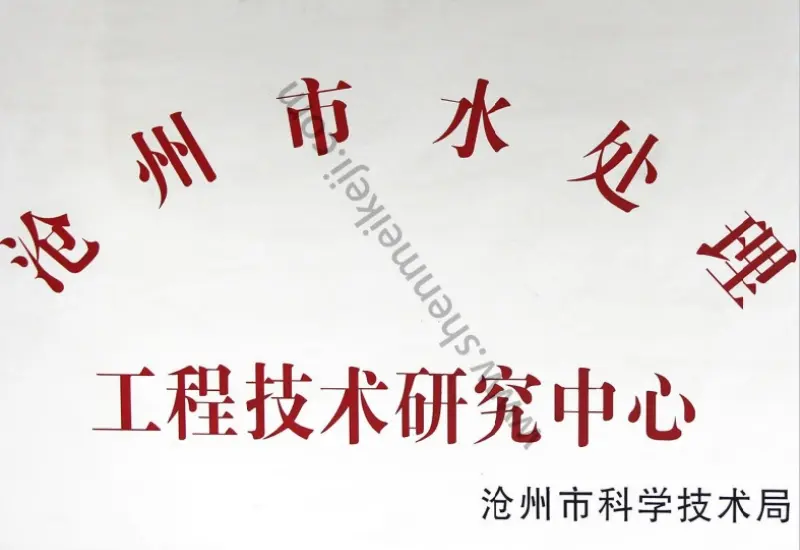
We have a core technical team composed of academicians, experts, professors, and senior engineers, and have established an R&D system and a technology commercialization platform centered around one academy, three research institutes, and five bases. We have established the Hebei Provincial Enterprise Technology Center, the Hebei Provincial Advanced Water Treatment Chemicals Technology Innovation Center, and the Cangzhou Water Treatment Engineering Technology Research Center, and have been recognized as a Class A R&D institution in Hebei Province. We have established an expert workstation with Tsinghua University Association of Senior Scientists and Technicians, and have set up joint R&D laboratories with Shandong University and Beijing University of Technology. Additionally, we also serve as a commercialization partner for the industry-academia-research achievements of institutions such as Peking University and Tianjin University.
The patented technologies and products we have independently developed, such as the bio-enhanced denitrification carbon source and the deep multi-nuclear phosphorus removal agent, have passed the scientific and technological achievement evaluation conducted by the Science and Technology Department of Hebei Province. These achievements have been appraised as "internationally advanced" and have filled a domestic gap in this product category.
Our "Active Oxygen Compound Disinfectant" has been recognized as a National Construction Industry Scientific and Technological Achievement Promotion Project by the Science and Technology Development Promotion Center of the Ministry of Housing and Urban-Rural Development.
Deconstructing supply chains, formulation adaptions, and system integrations for multinational water systems.
Enterprise procurement teams for large municipal water utilities and high-volume industrial processing plants (such as petrochemicals, pulp and paper, and pharmaceutical processing) evaluate chemical suppliers on more than just raw unit costs. Their evaluation criteria focus on security of supply, biological compatibility, chemical stability, and local environmental compliance. A supply chain failure in carbon source delivery, for example, can lead to compliance violations at the discharge outfall within hours. This can result in significant legal liabilities and reputational damage.
Smedic Technology manages these risks through a robust infrastructure. With multiple wholly-owned production bases and over ten regional warehousing and logistics hubs, we provide a reliable supply chain. By offering contract manufacturing, customized chemical blends, and dedicated technical support, we align with the risk-mitigation strategies of leading global engineering firms.
Biological wastewater systems are dynamically sensitive to changes in raw wastewater composition. Smedic has developed targeted, macro-level solutions to address these operational challenges:
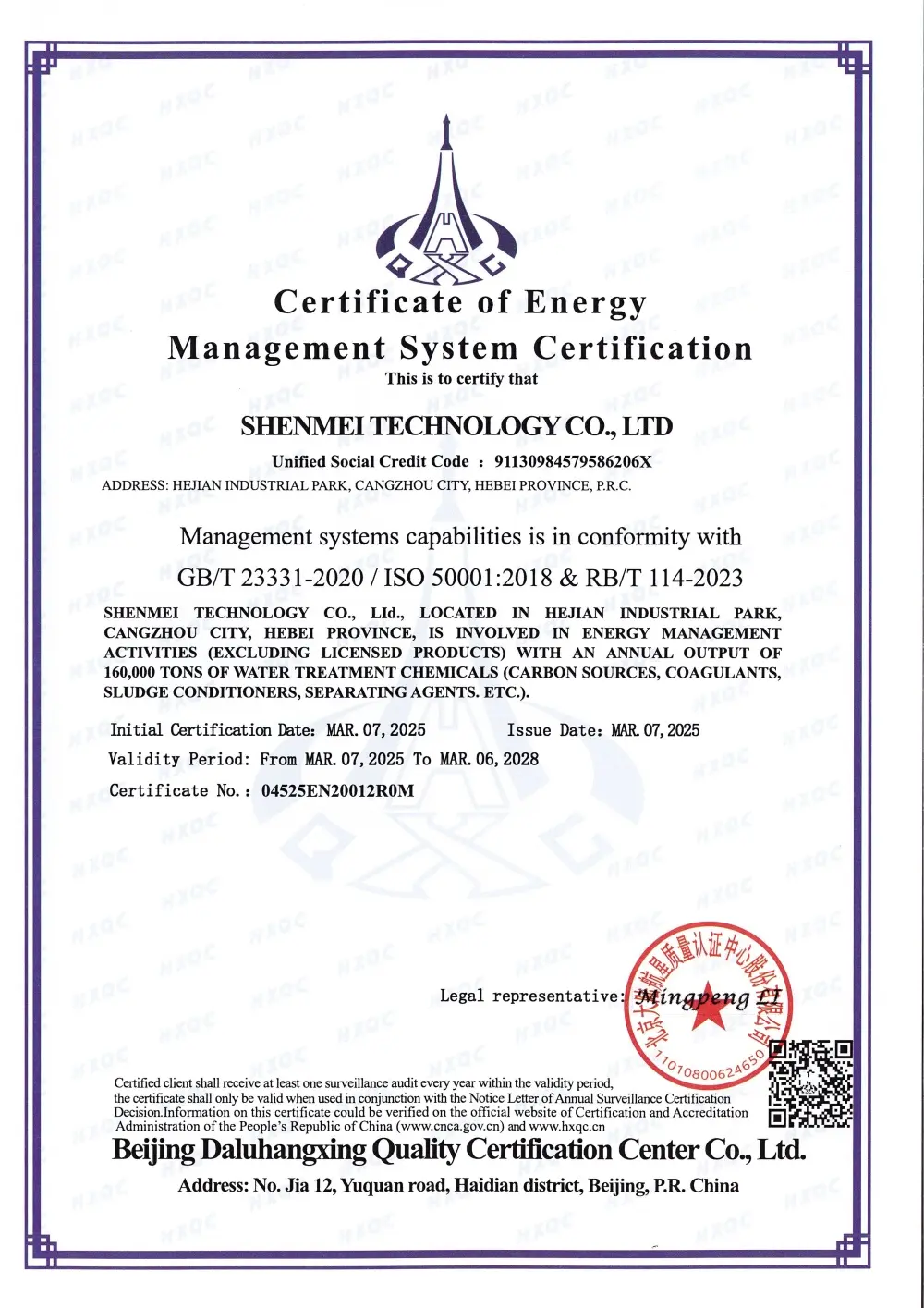
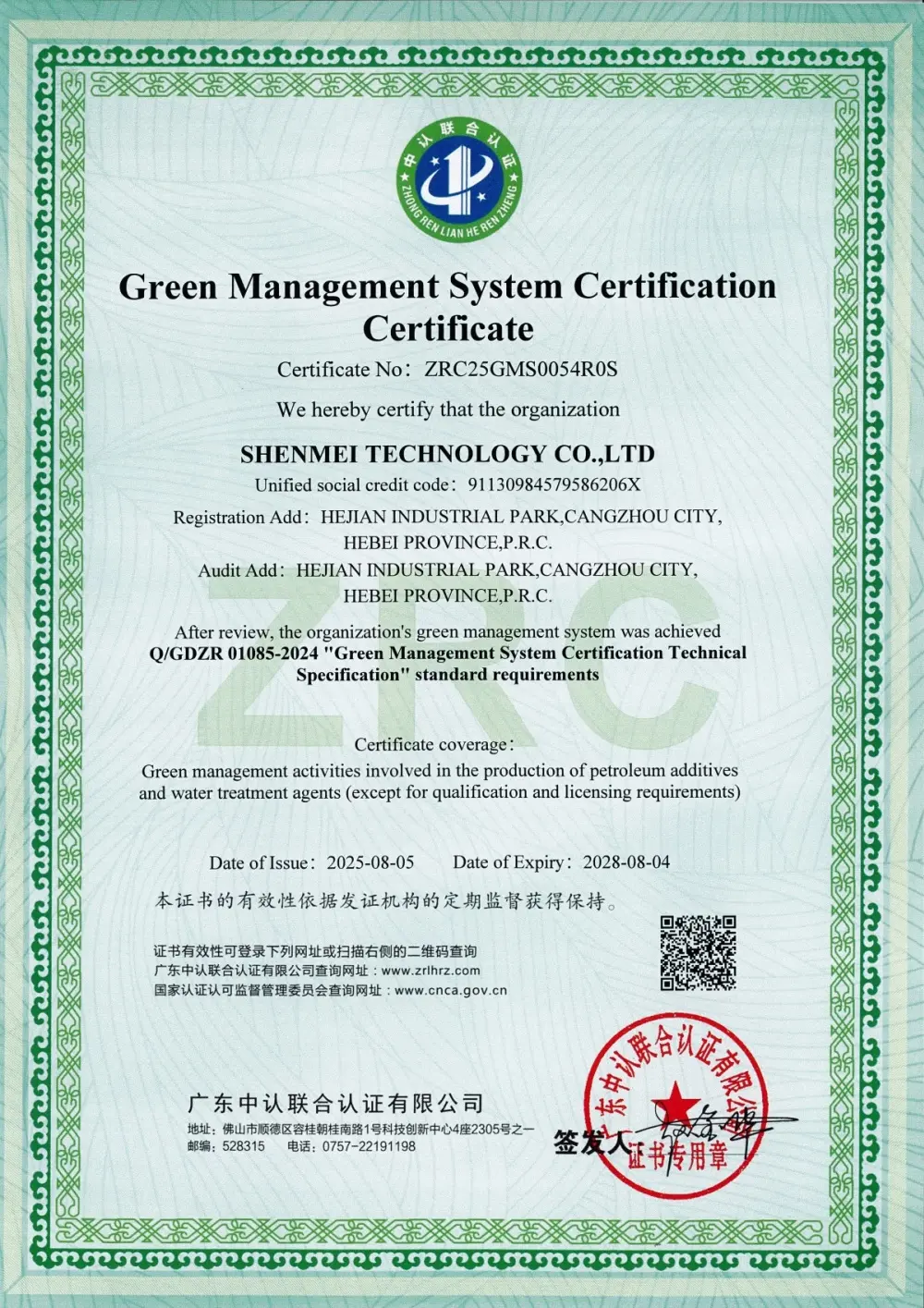
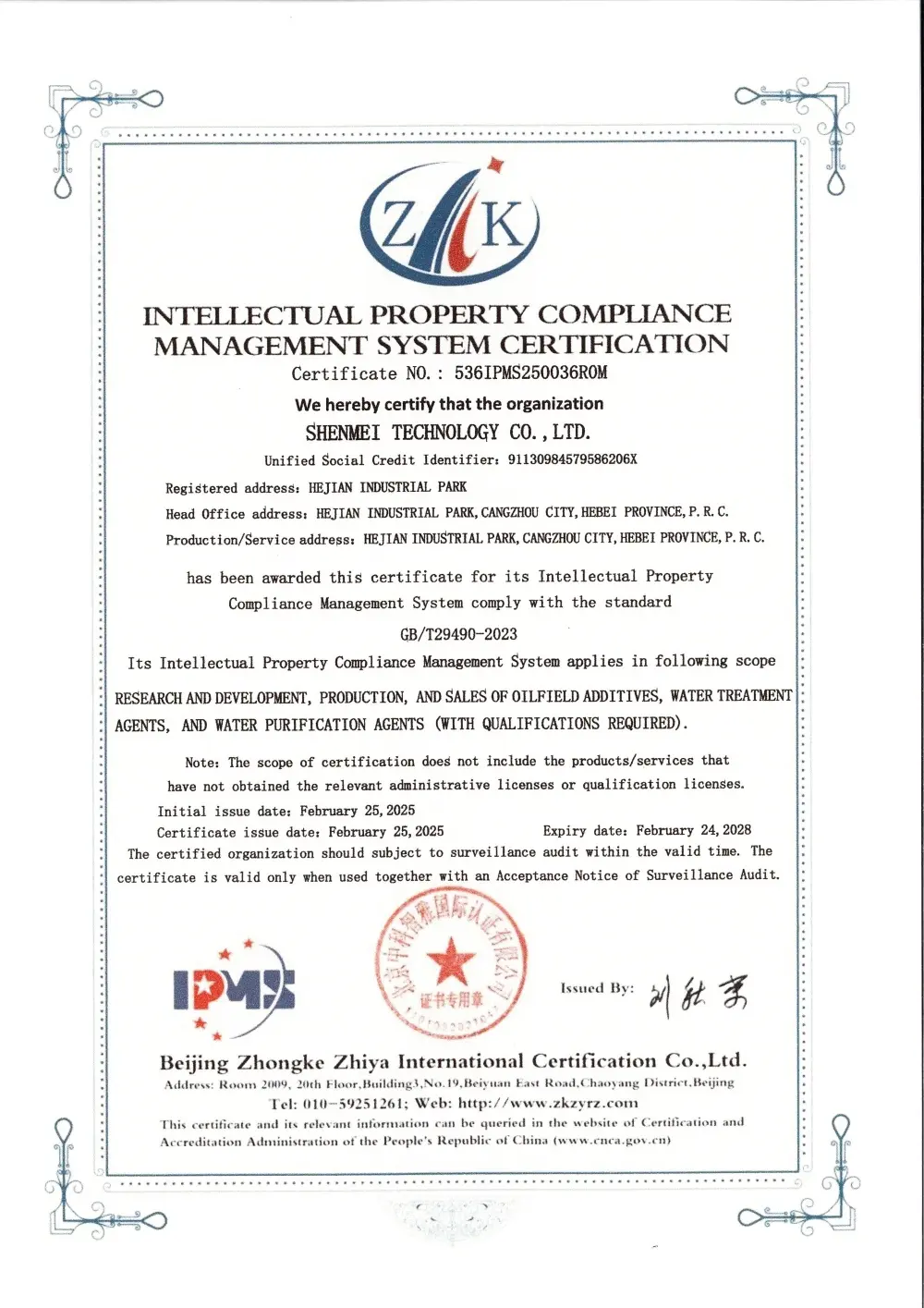
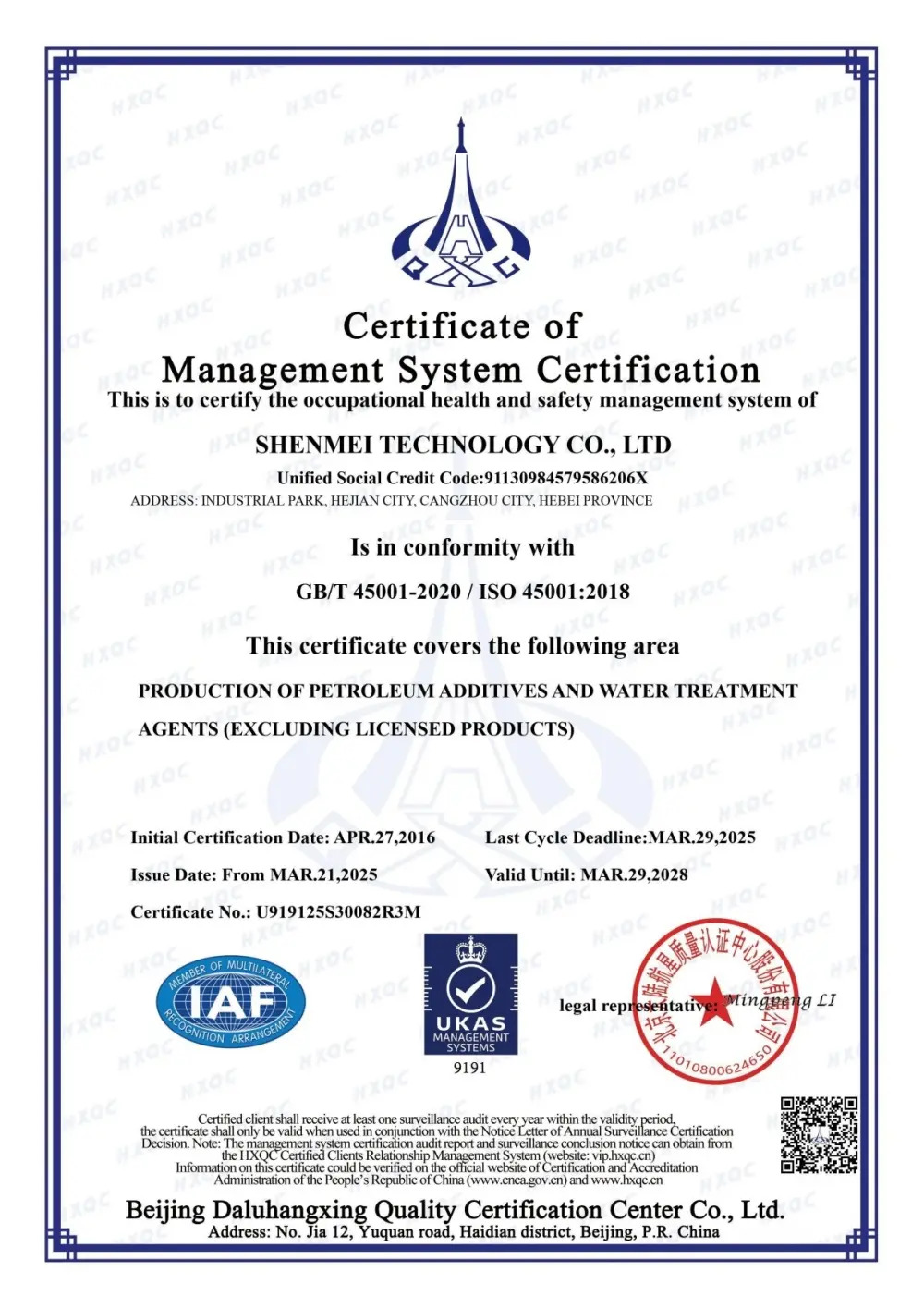
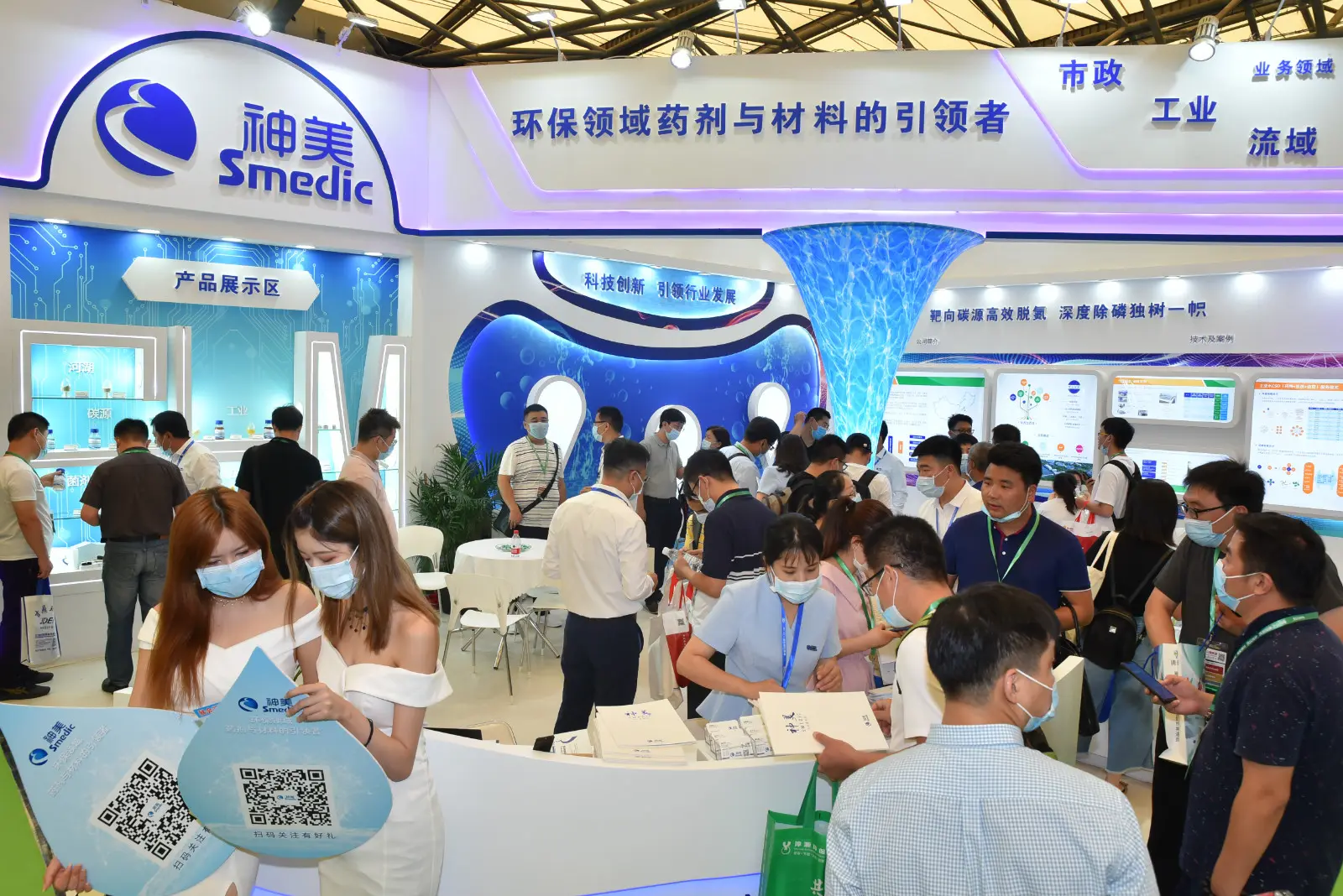
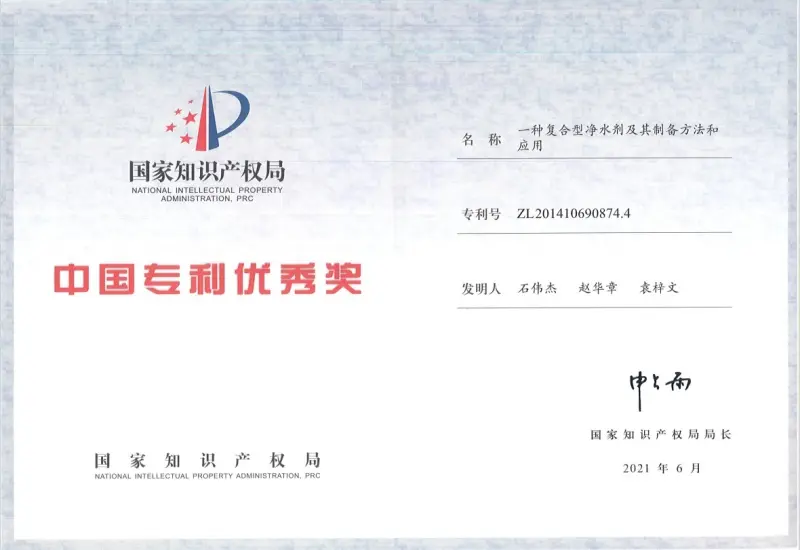
Our independently developed "Inorganic-Organic Covalent Bond Flocculant and Its Advanced Water Purification Technology" has won multiple awards, including the 22nd China Patent Award, the First Prize for Technological Invention from the China Petrochemical Industry Association, the Hebei Province Science and Technology Progress Award, and recognition as a Belt and Road SME Recommended Project.
We have been recognized as the "Leading Brand of Advanced Wastewater Treatment Chemicals" and the "Most Valuable Water Treatment Chemicals Brand" by China Water Network and the E20 Environmental Platform for four consecutive years. We have established long-term strategic partnerships with dozens of major water groups, including Shouchuang Ecological and Environmental Group, Yangtze River Ecological and Environmental Group, Beijing Enterprises Water Group, OriginWater, and China Water Environment Group, and have been included in their centralized procurement supplier lists.
Over a decade of milestones in advanced environmental chemical manufacturing and technology commercialization.
Smedic was founded, initiating R&D into municipal and industrial environmental protection agents.
Established a comprehensive product portfolio for municipal wastewater treatment chemicals.
Recognized as a key national high-tech enterprise, validating our engineering standards.
Established a major water treatment chemicals production base in Guiyang to service southern regional markets.
Expanded production bases in Hebei, Shandong, and Guizhou, exceeding 1 million tons in combined capacity.
Recognized as a National Specialized, Refined, Unique and Innovative Small and Medium-sized Enterprise.
Established a provincial-level R&D platform in Hebei, integrating advanced simulation and analytical tools.
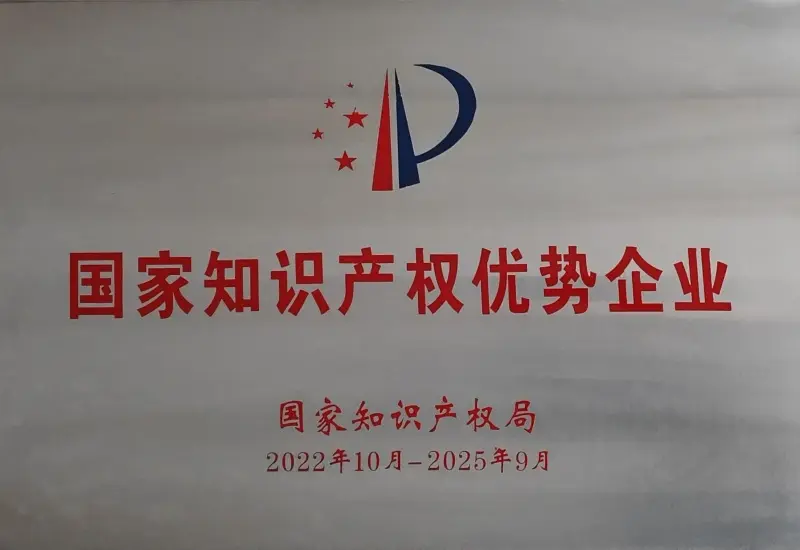
Recognized as a National Intellectual Property Advantage Enterprise with over sixty patents.
Partnered with the Chengdu Institute of Mineral Comprehensive Utilization, China Geological Survey, to establish a joint venture producing specialized mineral processing reagents.
Aligning international standards with next-generation bio-augmentation formulations.
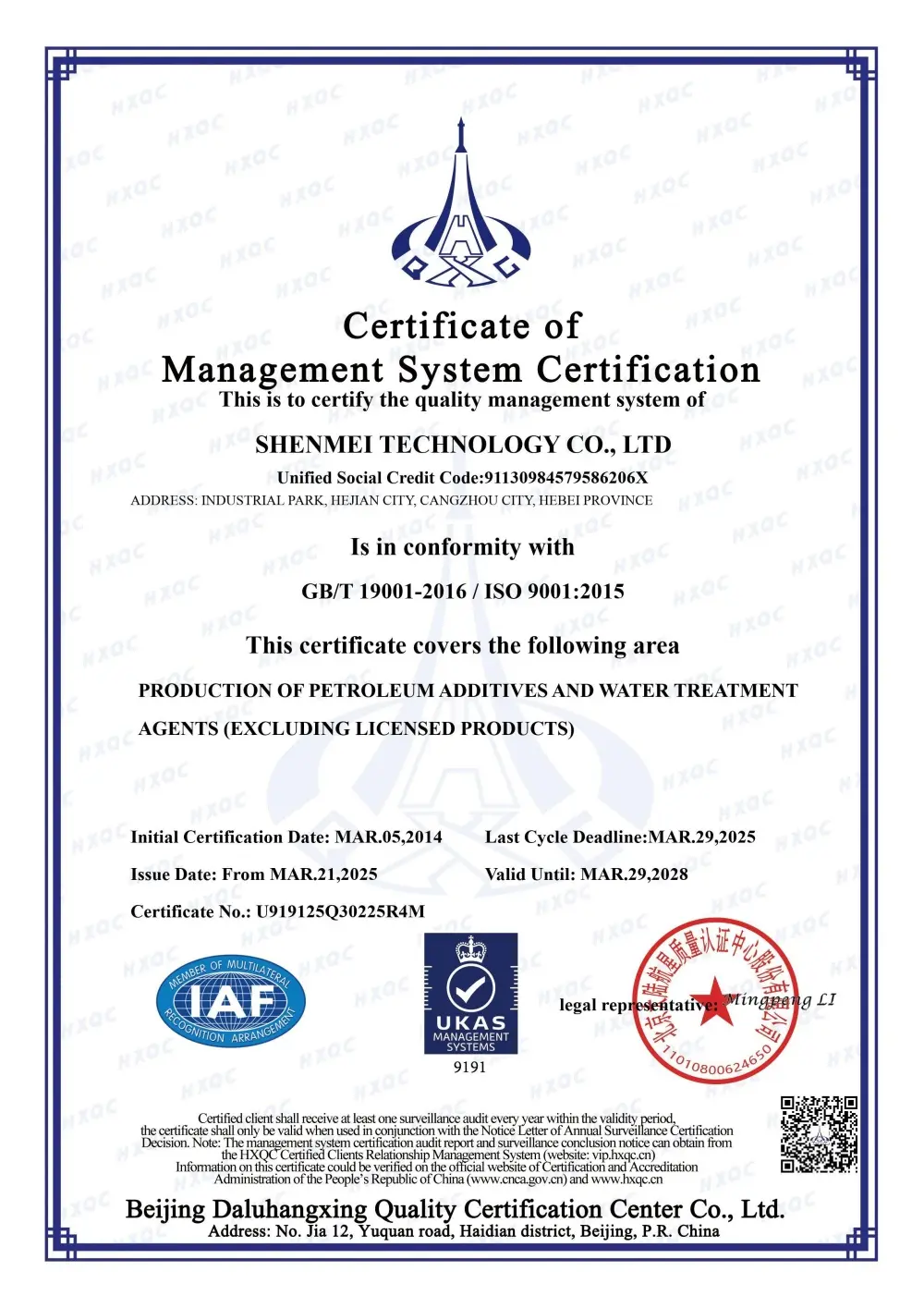
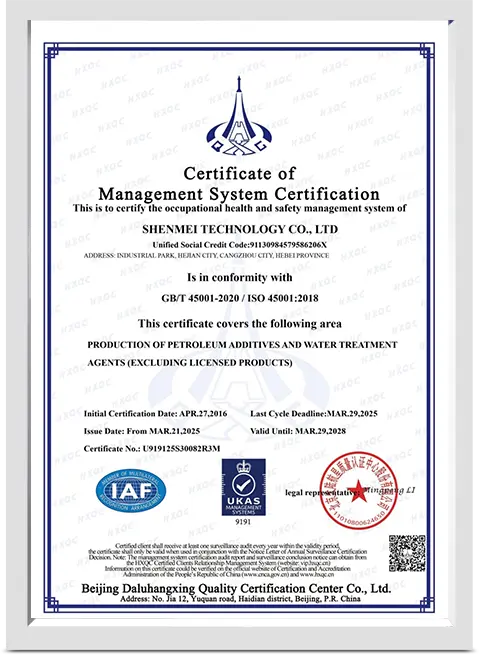
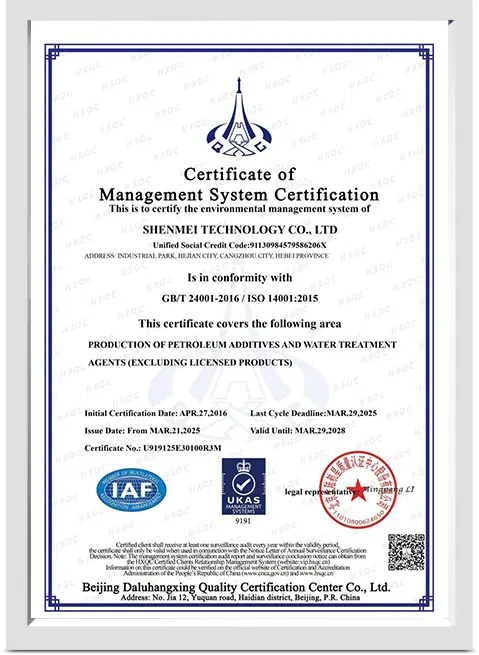
Exporting advanced chemicals globally requires strict compliance with international regulatory frameworks, including Europe's REACH regulations and North America's TSCA (Toxic Substances Control Act). Smedic Technology meets these standards by providing complete GHS-compliant Safety Data Sheets (SDS), certificates of analysis (COA), and dual-language technical documents for every batch. Furthermore, our raw materials undergo strict screening to ensure compliance with hazardous waste limits and heavy metal restrictions.
On-site, Smedic's technical team provides direct integration support. We conduct bench-scale jar tests, respirometric tests, and microscopic examinations of biological flocs to determine optimal chemical dosages. By matching chemical addition rates with automated online sensors (such as ORP, DO, and ammonia monitors), we help plants establish real-time dosing control loops that improve effluent quality and reduce chemical consumption.
The future of activated sludge treatment lies in the integration of synthetic biology and advanced machine learning algorithms. Smedic is actively developing bio-augmentation cultures composed of specialized bacterial strains designed to degrade complex xenobiotic organic compounds. These formulations target hard-to-degrade materials such as endocrine-disrupting chemicals (EDCs), micro-pollutants, and highly stable aromatic hydrocarbons.
Our long-term development roadmap focuses on smart chemical systems. By integrating real-time telemetry from biological reactors with AI-driven dosage algorithms, future treatment systems will automatically adjust coagulant, polymer, and carbon source feeds in response to upstream sensor data. This transition from reactive troubleshooting to predictive process control will define the next generation of industrial water treatment.
Technical guidance on optimizing activated sludge systems and selecting appropriate chemical agents.
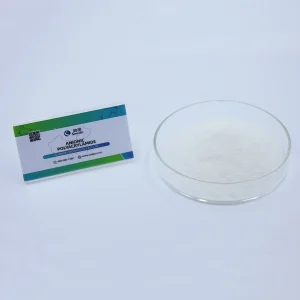
The charge density of cationic polyacrylamide (CPAM) must match the negative surface charge of the biological flocs. Higher ionic charge densities provide strong charge neutralization, disrupting water-binding colloidal structures. However, excessive charge density can cause steric stabilization, reducing dewatering efficiency. Smedic conducts capillary suction time (CST) and floc-strength testing to determine the optimal charge density for your specific sludge matrix.
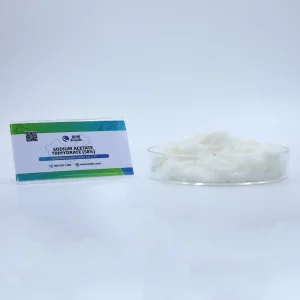
While pure methanol or sodium acetate provides readily available COD, they support narrow bacterial groups. This can lead to biological monocultures susceptible to process shocks. Smedic's bio-enhanced compound carbon sources contain a balanced blend of organic acids, polyols, and trace nutrients. This formulation supports a diverse community of denitrifying bacteria, increasing system resilience and improving denitrification kinetics at lower temperatures.
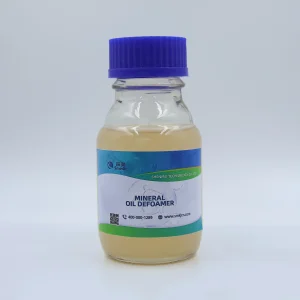
Smedic's mineral oil defoamers use hydrophobic silica particles dispersed in a mineral oil carrier. This structure spreads quickly across the bubble film, displacing the surfactant molecules that stabilize the foam. Formulated to be chemically inert, these defoamers break surface tension without damaging cell membranes or inhibiting the respiratory enzymes of nitrifiers and heterotrophic bacteria in the activated sludge matrix.
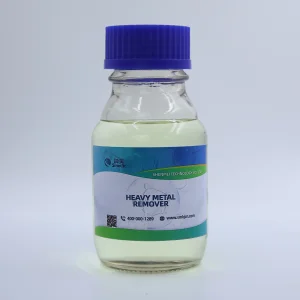
When industrial effluent contains heavy metals (such as Cu²⁺, Ni²⁺, Pb²⁺, or Cr³⁺/⁶⁺) that exceed municipal discharge limits, or when influent metal concentrations threaten microbial activity (typically concentrations > 0.5-2.0 mg/L, depending on the metal), heavy metal removal agents should be dosed. Smedic's agents form insoluble organometallic precipitates across a wide pH range, allowing for easy separation in downstream clarifiers.
 Smedic Tech