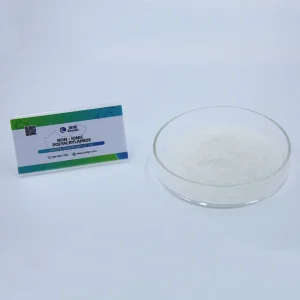
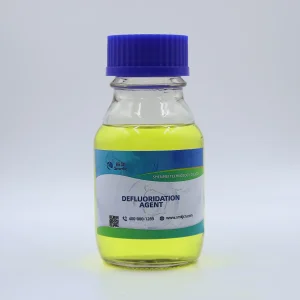
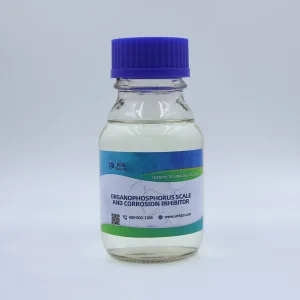
In modern industrial wastewater processing and water utilities, Sodium Sulfite (Na2SO3) serves as a critical agent for redox-driven purification. Used primarily as a dissolved oxygen scavenger and dechlorination agent, its high chemical reactivity and safety profile render it indispensable. Understanding the thermodynamics and kinetics of Na2SO3 operations is fundamental to ensuring system efficiency, membrane longevity, and environmental compliance.
As a leading high-quality sodium sulfite water treatment supplier, Smedic Technology is dedicated to providing industrial operations with highly consistent and stable formulations. Our chemical compounds are meticulously manufactured to ensure maximum active ingredient concentrations, reducing dosage volumes and downstream salt accumulations. This whitepaper details the chemical dynamics, application areas, and logistical networks that define our manufacturing value chain.
1. Dissolved Oxygen Scavenging:
Sodium sulfite reacts stoichiometrically with dissolved oxygen to produce sodium sulfate. Under typical industrial conditions, this reaction is accelerated using trace metal catalysts (e.g., cobalt salts) to achieve instantaneous deoxygenation even at low temperatures.
2. Dechlorination Reaction:
This reaction prevents active chlorine from oxidizing sensitive polymeric reverse osmosis (RO) membranes, preserving structural integrity and filtration efficacy.
Established in 2011, Smedic Technology Co., Ltd. is a comprehensive environmental chemical supplier, integrating R&D, production, sales, and specialized engineering-technical services. We provide global clients with customized chemical solutions designed to resolve complex municipal and industrial wastewater problems. Smedic's production capabilities span water treatment agents, mineral processing chemicals, and oilfield additives.
With an annual production capacity exceeding 1 million tons and a diverse range of over 80 environmental protection products, we support major water networks, heavy industrial facilities, and municipal utilities across Asia, Europe, and the Americas.
Headquartered in Beijing, Smedic maintains wholly-owned production bases in Hebei, Guizhou, and Shanxi, supplemented by over ten joint manufacturing and warehousing installations nationwide. This broad distribution network ensures rapid localized delivery and consistent chemical supply security.
Our logistics and warehousing network guarantees delivery across primary industrial zones, minimizing lead times and operational friction.
Smedic chemicals treat feedwater and municipal effluent at significant scales, providing clean water to urban populations.
We serve manufacturers in chemical refining, metallurgy, paper mills, mining, and oil extraction worldwide.
Our research framework is anchored by a structured team of senior engineers and academic advisors. Our facilities operate in collaboration with prominent academic institutions, including the Tsinghua University Association of Senior Scientists and Technicians, Shandong University, and the Beijing University of Technology.
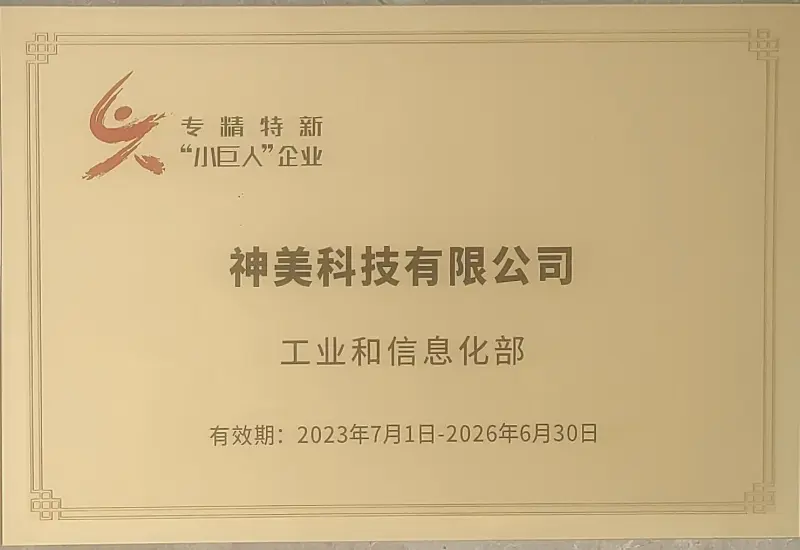
This network comprises one specialized academy, three research institutes, and five production bases, supporting translation of laboratory research to industrial production. Smedic is designated as a National Specialized, Refined, Unique, and Innovative "Little Giant" enterprise, recognizing our contributions to water treatment development.
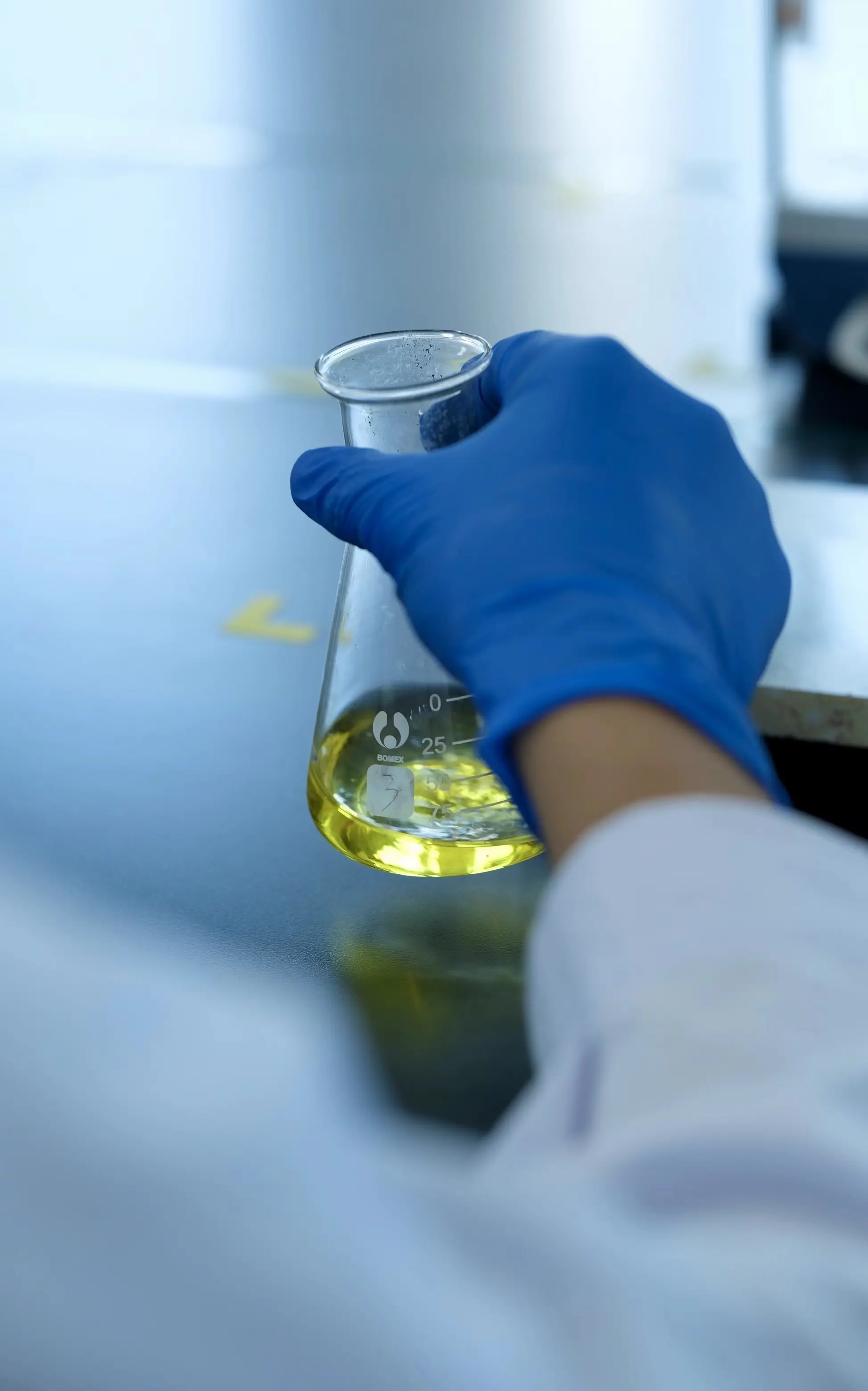
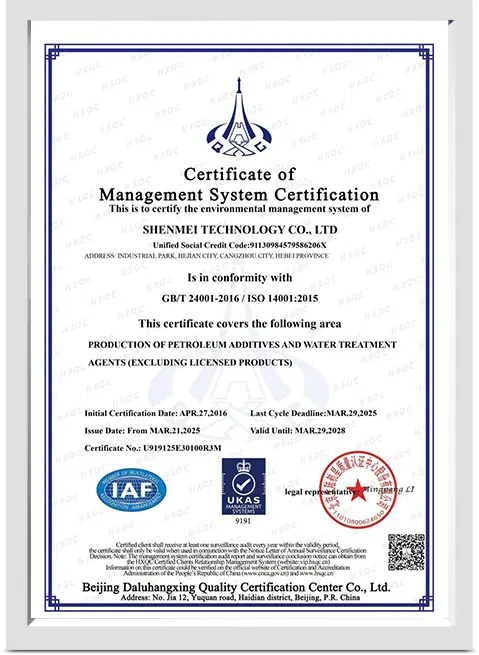
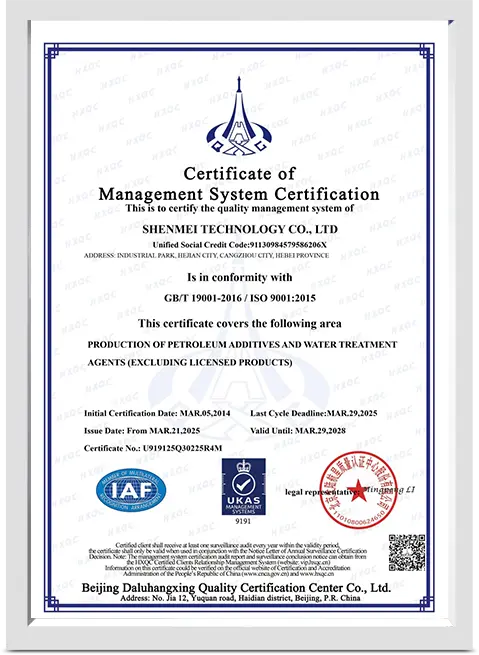
Advanced water treatment research labs operating under ISO 9001 and ISO 14001 certification frameworks.
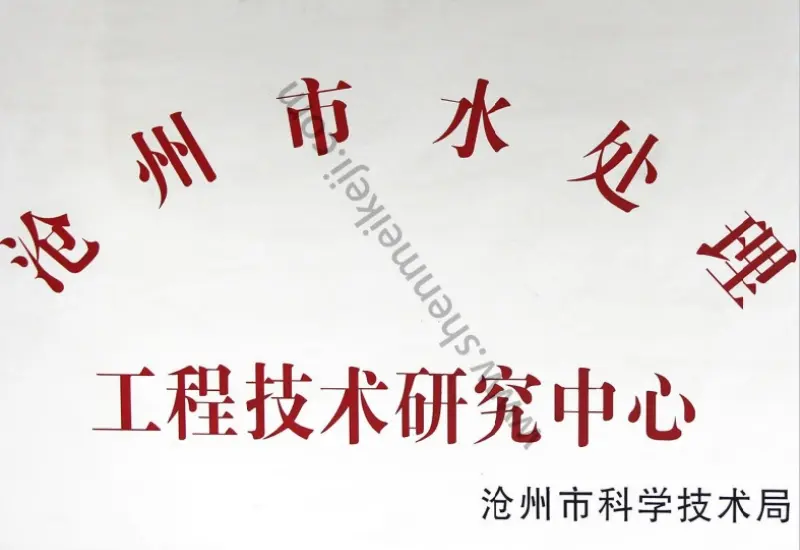
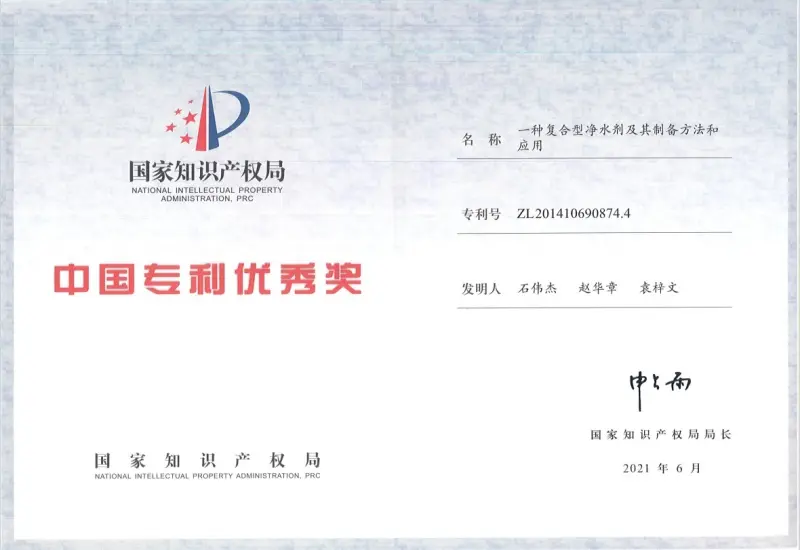
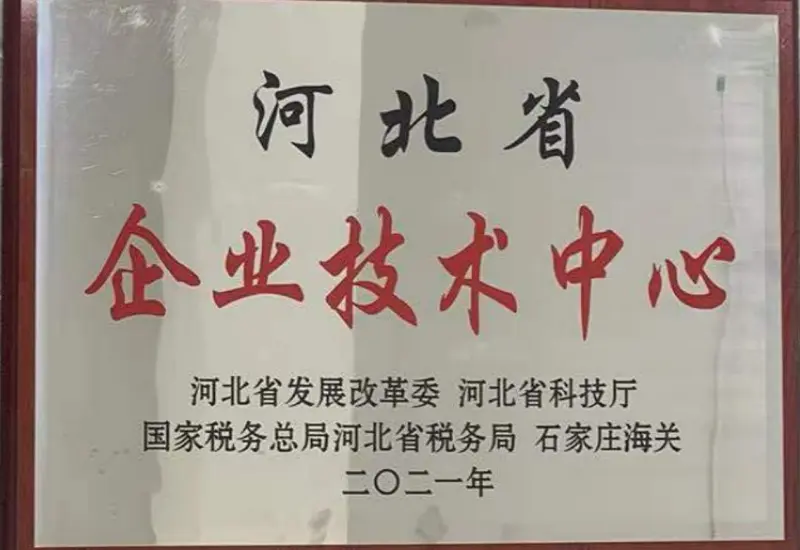
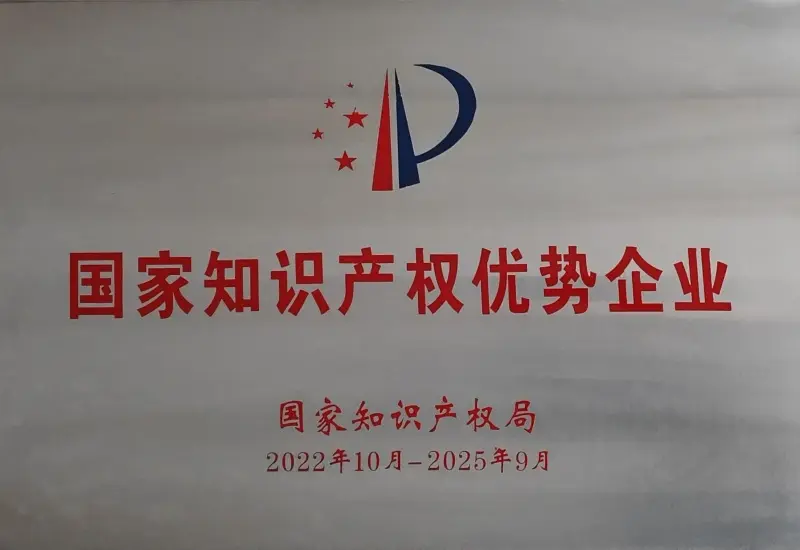
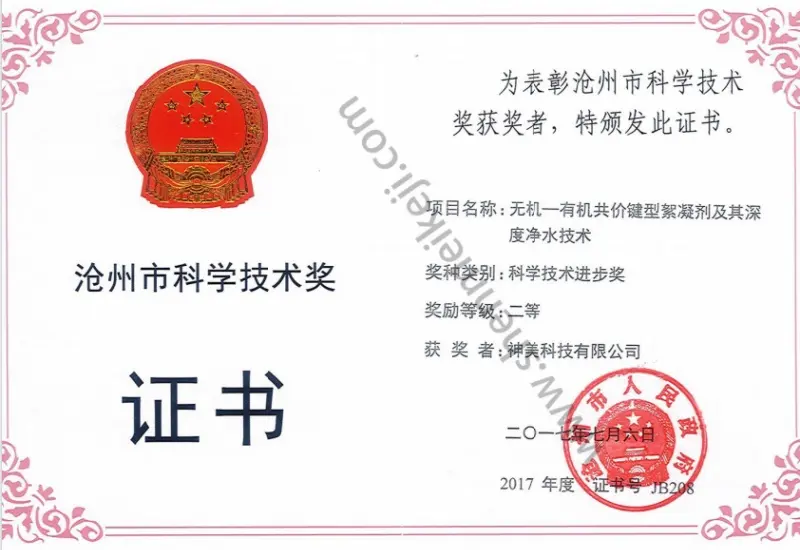
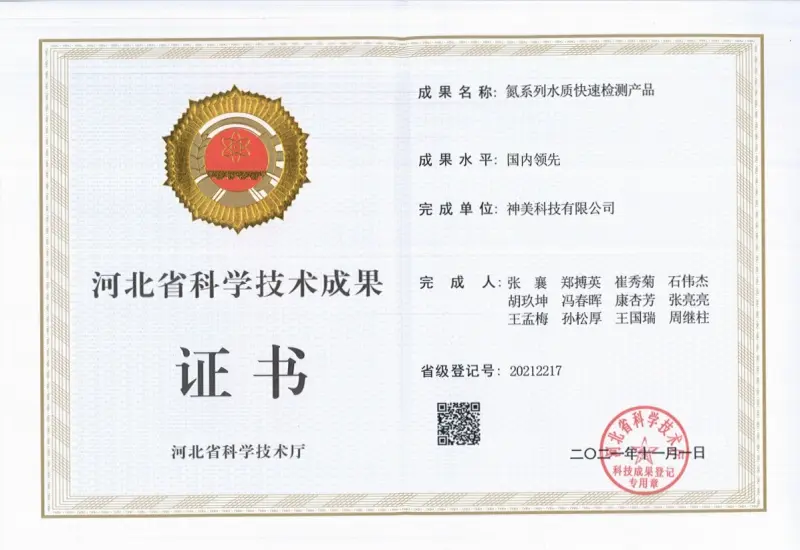
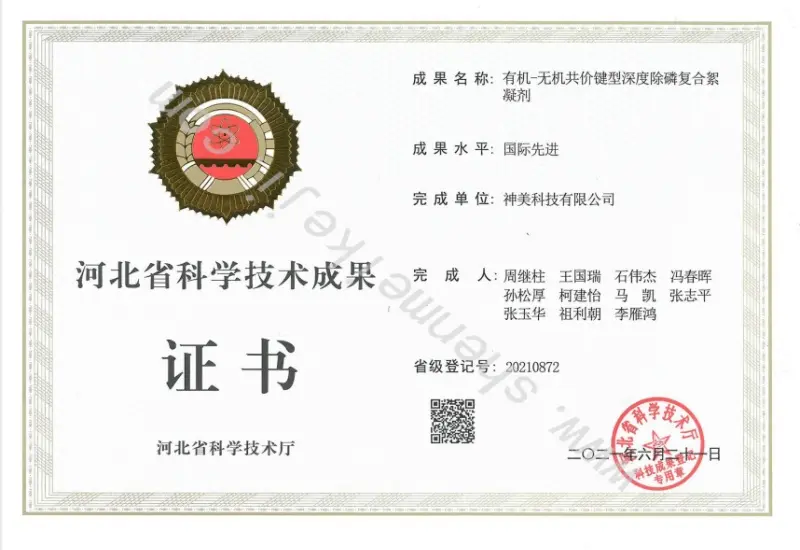
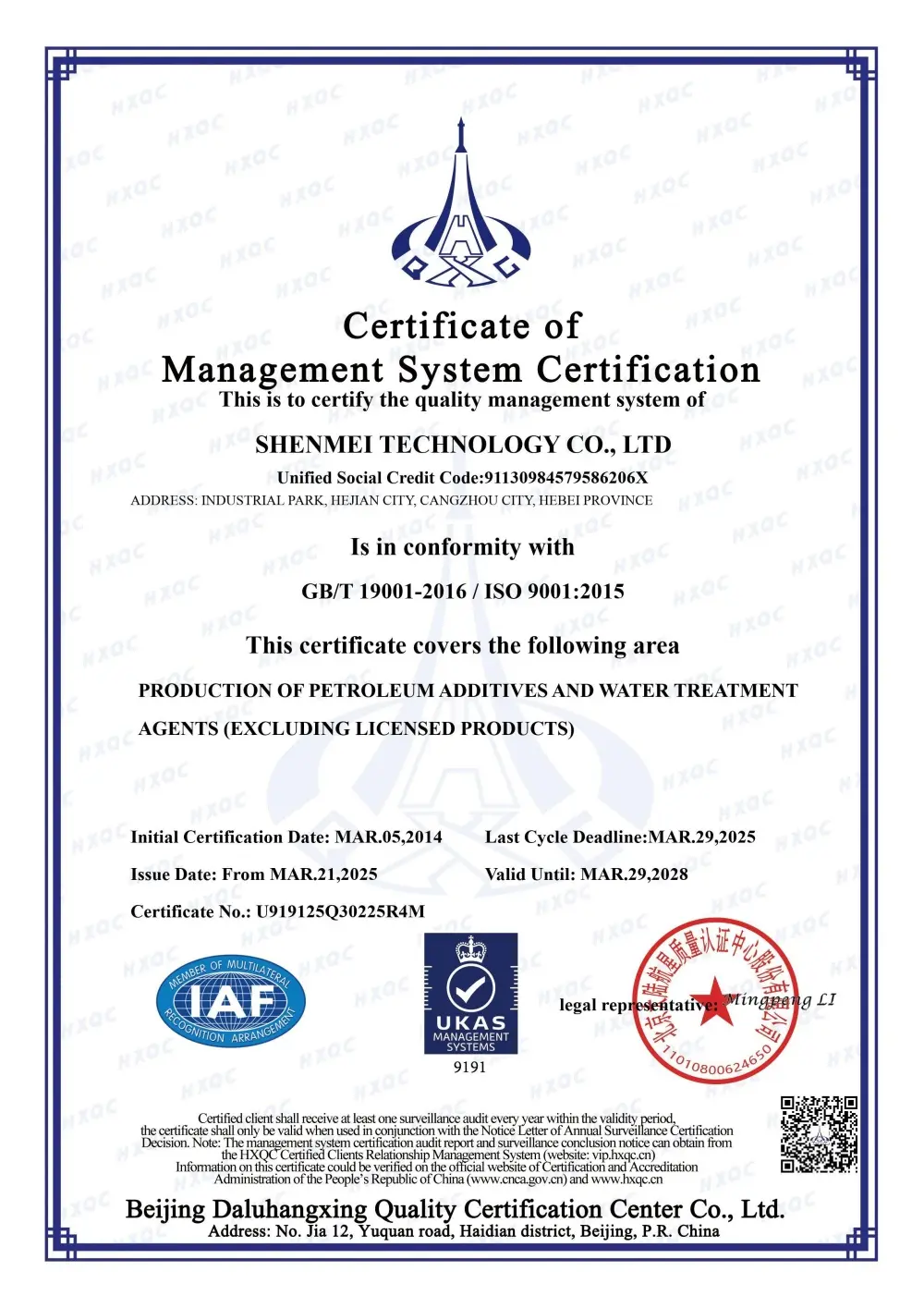
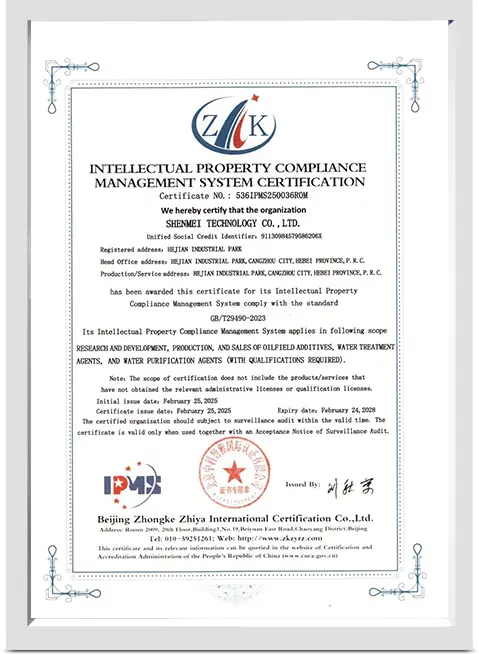
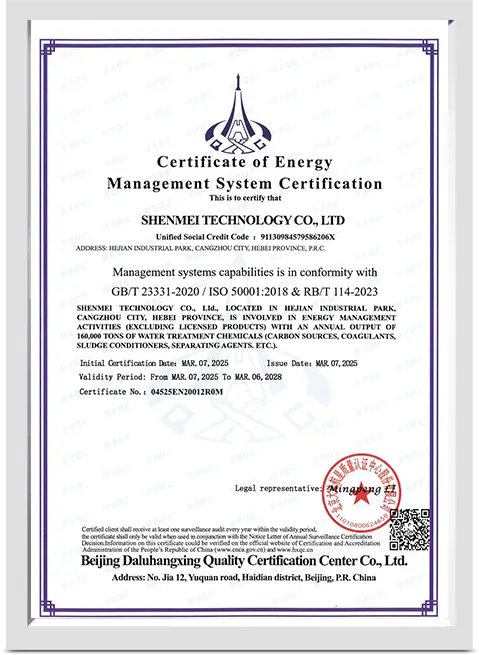
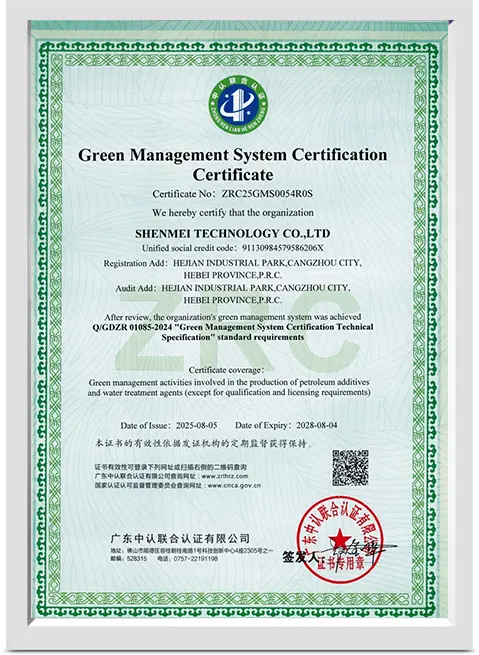
To ensure chemical stability and compliance in critical municipal and industrial operations, all Smedic products undergo strict quality checks. Below are our official certifications and national patent documentation files.
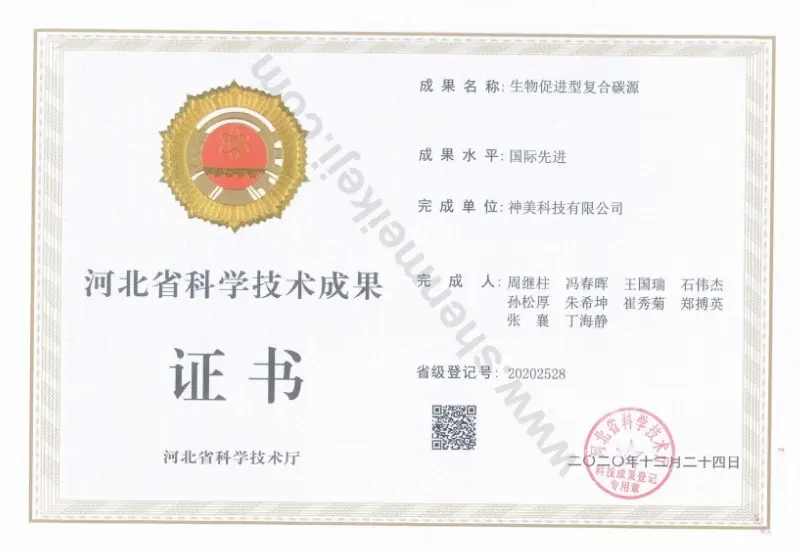
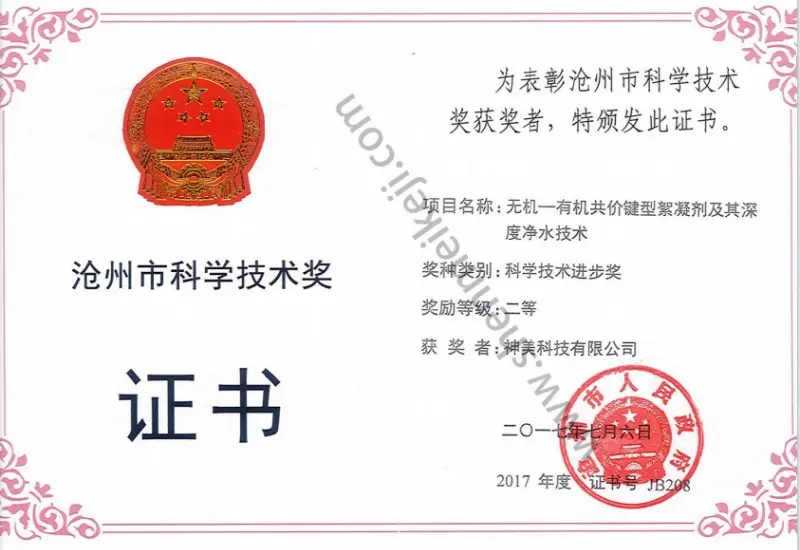
Sodium sulfite is utilized across diverse water treatment configurations, each presenting unique chemical engineering requirements. Our technical teams provide targeted dosing designs optimized for these specific operational environments.
In thermal power and industrial steam plants, dissolved oxygen causes pitting corrosion in high-temperature pipelines. Dosing catalyzed sodium sulfite at the deaerator outlet removes remaining oxygen down to levels below 5 ppb, preserving metallurgy and minimizing maintenance downtime.
RO membranes are sensitive to oxidizing sanitizers like free chlorine. Continuous injection of sodium sulfite upstream of the RO blocks neutralizes active chlorine, protecting the polyamide layer from oxidation and extending system operating lifetimes.
In metal finishing wastewater, highly toxic hexavalent chromium (Cr6+) must be reduced to trivalent chromium (Cr3+) prior to precipitation. Sodium sulfite serves as an effective reducing agent under acidic conditions, allowing compliant metals removal.
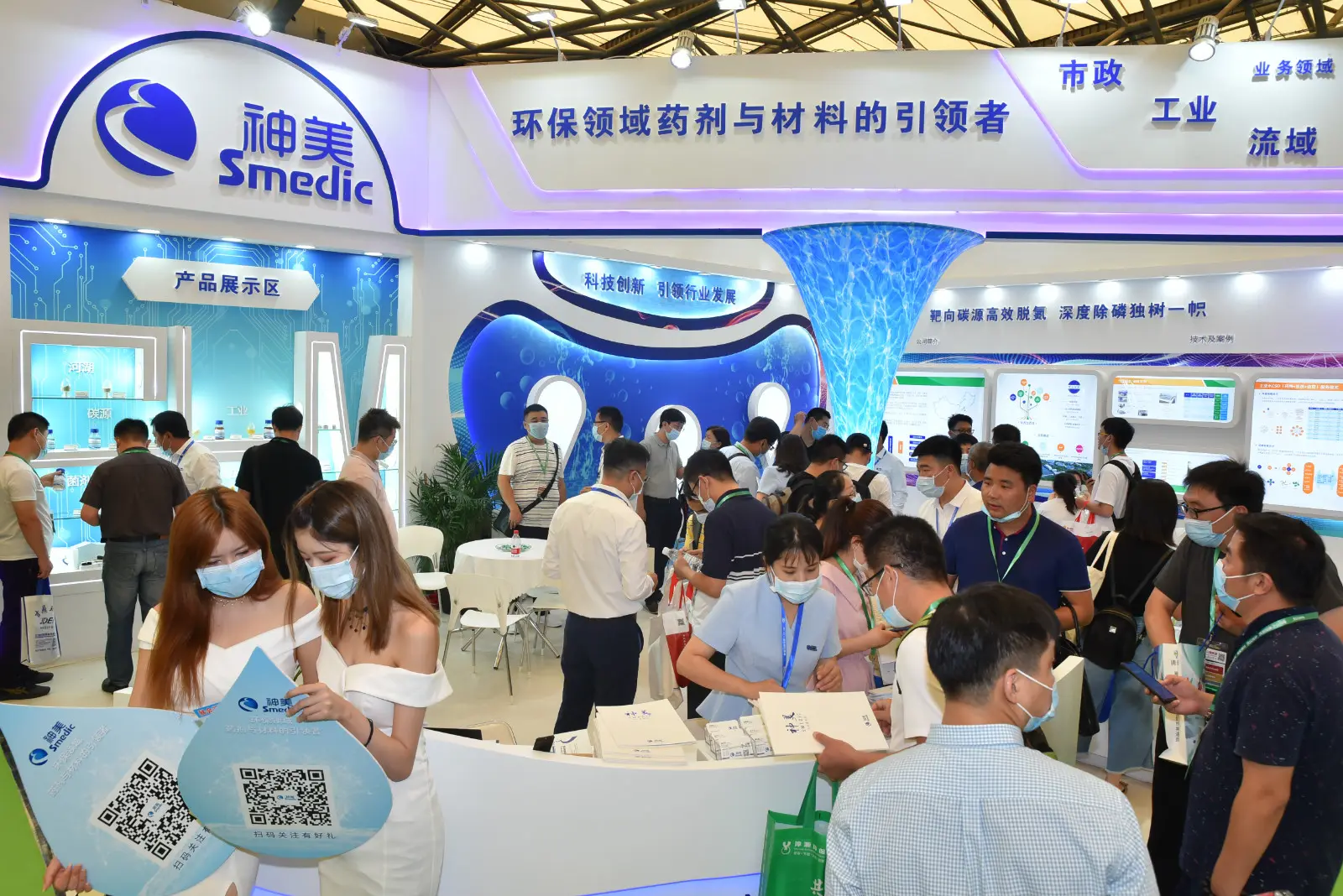
Operating globally requires reliable logistics and supply chain stability. Smedic secures this resilience through integrated domestic raw material sourcing and strategic warehouse placement near primary industrial transportation corridors.
Our specialized production facilities utilize automated synthesis processes, maintaining raw material quality through standard testing protocols from entry to dispatch. With a total annual capacity exceeding one million tons across our network, Smedic provides consistent product supply despite raw material market fluctuations.
As industrial environmental standards tighten, Smedic invests in new formulations and chemical technologies to lower carbon footprints and minimize environmental impact.
Integrating real-time analytical sensors and telemetry with automated dosing equipment to match sulfite levels to incoming chlorine or oxygen loads. This prevents over-dosing, reduces chemical consumption, and minimizes total dissolved solids (TDS) in effluent streams.
Developing multi-functional treatment compounds combining deoxygenation with scale inhibition. These formulations simplify treatment by reducing chemical feed points, minimizing pipeline footings, and cutting utility capital expenditures.
Improving manufacturing efficiency by utilizing industrial waste sulfur streams for sodium sulfite production. This supports circular economy goals and lowers the carbon footprint of our chemical products.
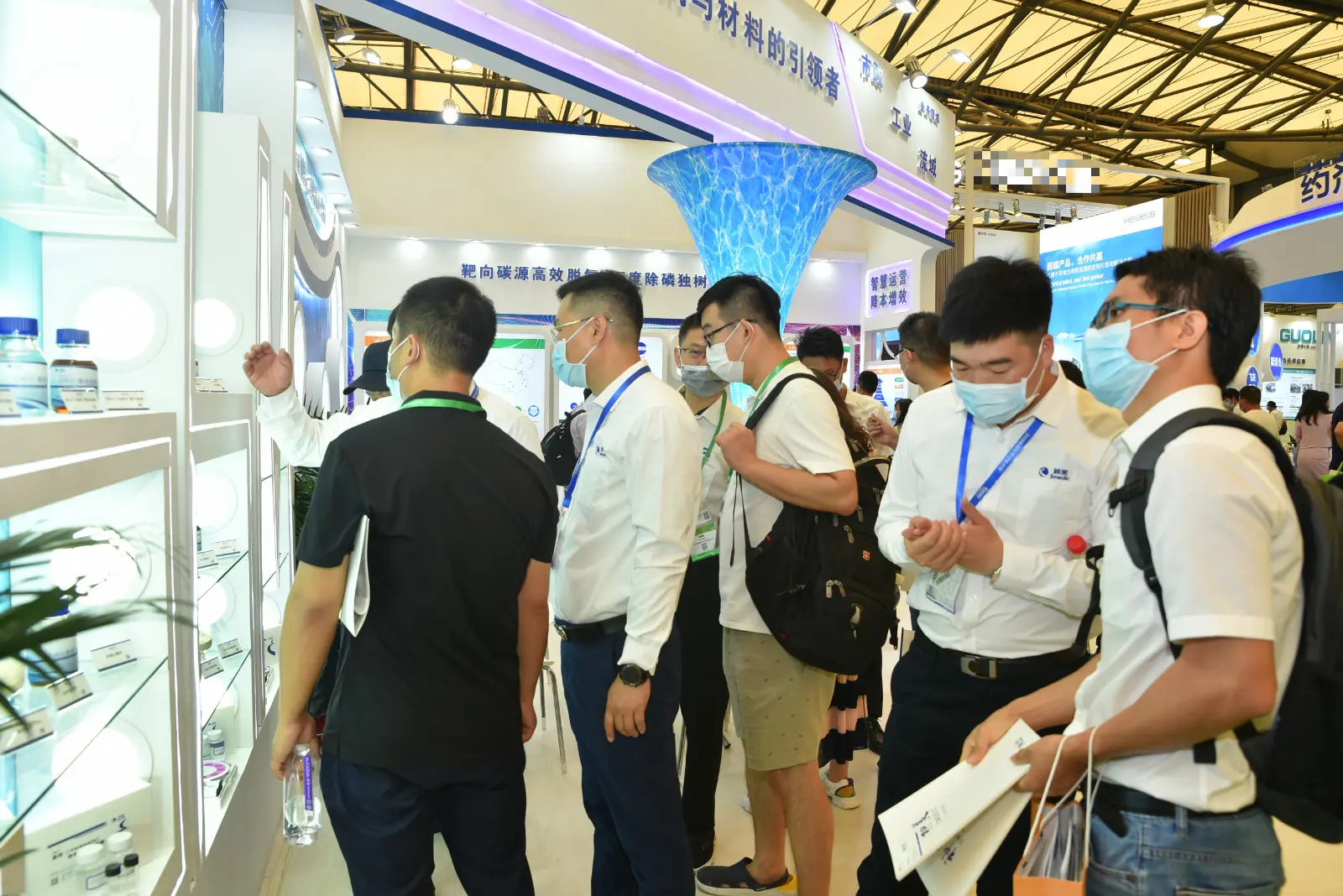
Smedic's environmental chemical solutions are recognized for their consistency and performance by regulatory bodies and industry publications alike.
We maintain long-term partnerships with major water utility groups, including Shouchuang Ecological and Environmental Group, Yangtze River Ecological and Environmental Group, and Beijing Enterprises Water Group. Collaborating with these networks allows Smedic to optimize products for diverse wastewater and industrial contexts, driving continuous development.
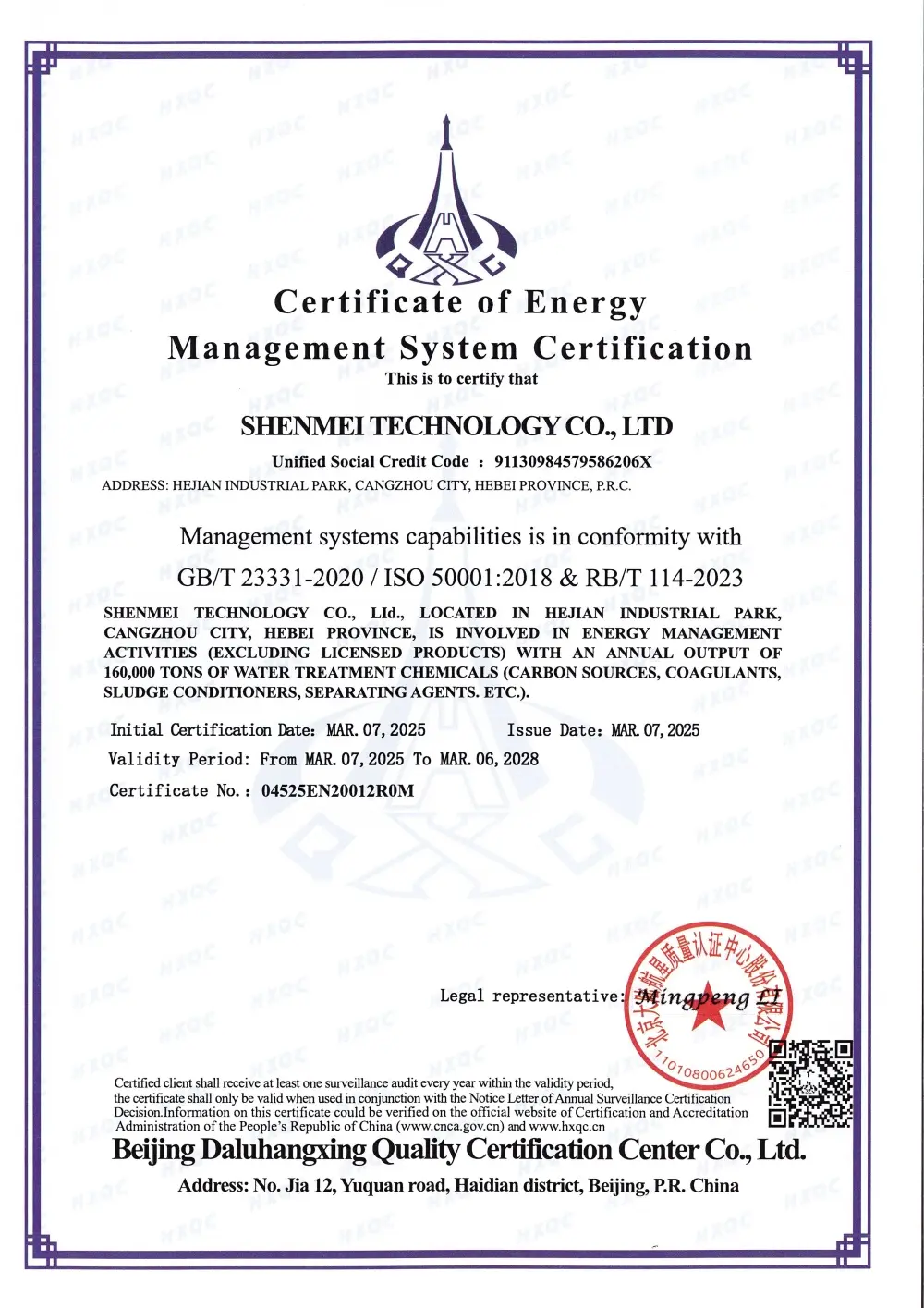
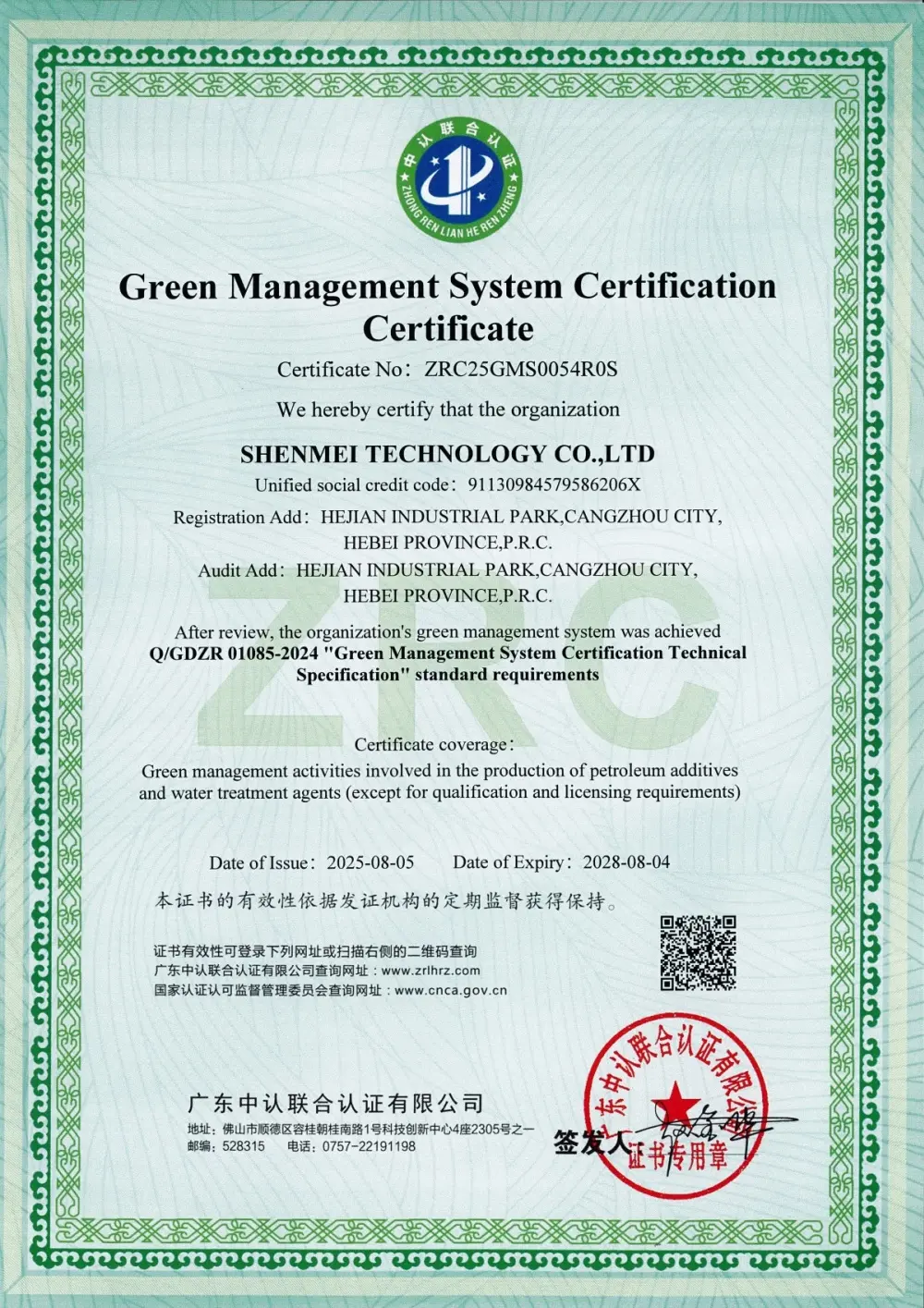
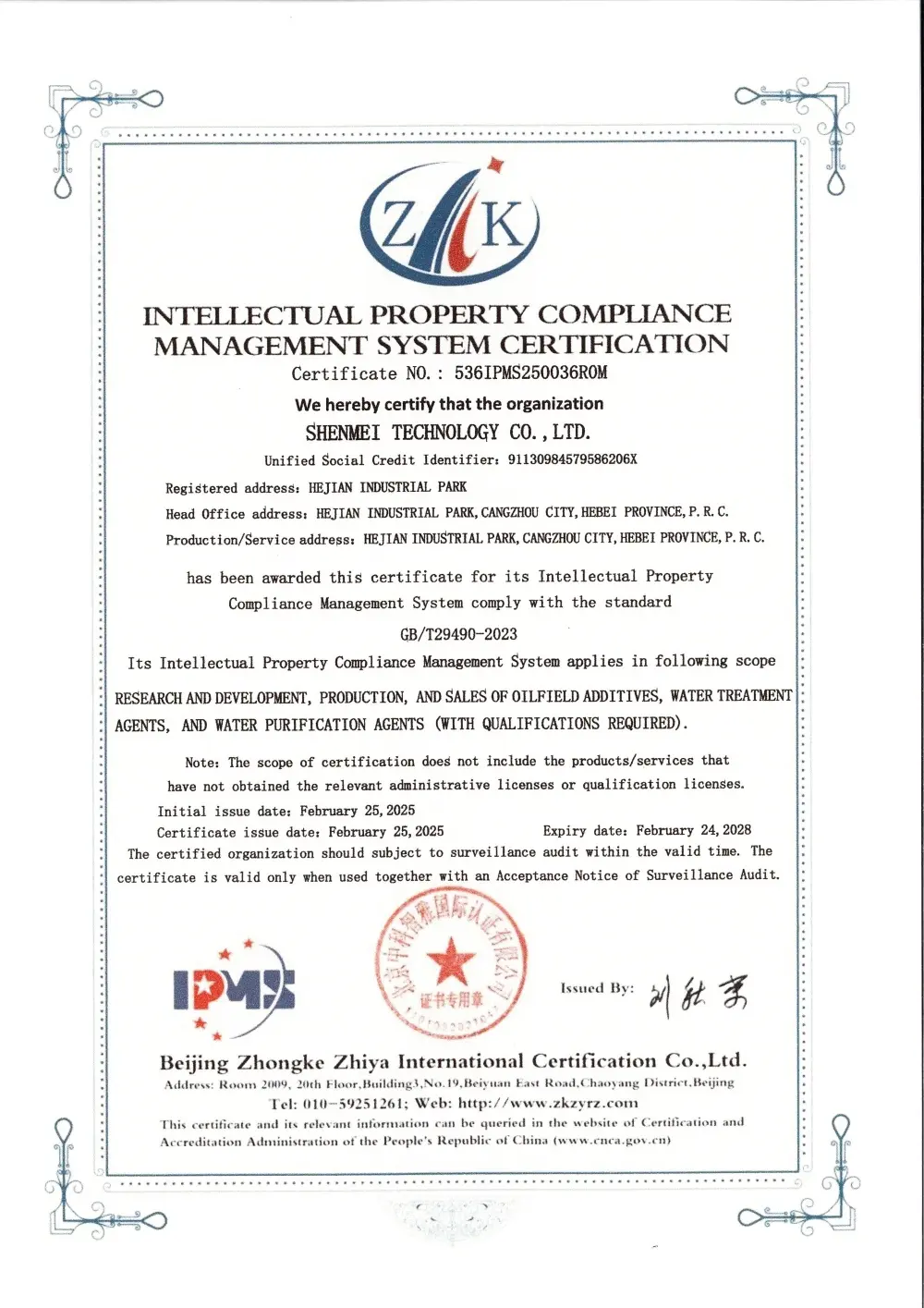
Technical details on reaction kinetics, chemical storage, dosage calculations, and membrane safety parameters.
From our founding in Beijing to managing multi-million ton treatment plants, Smedic has continuously expanded its capacity and technical capabilities.
Smedic was established, focusing on R&D for advanced industrial water purification and custom chemical solutions.
Recognized as a National High-tech Enterprise and expanded standard chemical production capacity to cover municipal utilities.
Completed and expanded production bases in Hebei, Shandong, and Guizhou, exceeding 1 million tons in total annual capacity.
Established the provincial-level advanced water treatment technology innovation center in Hebei to accelerate product development.
Partnered with the Chengdu Institute of Mineral Comprehensive Utilization and China Geological Survey to advance mineral processing reagents and environmental chemicals.
Our manufacturing systems and quality management processes comply with national and international industrial chemical safety standards.
 Smedic Tech