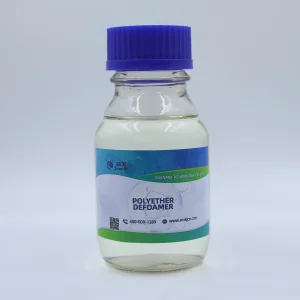
Explore our foundational range of synthetic polymers, scale inhibitors, and coagulants optimized for municipal wastewater, cooling towers, and membrane separation systems.
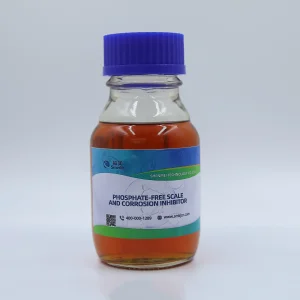
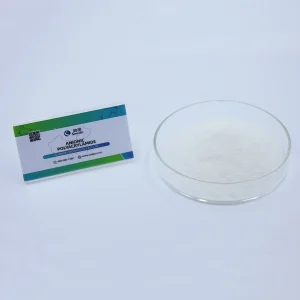
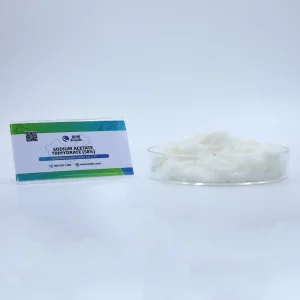
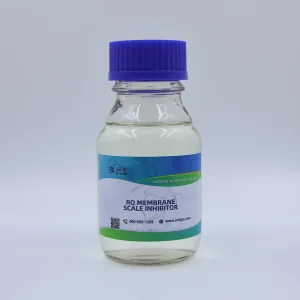
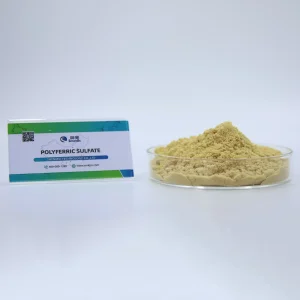
The global industrial sector is witnessing an unprecedented transition toward circular water economies, driven by tightening environmental regulations and severe freshwater scarcity. Polymer water treatment chemicals stand at the center of this paradigm shift. From high-molecular-weight Polyacrylamides (PAM) to advanced inorganic-organic covalent bond coagulants, polymers are indispensable for municipal sewage purification, industrial wastewater reclamation, cooling tower maintenance, and deep mineral separation.
According to recent global environmental analyses, the demand for high-efficiency polymers is growing at a compound annual rate (CAGR) of over 6.5%. Traditional inorganic metal salts (like basic alum) are rapidly being supplemented or completely replaced by synthetic organic polymers. This substitution is primarily motivated by the need to drastically reduce chemical sludge generation—which can account for up to 50% of the total operating costs in wastewater treatment facilities—while achieving superior turbidity removal, accelerated sedimentation velocities, and robust phosphorus and heavy metal capture.
Furthermore, global directives such as the EU Water Framework Directive and the US Clean Water Act have established stringent limits on nutrients, micro-pollutants, and emerging contaminants. In response, water treatment chemical engineers are focusing heavily on customized molecular structures, developing specialized polymers with optimized charge densities to resolve complex colloidal systems in petrochemicals, mining tailings, pharmaceutical processing, and electronics manufacturing.
Smedic Technology Co., Ltd. is a premier comprehensive solutions provider integrating global-scale chemical manufacturing, advanced R&D, and engineering-related technical services.
Established in 2011, Smedic Technology Co., Ltd. has developed into a dominant force in the environmental protection chemical sector. We integrate state-of-the-art research and development, smart chemical manufacturing, global trade, and field engineering technical services. Our comprehensive portfolio covers more than 80 types of environmental protection agents across municipal sewage treatment, industrial wastewater, tap water purification, mineral processing, and oilfield auxiliary chemistry.
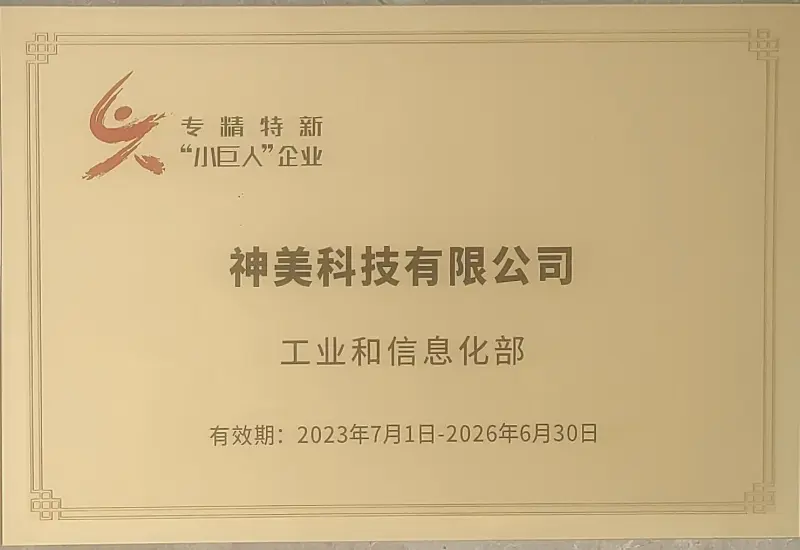
With our corporate headquarters located in Beijing, Smedic has established a resilient supply network by building wholly-owned production bases in Hebei, Guizhou, and Shanxi, alongside ten OEM partner factories and regional warehousing hubs. Today, our sewage treatment projects manage a collective capacity exceeding 20 million tons per day, serving over 1,000 industrial end-customers and 600 urban water systems. We consistently maintain our status as a trusted, national-level specialized "Little Giant" enterprise.
Year established, laying down a decade-long track record of quality and trust.
Types of proprietary environmental protection chemical agents in active production.
Annual chemical production capacity across multiple national manufacturing hubs.
Tons of sewage daily treated through projects utilizing Smedic chemical products.
The competitive advantage of sourcing polymer water treatment chemicals from Chinese manufacturers, particularly high-caliber producers like Smedic, extends far beyond simple labor cost margins. The real differentiator lies in supply chain integration, technological automation, and upstream-downstream raw material clusters. Our production bases in Hebei and Shanxi are strategically located near major petrochemical and coal chemical clusters, guaranteeing a steady, cost-optimized supply of primary monomers like acrylonitrile, acrylic acid, and acrylamide.
By utilizing fully computerized DCS (Distributed Control Systems) in our polymerization reactors, we control key synthesis parameters—such as monomer ratio, initiator concentration, temperature profiles, and chain transfer agent additions—with absolute precision. This automated precision ensures that batch-to-batch variation in molecular weight and ionic charge is kept under 2%, which is a critical requirement for automated dosing systems in modern sewage facilities.
Additionally, China's highly advanced domestic logistics infrastructure and extensive network of deep-water ports (such as Tianjin, Qingdao, and Shanghai) ensure rapid shipping and minimized freight costs. Smedic has established ten regional warehousing bases across strategic transport hubs in Shandong, Anhui, Guangxi, and Sichuan. This distributed storage capability enables us to match global orders with optimized inland freight routing, reducing order-to-delivery lead times by up to 30% compared to fragmented suppliers.
Our commitment to the E-E-A-T principles is demonstrated through our extensive network of joint laboratories, academic partnerships, and over 60 national patents.
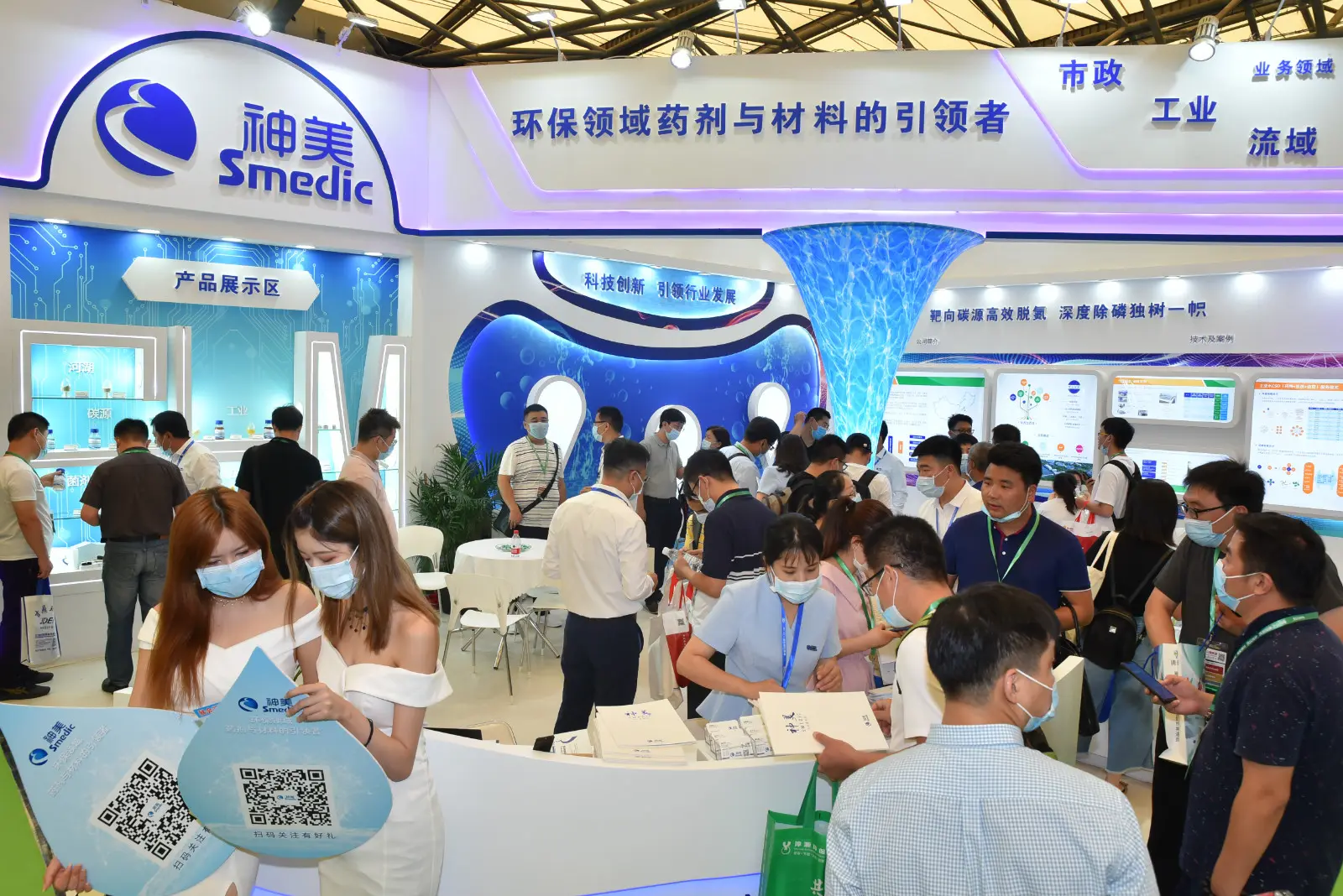
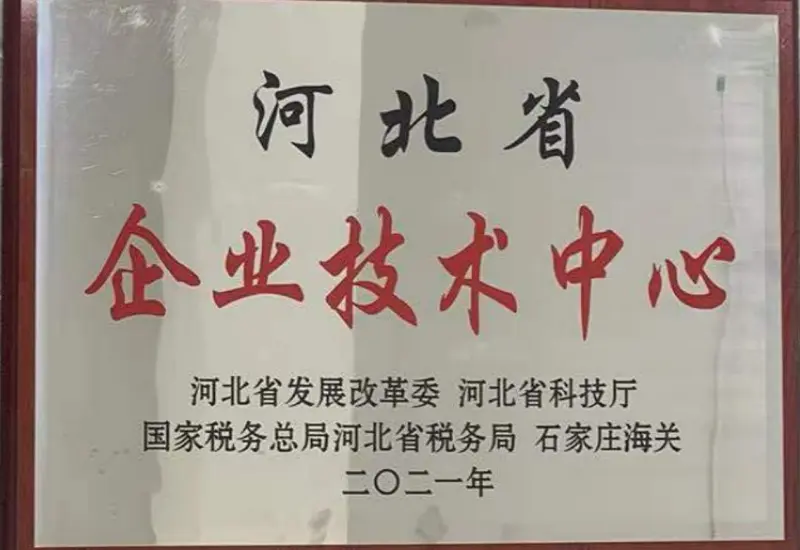
Smedic maintains a world-class technology commercialization platform centered around **one academy, three research institutes, and five production bases**. Recognized as a Class A R&D institution in Hebei Province, we operate the Hebei Provincial Advanced Water Treatment Chemicals Technology Innovation Center. We have also established an expert workstation in collaboration with the Tsinghua University Association of Senior Scientists and Technicians.
Furthermore, Smedic operates active joint R&D laboratories with Shandong University and Beijing University of Technology, while acting as a commercialization partner for the chemical engineering achievements of Peking University and Tianjin University. Our portfolio includes over sixty Chinese patents, featuring forty invention patents and twenty utility model patents. We have also led the drafting of over ten national and industry standards for composite carbon sources, sodium acetate, and nitrifying bacterial agents.
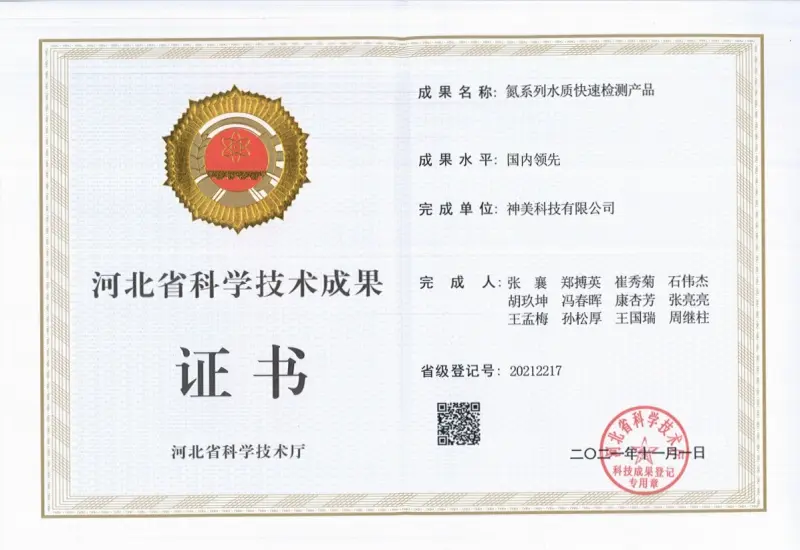
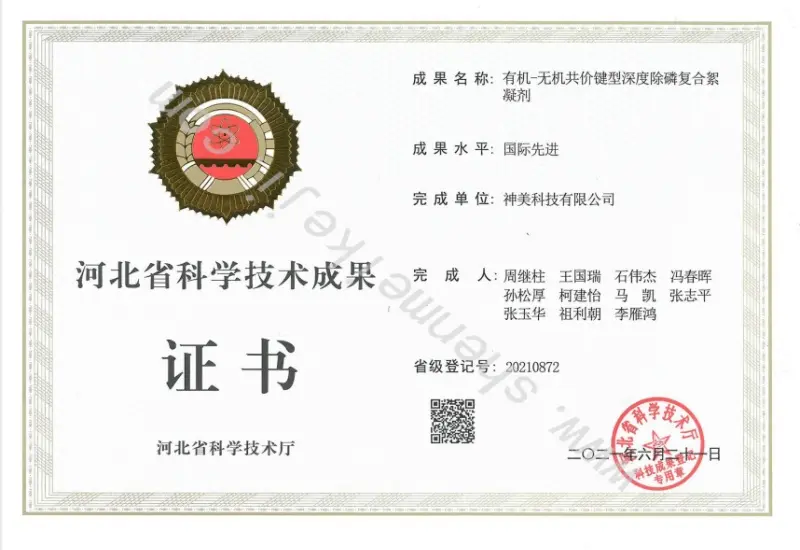
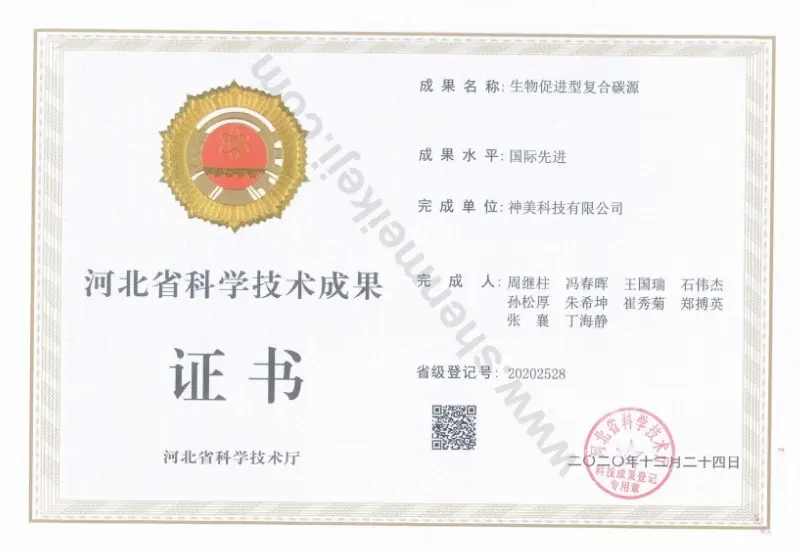
Our patented, independently developed technologies, such as the bio-enhanced denitrification carbon source and the deep multi-nuclear phosphorus removal agent, have passed rigorous evaluations by the Science and Technology Department of Hebei Province. They have been officially appraised as "internationally advanced," bridging critical gaps in the domestic water purification sector.
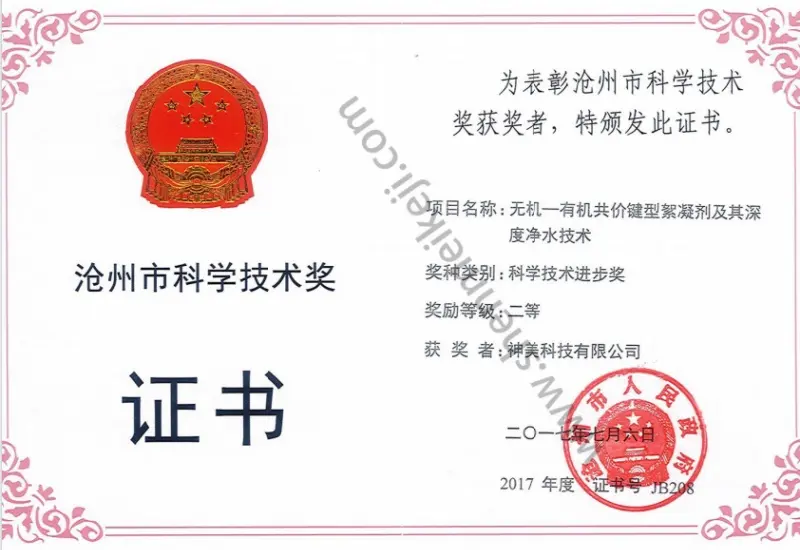
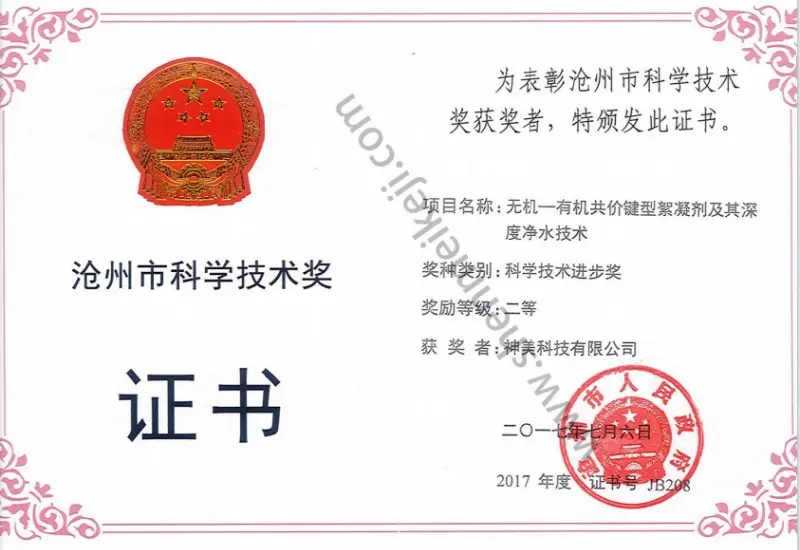
Additionally, our independently developed "Inorganic-Organic Covalent Bond Flocculant and Its Advanced Water Purification Technology" won the prestigious **22nd China Patent Award**, the First Prize for Technological Invention from the China Petrochemical Industry Association, and was selected as a Belt and Road SME Recommended Project. Smedic has been recognized as the "Leading Brand of Advanced Wastewater Treatment Chemicals" for four consecutive years.
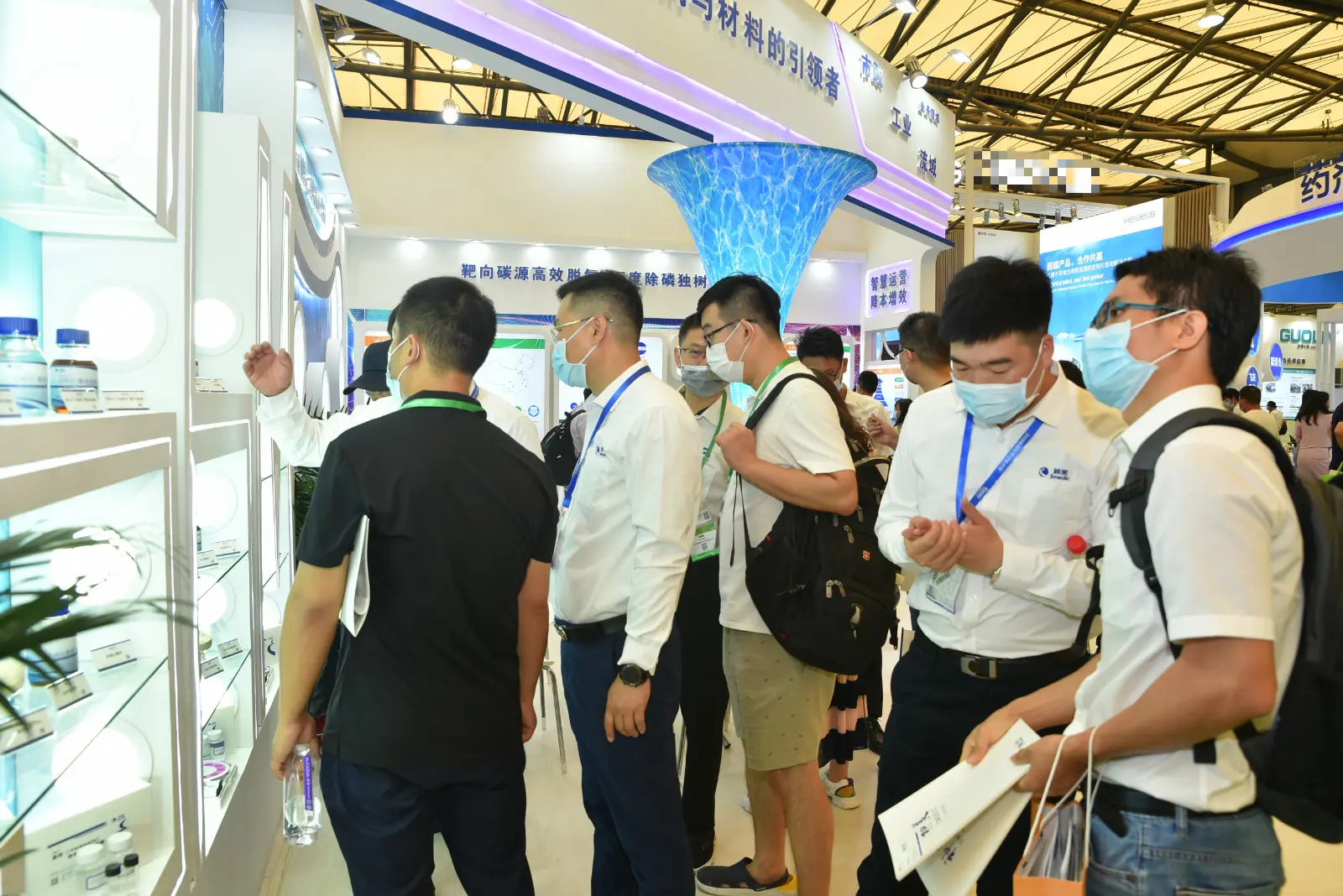
Water chemistry is highly dependent on local geological and process conditions. A chemical polymer that operates efficiently in a municipal municipal clarifier may fail completely in a high-salinity oilfield or a high-turbidity mineral processing plant. Tailoring polymers to localized application scenarios is a core technical competence of Smedic.
In low-temperature municipal systems, nitrogen removal is often limited by carbon availability. Our bio-enhanced carbon sources and high-purity solid sodium acetate provide readily biodegradable COD, promoting rapid denitrification and compliance with strict nitrogen discharge standards.
For reverse osmosis plants processing brackish water or industrial reuse streams, scaling by silica, calcium sulfate, and carbonate causes rapid membrane degradation. Our specialized RO membrane scale inhibitors disperse scale-forming ions, extending membrane lifespans by up to 40%.
Modern sludge dewatering centrifuges require polymers with high shear resistance. Our cationic polyacrylamides (CPAM) are synthesized with cross-linked structures that maintain chain integrity under high centrifugal forces, achieving drier filter cakes and cleaner filtrates.
From a localized chemical enterprise to an internationally recognized, multi-base technological powerhouse.
Smedic Technology was founded, focusing on the R&D of basic municipal sewage agents.
Established a comprehensive product portfolio covering advanced municipal wastewater treatment chemicals.
Recognized as a key national high-tech enterprise, expanding domestic industrial presence.
Established a specialized southern water treatment production base in Guiyang, Guizhou province.
Completed expansions of production bases in Hebei and Shandong, driving total capacity past 1 million tons annually.
Awarded the prestigious status of National Specialized, Refined, Unique and Innovative "Little Giant" Enterprise.
Established our core provincial-level technology center and engineering innovation platform in Hebei.
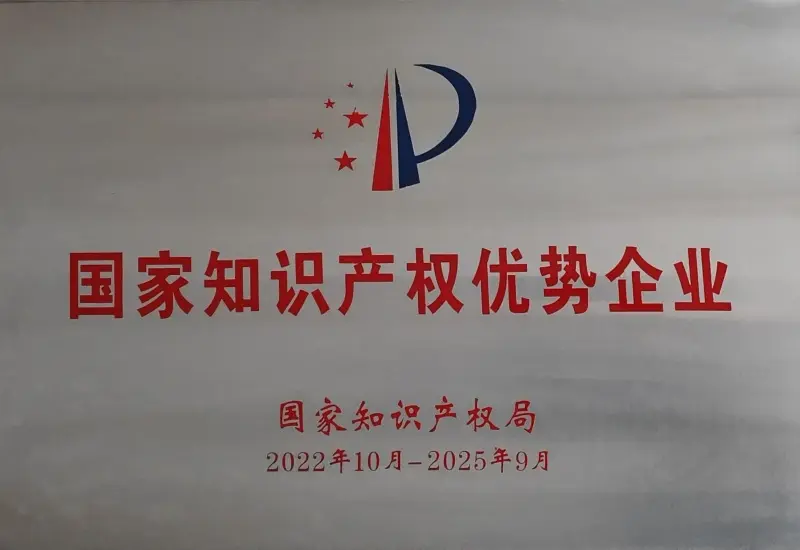
Certified as a National Intellectual Property Advantage Enterprise with over 60 active patents.
Formed a key joint venture with the Chengdu Institute of Mineral Comprehensive Utilization, China Geological Survey, to pioneer eco-friendly mineral processing reagents.
The water treatment industry is undergoing rapid evolution. According to global research, three dominant trends are shaping the future of polymer chemistries:
Smedic operates under strict international quality guidelines. Below are our official certifications, patents, and technical appraisal documents.
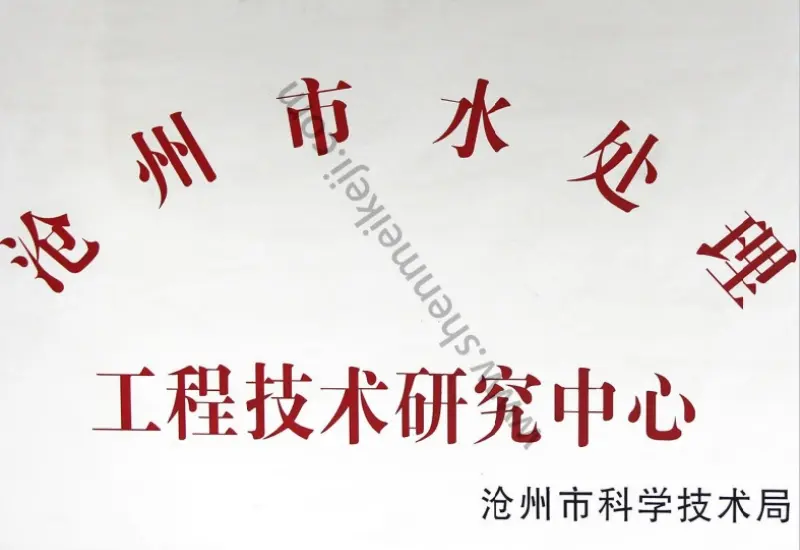
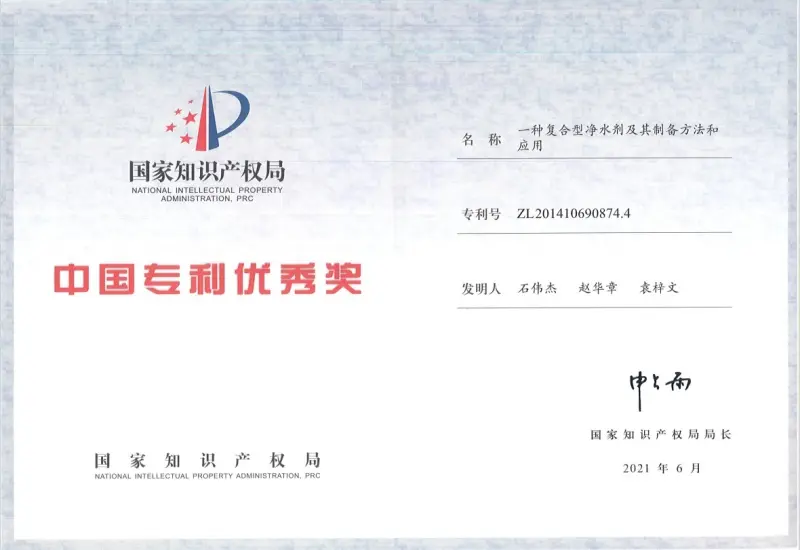
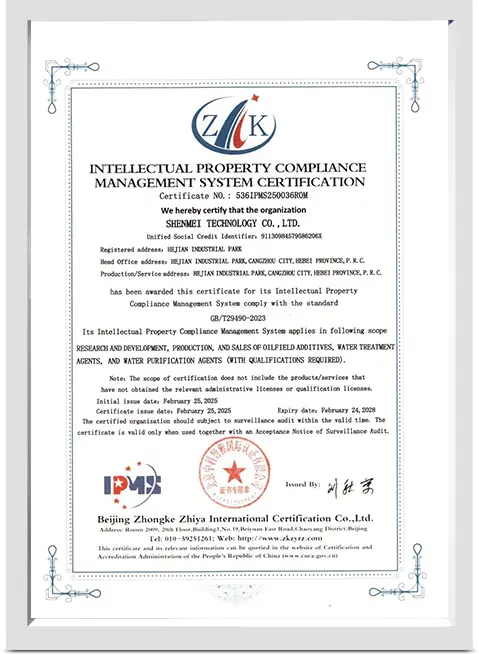
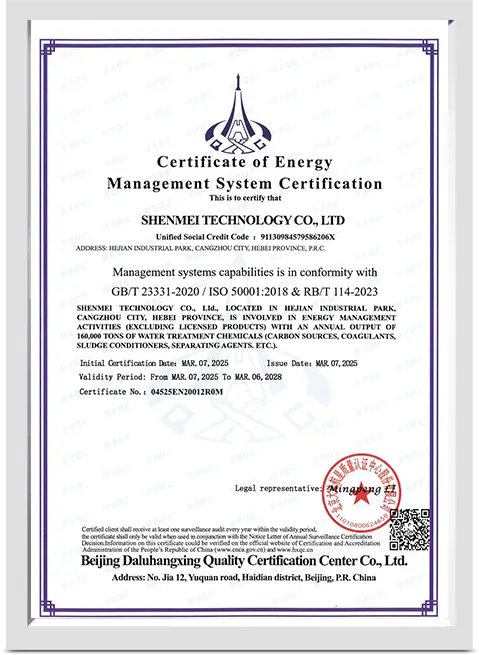
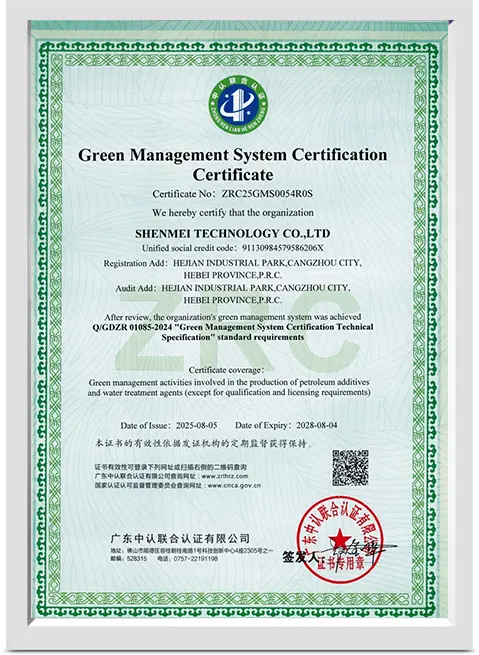
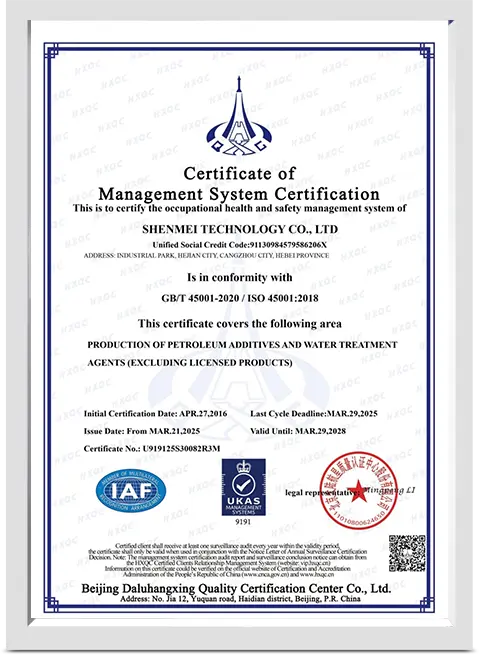
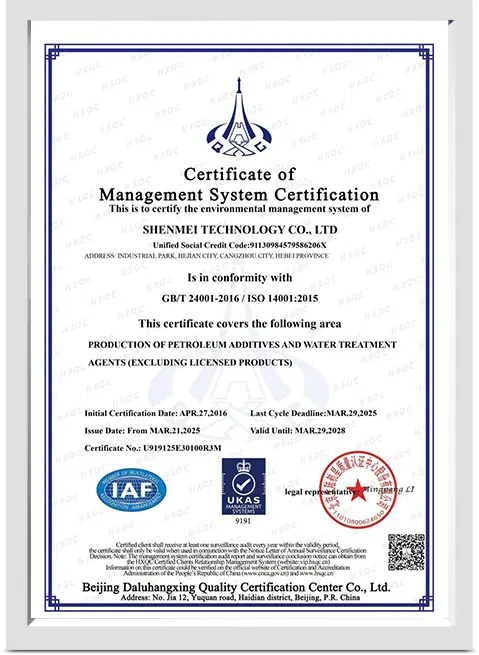
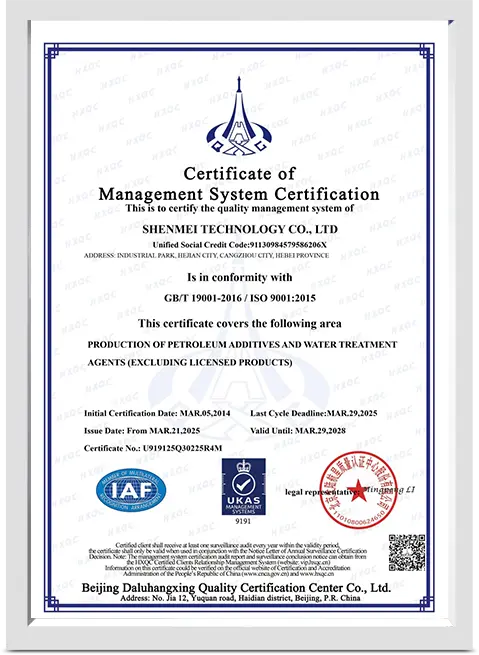
For global procurement managers, purchasing industrial-scale polymers requires balancing chemical performance with supply chain reliability and regulatory compliance. Use the following framework to optimize your procurement strategy:
Find answers to common technical and operational questions regarding polymer selection, storage stability, and application optimization.
Molecular weight determines the physical length of the polymer chain and its ability to bridge multiple colloidal particles together, which is crucial for forming large, stable flocs in sedimentation basins. Charge density determines the polymer's ability to neutralize electrostatic repulsive charges on colloidal particles, allowing them to aggregate. Finding the correct balance is key for optimal treatment efficiency.
Under dry, temperature-controlled storage conditions, dry polyacrylamide powders typically remain stable for up to 24 months. Liquid polymer emulsions are more sensitive to temperature and shear forces, with a typical stable shelf life of 6 to 9 months. If stored beyond these windows, polymer chains can undergo gradual hydrolysis, resulting in reduced viscosity and lower active performance.
Solid sodium acetate anhydrous provides a high concentration of active ingredient per unit weight, which significantly reduces shipping costs and storage space requirements compared to liquid formulations (which contain 60-70% water). It dissolves rapidly in industrial dissolving systems, providing a highly consistent and pure source of organic carbon for denitrifying microflora without introducing unwanted trace contaminants.
Cold water (below 10°C) significantly slows down the hydration and dissolution rate of polymer granules, which can lead to unhydrated polymer "fish-eyes" that plug dosing pumps. The ideal dissolving temperature is between 15°C and 30°C. Dissolving water should not exceed 40°C, as high temperatures can cause thermal degradation of the long polymer chains.
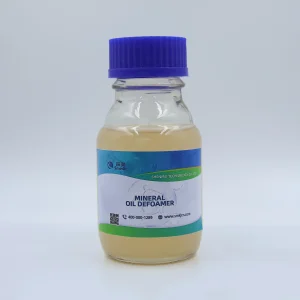
Explore our specialized range of organic defoamers, fluoride removal agents, and cationic/non-ionic polyacrylamide variants designed for demanding process conditions.
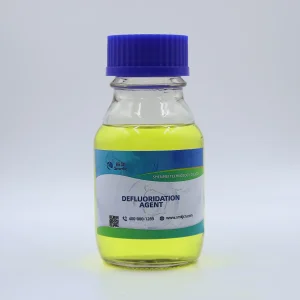
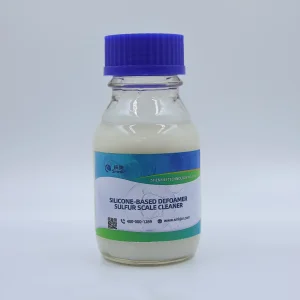
 Smedic Tech