Explore our high-performance defoamers, scale inhibitors, and premium coagulants engineered for industrial and municipal water treatment plants.
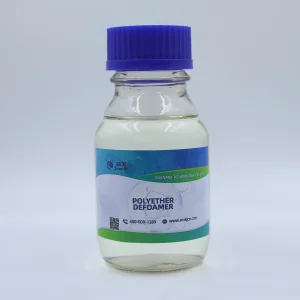
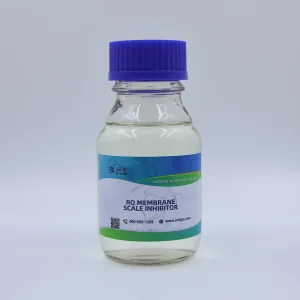
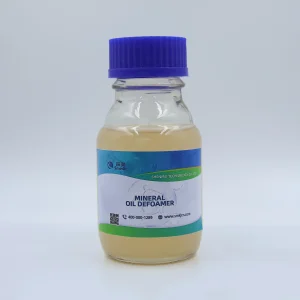
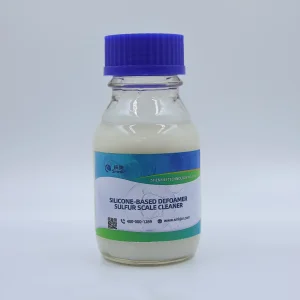
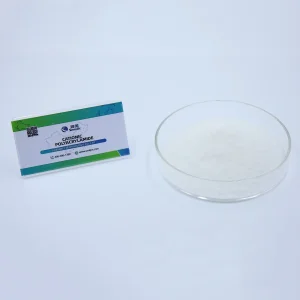
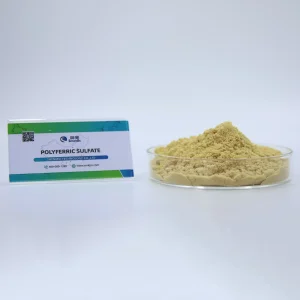
Established in 2011, Smedic Technology is a primary manufacturer dedicated to R&D, manufacturing, and distribution of advanced water purification polymers.
Smedic Technology Co., Ltd. was established in 2011 as a comprehensive solution provider specialized in environmental protection agents, integrating R&D, production, sales, and engineering-related technical services. We are dedicated to providing customers with customized chemical products, technical solutions, and services. Smedic produces environmental protection agents covering multiple sectors such as municipal sewage, industrial wastewater, and tap water treatment, as well as mineral processing agents, and oilfield chemicals. We offer more than 80 different environmental protection products, with an annual production capacity exceeding 1 million tons.
Our corporate headquarters is located in Beijing, we have multiple wholly-owned production bases in Hebei, Guizhou, Shanxi, and other regions, and have set up more than ten OEM partner factories and regional warehousing and logistics bases in Shandong, Shanxi, Anhui, Guangxi, and Sichuan provinces, among others. Our business and service network covers over 20 provinces across China. Our projects involve more than 600 urban sewage treatment plants and over 1,000 end customers in industrial wastewater treatment, mineral processing, and oilfield chemicals. The total sewage treatment capacity involved in the projects exceeds 20 million tons per day. We are a leading company in the Chinese market within the high-end segment of environmental protection chemicals for municipal and industrial wastewater treatment.
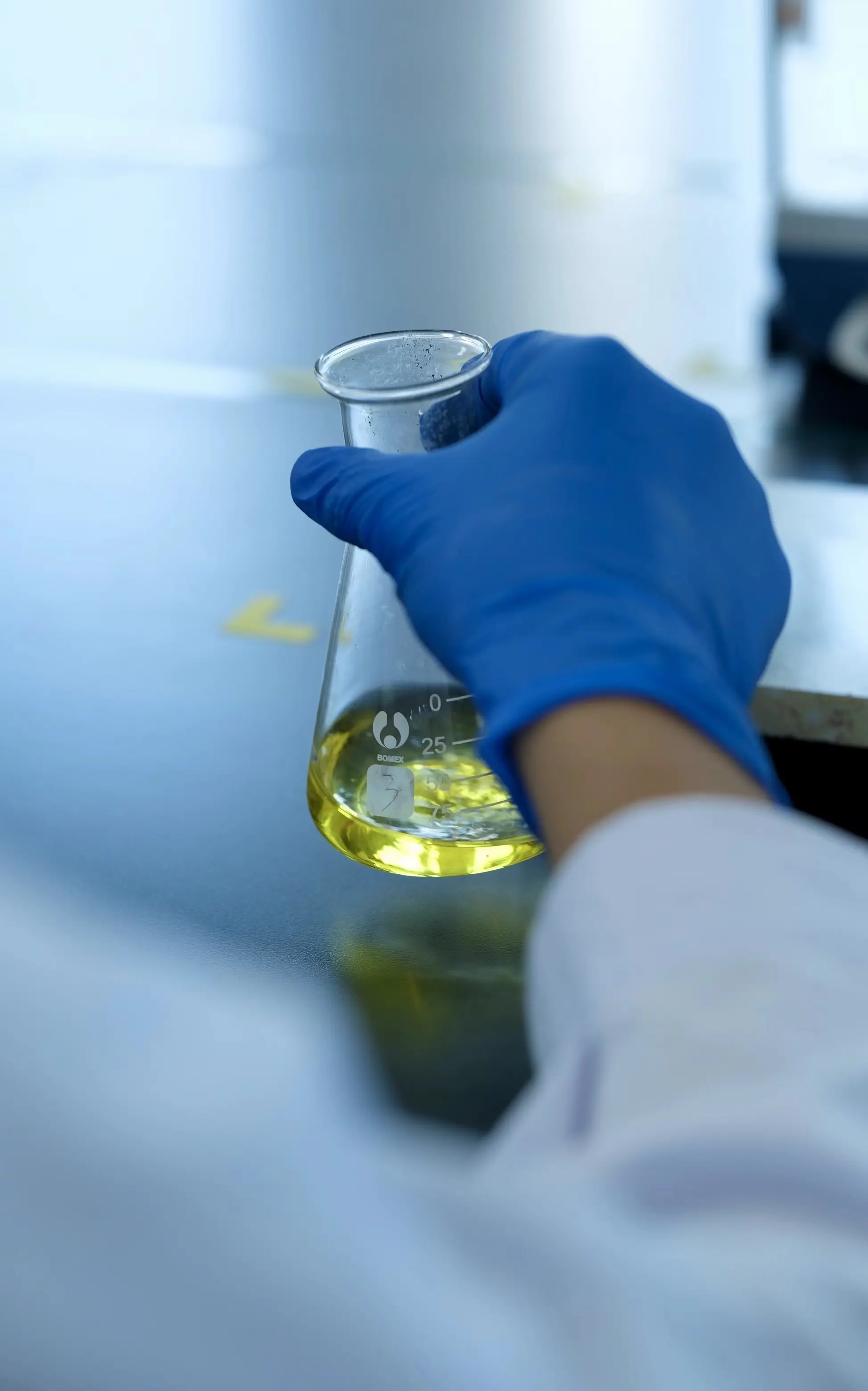
An authoritative review of the chemical characteristics, polymeric nature, and coagulation mechanisms of Poly Ferric Sulphate.
Poly Ferric Sulphate (PFS) is an inorganic polymer coagulant characterized by a complex hydroxyl-bridged multi-nuclear structure. Its general formula is denoted as [Fe2(OH)n(SO4)3-n/2]m (where n < 2, m > 10). The active multimeric iron species exhibit high positive charge densities, facilitating rapid electrical neutralization and bridging adsorption of negatively charged colloidal pollutants in raw water.
Unlike traditional monomer coagulants, PFS reacts with orthophosphates to form stable, insoluble FePO4 precipitates. Simultaneously, the polymeric hydroxo complexes [Fe3(OH)4]5+ and [Fe2(OH)2]4+ wrap suspended particulate phosphorus into large, dense flocs, achieving total phosphorus (TP) values under 0.05 mg/L in industrial discharge.
PFS exhibits an exceptionally wide operational pH range (typically 4.0 to 11.0, with an optimum of 6.0 to 9.0). Unlike Alum, it maintains structural integrity under low temperatures and does not cause aluminum toxicity. The consumption of alkalinity during hydrolysis is minimal, reducing the requirement for post-treatment pH adjustments.
| Specification Parameter | PFS Powder (Standard grade) | PFS Liquid (Concentrated grade) | Primary Industrial Applications |
|---|---|---|---|
| Total Iron (Fe) Content | ≥ 19.0% - 21.0% | ≥ 11.0% - 12.0% | Direct coagulation, cod reduction |
| Basicity (Hydroxyl Ratio) | 9.0% - 16.0% | 8.0% - 15.0% | Floc size control and sedimentation velocity |
| Insoluble Matter | ≤ 0.3% - 0.5% | ≤ 0.1% - 0.2% | Dosing pump protection, membranes pre-treatment |
| pH (1% aqueous solution) | 2.0 - 3.0 | 2.0 - 3.0 | Corrosive fluid handling, optimized for dilution |
| Heavy Metals (As, Pb) | Conforms to NSF/ANSI 60 | Conforms to NSF/ANSI 60 | Municipal potable water and food processing runoffs |
Understanding supply chain risks, logistics constraints, and procurement quality metrics for international industrial chemical buyers.
Procuring chemical agents globally requires managing complex logistic pipelines. PFS is commonly shipped in two forms: spray-dried yellow powder (packed in 25kg PP bags or 1-ton bulk bags) and concentrated liquid (shipped in IBC tanks or flexitanks). Industrial buyers must balance the lower shelf-life and high shipping cost of liquid PFS against the preparation and dissolving infrastructure needed for powder PFS. Smedic mitigates these issues by operating over ten warehousing networks near major coastal shipping ports in China, ensuring container availability and optimized ocean routes.
While basic raw unit prices of alternative coagulants like Ferrous Sulfate, Aluminum Sulfate, or PAC may seem lower, the operational dosage, sludge disposal costs, and chemical handling overhead determine the true TCO. PFS generates significantly lower sludge volumes than Calcium Hydroxide or PAC, showing up to a 30% reduction in disposal costs. Its high floc settling speed decreases flocculant dosing (PAM) requirements, resulting in multi-tiered operational savings for heavy manufacturing plants and municipal treatment bodies.
Integrated process technologies for complex industrial effluent systems requiring advanced chemical oxidation and coagulation.
For municipal wastewater treatment plants striving to meet Class 1A discharge regulations, Smedic's PFS offers an integrated phosphorus removal solution. By implementing dosage at the primary clarifiers or secondary aeration basins, it achieves synchronized nitrification-phosphorus removal. The coagulant suppresses filamentous bacteria growth, preventing bulking in activated sludge processes.
Petrochemical effluent contains emulsified oils, complex organic molecules, and high sulfur concentrations. PFS acts as a powerful demulsifier. The high-valent cationic polymers neutralize the negative surface charges of oil droplets, allowing them to coalesce and float for easy removal via dissolved air flotation (DAF) units.
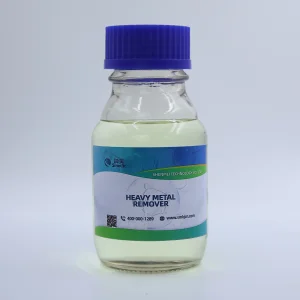
Wastewater from plating shops and copper refineries carries complexed heavy metals (Cu, Cr, Ni, Zn). PFS breaks these organic complexes at designated pH points, co-precipitating toxic heavy metal ions with iron hydroxide matrices. Our proprietary "Heavy Metal removal Agent" series can be paired with PFS for polishing treatment to meet strict discharge criteria.
Mining operations require large amounts of water for mineral separation. Tailings ponds are often filled with slow-settling colloidal clays. Our PFS coagulant speeds up the sedimentation of suspended solids, helping recover up to 90% of process water for reuse while complying with environmental standards. Our joint venture with the Chengdu Institute of Mineral Comprehensive Utilization focuses on solving these difficult tailings separation challenges.
Lignin in pulp mills and synthetic azo dyes in textile facilities cause high chromaticity and COD. The polymeric iron cores of PFS bind directly with the chromophore groups of organic dyes. Through adsorption and precipitation, it achieves decolorization rates above 95% and COD reductions of 60% to 80% prior to biological stage treatment.
We maintain a rigorous quality assurance and engineering R&D structure to develop clean, advanced, and patented water purification technologies.
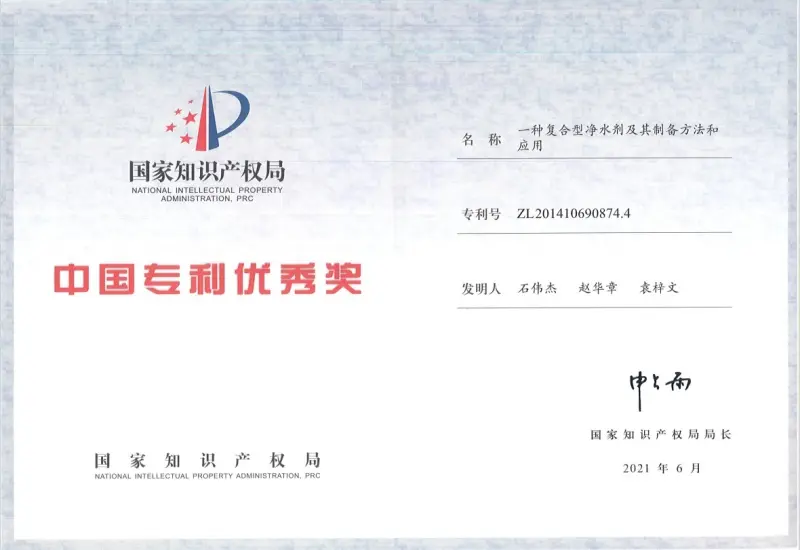
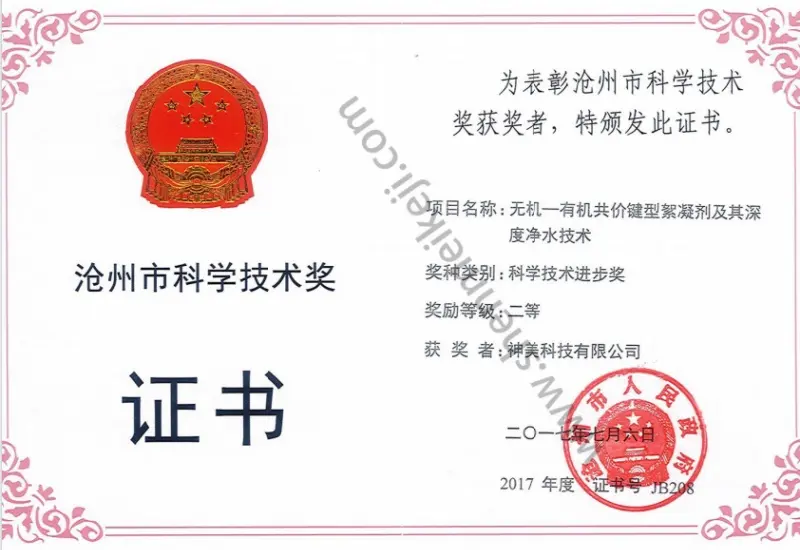
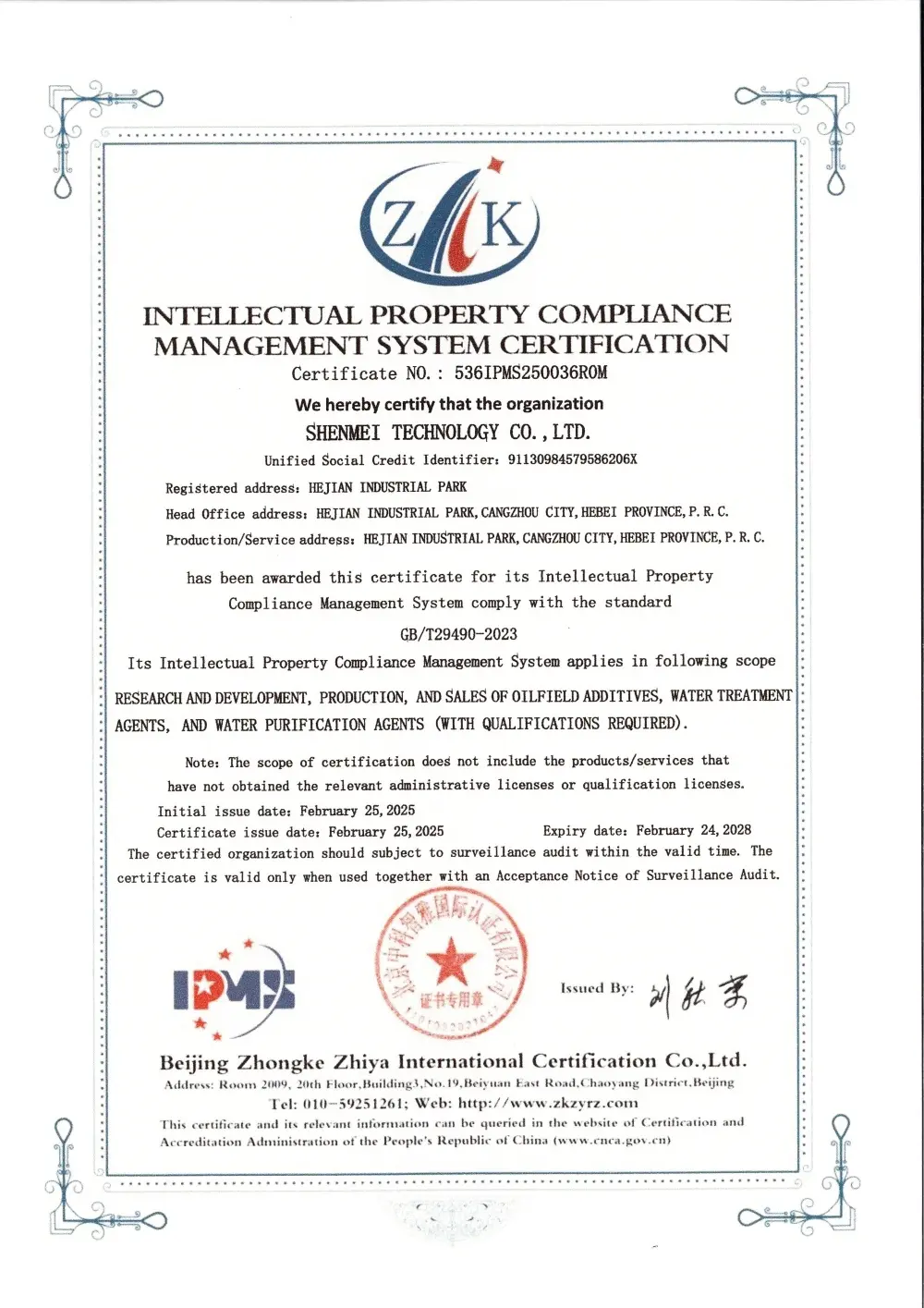
Awards & Technical Achievements: Smedic's independently developed "Inorganic-Organic Covalent Bond Flocculant and Its Advanced Water Purification Technology" won the 22nd China Patent Award, the First Prize for Technological Invention from the China Petrochemical Industry Association, and the Hebei Province Science and Technology Progress Award.
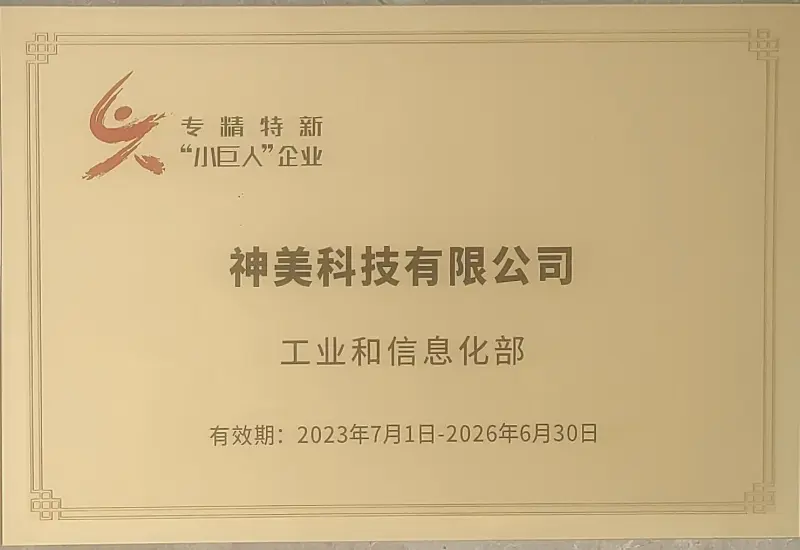
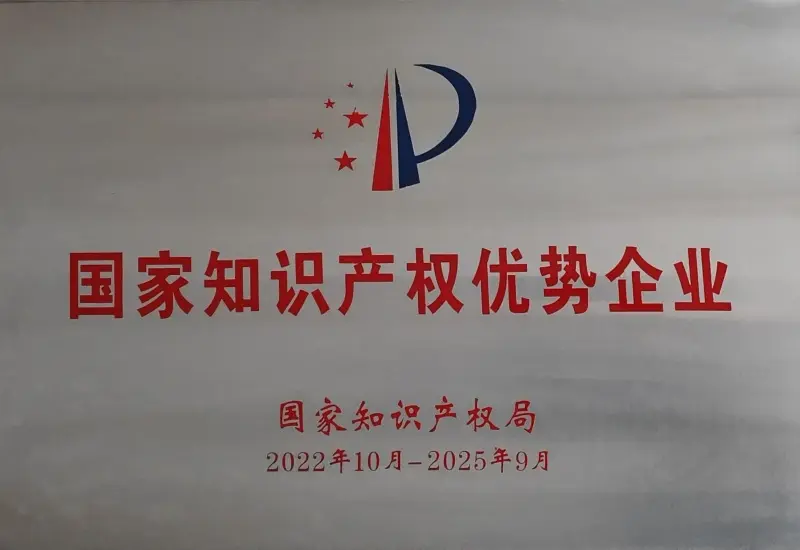
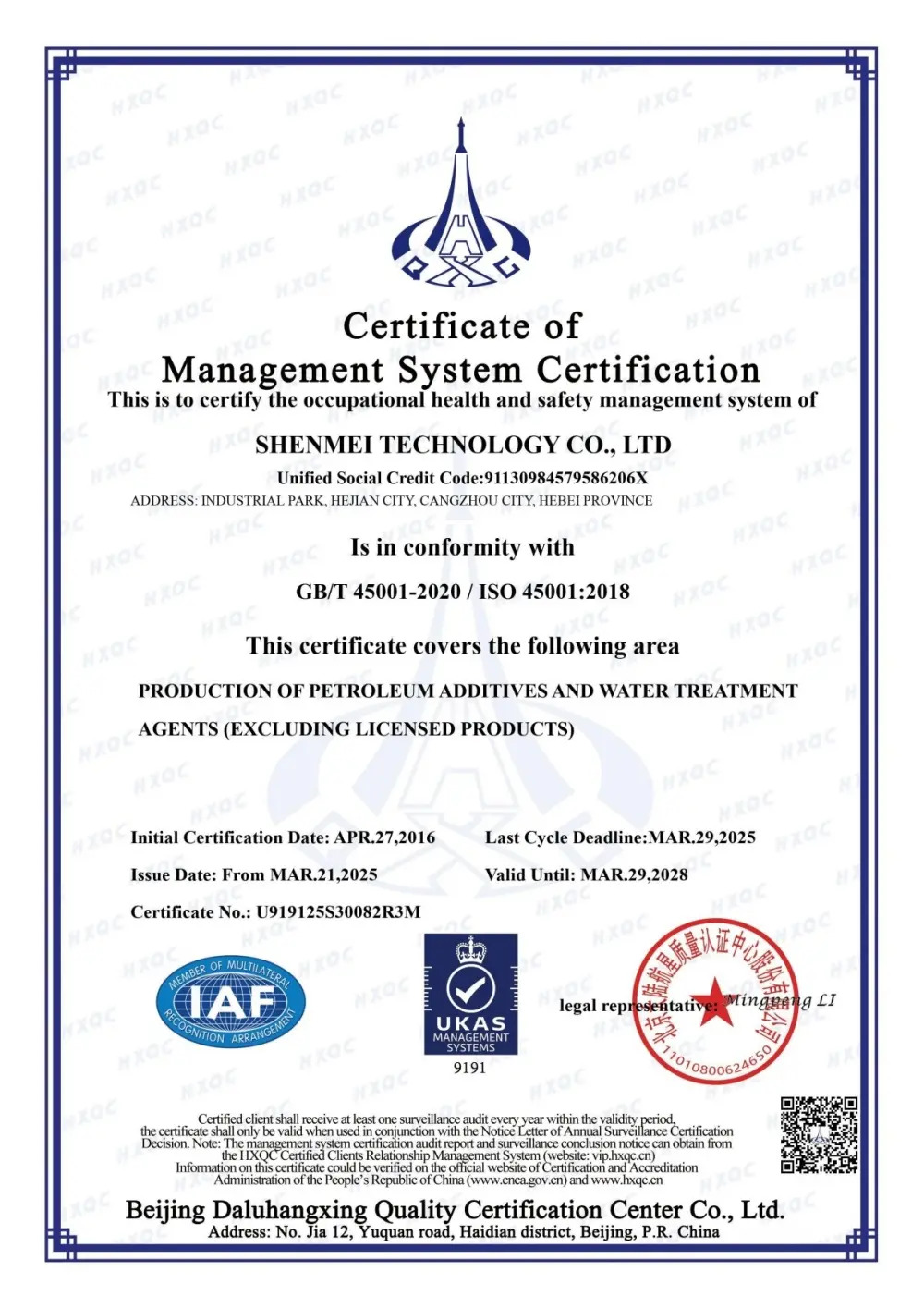
We have obtained qualifications such as National High-tech Enterprise, National Specialized, Refined, Unique and Innovative "Little Giant" Enterprise, National Key-Supported Specialized, Refined, Unique and Innovative "Little Giant" Enterprise, Hebei Province Specialized, Refined, Unique and Innovative "Little Giant" Demonstration Enterprise, Hebei Province Green Factory, Hebei Province Science and Technology-based Small and Medium-sized Enterprise, and China's Science and Technology-based Innovative Small and Medium-sized Enterprise.
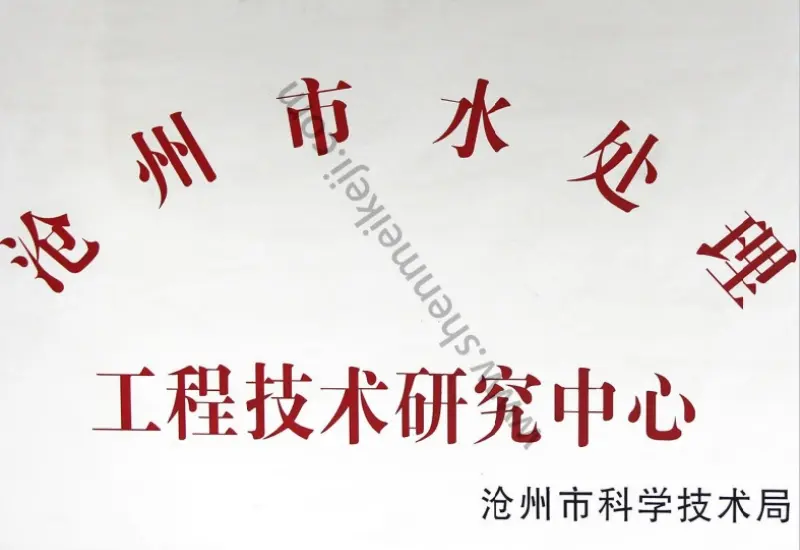
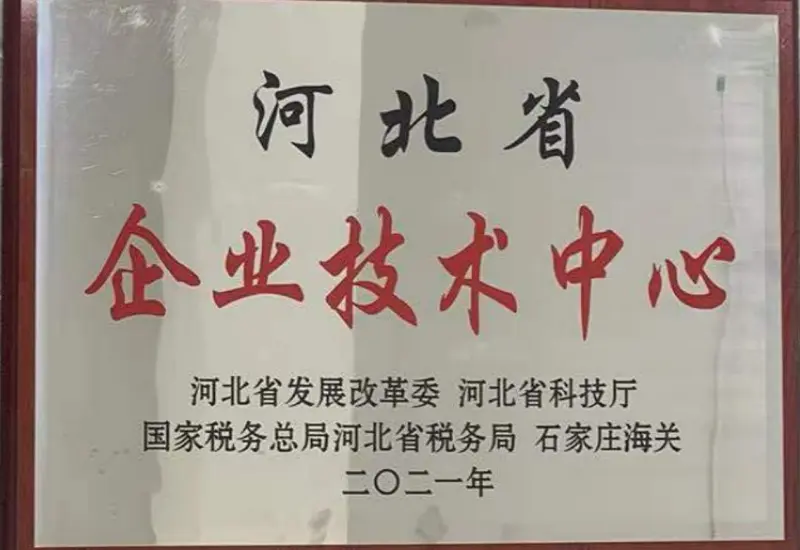
We have a core technical team composed of academicians, experts, professors, and senior engineers, and have established an R&D system and a technology commercialization platform centered around one academy, three research institutes, and five bases. We have established the Hebei Provincial Enterprise Technology Center, the Hebei Provincial Advanced Water Treatment Chemicals Technology Innovation Center, and the Cangzhou Water Treatment Engineering Technology Research Center, and have been recognized as a Class A R&D institution in Hebei Province. We have established an expert workstation with Tsinghua University Association of Senior Scientists and Technicians, and have set up joint R&D laboratories with Shandong University and Beijing University of Technology. Additionally, we also serve as a commercialization partner for the industry–academia–research achievements of institutions such as Peking University and Tianjin University.
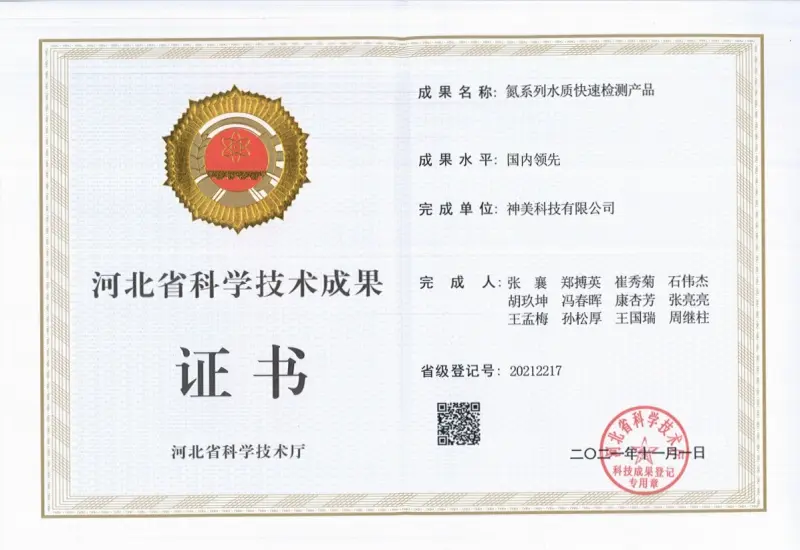
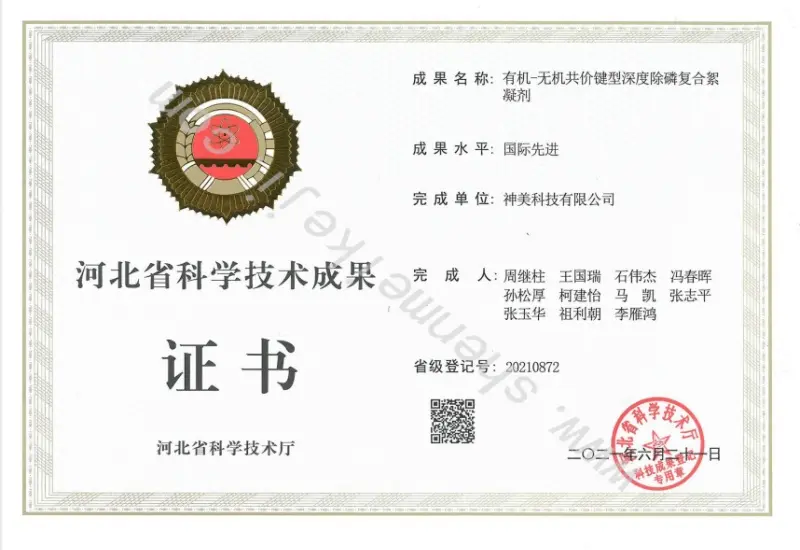
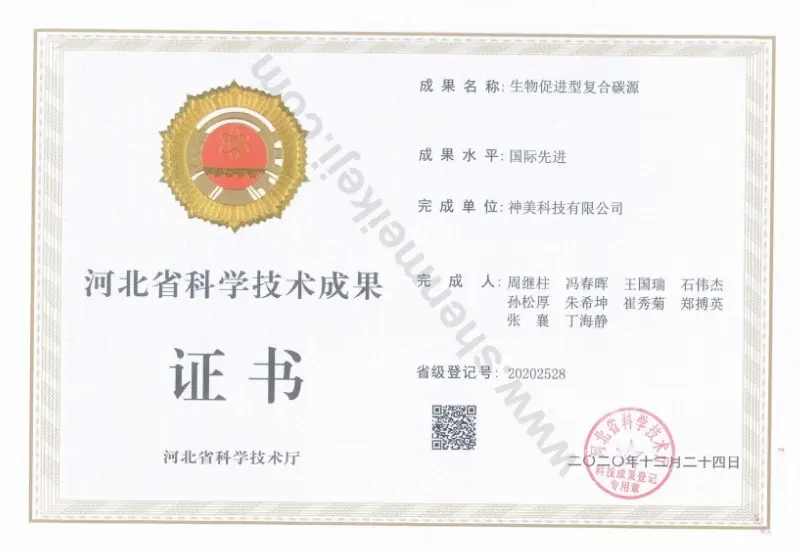
We have been granted over sixty Chinese patents, including more than forty invention patents and over twenty utility model patents. We have led the drafting of more than ten national and industry standards, including those for composite carbon sources, composite coagulants, sodium acetate, and nitrifying and denitrifying bacterial agents. The patented technologies and products we have independently developed, such as the bio-enhanced denitrification carbon source and the deep multi-nuclear phosphorus removal agent, have passed the scientific and technological achievement evaluation conducted by the Science and Technology Department of Hebei Province. These achievements have been appraised as "internationally advanced" and have filled a domestic gap in this product category.
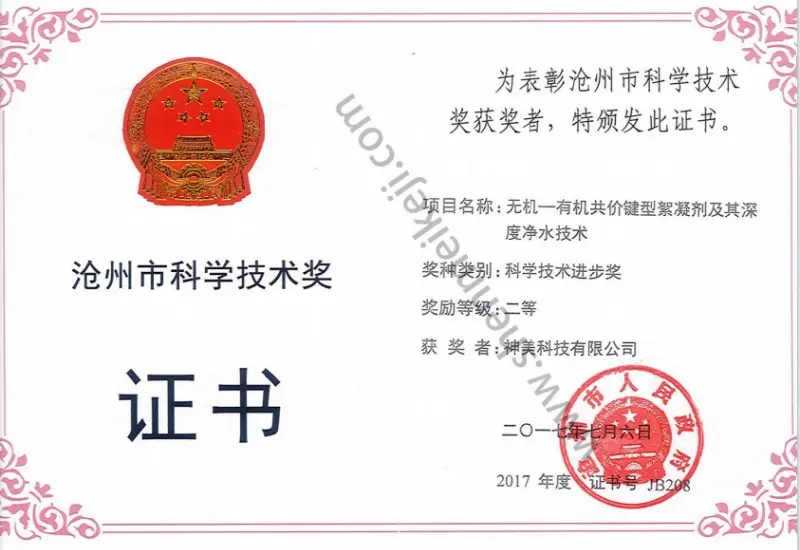
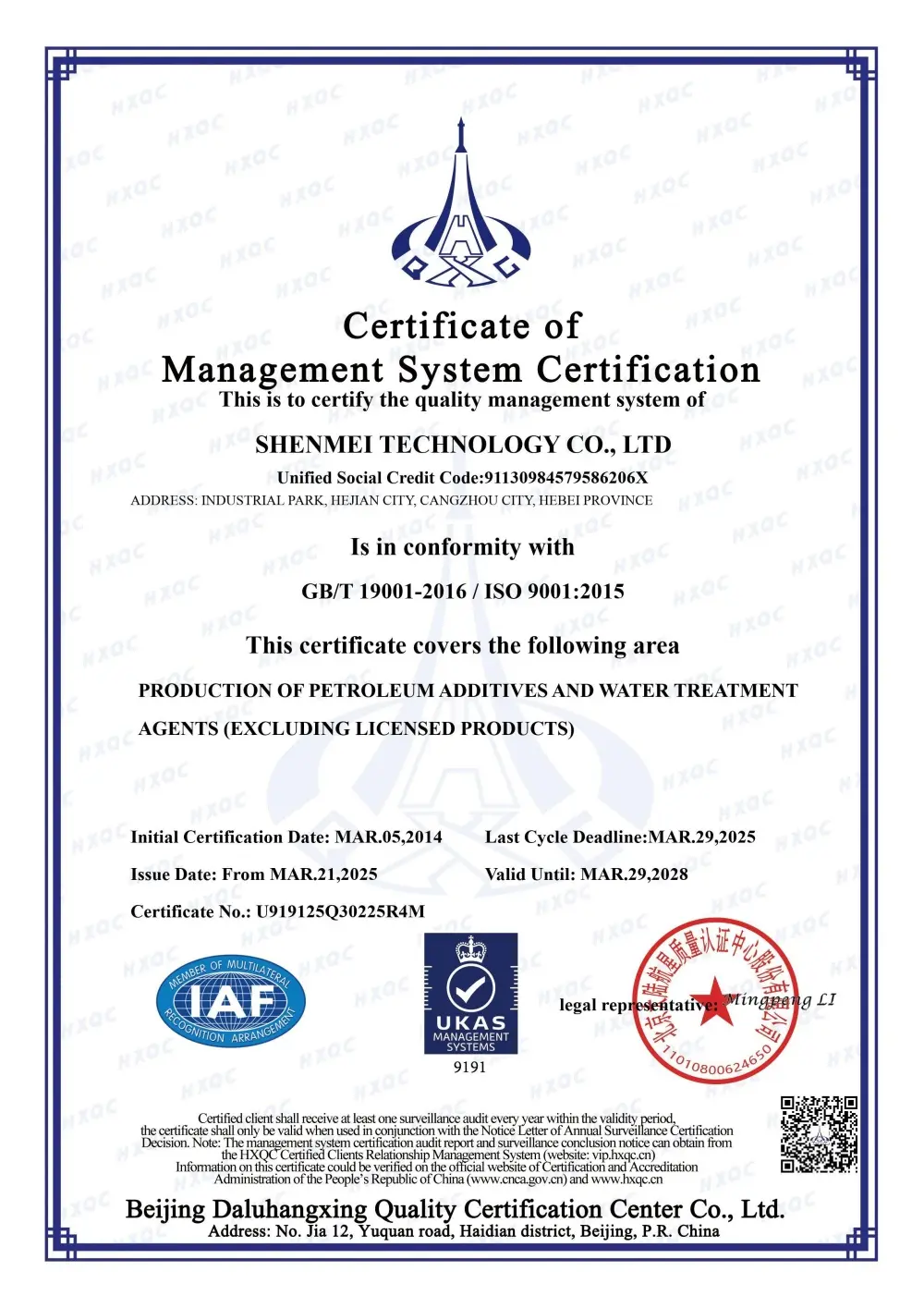
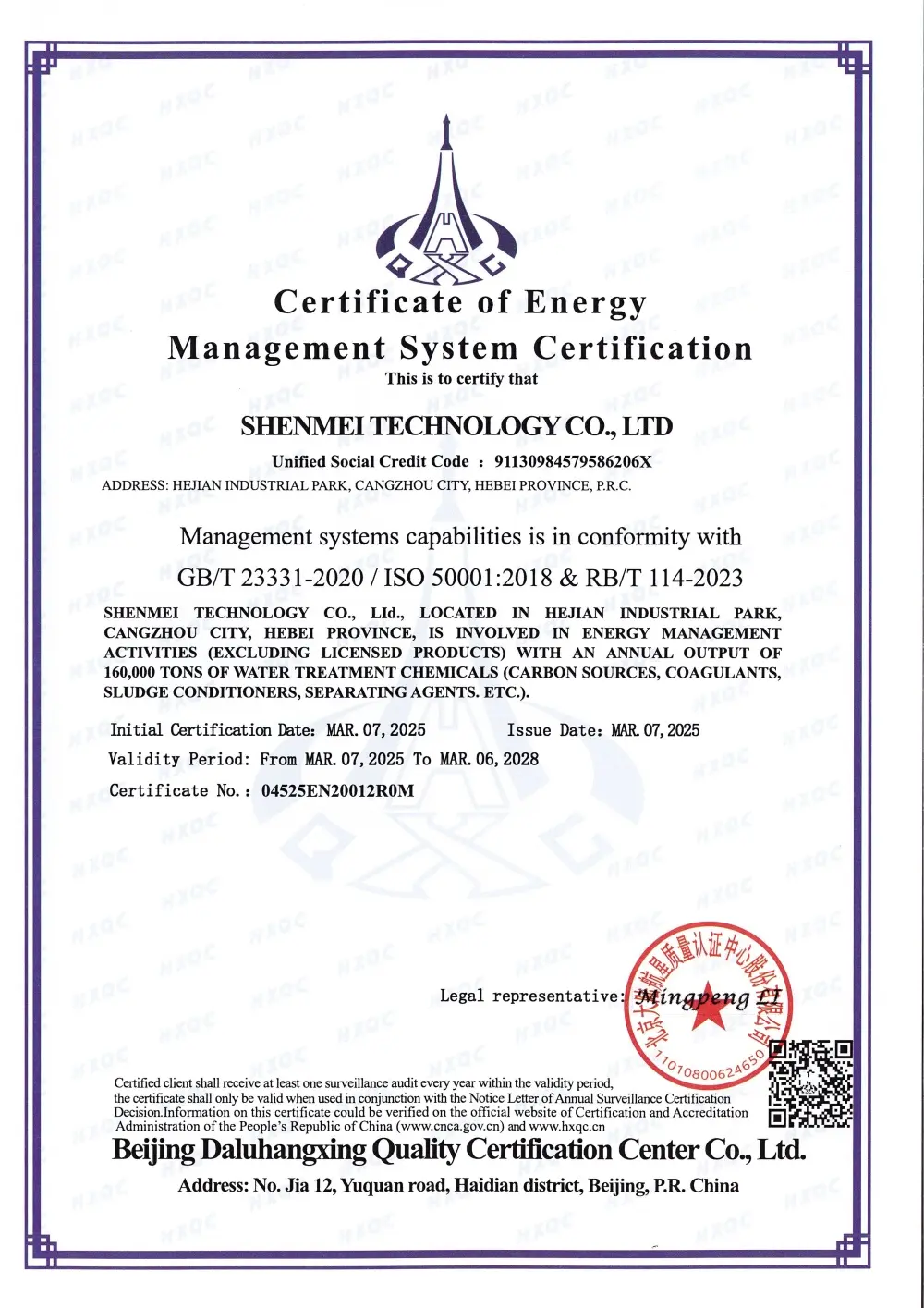
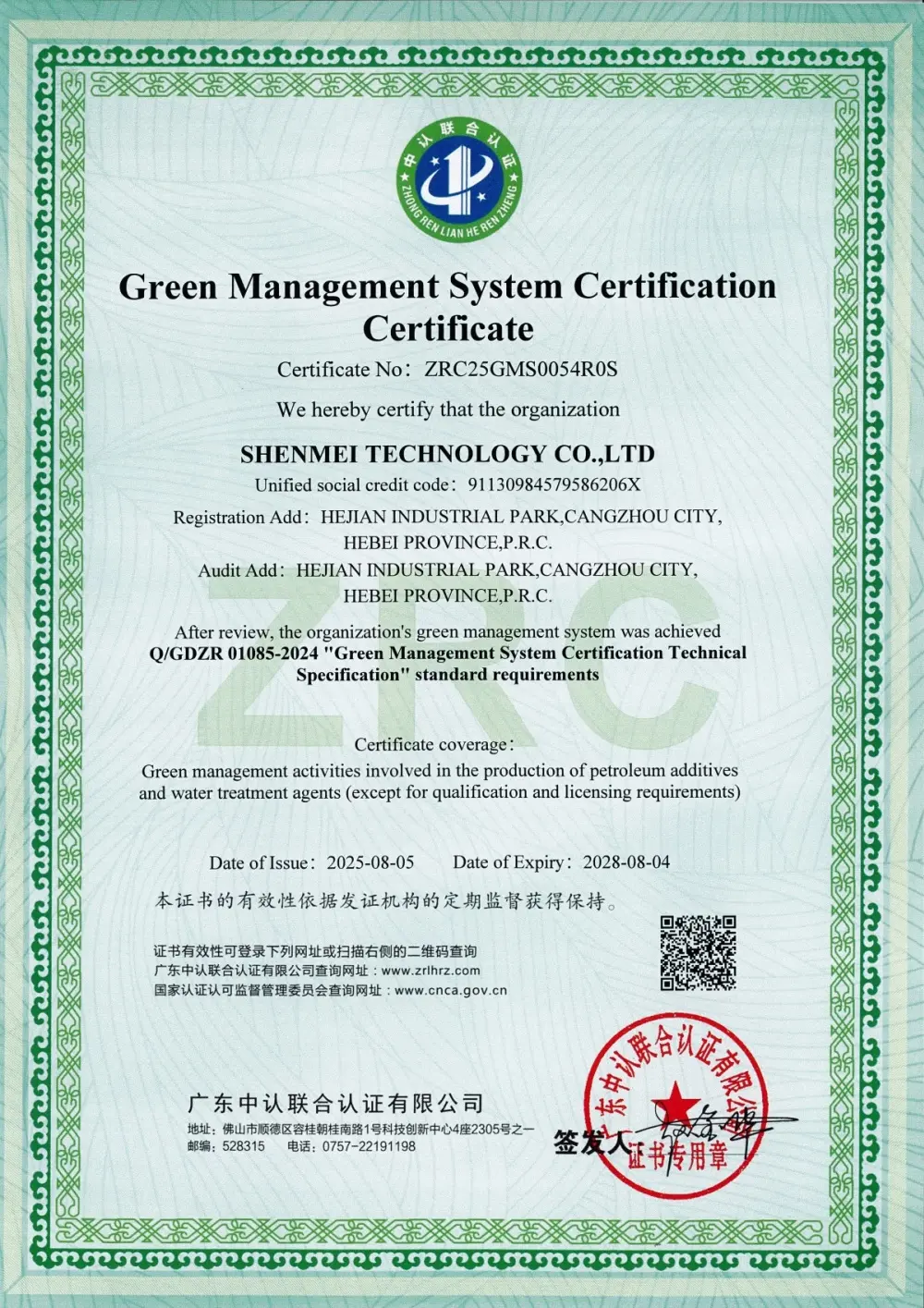
Over a decade of sustainable growth and technological innovations in environmental chemistry.
The technological direction of polymeric iron salts towards higher stability, environmental sustainability, and smart dosing integration.
Traditional manufacturing processes yield PFS with basicity values capped at 16%. Smedic's technical team is developing a high-basicity PFS (up to 20%) using catalytic pressure synthesis. Higher basicity means larger molecular size, faster floc sedimentation velocities, and reduced iron leakage in treated water.
Our green factory research center focuses on using industrial iron by-products from titanium dioxide manufacturers to produce high-purity Poly Ferric Sulphate. This circular economy model reduces production costs by 20% while cutting the carbon footprint of chemical processing by 40%.
Future water treatment plants rely on automation. Smedic is integrating real-time UV-Vis spectrophotometry with chemical feed loops. By tracking incoming turbidity, streaming current, and UV254 values, dosing systems can dynamically adjust PFS addition to prevent chemical overdosing.
Meeting environmental criteria, health standards, and chemical handling guidelines across global industrial regions.
For municipal water distribution networks, coagulants must meet strict purity limits. Our PFS formulations are manufactured in facilities that comply with ISO 9001 and ISO 14001 guidelines. Our drinking-water grade PFS contains negligible heavy metal concentrations (arsenic, lead, cadmium), satisfying NSF/ANSI Standard 60 requirements for chemicals used in public water systems.
Smedic provides complete safety documentation for European, American, and South-East Asian chemical shipping corridors. All PFS exports include bilingual Globally Harmonized System (GHS) Safety Data Sheets (SDS), outlining correct personal protective equipment (PPE), storage temperatures, and chemical spill mitigation techniques.
Technical explanations for plant managers and chemical engineers troubleshooting industrial water systems.
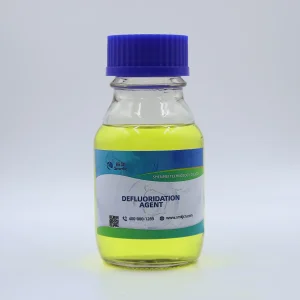
Browse our secondary product line including organic silicone defoamers, CPAM, PAC, fluoride removal agents, and scale inhibitors.
 Smedic Tech