Explore our premium grade products designed for separation, foam control, scale prevention, and wastewater remediation.
An in-depth review of water chemical separation technologies engineered to meet modern ecological benchmarks.
Per- and polyfluoroalkyl substances (PFAS) present an unprecedented challenge to municipal water facilities and industrial manufacturers alike. Due to their strong carbon-fluorine bonds, these substances do not biodegrade, earning them the moniker "forever chemicals." Regulatory frameworks such as the US EPA's National Primary Drinking Water Regulation and the European Chemicals Agency (ECHA) REACH restrictions have established limits in parts per trillion (ppt).
Traditional wastewater processes fail to intercept these recalcitrant molecules. Modern PFAS abatement methodologies rely on multi-barrier strategies where polymer technology serves as the foundational stage:
A trusted global chemical manufacturer and research partner in environmental protection agents since 2011.
Smedic Technology Co., Ltd. is a comprehensive, specialized environmental chemical producer integrating R&D, large-scale synthesis, technical field services, and logistics. Our portfolio serves a wide array of application fields including municipal sewage treatment, high-temperature industrial wastewater processing, mining beneficiation flotation agents, and EOR (Enhanced Oil Recovery) oilfield additives.
With strategic manufacturing sites in Hebei, Guizhou, and Shanxi, alongside regional storage networks spanning ten provinces, we provide supply-chain security and custom formulation services to over 600 municipal facilities and 1,000 industrial buyers globally.
Smedic has achieved recognition as a National "Little Giant" Enterprise due to our contributions to specialty macromolecular chemistry. Backed by joint labs with Tsinghua University and Shandong University, Smedic specializes in advanced synthesis techniques, including covalent organic-inorganic hybrid flocculants, which are now being evaluated for advanced PFAS concentration methods.
Ensuring seamless integration of chemical solutions with local environmental protocols and logistical frameworks.
Our solutions conform to global standards including EPA drinking water regulations, the European Green Deal, REACH registration compliance, and local municipal effluent discharge standards (Class A / Zero Liquid Discharge).
Every industrial water matrix is distinct. Our regional technical engineers provide tailor-made adjustments to molecular weight, charge density, and active content of APAM, CPAM, and defoamers to match specific COD, TSS, and pH variations.
With an annual capacity exceeding 1 million tons and regional logistics bases, we offer steady supply lines, flexible container booking (FCL/LCL), moisture-barrier packaging, and expedited customs clearing assistance.
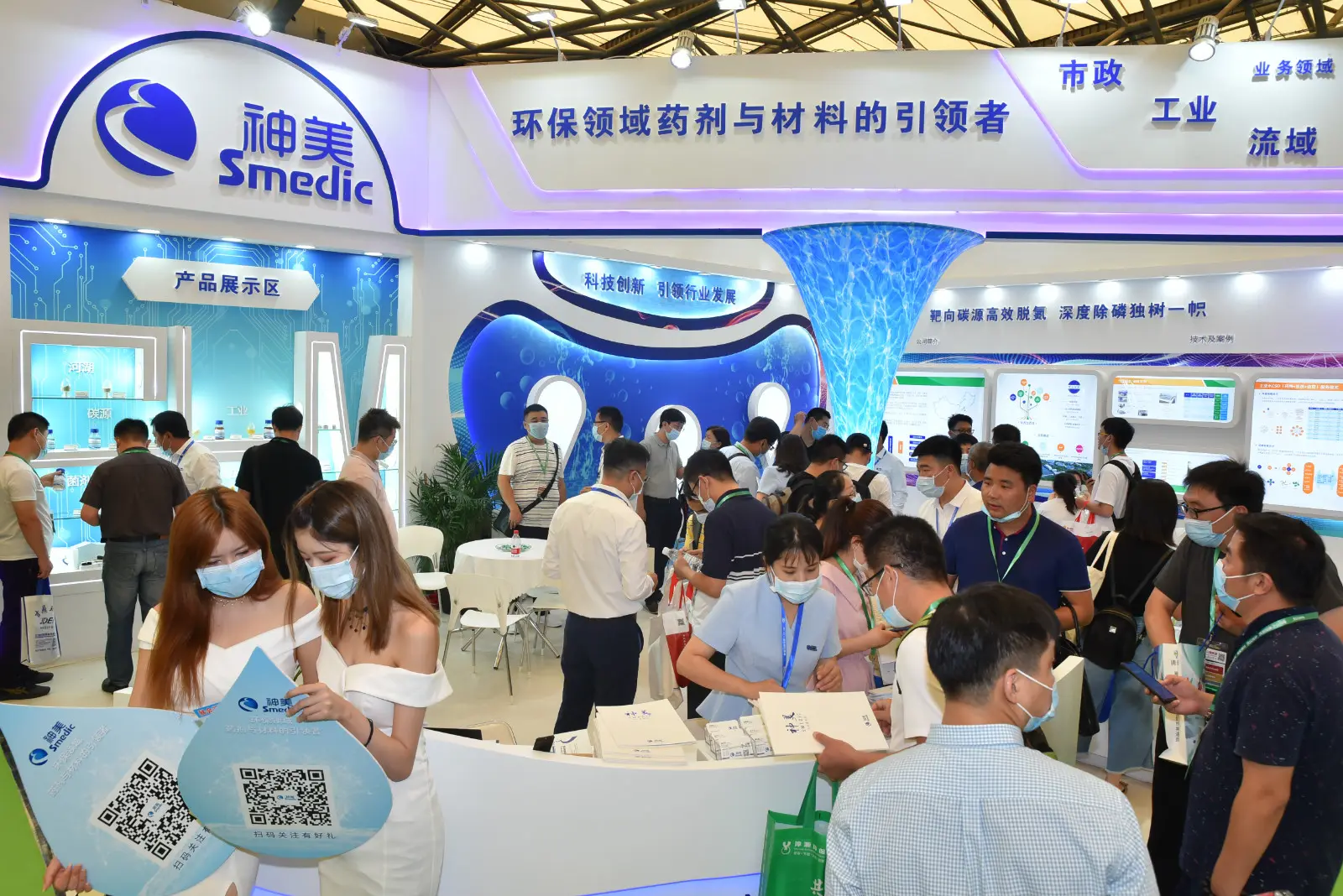
Procuring from Smedic allows global enterprises to leverage China's mature industrial ecosystem. Our production facilities optimize raw material procurement (acrylic acid, acrylamide monomers, organosilicon polymers, and polyalcohols) to insulate global clients from price spikes.
A history of growth, academic collaborations, and patent development.
Smedic was founded, establishing a footprint in water treatment reagents.
Established a complete municipal wastewater agent line, introducing specialized biological carbon sources.
Built a new environmental agents facility in Guizhou to support industrial clients in Southern China.
Expanded manufacturing bases across Hebei, Shandong, and Guizhou, pushing annual capacity past 1 million tons.
Recognized as a national Specialized, Refined, Unique and Innovative Small & Medium-Sized Enterprise.
Inaugurated the Hebei Provincial Advanced Water Treatment Chemicals Technology Innovation Center.
Established a mineral processing reagents joint venture with Chengdu Institute of Mineral Comprehensive Utilization, China Geological Survey.
We believe that technological authority is built through validation. Our technical team includes academicians, water chemistry professors, and senior chemical engineers working with key laboratories at Tsinghua University and Shandong University.
Our research team has filed and secured over 60 Chinese patents, including 40+ invention patents. These include advanced formulations for bio-enhanced denitrification, organic-inorganic covalent bond flocculants, and advanced scale inhibitors that maintain membrane flux under severe TDS loads.
As a key drafter of over 10 national and industrial standards, including specifications for composite carbon sources and sodium acetate reagents, Smedic ensures every delivery meets safety and chemical criteria.
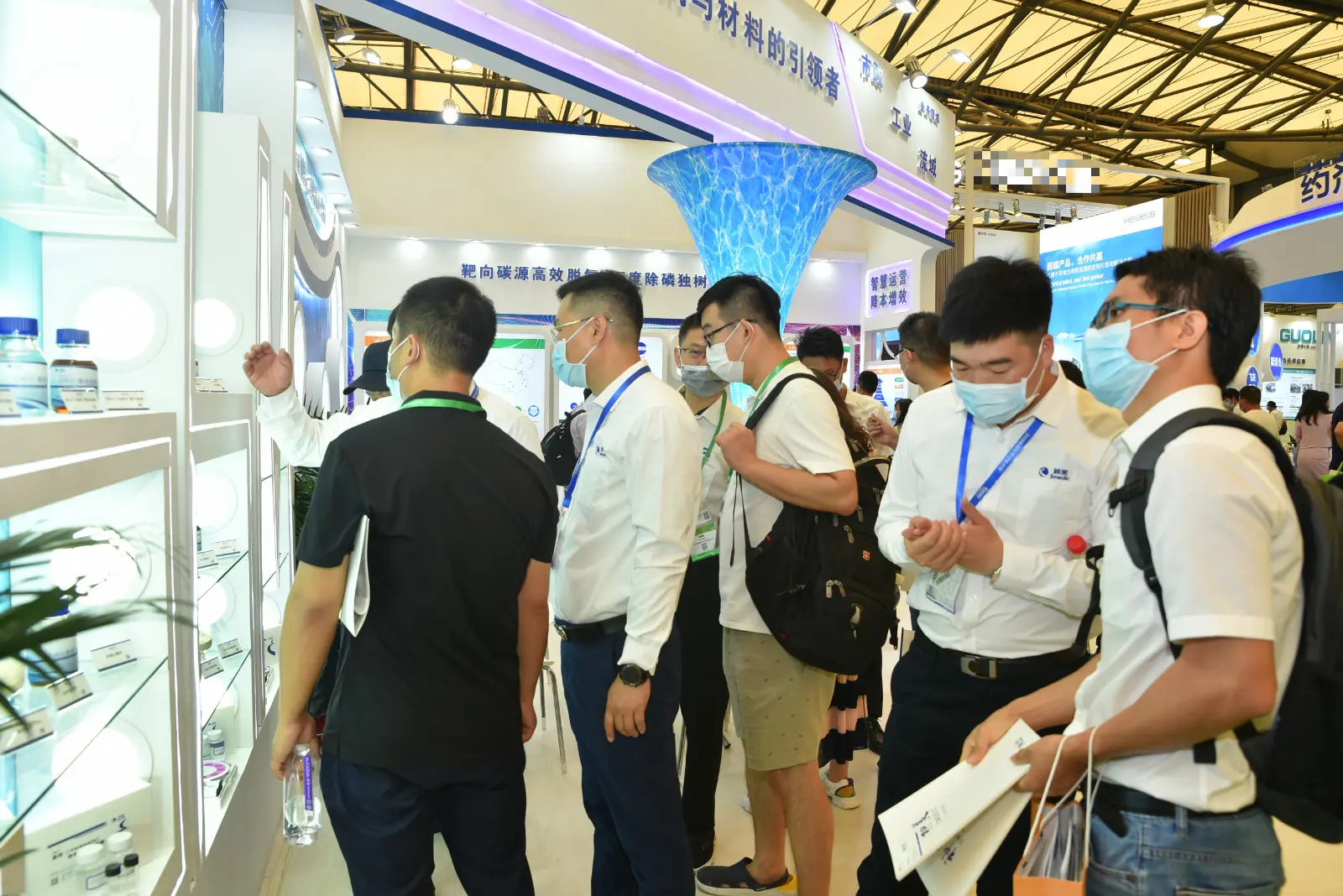
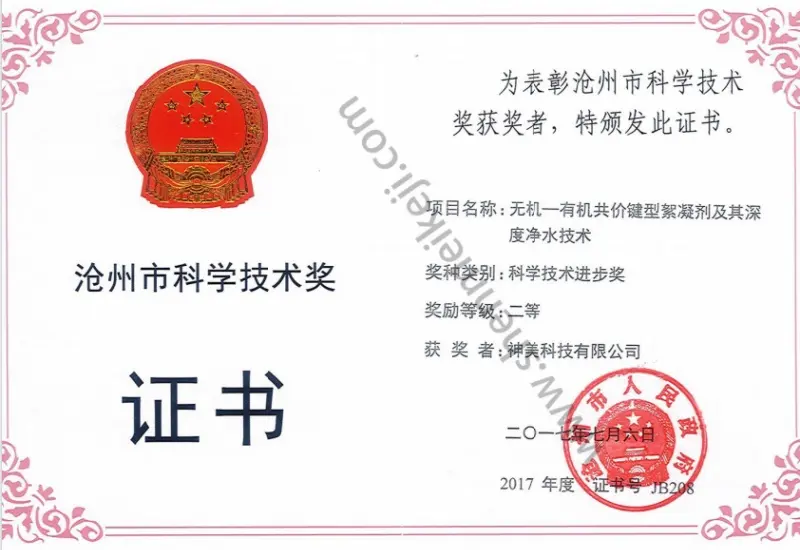
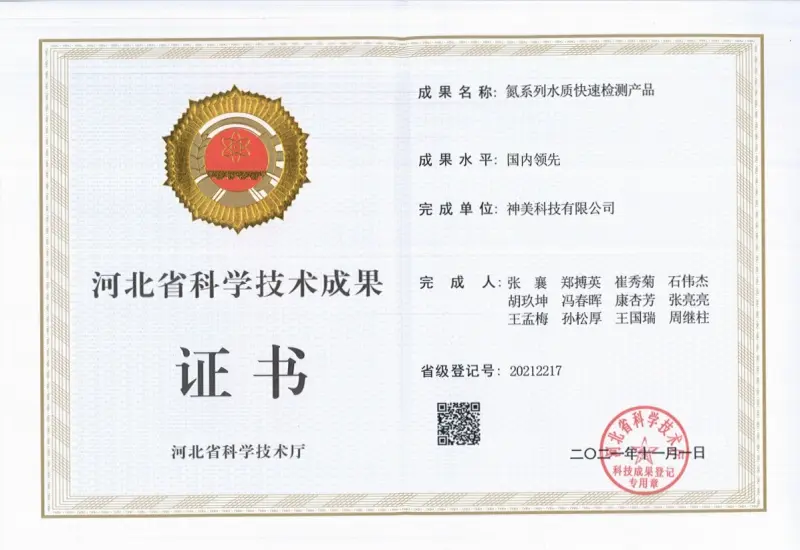
Targeted solutions for the world's most demanding water purification processes.
Removing complex organics, phosphates, and nitrogen oxides. Our premium PAM coagulants and sodium acetate carbon sources ensure plants meet stringent effluent standards without excessive sludge production.
High-temperature, shear-resistant Non-Ionic Polyacrylamide (NPAM) formulations used in EOR (Enhanced Oil Recovery) systems, polymer flooding, and oily sludge separation.
Our specific flocculants expedite settling in coal washing, gold processing, and tailings thickeners, enabling recycled process water loops.
Insights on selection, storage, and application optimization for water treatment chemicals.
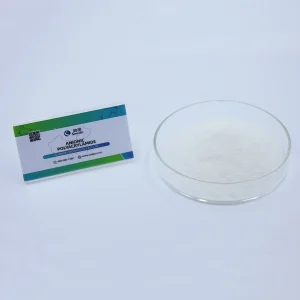
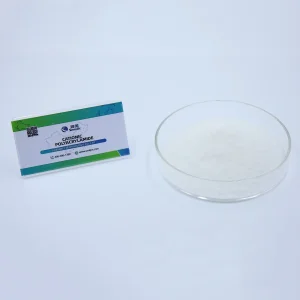
APAM (Anionic) contains negatively charged groups and is ideal for suspended inorganic particles, such as mining and metallurgical clays. CPAM (Cationic) features positive charges, binding effectively with organic sludge in municipal sewage or paper mills. NPAM (Non-ionic) exhibits neutral characteristics, making it suitable for acidic wastewater, oilfield applications, and co-formulation systems.
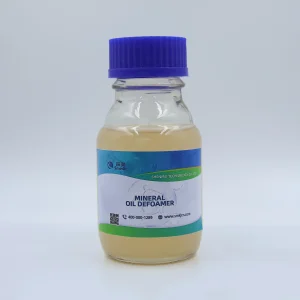
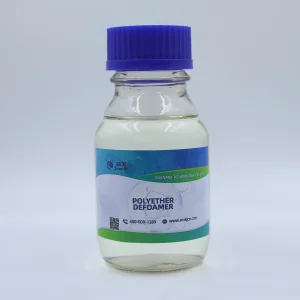
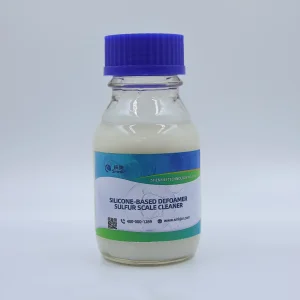
Foam build-up halts pumping operations, creates safety hazards, and lowers dissolved oxygen transfer in bioreactors. Using Smedic's mineral oil, polyether, or organic silicone defoamers ruptures the liquid film of bubbles, maintaining process control.
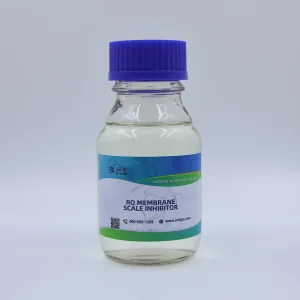
Reverse Osmosis (RO) systems concentrate dissolved salts, leading to crystallization (calcium carbonate, silica, barium sulfate) on membrane surfaces. Smedic scale inhibitors act as dispersants and crystal lattice distorters, preventing precipitation, protecting membranes, and reducing the frequency of chemical cleaning (CIP).
Dry powder Polyacrylamide typically has a shelf life of up to 2 years if stored in a cool, dry place. Liquid emulsion PAM and scale inhibitors should be used within 6 to 12 months. Ensure packages are sealed to prevent humidity-induced clumping.
Before water reaches expensive PFAS-selective resins or reverse osmosis membranes, high-density flocculants remove suspended organic matrices. This step keeps active sites on carbon beds and ion exchange resins open for PFAS uptake, extending medium lifespan and reducing overall treatment costs.
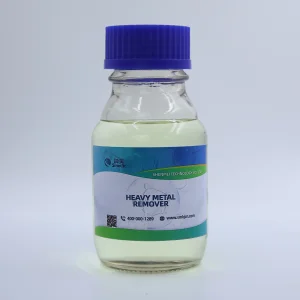
High-quality reagents designed for enhanced oil recovery, coagulant sedimentation, and heavy metal adsorption.
 Smedic Tech